
Updated planning guide for 2026-2027
3-Day Volunteer & Teach English Program + Cultural Stay: Complete Guide
Discover how to make a meaningful impact with a 3-day volunteer and teach English program in Tanzania, combined with authentic cultural experiences. This comprehensive guide provides practical planning details, itinerary options, and insights for your 2026-2027 trip.
WhatsApp +255616946642 | topguideadventures@gmail.com | info@topguideadventures.com
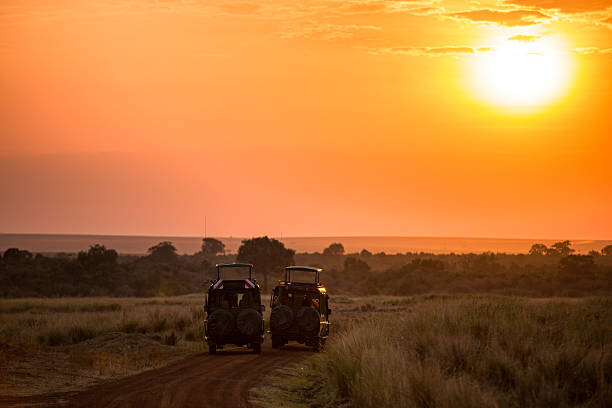
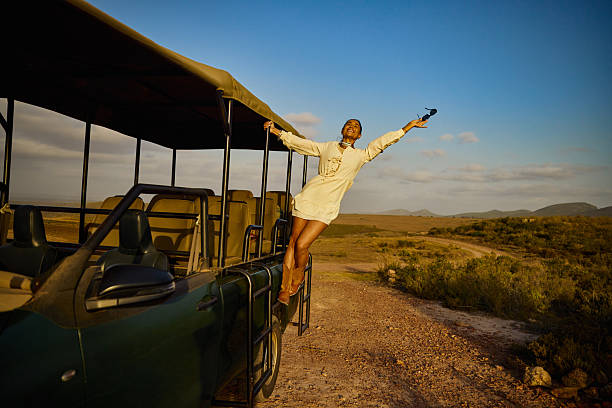
Your Comprehensive Guide to a 3-Day Volunteer & Teach English Program + Cultural Stay in Tanzania
Considering a short yet impactful trip to Tanzania? A 3-day volunteer and teach English program, combined with a genuine cultural stay, offers a unique opportunity to contribute to local communities while experiencing the heart of East African life. This guide is designed to provide you with all the essential information to plan, prepare for, and make the most of such an enriching experience, whether you’re looking at 2026 or 2027.
Many travelers dream of visiting Tanzania for its iconic safaris and majestic Mount Kilimanjaro. However, there’s a growing desire for more profound connections. A short-term volunteer program allows you to step beyond typical tourism, offering direct engagement with local schools and communities. This is not just about teaching; it’s about cultural exchange, learning, and leaving a positive mark, however brief your stay.
This detailed article will walk you through everything you need to know, from understanding the program’s structure and benefits to practical planning, what to expect on the ground, and how to choose the right opportunity. We’ll cover itinerary ideas, essential preparations, and tips for maximizing your cultural immersion during your limited time.
Quick Facts: 3-Day Volunteer & Teach English Program + Cultural Stay
| Aspect | Details |
|---|---|
| Program Duration | Typically 3 full days of dedicated volunteer and teaching activities, plus travel/arrival/departure days. |
| Location Focus | Often centered around towns or villages near major tourist hubs (e.g., Arusha region) for accessibility. |
| Activities | Teaching basic English, assisting local teachers, engaging children in educational games, cultural exchange sessions. |
| Cultural Immersion | Homestays, village visits, local market tours, traditional meal preparation, interaction with community members. |
| Accommodation | Homestays with local families or basic volunteer guesthouses. |
| Best For | Travelers with limited time seeking meaningful engagement, students, families, those new to volunteering. |
| Seasonality | Possible year-round, but consider rainy seasons (March-May, Nov-Dec) for travel comfort. Dry seasons (June-Oct, Jan-Feb) are generally preferred. |
Understanding the 3-Day Volunteer & Teach English Program
A 3-day program is designed for maximum impact within a compressed timeframe. It acknowledges that not everyone has weeks or months to dedicate to volunteering. This model focuses on practical, hands-on contributions that can be achieved in a short period.
What Does ‘Volunteer & Teach English’ Mean?
In the context of a 3-day program, teaching English typically involves:
- Basic Conversational English: Helping children and sometimes adults practice speaking and understanding simple English phrases.
- Vocabulary Building: Introducing new words related to daily life, school subjects, or common themes.
- Pronunciation Practice: Guiding learners on how to pronounce English words correctly.
- Interactive Activities: Using games, songs, storytelling, and visual aids to make learning fun and engaging.
- Assisting Local Teachers: Supporting classroom activities, preparing simple materials, or helping with homework.
The focus is rarely on formal grammar instruction, but rather on building confidence and basic communication skills. Your role is to provide enthusiastic interaction and a positive learning environment.
The ‘Cultural Stay’ Component
This is what elevates the experience beyond a typical short volunteer stint. A cultural stay means:
- Living with Locals: Often involves a homestay with a Tanzanian family, providing direct insight into daily life, customs, and family structures.
- Community Integration: Participating in local activities, sharing meals, and learning about traditions from community members.
- Authentic Experiences: Visiting local markets, understanding local farming practices, or learning about traditional crafts.
- Language Exchange: While you teach English, you’ll also have opportunities to learn basic Swahili phrases and understand local dialects.
This dual focus ensures you contribute meaningfully while also gaining a deep appreciation for Tanzanian culture.
Why Choose a Short-Term Program?
The appeal of a 3-day volunteer and teach English program plus cultural stay lies in its accessibility and concentrated impact.
For the Time-Constrained Traveler
Many people wish to volunteer but are limited by work, study, or other commitments. A 3-day program fits perfectly into a longer Tanzanian holiday, such as a safari or a Zanzibar beach trip, allowing you to add a layer of purpose without requiring extensive time off.
Meaningful Contribution
Even a short period can make a difference. Your presence, enthusiasm, and the English practice you provide can significantly boost the confidence and learning of the students. The cultural exchange benefits both you and the community.
Deep Cultural Immersion
Living with a local family for even a few days offers unparalleled insight into Tanzanian life. You’ll experience firsthand the warmth, hospitality, and daily routines that are often missed by conventional tourists.
Personal Growth
Stepping outside your comfort zone, engaging with different perspectives, and contributing to a community fosters significant personal development, resilience, and a broader worldview.
Best Time to Visit for Your Program
Tanzania has distinct seasons, and while a 3-day program can be undertaken at any time, some periods offer more comfortable weather for both your volunteer activities and any accompanying travel.
Tanzania Seasonality Guide
| Season | Months | Weather | Impact on Program |
|---|---|---|---|
| Dry Season (Long Rains End) | January – February | Warm, sunny, occasional short showers. Good for travel. | Ideal for outdoor activities and consistent program delivery. |
| Long Rains | March – May | Heavy rainfall, humid, cooler temperatures. Roads can be challenging. | May impact travel to remote areas. Indoor activities are still possible. |
| Dry Season (Cooler) | June – October | Cooler, dry, sunny days. Pleasant temperatures. Peak tourist season. | Excellent conditions for volunteering and cultural activities. |
| Short Rains | November – December | Intermittent light rains, warm. | Generally manageable for programs, though travel might be slightly affected. |
For planning your 3-day volunteer & teach English program + cultural stay in 2026 or 2027, the dry seasons (June-October and January-February) are generally recommended for the most comfortable experience. However, programs run year-round, and the ‘short rains’ season can still be a viable and less crowded option.
Sample Itinerary: A 3-Day Volunteer & Teach English Experience
This sample itinerary is based in a community near Arusha, a common starting point for many Tanzanian adventures. It balances structured teaching with authentic cultural engagement.
Sample 3-Day Volunteer & Teach English Program Itinerary
Location: Rural village near Arusha, Tanzania
Focus: Primary school English assistance and community cultural immersion.
-
Day 1: Arrival, Orientation & First Teaching Session
- Morning: Arrive at your homestay/guesthouse. Meet your local coordinator for an orientation. Learn about the community, local customs, basic Swahili greetings, and program expectations.
- Late Morning: Visit the local primary school. Introduction to the headteacher and students. Observe a typical class.
- Afternoon: First teaching session. Focus on simple greetings, colors, numbers, and animal names using songs and flashcards. Engage children in interactive games.
- Evening: Share dinner with your host family. Discuss your day and learn about their daily lives.
-
Day 2: Deeper Engagement & Cultural Exploration
- Morning: Second teaching session. Build on Day 1, introducing simple sentence structures (e.g., “My name is…”, “I like…”) or basic hygiene concepts.
- Late Morning: Participate in a community activity. This could be helping with a small farm task, visiting a local artisan, or joining a community gathering (if available).
- Afternoon: Cultural excursion. Visit a local market to see produce and crafts, or take a guided walk through the village to understand local life.
- Evening: Traditional cooking lesson with your host family. Learn to prepare a staple Tanzanian dish like Ugali or Pilau. Enjoy the meal together.
-
Day 3: Advanced Activities & Farewell
- Morning: Final teaching session. Focus on reinforcing learned concepts, perhaps a simple Q&A session, or a storytelling activity in English. You might assist with a specific lesson plan provided by the school.
- Late Morning: Farewell gathering with students and teachers. Perhaps a small token of appreciation or a group photo.
- Afternoon: Visit a local landmark or a community project (e.g., a water well initiative, a women’s cooperative). Reflect on your experience with your coordinator.
- Evening: Farewell dinner with your host family or a community representative. Exchange contact information and goodbyes.
Note: This is a flexible template. Actual activities will depend on the specific community needs, school schedules, and local opportunities available.
What to Expect on the Ground
Prepare for an authentic experience that may differ from what you’re accustomed to. This is part of the adventure and the learning process.
Accommodation
Homestays are common and provide the deepest cultural immersion. Expect a basic but clean room, often with a shared bathroom. Facilities might be simpler than in hotels, with limited running hot water or electricity in some rural areas. Embrace it as part of the local lifestyle.
Food
You’ll likely eat traditional Tanzanian food, which is often delicious and hearty. Staples include Ugali (a stiff maize porridge), rice, beans, vegetables, and occasionally chicken or goat meat. Meals are usually shared with your host family, offering great conversation opportunities.
Daily Life
Life in Tanzanian villages is often community-oriented and follows a rhythm dictated by nature and local customs. Be prepared for early mornings, simple living, and a slower pace. Respect local traditions, dress modestly, and always ask permission before taking photos of people.
Language
While English is the official language of instruction in Tanzanian schools and widely spoken in tourist areas, Swahili is the national language and is used in everyday life. Learning a few basic Swahili phrases (Jambo – Hello, Asante – Thank you, Karibu – Welcome) will be greatly appreciated.
Teaching Environment
Schools in rural Tanzania can be under-resourced. Classrooms may be crowded, and teaching materials limited. Your enthusiasm, creativity, and willingness to adapt are more important than formal teaching qualifications. Patience and a positive attitude are key.
Preparation and Packing Essentials
Thorough preparation is crucial for a smooth and rewarding 3-day volunteer & teach English program + cultural stay.
Documentation
- Passport: Valid for at least six months beyond your stay, with sufficient blank pages.
- Visa: Check Tanzania’s visa requirements for your nationality well in advance.
- Vaccinations & Health: Consult your doctor or a travel clinic 4-6 weeks before departure for recommended vaccinations (e.g., Hepatitis A, Typhoid, Tetanus) and malaria precautions.
- Travel Insurance: Comprehensive insurance covering medical emergencies, evacuation, and trip cancellations is essential.
What to Pack
Focus on practical, comfortable, and culturally appropriate items.
Packing List for Volunteer Program
- Clothing: Lightweight, breathable fabrics. Modest attire is essential, especially when visiting schools or villages (long skirts/trousers, t-shirts with sleeves). Bring a light jacket or fleece for cooler evenings.
- Footwear: Comfortable walking shoes or sturdy sandals. Flip-flops for around the homestay.
- Teaching Supplies: While some materials may be provided, consider bringing:
- Flashcards (alphabet, numbers, animals, common objects)
- Coloring books and crayons/colored pencils
- Simple storybooks
- Pens and notebooks for students (optional, check with program provider)
- Small, inexpensive gifts for host family children (e.g., pencils, stickers – avoid candy)
- Personal Items:
- Sunscreen, insect repellent (with DEET)
- Basic first-aid kit (band-aids, antiseptic wipes, pain relievers, any personal medication)
- Hand sanitizer
- Toiletries (biodegradable options are good)
- Quick-dry towel
- Reusable water bottle
- Power bank for charging devices (electricity can be intermittent)
- Adapter for electronics
- Documents & Money: Copies of important documents (passport, visa, insurance), cash for small purchases or tips (USD is widely accepted, but local currency is useful).
Common Mistakes to Avoid
To ensure a positive experience for yourself and the community, be aware of potential pitfalls.
- Unrealistic Expectations: Understand that a 3-day program is introductory. Don’t expect to solve all educational problems or undergo a complete life transformation in such a short time.
- Cultural Insensitivity: Research local customs and dress modestly. Always ask permission before taking photos. Be mindful of noise levels and social etiquette.
- Bringing Too Much ‘Help’: Avoid overwhelming the community with unsolicited advice or materials. Work with your program coordinator to understand the most needed support.
- Focusing Only on Teaching: Remember the cultural stay is equally important. Engage genuinely with your host family and community members.
- Ignoring Health Precautions: Don’t skip vaccinations or malaria prevention. Drink only bottled or purified water.
- Poor Planning: Book through a reputable operator and confirm all details, including what is included and excluded.
Who is This Program Best Suited For?
A 3-day volunteer & teach English program + cultural stay is ideal for a diverse range of travelers:
- Time-Limited Travelers: Those on shorter holidays who want to add a meaningful experience.
- First-Time Volunteers: A short program is a great way to test the waters of volunteering without a long commitment.
- Students: Offers a chance for practical learning and cultural exposure during breaks.
- Families: Can be a rewarding experience for older children and parents to share together.
- Solo Travelers: Provides a structured way to meet locals and contribute to a community.
- Travelers Seeking Deeper Connection: Anyone wanting to go beyond typical tourist activities and understand Tanzanian life better.
Alternatives to a 3-Day Program
If a 3-day program doesn’t quite fit, consider these alternatives:
- Longer Volunteer Programs: 1-week or 2-week programs offer more in-depth teaching and community involvement.
- Safari with Community Visit: Combine a classic safari with a half-day or full-day visit to a Maasai village or local community project.
- Cultural Tours: Focused tours that prioritize interaction with local tribes, artisans, and communities without a formal teaching component.
- Homestay Experiences: Purely cultural immersion programs where you live with a family and participate in daily life, without formal volunteering.
Planning for 2026-2027: Key Considerations
When planning your trip for 2026 or 2027, start early to secure the best opportunities and ensure a smooth journey.
Booking Timeline
Aim to book your program at least 3-6 months in advance, especially if traveling during peak seasons (June-October). This allows time for visa applications, vaccinations, and program confirmation.
Choosing a Reputable Operator
This is paramount. Look for operators who:
- Have clear communication channels.
- Provide detailed program information.
- Have strong local partnerships and community relationships.
- Are transparent about program costs and what’s included.
- Offer support before, during, and after your program.
Budgeting
While exact prices vary, consider the following cost components:
- Program fee (covers accommodation, meals, coordination, project support).
- Flights to Tanzania (Kilimanjaro International Airport – JRO is common).
- Visa fees.
- Vaccinations and travel insurance.
- Personal expenses (souvenirs, extra snacks, tips).
- Optional pre/post-program activities (e.g., safari, Kilimanjaro trek).
Reputable operators will provide a clear breakdown of what their program fee includes.
Health and Safety
Prioritize your well-being. Follow all health advice, be aware of your surroundings, and communicate any concerns to your local coordinator immediately. Trust your instincts.
Booking Your 3-Day Volunteer & Teach English Program + Cultural Stay
Ready to plan your impactful Tanzanian adventure? Partnering with an experienced and ethical tour operator is key to a successful experience.
We specialize in creating unique travel experiences in Tanzania, including opportunities for meaningful community engagement. Our 3-day volunteer & teach English program + cultural stay is designed to offer authentic immersion and a chance to contribute positively.
We work closely with local communities to ensure that volunteer efforts are genuinely needed and well-managed. Our programs are structured to provide a safe, supportive, and culturally rich environment for all participants.
Contact us to learn more and tailor your trip:
- WhatsApp: +255616946642
- Email: topguideadventures@gmail.com
- Backup Email: info@topguideadventures.com
Let us help you craft an unforgettable journey that combines adventure, learning, and genuine connection in Tanzania for 2026 or 2027.
Frequently Asked Questions (FAQs)
Common Questions About the Program
What are the minimum age requirements for this program?
Generally, volunteers need to be at least 16 or 17 years old to participate independently, often with parental consent. Some programs may have higher age limits for specific roles or homestays. Always check with the program provider.
Do I need to be a qualified teacher?
No, formal teaching qualifications are typically not required for these short-term volunteer programs. Enthusiasm, patience, basic English communication skills, and a willingness to engage with children are the most important attributes.
What is the typical group size for these programs?
Group sizes can vary. Some programs are designed for individual volunteers, while others might accommodate small groups. This can influence the level of individual attention you receive and the overall group dynamic.
Is it safe to stay with a host family?
Reputable program operators carefully vet host families and ensure they meet safety and hygiene standards. Your local coordinator will also be available for support. It’s essential to follow their guidance and communicate any concerns.
What if I have dietary restrictions or allergies?
It’s crucial to inform your program provider about any dietary restrictions or allergies well in advance. While accommodations can often be made, be prepared for simpler meals in rural settings.
What kind of support can I expect from the tour operator?
A good operator provides pre-departure information, airport transfers, orientation upon arrival, a local coordinator for daily support, accommodation and meals, and assistance with program activities. They should be your main point of contact for any issues.
Can I combine this program with a safari or Kilimanjaro climb?
Absolutely! Many travelers choose to add a 3-day volunteer and teach English program + cultural stay to a longer itinerary. Operators like ours can help you seamlessly integrate these experiences before or after your safari or trek.
What currency should I bring?
While US Dollars are widely accepted for larger purchases or tips, it’s advisable to have some Tanzanian Shillings (TZS) for smaller local markets or personal expenses. Your program provider can advise on the best way to manage money.
How much should I tip?
Tipping is not always mandatory but is appreciated for good service. Your program coordinator or host family may appreciate a small token. Discuss appropriate tipping practices with your tour operator.
What is the typical class size for teaching English?
Class sizes can range significantly, from 20 to 60+ students in primary schools, especially in rural areas. Flexibility and engaging activities are key to managing larger groups effectively.
Will I receive a certificate upon completion?
While some programs might offer a certificate of participation, the primary reward is the experience and the impact you make. Focus on the learning and cultural exchange rather than formal accreditation.
How can I prepare my children if they are participating in 2026 or 2027?
Discuss the cultural differences openly, explain the importance of respecting local customs, and manage expectations about living conditions. Encourage them to be open-minded and curious. Pre-reading books about Tanzania can also be helpful.
Start Planning Your Meaningful Tanzanian Journey
A 3-day volunteer & teach English program + cultural stay offers a unique pathway to connect with Tanzania on a deeper level. It’s an opportunity to contribute, learn, and grow in a short, impactful period.
Whether you are planning for 2026 or 2027, Top Guide Adventures is here to help you create a responsible and rewarding travel experience. We are committed to ensuring our volunteer programs benefit both the participants and the local communities.
Ready to make a difference? Contact us today:
- WhatsApp: +255616946642
- Email: topguideadventures@gmail.com
- Backup Email: info@topguideadventures.com
Let us help you craft an unforgettable experience that aligns with your travel goals and desire for authentic cultural immersion in Tanzania.
Plan your 3-Day Volunteer & Teach English Program + Cultural Stay with Top Guide Adventures
Tell us your travel dates, group size, comfort level, and dream experience. We will help you shape a clear, realistic, and memorable Tanzania itinerary.







 Veedesigner
 Fatma Kizanga
 Benjamin Waryuba
 Philip Philip
 John jr Itaja
 Antonia Optatus
 Edith Kanyere
 Neema Iddy
 Kelvin Boniphace
 Damari Maiga



