
Updated planning guide for 2026-2027
4-Day Archaeological & Historic Tour — Sudan Nile Monuments Khartoum Area Guid
Discover the ancient wonders of Sudan with a focused 4-day archaeological and historic tour of the Nile monuments surrounding Khartoum. This comprehensive guide covers itinerary planning, what to see, preparation, and booking advice for your 2026-2027 adventure.
WhatsApp +255616946642 | topguideadventures@gmail.com | info@topguideadventures.com
4-Day Archaeological & Historic Tour: Sudan Nile Monuments Khartoum Area Expert Guide
Sudan, often referred to as the land of the Black Pharaohs, holds an incredible wealth of ancient history, particularly along the Nile River. While Egypt’s pyramids draw global crowds, Sudan’s own monumental sites offer a more intimate and less explored experience of Kushite civilization. This guide focuses on a concentrated 4-day archaeological and historic tour designed to explore the key Nile monuments accessible from the Khartoum area. It’s crafted for travelers seeking a deep dive into ancient history, offering practical planning details for trips in 2026 and 2027.
This tour is ideal for history enthusiasts, archaeologists, and curious travelers who want to witness firsthand the legacy of one of Africa’s most significant ancient kingdoms. By concentrating on the region around Khartoum, we can maximize our time exploring sites like Meroë, Naqa, and Musawwarat es-Sufra without extensive travel days, making it a feasible and rewarding short break into Sudan’s past.
Quick Facts: Sudan Nile Monuments Tour from Khartoum
| Aspect | Details |
|---|---|
| Tour Duration | 4 Days |
| Primary Focus | Archaeological & Historic Sites |
| Key Locations | Meroë, Naqa, Musawwarat es-Sufra, Omdurman (optional) |
| Starting/Ending Point | Khartoum |
| Best Time to Visit | October to April |
| Travel Style | Guided tour with private vehicle and expert guide |
| Accommodation | Hotels in Khartoum, potentially basic guesthouses near sites if available/desired |
| Visa Requirements | Required for most nationalities; apply in advance. |
Table of Contents
- Overview of the 4-Day Sudan Nile Monuments Tour
- Why Explore Sudan’s Ancient History?
- Best Time to Plan Your 2026-2027 Tour
- Khartoum Area Monuments Route Overview
- Sample 4-Day Itinerary: Meroë, Naqa & Musawwarat
- What to Expect on the Ground
- Preparation and Packing Essentials
- Common Mistakes to Avoid
- Who is This 4-Day Tour Best Suited For?
- Alternative Sudan Itineraries
- Planning Your 2026-2027 Trip: Key Considerations
- Booking Advice for Your Sudan Tour
- Frequently Asked Questions
Overview of the 4-Day Sudan Nile Monuments Tour
This 4-day archaeological and historic tour is designed for maximum impact within a limited timeframe, focusing on the most significant Kushite sites north of Khartoum. The core of the tour revolves around the Meroitic Kingdom, a powerful civilization that flourished for centuries, leaving behind impressive pyramids, temples, and palaces. While the tour is short, it offers a profound glimpse into a rich past that predates and influenced much of the region’s subsequent history.
Your journey will likely begin and end in Khartoum, Sudan’s capital, which itself offers a gateway to understanding contemporary Sudanese culture and history. The itinerary prioritizes efficient travel to the archaeological zones, allowing ample time for exploration and appreciation of the sites. Expect to be accompanied by knowledgeable guides who can bring the ancient stones to life, explaining the significance of the architecture, inscriptions, and the civilization that built them.
Why Explore Sudan’s Ancient History?
Sudan’s historical significance is immense, yet it remains relatively undiscovered by mass tourism. The Nubian region, encompassing modern-day Sudan, was home to a series of powerful kingdoms, including the Kerma, Napata, and Meroë. These civilizations interacted with Egypt, sometimes ruling it (the 25th Dynasty), and developed their own distinct cultural and artistic traditions.
Key reasons to visit Sudan’s historical sites:
- Unparalleled Archaeological Riches: Sudan boasts more pyramids than Egypt, though they are generally smaller and steeper. The sheer number of sites, many still unexcavated, offers a unique archaeological frontier.
- The Meroitic Legacy: The Kingdom of Meroë, in particular, was a major power known for its iron production, trade routes, and unique hieroglyphic script (Meroitic script), which is still not fully deciphered.
- Fewer Crowds: Experience ancient wonders without the throngs of tourists found at more famous sites. This allows for a more personal and reflective connection with history.
- Cultural Context: Understanding Sudan’s ancient past provides crucial context for its present-day culture, resilience, and identity.
- Unique Travel Experience: Visiting Sudan offers an adventure off the beaten path, appealing to those seeking authentic and less conventional travel.
Best Time to Plan Your 2026-2027 Tour
The climate in Sudan is characterized by extreme heat, especially during the summer months. For comfortable exploration of archaeological sites, the cooler season is essential. Planning your 4-day archaeological & historic tour: Sudan Nile monuments Khartoum area between October and April is highly recommended for your 2026-2027 travel plans.
| Month | Temperature Range (Approx.) | Conditions | Notes |
|---|---|---|---|
| October | 20°C – 35°C (68°F – 95°F) | Pleasant, starting to cool down | Good for early season travel. |
| November – February | 15°C – 30°C (59°F – 86°F) | Coolest and most pleasant | Ideal for outdoor activities and site exploration. |
| March | 25°C – 40°C (77°F – 104°F) | Warming up significantly | Still manageable, especially early March. |
| April | 30°C – 45°C (86°F – 113°F) | Very hot | Can be challenging for daytime exploration; best avoided if possible. |
| May – September | 35°C – 50°C+ (95°F – 122°F+) | Extremely hot, rainy season in some parts | Generally not recommended for this type of tour. |
The period from November to February offers the most comfortable temperatures for exploring open-air archaeological sites. Mornings and late afternoons are ideal for touring, with the midday sun being intensely hot. Always carry plenty of water, wear sun protection, and dress appropriately.
Khartoum Area Monuments Route Overview
The primary archaeological sites of interest for a 4-day tour from Khartoum are located northeast of the capital, along the Nile’s eastern bank. The journey involves driving through the Sudanese countryside, offering glimpses of local life.
Simplified Route Illustration:
| Khartoum | (Drive North-East, approx. 3-4 hours) | Musawwarat es-Sufra |
| Musawwarat es-Sufra | (Short drive) | Naqa |
| Naqa | (Drive further North-East, approx. 1-2 hours) | Meroë (Royal Necropolis) |
| Meroë | (Drive South-West back to Khartoum, approx. 3-4 hours) | Khartoum |
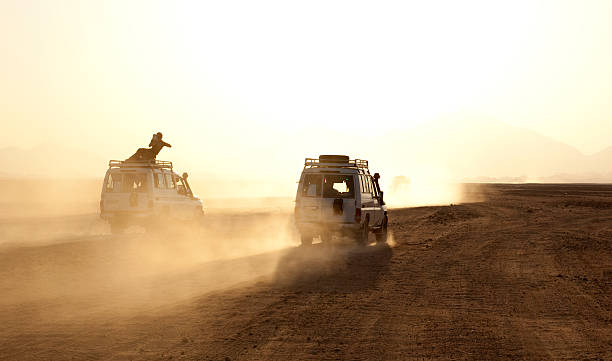
The driving distances can be significant, and road conditions can vary. A 4×4 vehicle is often recommended, especially if venturing off main routes or during the rainy season (though this is avoided during the best touring months). The landscape is predominantly arid desert, with fertile strips along the Nile.
Sample 4-Day Itinerary: Meroë, Naqa & Musawwarat
This itinerary is a suggestion and can be customized. It balances travel time with in-depth site exploration.
Day 1: Arrival in Khartoum & Preparation
- Arrive at Khartoum International Airport (KRT).
- Meet your guide and transfer to your hotel.
- Depending on arrival time, a brief orientation tour of Khartoum or Omdurman might be possible, including the confluence of the White and Blue Nile.
- Briefing on the upcoming archaeological tour, including visa checks and any last-minute arrangements.
- Overnight in Khartoum.
Day 2: Journey to the Meroitic Heartland – Musawwarat & Naqa
- After breakfast, depart from Khartoum with your guide and driver.
- Drive north-east towards the desert archaeological sites (approx. 3-4 hours).
- First stop: Musawwarat es-Sufra. Explore the vast, unique temple complex, known as the ‘Great Enclosure’, a significant religious center for the Meroitic people. Its architecture is distinct, and its purpose is still debated by archaeologists.
- Continue to Naqa (short drive). This site features well-preserved structures, including the Temple of Amun, the Temple of Apedemak (the lion-god), and a Roman Kiosk, showcasing influences and artistic styles from different cultures.
- Enjoy a packed lunch amidst the ruins or at a nearby spot.
- Depending on time and logistics, you might stay overnight in a basic camp near the sites or drive back to a hotel closer to Khartoum for an early start the next day. For a true immersion, arranging a desert camp can be an option.
- Overnight near the sites or in Khartoum.
Day 3: The Pyramids of Meroë & Return to Khartoum
- Morning visit to the Royal Necropolis of Meroë. This is perhaps the most iconic site in Sudan, featuring hundreds of steep-sided pyramids where the Meroitic royalty were buried.
- Spend ample time exploring the different clusters of pyramids, appreciating the scale and the inscriptions.
- Visit the remains of the city of Meroë itself, which was a thriving center of trade and iron production.
- Enjoy a final desert picnic lunch.
- Begin the drive back to Khartoum (approx. 3-4 hours).
- Arrive back in Khartoum in the late afternoon/early evening.
- Farewell dinner.
- Overnight in Khartoum.
Day 4: Departure or Optional Omdurman Exploration
- After breakfast, depending on your flight schedule, you can either:
- Option A: Transfer to Khartoum International Airport for your departure.
- Option B: If time permits, take a guided tour of Omdurman, Khartoum’s sister city across the Nile. Visit the bustling souk, the tomb of Sayyid Abd al-Rahman al-Mahdi, and perhaps the Khalifa House Museum for insights into the Mahdist War.
- Transfer to the airport for your departure.
What to Expect on the Ground
Sudan is a developing nation, and travel here offers a different experience from more established tourist destinations. Understanding expectations is key to a smooth trip.
- Infrastructure: Roads can be variable, especially away from major routes. Accommodation in Khartoum is generally of a good standard (3-4 star hotels), but facilities outside the capital are basic or non-existent, requiring camping or simple guesthouses if not returning to Khartoum daily.
- Guides: A knowledgeable local guide is invaluable. They will not only provide historical context but also help navigate local customs, language barriers, and logistics. Ensure your guide is experienced with archaeological sites.
- Transportation: A sturdy 4×4 vehicle is often necessary for comfort and reliability, particularly for reaching certain parts of the sites or for general road conditions.
- Heat: The desert climate is harsh. Midday sun is intense, and temperatures can soar. Plan activities for cooler parts of the day and stay hydrated.
- Cultural Norms: Sudan is a conservative Muslim country. Dress modestly, especially when interacting with locals or visiting any religious sites. Women should cover their heads and wear loose-fitting clothing that covers arms and legs. Men should also dress modestly.
- Photography: Always ask permission before taking photos of people. Be mindful of military or government buildings, and avoid photographing them.
- Connectivity: Internet access can be spotty outside Khartoum. Consider purchasing a local SIM card if you need regular connectivity.
Preparation and Packing Essentials
Thorough preparation is crucial for a comfortable and successful 4-day archaeological & historic tour: Sudan Nile monuments Khartoum area. Here’s a guide to what you should consider:
Clothing
- Lightweight, breathable fabrics: Cotton, linen, or moisture-wicking synthetics.
- Modest attire: Long-sleeved shirts, long trousers or skirts, loose-fitting dresses. For women, a headscarf is essential for cultural respect and protection from the sun.
- Comfortable walking shoes: Sturdy trainers or hiking boots suitable for uneven terrain.
- Sandals or flip-flops: For relaxing at the hotel.
- A light jacket or fleece: Evenings can be cool, especially in the desert during winter months.
- Sun hat: Wide-brimmed is best.
Health & Hygiene
- Sunscreen: High SPF.
- Insect repellent: Especially for evenings.
- Hand sanitizer: Essential for use before eating and after touching surfaces.
- Personal first-aid kit: Include any personal medications, pain relievers, antiseptic wipes, bandages, and medication for stomach upsets.
- Water purification tablets or filter bottle: As a backup, though bottled water will be provided.
- Sunglasses.
Documents & Money
- Passport: With at least six months’ validity.
- Visa: Ensure it’s obtained in advance.
- Flight details.
- Travel insurance details.
- Copies of all important documents: Keep separate from originals.
- Cash: USD or Euros are often preferred for exchange. ATMs are available in Khartoum but can be unreliable. Carry enough cash for incidentals.
Other Essentials
- Camera and spare batteries/power bank.
- Reusable water bottle.
- Small backpack or daypack.
- Binoculars (optional) for spotting details at sites.
- Basic Arabic phrasebook or translation app.
Common Mistakes to Avoid
To ensure a smooth and enjoyable experience on your 4-day archaeological & historic tour: Sudan Nile monuments Khartoum area, be aware of these common pitfalls:
- Not obtaining your visa in advance: Visas can take time to process. Do not leave this to the last minute.
- Underestimating the heat: Even in the cooler months, the sun is powerful. Dehydration and heatstroke are serious risks. Always carry water and wear protection.
- Inadequate clothing: Traveling in shorts or revealing clothing is inappropriate and can attract unwanted attention or cause offense.
- Expecting Western-style infrastructure: Be prepared for simpler facilities, especially outside Khartoum. Patience and flexibility are key.
- Not hiring a local guide: The historical context and practical navigation are significantly enhanced by an experienced local guide.
- Ignoring local customs: Respecting Islamic culture and local traditions is paramount for positive interactions.
- Not carrying enough cash: While Khartoum has ATMs, they are not always reliable, and card acceptance is limited outside major hotels.
- Relying solely on mobile data: Internet can be slow or unavailable in remote areas.
- Not booking in advance: Especially for reliable transport and guides for your 2026-2027 trip, advance booking is recommended.
Who is This 4-Day Tour Best Suited For?
This focused 4-day tour is ideal for a specific type of traveler:
- History Buffs and Archaeology Enthusiasts: Anyone with a passion for ancient civilizations, particularly the Kushite kingdoms, will find this tour deeply rewarding.
- Independent Travelers Seeking Depth: Those who prefer to explore significant sites without the overwhelming crowds and want a concentrated historical experience.
- Travelers with Limited Time: Individuals or couples who can only spare a few days but want to see some of Sudan’s most important ancient monuments.
- Photographers: The unique pyramid architecture and desert landscapes offer excellent photographic opportunities.
- Adventurous Explorers: Travelers who are comfortable with a less-developed tourist infrastructure and appreciate the authenticity of off-the-beaten-path destinations.
It is less suitable for those seeking luxury resorts, extensive nightlife, or a wide range of tourist amenities. The focus is squarely on history and cultural immersion.
Alternative Sudan Itineraries
While the 4-day tour covers the highlights near Khartoum, Sudan offers much more for those with more time.
- 7-10 Day Sudan Exploration: This could include the 4-day itinerary plus trips to Khartoum’s museums, potentially exploring sites further south, or even venturing towards the Red Sea coast for different historical and natural attractions.
- 14-Day Sudan Grand Tour: A more comprehensive trip might cover Meroë, Naqa, Musawwarat, Khartoum, Omdurman, and extend to the ancient city of Old Dongola (a significant Christian Nubian capital), Jebel Barkal (another UNESCO World Heritage site with pyramids and temples), and potentially the Red Sea coast (Port Sudan, Suakin).
- Nile Cruise (limited availability): While not as common as in Egypt, some limited Nile cruising experiences might be available, offering a different perspective on the river and its historical sites.
For those interested in the broader context of Sudanese history, incorporating sites like Jebel Barkal (near Karima) is highly recommended, as it was a crucial religious and administrative center for the Napatan and Meroitic kingdoms.
Planning Your 2026-2027 Trip: Key Considerations
Planning a trip to Sudan requires careful attention to detail, especially for 2026 and 2027. Here are crucial points to consider:
| Consideration | Details for 2026-2027 Planning |
|---|---|
| Visa Application | Begin the visa process at least 2-3 months before your planned departure. Check the latest requirements with your local Sudanese embassy or consulate. Some nationalities may need to apply via specific channels. |
| Flight Bookings | Book international flights well in advance, especially if traveling during peak season (Oct-Apr). Khartoum International Airport (KRT) is the main entry point. |
| Local Logistics & Guides | Reliable local tour operators are essential. They will arrange permits, transport (4×4 recommended), guides, and accommodation. Book your chosen operator 3-6 months in advance for 2026-2027 to secure availability. |
| Accommodation | Khartoum offers standard hotels. For archaeological sites, expect basic guesthouses or camping. Confirm accommodation arrangements with your tour operator. |
| Health Precautions | Consult your doctor or a travel clinic 4-6 weeks before travel regarding vaccinations (e.g., Hepatitis A, Typhoid) and malaria prophylaxis. Ensure your travel insurance covers medical emergencies and evacuation. |
| Currency & Budget | The Sudanese Pound (SDG) is the local currency. USD and Euros are widely accepted for exchange. Plan for cash-based transactions outside Khartoum. Budget for guides, transport, accommodation, meals, and entrance fees. |
| Cultural Sensitivity | Research and understand local customs and dress codes. Modesty is key. Learning a few basic Arabic phrases will be appreciated. |
| Travel Insurance | Mandatory. Ensure it covers adventure activities, medical emergencies, and trip cancellation. |
Booking Advice for Your Sudan Tour
Securing a reliable and experienced tour operator is the most critical step in planning your 4-day archaeological & historic tour: Sudan Nile monuments Khartoum area. Here’s how to approach it:
1. Research Reputable Operators: Look for companies with specific experience in Sudan and archaeological tours. Check online reviews, travel forums, and recommendations from fellow travelers. Operators based in Sudan or with strong local partnerships are often best.
2. Inquire About Inclusions: Clearly understand what your tour package covers. Typically, this includes:
- Airport transfers
- Private vehicle with driver (preferably 4×4)
- Experienced, licensed local guide
- Accommodation (specify type and meals included)
- Entrance fees to archaeological sites
- Bottled water during excursions
3. Clarify Exclusions: Be aware of what is NOT included, such as:
- International flights
- Visa fees
- Travel insurance
- Meals not specified (e.g., lunches on some days, dinners if not included)
- Personal expenses (souvenirs, tips)
- Optional activities
4. Communication is Key: Engage with potential operators via email or WhatsApp. Ask detailed questions about the itinerary, guide qualifications, vehicle type, and safety protocols. A prompt and clear response indicates professionalism.
5. Payment and Deposits: Understand the payment schedule. Operators typically require a deposit to confirm booking, with the balance due closer to the travel date. Ensure you have a secure payment method.
6. Confirm Itinerary Details: For your 2026-2027 trip, confirm the exact start and end points, the pace of the tour, and any flexibility in the schedule.
Contact Us for Your Sudan Adventure:
We specialize in crafting unique travel experiences. While our primary focus is on Tanzania, we can connect you with trusted partners for specialized tours like the 4-day archaeological & historic tour in Sudan’s Khartoum area. Reach out to us to discuss your plans for 2026 or 2027:
WhatsApp: +255616946642
Email: topguideadventures@gmail.com
Backup Email: info@topguideadventures.com
Frequently Asked Questions
Can I get a visa on arrival in Sudan?
Visa requirements can change, and it is generally advisable for most nationalities to obtain their visa in advance from a Sudanese embassy or consulate in their home country or a neighboring country. Always check the latest regulations well before your travel dates for 2026-2027.
Is Sudan safe for tourists?
Sudan’s safety situation can be complex and may vary by region. The areas around Khartoum and the main archaeological sites like Meroë are generally considered accessible for guided tours. However, it is crucial to stay informed about the current political and security situation through official government travel advisories and to travel with reputable local guides who understand the local conditions.
What is the best way to travel between sites like Meroë, Naqa, and Musawwarat?
For this 4-day archaeological & historic tour, private transportation with a knowledgeable driver is essential. A 4×4 vehicle is highly recommended due to variable road conditions, ensuring comfort and reliability when accessing these desert sites.
Are there hotels near the archaeological sites?
Accommodation near Meroë, Naqa, and Musawwarat is very limited. Most tours involve day trips from Khartoum, or potentially arranging overnight stays in basic guesthouses or desert camps if specifically organized by the tour operator. Khartoum itself offers a range of hotels.
What kind of guide should I look for?
A qualified local guide with a background or strong knowledge in Sudanese history and archaeology is invaluable. They should be able to provide detailed explanations of the sites, assist with communication, and navigate cultural nuances. Ensure your operator provides such a guide.
Can I visit these sites independently?
While technically possible, visiting these remote sites independently is not recommended for first-time visitors. Navigating the desert, understanding the historical significance, and dealing with potential logistical challenges are significantly easier and safer with a local guide and arranged transport.
What currency should I bring?
The local currency is the Sudanese Pound (SDG). However, US Dollars and Euros are widely accepted for exchange in Khartoum. It’s advisable to carry a good amount of cash, as ATM availability and card acceptance are limited outside the capital. Inform your bank of your travel plans.
How much water should I drink during the tour?
Staying hydrated is critical in Sudan’s arid climate. You should aim to drink at least 3-4 liters of water per day, more if you are particularly active or the weather is very hot. Your tour operator will typically provide bottled water, but it’s wise to carry a reusable bottle and purification tablets as a backup.
What are the main differences between Sudanese and Egyptian pyramids?
Sudanese pyramids, built by the Kushite rulers, are generally smaller, steeper, and more numerous than their Egyptian counterparts. They were primarily built as tombs for royalty and nobility, often featuring chapels at their base. While Egyptian pyramids are iconic for their scale and the Pharaohs they house, Sudanese pyramids offer a distinct architectural style and represent a separate, yet connected, ancient civilization.
Can I plan this 4-day tour for 2026 or 2027?
Yes, absolutely. Planning for 2026 and 2027 is ideal. Booking your tour well in advance (6-12 months) is highly recommended to secure the best operators, guides, and transport, and to allow ample time for visa processing and any necessary health preparations.
Ready to Explore Sudan’s Ancient Wonders?
A 4-day archaeological & historic tour: Sudan Nile monuments Khartoum area offers an unparalleled journey into the heart of ancient Kush. It’s a chance to witness history in a setting that remains remarkably untouched by mass tourism. If you’re seeking an authentic, enriching, and historically significant travel experience, Sudan awaits.
While we at Best Tanzania Tour Operator focus on the wonders of Tanzania, we understand the desire for diverse African adventures. We can help guide you in finding reputable partners for specialized trips like this one. Connect with us to start planning your unique historical exploration for 2026 or 2027.
Contact Us Today:
WhatsApp: +255616946642
Email: topguideadventures@gmail.com
Backup Email: info@topguideadventures.com
Plan your 4-Day Archaeological & Historic Tour — Sudan Nile Monuments Khartoum Area with Top Guide Adventures
Tell us your travel dates, group size, comfort level, and dream experience. We will help you shape a clear, realistic, and memorable Tanzania itinerary.







 Veedesigner
 Fatma Kizanga
 Benjamin Waryuba
 Philip Philip
 John jr Itaja
 Antonia Optatus
 Edith Kanyere
 Neema Iddy
 Kelvin Boniphace
 Damari Maiga



