
Updated planning guide for 2026-2027
4-Day Birding Tour — Lake Bogoria & Nakuru: Complete Guide 2026-2027
Discover the avian wonders of Kenya with our comprehensive guide to a 4-day birding tour covering Lake Bogoria and Lake Nakuru. Perfect for enthusiasts planning their trip for 2026-2027, this guide details itineraries, what to expect, and how to book.
WhatsApp +255616946642 | topguideadventures@gmail.com | info@topguideadventures.com
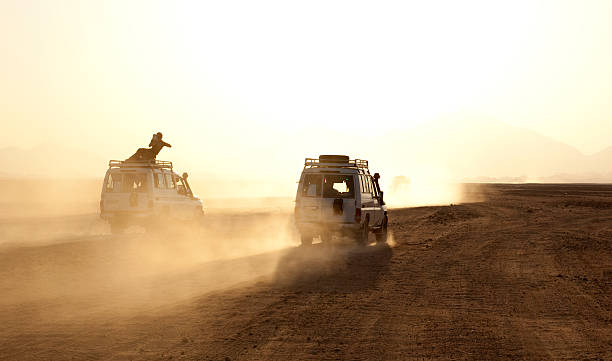
4-Day Birding Tour: Lake Bogoria & Nakuru Expert Guide
A 4-day birding tour focused on Lake Bogoria and Lake Nakuru offers an exceptional introduction to Kenya’s incredible avian diversity. These two alkaline lakes, situated in the Great Rift Valley, are renowned for attracting vast numbers of waterbirds, especially the iconic Lesser Flamingos. This focused itinerary is designed for birdwatchers seeking concentrated sightings in a short period, maximizing your chances of encountering a wide array of species.
This guide provides an in-depth look at planning such a trip, from understanding the best times to visit and what to pack, to crafting a realistic itinerary and making informed booking decisions. Whether you are a seasoned birder or new to the hobby, this resource aims to equip you with all the necessary information for a rewarding 4-day birding tour Lake Bogoria & Nakuru experience in 2026-2027.
Quick Overview: Lake Bogoria & Nakuru Birding
| Feature | Details |
|---|---|
| Duration | 4 Days / 3 Nights |
| Primary Locations | Lake Bogoria National Reserve, Lake Nakuru National Park |
| Key Species | Lesser Flamingo, Greater Flamingo, African Fish Eagle, Goliath Heron, Secretarybird, African Finfoot, Pied Kingfisher, various waders and waterfowl. |
| Best Time to Visit | July-October (dry season, good for flamingos), January-March (dry season, good for migratory birds and other wildlife). |
| Activities | Birdwatching (shoreline, boat trips where available), game drives, nature walks, hot springs visit (Bogoria). |
| Travel Style | Focused birding, wildlife viewing, nature photography. |
| Accommodation | Lodges, tented camps, hotels near the lakes. |
Table of Contents
- Why Choose Lake Bogoria & Nakuru for Birding?
- Best Time to Visit for Birding (2026-2027)
- Route Overview & Map
- Sample 4-Day Birding Tour Itinerary
- What to Expect: Birdlife & Wildlife
- Packing and Preparation Essentials
- Common Mistakes to Avoid
- Who is This Tour Best Suited For?
- Alternative Birding Destinations in Kenya
- Planning Your Trip for 2026-2027
- Booking Your 4-Day Birding Tour
- Frequently Asked Questions
Why Choose Lake Bogoria & Nakuru for Birding?
The combined allure of Lake Bogoria and Lake Nakuru for birdwatchers is undeniable. These distinct yet geographically close alkaline lakes offer unique ecosystems that support a spectacular concentration of avian life.
Lake Bogoria: The Flamingo Spectacle
Lake Bogoria is globally famous for its massive populations of Lesser Flamingos. During peak seasons, the lake’s shallow waters can host hundreds of thousands, if not millions, of these pink birds. Their collective presence creates a breathtaking spectacle, painting the shoreline in vibrant hues. Beyond the flamingos, Bogoria is a critical habitat for:
- Waterfowl: Various ducks, geese, and other water-dependent birds thrive in its nutrient-rich waters.
- Waders: Sandpipers, plovers, and stilts are commonly seen foraging along the muddy shores.
- Raptors: The presence of abundant prey attracts raptors like the African Fish Eagle, Osprey, and various buzzards.
- Specialties: The rare African Marsh Harrier and Reed Cormorant can sometimes be spotted.
Bogoria also boasts geothermal activity, with bubbling hot springs and geysers along its western shore, adding a unique geological dimension to the birding experience.
Lake Nakuru: A Diverse Avian Hub
While Lake Nakuru’s flamingo population can fluctuate, it remains a vital birding destination. Its varied landscape, including acacia woodlands, grasslands, and rocky cliffs, supports a broader range of species than just waterbirds.
- Flamingos: Both Lesser and Greater Flamingos are present, though often in smaller numbers than at Bogoria.
- Raptors: Lake Nakuru National Park is a prime location for spotting raptors, including the majestic African Fish Eagle, Martial Eagle, and the elusive Secretarybird.
- Water Birds: Pelicans, cormorants, herons, and egrets are resident.
- Forest/Woodland Birds: Within the park’s terrestrial habitats, you can find species like the Violet-backed Starling, White-browed Robin-Chat, and various woodpeckers and barbets.
- Specialties: The park is known for being a good place to find the African Finfoot, though it requires patience and luck.
Proximity and Synergy
The close proximity of Lake Bogoria and Lake Nakuru makes them ideal for a short, focused tour. You can easily travel between them, experiencing the distinct characteristics of each lake and maximizing your species count within a 4-day window. This combination offers both the overwhelming spectacle of massed flamingos and the diverse habitats supporting a wider array of birdlife.
Best Time to Visit for Birding (2026-2027)
Kenya’s climate offers excellent birding opportunities throughout the year, but certain periods are particularly rewarding for a 4-day birding tour Lake Bogoria & Nakuru. Understanding these nuances can significantly enhance your sightings.
Dry Seasons (July-October & January-March)
These are generally considered the prime times for birding in the Rift Valley lakes:
- July to October: This is the peak of the dry season. Water levels in the lakes are often lower, concentrating waterbirds, including flamingos, along the shorelines. It’s also a period when many migratory birds from Europe and Asia are present, boosting the total species count. Visibility for game drives is excellent.
- January to March: Another dry spell, this period is also excellent for birding. The vegetation is less dense, aiding sightings. While flamingo numbers can vary, other waterbirds and resident species are plentiful. This is also a good time for spotting other wildlife as they congregate around water sources.
Wet Seasons (November-December & April-June)
While not always the top choice for birding focused on waterbirds, the wet seasons have their advantages:
- November-December (Short Rains): This period can see a return of some migratory birds and a general greening of the landscape. Birding can still be good, but visibility might be slightly reduced due to denser vegetation.
- April-June (Long Rains): This is the period of heaviest rainfall. While the landscape is lush and beautiful, birding can be challenging. Heavy rains can disrupt travel, and water levels might be higher, dispersing some waterbirds. However, resident birds are often in breeding plumage and can be very active. For a short 4-day trip, avoiding the peak of the long rains is generally advisable to ensure smoother travel and better viewing conditions.
Flamingo Fluctuations
It’s crucial to note that flamingo numbers are highly dependent on the water level and food availability (algae) in the lakes. While July-October and January-March are generally good, large aggregations can appear or disappear with little notice. Your tour operator will have the most up-to-date information regarding current conditions.
For 2026-2027 planning: Aim for the dry seasons for the most reliable conditions. The July-October window is often favored for its combination of dry weather, accessible park roads, and potential for large flamingo flocks. The January-March period is a strong second choice, especially if you are also interested in seeing other wildlife congregating at waterholes.
Route Overview & Map
This 4-day birding tour typically operates within Kenya’s Rift Valley region, focusing on two key protected areas. The most common starting point is Nairobi, Kenya’s capital and primary international gateway.
Geographical Context
Both Lake Bogoria and Lake Nakuru are situated in the Central Rift Valley, north-west of Nairobi. They are part of a chain of lakes, many of which are alkaline and famous for their birdlife.
Simplified Route Illustration:
- Day 1: Nairobi to Lake Bogoria. Travel time is approximately 4-5 hours. The journey involves driving north-west out of Nairobi, passing through agricultural areas and then entering the Rift Valley.
- Day 2: Full day birding at Lake Bogoria.
- Day 3: Morning birding at Lake Bogoria, then transfer to Lake Nakuru. Travel time is about 1.5-2 hours. This involves driving south to Nakuru town and entering Lake Nakuru National Park. Afternoon birding in Nakuru.
- Day 4: Morning birding in Lake Nakuru National Park, then drive back to Nairobi. Travel time is approximately 3-4 hours.
Note: This is a general route. Specific lodges and internal park movements will vary.
Key Areas of Focus
- Lake Bogoria National Reserve: The main attraction is the lake itself, with its vast shoreline. The western side is particularly known for hot springs and geysers. Birding is done from the vehicle along the lake perimeter and from designated viewpoints.
- Lake Nakuru National Park: This park offers a more varied landscape. Birding opportunities exist along the lake shore, in the acacia woodlands, on the rocky outcrops, and in the riverine areas. Key birding spots include the baboon cliff viewpoints and areas around the park gates and lodges.
The order of visiting the lakes can sometimes be reversed (Nakuru first, then Bogoria), depending on accommodation availability and logistical preferences of the tour operator. However, the 4-day structure typically allows for approximately 1.5 days at each location, which is a good balance for a focused birding trip.
Sample 4-Day Birding Tour Itinerary
This sample itinerary provides a detailed look at how a 4-day birding tour Lake Bogoria & Nakuru might unfold. It balances travel time with dedicated birding activities.
Day 1: Arrival in Nairobi & Transfer to Lake Bogoria
- Morning: Arrive at Jomo Kenyatta International Airport (NBO) in Nairobi. You will be met by your guide.
- Late Morning: After a brief orientation, begin the scenic drive towards Lake Bogoria. The journey takes approximately 4-5 hours, with a stop for lunch en route.
- Afternoon: Arrive at your lodge or camp near Lake Bogoria. Check in and have a short rest.
- Late Afternoon: Commence your first birding session. Drive along the lake shore, looking for flamingo flocks and other waterbirds. You may also explore the hot springs area for unique bird species and geological features.
- Evening: Return to your lodge for dinner and overnight stay.
Day 2: Full Day Birding at Lake Bogoria
- Morning: Early breakfast followed by a full day dedicated to birding Lake Bogoria. Focus on different sections of the lake and surrounding areas. Look for species like Greater and Lesser Flamingos, Great White Pelicans, Yellow-billed Storks, Spoonbills, and various waders.
- Midday: Enjoy a packed lunch amidst the natural beauty of the reserve. Continue birding in the afternoon.
- Late Afternoon: Visit the geothermal hot springs and geysers along the western shore, which can also attract specific birdlife. Keep an eye out for raptors soaring overhead.
- Evening: Return to your lodge for dinner and overnight.
Day 3: Lake Bogoria Morning & Transfer to Lake Nakuru
- Morning: After an early breakfast, conduct a final birding excursion at Lake Bogoria, perhaps focusing on areas you missed or revisiting productive spots.
- Late Morning: Depart from Lake Bogoria and drive to Lake Nakuru National Park (approx. 1.5-2 hours).
- Midday: Arrive at Lake Nakuru, check into your lodge or camp. Have lunch.
- Afternoon: Begin birding in Lake Nakuru National Park. Drive along the lake shore, searching for flamingos (numbers can vary), pelicans, and other waterbirds. Explore the acacia woodlands and grasslands for species like the Secretarybird, Lilac-breasted Roller, and various starlings and weavers.
- Evening: Enjoy dinner and overnight at your accommodation within or near the park.
Day 4: Lake Nakuru Birding & Departure to Nairobi
- Morning: Early morning game drive and birding in Lake Nakuru National Park. This is often the best time to spot predators and specific bird species like the African Fish Eagle. Visit key viewpoints for panoramic birding opportunities.
- Late Morning: After breakfast, depart from Lake Nakuru National Park for the drive back to Nairobi (approx. 3-4 hours).
- Afternoon: Arrive in Nairobi. You will be transferred to the airport for your onward flight or to your hotel if you are extending your stay.
This itinerary is a template and can be customized based on your specific interests and the latest wildlife movements.
What to Expect: Birdlife & Wildlife
A 4-day birding tour Lake Bogoria & Nakuru promises a rich experience, but it’s good to set realistic expectations regarding species, numbers, and other wildlife encounters.
Avian Highlights
- Flamingos: The star attraction. While Lake Bogoria is almost guaranteed to offer large numbers, Lake Nakuru’s flamingo population can fluctuate significantly based on water conditions and food availability. Expect thousands at Bogoria during good times, and potentially hundreds or thousands at Nakuru.
- Raptors: Both parks are excellent for raptors. African Fish Eagles are a common sight at Nakuru, often perched on trees or hunting. Look for Martial Eagles, Tawny Eagles, and Bateleurs. Bogoria may offer Ospreys and African Fish Eagles. The Secretarybird is a highly sought-after ground-dwelling raptor often seen in the grasslands of Lake Nakuru National Park.
- Waterbirds: Beyond flamingos, expect large numbers of Great White Pelicans, various species of storks (Yellow-billed, Marabou), cormorants (Long-tailed, Reed), herons (Goliath, Grey, Black-headed), egrets, and numerous duck species. Spoonbills and Ibis are also common.
- Waders: The muddy shores of both lakes are feeding grounds for a variety of waders, including sandpipers, plovers, and stilts.
- Specialties: Keep an eye out for the African Finfoot (most likely at Nakuru, requires luck and patience), African Marsh Harrier (Bogoria), and various kingfishers (Pied, Malachite, Giant).
- Passerines and Forest Birds: In the woodlands and grasslands of Lake Nakuru, you can encounter colorful species like the Lilac-breasted Roller, Superb Starling, Golden-breasted Starling, various weavers, and sunbirds.
Other Wildlife
While birding is the primary focus, these parks are also home to significant populations of mammals:
- Nakuru National Park: Famous for its large population of both Black and White Rhinos. Rothschild’s Giraffe are also present, along with Cape Buffalo, Hippos, Rothschild’s Giraffe, various antelope species (Waterbuck, Impala, Thomson’s Gazelle), and Baboons. Predators like Lions and Leopards are present but often elusive.
- Lake Bogoria National Reserve: While less known for large mammals than Nakuru, you can still spot Greater Kudu, Rothschild’s Giraffe, Zebra, various antelope species, and Baboons. Hippos are found in the lake.
The concentration of wildlife around the lakes, especially during dry periods, can be substantial, offering excellent photographic opportunities beyond just birds.
Packing and Preparation Essentials
Proper packing and preparation are key to enjoying your 4-day birding tour Lake Bogoria & Nakuru. The climate can be warm, and conditions can vary.
Clothing
- Lightweight, breathable clothing: Neutral colors (khaki, olive green, brown) are best for safaris to avoid startling wildlife. Pack long-sleeved shirts and trousers for sun protection and to ward off insects.
- Warm layers: Mornings and evenings can be cool, especially in the dry season. A fleece jacket or a light sweater is recommended.
- Waterproof jacket: Essential, especially if traveling during the shoulder seasons or if you want protection from dust.
- Comfortable walking shoes: Closed-toe shoes are ideal for lodge grounds and any light walking.
- Sun hat: A wide-brimmed hat is crucial for sun protection during game drives and viewing.
- Rain gear: A light, packable rain jacket or poncho is useful, especially during the wet seasons.
Optics and Gear
- Binoculars: High-quality binoculars (8×42 or 10×42 are common choices) are indispensable for birdwatching.
- Camera: Bring a camera with a good zoom lens (e.g., 300mm or more) for wildlife and bird photography. Extra batteries and memory cards are essential.
- Field guides: A good field guide to the birds of East Africa will greatly enhance your experience. Your guide will also be a valuable resource.
- Notebook and pen: For logging your sightings.
Health and Safety
- Insect repellent: With DEET for protection against mosquitoes, especially during dawn and dusk.
- Sunscreen: High SPF sunscreen is vital due to the equatorial sun.
- Personal medication: Bring any prescription medications you need, plus a basic first-aid kit.
- Hand sanitizer: Useful for maintaining hygiene on the go.
- Malaria precautions: Consult your doctor about appropriate malaria prophylaxis before your trip.
Other Essentials
- Reusable water bottle: Stay hydrated. Many lodges provide filtered water refills.
- Adapter: Kenya uses Type G (UK style) 13-amp plug sockets.
- Small backpack: For carrying essentials like water, snacks, camera, and binoculars during game drives.
- Cash: For tips and souvenirs. USD is widely accepted, but Kenyan Shillings are useful for smaller purchases.
Pre-Trip Preparation
- Vaccinations: Check with your doctor or a travel clinic for recommended vaccinations (e.g., Yellow Fever, Hepatitis A & B, Typhoid).
- Travel Insurance: Comprehensive travel insurance is highly recommended, covering medical emergencies, trip cancellation, and lost luggage.
- Fitness: While not strenuous, being reasonably fit will help you enjoy the activities.
Common Mistakes to Avoid
To ensure your 4-day birding tour Lake Bogoria & Nakuru is as successful and enjoyable as possible, be aware of common pitfalls:
- Underestimating Travel Times: Kenya’s roads can be unpredictable. What looks short on a map can take longer due to road conditions or traffic. Always factor in buffer time.
- Focusing Only on Flamingos: While spectacular, flamingo numbers are dynamic. Don’t let a temporary dip in numbers at Nakuru disappoint you. The parks offer much more diverse birdlife and other wildlife.
- Not Packing Appropriate Gear: Forgetting binoculars, a good camera lens, or suitable clothing can significantly detract from the experience. The sun can be intense, and evenings can be cool.
- Ignoring Your Guide: Local guides are invaluable. They know the best spots, understand bird behavior, and can identify species you might miss. Listen to their advice and ask questions.
- Booking Without Research: Not all tour operators are equal. Research companies, read reviews, and ensure they specialize in or have strong experience with birding tours.
- Expecting Exact Species Guarantees: While a good guide maximizes sightings, wildlife is wild. You cannot guarantee seeing every single species on a list. Enjoy the journey and the unexpected finds.
- Over-Scheduling: A 4-day tour is short. Trying to cram too much in can lead to exhaustion and less enjoyment. This itinerary focuses on maximizing birding time within the given constraints.
- Not Being Prepared for Conditions: Dust, sun, and occasional rain are part of the safari experience. Be ready for varying conditions.
- Ignoring Health Advice: Not taking malaria precautions or getting necessary vaccinations can lead to serious health issues. Consult your doctor well in advance.
- Not Budgeting for Extras: Factor in costs for tips, souvenirs, drinks not included in your package, and potential park fee increases.
Who is This Tour Best Suited For?
A 4-day birding tour Lake Bogoria & Nakuru is a highly focused trip designed for specific types of travelers:
- Dedicated Birdwatchers: This is the primary audience. Those who want to maximize their bird species count in a short period will appreciate the concentrated avian activity at these two key locations.
- Photographers: The sheer numbers of birds, especially flamingos, and the diverse wildlife offer incredible photographic opportunities. The varied landscapes also provide beautiful backdrops.
- Nature Enthusiasts with Limited Time: For travelers visiting Kenya for other reasons (e.g., a longer safari, business trip) who want to squeeze in a significant birding experience without dedicating a full week or more.
- Beginner Birders: While experienced birders will find plenty to marvel at, the abundance of easily visible species like flamingos and large waterbirds makes it accessible and rewarding for those new to birding. The presence of a knowledgeable guide is crucial here.
- Travelers Interested in Rift Valley Ecosystems: Those curious about the unique alkaline lakes and their ecological significance will find this tour particularly engaging.
Not Ideal For:
- General Safari-Goers Seeking Big Cats: While lions and leopards exist in Lake Nakuru, they are not the main draw, and sightings are less frequent than in parks like the Maasai Mara. This tour prioritizes birds.
- Travelers Seeking Deep Cultural Immersion: This itinerary is focused on wildlife and nature. While interactions with local communities might be possible, they are not a core component.
- Those Who Prefer a Slow Pace: A 4-day tour involves significant travel and activity. It’s fast-paced by nature.
- Budget Travelers Solely Focused on Cost: While not the most expensive option, dedicated birding tours with knowledgeable guides and good lodges can represent a moderate investment.
Alternative Birding Destinations in Kenya
While Lake Bogoria and Lake Nakuru offer a fantastic concentrated experience, Kenya boasts many other world-class birding destinations. If your time allows for a longer trip, or if you’re looking for different habitats and species, consider these alternatives:
| Destination | Habitat | Key Species/Highlights | Best For |
|---|---|---|---|
| Ruma National Park | Woodlands, savannah, escarpment | Blue Swallow, African Fish Eagle, various hornbills, Ospreys. | Endemic and rare species. |
| Kakamega Forest National Reserve | Tropical rainforest | Great Blue Turaco, Turner’s Eremomela, Chapin’s Flycatcher, Blue-headed Bee-eater, forest specialists. | Forest birding, unique species. |
| Taita Hills Wildlife Sanctuary | Dry forest, savannah | Taita Apalis, Taita Thrush, Taveta Weaver. | Endemic Taita species. |
| Lake Baringo | Freshwater lake, escarpment | African Fish Eagle (many nests), Goliath Heron, Hemprich’s Hornbill, Jackson’s Hornbill, Verreaux’s Eagle. | Raptors, waterbirds, varied landscape. |
| Lake Naivasha | Freshwater lake, papyrus swamps | African Fish Eagle, African Jacana, Greater Painted-snipe, Goliath Heron, resident waterfowl. | Waterfowl, raptors, accessible. |
| Maasai Mara National Reserve | Grasslands, savannah, riverine forest | Abundant raptors, Secretarybird, Ground Hornbill, numerous grassland species, plus large mammals. | Combination of birds and iconic safari wildlife. |
| Arabuko Sokoke Forest | Coastal forest | Sokoke Pipit, Sokoke Scops Owl, East Coast Akalat, Clarke’s Weaver. | Coastal forest endemics. |
A longer birding safari could combine Lake Bogoria and Nakuru with Lake Baringo for more raptor action, or Kakamega Forest for a taste of true rainforest birding. For a comprehensive Kenyan birding expedition, consider a 10-14 day itinerary that spans multiple ecosystems.
Planning Your Trip for 2026-2027
Planning ahead is key for a successful 4-day birding tour Lake Bogoria & Nakuru, especially when looking at dates for 2026 and 2027. Early booking can secure preferred accommodation and potentially better pricing.
Key Considerations for 2026-2027
- Booking Window: For peak seasons (July-October), it’s advisable to book 6-12 months in advance. For shoulder or off-peak seasons, 3-6 months might suffice, but early booking is always recommended for specialized tours.
- Accommodation Availability: Lodges and tented camps near Lake Bogoria and Lake Nakuru can fill up quickly, especially during popular birding and holiday periods.
- Tour Operator Selection: Choose a reputable tour operator that understands birding requirements. Look for those with experienced birding guides and a good track record.
- Visa Requirements: Check the latest visa regulations for Kenya for your nationality well in advance. Many nationalities can obtain an e-visa online.
- Health Preparations: Consult your doctor about necessary vaccinations and malaria precautions at least 6-8 weeks before your travel dates in 2026 or 2027.
- Flight Bookings: International flights to Nairobi (NBO) should be booked as early as possible for the best fares.
- Budgeting: While exact prices vary, consider that a 4-day birding tour will typically include park entry fees, accommodation, meals, transport (4×4 safari vehicle), and a professional guide. Factor in personal expenses like tips, drinks, and souvenirs.
Example Planning Timeline:
12-18 Months Out:
- Initial research on Kenya birding destinations and tour operators.
- Define your budget range.
- Consider preferred travel dates for 2026 or 2027.
8-12 Months Out:
- Contact and get quotes from 2-3 reputable tour operators.
- Discuss itinerary customization and guide experience.
- Book your preferred tour package.
- Book international flights.
4-6 Months Out:
- Consult your doctor for vaccinations and malaria advice.
- Check passport validity (must be valid for at least 6 months beyond your stay).
- Apply for your Kenyan visa if required.
1-3 Months Out:
- Purchase travel insurance.
- Start acquiring necessary gear (binoculars, camera accessories, field guides).
- Confirm all booking details with your tour operator.
1-2 Weeks Out:
- Pack your bags according to the provided list.
- Inform your bank about your travel dates.
- Finalize any last-minute arrangements.
Booking Your 4-Day Birding Tour
Securing the right tour operator is crucial for a successful 4-day birding tour Lake Bogoria & Nakuru. Here’s how to approach the booking process:
Choosing a Reputable Operator
- Specialization: Look for companies that explicitly mention birding safaris or have a strong focus on avian tourism. They are more likely to have experienced birding guides.
- Guide Expertise: Inquire about the qualifications and experience of their birding guides. Do they have specific knowledge of East African avifauna?
- Reviews and Testimonials: Search for independent reviews on platforms like TripAdvisor, Google Reviews, or specialized birding forums.
- Inclusions: Carefully review what is included in the tour package. Typically, this includes accommodation, meals, park fees, vehicle, and guide. Ensure it aligns with your expectations and budget.
- Customization: A good operator should be willing to customize the itinerary to suit your interests, pace, and specific birding targets.
- Communication: Assess their responsiveness and clarity of communication. A good operator will answer your questions thoroughly and promptly.
What to Ask Your Tour Operator
- What is the typical flamingo population at Lake Bogoria and Lake Nakuru during my intended travel dates (e.g., July 2026)?
- What is the experience level of your birding guides? Can you provide a guide’s profile?
- What is the total number of species typically seen on a 4-day tour to these locations?
- What type of vehicle will be used? (A pop-top 4×4 safari vehicle is standard and recommended for game viewing).
- What are the accommodation options, and what is the quality?
- What are the park entry fees, and are they included in the package?
- What is your cancellation policy?
- Are there any hidden costs I should be aware of?
Making the Booking
Once you’ve chosen an operator:
- Request a Detailed Itinerary: Ensure it covers your interests and has a logical flow.
- Confirm Inclusions and Exclusions: Understand exactly what you are paying for.
- Read the Contract Carefully: Pay attention to payment schedules, cancellation policies, and liability clauses.
- Payment: Most operators require a deposit (e.g., 20-50%) to confirm the booking, with the balance due closer to the travel date.
- Provide Necessary Information: Your operator will need your full name (as per passport), passport number, nationality, and any dietary requirements.
For a reliable and expertly guided 4-day birding tour Lake Bogoria & Nakuru, consider reaching out to experienced local operators. They often provide excellent value and deep local knowledge.
Ready to plan your unforgettable birding adventure? Contact us for a tailor-made itinerary and a quote. We specialize in creating exceptional wildlife and birding experiences in Kenya and Tanzania.
WhatsApp: +255616946642
Email: topguideadventures@gmail.com
Backup Email: info@topguideadventures.com
Frequently Asked Questions
Q1: What are the chances of seeing large flamingo flocks at Lake Bogoria and Lake Nakuru on a 4-day birding tour?
A1: Lake Bogoria is renowned for its large flamingo populations, and sightings of hundreds of thousands are common during favorable conditions, especially in the dry seasons (July-Oct, Jan-Mar). Lake Nakuru’s flamingo numbers are more variable; while they can be spectacular, they can also be significantly lower depending on water salinity and food availability. Your tour operator will monitor current conditions to give you the best advice for 2026-2027.
Q2: Is a 4-day tour enough time to see a good number of bird species?
A2: Yes, for focused birding at Lake Bogoria and Lake Nakuru, 4 days is a good duration to see a significant number of species. You can expect to log well over 200 species, especially if you are keen and have a knowledgeable guide. The concentration of waterbirds and raptors is high.
Q3: What is the best time of year for birding in 2026-2027?
A3: The dry seasons, typically from July to October and January to March, are generally considered the best times for birding in this region. These periods offer good visibility, accessible roads, and often attract large numbers of waterbirds and migratory species.
Q4: What kind of accommodation can I expect on this tour?
A4: Accommodation options range from comfortable lodges and mid-range hotels near the lakes to more exclusive tented camps. The choice often depends on your budget and the specific tour package. Expect clean, safe, and well-located facilities with good service.
Q5: Do I need special photography equipment for birding?
A5: While any camera can capture memories, a telephoto lens (300mm or longer) is highly recommended for bird photography to get clear, detailed shots of distant birds. Binoculars are essential for spotting and observing birds.
Q6: What are the main differences between birding at Lake Bogoria and Lake Nakuru?
A6: Lake Bogoria is primarily known for its massive flamingo flocks and alkaline lake environment. Lake Nakuru offers a more diverse habitat, including woodlands and grasslands, leading to a wider range of species, including more raptors and terrestrial birds, alongside its own flamingo population and other waterbirds.
Q7: Are there malaria risks in Lake Bogoria and Lake Nakuru?
A7: Yes, malaria is present in these areas. It is essential to consult your doctor about malaria prophylaxis and take precautions such as using insect repellent, wearing long sleeves and trousers at dawn and dusk, and sleeping under a mosquito net if provided.
Q8: What should I do if I want to see specific rare bird species?
A8: Communicate your specific birding interests to your tour operator and guide before and during the trip. They will do their best to take you to known habitats for rare species, but sightings are never guaranteed. Patience and flexibility are key.
Q9: Can this tour be combined with other safaris?
A9: Absolutely. This 4-day tour can easily be incorporated into a longer Kenyan safari. Many travelers combine it with visits to the Maasai Mara, Lake Naivasha, or even extend to Tanzania.
Q10: What is the best way to book a 4-day birding tour for 2026 or 2027?
A10: The best approach is to contact reputable tour operators specializing in birding safaris. Get quotes, compare itineraries and inclusions, and ensure they have experienced birding guides. Booking 6-12 months in advance is recommended for popular travel periods in 2026-2027.
Plan Your 4-Day Birding Tour to Lake Bogoria & Nakuru
A 4-day birding tour Lake Bogoria & Nakuru offers an intense and rewarding experience for any avid birdwatcher. Witness the breathtaking spectacle of millions of flamingos, spot magnificent raptors, and explore the diverse ecosystems of the Kenyan Rift Valley. To ensure your trip is perfectly tailored to your needs, let our expert team help you craft the ideal itinerary.
We specialize in creating unforgettable birding and wildlife safaris in Kenya and Tanzania, with a deep understanding of avian hotspots and the best times to visit. Whether you’re planning for 2026, 2027, or beyond, we are here to guide you every step of the way.
Get in touch today to start planning your dream birding adventure:
WhatsApp: +255616946642
Email: topguideadventures@gmail.com
Backup Email: info@topguideadventures.com
Plan your 4-Day Birding Tour — Lake Bogoria & Nakuru with Top Guide Adventures
Tell us your travel dates, group size, comfort level, and dream experience. We will help you shape a clear, realistic, and memorable Tanzania itinerary.







 Veedesigner
 Fatma Kizanga
 Benjamin Waryuba
 Philip Philip
 John jr Itaja
 Antonia Optatus
 Edith Kanyere
 Neema Iddy
 Kelvin Boniphace
 Damari Maiga



