
Updated planning guide for 2026-2027
4-Day Birdwatching Special — Lake Nakuru & Menengai Crater: Complete Guide
Discover the ultimate 4-day birdwatching adventure combining the avian wonders of Lake Nakuru with the dramatic landscape of Menengai Crater. This guide covers everything from planning and logistics to what to expect during your 2026-2027 trip.
WhatsApp +255616946642 | topguideadventures@gmail.com | info@topguideadventures.com
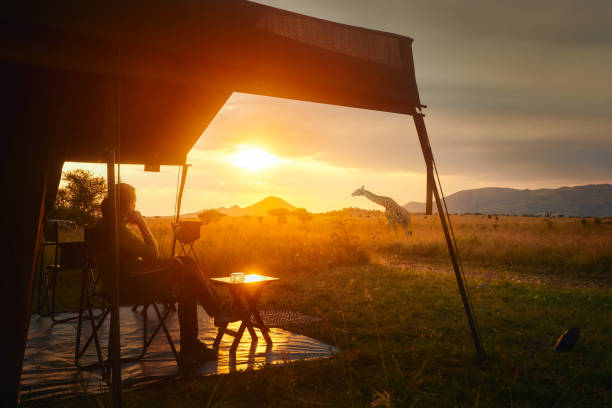
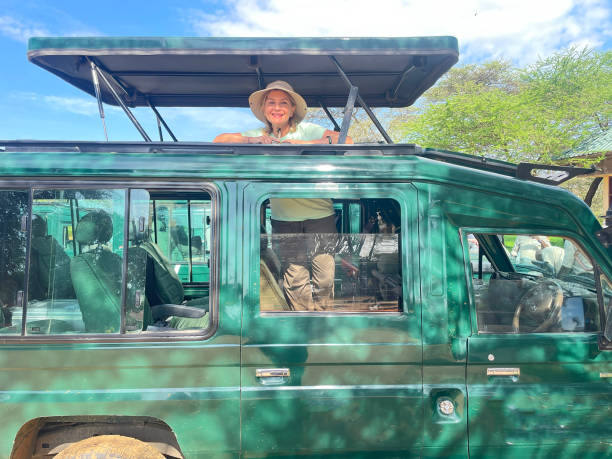
4-Day Birdwatching Special: Lake Nakuru & Menengai Crater – Your Essential Guide
For avid birdwatchers and nature enthusiasts, a focused expedition to Kenya’s Rift Valley offers unparalleled opportunities. This 4-day birdwatching special — Lake Nakuru & Menengai Crater combines two distinct yet complementary natural marvels. Lake Nakuru National Park is globally renowned for its vast flocks of flamingos and diverse avian life, while the immense Menengai Crater provides a striking geological backdrop and unique microhabitats. This guide is designed to provide comprehensive planning details, itinerary logic, and practical advice for an unforgettable 2026-2027 journey.
This curated experience is more than just a safari; it’s an immersion into vibrant ecosystems, offering a chance to observe countless bird species in their natural habitat, alongside other iconic African wildlife. Whether you are a seasoned ornithologist or a curious traveler, this short but intensive tour promises rich sightings and memorable encounters.
Quick Overview: Lake Nakuru & Menengai Crater Birding
| Feature | Details |
|---|---|
| Duration | 4 Days / 3 Nights |
| Key Destinations | Lake Nakuru National Park, Menengai Crater (Nakuru Town vicinity) |
| Primary Activity | Birdwatching, Wildlife Viewing, Scenery Appreciation |
| Best Time to Visit (Birding) | Year-round, with peak flamingo numbers often in the dry seasons (July-October, January-March) |
| Accommodation Style | Lodges, Camps, Hotels (Nakuru town or park) |
| Traveler Type | Birdwatchers, Nature Lovers, Photographers, Couples, Small Groups |
| Starting/Ending Point | Nairobi (or Jomo Kenyatta International Airport – NBO) |
Table of Contents
- Why Choose a 4-Day Birdwatching Special?
- Destination Spotlight: Lake Nakuru & Menengai Crater
- Best Time for Birdwatching in 2026-2027
- Sample 4-Day Itinerary: Lake Nakuru & Menengai Crater
- What to Expect: Birdlife and Wildlife Sightings
- Typical Inclusions and Exclusions
- Packing and Preparation Guide
- Common Mistakes to Avoid
- Who is This 4-Day Birdwatching Special Best Suited For?
- Alternative Kenya Birding Experiences
- Planning Your 2026-2027 Trip
- Booking Advice
- Frequently Asked Questions
Why Choose a 4-Day Birdwatching Special?
A dedicated 4-day birdwatching special — Lake Nakuru & Menengai Crater offers a concentrated yet deeply rewarding experience for those with a passion for avian life. Unlike longer safaris that might cover vast distances, this itinerary focuses on maximizing birdwatching opportunities within a specific, highly productive region. The benefits are numerous:
- Focused Expertise: Itineraries are typically designed by guides knowledgeable in local bird species, their habitats, and optimal viewing times.
- Efficiency: Four days is sufficient to explore the key birding hotspots of Lake Nakuru and the surrounding areas of Menengai Crater without feeling rushed.
- Accessibility: Both locations are relatively accessible from Nairobi, making it a convenient option for shorter trips or as an add-on to other Kenyan adventures.
- Diverse Habitats: The combination offers varied environments – the alkaline lake shores, acacia woodlands, savannah grasslands, and the unique volcanic landscape of the crater. This diversity supports a wide array of bird species.
- Iconic Sightings: Lake Nakuru is famous for its massive flamingo populations (though numbers can fluctuate) and offers chances to see white rhinos, Rothschild’s giraffes, and various raptors. Menengai provides opportunities for forest birds and stunning panoramic views.
- Photography Opportunities: The vibrant colors of flamingos, the intricate details of smaller birds, and the dramatic landscapes of Menengai offer excellent subjects for photographers.
Destination Spotlight: Lake Nakuru & Menengai Crater
Lake Nakuru National Park
Established in 1961, Lake Nakuru National Park is one of Kenya’s most famous protected areas, primarily celebrated for its ecological significance as a bird sanctuary. The lake itself is an alkaline soda lake, famous for attracting thousands, sometimes millions, of Lesser and Greater Flamingos that feed on the algae and diatoms present. While flamingo numbers can vary based on water levels and food availability, the park consistently hosts over 450 bird species.
Beyond the flamingos, Lake Nakuru is a vital refuge for endangered species, including the white and black rhinoceros. It’s one of the best places in Kenya to see both species. Other wildlife includes Rothschild’s giraffes (a subspecies unique to Kenya), lions, leopards (though often elusive), baboons, hippos, and a variety of antelopes. The park’s landscape is a mosaic of grasslands, acacia woodlands, and the lake itself, providing diverse habitats for its rich biodiversity.
Menengai Crater
Located just north of Nakuru town, Menengai Crater is one of the largest intact calderas in the world, with a diameter of about 12 kilometers. This massive dormant volcano offers a dramatic geological spectacle. The crater rim provides breathtaking panoramic views of the surrounding Rift Valley, including Lake Nakuru and Lake Bogoria in the distance on a clear day. The inner slopes of the crater are covered in dense indigenous forest and scrub, creating a unique microclimate that supports a different range of flora and fauna compared to the open savannahs of Lake Nakuru.
While not a national park or a primary wildlife viewing area in the same vein as Lake Nakuru, Menengai Crater offers excellent opportunities for birdwatching in its forested areas, particularly for species adapted to montane and forest habitats. The sheer scale and the sense of ancient geological power make it a compelling addition to any itinerary focused on the Nakuru region. Hiking opportunities are available on the crater rim and within parts of the caldera, offering a different kind of engagement with nature.
Best Time for Birdwatching in 2026-2027
Kenya’s birdwatching is excellent year-round due to its position on migratory routes and its diverse climate. However, for the 4-day birdwatching special — Lake Nakuru & Menengai Crater, certain periods offer distinct advantages:
- Dry Seasons (July – October and January – March): These are often considered peak times. The lower water levels in Lake Nakuru can concentrate birds along the shores, making them more visible. The weather is generally sunny and pleasant, ideal for game drives and walks. Flamingos are often present in large numbers during these months, though their presence is always subject to natural conditions. This is also a good time for wildlife viewing in general, as animals congregate around water sources.
- Rainy Seasons (April – June and November – December): While these are wetter months, the rains often come in short, intense bursts, usually in the afternoon. The landscape becomes incredibly lush and green, which can be beautiful. Bird activity can be high as many species are in breeding plumage. The crowds are typically smaller, potentially offering a more intimate experience. Some roads within Lake Nakuru might become challenging after heavy rains, but park management usually maintains them well.
For 2026 and 2027, it is advisable to check recent reports on flamingo numbers closer to your travel dates, as their presence is dynamic. However, the overall bird diversity remains consistently high throughout the year. The dry seasons are generally preferred for ease of travel and visibility.
Sample 4-Day Itinerary: Lake Nakuru & Menengai Crater
This itinerary is a suggestion and can be customized by your tour operator to suit your specific interests and pace. It assumes arrival and departure from Nairobi.
Day 1: Nairobi to Lake Nakuru National Park
- Morning: Depart from Nairobi after breakfast, driving north-west towards Nakuru (approx. 3-4 hours).
- Late Morning: Arrive at Lake Nakuru National Park. Check into your lodge or camp either inside the park or just outside.
- Afternoon: Begin your birdwatching and game drive. Focus on the lake shores to look for flamingos, pelicans, and various waterbirds. Explore the park’s woodlands and grasslands for species like the African Fish Eagle, Grey-backed Camaroptera, Lilac-breasted Roller, and various woodpeckers. Keep an eye out for Rothschild’s giraffes and rhinos.
- Evening: Return to your accommodation for dinner and overnight.
Day 2: Full Day Birdwatching at Lake Nakuru
- Early Morning: Early morning game drive and birdwatching excursion. This is often the best time for active birds and elusive mammals like leopards. Explore different sections of the park, including the Makalia Falls area.
- Mid-Morning: Return for breakfast, then continue with birding around the lodge or on a guided walk if available.
- Afternoon: Another extensive game drive focusing on specific birding hotspots identified by your guide. Look for species like the Rufous-naped Lark, Arrow-marked Babbler, and various raptors soaring overhead.
- Evening: Sundowners overlooking the lake, followed by dinner and overnight at your lodge/camp.
Day 3: Menengai Crater Exploration & Local Birding
- Morning: After breakfast, drive to the rim of Menengai Crater (approx. 30-45 minutes from Nakuru town). Enjoy the spectacular views and begin birdwatching in the crater rim vegetation, looking for forest species. A guided walk along the rim or into a section of the caldera can be arranged.
- Late Morning: Visit a local birding spot near Nakuru town, perhaps a wetland area or a private conservancy known for specific species, depending on local conditions and guide recommendations.
- Afternoon: Return to your accommodation in Nakuru town or near the park for relaxation. Alternatively, if time and interest permit, a final short birding session in Lake Nakuru National Park.
- Evening: Dinner and overnight in Nakuru.
Day 4: Lake Nakuru Departure to Nairobi
- Morning: Enjoy a final early morning birdwatching session in Lake Nakuru National Park, focusing on any species you might have missed or revisiting favorite spots.
- Late Morning: After breakfast, begin the drive back to Nairobi.
- Afternoon: Arrive in Nairobi, where your 4-day birdwatching special concludes. You can be dropped off at your hotel or at Jomo Kenyatta International Airport (NBO) for your onward flight.
What to Expect: Birdlife and Wildlife Sightings
This 4-day birdwatching special — Lake Nakuru & Menengai Crater is designed for high-impact nature observation. Here’s what you can realistically anticipate:
Birdlife:
- Lake Nakuru: The star attraction is the flamingo. While numbers fluctuate, you can expect to see thousands, or at least hundreds, of Lesser and Greater Flamingos. Other waterbirds commonly seen include Great White Pelicans, Marabou Storks, African Fish Eagles (often perched on dead trees), various herons, egrets, and kingfishers. The park’s woodlands and grasslands host species like the Rufous-naped Lark, Yellow-billed Duck, Spur-winged Goose, Hadada Ibis, Pied Kingfisher, and various weavers and sunbirds. Raptors like the Bateleur and Tawny Eagle are also common.
- Menengai Crater: The forested slopes and crater rim offer a different suite of birds. Expect to find species like the Streaky Seedeater, African Paradise Flycatcher, various warblers, and potentially forest-dwelling species. The higher altitude can also mean different raptor species.
- General Birding: Expect to encounter well over 100-150 species over the four days, with dedicated birders potentially exceeding 200, depending on luck, season, and guide expertise.
Wildlife:
- Mammals: Lake Nakuru is one of the best places to see both white and black rhinos. Rothschild’s giraffes are also abundant. Other common sightings include Cape buffalo, baboons, vervet monkeys, hippos (in the lake), and various antelopes like impalas and waterbucks. Lions and leopards are present but are more elusive.
- Scenery: The vastness of Menengai Crater and the shimmering expanse of Lake Nakuru provide dramatic and beautiful backdrops. The acacia-dotted plains of Lake Nakuru contrast with the denser vegetation of the Menengai slopes.
Photography:
The vibrant pink of the flamingos, the striking plumage of the Lilac-breasted Roller, the majestic African Fish Eagle, and the panoramic views from Menengai Crater offer incredible photographic potential. Early mornings and late afternoons, known as the ‘golden hours’, provide the best light.
Typical Inclusions and Exclusions
When booking your 4-day birdwatching special — Lake Nakuru & Menengai Crater, understanding what is included is crucial for budgeting and planning. While specifics vary by tour operator, here’s a general guide:
| Likely Inclusions | Likely Exclusions |
|---|---|
| Accommodation for 3 nights | International flights |
| Meals as specified (usually breakfast, lunch, dinner) | Visa fees |
| Park entrance fees for Lake Nakuru National Park | Travel insurance |
| Transportation in a 4×4 safari vehicle with a pop-up roof | Personal expenses (souvenirs, laundry, tips) |
| Services of a professional driver/guide | Drinks and alcoholic beverages |
| Bottled water during game drives | Optional activities (e.g., guided walks, cultural visits) |
| Crater rim access fees (if applicable) | Gratuities for guides and staff |
Note: Menengai Crater itself does not typically have park entrance fees in the same way as national parks, but access to specific viewpoints or guided walks might incur separate charges. Always confirm with your tour operator.
Packing and Preparation Guide
Smart packing ensures comfort and enhances your birdwatching experience. Focus on layers and practical items.
Clothing:
- Lightweight, breathable clothing: Neutral colors (khaki, olive green, beige) are best for wildlife viewing. Avoid bright colors.
- Long-sleeved shirts and trousers: For sun protection and to guard against insects, especially during early mornings and evenings.
- Warm layers: Fleece jacket or warm sweater, as mornings and evenings can be cool, especially at higher altitudes like Menengai.
- Waterproof/windproof jacket: Essential for unpredictable weather.
- Comfortable walking shoes: Broken-in hiking boots or sturdy trainers for any walks.
- Sandals or flip-flops: For relaxing at the lodge.
- Hat: Wide-brimmed hat for sun protection.
- Scarf or bandana: Useful for dust protection.
Gear:
- Binoculars: High-quality binoculars are essential for birdwatching. Consider a magnification of 8×42 or 10×42.
- Camera: With a good zoom lens (e.g., 300mm or more) for wildlife and bird photography. Extra batteries and memory cards are recommended.
- Field guide: A good bird identification book for East Africa or a reliable app on your phone.
- Sunscreen: High SPF.
- Insect repellent: With DEET or Picaridin.
- Sunglasses.
- Reusable water bottle.
- Small backpack: For day trips and carrying essentials.
- Personal first-aid kit.
- Hand sanitizer.
Documents & Money:
- Passport (with at least 6 months validity) and visa (if required).
- Copies of important documents (passport, visa, flight tickets).
- Travel insurance details.
- Credit/debit cards and some USD cash for tips and personal purchases.
Health:
Consult your doctor or a travel clinic well in advance regarding recommended vaccinations (e.g., Yellow Fever) and malaria prophylaxis. It’s advisable to be up-to-date with routine immunizations.
Common Mistakes to Avoid
To ensure your 4-day birdwatching special — Lake Nakuru & Menengai Crater is as smooth and enjoyable as possible, be aware of these common pitfalls:
- Underestimating Travel Times: While Nakuru is relatively close to Nairobi, traffic can be unpredictable. Factor in buffer time.
- Not Packing Appropriately: Forgetting warm layers or adequate sun protection can make excursions uncomfortable. Neutral, non-bright clothing is key for wildlife observation.
- Poor Binocular Choice: Using low-quality or inappropriate binoculars will significantly hinder your birdwatching experience.
- Expecting Fixed Flamingo Numbers: Flamingo populations at Lake Nakuru are dynamic. While usually present, large numbers are not guaranteed year-round. Manage expectations and appreciate the other incredible birdlife.
- Over-scheduling: This is a short trip. Trying to cram too much in will lead to exhaustion. Allow for downtime and spontaneous sightings.
- Ignoring Local Advice: Your guide is your best resource. Listen to their recommendations regarding timing, locations, and safety.
- Not Booking in Advance: Especially for popular lodges or during peak seasons in 2026-2027, booking accommodation and tours well ahead is wise.
- Forgetting a Telephoto Lens: While you can see birds, getting good photos often requires a lens with significant reach.
- Not Using Sunscreen or Insect Repellent: Even on cloudy days, the equatorial sun is strong. Mosquitoes can be present, especially near water.
Who is This 4-Day Birdwatching Special Best Suited For?
This focused itinerary is ideal for several types of travelers:
- Dedicated Birdwatchers: Those whose primary motivation for visiting Kenya is to see and identify as many bird species as possible.
- Nature Photographers: Individuals looking for specific photographic opportunities of avian life and dramatic landscapes.
- Short-Term Travelers: Visitors with limited time who want a concentrated wildlife and birding experience without extensive travel.
- First-Time Kenya Visitors: As an introduction to Kenya’s diverse ecosystems and wildlife, offering iconic sightings in an accessible location.
- Couples and Small Groups: The intimate nature of birdwatching and the manageable itinerary suit couples or small groups of friends.
- Those Seeking Specific Sightings: If you are particularly keen on seeing flamingos, rhinos, or Rothschild’s giraffes, Lake Nakuru is a prime location.
- Travelers Adding to a Longer Trip: This can be an excellent add-on to a safari in the Maasai Mara, a trip to Amboseli, or a beach holiday in Zanzibar, providing a different ecological focus.
Alternative Kenya Birding Experiences
While the 4-day birdwatching special — Lake Nakuru & Menengai Crater is excellent, Kenya offers many other world-class birding destinations. If this specific itinerary doesn’t quite fit, consider these alternatives:
- Lake Baringo & Lake Bogoria: Often combined, these lakes offer different avian spectacles. Lake Bogoria is famous for its vast flamingo populations and hot springs. Lake Baringo is known for its resident bird guides and opportunities to see the Pel’s Fishing Owl. A 5-7 day trip focusing on these Rift Valley lakes would be highly rewarding.
- Kakamega Forest National Reserve: This is Kenya’s only remaining ancient tropical rainforest, offering a completely different birding experience with endemic species and forest-dwelling birds not found elsewhere. A 3-4 day dedicated trip here would be perfect for forest bird enthusiasts.
- Tsavo East & West National Parks: While known for large mammals, Tsavo also boasts impressive bird diversity, including unique species like the Golden Pipit and various arid-adapted birds. A 5-day Tsavo safari would offer a good mix.
- Maasai Mara National Reserve: While primarily a big game destination, the Mara is also home to over 500 bird species. Extending a standard safari here by a couple of days with a focus on birding can yield excellent results, especially for raptors and grassland birds.
- Aberdare National Park: Offers montane forest birding, with opportunities to see species like the Aberdare Cisticola. Combined with the nearby Mount Kenya region, this can form a great 4-5 day birding itinerary.
For a more comprehensive birding safari in Kenya, a 10-14 day itinerary covering multiple ecosystems would be ideal, but this 4-day special provides a potent taste of the Rift Valley’s avian richness.
Planning Your 2026-2027 Trip
Planning ahead is key to a successful trip. For your 4-day birdwatching special — Lake Nakuru & Menengai Crater in the 2026-2027 season, consider these planning steps:
Timeline:
- 12+ Months Prior: Research tour operators, destinations, and best times to visit. Define your budget and preferred travel style.
- 6-9 Months Prior: Book your international flights. Select a reputable tour operator and confirm your itinerary. Make a deposit.
- 3-6 Months Prior: Consult your doctor about necessary vaccinations and malaria precautions. Purchase travel insurance. Start gathering essential gear like binoculars and camera equipment.
- 1-3 Months Prior: Confirm all booking details. Arrange any necessary visas. Pack non-essential items.
- 2-4 Weeks Prior: Finalize packing. Exchange some currency for immediate needs. Inform your bank of your travel dates.
- During Your Trip: Stay hydrated, use insect repellent, respect wildlife, and enjoy the incredible nature!
Budget Considerations for 2026-2027:
While exact prices fluctuate, understanding cost factors will help you budget:
- Accommodation: Ranges from mid-range lodges and hotels to more luxurious options. Prices are per person per night, often on a full-board basis.
- Park Fees: Lake Nakuru National Park has a daily conservation fee per person, which is standard for all visitors.
- Vehicle and Guide: The cost of a private 4×4 safari vehicle and experienced driver/guide is a significant component, typically charged per vehicle per day. This covers their expenses and expertise.
- Meals: Usually included, but check if drinks are extra.
- Activities: Guided walks or specific excursions may have additional costs.
- Tips: Gratuities for guides and lodge staff are customary and should be budgeted for.
Booking with a local operator like Best Tanzania tour operator (Top Guide Adventures) can often provide better value and more authentic experiences compared to international agents, as they have direct relationships with service providers.
Booking Advice
Choosing the right tour operator is paramount for a successful 4-day birdwatching special — Lake Nakuru & Menengai Crater. Here’s how to make an informed decision:
- Look for Specialization: Does the operator have specific birdwatching packages or guides with ornithological expertise? For a birding-focused trip, this is crucial.
- Read Reviews and Testimonials: Look for feedback from previous clients, especially those who booked similar birdwatching tours.
- Check Inclusions/Exclusions Carefully: Ensure you understand what costs are covered to avoid surprises.
- Communication is Key: A good operator will respond promptly and thoroughly to your inquiries. They should be willing to customize the itinerary.
- Local vs. International Operators: Local operators often offer better value and deeper local knowledge. For instance, Top Guide Adventures, based in Tanzania but experienced across East Africa, can offer competitive pricing and tailored experiences.
- Safety and Sustainability: Inquire about their safety protocols and commitment to responsible tourism practices.
- Payment Terms: Understand the deposit requirements, balance payment schedule, and cancellation policy.
When you are ready to book your 4-day birdwatching special — Lake Nakuru & Menengai Crater, get in touch with experts. Contact us at WhatsApp +255616946642 or email topguideadventures@gmail.com. For backup, you can also reach us at info@topguideadventures.com. We are ready to help you plan an exceptional birding adventure for 2026-2027.
Frequently Asked Questions
What is the best time of year for birdwatching in Lake Nakuru?
While Lake Nakuru is a year-round birding destination, the dry seasons (July-October and January-March) are often considered prime time due to concentrated birdlife and pleasant weather. However, the green season can also be rewarding for breeding plumage and fewer crowds.
Are flamingos always present in large numbers at Lake Nakuru?
Flamingo numbers at Lake Nakuru can fluctuate significantly based on water levels, food availability (algae), and migratory patterns. While they are a consistent feature, massive flocks are not guaranteed at all times. However, the park hosts hundreds of other bird species year-round.
Can I see rhinos and other big mammals during this tour?
Yes, Lake Nakuru National Park is one of the best places in Kenya to see both white and black rhinos. You can also expect to see Rothschild’s giraffes, Cape buffalo, baboons, and various antelope species. Lions and leopards are present but are more elusive.
What kind of accommodation can I expect?
Accommodation options range from lodges within Lake Nakuru National Park offering stunning views, to comfortable hotels in Nakuru town. The choice often depends on your budget and preference. Most lodges offer full board (breakfast, lunch, dinner).
Is Menengai Crater safe for hiking?
Hiking on the rim of Menengai Crater is generally safe and popular. However, venturing into the caldera itself should only be done with a local guide, as the terrain can be challenging and navigation can be difficult. Always follow the advice of your tour operator and local guides.
What is the typical group size for this tour?
This itinerary is often booked as a private tour, especially when arranged through operators like Top Guide Adventures. This allows for flexibility and a personalized experience. Group sizes can range from 1 to 6 travelers, typically in a 4×4 safari vehicle.
Do I need malaria medication for this trip?
The risk of malaria in Nakuru town and Lake Nakuru National Park is generally considered low to moderate, but it is present. It is highly recommended to consult your doctor or a travel clinic about malaria prophylaxis and other necessary vaccinations for Kenya well before your 2026-2027 trip.
What should I do if I miss my connecting flight or my flight is delayed?
In case of flight delays or missed connections affecting your arrival in Nairobi, immediately contact your tour operator. Reputable companies like Top Guide Adventures have 24/7 contact numbers and will work to adjust your itinerary or arrange alternative transportation as needed.
Can this itinerary be customized for a 2026-2027 birdwatching trip?
Absolutely. This is a sample itinerary. Tour operators like Top Guide Adventures specialize in creating custom itineraries. You can adjust the pace, focus more on specific birding areas, or extend your stay based on your interests and available time.
Ready for Your Birdwatching Adventure?
Experience the vibrant avian life and stunning landscapes of Kenya with our expertly crafted 4-day birdwatching special — Lake Nakuru & Menengai Crater. Whether you are a keen ornithologist or simply love nature, this trip offers unparalleled opportunities for sightings and photography. Let us handle the logistics so you can focus on the birds.
For a personalized itinerary, expert guidance, and unforgettable memories in 2026-2027, contact us today:
WhatsApp: +255616946642
Email: topguideadventures@gmail.com
Backup Email: info@topguideadventures.com
Your Kenyan birdwatching adventure awaits!
Plan your 4-Day Birdwatching Special — Lake Nakuru & Menengai Crater with Top Guide Adventures
Tell us your travel dates, group size, comfort level, and dream experience. We will help you shape a clear, realistic, and memorable Tanzania itinerary.







 Veedesigner
 Fatma Kizanga
 Benjamin Waryuba
 Philip Philip
 John jr Itaja
 Antonia Optatus
 Edith Kanyere
 Neema Iddy
 Kelvin Boniphace
 Damari Maiga



