
Updated planning guide for 2026-2027
4-Day Chagga Cultural Walks & Coffee Tasting Kilimanjaro Foothills Guide
Explore the vibrant Chagga culture and lush coffee plantations during a 4-day guided walk in the foothills of Mount Kilimanjaro. This guide provides everything you need to plan your unique cultural experience.
WhatsApp +255616946642 | topguideadventures@gmail.com | info@topguideadventures.com
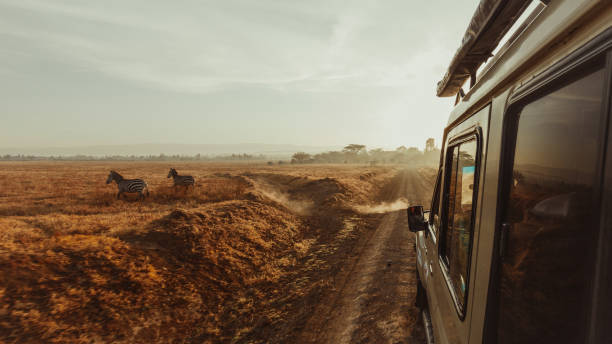

The majestic slopes of Mount Kilimanjaro offer more than just a challenging climb. For those seeking a deeper connection with the land and its people, the foothills reveal a rich cultural heritage, particularly that of the Chagga people. A 4-day Chagga cultural walks & coffee tasting Kilimanjaro foothills tour provides an immersive experience, blending gentle trekking with authentic encounters. This is your comprehensive guide to planning an unforgettable journey into the heart of Chagga life, exploring their traditions, agriculture, and the world-renowned coffee that thrives in this fertile region.
Quick Facts: 4-Day Chagga Cultural Walk & Coffee Tasting
| Duration | 4 Days / 3 Nights |
| Location | Kilimanjaro Foothills, Tanzania (Marangu, Machame, or similar areas) |
| Primary Activities | Guided walks, coffee plantation visits, Chagga village tours, cultural interactions, local cuisine tasting, waterfall visits. |
| Accommodation | Local guesthouses, homestays, or lodges. |
| Best Time to Visit | June to October (dry season), December to February (short dry season). |
| Physical Fitness Level | Light to moderate; walking on uneven terrain. |
| Cultural Focus | Chagga traditions, history, agriculture, daily life, brewing methods. |
Why Choose a 4-Day Chagga Cultural Walk & Coffee Tasting in Kilimanjaro’s Foothills?
This specialized tour offers a unique perspective on Tanzania, moving beyond the typical safari or Kilimanjaro summit climb. It focuses on the human element, the vibrant culture of the Chagga people, who have a deep historical and spiritual connection to Kilimanjaro. These walks are designed to be accessible, allowing travelers of all fitness levels to engage with the stunning natural beauty and the warm hospitality of the local communities. You’ll walk through lush coffee farms, visit traditional homesteads, learn about the entire coffee-making process from bean to cup, and gain insight into a way of life shaped by the mountain itself.
The experience is about more than just sightseeing; it’s about meaningful interaction. You’ll have opportunities to speak with farmers, understand their challenges and successes, and perhaps even participate in some daily activities. The coffee tasting element is a highlight, showcasing the quality and distinct flavors of coffee grown in the rich volcanic soil of Kilimanjaro’s slopes, often considered among the best in the world.
Understanding the Chagga Culture
The Chagga (or Chaga) are one of Tanzania’s largest and most prosperous ethnic groups, primarily residing on the southern and eastern slopes of Mount Kilimanjaro. Their history is marked by resilience and ingenuity, having developed sophisticated agricultural systems, including extensive irrigation and terracing, to cultivate the fertile volcanic soil. They are known for their strong community structures, democratic decision-making processes, and a rich oral tradition.
Historically, the Chagga were also known for their distinctive beehive-shaped huts and their complex social organization. While modernization has brought changes, many traditional customs and values persist. Their agricultural prowess is most famously demonstrated through their cultivation of coffee and bananas, which form the backbone of their economy and daily life. A 4-day Chagga cultural walks & coffee tasting Kilimanjaro foothills adventure is an excellent way to witness these traditions firsthand.
Best Time for Your Kilimanjaro Foothills Cultural Walk
The Kilimanjaro region experiences distinct wet and dry seasons, which influence the best times for walking tours. While you can undertake this tour year-round, certain periods offer more comfortable weather conditions.
Kilimanjaro Region Weather & Best Times to Visit
| Period | Weather Conditions | Suitability for Walks |
|---|---|---|
| June – October | Dry season, cooler temperatures, clear skies. | Excellent. Ideal for walking with minimal rain. Pleasant temperatures. |
| November – December | Short rains, often brief showers, can be humid. | Good. Showers are usually manageable, landscapes are lush. |
| January – February | Short dry season, warmer, can be humid. | Very Good. Warm and sunny days, good for walking. |
| March – May | Long rains, heavier and more persistent rainfall, cloudy. | Challenging. Trails can be muddy and slippery. Visibility may be reduced. |
For a 4-day Chagga cultural walks & coffee tasting Kilimanjaro foothills experience, the dry seasons (June-October and January-February) are generally preferred for the most pleasant walking conditions. However, the shoulder months can also be rewarding with fewer crowds and vibrant green landscapes.
Sample Itinerary: A 4-Day Chagga Cultural Immersion
This sample itinerary is designed to provide a balanced experience of walking, cultural immersion, and coffee appreciation. Specific routes and activities can be customized based on your interests and the specific villages visited.
Day 1: Arrival in Moshi & Introduction to Chagga Life
- Arrive at Kilimanjaro International Airport (JRO) or Moshi town.
- Transfer to your accommodation in or near Moshi, the gateway to Kilimanjaro.
- Meet your local Chagga guide for an orientation and briefing about the upcoming days.
- Afternoon: Visit a local market in Moshi to experience the vibrant local commerce.
- Evening: Enjoy a welcome dinner featuring local Tanzanian cuisine, perhaps including “Ndizi” (banana dishes) a staple for the Chagga.
- Overnight: Lodge or guesthouse in Moshi.
Day 2: Marangu Village & Coffee Plantation Exploration
- Morning: Drive to the Marangu area, known for its stunning waterfalls and coffee farms.
- Begin a guided walk through picturesque Chagga villages. Learn about traditional farming practices, local architecture, and community life.
- Visit a local coffee plantation. Engage with the farmers, learn about the coffee cultivation process from planting to harvesting.
- Participate in a hands-on coffee processing demonstration – from washing and drying the beans to roasting and grinding.
- Enjoy a freshly brewed cup of locally grown Kilimanjaro coffee.
- Afternoon: Visit the Marangu Waterfalls (often called the “Coca-Cola Waterfalls”), a beautiful natural spot.
- Overnight: Local guesthouse or homestay in the Marangu area.
Day 3: Chagga Caves, Local Crafts & Culinary Delights
- Morning: Explore the historic Chagga caves, which served as hiding places during tribal conflicts and colonial times. Your guide will share stories of their historical significance.
- Continue your walk through rural landscapes, observing daily life in the villages.
- Visit a traditional Chagga homestead. Learn about their family structures, cooking methods, and perhaps try your hand at preparing a local dish.
- Experience a Chagga traditional meal prepared with local ingredients.
- Afternoon: Opportunity to interact with local artisans and learn about traditional crafts.
- Optional: Short hike to a scenic viewpoint offering glimpses of Kilimanjaro (weather permitting).
- Overnight: Local guesthouse or homestay in the Marangu area.
Day 4: Farewell & Departure
- Morning: Enjoy a final local breakfast.
- Depending on your flight schedule, you might have time for a short final walk or souvenir shopping.
- Transfer back to Moshi or Kilimanjaro International Airport (JRO) for your onward journey.
This itinerary offers a framework for a 4-day Chagga cultural walks & coffee tasting Kilimanjaro foothills tour. The actual route and activities can be adjusted. For example, some tours might focus more on the Machame area, known for its coffee cultivation, or explore villages closer to Arusha.
What to Expect During Your Cultural Walk
Expect an authentic and engaging experience. The walks are not strenuous treks but rather leisurely strolls through beautiful rural landscapes. You will encounter:
- Stunning Scenery: Lush green hills, terraced farms, banana plantations, coffee bushes, and clear streams, all under the shadow of Kilimanjaro.
- Warm Hospitality: The Chagga people are known for their welcoming nature. You will likely be invited into homes and share conversations.
- Hands-on Learning: From coffee processing to local cooking, expect to actively participate and learn.
- Cultural Insights: Understand Chagga history, social structures, traditional beliefs, and their relationship with the mountain.
- Local Cuisine: Taste traditional dishes prepared with fresh, local ingredients.
- Sensory Experiences: The aroma of roasting coffee, the sounds of village life, the taste of freshly brewed coffee, and the vibrant colors of the landscape.
Inclusions and Exclusions to Consider
When booking your 4-day Chagga cultural walks & coffee tasting Kilimanjaro foothills tour, it’s crucial to understand what is included in the package to manage expectations and budget effectively.
Typical Inclusions
- Private guided walks with a local Chagga guide.
- All mentioned transfers to and from the walking areas.
- Accommodation for 3 nights in selected guesthouses or homestays.
- Meals as specified in the itinerary (often breakfast, lunch, and dinner).
- Visits to coffee plantations and participation in coffee processing.
- Entrance fees to cultural sites, waterfalls, or caves as per itinerary.
- Local community interaction opportunities.
Typical Exclusions
- International flights to and from Tanzania.
- Visa fees for Tanzania.
- Travel insurance (highly recommended).
- Personal expenses (souvenirs, tips, laundry).
- Beverages not included with meals.
- Optional activities not listed in the itinerary.
- Gratuities for guides and drivers.
Packing and Preparation for Your Cultural Walk
Packing smart is key to enjoying your cultural walk. The weather can be variable, and you’ll be walking through villages and farms. Focus on comfort, practicality, and respect for local customs.
Essential Packing List
- Clothing:
- Lightweight, breathable hiking trousers or convertible pants.
- T-shirts and long-sleeved shirts (for sun protection and cooler evenings).
- A warm fleece or sweater for cooler mornings/evenings.
- Waterproof and windproof jacket.
- Comfortable walking shoes or sturdy trainers (broken in).
- Sandals or flip-flops for relaxing.
- Socks (moisture-wicking).
- Modest clothing for village visits (shoulders and knees covered is respectful).
- A hat for sun protection.
- Gear:
- Daypack for essentials (water, snacks, camera, sunscreen).
- Reusable water bottle or hydration pack.
- Sunscreen (high SPF).
- Insect repellent.
- Personal toiletries.
- Basic first-aid kit (band-aids, antiseptic wipes, pain relievers).
- Camera and extra batteries/power bank.
- Binoculars (optional, for scenery).
- Documents & Money:
- Passport and visa (if required).
- Flight details.
- Travel insurance information.
- Cash (USD for tips and small purchases, Tanzanian Shillings for local markets).
- Credit/debit cards (for larger expenses, though cash is often preferred in rural areas).
Preparation: Ensure you are reasonably fit for walking. Hydrate well in the days leading up to your trip. Familiarize yourself with basic Swahili greetings if possible – a little effort goes a long way in cultural exchange.
Common Mistakes to Avoid
To ensure a smooth and enriching experience, be aware of potential pitfalls:
- Underestimating the Sun: Even on cloudy days, the equatorial sun can be intense. Always wear sunscreen and a hat.
- Ignoring Local Customs: Dress modestly when visiting villages and homestays. Ask permission before taking photos of people.
- Not Carrying Enough Cash: While tours are often inclusive, you’ll need cash for tips, souvenirs, and personal expenses. ATMs are scarce outside major towns.
- Expecting Western Standards of Service Everywhere: Embrace the local pace and style of hospitality. Homestays offer authenticity, not luxury hotels.
- Lack of Flexibility: While itineraries are planned, be open to spontaneous moments and slight changes. This is part of the adventure.
- Not Staying Hydrated: Carry enough water and drink regularly, especially during walks.
- Overpacking: Pack light and efficiently. You’ll be carrying your own daypack.
Who is This Tour Best Suited For?
The 4-day Chagga cultural walks & coffee tasting Kilimanjaro foothills tour is ideal for:
- Culture Enthusiasts: Travelers eager to learn about local traditions, history, and daily life.
- Food & Drink Lovers: Those who appreciate authentic culinary experiences and are interested in the journey of coffee from farm to cup.
- Nature Walkers: Individuals who enjoy gentle hikes through scenic landscapes without the demands of high-altitude trekking.
- Responsible Travelers: Those looking for meaningful interactions and a way to support local communities directly.
- Families: The moderate nature of the walks makes it suitable for families with older children.
- Travelers Seeking Authentic Experiences: Anyone wanting to go beyond the typical tourist path and connect with the local people.
Alternatives to the 4-Day Chagga Cultural Walk
While the 4-day tour offers a focused experience, other options cater to different interests and timeframes:
- Kilimanjaro Day Hikes: For a taste of the mountain’s lower slopes without a full cultural immersion.
- Longer Kilimanjaro Treks: For those aiming for the summit, such as the Marangu, Machame, or Lemosho routes. These are physically demanding and focus on the climb, with less emphasis on cultural interaction.
- General Tanzania Safaris: Focusing on wildlife viewing in national parks like Serengeti, Ngorongoro, and Tarangire.
- Zanzibar Holidays: Combining beach relaxation with historical exploration in Stone Town.
- Extended Cultural Tours: Longer tours that might include visits to other ethnic groups in Tanzania, like the Maasai or Hadzabe.
The 4-day Chagga cultural walks & coffee tasting Kilimanjaro foothills tour strikes a balance, offering deep cultural insight and a connection to the land that other tours might not provide.
Planning Your 2026-2027 Trip
Planning ahead is essential for securing the best experiences and ensuring a smooth trip for 2026 and 2027. Here’s a guide to help you prepare.
2026-2027 Planning Timeline
| Timeframe | Action Items |
|---|---|
| 6-12 Months Prior | Research tour operators. Decide on your preferred travel dates. Book flights. Consider visa requirements. Purchase travel insurance. |
| 3-6 Months Prior | Book your 4-day Chagga cultural walks & coffee tasting Kilimanjaro foothills tour with a reputable operator. Confirm inclusions and exclusions. Start a basic fitness routine if needed. |
| 1-3 Months Prior | Finalize visa applications. Get any necessary vaccinations. Purchase necessary gear and clothing. Inform your bank of travel dates. |
| 2-4 Weeks Prior | Pack your bags. Confirm flight details. Print important documents. Exchange some currency. |
| Week Of Travel | Last-minute checks. Relax and prepare for your adventure! |
When choosing a tour operator for your 4-day Chagga cultural walks & coffee tasting Kilimanjaro foothills tour in 2026 or 2027, look for companies with strong local partnerships, positive reviews regarding cultural authenticity, and a commitment to responsible tourism.
Booking Advice for Your Chagga Cultural Tour
Selecting the right tour operator is crucial for an authentic and well-organized experience. Here’s how to approach booking:
- Research Reputable Operators: Look for Tanzanian-based companies with a proven track record. Best Tanzania tour operators often have deep local knowledge and direct relationships with communities.
- Check Reviews: Read reviews on platforms like TripAdvisor, Google, and specialist travel forums. Pay attention to comments about cultural authenticity, guide quality, and community engagement.
- Direct Communication: Contact operators directly. Ask specific questions about the itinerary, what’s included, guide qualifications, and their approach to responsible tourism. A good operator will be responsive and informative.
- Customization: If you have specific interests (e.g., photography, specific coffee varieties, deeper historical dives), inquire about customization options.
- Inquire About Community Impact: A responsible operator will work directly with local communities, ensuring fair compensation and contributing positively to their development. Ask how your tour benefits the Chagga people.
- Understand Payment Terms: Clarify deposit requirements, payment schedules, and cancellation policies.
For a reliable and authentic 4-day Chagga cultural walks & coffee tasting Kilimanjaro foothills experience, consider reaching out to experienced local operators. They can tailor the perfect itinerary for your 2026-2027 travels.
Ready to Explore?
If you’re excited about immersing yourself in the vibrant Chagga culture and savoring the unique flavors of Kilimanjaro coffee, let us help you plan your adventure. We specialize in creating authentic Tanzanian experiences.
Contact us today to craft your personalized 4-day Chagga cultural walks & coffee tasting Kilimanjaro foothills tour:
WhatsApp: +255616946642
Email: topguideadventures@gmail.com
Backup Email: info@topguideadventures.com
Let’s make your 2026-2027 Tanzanian journey unforgettable!
Frequently Asked Questions (FAQs)
Common Questions About Chagga Cultural Walks
1. What is the physical difficulty of the 4-day Chagga cultural walks?
The walks are generally considered light to moderate. They involve walking on well-trodden paths, rural trails, and sometimes uneven terrain. It is not a strenuous trek like climbing Kilimanjaro. Most individuals with average fitness can comfortably complete these walks.
2. What is the best time of year for this tour?
The dry seasons, from June to October and again from January to February, offer the most pleasant weather for walking. However, the shoulder seasons can also be rewarding with fewer crowds, though occasional rain showers are possible.
3. Do I need any special gear for the coffee tasting?
No special gear is required for the coffee tasting itself. You will be guided through the process. Comfortable walking attire is sufficient. The tour typically includes participation in grinding and roasting demonstrations.
4. How much cash should I bring?
It’s advisable to bring enough cash for tips, souvenirs, and personal expenses. While tour packages often include meals and accommodation, small denominations of USD or Tanzanian Shillings are useful for markets and tipping local guides or hosts. Your tour operator can provide specific recommendations.
5. Are the accommodations basic?
Accommodations typically consist of local guesthouses or homestays, offering an authentic cultural experience. They are clean and comfortable but may not have the amenities of international hotels. This is part of the immersive experience. For 2026-2027 travel, expect charming, locally run establishments.
6. Can I customize the itinerary?
Yes, many operators offer customization. If you have particular interests, such as spending more time on coffee production, visiting specific historical sites, or focusing on photography, discuss this with your tour operator when booking your 4-day Chagga cultural walks & coffee tasting Kilimanjaro foothills tour.
7. What is the cultural etiquette I should be aware of?
Dress modestly, especially when visiting villages and homes – cover shoulders and knees. Always ask for permission before taking photos of people. Showing respect for elders and traditions is highly valued. Learning a few basic Swahili phrases like ‘Jambo’ (Hello) and ‘Asante’ (Thank you) is appreciated.
8. Is travel insurance necessary?
Absolutely. Comprehensive travel insurance is highly recommended for any trip to Tanzania. It should cover medical emergencies, trip cancellations, and lost luggage.
9. What are the health precautions?
Consult your doctor or a travel clinic regarding recommended vaccinations and malaria precautions. Staying hydrated and using insect repellent are important measures.
10. What is the role of the Chagga guide?
Your Chagga guide is not just a walking companion but a cultural ambassador. They provide deep insights into their heritage, local customs, history, and the natural environment. They are crucial to the authenticity of the 4-day Chagga cultural walks & coffee tasting Kilimanjaro foothills experience.
11. Can I buy coffee directly from the farms?
Often, yes. Many tours include opportunities to purchase freshly roasted coffee directly from the plantations or local cooperatives, providing a unique souvenir and direct support to the farmers. This is a highlight for many travelers in 2026 and 2027.
12. How does this tour benefit the local community?
By choosing a tour that partners directly with local communities, your visit contributes to their economy through accommodation fees, guide services, meals, and purchasing local crafts. Responsible operators ensure fair wages and community development initiatives.
Plan Your Authentic Kilimanjaro Foothills Adventure
The 4-day Chagga cultural walks & coffee tasting Kilimanjaro foothills offers a profound connection to one of Tanzania’s most fascinating cultures. It’s an experience that nourishes the soul and delights the senses, leaving you with lasting memories and a deeper understanding of life on the slopes of Kilimanjaro.
Ready to explore the traditions, landscapes, and flavors of the Chagga people? Let us help you design the perfect itinerary for your 2026-2027 travels.
Get in touch with our Tanzania travel experts:
WhatsApp: +255616946642
Email: topguideadventures@gmail.com
Backup Email: info@topguideadventures.com
We look forward to helping you plan an extraordinary journey!
Plan your 4-Day Chagga Cultural Walks & Coffee Tasting Kilimanjaro Foothills with Top Guide Adventures
Tell us your travel dates, group size, comfort level, and dream experience. We will help you shape a clear, realistic, and memorable Tanzania itinerary.







 Veedesigner
 Fatma Kizanga
 Benjamin Waryuba
 Philip Philip
 John jr Itaja
 Antonia Optatus
 Edith Kanyere
 Neema Iddy
 Kelvin Boniphace
 Damari Maiga



