
Updated planning guide for 2026-2027
4-Day Conservation-Focused Tour — Anti-Poaching Unit Experience Guide
Gain an unparalleled insight into wildlife conservation with a 4-day anti-poaching unit experience in Tanzania. This guide details the itinerary, preparation, and booking advice for this unique adventure.
WhatsApp +255616946642 | topguideadventures@gmail.com | info@topguideadventures.com
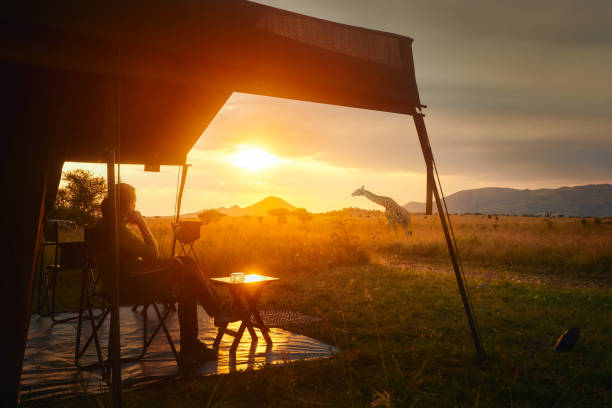
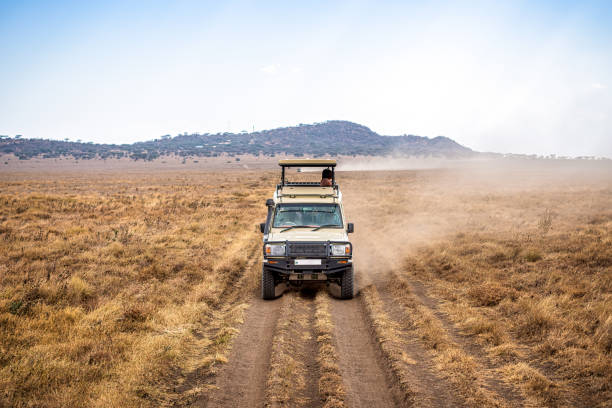
4-Day Conservation-Focused Tour — Anti-Poaching Unit Experience: Essential Planning Guide
For the traveler seeking more than just a typical safari, a 4-day conservation-focused tour with an anti-poaching unit experience offers a profound connection to the critical work of protecting Tanzania’s incredible wildlife. This is not a passive observation; it’s an active immersion into the challenges and triumphs of safeguarding endangered species against threats like poaching. Best Tanzania tour operator, Top Guide Adventures, specializes in crafting these meaningful journeys that contribute directly to conservation efforts. This comprehensive guide will walk you through everything you need to know to plan and book your participation in such a vital program, ensuring your adventure makes a real difference.
Table of Contents
- Quick Facts: Anti-Poaching Unit Experience
- Overview of the Experience
- Why This Experience Matters
- Best Time to Experience This Tour
- Geographic Focus and Area Overview
- Sample 4-Day Itinerary
- What to Expect on the Ground
- Typical Inclusions and Exclusions
- Packing and Preparation Guide
- Common Mistakes to Avoid
- Who is This Tour Best Suited For?
- Alternatives to an Anti-Poaching Experience
- Planning Your Trip for 2026-2027
- Booking Your Conservation Tour
- Frequently Asked Questions
Quick Facts: Anti-Poaching Unit Experience
| Aspect | Details |
|---|---|
| Tour Duration | Typically 4 Days |
| Focus | Wildlife conservation, anti-poaching operations, ranger support |
| Location | Various protected areas in Tanzania (e.g., areas near Serengeti, Selous/Nyerere, Ruaha) |
| Activities | Patrols, tracking, data collection, community engagement (where applicable), ranger training observation |
| Accommodation | Field camps, basic lodges, or ranger outposts |
| Physical Demands | Moderate to high; involves walking, potentially rough terrain, early mornings, and long days |
| Contribution | Portion of fees often directly supports conservation initiatives |
| Booking Lead Time | Recommended 6-12 months in advance due to limited spots |
Overview of the Experience
A 4-day conservation-focused tour centered around an anti-poaching unit experience is designed for individuals deeply committed to wildlife preservation. It moves beyond the traditional safari lens, offering a raw, behind-the-scenes look at the frontline efforts to protect vulnerable species. Participants typically join experienced rangers and conservationists on their daily operations. This might involve accompanying patrols in vehicles or on foot, learning tracking techniques, assisting with data recording, and understanding the intelligence-gathering methods used to combat illegal wildlife trade. The experience is hands-on, demanding, and incredibly rewarding, providing a unique perspective on the daily realities of conservation work in Tanzania.
Unlike a standard safari where wildlife viewing is the primary goal, this tour prioritizes understanding the threats facing animals and the methods employed to mitigate them. You’ll learn about the challenges posed by habitat loss, human-wildlife conflict, and the persistent threat of poaching. The goal is to offer a tangible contribution, whether through direct support, awareness-building, or simply by understanding the immense dedication required by those on the ground. This is an opportunity to connect with nature on a profound level, appreciating the delicate balance of ecosystems and the human efforts to maintain it.
Why This Experience Matters
Tanzania is a global treasure trove of biodiversity, home to iconic species like elephants, rhinos, lions, and giraffes. However, these magnificent creatures face significant threats, with poaching being a primary concern. Anti-poaching units are the unsung heroes working tirelessly, often in difficult conditions, to protect these animals. By participating in a conservation-focused tour that supports these units, you contribute in several critical ways:
- Financial Support: A portion of your tour fees directly funds operational costs for the anti-poaching teams, such as fuel, equipment, and ranger salaries.
- Increased Awareness: You become an ambassador for conservation. Your firsthand experience and stories can educate others about the importance of protecting wildlife and the realities of conservation work.
- Deterrent Effect: The presence of informed and engaged visitors can sometimes act as a deterrent to illegal activities in certain areas.
- Data Collection Support: In some programs, participants may assist rangers in collecting valuable data on wildlife sightings, animal health, and signs of poaching, which is crucial for research and management.
- Morale Boost: Knowing that people from around the world are interested in and willing to support their mission can be a significant morale booster for rangers who face constant danger and hardship.
This kind of immersive experience fosters a deeper appreciation for the natural world and the complex challenges of conservation. It’s a chance to go beyond observation and become a part of the solution, however small your role may be during the 4-day tour.
Best Time to Experience This Tour
The best time for a 4-day conservation-focused tour with an anti-poaching unit experience in Tanzania generally aligns with the dry seasons, though specific considerations apply. These periods offer better ground conditions for patrols and often lead to more concentrated wildlife viewing as animals gather around water sources.
- June to October (Dry Season): This is prime time. The landscape is drier, making movement easier for patrols. Wildlife is often more visible. The weather is generally pleasant with cooler temperatures.
- November to December (Short Rains): This period can be suitable, but rainfall can impact ground travel and visibility. However, it’s less crowded, and the landscape becomes greener.
- January to February (Long Dry Season/Calving Season): Another excellent dry period, particularly famous for the wildebeest calving season in the Serengeti, which can increase predator activity and thus the need for ranger presence.
- March to May (Long Rains): This is typically the least ideal time due to heavy rainfall, which can make roads impassable and disrupt patrol activities. However, for dedicated conservationists, it can still be a period of intense fieldwork for rangers, though visitor access might be limited.
For planning your 2026-2027 trip, aim for the dry seasons (June-October and January-February) for the most reliable access and conditions. Always check with your tour operator, like Top Guide Adventures, for the most current on-the-ground conditions and specific program availability.
Geographic Focus and Area Overview
Anti-poaching efforts in Tanzania are widespread, and the specific location for your 4-day conservation-focused tour will depend on the program offered by your tour operator. However, these experiences are often based in or near key protected areas known for their high biodiversity and, unfortunately, the presence of poaching threats.
General Areas of Operation:
- Northern Tanzania: Areas surrounding Serengeti National Park, Ngorongoro Conservation Area, and Tarangire National Park. These regions are critical for large mammal populations, including elephants and rhinos, and face pressures from human settlements and illegal hunting.
- Southern Tanzania: Including Nyerere National Park (formerly Selous Game Reserve) and Ruaha National Park. These vast wilderness areas are vital for elephants and wild dogs but are remote and challenging to patrol.
- Western Tanzania: Such as the Mahale Mountains and Katavi National Park, though these are less common for typical anti-poaching guest experiences due to their remoteness and focus on primate research.
The specific ranger unit you work with will be assigned based on their operational needs and the partnership your tour operator has established. This might mean operating from a main park headquarters or a more remote field station. The landscape will vary from open savannahs to woodlands and riverine forests, depending on the chosen location.
Sample 4-Day Itinerary
This is a sample itinerary for a 4-day conservation-focused tour with an anti-poaching unit experience. Actual activities can vary based on ranger unit needs, conservation priorities, and operational requirements.
Day 1: Arrival and Introduction to the Unit
- Morning: Arrive at the designated ranger base camp or field station. Meet the anti-poaching unit commander and team.
- Late Morning: Briefing on current conservation challenges, the unit’s mission, and safety protocols. Receive an overview of the area’s wildlife and threats.
- Afternoon: Accompany rangers on a short patrol or reconnaissance mission, perhaps focusing on observation points or known problem areas. Learn about tracking signs and basic fieldcraft.
- Evening: Dinner at the camp. Discussion with rangers about their experiences and conservation strategies.
Day 2: Patrols and Data Collection
- Early Morning: Depart for a full-day patrol. This could involve driving in a 4×4 vehicle or a longer trek on foot, depending on the terrain and objectives.
- Midday: Learn to identify animal tracks, signs of poaching (e.g., snares, spent cartridges), and record observations using GPS devices or field notebooks.
- Afternoon: Visit a strategic location for observation or assist in setting up camera traps (if part of the program). Understand the technology used in modern anti-poaching efforts.
- Evening: Return to camp. Debriefing session on findings. Share insights and learn about the analysis of collected data.
Day 3: Community Engagement and Ranger Training Observation
- Morning: Depending on the unit’s activities, you might observe or participate in community outreach programs aimed at reducing human-wildlife conflict or fostering local support for conservation.
- Afternoon: If ranger training exercises are scheduled, you may have the opportunity to observe drills related to tracking, first aid, or tactical operations. This provides insight into the rigorous preparation of the rangers.
- Late Afternoon: A final patrol or survey, perhaps focusing on a different habitat type or a specific species of concern.
- Evening: Farewell dinner with the unit. Opportunity for more personal conversations and to express gratitude for their work.
Day 4: Departure and Conservation Impact
- Morning: Final briefing, summarizing the impact of the unit’s work and how visitor contributions help.
- Late Morning: Depart from the ranger base camp, taking with you a deeper understanding and appreciation for conservation efforts. Transfer to your next destination or the airport.
What to Expect on the Ground
Prepare for an experience that is far removed from a luxury safari. The focus is on the practicalities of conservation work, which means embracing a certain level of ruggedness and dedication.
- Accommodation: Expect basic but functional accommodation. This could range from tents in a field camp with shared facilities to simple rooms in a ranger outpost. Hot showers might be available, but electricity could be limited.
- Meals: Meals will likely be hearty and prepared by camp staff or rangers. They will be nutritious and designed to provide energy for long days, but don’t expect gourmet dining.
- Daily Schedule: Days are often long and start very early. You’ll be out in the field for extended periods, sometimes with limited access to amenities. Flexibility is key, as schedules can change based on operational needs.
- Physical Demands: You should be prepared for moderate physical activity. This can include walking for several hours over uneven terrain, getting in and out of vehicles frequently, and enduring varying weather conditions. A reasonable level of fitness is beneficial.
- Interaction with Rangers: Rangers are professionals dedicated to their mission. They are often courageous individuals who work under pressure. You will have opportunities to interact with them, learn from them, and understand their commitment. Respect their authority and their work.
- Wildlife Viewing: While wildlife is abundant in these areas, the primary goal is not just spotting animals. You will see wildlife, but the focus is on observing it within its ecosystem and understanding the threats it faces. Patience and a keen eye for signs, not just sightings, are rewarded.
- Safety: Safety is paramount. You will receive thorough briefings on safety protocols. Stick strictly to the guidance provided by the rangers. This includes maintaining a safe distance from wildlife, not straying from the group, and following all instructions.
- Connectivity: Mobile phone reception and internet access will likely be very limited or non-existent in field locations. Prepare to disconnect and immerse yourself in the experience.
Typical Inclusions and Exclusions
Understanding what your tour package covers is crucial for planning. Tour operators like Top Guide Adventures will provide detailed breakdowns, but generally:
| Inclusions (Likely) | Exclusions (Likely) |
|---|---|
| Accommodation at field camps/outposts | International and domestic flights |
| All meals during the 4-day experience | Visa fees |
| Activities with the anti-poaching unit (patrols, tracking, data collection) | Travel insurance (mandatory) |
| Park or conservation area entry fees (often included or supplementary) | Personal expenses (souvenirs, drinks, laundry) |
| Ground transportation within the operational area | Gratuities for guides, rangers, and camp staff |
| Contribution to conservation efforts (often a stated portion of the fee) | Vaccinations and medical expenses |
| Expert guiding by experienced conservation professionals/rangers | Tips for rangers (can be sensitive, best to clarify with operator) |
Packing and Preparation Guide
Packing wisely ensures comfort and readiness for the demands of the experience. Focus on practicality and durability.
Clothing:
- Neutral-Colored Clothing: Long-sleeved shirts and trousers made of breathable, durable fabric (e.g., cotton, ripstop). Avoid bright colors and dark colors like black or navy which can attract insects.
- Warm Layers: Evenings and early mornings can be cool, especially during dry seasons. Pack a fleece jacket or a warm sweater.
- Waterproof/Windproof Jacket: Essential for unpredictable weather.
- Comfortable T-shirts: For warmer parts of the day.
- Underwear and Socks: Plenty of moisture-wicking socks are crucial to prevent blisters.
- Hat: A wide-brimmed hat for sun protection.
Footwear:
- Sturdy Hiking Boots: Broken-in, waterproof hiking boots are essential for walking on varied terrain.
- Comfortable Camp Shoes: Sandals or trainers for relaxing in the evenings.
Gear and Accessories:
- Backpack: A comfortable daypack for carrying water, snacks, camera, and personal items during patrols.
- Water Bottle: Reusable water bottles are essential. Hydration is critical.
- Sunscreen: High SPF sunscreen.
- Insect Repellent: With a high concentration of DEET or Picaridin.
- Headlamp or Flashlight: With extra batteries for navigating in the dark.
- Binoculars: For wildlife viewing.
- Camera: With extra batteries and memory cards. Consider a camera with good low-light performance.
- Power Bank: To charge electronic devices if electricity is scarce.
- Personal First-Aid Kit: Including any personal medications, bandages, antiseptic wipes, pain relievers, and blister treatment.
- Sunglasses.
- Small Towel: Quick-drying microfiber towel.
- Toiletries: Biodegradable options are preferred.
- Notebook and Pen: For taking notes.
Documents and Money:
- Passport (valid for at least 6 months) and visa.
- Copies of passport, visa, and travel insurance.
- Emergency contact information.
- Some cash in USD for tips or small purchases (check with operator for currency recommendations).
Health and Vaccinations:
- Consult your doctor or a travel clinic 4-6 weeks before departure for recommended vaccinations and malaria prophylaxis. Yellow fever vaccination may be required.
- Pack any personal prescription medications.
Common Mistakes to Avoid
To ensure a smooth and impactful experience, be aware of these common pitfalls:
- Expecting a Luxury Safari: This is a conservation-focused tour. Accommodation and amenities will be basic. Manage your expectations accordingly.
- Underestimating Physical Demands: Do not book if you have significant mobility issues or a low fitness level. Be honest about your physical capabilities.
- Not Packing Appropriately: Inadequate clothing or gear can make the experience uncomfortable and less productive. Follow the packing list carefully.
- Lack of Respect for Rangers and Their Work: These individuals are professionals dealing with dangerous situations. Show utmost respect for their authority, instructions, and the gravity of their mission.
- Disrupting Operations: Your role is to observe and assist where appropriate, not to interfere with or slow down ranger operations. Follow their lead at all times.
- Failing to Disconnect: While it’s tempting to stay connected, embrace the opportunity to disconnect from technology and immerse yourself in the environment and the work.
- Not Clarifying Expectations: Before booking, have a detailed conversation with your tour operator about what the experience entails, what your role will be, and the specific conservation outcomes.
- Environmental Impact: Be mindful of your environmental footprint. Use biodegradable products, avoid single-use plastics, and follow Leave No Trace principles.
Who is This Tour Best Suited For?
This 4-day conservation-focused tour with an anti-poaching unit experience is ideal for:
- Passionate Wildlife Enthusiasts: Those who have a deep love for animals and a desire to understand the threats they face.
- Dedicated Conservationists: Individuals actively interested in wildlife protection and wanting to contribute directly to conservation efforts.
- Adventurous Travelers: People seeking unique, off-the-beaten-path experiences that are physically engaging and mentally stimulating.
- Responsible Tourists: Travelers who want their trips to have a positive impact and are willing to support meaningful causes.
- Curious Minds: Those eager to learn about the practical challenges of conservation management and the dedication of rangers on the front lines.
- Mature Travelers: Individuals who appreciate the value of experience over comfort and can adapt to basic living conditions.
It is generally not suitable for:
- Travelers seeking luxury accommodations and fine dining.
- Those with significant physical limitations or health concerns that would be exacerbated by strenuous activity.
- Families with very young children due to the demanding nature and safety protocols.
- Individuals who are uncomfortable with basic amenities or the idea of being in remote wilderness areas.
Alternatives to an Anti-Poaching Experience
If a direct anti-poaching unit experience isn’t the right fit, but you’re still keen on conservation-focused travel in Tanzania, consider these alternatives:
- Wildlife Research Assistant Programs: Some organizations offer opportunities to assist researchers with data collection, camera trap monitoring, or tracking studies. These are often longer commitments but can be very rewarding.
- Conservation Volunteering: Engage in habitat restoration projects, community education initiatives, or wildlife monitoring with established conservation NGOs.
- Eco-Lodges with Conservation Focus: Stay at lodges that actively contribute to local conservation projects, employ local communities, and educate guests about the environment. Many offer guided walks and talks with conservation experts.
- Walking Safaris: Led by highly trained guides, these safaris offer an intimate connection with the wilderness and often focus on tracking, ecology, and understanding the ecosystem. Some operators partner with conservancies.
- Community-Based Tourism: Visit projects where local communities are directly involved in conservation and benefit from tourism, fostering a sense of stewardship.
While these alternatives offer valuable conservation experiences, the 4-day anti-poaching unit experience provides a unique, direct insight into the critical work of safeguarding wildlife.
Planning Your Trip for 2026-2027
Planning a trip like this requires foresight and careful coordination. Here are key considerations for your 2026-2027 adventure:
Booking Timeline:
Due to the specialized nature and limited availability of these programs, it’s advisable to book 9-12 months in advance, especially if you are targeting peak seasons in 2026 or 2027.
Operator Selection:
Choose a reputable tour operator with proven experience in organizing conservation-focused tours and strong relationships with Tanzanian wildlife authorities and ranger units. Top Guide Adventures is a prime example, known for its commitment to responsible tourism and unique experiences.
Customization:
While the core experience is fixed, discuss any specific interests you have with your operator. They might be able to tailor certain aspects of your involvement if feasible and aligned with the rangers’ needs.
Budgeting:
These tours are often priced higher than standard safaris due to the specialized nature, operational costs, and direct contribution to conservation. Factor in flights, visas, insurance, and personal expenses.
Health and Safety Protocols:
Stay updated on any health advisories for Tanzania in 2026-2027. Ensure you have all necessary vaccinations and malaria precautions. Familiarize yourself with the safety guidelines provided by your operator and the ranger unit.
Flexibility:
The nature of anti-poaching work means operations can change rapidly. Be prepared for last-minute adjustments to schedules or activities. A flexible attitude is essential.
Booking Your Conservation Tour
Securing your spot on a 4-day conservation-focused tour with an anti-poaching unit experience requires careful steps. Top Guide Adventures is dedicated to making this process clear and efficient.
- Research and Contact Operators: Identify tour operators specializing in conservation or volunteer travel in Tanzania. Top Guide Adventures is a leading choice for such unique, impactful experiences.
- Inquire About Specific Programs: Ask detailed questions about the anti-poaching unit you’ll be supporting, the specific activities involved, accommodation, and the contribution your fee makes.
- Confirm Availability: These programs have limited spaces. Confirm dates and availability well in advance, especially for 2026-2027 travel.
- Understand the Requirements: Be clear about any physical, health, or age requirements. Ensure you meet them before committing.
- Review the Itinerary and Inclusions: Get a clear itinerary and a detailed list of what is included and excluded.
- Discuss Safety Measures: Ensure the operator has robust safety protocols in place and that you will receive thorough briefings.
- Secure Your Booking: Once you are satisfied, proceed with the booking process. This will typically involve a deposit.
- Prepare Thoroughly: Follow the operator’s packing lists and preparation advice meticulously.
For an unparalleled 4-day conservation-focused tour and anti-poaching unit experience, reach out to the experts.
Contact Top Guide Adventures:
WhatsApp: +255616946642
Email: topguideadventures@gmail.com
Backup Email: info@topguideadventures.com
Let them help you craft an unforgettable and meaningful journey.
Frequently Asked Questions
What is the primary goal of a 4-day conservation-focused tour with an anti-poaching unit experience?
The primary goal is to provide participants with an in-depth, hands-on understanding of frontline wildlife conservation efforts, specifically anti-poaching operations. It aims to offer direct support to ranger units, raise awareness, and foster a deeper appreciation for the challenges and importance of protecting endangered species.
Can I interact directly with poachers during this tour?
No, absolutely not. This tour is about supporting the anti-poaching units, not engaging with or confronting poachers. Safety is paramount, and interactions will be strictly controlled and guided by the ranger teams. Your role is to observe and support their work from a safe distance.
What level of fitness is required for this experience?
A moderate level of fitness is recommended. You should be comfortable walking for several hours over uneven terrain, getting in and out of vehicles, and enduring potentially long days in the field. Consult with your tour operator about specific physical demands.
Is this tour suitable for solo travelers?
Yes, this type of experience is often well-suited for solo travelers. It provides a unique opportunity to connect with like-minded individuals and the dedicated rangers, and the structured nature of the program ensures safety and engagement.
What kind of contribution does my tour fee make?
A significant portion of your tour fee typically goes directly towards supporting the anti-poaching unit’s operational costs. This can include fuel for patrols, equipment, ranger welfare, and conservation initiatives in the area. Your operator will provide details on the specific allocation.
Will I be armed or participate in armed patrols?
No, participants are generally not armed and do not directly participate in armed confrontations. Your role is observational and supportive, focused on learning and assisting with tasks like data collection or tracking, always under strict ranger supervision.
What are the accommodation and meal arrangements like?
Accommodation is typically in basic field camps or ranger outposts, involving tents or simple rooms with shared facilities. Meals are usually hearty, prepared to provide energy for fieldwork, and served communally.
How far in advance should I book my 4-day conservation-focused tour for 2026-2027?
It is highly recommended to book at least 9-12 months in advance for 2026-2027 travel, as these specialized tours have very limited availability and fill up quickly due to their unique nature and the need for careful planning with ranger units.
What happens if weather conditions disrupt the planned activities?
The itinerary is flexible and subject to change based on operational needs, ranger priorities, and weather. Your tour operator and the ranger unit will make decisions based on safety and effectiveness. Be prepared for adjustments and embrace the unpredictable nature of fieldwork.
Can I tip the rangers?
Tipping practices can be sensitive and vary. It’s best to clarify with your tour operator if tipping is appropriate, how it should be handled (e.g., a group contribution to the unit rather than individual tips), and what is customary. Some operators build contributions into the tour fee.
Ready for a Meaningful Adventure?
Experience Tanzania’s wild heart like never before with a 4-day conservation-focused tour and anti-poaching unit experience. This is your chance to contribute directly to the vital work of protecting wildlife and to gain an unparalleled understanding of conservation in action. Don’t just see Tanzania; be a part of its preservation.
Contact Best Tanzania tour operator, Top Guide Adventures, today to plan your impactful journey for 2026-2027.
WhatsApp: +255616946642
Email: topguideadventures@gmail.com
Backup Email: info@topguideadventures.com
Plan your 4-Day Conservation-Focused Tour — Anti-Poaching Unit Experience with Top Guide Adventures
Tell us your travel dates, group size, comfort level, and dream experience. We will help you shape a clear, realistic, and memorable Tanzania itinerary.







 Veedesigner
 Fatma Kizanga
 Benjamin Waryuba
 Philip Philip
 John jr Itaja
 Antonia Optatus
 Edith Kanyere
 Neema Iddy
 Kelvin Boniphace
 Damari Maiga



