
Updated planning guide for 2026-2027
4-Day Conservation & Research Internship — Primate Center: Complete Guide
Explore an immersive 4-day conservation and research internship focused on primates in Tanzania. This guide offers practical planning, itinerary details, and booking advice for an unforgettable wildlife experience.
WhatsApp +255616946642 | topguideadventures@gmail.com | info@topguideadventures.com
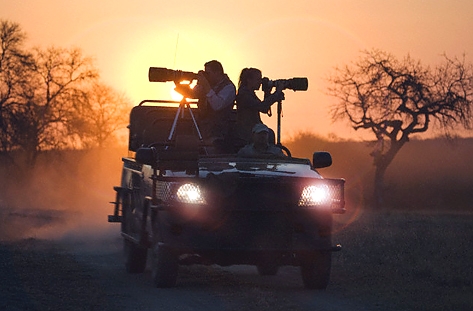
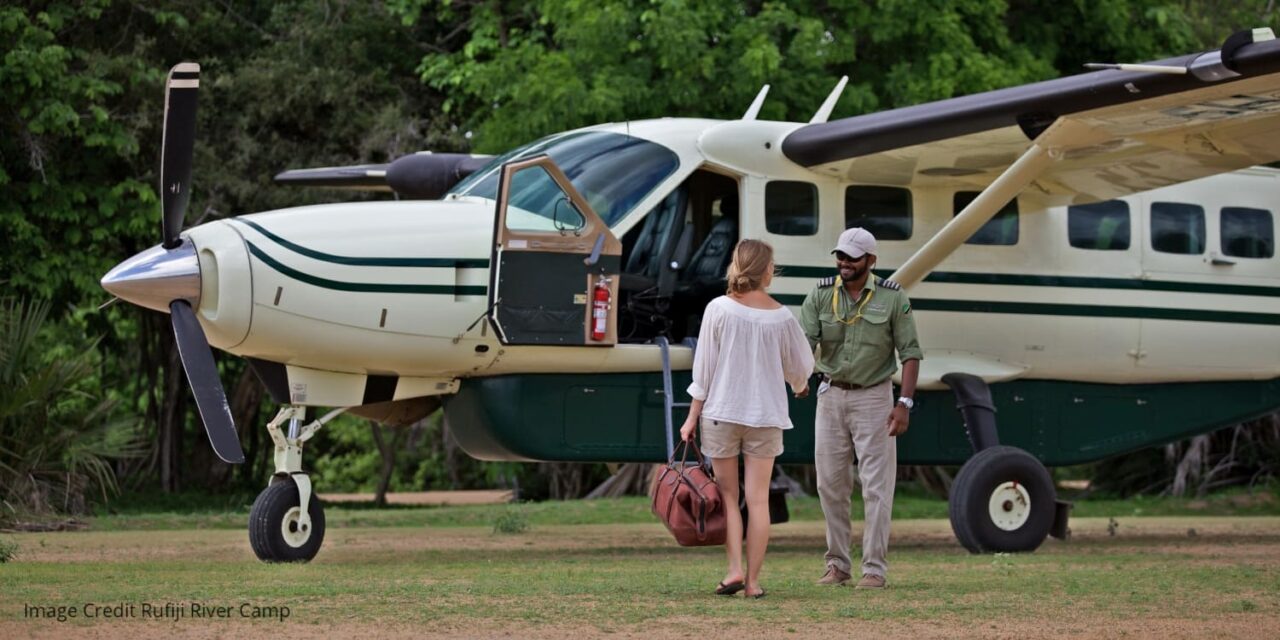
4-Day Conservation & Research Internship — Primate Center: Expert Guide
A 4-day conservation and research internship focused on primates in Tanzania offers a rare chance to contribute directly to the study and protection of these fascinating animals. This short-term program, often based near significant primate habitats, allows participants to gain hands-on experience in fieldwork, data collection, and understanding conservation challenges. For wildlife enthusiasts and aspiring researchers, this is an unparalleled opportunity to connect with nature on a deeper level, contributing to vital conservation efforts while experiencing Tanzania’s rich biodiversity firsthand. This guide provides everything you need to plan and prepare for such an impactful experience, whether you’re considering it for 2026 or 2027.
Quick Answer: What is a 4-Day Primate Conservation Internship?
A 4-day conservation and research internship — primate center program is a short, intensive experience designed for individuals interested in wildlife conservation and primatology. Participants typically assist researchers and conservationists with daily tasks, which may include monitoring primate behavior, collecting ecological data, habitat assessments, and contributing to community outreach or education initiatives. These internships are usually situated in areas with significant primate populations, such as Gombe Stream National Park or areas around the Mahale Mountains, offering a focused, practical introduction to conservation science over a concentrated period.
| Aspect | Details |
|---|---|
| Duration | Typically 4 days, though can be part of a longer program. |
| Focus | Primate behavior, ecology, conservation, and research methods. |
| Location | Primarily Tanzania, near primate habitats (e.g., Gombe, Mahale vicinity). |
| Activities | Data collection, field observation, habitat surveys, potential community engagement. |
| Suitability | Students, wildlife enthusiasts, aspiring conservationists, researchers. |
| Accommodation | Field stations, lodges, or basic research camps. |
| Best Time | Dry seasons (June-October, December-February) for easier fieldwork. |
Understanding the Value of a Short-Term Primate Internship
While longer internships often provide deeper immersion, a 4-day conservation and research internship — primate center program offers distinct advantages, especially for those with limited time or who wish to sample a specific field of conservation. Its concentrated nature means every day is packed with learning and contribution. You’re not just observing; you’re actively participating in data gathering that informs conservation strategies. This hands-on involvement is invaluable for understanding the complexities of primate protection and the challenges faced by researchers in the field.
For students, this can be a powerful addition to a resume or a way to confirm career interests. For seasoned travelers, it’s a chance to engage with Tanzania’s natural heritage in a meaningful, non-touristy way. The direct contribution to research, however small, adds a layer of purpose to your travels. You’ll gain practical skills in observation, data recording, and potentially basic ecological surveying, all under the guidance of experienced professionals.
Why Tanzania for Primate Research?
Tanzania is a biodiversity hotspot, home to a remarkable array of primate species, including chimpanzees, colobus monkeys, baboons, and various other guenons and monkeys. Iconic research sites like Gombe Stream National Park, made famous by Jane Goodall’s pioneering work with chimpanzees, and the Mahale Mountains National Park, another critical chimpanzee sanctuary, provide unparalleled opportunities for studying primate behavior and ecology in their natural habitats. The presence of dedicated research stations and conservation projects in these areas makes Tanzania an ideal location for practical, field-based internships.
The country’s diverse ecosystems, from rainforests to savannas, support varied primate communities, offering a rich learning environment. Furthermore, many conservation organizations and research institutions in Tanzania are actively involved in protecting these species and their habitats, often welcoming short-term volunteers and interns to assist with their ongoing projects. This provides a direct pathway for individuals to contribute to real-world conservation efforts.
Planning Your 4-Day Primate Conservation Internship
Planning a short but impactful internship requires careful consideration. Given the 4-day duration, it’s crucial to maximize your time effectively. This involves choosing the right program, understanding logistical requirements, and preparing yourself physically and mentally.
Choosing the Right Program
When looking for a 4-day conservation and research internship — primate center experience, consider the following:
- Specific Primate Focus: Some programs might focus on chimpanzees, while others might study colobus monkeys or baboons. Choose based on your interests.
- Research Objectives: Understand what kind of research the center conducts. Are you assisting with behavioral observation, population counts, or habitat monitoring?
- Location and Accessibility: Consider how easy it is to reach the research site. Some remote locations may require significant travel time, which can eat into a 4-day window.
- Reputation and Affiliation: Look for programs affiliated with reputable research institutions or conservation NGOs. This ensures the work is scientifically sound and ethically conducted.
- Inclusions: Clarify what is included – accommodation, meals, transfers, research equipment, and guidance.
Best Time to Visit for Fieldwork
The best time for fieldwork in Tanzania, especially for primate observation and data collection, generally aligns with the dry seasons. These periods offer more predictable weather, making trekking and observation easier.
| Season | Months | Primate Internship Suitability | Notes |
|---|---|---|---|
| Long Dry Season | June – October | Excellent | Clear skies, less vegetation, easier to spot primates. Ideal for trekking. |
| Short Rains | November – December | Good | Intermittent rain, can make some trails muddy. Primates may be more dispersed. |
| Long Rains | March – May | Fair | Heavy rainfall, can disrupt fieldwork and travel. Lush vegetation can make spotting harder. |
| Short Dry Season | January – February | Good | Often hot and dry, good for observation, though can be very warm. |
For a 4-day program, aiming for the dry seasons (June-October or January-February) is highly recommended to maximize outdoor research time and minimize weather-related disruptions. Planning for 2026 or 2027 should factor in these seasonal patterns.
Logistics and Travel
Given the short duration, minimizing travel time to the research site is paramount. Programs located near major airports like Kilimanjaro International Airport (JRO) or Julius Nyerere International Airport (DAR) are more practical. However, prime primate locations like Gombe or Mahale are often accessed via domestic flights to smaller airstrips followed by boat or vehicle transfers.
Example Route Logic (Hypothetical):
Day 1: Arrival & Transfer
- Arrive at Kilimanjaro International Airport (JRO) or Julius Nyerere International Airport (DAR).
- Domestic flight to Kigoma (for Gombe) or Sumbawanga (for Mahale vicinity).
- Transfer to the research station base camp (may involve boat or vehicle travel).
- Orientation, introduction to the team, and safety briefing.
Day 2-3: Fieldwork & Research Activities
- Early morning primate tracking and observation sessions.
- Data recording: behavioral notes, feeding patterns, social interactions, location mapping.
- Habitat assessment: vegetation surveys, evidence of human impact.
- Assisting with camera trap checks or sample collection (if applicable).
- Evening debriefings and data entry.
Day 4: Final Activities & Departure
- Morning fieldwork or data consolidation.
- Wrap-up session with researchers, feedback exchange.
- Transfer back to the local airstrip for your flight.
- Connecting flight to your international departure point.
It’s essential to coordinate these transfers closely with the internship provider to ensure smooth transitions within the tight 4-day schedule.
What to Expect During Your Internship
A 4-day conservation and research internship — primate center program is an intensive, hands-on experience. Expect to be involved in the daily routines of a research field station.
Daily Activities
Your days will likely start early, often before dawn, to catch primates during their most active periods. Activities can include:
- Primate Tracking: Following habituated or unhabituited primate groups to observe their behavior. This can involve hiking through dense forest.
- Data Collection: Meticulously recording observations on behavior, diet, social interactions, location, and environmental conditions using standardized forms or digital tools.
- Habitat Assessment: Surveying the surrounding environment to understand habitat quality, identify threats (like poaching or deforestation), and map key resources.
- Community Engagement (Sometimes): Participating in or observing educational outreach programs aimed at local communities regarding conservation.
- Data Entry and Analysis: Assisting with organizing and inputting collected data into databases.
- Field Station Duties: Contributing to the general upkeep of the research station, which might include preparing meals, maintaining equipment, or assisting with logistics.
Accommodation and Living Conditions
Accommodation is typically basic but functional, designed for researchers working in remote areas. This could range from shared dormitories in a research camp to simple cabins at a field station. Expect:
- Shared Facilities: Bathrooms and common areas are often shared.
- Limited Amenities: Electricity might be generator-powered and available for limited hours. Internet access is often scarce or non-existent. Running hot water may also be limited.
- Field Meals: Meals are usually prepared by a cook or shared among the team. They are typically nutritious but simple, focusing on local ingredients.
- Remote Environment: You will be immersed in nature, which means encountering insects, wildlife (non-primate), and potentially challenging weather conditions.
It’s important to have realistic expectations about comfort levels. The focus is on the work and the experience, not luxury.
Safety and Health Precautions
Your safety and health are paramount. Before you go:
- Consult Your Doctor: Discuss necessary vaccinations (e.g., Yellow Fever, Typhoid, Hepatitis A) and malaria prophylaxis.
- First-Aid Kit: Pack a comprehensive personal first-aid kit.
- Insect Repellent: High-DEET repellent is essential.
- Sun Protection: Sunscreen, hat, and sunglasses.
- Hydration: Drink plenty of purified water.
- Follow Guidelines: Adhere strictly to all safety briefings and instructions from the research team regarding wildlife encounters, trekking, and camp safety. Maintain a respectful distance from primates; never feed them.
What to Pack for Your Internship
Packing smart is crucial for a comfortable and productive 4-day conservation and research internship — primate center experience. Focus on practical, durable, and comfortable items suitable for a tropical, remote environment.
Essential Packing List:
- Clothing:
- Lightweight, quick-drying long-sleeved shirts (2-3) – for sun and insect protection.
- Lightweight, long trousers (2-3) – avoid denim.
- T-shirts (2-3) – for casual wear or layering.
- Comfortable shorts (1-2) – for camp.
- Fleece or warm jacket – evenings can be cool, especially at higher altitudes.
- Waterproof and windproof jacket.
- Comfortable walking/hiking boots – broken in!
- Sandals or flip-flops – for camp.
- Socks (plenty of pairs, moisture-wicking recommended).
- Underwear.
- Swimsuit (optional, if facilities allow).
- Gear:
- Backpack (daypack) for fieldwork.
- Duffel bag or sturdy suitcase for main luggage.
- Reusable water bottle.
- Headlamp or flashlight with extra batteries.
- Binoculars (optional, but highly recommended for observation).
- Camera and extra memory cards/batteries.
- Notebook and pens/pencils.
- Power bank or portable charger.
- Adapter for charging electronics (if needed).
- Toiletries:
- Biodegradable soap and shampoo.
- Toothbrush and toothpaste.
- Personal medications.
- Sunscreen (high SPF).
- Insect repellent (with DEET).
- Hand sanitizer.
- Small towel (quick-drying).
- Documents & Money:
- Passport and visa (if required).
- Copies of passport, visa, and travel insurance.
- Flight/booking confirmations.
- Cash (USD is widely accepted for small purchases, but local currency might be needed).
Note: Pack light and be prepared for potentially limited laundry facilities. Choose neutral colors for clothing to blend in with the environment.
Common Mistakes to Avoid
To ensure your 4-day conservation and research internship — primate center is a success, be aware of potential pitfalls:
- Unrealistic Expectations: Don’t expect a luxury safari. This is a working internship in a natural setting.
- Underestimating Travel Time: Remote locations in Tanzania can require significant travel. Factor this into your planning, especially for a short trip.
- Poor Physical Preparation: Fieldwork can be demanding. Being reasonably fit will enhance your experience.
- Ignoring Health Advice: Skipping vaccinations or malaria precautions can have serious consequences.
- Lack of Respect for Wildlife: Always maintain a safe and respectful distance from primates. Never feed them or interfere with their natural behavior.
- Inadequate Packing: Forgetting essential items like insect repellent or appropriate footwear can make fieldwork uncomfortable.
- Not Being Flexible: Fieldwork is subject to weather and animal movements. Be prepared to adapt your plans.
- Focusing Only on the ‘Cute Factor’: Remember this is research. Be prepared for detailed observation and data recording, which might not always be glamorous.
Who is This Internship Best For?
A 4-day conservation and research internship — primate center is ideal for:
- Students: Biology, zoology, environmental science, or veterinary students looking for practical field experience.
- Aspiring Conservationists: Individuals considering a career in wildlife conservation or primatology who want a taste of the work.
- Wildlife Enthusiasts: Passionate individuals who want to contribute meaningfully to conservation efforts and gain deeper insight into primate behavior.
- Short-Term Travelers: Those on a tighter schedule who still wish to engage in impactful, responsible tourism.
- Researchers: Those needing to gather specific, short-term data for preliminary studies or projects.
It is less suited for those seeking a purely recreational holiday or those uncomfortable with basic living conditions and physically demanding activities.
Alternatives to a 4-Day Primate Internship
If a 4-day conservation and research internship — primate center doesn’t perfectly fit your needs, consider these alternatives:
- Longer Conservation Internships: Programs lasting weeks or months offer deeper immersion and more comprehensive research involvement.
- Wildlife Photography Tours: Focus on capturing stunning images of Tanzania’s wildlife, including primates, with expert guidance.
- Standard Safaris: Classic wildlife viewing experiences in parks like Serengeti, Tarangire, and Ngorongoro Crater. While not research-focused, they offer incredible primate sightings.
- Voluntourism Projects: Broader conservation projects that might involve habitat restoration, anti-poaching patrols, or community development, sometimes with a wildlife component.
- Guided Nature Walks: Shorter, guided walks in protected areas that offer insights into local flora and fauna, including primates, without the research commitment.
For those interested in primates specifically, combining a short safari with a visit to a research center (if possible) or focusing on areas known for primate sightings like Gombe or Mahale via a guided tour can also be a fulfilling experience.
Planning Your 2026-2027 Primate Internship Trip
Booking your 4-day conservation and research internship — primate center experience for 2026 or 2027 requires early planning to secure a spot and arrange logistics. Tanzania’s popular parks and research sites can book up, especially during peak seasons.
Booking Timeline
A realistic timeline for a short, focused internship:
- 12+ Months Out: Research potential internship providers and specific programs. Identify your preferred dates and season.
- 9-12 Months Out: Contact potential providers to inquire about availability for 2026 or 2027. Confirm program details, costs, and requirements.
- 6-9 Months Out: Secure your spot by paying any required deposit. Begin researching flight options.
- 3-6 Months Out: Book international and domestic flights. Confirm visa requirements and apply if necessary. Consult your doctor for vaccinations and malaria prophylaxis.
- 1-3 Months Out: Purchase travel insurance. Finalize packing list and begin acquiring necessary gear. Confirm all transfer details with your tour operator or internship provider.
- 2-4 Weeks Out: Make final payments. Inform your bank of your travel dates. Pack your bags.
Cost Considerations
The cost of a 4-day conservation and research internship — primate center program can vary significantly based on the provider, location, and what is included. Generally, expect costs to cover:
- Program Fee: This is the core cost for the internship itself, often covering supervision, research materials, and contributions to conservation efforts.
- Accommodation and Meals: Some programs include these, while others may list them as separate daily charges.
- Transfers: Costs for getting to and from the research site, including domestic flights, boat transfers, and road transport.
- Park Fees: Entrance fees to national parks or protected areas where research is conducted.
- Personal Expenses: Souvenirs, extra snacks, tips, and any personal travel before or after the internship.
While exact prices are not available here, short-term, specialized programs like this can range from a few hundred to over a thousand US dollars, depending on the provider’s structure and overhead. It’s crucial to get a detailed breakdown from your chosen operator.
Choosing a Reputable Provider
Partnering with a reputable Tanzanian tour operator can simplify the planning process immensely. Look for operators who:
- Have experience arranging specialized trips, not just standard safaris.
- Clearly outline what is included and excluded in their packages.
- Provide detailed itineraries and pre-departure information.
- Have strong communication channels and are responsive to queries.
- Show transparency about their partnerships with research centers or conservation projects.
Companies like Top Guide Adventures specialize in custom Tanzanian travel experiences and can assist in structuring a 4-day conservation and research internship — primate center program tailored to your interests, ensuring all logistical aspects are handled efficiently.
Booking Your Internship with Top Guide Adventures
Ready to contribute to primate conservation and gain invaluable field experience? Top Guide Adventures can help you organize your 4-day conservation and research internship — primate center in Tanzania. We understand the intricacies of arranging specialized wildlife and conservation trips, ensuring a smooth and impactful experience.
Our Services Include:
- Custom Itinerary Planning: We work with you to design a program that fits your interests and time constraints.
- Logistics Management: We handle all necessary transfers, accommodation bookings, and coordination with research facilities.
- Expert Guidance: Leveraging our local knowledge, we ensure you connect with reliable conservation projects and research centers.
- Pre-Departure Support: We provide comprehensive information to help you prepare for your trip.
To start planning your 4-day conservation and research internship — primate center for 2026 or 2027, please contact us:
- WhatsApp: +255616946642
- Email: topguideadventures@gmail.com
- Backup Email: info@topguideadventures.com
Let us help you make a difference while experiencing the wild heart of Tanzania.
Frequently Asked Questions (FAQs)
What qualifications are needed for a primate internship?
For a 4-day conservation and research internship — primate center, formal qualifications are often not strictly required, especially for introductory programs. A strong interest in wildlife and conservation, good physical fitness, and a willingness to learn and follow instructions are key. Some programs may prefer or require participants to be at least 18 years old. Students in relevant fields (biology, zoology, environmental science) often find these internships particularly beneficial.
Will I be working directly with researchers?
Yes, typically. Short-term internships are designed for participants to assist researchers and conservation staff with ongoing projects. You can expect to work under their direct supervision, learning field techniques and contributing to their data collection efforts.
Is it safe to be in areas with wild primates?
Safety is a priority. Research centers and tour operators have strict protocols for managing interactions with wildlife. You will be briefed on how to behave around primates, maintaining a safe and respectful distance. While wild animals are unpredictable, following the guidance of experienced researchers significantly minimizes risks.
Can I extend my stay beyond 4 days?
While the focus here is on a 4-day program, many providers offer longer internship durations. If you wish to extend your stay, discuss this with your chosen operator. Often, it’s possible to combine the internship with a safari or other Tanzanian experiences.
What is the typical group size for these internships?
Group sizes for short internships are usually small, often ranging from 1 to 6 participants. This allows for more personalized attention and a more focused fieldwork experience. Some programs might be entirely individual.
Do I need specific gear for primate tracking?
You’ll need sturdy, broken-in hiking boots, comfortable long trousers and shirts (for protection against sun, insects, and vegetation), a hat, and a reliable backpack. The provider will usually give a detailed packing list, but these are the essentials for tracking.
What are the chances of seeing specific primates?
Tanzania is home to diverse primate species. In areas like Gombe or Mahale, sightings of chimpanzees are highly probable, especially with habituated groups. However, sightings of any wild animal are never guaranteed. The success of sightings often depends on the time of year, weather, and the animals’ natural movements.
How do I handle communication and internet access?
Internet and mobile phone service are often very limited or non-existent at remote research stations. This is part of the immersive experience. Consider downloading offline maps and important information before you leave. Inform family and friends that you will have restricted communication.
What if I have dietary restrictions?
It’s crucial to inform your internship provider and the research station well in advance about any dietary restrictions or allergies. While options might be limited in remote areas, most cooks can accommodate common needs with prior notice.
How does this internship contribute to conservation in 2026-2027?
Your participation in a 4-day conservation and research internship — primate center directly supports ongoing scientific efforts. The data you help collect can inform conservation strategies, habitat management, and policy decisions. Your program fees also often contribute financially to the operational costs of research stations and conservation projects, enabling them to continue their vital work protecting primates and their habitats for years to come.
Plan your 4-Day Conservation & Research Internship — Primate Center with Top Guide Adventures
Tell us your travel dates, group size, comfort level, and dream experience. We will help you shape a clear, realistic, and memorable Tanzania itinerary.







 Veedesigner
 Fatma Kizanga
 Benjamin Waryuba
 Philip Philip
 John jr Itaja
 Antonia Optatus
 Edith Kanyere
 Neema Iddy
 Kelvin Boniphace
 Damari Maiga



