
Updated planning guide for 2026-2027
4-Day Lake Manyara & Ngorongoro Short Safari: Best Guide 2026-2027
Discover the magic of a 4-day Lake Manyara & Ngorongoro short safari. This comprehensive guide covers everything from itinerary planning and wildlife viewing to essential packing and booking advice for your 2026-2027 adventure.
WhatsApp +255616946642 | topguideadventures@gmail.com | info@topguideadventures.com
4-Day Lake Manyara & Ngorongoro Short Safari: Your Expert Planning Guide
A 4-day Lake Manyara & Ngorongoro short safari offers an incredible introduction to Tanzania’s world-renowned wildlife and dramatic landscapes. This compact yet powerful itinerary focuses on two of Northern Tanzania’s most iconic destinations, promising diverse wildlife encounters and breathtaking scenery within a limited timeframe. If you have less than a week but want to experience the best of the region, this safari is an excellent choice. This guide provides everything you need to know to plan your 2026-2027 adventure, from what to expect to how to book the perfect trip.
This 4-day safari is meticulously crafted for travelers seeking maximum wildlife viewing in minimal time. It combines the unique acacia forests and alkaline lake of Lake Manyara National Park with the unparalleled wildlife density of the Ngorongoro Crater. You’ll have opportunities to spot tree-climbing lions, large elephant herds, vibrant birdlife, and the Big Five within the crater’s caldera.
We understand that planning a safari can feel overwhelming. That’s why we’ve put together this in-depth resource to demystify the process. From understanding the logistics and what to pack to choosing the right tour operator, we aim to equip you with all the knowledge needed for a memorable 4-day Lake Manyara & Ngorongoro short safari.
Quick Facts: 4-Day Lake Manyara & Ngorongoro Safari
| Duration | 4 Days / 3 Nights |
|---|---|
| Destinations | Lake Manyara National Park, Ngorongoro Conservation Area (Crater) |
| Wildlife Highlights | Tree-climbing lions, elephants, baboons, flamingos (seasonal), buffalo, rhinos (Ngorongoro), hippos, diverse birdlife. Potential for Big Five. |
| Best Time to Travel | June to October (dry season), January to February (short rains) |
| Accommodation Styles | Mid-range lodges, luxury lodges, tented camps, budget guesthouses. |
| Starting/Ending Point | Arusha, Tanzania |
| Key Activities | Game drives (vehicle), birdwatching. |
Why Choose a 4-Day Lake Manyara & Ngorongoro Short Safari?
This specific itinerary is popular for several compelling reasons:
- Time Efficiency: It’s designed for those with limited vacation time who still want an authentic Tanzanian safari experience. Four days is enough to immerse yourself in two distinct ecosystems.
- Wildlife Density: Both Lake Manyara and the Ngorongoro Crater are known for high concentrations of animals. You’re almost guaranteed to see a wide variety of species, including many of the iconic African mammals.
- Diverse Landscapes: From the groundwater forests of Manyara to the vast, ancient caldera of Ngorongoro, the scenery changes dramatically, offering unique photographic opportunities and a richer experience.
- Accessibility: These parks are relatively close to Arusha, the main safari gateway city, making travel logistics straightforward for a short trip.
- Iconic Status: Ngorongoro Crater is a UNESCO World Heritage Site and often cited as one of the most spectacular wildlife destinations on Earth. Lake Manyara offers unique experiences like spotting tree-climbing lions.
Understanding the Destinations: Lake Manyara & Ngorongoro
Lake Manyara National Park
Nestled between the Great Rift Valley escarpment and Lake Manyara itself, this relatively small park packs a punch. Its diverse habitats include:
- The Alkaline Lake: Famous for its large flocks of flamingos (though numbers can vary seasonally), pelicans, and other water birds.
- Groundwater Forests: Lush, dense forests fed by underground springs, creating a surprisingly verdant environment. This is where you’re most likely to spot monkeys and baboons, as well as tree-climbing lions.
- Woodlands and Savannah: Open grasslands perfect for spotting herbivores like zebras, wildebeest, giraffes, and elephants.
Lake Manyara is particularly renowned for its population of tree-climbing lions, a behaviour not commonly seen elsewhere. While not guaranteed, spotting them is a highlight for many visitors. The park also boasts a large population of elephants, often seen browsing in the woodlands, and large troops of baboons that can be quite entertaining.
Ngorongoro Conservation Area & Crater
The Ngorongoro Conservation Area is a UNESCO World Heritage Site and a true natural wonder. The centerpiece is the Ngorongoro Crater, a massive, intact volcanic caldera spanning about 19 kilometers (12 miles) in diameter. It’s often called “Africa’s Eden” or “The Eighth Wonder of the World” due to its incredible concentration of wildlife.
- The Crater Floor: A self-contained ecosystem supporting an estimated 25,000 large animals, including the Big Five: lion, leopard, elephant, buffalo, and rhinoceros. The rare black rhino is a significant draw here.
- Dense Wildlife: You can see vast herds of wildebeest and zebras, large numbers of lions, hyenas, cheetahs, jackals, hippos, and numerous bird species.
- Unique Environment: The crater floor features grasslands, swamps, forests, and a soda lake, providing varied habitats that attract a wide range of animals.
- Maasai Culture: The wider Ngorongoro Conservation Area is also home to the semi-nomadic Maasai people, whose traditional way of life coexists with the wildlife.
A visit to the Ngorongoro Crater is usually a full-day affair, with strict time limits on the crater floor to minimize human impact.
Sample Itinerary: 4-Day Lake Manyara & Ngorongoro Short Safari
This is a typical itinerary. Your actual trip can be customized based on your preferences and pace.
| Day | Morning Activity | Afternoon Activity | Overnight Location |
|---|---|---|---|
| Day 1 | Arrive in Arusha, meet your guide. Briefing and transfer to Lake Manyara National Park. | Afternoon game drive in Lake Manyara National Park. Look for tree-climbing lions, elephants, and diverse birdlife. | Lodge/Camp near Lake Manyara or Karatu. |
| Day 2 | Morning game drive in Lake Manyara, perhaps exploring different areas or focusing on specific sightings. | Transfer to your lodge/camp near the Ngorongoro Conservation Area. Optional cultural visit (e.g., Maasai village) or relaxation. | Lodge/Camp in Karatu or on the crater rim. |
| Day 3 | Descend into the Ngorongoro Crater for a full morning game drive. Search for the Big Five, including the endangered black rhino. | Picnic lunch on the crater floor. Continue game viewing. Ascend from the crater in the late afternoon. | Lodge/Camp in Karatu or on the crater rim. |
| Day 4 | Enjoy a leisurely breakfast. Depending on your flight schedule, you might have time for an optional activity (e.g., visit a local market, coffee plantation tour) or begin your transfer back to Arusha. | Transfer back to Arusha for your onward journey or departure from Kilimanjaro International Airport (JRO). | N/A |
What to Expect During Your Safari
Game Drives
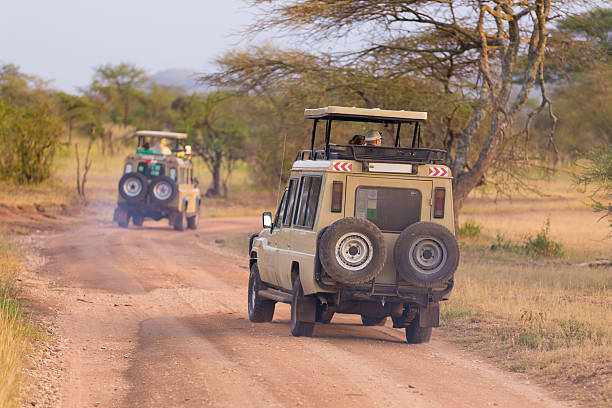
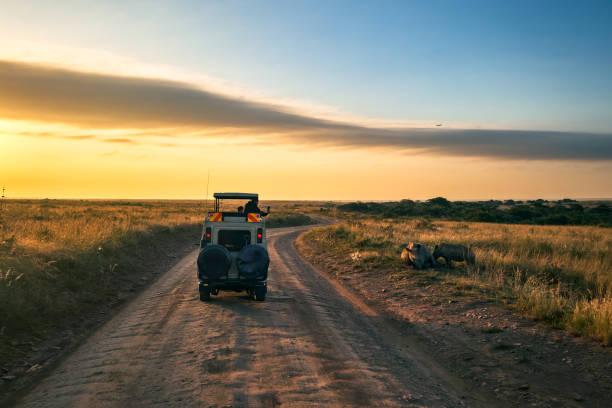
Game drives are the primary activity. You’ll be in a specially adapted 4×4 safari vehicle, usually a Land Cruiser, with a pop-up roof for optimal game viewing and photography. Your experienced driver-guide is crucial; they possess extensive knowledge of animal behavior, tracking skills, and the best locations for sightings.
Expect to spend several hours each day in the vehicle, covering significant distances within the parks. While sightings are frequent, wildlife is wild. There’s no guarantee of seeing every animal on your wish list, but this itinerary maximizes your chances.
Accommodation
Your overnight stays will be in lodges or tented camps. Options range from comfortable mid-range accommodations with en-suite bathrooms and amenities to luxurious lodges offering fine dining and stunning views. Some camps offer a more rustic, immersive experience, while lodges provide more comfort and facilities.
Locations are strategic: some camps are situated within the parks or conservation areas for early morning/late evening game drive access, while others are in nearby towns like Karatu, offering a convenient base for both Lake Manyara and Ngorongoro. Crater rim lodges offer spectacular views but can be more expensive.
Pace and Travel
This is a relatively fast-paced safari due to its short duration. You’ll be moving between locations and spending significant time on game drives. However, the distances between these key attractions are manageable, allowing for a good balance between travel and wildlife viewing.
Expect early morning starts to take advantage of the cooler temperatures and more active wildlife. Afternoons can also be productive, with a break for lunch and relaxation during the hottest part of the day.
Best Time to Travel for Your 4-Day Safari
The best time for a 4-day Lake Manyara & Ngorongoro short safari depends on your priorities:
- Dry Season (June to October): This is the most popular time. Skies are generally clear, temperatures are pleasant, and wildlife is easier to spot as vegetation is less dense and animals congregate around water sources. This is also the peak migration season in the Serengeti (though not part of this short safari, it influences overall visitor numbers).
- Short Rains (November to December): The landscape becomes greener, and there are fewer tourists. Wildlife viewing is still good, though some roads might be more challenging. Birdlife is excellent.
- Long Rains (March to May): This is the low season. The landscape is lush and beautiful. There are very few tourists, making it ideal for budget travelers or those seeking solitude. However, heavy rains can disrupt game drives and make some areas inaccessible. Wildlife viewing is still possible, but animals may be more dispersed.
- January to February: This period often experiences a “mini-dry season” with good wildlife viewing and fewer crowds than the main dry season. It’s also calving season in the Serengeti, a spectacular event if you extend your trip.
For a 4-day Lake Manyara & Ngorongoro short safari in 2026 or 2027, the dry season (June-October) offers the most reliable weather and wildlife viewing conditions.
Route and Area Overview
This safari typically follows a well-trodden path in Tanzania’s northern safari circuit. Here’s a simplified illustration of the route:
| Start/End: Arusha |
| ↓ (Approx. 3-4 hours drive) |
| Lake Manyara National Park (1 Night) |
| ↓ (Approx. 1-2 hours drive) |
| Karatu / Ngorongoro Rim Area (2 Nights) |
| ↓ (Short drive to crater floor) |
| Ngorongoro Crater (Full day game drive) |
| ↓ (Approx. 3-4 hours drive back) |
| Arusha |
The journey involves driving on paved and unpaved roads. The drive from Arusha to Lake Manyara is scenic, passing through local villages and agricultural areas. The drive to Karatu is also pleasant. Accessing the Ngorongoro Crater involves a steep descent into the caldera.
What’s Typically Included (and Excluded)
Understanding inclusions and exclusions is vital for budgeting and avoiding surprises. A standard 4-day Lake Manyara & Ngorongoro short safari package usually includes:
| Included | Typically Excluded |
|---|---|
| Park entrance fees (Lake Manyara, Ngorongoro Crater fees) | International flights to/from Tanzania |
| Accommodation for 3 nights (based on chosen lodge/camp category) | Visa fees for Tanzania |
| All meals (breakfast, lunch, dinner) during the safari | Travel insurance |
| Private 4×4 safari vehicle with a professional English-speaking driver-guide | Tips for your driver-guide and lodge staff |
| Crater service fee (for Ngorongoro) | Alcoholic and non-alcoholic drinks (unless specified) |
| Bottled water in the safari vehicle | Optional activities (e.g., cultural visits, hot air balloon safaris if available and not booked) |
| Government taxes and levies | Personal expenses (souvenirs, laundry, etc.) |
Always confirm the exact inclusions and exclusions with your tour operator when booking for 2026-2027.
Packing Essentials for Your Safari
Packing light yet smart is key. You’ll need to consider the climate, activities, and luggage restrictions for internal flights if applicable.
Clothing
- Neutral Colors: Pack muted earth tones (khaki, beige, olive green, brown). Avoid bright colors (red, yellow) and dark colors (black, navy) which can attract insects or scare animals.
- Layers: Mornings and evenings can be cool, especially in the crater. Pack lightweight long-sleeved shirts and trousers.
- T-shirts and Shorts: For warmer midday temperatures.
- Fleece Jacket or Warm Sweater: Essential for early mornings and evenings.
- Waterproof/Windproof Jacket: For unexpected rain showers or wind, especially during the shoulder seasons.
- Comfortable Trousers: Lightweight hiking trousers or cargo pants are ideal.
Footwear
- Comfortable Walking Shoes/Hiking Boots: Closed-toe shoes are best for protection. You won’t be doing extensive hiking, but comfortable shoes are crucial for getting in and out of the vehicle.
- Sandals or Flip-flops: For relaxing at the lodge/camp.
Accessories
- Sun Hat: Wide-brimmed for maximum sun protection.
- Sunglasses: Protect your eyes from the strong sun.
- Sunscreen: High SPF.
- Insect Repellent: With DEET.
- Camera and Extra Batteries/Memory Cards: You’ll want to capture everything! Consider a zoom lens.
- Binoculars: Highly recommended for spotting distant wildlife.
- Headlamp or Small Flashlight: Useful at camps/lodges after dark.
- Personal First-Aid Kit: Include any personal medications.
- Hand Sanitizer and Wet Wipes.
- Adapter for Electronics: Tanzania uses Type G plugs (UK style).
- Reusable Water Bottle.
- Small Backpack: For day trips, carrying essentials like water, snacks, camera, and sunscreen.
Luggage Note: Most safari vehicles have limited luggage space. Soft duffel bags are preferred over hard suitcases. Check with your tour operator for specific weight and size limits, especially if you plan internal flights.
Common Mistakes to Avoid
Planning a safari involves more than just booking flights and hotels. Here are common pitfalls to steer clear of for your 4-day Lake Manyara & Ngorongoro short safari:
- Not Booking in Advance: Especially for peak seasons (June-October 2026, 2027), popular lodges and vehicles get booked up months ahead.
- Choosing the Cheapest Option: While budget is a consideration, extremely low prices can mean compromises on vehicle quality, guide experience, accommodation standards, or even safety.
- Underestimating Travel Times: Tanzania is large, and road travel can be slow. Factor in realistic travel times between destinations.
- Ignoring Luggage Restrictions: Soft bags are essential for safari vehicles.
- Not Packing Appropriately: Forgetting neutral colors, layers, or essentials like sunscreen and insect repellent can significantly impact your comfort.
- Not Asking Enough Questions: Don’t hesitate to clarify inclusions, exclusions, itinerary details, or safety measures with your tour operator.
- Expecting Guarantees: Wildlife sightings are not guaranteed. A good guide maximizes chances, but nature is unpredictable.
- Overpacking: You’ll be carrying your luggage between locations, so keep it as light as possible.
Who is This Safari Best Suited For?
The 4-day Lake Manyara & Ngorongoro short safari is ideal for:
- First-Time Safari Goers: It provides a fantastic introduction to the safari experience, showcasing iconic wildlife and landscapes.
- Travelers with Limited Time: Perfect for those on a tight schedule or looking to combine it with other Tanzanian experiences like Zanzibar or Kilimanjaro.
- Couples and Families: Offers incredible wildlife viewing and memorable experiences for all ages.
- Photographers: The diverse wildlife and scenery provide ample opportunities for stunning shots.
- Nature Enthusiasts: Those who appreciate diverse ecosystems and abundant wildlife.
It might be less suitable for:
- Travelers who want to explore multiple distant parks (e.g., Serengeti, Tarangire, Selous) in depth.
- Those seeking a very slow-paced, in-depth exploration of a single park.
Alternatives to Consider
While this 4-day safari is excellent, here are a few alternatives if your interests or time constraints differ:
- 5-Day Tarangire, Lake Manyara & Ngorongoro Safari: Adds Tarangire National Park, famous for its large elephant herds and baobab trees. Offers more variety.
- 3-Day Ngorongoro Crater Safari: Focuses solely on the Ngorongoro Crater and possibly a brief visit to a Maasai village. The most time-efficient option for just the crater.
- 7-Day Northern Circuit Safari: A more comprehensive exploration, typically including Tarangire, Lake Manyara, Ngorongoro Crater, and Serengeti National Park. This is the classic Tanzanian safari experience.
- Other Regions: For a different experience, consider safaris in Southern Tanzania (Selous Game Reserve, Ruaha National Park) or Western Tanzania (Gombe Stream, Mahale Mountains for chimpanzees). These require more travel time and are generally more remote.
Planning Your 2026-2027 Safari: Key Considerations
When planning your 4-day Lake Manyara & Ngorongoro short safari for 2026 or 2027, keep these points in mind:
- Booking Window: For peak season (June-October 2026 and 2027), book at least 6-9 months in advance. For shoulder or low seasons, 3-6 months is usually sufficient.
- Budget: Safari costs vary significantly based on accommodation style (budget, mid-range, luxury), vehicle type, and group size. A 4-day safari will be more affordable than longer ones, but Ngorongoro Crater fees are substantial and contribute significantly to the cost.
- Health Precautions: Consult your doctor about recommended vaccinations (e.g., Yellow Fever, Hepatitis A, Typhoid) and malaria prophylaxis well in advance of your travel dates.
- Travel Insurance: Essential for any trip. Ensure it covers medical emergencies, trip cancellations, and lost luggage.
- Visa Requirements: Check the latest visa regulations for Tanzania for your nationality. Many nationalities can obtain a visa on arrival or apply online in advance.
- Currency: The Tanzanian Shilling (TZS) is the local currency, but US Dollars are widely accepted for safari packages and park fees. Carry small denominations for tips and souvenirs.
Booking Your 4-Day Lake Manyara & Ngorongoro Short Safari
Choosing the right tour operator is crucial for a successful safari. Here’s how to approach booking:
Finding a Reputable Operator
Look for operators who:
- Have positive reviews and a strong online presence.
- Are transparent about their pricing, inclusions, and exclusions.
- Offer customized itineraries and are responsive to your inquiries.
- Employ experienced, certified guides.
- Prioritize safety and sustainability.
What to Ask Your Operator
When you contact potential operators, ask specific questions:
- What is the exact itinerary and driving times?
- What type of vehicle will be used? (e.g., Land Cruiser vs. Land Rover, number of seats, pop-up roof).
- What is the experience level of the guides?
- What are the accommodation options at each price point?
- What are the park fees and Ngorongoro Crater fees?
- What is the cancellation policy?
- What is the payment schedule?
Making the Booking
Once you’ve chosen an operator, they will typically send you a detailed proposal and booking form. You’ll likely be asked for a deposit (usually 20-50%) to secure your booking, with the balance due closer to your travel date (often 30-60 days prior).
For a reliable and expertly crafted 4-day Lake Manyara & Ngorongoro short safari experience for 2026-2027, we recommend contacting us. We specialize in creating unforgettable Tanzanian adventures tailored to your needs.
Get Your Custom Safari Quote!
Ready to plan your 4-day Lake Manyara & Ngorongoro short safari? Contact us today for a personalized itinerary and quote. We’re here to help you create the safari of a lifetime.
WhatsApp: +255616946642
Email: topguideadventures@gmail.com
Backup Email: info@topguideadventures.com
Frequently Asked Questions (FAQs)
Q1: Is 4 days enough for Lake Manyara and Ngorongoro?
Yes, 4 days is a good amount of time for a focused safari experience covering both Lake Manyara and the Ngorongoro Crater. It allows for dedicated game drives in each location and avoids feeling too rushed, though it is a compact itinerary.
Q2: What is the best time of year for this safari in 2026-2027?
The dry season, from June to October, is generally considered the best time due to clear skies and concentrated wildlife. January and February also offer good viewing conditions.
Q3: Can I see the Big Five on this safari?
It is possible to see the Big Five (lion, leopard, elephant, buffalo, rhino) on this safari, especially within the Ngorongoro Crater, which is one of the best places in Africa to see rhinos. However, sightings, particularly of leopards and rhinos, are never guaranteed.
Q4: What is the difference between Lake Manyara and Ngorongoro Crater?
Lake Manyara is a smaller park known for its diverse habitats including an alkaline lake, groundwater forests, and savannah, famous for tree-climbing lions and large elephant herds. The Ngorongoro Crater is a massive volcanic caldera with extremely high wildlife density, offering excellent chances to see the Big Five in a contained ecosystem.
Q5: How much does a 4-day Lake Manyara & Ngorongoro short safari cost?
Costs vary widely based on accommodation level, group size, and season. A mid-range safari can range from approximately $250-$450 USD per person per day, excluding international flights. Luxury options will be higher. It’s best to get a personalized quote.
Q6: What kind of vehicle is used for the safari?
Typically, a 4×4 safari vehicle, most commonly a Toyota Land Cruiser, is used. These vehicles are equipped with pop-up roofs for optimal game viewing and photography and are driven by experienced safari guides.
Q7: What should I pack for this safari?
Pack light, neutral-colored clothing in layers. Essentials include long-sleeved shirts, trousers, a fleece jacket, comfortable shoes, a hat, sunglasses, sunscreen, insect repellent, a camera, and binoculars. Soft duffel bags are preferred over hard suitcases.
Q8: Is it safe to go on safari in Tanzania?
Tanzania is a safe safari destination when traveling with reputable operators. Your driver-guide is trained to ensure your safety. Standard precautions regarding health (malaria, vaccinations) and general travel awareness apply.
Q9: Can this safari be customized?
Absolutely. Most reputable tour operators, including us, can customize itineraries to suit your interests, budget, and pace. You can extend stays, add activities, or adjust accommodation levels.
Q10: What are the main differences between a 4-day and a 7-day Northern Circuit safari?
A 4-day safari focuses on Lake Manyara and Ngorongoro for efficiency. A 7-day safari typically adds the vast Serengeti National Park, allowing for deeper exploration of its plains and the Great Migration (seasonal), offering a much more comprehensive wildlife experience.
A 4-day Lake Manyara & Ngorongoro short safari is a fantastic way to experience Tanzania’s iconic wildlife and landscapes. With careful planning and the right operator, your adventure in 2026 or 2027 promises to be an unforgettable journey.
Book Your Dream 4-Day Lake Manyara & Ngorongoro Short Safari!
Let us help you plan the perfect 4-day Lake Manyara & Ngorongoro short safari. We offer expert guidance, personalized itineraries, and unforgettable experiences. Contact us today to start planning your 2026-2027 adventure!
WhatsApp: +255616946642
Email: topguideadventures@gmail.com
Backup Email: info@topguideadventures.com
Plan your 4-Day Lake Manyara & Ngorongoro Short Safari with Top Guide Adventures
Tell us your travel dates, group size, comfort level, and dream experience. We will help you shape a clear, realistic, and memorable Tanzania itinerary.







 Veedesigner
 Fatma Kizanga
 Benjamin Waryuba
 Philip Philip
 John jr Itaja
 Antonia Optatus
 Edith Kanyere
 Neema Iddy
 Kelvin Boniphace
 Damari Maiga



