
Updated planning guide for 2026-2027
4-Day Photography Safari — Queen Elizabeth Wildlife Concentration Guide
Discover the ultimate 4-day photography safari experience in Uganda's Queen Elizabeth National Park. This comprehensive guide covers everything from itinerary planning and wildlife viewing opportunities to essential packing tips and booking advice for your 2026-2027 adventure.
WhatsApp +255616946642 | topguideadventures@gmail.com | info@topguideadventures.com
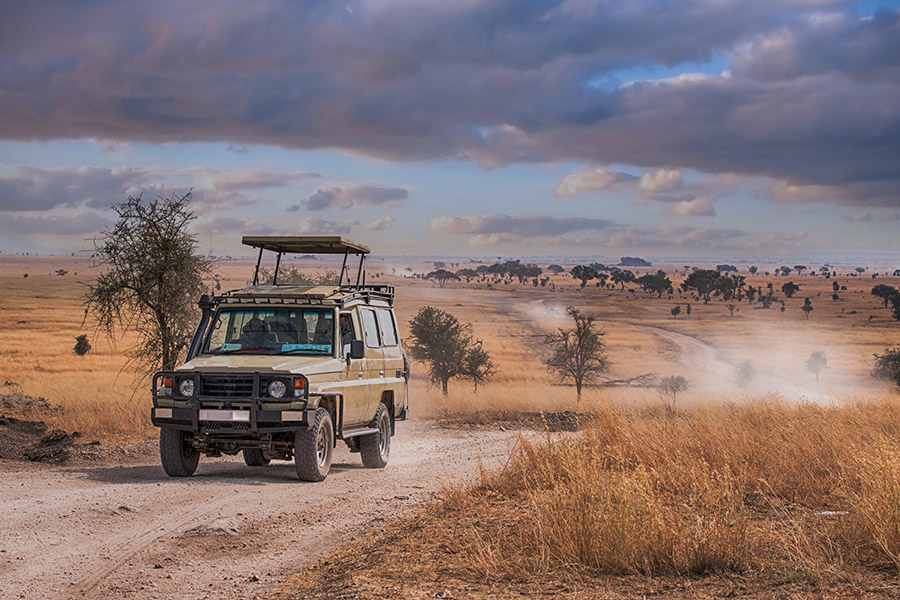

Your Ultimate Guide to a 4-Day Photography Safari in Queen Elizabeth National Park
For photographers seeking unparalleled wildlife encounters and diverse landscapes, a 4-day photography safari in Queen Elizabeth National Park offers a concentrated yet incredibly rewarding experience. This jewel of Uganda, known for its abundant wildlife and stunning scenery, provides a unique canvas for capturing unforgettable images. From tree-climbing lions to vast savannas and the iconic Kazinga Channel, this park is a photographer’s dream. This guide is designed to help you plan every aspect of your trip, ensuring you maximize your photographic opportunities and enjoy a smooth, memorable safari.
This detailed guide will cover everything you need to know, from understanding the park’s unique offerings to crafting the perfect itinerary, preparing your gear, and making informed booking decisions for your 2026-2027 travels. We focus on practical advice tailored for photographers, ensuring you’re well-equipped to capture the essence of Queen Elizabeth National Park.
Quick Answer: What to Expect from a 4-Day Photography Safari in Queen Elizabeth NP
A 4-day photography safari in Queen Elizabeth National Park typically involves exploring its varied ecosystems, including the Ishasha sector for tree-climbing lions, the Mweya Peninsula for game drives and boat trips, and the Kazinga Channel for incredible birdlife and large mammals. You can expect close-up views of elephants, hippos, buffaloes, various antelope species, and hopefully, elusive leopards and the famous tree-climbing lions. The short duration is ideal for photographers who want a focused wildlife experience without an extended commitment, allowing for intensive shooting sessions.
Table of Contents
- Queen Elizabeth National Park: Quick Facts for Photographers
- Queen Elizabeth National Park: A Photographer’s Paradise
- Why Queen Elizabeth is a Top Choice for Wildlife Photography
- Best Time for a 4-Day Photography Safari (2026-2027)
- Park Zones and Key Photography Hotspots
- Sample 4-Day Photography Safari Itinerary
- What to Expect on Your Safari
- Essential Photography Gear and Preparation
- What to Pack for Your Safari
- Common Mistakes to Avoid
- Who is a 4-Day Photography Safari Best Suited For?
- Alternatives to a 4-Day Queen Elizabeth Safari
- Planning Your 2026-2027 Safari
- Booking Your 4-Day Photography Safari
- Frequently Asked Questions (FAQs)
Queen Elizabeth National Park: Quick Facts for Photographers
| Feature | Details for Photographers |
|---|---|
| Location | Southwestern Uganda, bordering the Rwenzori Mountains and Lake Edward. |
| Size | Approximately 1,978 sq km (764 sq mi). |
| Key Wildlife Species | Elephants, hippos, buffaloes, lions (including tree-climbing), leopards, Uganda kobs, chimpanzees, diverse birdlife (over 600 species). |
| Top Photography Zones | Kazinga Channel, Mweya Peninsula, Ishasha Sector, Maramagambo Forest. |
| Best Time for Photography | Dry seasons (June-August, December-February) for clearer light and easier wildlife spotting; Wet seasons offer lush landscapes and fewer crowds. |
| Safari Activities | Game drives (morning/evening), boat cruises, guided nature walks, chimpanzee tracking (in Kyambura Gorge). |
| Light Conditions | Golden hours are typically around 6:00-8:00 AM and 4:00-6:30 PM, offering soft, warm light. Midday can be harsh. |
Queen Elizabeth National Park: A Photographer’s Paradise
Queen Elizabeth National Park (QENP) is Uganda’s second-largest park and a UNESCO Biosphere Reserve. Its remarkable biodiversity stems from a variety of habitats, including savanna grasslands, dense woodlands, fertile wetlands, and two stunning crater lakes (Kyambura and George). This ecological diversity creates a dynamic environment that appeals to a wide range of wildlife and consequently, photographers.
The park is renowned for its 600-plus bird species, making it a haven for avian photographers. However, it’s not just about birds. QENP is one of the few places in Uganda where you can reliably find lions, including the famous tree-climbing lions of Ishasha. The dense population of hippos in the Kazinga Channel offers incredible opportunities for close-up shots, and large herds of elephants and buffaloes are common sights. The park’s geography, with the Rwenzori Mountains providing a dramatic backdrop, adds another layer of visual appeal to your photographs.
Why Queen Elizabeth is a Top Choice for Wildlife Photography
Several factors make Queen Elizabeth National Park an exceptional destination for a 4-day photography safari:
- Abundant & Diverse Wildlife: The sheer number and variety of animals mean you’re rarely without a subject. From the dramatic territorial disputes of hippos to the patient stalk of a leopard, the park offers a constant stream of photographic potential.
- Iconic Tree-Climbing Lions: The Ishasha sector is famous for lions that ascend fig trees to escape the heat and biting insects, offering a rare and captivating photographic subject. Capturing this behavior is a highlight for many photographers.
- Kazinga Channel Spectacle: The 40km-long Kazinga Channel, connecting Lake Edward and Lake George, is a magnet for wildlife. A boat cruise here provides unique perspectives of hippos, crocodiles, elephants, and an astonishing array of water birds at eye level. This is a prime location for both mammal and bird photography.
- Varied Landscapes: The park’s landscapes range from open savannas and acacia woodlands to dense forests and volcanic craters. This variety allows for different types of shots, from sweeping panoramas to intimate wildlife portraits. The Rwenzori Mountains in the distance offer stunning backdrops, especially during sunrise and sunset.
- Accessibility and Infrastructure: While remote enough to feel wild, QENP has established lodges and a network of tracks, making it relatively easy to navigate. This accessibility is crucial for a short, focused 4-day trip, allowing you to spend more time shooting and less time traveling between locations.
- Photography-Friendly Conditions: The park’s open areas allow for good visibility, and the animals are often accustomed to safari vehicles, permitting relatively close and respectful observation for photography.
Best Time for a 4-Day Photography Safari (2026-2027)
Choosing the right time to visit can significantly impact your photography safari. For Queen Elizabeth National Park, the dry seasons generally offer the best conditions for spotting wildlife as they congregate around water sources, and the skies are often clearer for photography.
| Season | Months | Pros for Photography | Cons for Photography |
|---|---|---|---|
| Dry Season 1 | June – August | Clear skies, good visibility, animals gather near water, ideal for spotting tree-climbing lions. Cooler temperatures. Peak tourist season. | Can be crowded, higher prices. |
| Dry Season 2 | December – February | Warm, dry weather. Good for wildlife viewing. Often less crowded than June-August. Good light for photography. | Can be very hot. |
| Wet Season 1 (Short Rains) | March – May | Lush green landscapes, fewer tourists, baby animals might be present, beautiful moody skies for dramatic shots. Lower prices. | Rain can disrupt game drives and boat trips, visibility may be reduced, animals can be more dispersed. |
| Wet Season 2 (Short Rains) | September – November | Moderate rainfall, landscapes are greening, good birding opportunities, fewer crowds. | Intermittent showers can affect plans. |
Recommendation for 2026-2027: For the best balance of good light, wildlife visibility, and pleasant weather, consider the drier months of June to August 2026 or December 2026 to February 2027. If you prefer fewer crowds and dramatic, moody skies for artistic shots, the shoulder months of September to November 2026 or March to May 2027 can also be excellent.
Park Zones and Key Photography Hotspots
Queen Elizabeth National Park is broadly divided into several key areas, each offering distinct photographic opportunities. A 4-day itinerary allows you to sample at least two or three of these.
Text-based Route/Area Overview:
Northern Sector (Mweya Peninsula):
- Central hub, main tourist facilities.
- Offers savanna game drives.
- Kazinga Channel boat cruise launching point.
- Excellent for elephants, buffaloes, antelopes, diverse birdlife.
- Kyambura Gorge nearby for chimpanzee tracking.
Southern Sector (Ishasha):
- Famous for tree-climbing lions lounging in fig trees.
- More remote, requires longer drives from Mweya.
- Savanna and woodland habitats.
- Good for lions, elephants, buffaloes.
Maramagambo Forest:
- Dense tropical rainforest.
- Offers guided nature walks.
- Home to chimpanzees, bats (in caves), various forest birds and primates.
- Different photographic style – focus on forest canopy, light filtering through trees, and smaller creatures.
Lake Edward & Lake George Shores:
- Important birding areas, especially for water birds.
- Hippos and crocodiles are abundant.
- Scenic views of the lakes and surrounding plains.
Sample 4-Day Photography Safari Itinerary
This itinerary is designed to maximize your photographic opportunities within a 4-day timeframe. It balances game drives, a boat cruise, and the unique Ishasha sector.
| Day | Morning Activity | Afternoon Activity | Evening Activity | Focus Areas/Wildlife |
|---|---|---|---|---|
| Day 1 | Arrive at Entebbe (EBB) or local airstrip (Mweya/Kihihi). Transfer to lodge near Mweya Peninsula. Settle in. | Afternoon game drive on the Mweya Peninsula. Focus on savanna plains, looking for elephants, buffaloes, Uganda kobs, and various antelopes. | Sundowners with scenic views. Return to lodge. | Elephants, buffaloes, kob, waterbucks, diverse birdlife. Open savanna landscapes. |
| Day 2 | Early morning game drive on the Mweya Peninsula, focusing on different tracks for varied light and animal behavior. | Kazinga Channel boat cruise (approx. 2-3 hours). This is a prime spot for hippos, crocodiles, elephants coming to drink, and abundant birdlife (kingfishers, pelicans, herons, fish eagles). | Late afternoon game drive along the channel shores or back on the peninsula as animals become active again. | Hippos, crocodiles, elephants, buffaloes, water birds (over 100 species on a cruise). |
| Day 3 | Full day dedicated to the Ishasha Sector. Drive south to Ishasha (approx. 1.5-2 hours). Search for the famous tree-climbing lions in the fig trees. Game drive through the sector. | Picnic lunch in Ishasha. Continue game drive, exploring the savanna and riverine areas. Look for elephants and buffaloes. | Drive back to lodge near Mweya in the late afternoon, potentially stopping for any late sightings. | Tree-climbing lions, elephants, buffaloes, kob. Unique tree-climbing behavior. |
| Day 4 | Early morning game drive in a different area, perhaps towards Lake George or a section of the savanna not yet covered, or a guided nature walk if available and time permits. | Breakfast. Transfer to the local airstrip for your flight back to Entebbe, or begin your road transfer back to Kampala/Entebbe. | Depart from Uganda. | Final photographic opportunities based on location. |
Note: This itinerary can be customized. For instance, if chimpanzee tracking in Kyambura Gorge is a priority, Day 4 morning could be dedicated to that, followed by a direct transfer to the airstrip.
What to Expect on Your Safari
A 4-day photography safari in Queen Elizabeth National Park is an immersive wildlife experience. Here’s what you can anticipate:
- Early Mornings and Late Evenings: Wildlife is most active during the cooler parts of the day, so expect to be out before sunrise and returning to the lodge shortly after sunset. This is crucial for capturing the best light and animal behavior.
- Vehicle-Based Photography: Most of your photography will happen from a safari vehicle. Ensure your gear can be comfortably handled and stabilized within the vehicle. Open-roofed safari vehicles are ideal for unrestricted shooting.
- Close Encounters: While animals are wild, QENP is known for relatively good viewing opportunities. You can expect to see elephants, hippos, buffaloes, warthogs, and various antelopes at close range. Lions and leopards are more elusive but possible.
- Boat Cruise Perspective: The Kazinga Channel boat cruise offers a unique vantage point, allowing you to photograph animals from water level. This is particularly good for hippos, crocodiles, and water birds.
- Varying Light Conditions: Uganda is on the equator, meaning the sun is intense. Mornings and late afternoons offer beautiful golden light. Midday sun can be harsh, creating strong shadows, but can be used creatively or for photographing animals seeking shade.
- Comfort and Amenities: Lodges in and around Queen Elizabeth range from basic bandas to luxury options, offering varying levels of comfort, dining, and amenities. Most provide electricity and hot water.
- Guides: Your experienced safari guide is key. They know the park, animal behaviors, and the best spots for photography. Communicate your photographic interests to them.
Essential Photography Gear and Preparation
For a successful photography safari, your gear and how you prepare it are critical. Remember, weight limits for light aircraft transfers can be strict if you’re flying in.
Camera Bodies and Lenses:
- Primary Camera Body: A DSLR or mirrorless camera with good autofocus and low-light performance.
- Telephoto Lens: A 300mm to 600mm lens (or equivalent on crop sensor) is essential for capturing wildlife details from a distance. A 400mm or 500mm is a good all-rounder.
- Mid-Range Zoom: A 70-200mm or 100-400mm lens is versatile for larger animals or when you can get closer.
- Wide-Angle Lens: For landscapes, scenic shots, or when animals are very close.
- Backup Camera Body: Highly recommended in case of malfunction.
Accessories:
- Plenty of Batteries: You’ll be shooting a lot. Carry spares and ensure they are fully charged.
- Memory Cards: High-capacity, fast cards. Bring more than you think you’ll need. Consider multiple smaller cards as a backup strategy.
- Tripod/Monopod: A monopod can be very useful for stabilizing longer lenses from the vehicle. A full tripod is difficult to use effectively from a safari vehicle but might be useful at the lodge.
- Bean Bag: Essential for stabilizing your camera and lens on the vehicle’s window sill or door.
- Cleaning Kit: Lens cloths, blower, brush to keep dust and dirt off your gear. The African dust can be pervasive.
- Power Bank/Charger: For charging batteries and devices in the vehicle or at the lodge. Ensure you have the correct adapter for Uganda (Type G).
- Rain Cover: For your camera, especially during the wet seasons.
- Camera Bag: A comfortable, durable bag that can hold and protect your gear. A backpack style is often best for carrying it around.
Preparation Tips:
- Know Your Gear: Practice using your camera and lenses extensively before you go. Understand settings like autofocus modes, ISO, and aperture for wildlife.
- Shoot in RAW: This gives you the most flexibility in post-processing for exposure, white balance, and detail recovery.
- Understand Light: Learn to work with the challenging equatorial light. Golden hours are your best friends.
- Focus on Behavior: Don’t just shoot static animals. Look for interactions, movement, and unique behaviors.
- Respect Wildlife: Maintain a safe and respectful distance. Never disturb animals for a photograph. Your guide will enforce park rules.
- Protect Your Gear: Dust and humidity are enemies. Keep your gear clean and protected, especially when moving between different environments.
What to Pack for Your Safari
Beyond photography gear, here’s a general packing list, keeping in mind you’ll likely be traveling light, especially if flying into a local airstrip.
Clothing:
- Neutral-colored clothing (khaki, beige, olive green, brown). Avoid bright colors and dark blue/black (can attract tsetse flies).
- Lightweight, breathable fabrics.
- Long-sleeved shirts and trousers for sun and insect protection.
- A fleece or light jacket for cooler mornings/evenings.
- Comfortable walking shoes or hiking boots.
- Sandals or flip-flops for around the lodge.
- Swimsuit (if your lodge has a pool).
- Hat with a brim for sun protection.
- Pajamas.
Toiletries & Health:
- Sunscreen (high SPF).
- Insect repellent (with DEET).
- Personal medications.
- Basic first-aid kit (band-aids, antiseptic wipes, pain relievers).
- Hand sanitizer.
- Wet wipes.
- Malaria prophylaxis (consult your doctor).
- Motion sickness medication (if prone).
Other Essentials:
- Passport and Visas (check requirements for Uganda).
- Vaccination certificates (e.g., Yellow Fever).
- Travel insurance details.
- Binoculars (highly recommended for spotting wildlife).
- Headlamp or small flashlight.
- Reusable water bottle.
- Small backpack or daypack for daily essentials.
- Adapter for electronics.
- Book or journal.
Common Mistakes to Avoid
To ensure your 4-day photography safari in Queen Elizabeth National Park is successful and enjoyable, be aware of these common pitfalls:
- Packing Too Much: Especially if flying. Airlines have strict weight limits for small bush planes. Stick to essentials.
- Not Preparing Gear: Arriving with a camera you don’t know how to use or insufficient batteries/memory cards is a recipe for frustration. Test everything beforehand.
- Wearing the Wrong Clothes: Bright colors can deter animals or attract unwanted attention from insects. Stick to neutral, earthy tones.
- Ignoring Your Guide: Your guide is an expert. Listen to their advice on safety, park rules, and the best times/places to find wildlife.
- Over-reliance on Midday Photography: The harsh light can make for difficult shots. Focus on early mornings and late afternoons for the best results.
- Not Respecting Wildlife: Never ask your driver to get too close or disturb animals. This is unethical, dangerous, and against park regulations.
- Forgetting Binoculars: While your camera has a zoom, binoculars are invaluable for spotting distant animals and enjoying the view.
- Not Booking in Advance: Especially for popular lodges or during peak seasons (like 2026), booking well ahead is crucial.
- Underestimating Travel Time: Uganda’s roads can be slow. Factor in realistic travel times between locations.
Who is a 4-Day Photography Safari Best Suited For?
A 4-day photography safari in Queen Elizabeth National Park is ideal for:
- Amateur and Professional Photographers: Those specifically looking to capture wildlife and landscapes.
- Time-Constrained Travelers: Individuals or couples who have limited vacation time but want a concentrated wildlife photography experience.
- First-Time Uganda Safari-Goers: It offers a fantastic introduction to Uganda’s wildlife and diverse ecosystems.
- Birdwatchers with a Camera: The park’s incredible avian diversity makes it a prime spot for bird photography.
- Travelers Seeking Variety: The mix of savanna, water, and forest habitats provides diverse photographic subjects.
- Couples and Small Groups: The intimate nature of a safari is well-suited for smaller travel parties.
It might be less suitable for those who prefer a very relaxed pace with extensive downtime, or for travelers whose primary interest is not photography, as the schedule is geared towards maximizing shooting opportunities.
Alternatives to a 4-Day Queen Elizabeth Safari
While Queen Elizabeth National Park is excellent, other options in Tanzania and Uganda might suit different preferences or combine well with a longer trip:
| Destination/Park | Key Differences for Photography | Best For | Potential Duration Fit |
|---|---|---|---|
| Murchison Falls NP, Uganda | Larger park, dramatic waterfalls, Nile River boat trips. Different species mix, good for lions and leopards. More open savanna. | Riverine wildlife, waterfalls, birding. | Could be an alternative or addition to QENP. |
| Kruger National Park, South Africa | Vast park, excellent infrastructure, high density of Big Five. Easy self-drive options. More predictable sightings. | Reliable Big Five sightings, diverse landscapes, good for all levels of photographers. | A 4-day trip is feasible, but longer is better. |
| Serengeti National Park, Tanzania | Iconic plains, Great Migration (seasonal), vast landscapes, incredible predator action. Requires more travel time. | Predator action, vast plains, Great Migration. | A 4-day trip is very rushed; better for 7+ days. |
| Tarangire National Park, Tanzania | Known for large elephant herds, baobab trees, and birdlife. Excellent during the dry season. | Elephants, baobab trees, birding. | A 2-3 day visit is common, could be part of a longer Tanzania circuit. |
| Bwindi Impenetrable Forest, Uganda | Primary focus is gorilla trekking. Very different photographic style – dense forest, low light, intimate primate shots. | Gorilla trekking, forest birds, primates. | Gorilla permits are the main cost and effort. |
A 4-day trip to Queen Elizabeth is excellent for its focused diversity. If your priority is the Great Migration, Serengeti would be the choice, but it demands more time. For sheer Big Five reliability, Kruger is a strong contender. For a unique primate experience, Bwindi is unparalleled.
Planning Your 2026-2027 Safari
Planning a 4-day photography safari in Queen Elizabeth National Park for 2026-2027 requires foresight to secure the best experiences.
Key Planning Steps for 2026-2027:
- Choose Your Dates: Decide on the season that best suits your photographic goals (see Best Time section). Consider if you want to avoid peak crowds or experience specific wildlife events.
- Book Flights: Secure international flights to Entebbe (EBB). If flying domestically to a local airstrip (Mweya or Kihihi), book these internal flights early, as seats are limited.
- Select Accommodation: Lodges range from budget to luxury. For photography, consider lodges with good locations for early morning/late evening activities, good food, and reliable power for charging batteries. Popular lodges book up months, even a year, in advance for 2026-2027.
- Arrange Transportation: A reliable 4×4 safari vehicle with an experienced driver/guide is essential. If flying in, you’ll still need this for park excursions.
- Gear Preparation: Start gathering and testing your photography equipment. Ensure you have all necessary accessories.
- Health Precautions: Consult your doctor about necessary vaccinations (Yellow Fever is often mandatory) and malaria prophylaxis well in advance of your 2026-2027 trip.
- Visas and Permits: Check the latest visa requirements for Uganda and ensure you have any necessary park permits.
- Travel Insurance: Comprehensive travel insurance covering medical emergencies, trip cancellations, and lost/damaged gear is vital.
Booking Timeline for 2026-2027:
- 10-12 Months Out: Start researching tour operators, lodges, and internal flights. Book high-demand lodges or peak season travel.
- 6-9 Months Out: Finalize your itinerary with your chosen tour operator. Book internal flights.
- 3-6 Months Out: Confirm all bookings. Arrange necessary visas and vaccinations. Purchase travel insurance.
- 1-2 Months Out: Test all photography gear. Pack your bags. Confirm all travel details.
Booking Your 4-Day Photography Safari
When booking your 4-day photography safari in Queen Elizabeth National Park, partnering with a reputable tour operator is highly recommended. They can handle logistics, accommodation, vehicle hire, and guide arrangements, allowing you to focus on photography.
What to Look for in a Tour Operator:
- Local Expertise: A company based in Tanzania or Uganda often has the best local knowledge and connections.
- Customization: Ensure they can tailor the itinerary to your photographic needs (e.g., specific timings for light, longer stays in key spots).
- Reputation: Check reviews and testimonials.
- Vehicle Quality: They should provide well-maintained 4×4 safari vehicles with pop-up roofs for excellent photography.
- Guide Experience: Inquire about the experience of their guides, particularly if they have worked with photographers before.
- Transparency: Clear pricing and what is included/excluded.
What to Expect in a Package:
A typical 4-day photography safari package might include:
- Park entrance fees.
- Accommodation (lodge or tented camp).
- All meals (breakfast, lunch, dinner).
- A dedicated 4×4 safari vehicle with a pop-up roof.
- An experienced, English-speaking driver-guide.
- Game drives and the Kazinga Channel boat cruise.
- Airport transfers to/from your lodge or the airstrip.
What is usually NOT included:
- International flights.
- Visa fees.
- Tips for guides and lodge staff.
- Drinks (alcoholic and non-alcoholic) unless specified.
- Travel insurance.
- Personal expenses.
- Optional activities like chimpanzee tracking (if not specifically requested).
Contact Us for Your Custom 4-Day Photography Safari:
Ready to capture the magic of Queen Elizabeth National Park? We specialize in crafting bespoke photography safaris tailored to your interests and skill level. Let us help you plan an unforgettable 4-day photography safari in Queen Elizabeth National Park for 2026-2027.
WhatsApp: +255616946642
Email: topguideadventures@gmail.com
Backup Email: info@topguideadventures.com
Frequently Asked Questions (FAQs)
Q1: Is 4 days enough for Queen Elizabeth National Park for photography?
A1: Yes, 4 days is a good amount of time for a focused photography safari in Queen Elizabeth National Park. It allows you to cover the main highlights like the Mweya Peninsula, Kazinga Channel, and Ishasha Sector without feeling too rushed, maximizing your shooting opportunities.
Q2: What is the best time of year for wildlife photography in Queen Elizabeth in 2026-2027?
A2: The dry seasons (June-August and December-February) are generally best for wildlife photography as animals congregate around water sources and visibility is good. However, the green season can offer dramatic landscapes and fewer crowds, which can be ideal for certain types of photography.
Q3: Do I need a special photography permit for Queen Elizabeth National Park?
A3: No, a standard park entrance permit is required for all visitors. There are no specific photography permits for general wildlife photography within the park. However, commercial filming or professional photography might require special arrangements.
Q4: What are the chances of seeing the tree-climbing lions in Ishasha?
A4: While the Ishasha sector is famous for them, seeing tree-climbing lions is never guaranteed. They are more commonly seen during the hotter months when they climb trees to escape flies and heat. Your guide will know the best areas and times to search.
Q5: Can I use a drone for photography in Queen Elizabeth National Park?
A5: Drone usage is generally prohibited in Uganda’s national parks due to wildlife disturbance and privacy concerns. It is best to assume drones are not permitted and to confirm with your tour operator or park authorities.
Q6: What are the most common animals to photograph in Queen Elizabeth National Park?
A6: You can expect to photograph elephants, hippos, Cape buffaloes, Uganda kobs, waterbucks, warthogs, various monkey species, and a huge array of birdlife. Lions and leopards are also present but are more elusive.
Q7: How much should I tip my safari guide and driver?
A7: Tipping is customary and appreciated. A general guideline is around $20-30 USD per day for the guide/driver, but this can vary based on service quality and group size. Your tour operator can provide specific recommendations for 2026-2027.
Q8: What is the average cost of a 4-day photography safari?
A8: The cost varies significantly based on accommodation level, vehicle type, and inclusions. A mid-range 4-day safari could range from $1000-$2000+ per person, excluding international flights. Luxury options will be higher. It’s best to get a custom quote.
Q9: Can I bring my own food and drinks on safari?
A9: While you can bring personal snacks, it’s generally recommended to rely on the meals and drinks provided by your lodge and tour operator. Park rules may also restrict certain items.
Q10: What are the power outlets like in Uganda?
A10: Uganda uses Type G outlets, the same as the UK, with a voltage of 240V. You will need an adapter for your electronics and camera chargers.
Conclusion: Your Photographic Adventure Awaits
A 4-day photography safari in Queen Elizabeth National Park offers an incredible opportunity to capture some of East Africa’s most iconic wildlife and stunning landscapes. With careful planning, the right gear, and a focus on the park’s unique photographic potential, you can return with a portfolio of images that truly tell the story of this remarkable destination.
Whether you’re aiming to photograph the elusive tree-climbing lions, the vast herds along the Kazinga Channel, or the diverse birdlife, Queen Elizabeth National Park delivers. Start planning your 2026-2027 safari today and prepare for an experience that will ignite your passion for wildlife photography.
Ready to book your dream 4-day photography safari? Contact our expert team for personalized planning and unbeatable safari experiences in Uganda!
WhatsApp: +255616946642
Email: topguideadventures@gmail.com
Backup Email: info@topguideadventures.com
Plan your 4-Day Photography Safari — Queen Elizabeth Wildlife Concentration with Top Guide Adventures
Tell us your travel dates, group size, comfort level, and dream experience. We will help you shape a clear, realistic, and memorable Tanzania itinerary.







 Veedesigner
 Fatma Kizanga
 Benjamin Waryuba
 Philip Philip
 John jr Itaja
 Antonia Optatus
 Edith Kanyere
 Neema Iddy
 Kelvin Boniphace
 Damari Maiga



