
Updated planning guide for 2026-2027
4-Day Samburu & Buffalo Springs Adventure Safari: Best Guide 2026-2027
Explore the semi-arid beauty of Samburu and Buffalo Springs National Reserves on a 4-day adventure safari. This guide covers everything from wildlife to logistics for your 2026-2027 trip.
WhatsApp +255616946642 | topguideadventures@gmail.com | info@topguideadventures.com
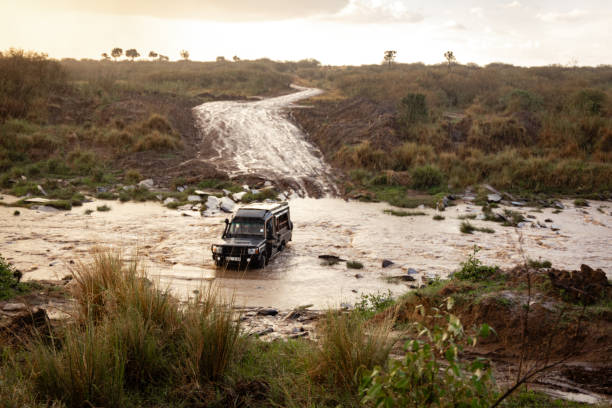

4-Day Samburu & Buffalo Springs Adventure Safari: Your Complete Guide
A 4-day Samburu & Buffalo Springs adventure safari offers a distinct and rewarding experience for travelers seeking wildlife beyond the typical savannah. These adjacent reserves in northern Kenya boast a unique ecosystem, home to species adapted to the arid conditions, including the ‘Samburu Special Five’. This guide provides an in-depth look at planning, experiencing, and maximizing your adventure in this remarkable region for trips in 2026 and 2027.
While often overshadowed by the Maasai Mara, Samburu and Buffalo Springs present a compelling case for a shorter, focused safari. The landscapes are dramatically different, characterized by rugged hills, dry riverbeds, and acacia woodlands. The wildlife, though perhaps less dense in sheer numbers than in the Mara, is exceptionally interesting and often more accessible due to the open terrain. This is a journey for those who appreciate the subtle beauty of the African wilderness and the resilience of its inhabitants.
Quick Facts: Samburu & Buffalo Springs Safari
| Feature | Details |
|---|---|
| Duration | Typically 4 days / 3 nights |
| Location | Northern Kenya, Samburu County |
| Key Reserves | Samburu National Reserve, Buffalo Springs National Reserve |
| Unique Wildlife | Grevy’s zebra, reticulated giraffe, Somali ostrich, gerenuk, Beisa oryx (Samburu Special Five) |
| Other Wildlife | Elephants, lions, leopards, cheetahs, hippos, crocodiles, diverse birdlife |
| Landscape | Arid scrubland, acacia woodlands, Ewaso Nyiro River |
| Activities | Game drives, guided walks, cultural visits (Samburu villages) |
| Getting There | Internal flight from Nairobi to Samburu Airstrip, or road transfer |
| Best Time to Visit | June to October (dry season), January to March (dry season) |
Table of Contents
- Overview: The Allure of Samburu & Buffalo Springs
- Why Choose a 4-Day Samburu & Buffalo Springs Adventure?
- Best Time to Visit: Seasonality for Your Safari
- Route & Area Overview: Navigating Samburu and Buffalo Springs
- Sample 4-Day Itinerary: A Detailed Plan
- What to Expect on Your Adventure
- Wildlife Highlights: The Samburu Special Five and More
- Activities Beyond Game Drives
- Accommodation Options
- Typical Inclusions and Exclusions
- Packing and Preparation Essentials
- Common Mistakes to Avoid
- Who is This Safari Best Suited For?
- Alternatives to a 4-Day Samburu & Buffalo Springs Safari
- Planning Your 2026-2027 Safari
- Booking Your Adventure: Expert Tips
- Frequently Asked Questions
Overview: The Allure of Samburu & Buffalo Springs
Samburu and Buffalo Springs National Reserves are situated in Kenya’s Rift Valley Province, north of Mount Kenya. These reserves are distinct entities, separated by the Ewaso Nyiro River, which acts as a vital water source and a natural boundary for wildlife movement. Buffalo Springs is the smaller of the two, known for its clear springs that give it its name, while Samburu is larger and more varied in its terrain.
The landscape is a stark contrast to the lush grasslands of southern Kenya. Expect a semi-arid environment with thorny scrub, acacia trees, and doum palms lining the river. This challenging environment has shaped a unique collection of wildlife, many of which are specifically adapted to these conditions. The absence of tsetse flies in Samburu (compared to some other East African parks) also makes it a more comfortable destination for visitors.
A 4-day Samburu & Buffalo Springs adventure safari is designed to give you a solid introduction to the region’s distinct character. It allows for sufficient game viewing, exploration of the diverse habitats, and an understanding of the local Samburu culture, without feeling rushed. It’s a compact yet impactful journey.
Why Choose a 4-Day Samburu & Buffalo Springs Adventure?
Several factors make a 4-day trip to Samburu and Buffalo Springs an excellent choice:
- Unique Wildlife: This is the primary draw. The ‘Samburu Special Five’ – Grevy’s zebra, reticulated giraffe, Somali ostrich, gerenuk, and Beisa oryx – are found here and are rarely seen in other parks. Seeing these specialized animals in their natural habitat is a highlight.
- Distinct Scenery: The rugged, arid landscapes offer a visual departure from typical East African safaris. The views, especially with the backdrop of the Loroki Plateau, are dramatic and memorable.
- Fewer Crowds: While not entirely devoid of tourists, Samburu and Buffalo Springs generally experience fewer visitors than the Maasai Mara, offering a more intimate wildlife viewing experience.
- Excellent for Photography: The open terrain and unique species provide fantastic photographic opportunities. The light in the dry season can be particularly striking.
- Manageable Duration: A 4-day itinerary is perfect for those with limited time, or as an add-on to a longer Kenya or East Africa trip. It provides a comprehensive taste of the region without requiring a significant time commitment.
- Cultural Immersion: The region is home to the Samburu people, known for their vibrant culture and traditional way of life. Visits to Samburu villages can offer profound cultural insights.
Best Time to Visit: Seasonality for Your Safari
The best time for a 4-day Samburu & Buffalo Springs adventure safari depends on your priorities, but generally, the dry seasons are most popular for wildlife viewing.
- June to October (Dry Season): This is peak season. The vegetation thins out, making animals easier to spot. Wildlife congregates around the Ewaso Nyiro River, increasing sightings. The weather is warm and sunny, with minimal rain. This period is ideal for photographers and those wanting the most reliable game viewing.
- January to March (Dry Season): Another dry spell, offering similar advantages to the June-October period. It’s slightly less crowded than the peak months. The temperatures can be hotter during this time.
- November to December (Short Rains): These months can see intermittent rainfall. The landscape becomes greener, and the birdlife is more active. While game viewing is still good, some areas might become less accessible, and animals can disperse. It’s a good option for budget travelers as prices might be slightly lower.
- April to May (Long Rains): This is the wet season. The landscape is lush and green, but rainfall can be heavy and prolonged, potentially disrupting game drives and making some tracks impassable. Wildlife tends to disperse further, making sightings more challenging. This is the least popular time to visit.
For 2026 and 2027, these seasonal patterns are expected to hold. Booking in advance for the dry seasons is highly recommended due to popularity.
Route & Area Overview: Navigating Samburu and Buffalo Springs
Samburu and Buffalo Springs are geographically close but offer distinct experiences. They are typically explored together within a 4-day safari, with accommodation often located to provide access to both.
Simplified Area Layout:
[North]
Loroki Plateau (Background)
————————————-
| Samburu National Reserve |
| |
| (More varied terrain, hills) |
————————————-
↓ Ewaso Nyiro River ↓
————————————-
| Buffalo Springs National Reserve |
| |
| (Flatter, riverine areas) |
————————————-
[South]
Key Access Points & Features:
- Ewaso Nyiro River: The lifeblood of both reserves, attracting significant wildlife, especially during dry periods. It runs along the southern edge of Samburu and the northern edge of Buffalo Springs.
- Samburu Airstrip: Located strategically for quick access to lodges and camps within or near Samburu National Reserve. Flights from Nairobi (Wilson Airport) are common.
- Main Gates: Entry points into each reserve facilitate movement between them, often via the road that parallels the Ewaso Nyiro River.
- Lodges/Camps: Situated to offer good views and access to prime game viewing areas, often along the river or with elevated positions.
A typical 4-day safari will involve arriving at Samburu Airstrip, transferring to your chosen accommodation, and then conducting game drives that explore both reserves. The proximity means you can easily cover significant ground within the four days.
Sample 4-Day Itinerary: A Detailed Plan
This itinerary is a suggestion and can be customized. It balances game drives, relaxation, and cultural experiences.
Day 1: Arrival in Samburu & First Game Drive
- Morning: Arrive at Samburu Airstrip (LKS) via a scheduled flight from Nairobi Wilson Airport. You’ll be met by your guide and transferred to your lodge or camp.
- Lunch: Enjoy lunch at your accommodation.
- Afternoon: Embark on your first game drive in Samburu National Reserve. Focus on areas along the Ewaso Nyiro River, looking for elephants, lions, leopards, and the unique Samburu Special Five.
- Evening: Return to your lodge for dinner and overnight stay.
Day 2: Exploring Buffalo Springs & Samburu
- Morning: Early morning game drive, potentially crossing the Ewaso Nyiro River into Buffalo Springs National Reserve. Explore its flatter terrain and search for species that prefer this environment.
- Late Morning: Return to camp for brunch/lunch and some relaxation.
- Afternoon: Another game drive, perhaps focusing on a different sector of Samburu or revisiting areas with recent sightings. Consider a guided walk if offered by your lodge.
- Evening: Dinner and overnight at your lodge/camp.
Day 3: Cultural Visit & Further Exploration
- Morning: After breakfast, head out for a game drive. This could be an opportunity to seek out specific species you haven’t yet seen, or to explore hilly areas within Samburu.
- Late Morning/Lunch: Visit a local Samburu village for a cultural experience. Learn about their traditions, lifestyle, and connection to the land. Return to camp for lunch.
- Afternoon: Final game drive, perhaps focusing on areas known for predators or specific bird species. Enjoy the changing light over the landscape.
- Evening: Farewell dinner at your lodge/camp.
Day 4: Final Game Drive & Departure
- Morning: An early morning game drive as the sun rises, offering a last chance to spot wildlife.
- Breakfast: Return to camp for breakfast.
- Transfer: Check out and transfer to Samburu Airstrip for your scheduled flight back to Nairobi.
What to Expect on Your Adventure
A 4-day Samburu & Buffalo Springs adventure safari is characterized by its unique environment and wildlife. Here’s what you can anticipate:
- Wildlife Sightings: While you’ll see common safari animals like elephants, lions, and giraffes, the real thrill is spotting the endemic species. Patience is key, as some animals, like leopards, are elusive. Game drives are the primary way to see wildlife, with vehicles often open-sided for better viewing.
- Landscape: Prepare for arid, rugged beauty. The contrast between the dry scrubland and the green ribbon of the Ewaso Nyiro River is striking. Expect dusty conditions, especially during the dry season.
- Temperatures: Days can be very hot, particularly between 11 am and 4 pm. Mornings and evenings are cooler. Pack accordingly for fluctuating temperatures.
- Accommodation: Lodges and tented camps range from comfortable to luxurious. Many are situated with prime views of the river or surrounding landscape, offering an immersive experience. Expect amenities like en-suite bathrooms and dining facilities.
- Guides: Your experienced safari guide will be crucial in spotting wildlife, explaining the ecosystem, and navigating the reserves. They are knowledgeable about animal behavior and local culture.
- Road Conditions: Roads within the reserves can be rough and dusty, especially off the main tracks. This is part of the adventure. 4×4 safari vehicles are standard.
Wildlife Highlights: The Samburu Special Five and More
The star attractions of Samburu and Buffalo Springs are the animals uniquely adapted to this arid environment:
- Grevy’s Zebra: The largest zebra species, distinguished by its narrow stripes, large ears, and blue-white belly. They are more solitary than Plains zebras.
- Reticulated Giraffe: Easily identifiable by their distinct, fine, net-like pattern of polygons. They are a subspecies found only in northern Kenya.
- Somali Ostrich: Also known as the blue-necked ostrich, this flightless bird has striking blue skin on its neck and legs, contrasting with the common ostrich’s pinkish hue.
- Gerenuk: This elegant antelope is famous for its ability to stand on its hind legs to reach higher vegetation, a remarkable adaptation for browsing in dry areas.
- Beisa Oryx: A large, striking antelope with long, straight horns and distinctive black and white facial markings. They are well-suited to arid conditions and can survive long periods without water.
Beyond these, you can expect to see:
- Elephants: Large herds often congregate along the Ewaso Nyiro River.
- Predators: Lions are common, and Samburu is known for good leopard sightings, often seen in trees. Cheetahs are also present, though they prefer more open plains. Wild dogs are occasionally seen.
- Other Antelopes: Impala, Grant’s gazelle, Thomson’s gazelle, waterbuck, and dik-dik are frequently spotted.
- Reptiles: Crocodiles bask in the Ewaso Nyiro River, and various snakes and lizards inhabit the reserves.
- Birds: Over 350 species have been recorded, including vulturine guineafowl, secretary birds, Kori bustards, and various eagles and vultures.
Activities Beyond Game Drives
While game drives are the core of any safari, Samburu offers other engaging activities:
- Guided Bush Walks: Many camps offer guided walks, allowing you to experience the bush on foot. This provides a different perspective, focusing on smaller details like insects, plants, and tracks, and offers a chance to learn about the environment from your armed ranger.
- Samburu Village Visits: This is a highly recommended cultural experience. You can interact with the Samburu people, learn about their traditional attire, beadwork, way of life, and their deep connection to the land and livestock. Ensure this is arranged through your tour operator for an authentic and respectful visit.
- Bird Watching: The diverse habitats attract a wide array of bird species. Dedicated birding trips can be arranged, or simply keep your binoculars handy during game drives.
- Night Game Drives: Some lodges or camps may offer night game drives (often outside the reserve boundaries or with special permits), providing an opportunity to spot nocturnal animals like genets, civets, and potentially leopards or lions on the hunt.
Accommodation Options
Samburu and Buffalo Springs offer a range of accommodation, catering to different budgets and styles:
- Luxury Tented Camps: These offer a high level of comfort and service, often with spacious tents featuring en-suite bathrooms, private verandas, and fine dining. They provide an immersive wilderness experience with modern amenities.
- Mid-Range Lodges and Camps: Comfortable and well-appointed, these options provide good value. They typically feature comfortable rooms or tents with en-suite facilities, a restaurant, and bar.
- Budget Camps/Campsites: More basic facilities are available, including self-catering options or simpler permanent tents. These are ideal for travelers on a tighter budget or those seeking a more rustic experience.
When choosing, consider proximity to waterholes or the river, the quality of guiding services, and the overall atmosphere. Most accommodations are located either within the reserves or just outside, offering convenient access.
Typical Inclusions and Exclusions
Understanding what’s included in your safari package is crucial for budgeting and expectations. A typical 4-day Samburu & Buffalo Springs adventure safari package often includes:
| Included | Often Excluded |
|---|---|
| Accommodation for 3 nights | International flights |
| Meals (full board: breakfast, lunch, dinner) | Domestic flights (e.g., Nairobi to Samburu Airstrip) |
| Shared or private safari vehicle with a driver/guide | Park entrance fees (Samburu & Buffalo Springs) |
| Game drives as per itinerary | Drinks (alcoholic and non-alcoholic, unless specified) |
| Bottled water during game drives | Gratuities for guides, drivers, and camp staff |
| Airport transfers in Nairobi (if applicable) | Personal travel insurance |
| Emergency evacuation cover (often basic, premium can be added) | Visa fees |
| Optional activities (e.g., village visits, guided walks if not standard) | |
| Souvenirs and personal expenses |
Always confirm the specifics with your tour operator. Park fees, in particular, can be a significant cost and are often charged per person per day.
Packing and Preparation Essentials
Proper packing ensures comfort and preparedness for your safari. Focus on lightweight, practical items:
- Clothing: Pack neutral-colored clothing (khaki, beige, green, brown) to blend in with the environment. Avoid bright colors and white. Include:
- Lightweight long-sleeved shirts and trousers (for sun and insect protection)
- T-shirts and shorts
- A warm fleece or jacket for cool mornings and evenings
- Comfortable walking shoes or hiking boots
- Sandals or flip-flops for camp
- A wide-brimmed hat for sun protection
- Swimsuit (if your lodge has a pool)
- Footwear: Comfortable walking shoes are essential. You might also want lighter shoes for the camp.
- Health: Consult your doctor about malaria prophylaxis and necessary vaccinations well in advance of your 2026-2027 trip. Bring a basic first-aid kit with personal medications, antiseptic wipes, plasters, pain relievers, and insect repellent (DEET recommended).
- Sun Protection: High SPF sunscreen, sunglasses, and a hat are vital.
- Camera Gear: A good camera with extra batteries, memory cards, and a zoom lens is recommended. A dust-proof bag or cover is useful. Binoculars are highly recommended for wildlife viewing.
- Documents: Passport, visa (if required), flight details, insurance information, and copies of all important documents. Keep these in a waterproof pouch.
- Other Essentials: Reusable water bottle, small backpack for day trips, headlamp or flashlight, power bank for charging devices, and any personal toiletries.
Important Note: Most lodges and camps have laundry services, so you don’t need to pack excessive clothing. Soft-sided duffel bags are often preferred for internal flights due to weight and space restrictions.
Common Mistakes to Avoid
To ensure a smooth and enjoyable 4-day Samburu & Buffalo Springs adventure safari, be aware of these common pitfalls:
- Overpacking: Especially for internal flights, weight limits are strict. Stick to essentials.
- Wearing Bright Colors: This can startle wildlife and make you stand out. Stick to muted, natural tones.
- Ignoring Your Guide: Your guide is your expert. Listen to their advice regarding safety, wildlife, and cultural etiquette.
- Underestimating the Heat: The sun can be intense. Stay hydrated, wear sun protection, and avoid strenuous activity during the hottest parts of the day.
- Not Booking in Advance: Especially for peak seasons (June-October), accommodations and flights fill up quickly. Book well ahead for 2026 and 2027.
- Expecting the Maasai Mara: Samburu has its own unique charm and wildlife. Appreciate its distinctiveness rather than comparing it directly.
- Forgetting Insect Repellent: While tsetse flies are not a major issue, mosquitoes can be present, especially near water.
- Not Informing Operator of Dietary Needs: If you have allergies or specific dietary requirements, inform your tour operator well in advance.
Who is This Safari Best Suited For?
A 4-day Samburu & Buffalo Springs adventure safari is ideal for:
- Wildlife Enthusiasts: Those specifically interested in seeing the Samburu Special Five and experiencing a unique ecosystem.
- Photographers: The distinct landscapes and specialized wildlife offer exceptional photographic opportunities.
- Travelers with Limited Time: It’s a perfect short safari for those who can’t commit to a longer trip.
- Repeat Safari-Goers: Individuals looking for a different experience from more common safari destinations like the Maasai Mara.
- Culture Seekers: Those interested in learning about and respectfully interacting with the Samburu people.
- Adventurous Spirits: Travelers who appreciate rugged landscapes and are comfortable with a slightly wilder, less manicured environment.
It might be less ideal for travelers seeking very high densities of all common safari animals or those who prefer luxurious, resort-style accommodations with extensive amenities.
Alternatives to a 4-Day Samburu & Buffalo Springs Safari
If a 4-day Samburu & Buffalo Springs safari doesn’t quite fit your plans, consider these alternatives:
- 5-Day Samburu & Lake Nakuru Safari: Combines the unique wildlife of Samburu with the diverse birdlife and rhinos of Lake Nakuru National Park. Offers more variety in landscapes and species.
- 3-Day Samburu Safari: A shorter, more focused trip primarily for those with very limited time, concentrating on the key highlights of Samburu.
- Samburu as part of a longer Kenya circuit: Incorporate Samburu into a 7-10 day itinerary that might include the Maasai Mara, Amboseli, or the Great Rift Valley lakes for a comprehensive Kenyan safari experience.
- Other Northern Kenya Parks: For the truly adventurous, consider areas like Meru National Park (known for Elsa the lioness) or areas further north, though these often require longer durations and more specialized logistics.
Planning Your 2026-2027 Safari
Planning ahead is key to a successful safari, especially for 2026 and 2027. Here’s a planning timeline and considerations:
Safari Planning Checklist (2026-2027)
- 12+ Months Out: Research destinations, safari styles, and tour operators. Define your budget and ideal travel dates. Consider consulting with a reputable operator like Top Guide Adventures.
- 9-12 Months Out: Book your safari package, especially if planning for peak season (June-October) in 2026 or 2027. Secure internal flights if not included.
- 6-9 Months Out: Apply for any necessary visas. Book international flights.
- 3-6 Months Out: Consult your doctor regarding vaccinations and malaria prevention. Purchase travel insurance.
- 1-3 Months Out: Finalize packing list. Confirm all booking details with your tour operator.
- 2-4 Weeks Out: Get any necessary currency. Pack your bags.
- 1 Week Out: Reconfirm flight times. Share itinerary with family/friends.
When planning for 2026-2027, be aware of potential price increases and availability changes. Early booking offers the best selection of lodges and flights.
Booking Your Adventure: Expert Tips
Securing the right tour operator is vital for a memorable 4-day Samburu & Buffalo Springs adventure safari. Here’s how to book smart:
- Choose a Reputable Operator: Look for operators with deep local knowledge and a strong track record. Companies like Top Guide Adventures, based in Tanzania and with extensive experience in East Africa, can provide tailored itineraries and reliable service.
- Read Reviews: Check independent reviews on platforms like TripAdvisor to gauge customer satisfaction and service quality.
- Get Detailed Itineraries: Ensure the itinerary clearly outlines daily activities, accommodation details, and inclusions/exclusions.
- Ask Questions: Don’t hesitate to ask about vehicle type, guide experience, accommodation standards, and flexibility.
- Understand Payment Terms: Clarify deposit requirements, payment schedules, and cancellation policies.
- Confirm Park Fees: Ensure park entrance fees are clearly stated and understood, as they are a significant cost.
- Consider a Custom Itinerary: If you have specific interests (e.g., photography, birding, cultural focus), a custom trip can be more rewarding.
- Emergency Contact: Ensure you have direct contact details for your tour operator in case of emergencies during your trip. For assistance with planning your 2026-2027 safari, you can reach Top Guide Adventures via WhatsApp at +255616946642 or email at topguideadventures@gmail.com / info@topguideadventures.com.
Frequently Asked Questions
1. Is Samburu safe for tourists?
Yes, Samburu and Buffalo Springs are generally considered safe for tourists. The reserves are managed, and tour operators prioritize guest safety. Standard travel precautions apply, and it’s advisable to follow your guide’s instructions and stay informed about any local advisories. For 2026-2027, safety protocols remain a priority for tour operators.
2. What is the ‘Samburu Special Five’?
The ‘Samburu Special Five’ are five unique species found in this region: Grevy’s zebra, reticulated giraffe, Somali ostrich, gerenuk, and Beisa oryx. They are adapted to the arid climate and are a major draw for visitors.
3. Can I combine Samburu with the Maasai Mara in 4 days?
It is not recommended to combine Samburu and Maasai Mara in just 4 days. Each reserve requires at least 2-3 days to appreciate fully. A 4-day trip is best focused on Samburu and Buffalo Springs to avoid feeling rushed.
4. What kind of vehicle is used for the safari?
Typically, a 4×4 safari vehicle (like a Land Cruiser or Land Rover) with pop-up roofs or open sides is used. This ensures good visibility and comfort on the sometimes rough terrain.
5. How far is Samburu from Nairobi?
By road, Samburu is approximately a 6-8 hour drive from Nairobi, depending on road conditions. Flying is a much quicker option, with flights taking about 1-1.5 hours to Samburu Airstrip.
6. Do I need malaria medication for Samburu?
Yes, malaria is present in Samburu and other parts of Kenya. It is highly recommended to consult your doctor about malaria prophylaxis and take precautions like using insect repellent and wearing long sleeves and trousers at dawn and dusk.
7. Can I walk around the lodge or camp at night?
Generally, it is not advisable to walk around lodges or camps alone at night due to the presence of wildlife. Always be accompanied by camp staff or your guide when moving outside your room after dark.
8. What are the park fees for Samburu and Buffalo Springs?
Park fees are typically charged per person per day and can vary. For current rates, it’s best to check with your tour operator, as these are subject to change. They are usually paid directly to the Kenya Wildlife Service or through your lodge/operator.
9. Is a 4-day safari enough time for Samburu?
A 4-day safari is a good introduction to Samburu and Buffalo Springs. It allows for sufficient game drives to see the key wildlife and explore the main areas. For a more in-depth experience, 5-6 days would be ideal.
10. What is the best way to book a 4-day Samburu & Buffalo Springs adventure safari for 2027?
The best approach for booking your 4-day Samburu & Buffalo Springs adventure safari for 2027 is to contact experienced tour operators early. Top Guide Adventures can help you craft a personalized itinerary. Reach them via WhatsApp at +255616946642 or email at topguideadventures@gmail.com / info@topguideadventures.com. Booking 9-12 months in advance is recommended for 2027 travel.
Ready for Your Samburu & Buffalo Springs Adventure?
A 4-day Samburu & Buffalo Springs adventure safari promises an unforgettable journey into one of Kenya’s most captivating and unique wildlife destinations. Experience the thrill of spotting the Samburu Special Five, marvel at the rugged landscapes, and immerse yourself in the rich Samburu culture.
Let us help you craft the perfect safari for 2026 or 2027. Our expert team at Top Guide Adventures specializes in creating personalized East African safari experiences. We handle all the details, from flights and accommodation to guiding and activities, ensuring a stress-free and memorable adventure.
Contact us today to start planning:
- WhatsApp: +255616946642
- Email: topguideadventures@gmail.com
- Backup Email: info@topguideadventures.com
Your incredible Samburu adventure awaits!
Plan your 4-Day Samburu & Buffalo Springs Adventure Safari with Top Guide Adventures
Tell us your travel dates, group size, comfort level, and dream experience. We will help you shape a clear, realistic, and memorable Tanzania itinerary.







 Veedesigner
 Fatma Kizanga
 Benjamin Waryuba
 Philip Philip
 John jr Itaja
 Antonia Optatus
 Edith Kanyere
 Neema Iddy
 Kelvin Boniphace
 Damari Maiga



