
Updated planning guide for 2026, 2027-2028
4 Days Tanzania Safari After Kilimanjaro From Moshi: Expert Trekking Guide
Completing Kilimanjaro and want to extend your adventure? This comprehensive guide details how to plan an unforgettable 4 Days Tanzania Safari After Kilimanjaro, covering itineraries, park choices, and essential preparation for your 2026-2027 trip.
WhatsApp +255616946642 | topguideadventures@gmail.com | info@topguideadventures.com
4 Days Tanzania Safari After Kilimanjaro: Your Essential Post-Trek Adventure Guide
Congratulations on conquering Mount Kilimanjaro! The sense of accomplishment after reaching Uhuru Peak is immense. But what if your Tanzanian journey doesn’t have to end there? Many trekkers find themselves with a few extra days and a desire to experience more of what this incredible country offers. A 4 Days Tanzania Safari After Kilimanjaro is the perfect way to transition from the mountain’s challenges to the plains’ wonders, offering a chance to witness iconic wildlife and diverse landscapes.
This guide is designed for trekkers like you, seeking a well-rounded and rewarding safari experience that complements your mountain achievement. We’ll cover everything from choosing the right parks to crafting an itinerary, understanding what to expect, and preparing for your safari adventure. Let’s make your Tanzanian dream trip complete.
Quick Safari Facts
| Feature | Details |
|---|---|
| Duration | 4 Days / 3 Nights |
| Starting Point | Moshi or Arusha (after Kilimanjaro trek) |
| Key Parks (Typical) | Tarangire National Park, Lake Manyara National Park, Serengeti National Park (Central/Southern), Ngorongoro Conservation Area |
| Wildlife Focus | Big Five (Lion, Leopard, Elephant, Rhino, Buffalo), Great Migration (seasonal), diverse birdlife, primates. |
| Accommodation | Safari lodges, tented camps (luxury to mid-range), budget guesthouses. |
| Best Time to Visit | June to October (dry season), December to February (short dry season). Migration viewing varies by location. |
| Travel Style | Private vehicle with a dedicated driver-guide. |
Why Combine Kilimanjaro with a 4-Day Safari?
The synergy between climbing Kilimanjaro and experiencing a safari is unparalleled. After the physical exertion and mental fortitude required for the trek, a safari offers a completely different kind of awe-inspiring experience. It’s a chance to:
- Witness Iconic Wildlife: See the animals you’ve likely dreamed of – lions, elephants, giraffes, zebras – in their natural habitat.
- Experience Diverse Ecosystems: From the volcanic craters of Ngorongoro to the vast plains of the Serengeti, Tanzania’s landscapes are incredibly varied.
- Relax and Reflect: Enjoy comfortable accommodations and scenic drives, a welcome change of pace after the mountain.
- Complete Your African Adventure: Many travelers see Kilimanjaro as the pinnacle of their African journey, and a safari is the perfect complement.
Choosing Your Parks for a 4-Day Safari
With only four days, strategic park selection is crucial to maximize your wildlife viewing opportunities and minimize travel time. Most 4-day safaris after Kilimanjaro focus on the Northern Circuit, which is easily accessible from Moshi or Arusha.
The Classic Northern Circuit (Most Popular for 4 Days)
This route offers a fantastic overview of Tanzania’s most famous wildlife areas:
- Tarangire National Park: Known for its large elephant herds, particularly during the dry season, and its iconic baobab trees. It’s often the first stop after Arusha/Moshi.
- Lake Manyara National Park: Famous for its tree-climbing lions, large baboon troops, and diverse birdlife. Its compact size makes it ideal for a shorter visit.
- Serengeti National Park: The crown jewel, renowned for its vast plains, incredible predator sightings, and the Great Migration (depending on the season). Visiting the central or southern Serengeti is feasible within a 4-day trip.
- Ngorongoro Conservation Area: A UNESCO World Heritage Site featuring the Ngorongoro Crater, a caldera teeming with wildlife, including the endangered black rhino. It’s often the final major wildlife stop.
Alternative or Shorter Options
If time is extremely limited or you prefer a more relaxed pace, you might focus on fewer parks:
- Tarangire & Ngorongoro Crater: Offers a good mix of elephants, diverse habitats, and the unique crater ecosystem.
- Lake Manyara & Ngorongoro Crater: Focuses on primates, birds, tree-climbing lions, and the crater’s dense wildlife.
- Central Serengeti & Ngorongoro Crater: For those prioritizing the Serengeti experience, this combination is excellent, though it involves more driving.
Sample Itinerary: 4 Days Tanzania Safari After Kilimanjaro (Classic Northern Circuit)
This is a common and highly recommended itinerary. It balances travel time with ample game viewing opportunities.
| Day | Morning Activity | Afternoon Activity | Overnight Location |
|---|---|---|---|
| Day 1 | Pick-up from Moshi/Arusha hotel after breakfast. Drive to Tarangire National Park (approx. 2-3 hours). Game drive en route. | Full afternoon game drive in Tarangire, focusing on elephant herds and baobab trees. Late afternoon drive to your lodge/camp near Tarangire or Karatu. | Lodge/Camp near Tarangire or Karatu |
| Day 2 | After breakfast, drive to Lake Manyara National Park (approx. 1-1.5 hours from Karatu). Game drive searching for tree-climbing lions, buffalo, and diverse birdlife. | Continue game drive in Lake Manyara. After lunch, drive towards the Ngorongoro Conservation Area. Option to visit a Maasai village en route (if time and interest permit). | Lodge/Camp on the Ngorongoro Crater rim or Karatu |
| Day 3 | Early morning descent into the Ngorongoro Crater for a 5-6 hour game drive. This is your best chance to see rhinos and a high concentration of predators. | Ascend from the crater. Enjoy lunch at a picnic site or lodge. Drive towards the Serengeti National Park (entry via Naabi Hill Gate). Game drive en route to your lodge/camp in the Central Serengeti (Seronera area). | Lodge/Camp in Central Serengeti |
| Day 4 | Early morning game drive in the Serengeti. Look for big cats and other predators. After breakfast, begin your drive back towards Arusha (approx. 5-6 hours from Serengeti, plus crater fees and travel time). | Continue game drive en route out of the Serengeti. Stop for lunch en route. Arrive in Arusha in the late afternoon/early evening. Transfer to your hotel or Kilimanjaro International Airport (JRO) for your onward flight. | N/A (Departure) |
Note: This itinerary involves significant driving on Day 4. For those wanting more Serengeti time, consider a 5-day safari. The Great Migration’s location varies throughout the year, affecting optimal Serengeti viewing spots.
What to Expect on Your Post-Kilimanjaro Safari
The transition from trekking to safari is a welcome one for many. Here’s what you can anticipate:
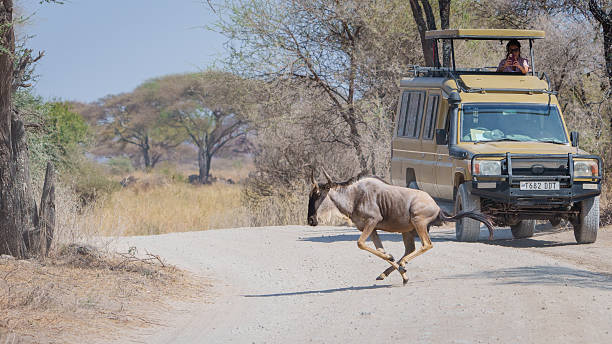
- Comfortable Travel: You’ll travel in a specially adapted 4×4 safari vehicle with a pop-up roof, allowing for excellent game viewing and photography. Your driver-guide is your expert companion, knowledgeable about animal behavior, tracking, and park regulations.
- Accommodation: Options range from luxurious lodges with swimming pools and fine dining to comfortable tented camps that offer an immersive wilderness experience without sacrificing comfort. Mid-range and budget options are also available.
- Wildlife Sightings: While wildlife sightings are never guaranteed, the parks in the Northern Circuit offer some of the highest chances of seeing a wide variety of animals. Early morning and late afternoon drives are generally the most productive.
- Meals: Meals are typically provided at your lodges or camps. Packed lunches are common for full-day game drives. Expect hearty, international cuisine with local influences.
- Pace: A 4-day safari is relatively fast-paced. It involves daily drives and packing/unpacking. If you seek a more leisurely experience, consider adding an extra day.
- Scenery: Prepare for breathtaking landscapes, from the vast savannas of the Serengeti to the unique environment of the Ngorongoro Crater.
Packing Essentials for Your Safari
While you’ll likely have much of your Kilimanjaro gear, safari packing has its own specifics. Prioritize comfort, practicality, and neutral colors.
| Category | Items |
|---|---|
| Clothing |
|
| Headwear & Eyewear |
|
| Health & Hygiene |
|
| Gear & Accessories |
|
Tip: Pack light. Most lodges and camps have laundry services, though they may take a day or two.
Preparation and Pre-Safari Checklist
Before you set off on your safari, ensure you’ve covered these important points:
| Task | Status (Check when done) |
|---|---|
| Confirm Safari Booking Details | |
| Arrange Airport Transfer from Moshi/Arusha | |
| Pack Appropriate Safari Clothing & Gear | |
| Ensure Passport and Visa are Valid | |
| Check Vaccination & Malaria Prevention Requirements | |
| Inform Bank of Travel Dates/Locations | |
| Exchange Currency (USD is widely accepted, but local currency is useful for small purchases) | |
| Charge All Electronics | |
| Download Offline Maps/Information (if needed) | |
| Confirm Emergency Contact Information |
Common Mistakes to Avoid on a 4-Day Safari
Even experienced travelers can make oversights. Here are common pitfalls to sidestep:
- Overpacking: Remember that luggage space in safari vehicles can be limited, especially for multi-day trips. Stick to soft duffel bags if possible.
- Wearing Bright Colors: This can startle wildlife and attract insects. Neutral, earthy tones are best.
- Expecting Guaranteed Sightings: Wildlife is wild. While the Northern Circuit is rich, patience and luck play a role. Don’t get discouraged if you don’t see every animal immediately.
- Underestimating Driving Times: Tanzania is vast. While park distances are manageable in 4 days, travel between locations can take several hours. Build this into your expectations.
- Not Bringing Binoculars: Essential for spotting distant animals and appreciating details.
- Forgetting Sun Protection: The African sun is strong. Hat, sunscreen, and sunglasses are non-negotiable.
- Ignoring Your Guide: Your driver-guide is your key to a successful safari. Listen to their advice on wildlife, photography, and park etiquette.
- Trying to See Too Much: A 4-day safari is a taste. Trying to cram in too many distant parks will lead to excessive driving and less time observing wildlife. Stick to the Northern Circuit for this duration.
Who is a 4-Day Tanzania Safari After Kilimanjaro Best For?
This specific safari duration and timing are ideal for several types of travelers:
- Post-Kilimanjaro Trekkers: The most obvious group, seeking to extend their Tanzanian adventure after a successful climb.
- Time-Constrained Travelers: Those with limited vacation time who want to experience Tanzania’s highlights without committing to a longer safari.
- First-Time Safari Goers: The Northern Circuit offers a fantastic introduction to African wildlife and safari logistics.
- Couples and Honeymooners: A romantic and adventurous way to celebrate a milestone.
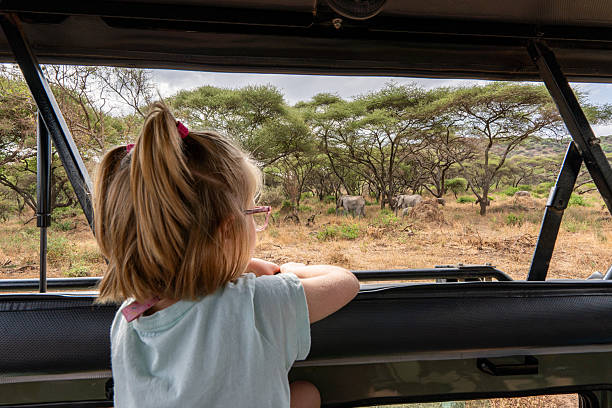
- Families with Older Children: Older children (typically 8+) can handle the drives and appreciate the wildlife.
- Photography Enthusiasts: The diverse wildlife and landscapes provide endless photographic opportunities.
Alternatives to a 4-Day Safari
If a 4-day safari doesn’t quite fit your plans, consider these alternatives:
- Shorter Day Trips: If you have only one or two extra days, a day trip to a nearby park like Arusha National Park or a cultural tour might suffice.
- Longer Safari (5-7 Days): Allows for deeper exploration of the Serengeti, potentially including the Western Corridor or Northern Serengeti (depending on migration), or adding other parks like Mkomazi.
- Zanzibar Extension: Combine your Kilimanjaro trek and safari with a few days relaxing on the beaches of Zanzibar. This offers a complete contrast to the mountain and plains.
- Focus on Specific Parks: Instead of the circuit, you could spend all 4 days in the Serengeti for maximum migration immersion (though this requires more flying or longer drives from Moshi).
Planning Your 2026-2027 Safari Trip
Planning ahead is key for securing the best experiences and accommodations, especially for 2026 and 2027 travel. Here’s a timeline and considerations:
- 12+ Months Out: Research tour operators, desired safari parks, and the best time to visit based on wildlife movements (e.g., Great Migration). Decide on your budget and accommodation style (luxury, mid-range, budget).
- 9-12 Months Out: Book your Kilimanjaro climb and your 4 Days Tanzania Safari After Kilimanjaro package. This is crucial for securing preferred dates and lodges, especially during peak seasons (June-October). Popular operators and accommodations fill up quickly.
- 6-9 Months Out: Confirm flight bookings. Check visa requirements for Tanzania and ensure your passport has at least six months of validity beyond your intended stay.
- 3-6 Months Out: Review vaccination and malaria prevention advice with your doctor. Start gathering safari-specific clothing and gear.
- 1-3 Months Out: Finalize any optional activities (e.g., hot air balloon safari). Confirm all booking details with your tour operator.
- 1 Month Out: Pack your bags. Make copies of important documents (passport, visa, flight tickets, insurance).
Considerations for 2026-2027: Travel demand is high. Booking well in advance is more important than ever to ensure availability and potentially better pricing. Discuss seasonality with your operator to align your safari with specific wildlife events if that’s a priority.
Booking Your 4 Days Tanzania Safari After Kilimanjaro
Choosing the right tour operator is vital for a smooth and memorable safari. Look for companies that:
- Have extensive experience with post-Kilimanjaro safaris.
- Offer customizable itineraries.
- Employ knowledgeable and professional driver-guides.
- Provide clear communication and transparent pricing.
- Have good reviews and a strong reputation.
When you contact potential operators, be specific about your needs:
- Your Kilimanjaro trek dates and location (Moshi/Arusha).
- Your desired safari dates and duration (4 days).
- Your preferred parks (or ask for recommendations).
- Your accommodation preferences and budget.
- Any specific wildlife interests.
Get a Detailed Quotation: Ensure the quote clearly outlines what is included (accommodation, park fees, vehicle, guide, meals, water) and what is excluded (tips, drinks, personal expenses, flights).
Ready to plan your perfect post-Kilimanjaro adventure? We specialize in creating unforgettable Tanzanian experiences, seamlessly blending the challenge of the mountain with the thrill of the safari. Let us help you craft your ideal 4 Days Tanzania Safari After Kilimanjaro. Contact us today to start planning your 2026 or 2027 trip!
WhatsApp: +255616946642
Email: topguideadventures@gmail.com
Backup Email: info@topguideadventures.com
Frequently Asked Questions (FAQs)
Q1: How far is it from Moshi to the main safari parks?
A: Moshi is strategically located near the start of the Northern Circuit. Tarangire National Park is about a 2-3 hour drive, Lake Manyara is around 3-4 hours, and the drive to the Serengeti gate (for onward travel within the park) can take 5-7 hours, not including game drives. The Ngorongoro Conservation Area is also within a few hours’ drive from Moshi.
Q2: Is 4 days enough for a safari after Kilimanjaro?
A: Yes, 4 days is sufficient for a taste of Tanzania’s most famous wildlife areas, typically covering Tarangire, Lake Manyara, and Ngorongoro Crater, with a brief introduction to the Serengeti. It’s a fast-paced but rewarding experience. For more in-depth exploration of the Serengeti, a 5-day or longer safari is recommended.
Q3: What is the best time for a 4 Days Tanzania Safari After Kilimanjaro in 2026-2027?
A: The dry seasons are generally best for wildlife viewing: June to October and again from December to February. During the June-October period, you can often witness the Great Migration in different parts of the Serengeti. For bird watchers, the wet seasons (November to May) offer abundant birdlife, though some roads can be challenging.
Q4: Can I see the Big Five on a 4-day safari?
A: It is possible to see the Big Five (lion, leopard, elephant, buffalo, and rhino) on a 4-day safari, especially with visits to the Ngorongoro Crater, which has a very high density of animals. However, sightings are never guaranteed, and leopards and rhinos can be particularly elusive.
Q5: What’s the difference between the Ngorongoro Crater and the Serengeti?
A: The Ngorongoro Crater is a large volcanic caldera with a unique ecosystem and dense wildlife population within a relatively small area. The Serengeti is a vast national park known for its expansive plains, huge wildebeest herds (the Great Migration), and diverse habitats stretching for hundreds of kilometers.
Q6: What kind of vehicle will I use for the safari?
A: Typically, you will use a specially adapted 4×4 safari vehicle, such as a Land Cruiser or Land Rover, with a pop-up roof for excellent game viewing and photography. These vehicles are designed for off-road conditions and comfort.
Q7: Should I tip my safari guide?
A: Yes, tipping your driver-guide is customary and greatly appreciated for good service. Tour operators usually provide guidelines on recommended amounts, often based on the number of days and quality of service.
Q8: How much does a 4 Days Tanzania Safari After Kilimanjaro typically cost?
A: The cost varies significantly based on accommodation level (budget, mid-range, luxury), group size, and specific parks visited. Generally, expect prices to range from $200-$500+ per person per day. This typically includes park fees, accommodation, meals, vehicle, and guide. Always get a detailed quote.
Q9: What are the health precautions for a safari?
A: Consult your doctor about malaria prevention medication and necessary vaccinations well in advance of your trip. Use insect repellent, wear protective clothing, and drink plenty of bottled water to stay hydrated.
Q10: Can I combine this safari with Zanzibar?
A: Absolutely! Many travelers combine their Kilimanjaro trek and safari with a relaxing beach holiday in Zanzibar. This offers a perfect blend of adventure and relaxation. You would typically fly from Arusha or Kilimanjaro International Airport (JRO) to Zanzibar.
Final Thoughts: Completing Your Tanzanian Adventure
A 4 Days Tanzania Safari After Kilimanjaro is more than just an add-on; it’s an integral part of experiencing the magic of Tanzania. It provides a profound contrast to the mountain’s rugged beauty, immersing you in the vibrant life of the African savanna. By planning carefully and choosing the right itinerary, you can ensure this post-trek safari is the perfect, awe-inspiring conclusion to your Tanzanian expedition. For 2026 and 2027 adventures, early booking is your best strategy.
Ready to turn your Kilimanjaro triumph into an unforgettable safari saga? Let us handle the details. We are passionate about creating personalized Tanzanian adventures that exceed expectations. Contact our expert team to design your dream 4 Days Tanzania Safari After Kilimanjaro.
Reach out today:
WhatsApp: +255616946642
Email: topguideadventures@gmail.com
Backup Email: info@topguideadventures.com
Plan your 4 Days Tanzania Safari After Kilimanjaro From Moshi with Top Guide Adventures
Tell us your travel dates, group size, comfort level, and dream experience. We will help you shape a clear, realistic, and memorable Tanzania itinerary.







 Veedesigner
 Fatma Kizanga
 Benjamin Waryuba
 Philip Philip
 John jr Itaja
 Antonia Optatus
 Edith Kanyere
 Neema Iddy
 Kelvin Boniphace
 Damari Maiga



