
Updated planning guide for 2026-2027
5-Day Birding Special — Rift Valley & Highlands: Complete Guide 2026-2027
Discover the avian wonders of Tanzania with our 5-Day Birding Special focusing on the Rift Valley and Highlands. This comprehensive guide covers everything from itinerary planning to essential packing for your 2026-2027 adventure.
WhatsApp +255616946642 | topguideadventures@gmail.com | info@topguideadventures.com
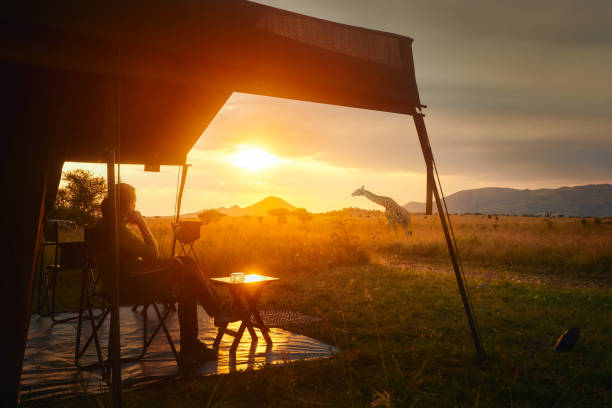
5-Day Birding Special — Rift Valley & Highlands: Essential Travel Guide
Tanzania is a birdwatcher’s paradise, boasting an astonishing diversity of avian life. For those seeking a focused and rewarding avian experience, a 5-Day Birding Special — Rift Valley & Highlands offers an unparalleled opportunity to encounter a rich variety of species in unique ecological zones. This itinerary is crafted to maximize sightings within a limited timeframe, taking advantage of the distinct habitats found in the Great Rift Valley and the surrounding highlands. This guide provides an in-depth look at what to expect, how to plan, and why this specific tour is a must for serious birders and nature enthusiasts preparing for 2026-2027 travel.
Quick Birding Insights
| Feature | Details |
|---|---|
| Duration | 5 Days / 4 Nights |
| Focus Areas | Great Rift Valley escarpment, Ngorongoro Conservation Area foothills, Northern Highlands (e.g., Mount Meru slopes, Tarangire buffer zones) |
| Key Bird Families | Raptors, Waterfowl, Grassland birds, Forest birds, Endemics, Near-endemics |
| Best Time to Visit | June to October (dry season, migratory birds present), November to March (rainy season, breeding plumage) |
| Accommodation Style | Lodges, Tented Camps, Guesthouses (options vary based on budget and preference) |
| Traveler Type | Serious birdwatchers, nature photographers, eco-tourists |
Why Choose a 5-Day Birding Special in Tanzania’s Rift Valley and Highlands?
Tanzania’s vast landscapes are a mosaic of ecosystems, each supporting a unique array of bird species. The Great Rift Valley, with its dramatic escarpments, alkaline lakes, and savanna plains, attracts a different set of birds than the cooler, more verdant highlands. A 5-day specialized tour allows for concentrated exploration of these distinct areas, offering a higher chance of spotting sought-after species that might be missed on a general safari. This focused approach ensures that your limited time is spent in prime birding locations, guided by experts who understand the local avian behavior and habitats.
The Rift Valley is renowned for its spectacular birdlife, especially around the soda lakes like Lake Manyara and Lake Natron (though Natron is often a longer trip). Here, you can witness massive flocks of flamingos, diverse waterfowl, and striking water birds. The surrounding savannas and acacia woodlands host a variety of raptors, bustards, and smaller insectivorous birds. Transitioning into the highlands, you encounter different forest types and montane habitats. These areas are crucial for spotting Albertine Rift endemics and near-endemics, as well as forest-dwelling species that prefer the cooler, higher altitudes. This 5-day special is designed to capture the essence of both these critical birding environments.
Understanding the Rift Valley and Highlands Birding Ecosystems
The Great Rift Valley in Tanzania is a geological marvel and a biological hotspot. Its floor is dotted with lakes, some saline and others freshwater, each attracting specific bird communities. The alkaline lakes, such as those near Lake Manyara National Park, are magnets for flamingos, pelicans, and numerous other wading birds. The surrounding acacia woodlands and grasslands support species like the Secretarybird, Ostrich, various hornbills, and numerous weavers and finches. The Rift Valley escarpment itself provides nesting sites for raptors and offers vantage points to observe birds of prey soaring on thermals.
Moving upwards into the highlands, the environment changes dramatically. Areas around Mount Meru, the Usambara Mountains (though typically requiring more time), or the Loliondo highlands near the Serengeti present montane forests, moorlands, and cultivated areas. These habitats are home to species such as the Streaky Seedeater, White-necked Raven, African Hill Babbler, and various sunbirds and weavers adapted to higher altitudes. Birding in these regions often involves walking and hiking, offering a more intimate experience with the natural environment. The transition between these two distinct zones within a 5-day window is what makes this special tour so efficient and rewarding.
Best Time for Your 5-Day Birding Special (2026-2027)
Choosing the right time to visit is crucial for maximizing bird sightings. Tanzania experiences two main seasons: the dry season and the rainy season. Both offer unique birding opportunities.
- Dry Season (June to October): This is generally considered the prime time for birding in the Rift Valley and Highlands. The weather is pleasant, with clear skies and lower humidity. Water levels in some lakes might be lower, concentrating waterfowl. Migratory birds from Europe and Asia are also present during this period, adding to the diversity. Visibility for spotting larger birds like raptors and bustards is excellent. This is also a popular time for general safaris, so expect more visitors.
- Rainy Season (November to March): The short rains usually occur in November and December, followed by a longer rainy period from March to May. The landscape becomes lush and green, which can make spotting birds harder in dense foliage. However, this is the breeding season for many resident birds, meaning they are in their finest plumage and are actively singing and displaying. This is an excellent time for photographers and those interested in observing breeding behaviors. The Southern Hemisphere migratory birds are also present.
For a 5-Day Birding Special — Rift Valley & Highlands, the dry season (June-October) often provides the best overall experience for variety and ease of spotting. However, if you are particularly interested in breeding plumage and behaviors, the early part of the rainy season (November) can be highly rewarding. Planning your trip for 2026 or 2027 during these periods will set you up for success.
Sample 5-Day Birding Itinerary: Rift Valley & Highlands
This sample itinerary is designed to provide a rich birding experience, balancing the unique habitats of the Rift Valley and the highlands. It assumes arrival in Arusha, the primary gateway for northern Tanzania tours.
Day 1: Arrival in Arusha & Transfer to Rift Valley Foothills
- Arrive at Kilimanjaro International Airport (JRO) or Arusha Airport (ARK).
- Meet your expert birding guide and transfer to your lodge/camp near Arusha or on the slopes overlooking the Rift Valley.
- Afternoon birding walk in the lodge grounds or nearby conservancy. Focus on species like the Baglafecht’s Weaver, Variable Sunbird, and various bulbuls and francolins.
- Evening briefing on the upcoming days and species to look out for.
- Overnight: Lodge/Camp near Arusha.
Day 2: Lake Manyara National Park & Escarpment Birding
- Early morning drive to Lake Manyara National Park, renowned for its diverse birdlife.
- Spend the morning exploring the park’s acacia woodlands and the lake shore. Look for thousands of flamingos (seasonal), pelicans, cormorants, herons, and various kingfishers.
- Species to target: Silvery-cheeked Hornbill, Yellow-billed Hornbill, Ground Hornbill, African Cuckoo Hawk, Lilac-breasted Roller, Fischer’s Lovebird, Rufous-tailed Weaver.
- Afternoon drive up the Rift Valley escarpment, stopping at viewpoints for raptor spotting and scanning the acacia scrub for species like the Pangani Longclaw and Rosy-throated Longclaw.
- Overnight: Lodge/Camp near Karatu or Mto wa Mbu.
Day 3: Ngorongoro Conservation Area Foothills & Highland Forests
- Morning birding in the diverse habitats of the Ngorongoro Conservation Area (NCA) foothills. This area transitions from savanna to montane forests.
- Explore areas like Gibbs Farm or the roads leading towards the crater rim, focusing on forest edge species and highland birds.
- Target species: Northern Puffback, Grey-headed Bushshrike, White-starred Robin, various warblers, and potentially endemic species if accessible.
- Afternoon drive towards the higher highlands, possibly near the Makuyuni area or towards the foothills of Mount Meru, depending on logistical feasibility for a 5-day trip.
- Overnight: Lodge/Camp in the Karatu region or en route towards Mto wa Mbu.
Day 4: Tarangire National Park (Southern/Eastern Buffer Zones) or Meru Slopes
- Option A (Tarangire Focus): Drive to Tarangire National Park, focusing on the less-visited eastern or southern buffer zones known for their birdlife, especially during the dry season when animals and birds congregate around water sources. Look for raptors, bustards, and grassland birds.
- Option B (Meru Slopes Focus): If logistics permit and the focus is strongly on highland species, spend the day exploring the lower slopes of Mount Meru, birding in montane forests and glades. This offers a chance for species like the Hartlaub’s Turaco and various endemic species.
- Your guide will select the best location based on recent sightings and target species for your 5-day birding special.
- Overnight: Lodge/Camp near Arusha or en route to the airport.
Day 5: Final Birding & Departure
- Enjoy a final early morning birding session around your lodge, perhaps spotting species missed earlier.
- Transfer to Kilimanjaro International Airport (JRO) or Arusha Airport (ARK) for your onward flight, filled with memories of Tanzania’s incredible birdlife.
Note: This itinerary is a suggestion and can be customized based on your specific interests, time of year, and desired pace.
What to Expect: Birding in the Rift Valley & Highlands
Birding in Tanzania’s Rift Valley and Highlands is an immersive experience that combines scenic beauty with the thrill of discovery. Expect early mornings, as this is when birds are most active and vocal. Your days will involve a mix of game drives (especially in national parks like Lake Manyara) and walking safaris (in areas like the NCA foothills or highland trails), which are often more productive for specific bird species.
Your guide will be a key asset, possessing intimate knowledge of bird calls, habitats, and feeding behaviors. Binoculars are essential, and a spotting scope can be invaluable for distant raptors or large flocks. Patience is a virtue; sometimes, the most rewarding sightings come after a period of quiet observation. The weather can be unpredictable, ranging from hot and dry in the valley to cooler and potentially wet in the highlands, so being prepared for various conditions is important.
Accommodation options typically range from comfortable lodges to more rustic tented camps, all chosen for their proximity to prime birding areas and their commitment to sustainable tourism. Expect delicious local cuisine and warm Tanzanian hospitality.
Essential Gear and Preparation for Your Trip
Proper preparation is key to enjoying your 5-Day Birding Special — Rift Valley & Highlands. Here’s a checklist:
Clothing
- Lightweight, breathable clothing: Neutral colors (khaki, olive green, brown) are best to avoid disturbing wildlife.
- Long-sleeved shirts and trousers: For sun protection and to ward off insects, especially in the evenings.
- Fleece or warm jacket: For cool mornings and evenings in the highlands.
- Waterproof/windproof jacket: Essential, especially during shoulder seasons or if rain is forecast.
- Comfortable walking shoes/hiking boots: Broken-in and suitable for varied terrain.
- Sandals or comfortable shoes: For relaxing at the lodge.
- Hat: Wide-brimmed for sun protection.
- Socks: Moisture-wicking, including some thicker pairs for hiking.
Optics & Equipment
- Binoculars: High-quality, 8×42 or 10×42 are generally recommended.
- Spotting Scope: Optional but highly beneficial for distant birds.
- Camera: With a telephoto lens (300mm or longer recommended). Extra batteries and memory cards.
- Field Guide: A good regional bird guide for Tanzania or East Africa.
- Notebook and pen: To record sightings and observations.
- Power bank/adapter: For charging electronics.
- Headlamp or small flashlight: Useful for early mornings or evenings.
Health & Personal Items
- Insect repellent: Containing DEET or Picaridin.
- Sunscreen: High SPF.
- Personal first-aid kit: Including any personal medications.
- Hand sanitizer.
- Reusable water bottle.
- Toiletries.
Documents
- Passport and Visa: Ensure they are valid.
- Yellow Fever Certificate: May be required.
- Travel Insurance details.
- Flight information.
Common Mistakes to Avoid on a Birding Tour
Even experienced travelers can make mistakes when planning a specialized tour. Here are a few to watch out for:
- Underestimating travel times: Tanzania’s road infrastructure can be challenging, and distances can be deceptive. Always allow ample time for transfers.
- Not packing appropriately: The weather can change rapidly. Failing to pack layers or rain gear can make days uncomfortable.
- Focusing only on rare species: While it’s exciting to tick off rarities, don’t forget to appreciate the common, yet beautiful, species. Many have fascinating behaviors.
- Not communicating preferences: If you have specific species you are keen to see, tell your guide! They can adjust plans if possible.
- Overpacking: While you need essentials, remember you’ll be moving between locations. Pack light and efficiently.
- Ignoring health precautions: Malaria is present in some areas. Consult your doctor about prophylaxis and use insect repellent diligently.
- Booking without an expert guide: A specialized birding guide makes a significant difference in the number and quality of sightings.
Who is This 5-Day Birding Special Best Suited For?
This tour is ideal for:
- Passionate Birdwatchers: Those who are serious about identifying and observing a wide variety of avian species.
- Avid Photographers: Individuals looking to capture stunning images of birds in their natural habitats.
- Nature Enthusiasts: Travelers who appreciate diverse ecosystems and wildlife beyond just the ‘big five’.
- Time-Conscious Travelers: Those with limited vacation time who want to maximize their birding experience in a specific region.
- Repeat Visitors to Tanzania: Travelers who have already experienced a general safari and want to explore a different facet of Tanzania’s biodiversity.
It may be less suitable for:
- Travelers seeking a comprehensive safari experience covering all major parks.
- Those who prefer a very relaxed pace with minimal early mornings or long drives.
- Individuals who are not interested in bird-specific activities.
Alternatives to the 5-Day Birding Special
While the 5-Day Birding Special — Rift Valley & Highlands offers a focused experience, other birding-focused options exist:
| Tour Option | Duration | Focus Areas | Pros | Cons |
|---|---|---|---|---|
| General Tanzania Safari | 7-14+ Days | Serengeti, Ngorongoro, Tarangire, Lake Manyara | See iconic mammals, good general birding opportunities. | Less focused on birding, may miss specialized habitats. |
| Southern Tanzania Birding (e.g., Ruaha, Selous) | 7-10+ Days | Southern parks, coastal forests | Different species assemblage, fewer tourists, excellent raptors. | Longer travel times, less accessible, might not include Rift Valley. |
| Western Tanzania Birding (e.g., Mahale, Gombe) | 7-10+ Days | Chimpanzee trekking areas, montane forests | Unique forest species, chimpanzees, very different ecosystems. | Logistically complex, expensive, not Rift Valley focused. |
| Extended Birding Tour (10-14 Days) | 10-14+ Days | Rift Valley, Highlands, potentially Arusha NP, Tarangire, Lake Manyara, NCA, Loliondo | More in-depth exploration, chance to see more endemics, less rushed. | Requires more time and budget. |
Planning Your 2026-2027 Birding Adventure
Planning ahead is essential, especially for specialized tours and for travel in 2026 and 2027. Booking well in advance ensures availability, particularly for peak seasons and preferred accommodations.
Key Planning Steps:
- Define Your Birding Goals: Are you looking for specific endemics, raptors, or water birds? This will help tailor the itinerary.
- Choose Your Travel Dates: Consider the best time of year for your target species and weather preferences.
- Select a Reputable Tour Operator: Look for operators with experienced birding guides and a proven track record in Tanzania.
- Discuss Customization: A good operator will be happy to tweak the itinerary to meet your interests.
- Book Flights and Accommodation: Secure international flights and confirm your tour package.
- Prepare Your Gear: Purchase or rent necessary optics and camera equipment.
- Health Preparations: Consult your doctor about vaccinations and malaria prophylaxis well in advance.
- Visa and Travel Documents: Ensure all necessary documents are in order.
For 2026-2027 travel, starting your planning at least 9-12 months in advance is highly recommended to secure the best guides and lodges.
Booking Advice for Your 5-Day Birding Special
When booking your 5-Day Birding Special — Rift Valley & Highlands, consider the following:
- Guide Expertise: Ensure your tour operator provides a dedicated, knowledgeable birding guide. Ask about their experience and qualifications.
- Inclusions and Exclusions: Clearly understand what is covered in the package price (accommodation, meals, park fees, guide fees, transport) and what is not (international flights, visas, tips, personal expenses).
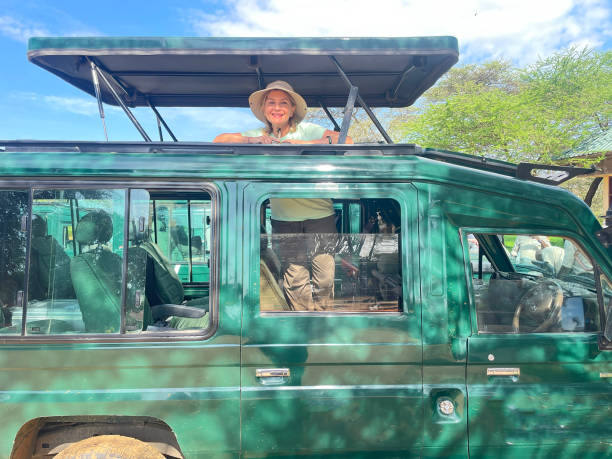
- Vehicle Type: A 4×4 safari vehicle is standard and necessary for navigating varied terrain. Ensure it has a pop-up roof for optimal viewing and photography.
- Itinerary Flexibility: While a fixed itinerary is useful, ask if there’s room for spontaneous stops for interesting sightings.
- Accommodation Standards: Discuss your preferred level of comfort and budget. Options can range from mid-range lodges to luxury tented camps.
- Payment Terms: Understand the deposit requirements and cancellation policy.
- Reputation and Reviews: Look for testimonials or reviews from previous clients, especially those who have taken birding-specific tours.
To start planning your unforgettable birding adventure, get in touch with our expert team. We specialize in creating tailored birding experiences across Tanzania.
Contact Us:
- WhatsApp: +255616946642
- Email: topguideadventures@gmail.com
- Backup Email: info@topguideadventures.com
Frequently Asked Questions (FAQs)
1. Is a 5-day birding trip enough to see a good variety of birds in Tanzania?
Yes, a 5-day trip focused on specific regions like the Rift Valley and Highlands can yield excellent results. While Tanzania offers immense diversity, this specialized itinerary maximizes your time in prime birding habitats, ensuring you encounter a significant number of species. It’s about quality over quantity in terms of locations visited.
2. What are the must-see bird species for this region?
Key species often sought include various hornbills (Silvery-cheeked, Yellow-billed, Ground), raptors (e.g., African Cuckoo Hawk, Augur Buzzard), water birds (flamingos, pelicans on lakes), and highland specialties like the Streaky Seedeater or African Hill Babbler. Endemics and near-endemics of the Albertine Rift are also targets in higher altitude areas.
3. Do I need to be an expert birder to go on this tour?
No, you do not need to be an expert. Our tours are led by experienced birding guides who can help identify birds for all levels of birders, from beginners to seasoned enthusiasts. The focus is on enjoying the experience and learning.
4. What is the best time of year for birding in 2026 or 2027?
The dry season (June to October) is generally excellent for spotting birds due to clear skies and easier visibility. However, November can be great for breeding plumage, and the period from March to May offers lush landscapes and active breeding. For 2026-2027, consider the dry season for ease of spotting and the early wet season for breeding activity.
5. What kind of accommodation can I expect?
Accommodation ranges from comfortable lodges with en-suite facilities to well-equipped tented camps that offer a closer-to-nature experience. The choice often depends on your budget and preference, and all are selected for their location and amenities.
6. Is malaria a concern on this tour?
Malaria is present in Tanzania. It is recommended to consult your doctor about malaria prophylaxis before your trip. Using insect repellent, wearing long sleeves and trousers in the evenings, and staying in well-screened accommodations are also important preventive measures.
7. What is the typical group size for these birding tours?
We specialize in personalized experiences. Group sizes for our birding tours are typically small, often ranging from 2 to 6 participants, ensuring personalized attention from the guide and minimal disturbance to wildlife.
8. How much walking is involved?
The amount of walking varies. In national parks like Lake Manyara, birding is primarily done from the vehicle. However, in areas like highland trails or conservancies, walking safaris are common and highly recommended for spotting forest birds and ground-dwelling species. Your guide will assess terrain and safety before any walking excursions.
9. Can this itinerary be customized?
Absolutely. This is a sample itinerary. We pride ourselves on creating bespoke travel experiences. We can adjust the duration, focus areas, and pace to perfectly match your birding interests and schedule for 2026 or 2027.
10. What happens if I want to see specific mammals too?
While this is a birding special, Tanzania’s parks are rich in wildlife. You will undoubtedly see many mammals, including elephants, giraffes, zebras, and various antelopes, during your drives. If seeing specific mammals is a high priority, please let us know, and we can incorporate that into the planning.
Ready to Experience Tanzania’s Avian Wonders?
A 5-Day Birding Special — Rift Valley & Highlands is more than just a trip; it’s an immersion into the vibrant world of Tanzanian birdlife. From the shimmering lakes of the Rift Valley to the serene highlands, this tour promises unforgettable sightings and a deeper connection with nature. Let our expert guides lead you on an adventure tailored to your passion for birds. We are ready to help you plan your perfect 2026-2027 birding expedition.
Contact us today to begin crafting your personalized itinerary:
- WhatsApp: +255616946642
- Email: topguideadventures@gmail.com
- Backup Email: info@topguideadventures.com
Plan your 5-Day Birding Special — Rift Valley & Highlands with Top Guide Adventures
Tell us your travel dates, group size, comfort level, and dream experience. We will help you shape a clear, realistic, and memorable Tanzania itinerary.







 Veedesigner
 Fatma Kizanga
 Benjamin Waryuba
 Philip Philip
 John jr Itaja
 Antonia Optatus
 Edith Kanyere
 Neema Iddy
 Kelvin Boniphace
 Damari Maiga



