
Updated planning guide for 2026-2027
5-Day Birding & Wetland Exploration — Lake Victoria Shoreline Guide
Plan an immersive 5-day birding and wetland exploration journey along the captivating shores of Lake Victoria, Tanzania. This comprehensive guide details everything you need for an unforgettable experience in 2026-2027.
WhatsApp +255616946642 | topguideadventures@gmail.com | info@topguideadventures.com
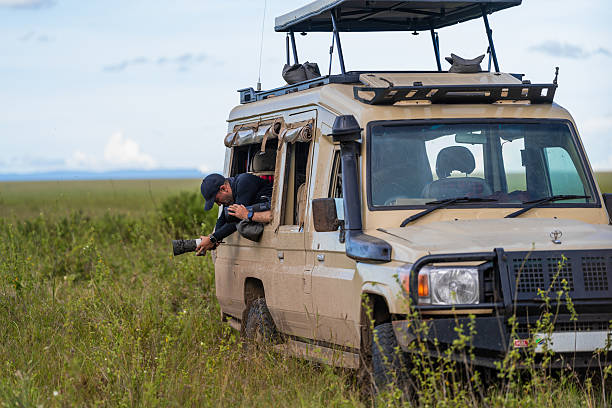
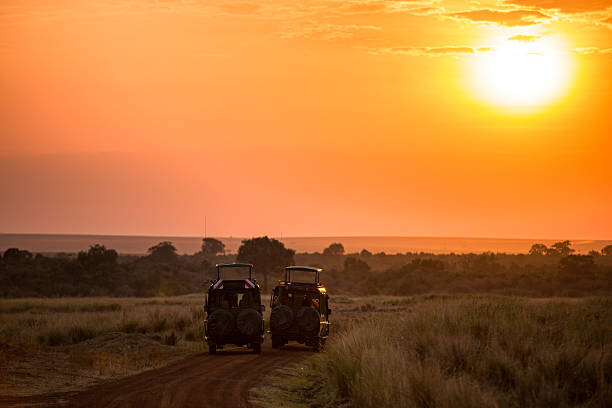
Discover the Riches of Lake Victoria’s Wetlands: A 5-Day Birding Adventure
Tanzania is globally renowned for its unparalleled wildlife spectacles, from the vast plains of the Serengeti to the majestic peaks of Kilimanjaro. Yet, beyond these iconic destinations lies a unique ecosystem teeming with avian life and ecological significance: the shoreline of Lake Victoria. This 5-day birding and wetland exploration offers a focused, intimate encounter with a different facet of Tanzania’s natural heritage. Ideal for dedicated birdwatchers, nature enthusiasts, and those seeking an off-the-beaten-path experience, this journey immerses you in the vibrant birdlife and critical wetland habitats surrounding Africa’s largest freshwater lake. Prepare for a trip that combines thrilling discoveries with tranquil observation, showcasing the diverse bird species that call this region home.
| Quick Facts: Lake Victoria Birding & Wetlands |
|---|
| Duration: 5 Days / 4 Nights |
| Primary Activity: Birdwatching, Wetland Exploration, Cultural Interaction |
| Key Wildlife: Over 400 bird species (resident & migratory), fish eagles, kingfishers, herons, storks, pelicans, waterfowl, and various endemic species. |
| Key Locations: Mwanza Region, Speke Gulf, Rubondo Island National Park (optional extension), surrounding fishing villages. |
| Best Time to Visit: Dry season (June to October) for easier access and clearer skies; Wet season (November to May) offers lush landscapes and peak breeding activities for some species. |
| Accommodation: Lodges, guesthouses, camping (especially on Rubondo Island). |
Table of Contents
- Overview of the 5-Day Lake Victoria Birding & Wetland Exploration
- Why Explore Lake Victoria’s Wetlands for Birding?
- Best Time to Visit for Birding and Wetlands
- Lake Victoria Shoreline Birding Route Illustration
- Sample 5-Day Itinerary: Lake Victoria Birding & Wetlands
- What to Expect During Your Trip
- Essential Inclusions and Packing List
- Common Mistakes to Avoid
- Who is This 5-Day Birding & Wetland Exploration For?
- Alternative Birding & Wetland Experiences in Tanzania
- Planning Your 2026-2027 Lake Victoria Birding Trip
- Booking Your Lake Victoria Birding Tour
- Frequently Asked Questions (FAQs)
Overview of the 5-Day Lake Victoria Birding & Wetland Exploration
This 5-day birding and wetland exploration focuses on the rich biodiversity found along the Tanzanian shores of Lake Victoria, primarily concentrating on areas accessible from cities like Mwanza and its surrounding bays, islands, and river deltas. Unlike a typical safari focused on large mammals, this itinerary is designed to bring you face-to-face with a stunning array of avian species, many of which are unique to the East African wetlands. You’ll spend your days exploring diverse habitats – from papyrus swamps and reed beds to open water and the forested islands dotting the lake. Evenings offer a chance to reflect on the day’s sightings, often accompanied by the calls of nocturnal birds and the gentle lapping of lake waves.
The exploration often begins in or around Mwanza, Tanzania’s second-largest city and a major port on Lake Victoria. From here, excursions are made to nearby birding hotspots. Depending on the chosen route, this might include boat trips into secluded bays, walks through local villages and farmlands that border wetland areas, and potentially visits to smaller islands or protected zones. The focus remains on slow, deliberate observation, allowing you to appreciate the subtle behaviors and vibrant plumage of species like the African Fish Eagle, various kingfishers, weavers, storks, and numerous waterbirds. This journey is as much about appreciating the delicate balance of wetland ecosystems as it is about ticking off bird species.
Why Explore Lake Victoria’s Wetlands for Birding?
Lake Victoria’s shoreline represents a vital ecological zone, supporting a complex web of life that is particularly attractive to birdwatchers. Here’s why this region deserves a dedicated exploration:
- Exceptional Avian Diversity: The lake and its surrounding wetlands are a haven for over 400 bird species. This includes resident birds, numerous palearctic migrants during the northern winter months (roughly October to April), and a variety of endemic species adapted to the unique aquatic environment.
- Specialized Habitats: From dense papyrus swamps that are crucial breeding grounds for many species, to the open waters favored by waterbirds and the shoreline supporting waders and raptors, the variety of microhabitats ensures a broad spectrum of birdlife.
- Iconic Species: This is prime territory for spotting the majestic African Fish Eagle, often seen perched on prominent trees or soaring overhead. Various species of kingfishers, herons, egrets, storks (like the Saddle-billed Stork), pelicans, and cormorants are also common sightings.
- Endemic and Rare Birds: While not as many endemic species as in some other African regions, the area hosts birds like the White-winged Black Tern (a migrant), African Jacana, and various wetland specialists that are a treat to observe.
- Cultural Immersion: The shores of Lake Victoria are dotted with vibrant fishing villages. Exploring these areas offers a chance to interact with local communities, learn about their traditional ways of life, and understand their relationship with the lake and its resources. This adds a significant cultural dimension to the birding experience.
- Less Crowded Experience: Compared to the more famous safari destinations, the birding opportunities around Lake Victoria are less commercialized, offering a more authentic and peaceful experience for serious birdwatchers.
- Importance of Wetlands: Wetlands are critical ecosystems for biodiversity, water purification, and supporting local livelihoods. Understanding and appreciating them through birdwatching highlights their ecological importance.
Best Time to Visit for Birding and Wetlands
The ideal time for a 5-day birding and wetland exploration on Lake Victoria’s shoreline depends on your specific interests and what you hope to see. However, general recommendations can guide your planning for 2026-2027:
| Lake Victoria Birding & Wetland Seasonality | ||
|---|---|---|
| Period | Conditions | Birding Highlights |
| June – October (Dry Season) | Clear skies, lower humidity, comfortable temperatures. Easier access to areas that might be waterlogged during the rainy season. Lower water levels can sometimes concentrate birds. | Excellent for general birdwatching. Migratory birds from Europe and Asia are typically present. Easier to spot birds against clear backgrounds. Good for spotting raptors. |
| November – May (Wet Season) | Rainfall can be heavy, especially from March to May. Landscapes are lush and green. Water levels are high, creating extensive wetland habitats. Higher temperatures and humidity. | Peak breeding season for many resident birds, leading to more colorful plumage and active nesting behavior. Abundant food sources attract more waterbirds. Some migratory species may still be present early in this period. Offers photographic opportunities with vibrant green backdrops. |
Recommendation for 2026-2027: For a balance of good weather and diverse birdlife, the dry season (June to October) is generally preferred for ease of travel and visibility. However, if you are particularly interested in observing breeding behaviors and want to experience the wetlands at their most vibrant, the early part of the wet season (November to February) can also be very rewarding, provided you are prepared for potential rain showers.
Lake Victoria Shoreline Birding Route Illustration
This 5-day birding and wetland exploration typically centers around the Mwanza region, with excursions into various habitats. The exact route can be customized, but here is a representative illustration of the areas you might cover:
Area Overview: Mwanza & Surrounding Lake Victoria Shoreline
- Start: Mwanza City
Arrival and acclimatization. Initial birding might occur in hotel gardens or nearby areas. - Mwanza Gulf & Bays
Boat trips into sheltered bays and along the shoreline near Mwanza. This is prime habitat for African Fish Eagles, various kingfishers (Malachite, Pied, Giant), herons, egrets, and waterfowl. - Papyrus Swamps & Reed Beds
Accessible via boat or guided walks from shore. These areas are critical for species like the Papyrus Gonolek, Papyrus Canary, African Reed Warbler, and various weavers. - Nearby Islands (e.g., Saanane Island National Park)
Short boat trips to islands can offer different birding opportunities, including woodland species, raptors, and shorebirds. Saanane is a small but significant park for birding and nature observation. - Wasso (or similar fishing villages/communities)
Exploring the periphery of active fishing villages provides insights into human-wildlife interaction and opportunities to spot birds that associate with human settlements or the lake’s edge. - Optional Extension: Rubondo Island National Park
A more dedicated wetland and forest birding experience on a larger island. This would require extending the trip beyond 5 days but is highly recommended for serious birders. - End: Mwanza City
Departure.
This route prioritizes accessibility and diversity of habitats within a manageable timeframe for a 5-day trip, focusing on maximizing bird sightings in the rich environment surrounding Lake Victoria.
Sample 5-Day Itinerary: Lake Victoria Birding & Wetlands
This itinerary is a suggestion and can be tailored to your specific interests and pace. It focuses on the Mwanza region and nearby birding hotspots.
Day 1: Arrival in Mwanza & Lakeside Exploration
- Arrive at Mwanza Airport (MWZ). Meet your guide and transfer to your lodge or hotel.
- After settling in, take an afternoon excursion to the shores of Mwanza Gulf. Look for African Fish Eagles, Grey-headed Gulls, and various herons.
- Enjoy a sunset boat trip, a perfect time to spot waterbirds returning to roost.
- Dinner and overnight in Mwanza.
Day 2: Mwanza’s Bays and Papyrus Swamps
- Morning boat trip deeper into the Mwanza Gulf and its associated bays. This is ideal for spotting a variety of kingfishers, cormorants, and potentially Pied Hornbills.
- Focus on exploring accessible papyrus swamps. With a skilled guide, you might find species like the Papyrus Gonolek, Papyrus Canary, and African Reed Warbler.
- Afternoon visit to a local fishing village to observe birdlife associated with human activity and the lake’s edge.
- Dinner and overnight in Mwanza.
Day 3: Saanane Island National Park & Island Birding
- Take a boat trip to Saanane Island National Park, Tanzania’s smallest national park.
- Explore the island on foot, looking for woodland birds, raptors, and bird species that frequent rocky outcrops and shores. The island also offers opportunities to see small mammals like rock hyraxes and de-wilded impala.
- Enjoy a picnic lunch on the island.
- Return to Mwanza in the late afternoon.
- Dinner and overnight in Mwanza.
Day 4: Wetland Exploration & Cultural Encounters
- Full-day excursion to a more remote wetland area or river delta accessible from Mwanza (e.g., towards the mouth of the Mara River or other significant tributaries, depending on logistics and season).
- This day is dedicated to finding a wider range of waterfowl, waders, and wetland specialists. Birding may involve walking and boat use.
- Engage with local communities, learning about their relationship with the wetlands and observing birds that coexist with their activities.
- Return to Mwanza in the evening.
- Farewell dinner and overnight in Mwanza.
Day 5: Final Birding & Departure
- Early morning birding session in a location near Mwanza, perhaps revisiting a favorite spot or exploring a new area for last-minute sightings.
- After breakfast, transfer to Mwanza Airport (MWZ) for your onward flight.
What to Expect During Your Trip
A 5-day birding and wetland exploration on Lake Victoria offers a distinct experience from a typical Tanzanian safari. Here’s what you can anticipate:
- Focus on Avian Life: The primary goal is birdwatching. Expect to spend considerable time scanning trees, reeds, and water bodies with binoculars and spotting scopes. Patience and keen observation are key.
- Habitat Variety: You’ll explore diverse environments, from open lake waters and sandy shores to dense papyrus swamps, riverine forests, and agricultural land bordering wetlands. Each habitat hosts different species.
- Mode of Transport: A mix of vehicles for road transfers and boat trips for exploring the lake and its inlets. Walking will also be involved, sometimes on uneven or muddy terrain.
- Pace: The pace is generally slower and more deliberate than a typical game drive. You’ll often stop for extended periods to observe birds.
- Guides: You’ll be accompanied by knowledgeable local bird guides who are experts in identifying species by sight and sound, and who understand the best locations and times to find specific birds.
- Weather: Expect tropical weather. It can be hot and humid, especially during the wet season. Afternoon showers are common. The dry season is more comfortable but can still be warm.
- Accommodation: Options range from comfortable lodges and guesthouses in Mwanza to more rustic camps or lodges if venturing further afield or on islands.
- Cultural Encounters: Opportunities to interact with local communities, particularly fishing villages, are integral to understanding the human element of the ecosystem.
- Digital Detox: While some areas have mobile signal, the focus is on nature. Embrace the chance to disconnect and immerse yourself in the environment.
- Health & Safety: Standard precautions for tropical travel apply. Malaria is present, so prophylaxis is recommended. Water safety is important; always follow your guide’s advice on boat trips and when near water.
Essential Inclusions and Packing List
To ensure a comfortable and successful 5-day birding and wetland exploration, careful preparation is crucial. Here’s a guide to what should be included in your tour and what you should pack:
Typical Tour Inclusions:
- Accommodation as per itinerary.
- All meals (breakfast, lunch, dinner) during the tour days.
- Ground transportation in a 4×4 safari vehicle with a pop-up roof for game viewing/birding.
- Professional, experienced birding guide.
- All park and activity fees (including boat hire, park entry for Saanane, etc.).
- Bottled drinking water during excursions.
- Airport transfers.
Essential Packing List:
Clothing:
- Lightweight, breathable long-sleeved shirts and trousers (for sun and insect protection). Neutral colors are best for birding.
- T-shirts and shorts for warmer moments or relaxing.
- A fleece or light jacket for cooler mornings/evenings.
- Waterproof and windproof jacket (essential, especially during the wet season).
- Comfortable walking shoes or hiking boots (broken in).
- Sandals or flip-flops for relaxing.
- Sun hat with a wide brim.
- Swimsuit (if accommodation has a pool or for potential lake dips – use caution).
Gear:
- Binoculars: High-quality binoculars are essential (8×42 or 10×42 are good all-rounders).
- Spotting Scope: Highly recommended for detailed observation of distant birds.
- Camera with a good zoom lens and extra batteries/memory cards.
- Backpack or daypack for carrying water, snacks, camera, and personal items during excursions.
- Reusable water bottle.
- Headlamp or flashlight (useful for early mornings or evenings).
- Dry bag for protecting electronics and valuables on boat trips.
Health & Personal Items:
- Personal medications (bring more than you think you’ll need).
- Insect repellent with DEET.
- Sunscreen (high SPF).
- After-sun lotion.
- Basic first-aid kit (band-aids, antiseptic wipes, pain relievers, anti-diarrhea medication).
- Hand sanitizer.
- Personal toiletries.
- Malaria prophylaxis (consult your doctor).
- Sunglasses.
- Small travel towel.
Documents & Money:
- Passport (with at least 6 months validity) and visa (if required).
- Copies of passport, visa, and flight details.
- Yellow Fever vaccination certificate (if required).
- Travel insurance details.
- Credit/debit cards and some USD/local currency for personal expenses and tips.
Common Mistakes to Avoid
To make the most of your 5-day birding and wetland exploration on Lake Victoria, be aware of these common pitfalls:
- Underestimating the Weather: Assuming it will always be hot and sunny. Tropical weather can be unpredictable, with sudden downpours. Pack for rain, even in the dry season.
- Inadequate Gear: Relying solely on a phone camera or not bringing good binoculars. Birdwatching requires specialized equipment for effective observation. A spotting scope can significantly enhance the experience.
- Overpacking Clothing: Bringing too many heavy or dark-colored clothes. Lightweight, breathable, neutral-colored clothing is far more practical and effective for birding.
- Ignoring Your Guide: Not listening to your guide’s advice regarding safety, birding techniques, or local customs. Guides are experts and their insights are invaluable.
- Being Impatient: Birding requires patience. Rushing through locations or expecting to see everything immediately will lead to frustration. Allow time for observation.
- Not Preparing for Insects: Underestimating mosquitoes and other biting insects. Consistent use of repellent and appropriate clothing is necessary, especially during dawn and dusk.
- Forgetting Malaria Precautions: Not taking malaria prophylaxis or not using mosquito nets if provided. Consult your doctor well in advance of your trip.
- Focusing Only on Ticking Species: While challenging yourself to find specific birds is exciting, remember to also appreciate the behaviors, habitats, and the overall ecosystem. The journey is as important as the destination.
- Not Hydrating Enough: Dehydration can happen quickly in tropical climates, affecting your energy levels and enjoyment. Drink plenty of water.
- Expecting a Traditional Safari: This is a specialized birding tour. While you might see other wildlife, the focus and pace are different from a big-game safari. Manage your expectations accordingly.
Who is This 5-Day Birding & Wetland Exploration For?
This specialized 5-day birding and wetland exploration along Lake Victoria’s shoreline is ideally suited for a specific type of traveler:
- Dedicated Birdwatchers: Individuals who are passionate about identifying and observing a wide variety of bird species, including those specific to wetland and lake environments.
- Nature Enthusiasts: Travelers who appreciate diverse ecosystems and enjoy slow-paced, immersive experiences in natural settings, focusing on smaller details rather than large mammals.
- Photographers: Wildlife photographers specializing in birds, who seek opportunities to capture unique species in their natural habitats.
- Ecotourists: Those interested in learning about and supporting the conservation of vital wetland ecosystems and understanding their ecological importance.
- Travelers Seeking Unique Experiences: People looking for an alternative to mainstream safaris, wanting to explore a less-visited but ecologically rich part of Tanzania.
- Those Interested in Local Culture: Individuals who wish to combine their nature observations with meaningful interactions with local communities living by the lake.
- Repeat Visitors to Tanzania: Travelers who have already experienced Tanzania’s major safari circuits and are looking for new, in-depth wildlife encounters.
- Small Groups or Couples: The intimate nature of birding often suits smaller travel parties where individual interests can be easily accommodated.
This trip is generally less suited for families with very young children who may not have the patience for birdwatching, or for travelers whose primary goal is to see the ‘Big Five’ or other large mammals.
Alternative Birding & Wetland Experiences in Tanzania
While the Lake Victoria shoreline offers a fantastic 5-day birding and wetland exploration, Tanzania boasts other exceptional locations for avian enthusiasts. If your interests lie in different ecosystems or you have more time, consider these alternatives:
| Alternative Location | Key Features | Best For | Typical Duration |
|---|---|---|---|
| Arusha National Park | Momella Lakes (flamingos, waterfowl), Ngurdoto Crater. Diverse habitats including montane forest and grassland. | Easily accessible, variety of habitats, good for shorter trips, diverse bird species (over 400). | 1-2 days |
| Lake Manyara National Park | Shallow alkaline lake attracting large numbers of flamingos, pelicans, and other waterbirds. Woodland and grassland species too. | Famous for tree-climbing lions and large bird numbers, especially waterbirds. Good combination with other Northern Circuit parks. | 1-2 days |
| Selous Game Reserve (Nyerere National Park) | Vast area with the Rufiji River delta, diverse birdlife (over 400 species), including waterbirds, raptors, and woodland species. Boat safaris on the river are excellent for birding. | For those wanting a mix of game viewing and excellent birding in a less crowded, vast wilderness. | 3-5 days |
| Ruaha National Park | Tanzania’s largest national park. Excellent for raptors (over 40 species recorded), waterbirds in the Great Ruaha River, and a high density of bird species (over 500). | Serious birders looking for unique Southern Tanzania species, large elephant herds, and dramatic landscapes. | 3-5 days |
| Mahale Mountains National Park / Gombe Stream National Park | Primarily known for chimpanzees, but also host diverse forest bird species. Limited wetland birding. | Primarily for primate enthusiasts, with birding as a secondary, though rewarding, activity. | 3-5 days |
| Usambara Mountains | montane forests, unique Albertine Rift endemics and Afro-tropical species. Requires dedicated trekking and local guides. | Dedicated forest birders seeking range-restricted species. Requires more effort and specialized knowledge. | 3-7 days |
While Lake Victoria offers a specific focus on lake and wetland species, combining it with parks like Lake Manyara or Selous can provide a broader spectrum of Tanzania’s avian richness. For the most comprehensive birding experience, multiple locations are often recommended.
Planning Your 2026-2027 Lake Victoria Birding Trip
Planning your 5-day birding and wetland exploration for 2026-2027 requires attention to detail to ensure a smooth and rewarding experience. Here’s a planning guide:
Pre-Trip Planning Checklist (12-18 Months Out)
- Define Your Goals: Are you aiming for a specific number of species, photographing certain birds, or understanding wetland ecology?
- Research Tour Operators: Look for operators with specific expertise in birding and Lake Victoria tours. Check reviews and their commitment to responsible tourism.
- Select Your Travel Dates: Consider the best time for birding (dry season for visibility, wet season for breeding) and potential migratory patterns for 2026-2027.
- Budget: Determine your budget for the trip, including flights, tour package, tips, and personal expenses.
Booking & Preparation (6-12 Months Out)
- Book Your Tour: Secure your preferred tour operator and dates. Early booking is advisable for popular periods or if you have specific lodge preferences.
- Book Flights: International and domestic flights to Mwanza (MWZ).
- Visa Requirements: Check visa requirements for Tanzania and apply if necessary.
- Vaccinations & Health: Consult your doctor about necessary vaccinations (Yellow Fever, Typhoid, Hepatitis A) and malaria prophylaxis. Start malaria treatment as advised.
- Travel Insurance: Purchase comprehensive travel insurance covering medical emergencies, evacuation, and trip cancellation.
Final Preparations (1-3 Months Out)
- Gear Check: Ensure your binoculars, camera, and other equipment are in good working order. Purchase any necessary accessories.
- Clothing & Packing: Acquire appropriate clothing and gear based on the packing list.
- Learn Bird Calls: Familiarize yourself with common bird calls of the region to aid identification.
- Currency: Obtain some USD for tips and smaller expenses. Inform your bank about your travel dates.
- Finalize Itinerary: Confirm all details with your tour operator.
Pre-Departure (1-2 Weeks Out)
- Pack Your Bags: Double-check your packing list.
- Copies of Documents: Make digital and physical copies of important documents.
- Learn Basic Swahili Phrases: A few phrases can enhance interactions with locals.
- Rest: Ensure you are well-rested before your journey.
Booking Your Lake Victoria Birding Tour
When booking your 5-day birding and wetland exploration on Lake Victoria, choosing the right tour operator is paramount. Here’s how to approach the booking process for 2026-2027:
- Specialized Operators: Look for tour companies that specifically mention birding tours or have birding guides on their team. A general safari operator might not have the necessary expertise for focused birdwatching.
- Inquire About Guides: Ask about the qualifications and experience of their birding guides. Are they local experts who know the specific habitats and species of the Lake Victoria region?
- Customization Options: A good operator will be flexible and willing to customize the itinerary based on your interests, fitness level, and specific birding targets.
- Itinerary Details: Carefully review the proposed itinerary. Does it cover a variety of wetland habitats? Does it include boat trips and walks in promising areas?
- Accommodation Standards: Understand the type and quality of accommodation included. Are they clean, safe, and well-located for birding activities?
- Group Size: For birding, smaller groups are generally better. Ask about the maximum group size to ensure personalized attention and minimal disturbance to wildlife.
- Inclusions and Exclusions: Get a clear breakdown of what is included (meals, park fees, activities, transport) and what is not (tips, personal expenses, drinks).
- Safety and Health Protocols: Inquire about the operator’s safety measures, emergency procedures, and their knowledge of health precautions like malaria prevention.
- Reviews and Testimonials: Look for independent reviews from previous clients, especially those who have done birding tours with the operator.
- Communication: A reputable operator will communicate clearly and respond promptly to your inquiries.
Ready to plan your adventure? Contact us to discuss your 5-day birding and wetland exploration on Lake Victoria. We specialize in creating tailored birdwatching experiences in Tanzania.
WhatsApp: +255616946642
Email: topguideadventures@gmail.com
Backup Email: info@topguideadventures.com
Frequently Asked Questions (FAQs)
Q1: What is the best time of year for birding on Lake Victoria?
The dry season (June to October) offers clearer skies and easier access, making it excellent for general birdwatching. However, the wet season (November to May) is ideal for observing breeding behaviors and seeing lush wetland landscapes, with peak activity for many resident birds.
Q2: How many bird species can I expect to see on a 5-day trip?
While it depends on your skill, luck, and the specific locations visited, dedicated birdwatchers can expect to see anywhere from 150 to 250 species or more over a 5-day period, given the rich diversity of the Lake Victoria region.
Q3: Do I need to be an expert birder to enjoy this trip?
No, not at all. While expert birders will appreciate the depth of sightings, the trip is designed for anyone with an interest in nature and birds. Expert local guides will help identify species for beginners.
Q4: What are the main birding habitats around Lake Victoria?
The primary habitats include open lake waters, papyrus swamps, reed beds, riverine forests, acacia woodlands, and the shores of islands and mainland coastlines. These diverse environments support a wide array of avian life.
Q5: Are there any specific endemic birds to Lake Victoria?
While not as rich in endemics as some other African regions, the area is important for species like the Papyrus Gonolek and Papyrus Canary, which are found in papyrus swamps. Many other species are regional specialists.
Q6: What is the risk of malaria, and what precautions should I take for 2026-2027?
Malaria is present in the Lake Victoria region. It is crucial to consult your doctor about malaria prophylaxis well in advance of your trip and to take it as prescribed. Use insect repellent and mosquito nets where available.
Q7: What kind of accommodation is typical for this tour?
Accommodation can vary. In Mwanza, you’ll find comfortable hotels and lodges. For excursions, more rustic lodges, guesthouses, or even tented camps might be used, offering a closer connection to nature.
Q8: Is it possible to extend the 5-day trip?
Yes, absolutely. Extensions to places like Rubondo Island National Park for more intensive island birding, or combining this trip with other Tanzanian destinations, are highly recommended for a more comprehensive experience.
Q9: What is the best way to travel between birding sites?
A combination of 4×4 safari vehicles for land travel and sturdy motorboats for exploring the lake and its inlets is standard. Walking is also a key part of the exploration.
Q10: What should I do if I see a bird I can’t identify?
This is where your expert guide comes in! Don’t hesitate to ask them. They have extensive knowledge and often use field guides and their own experience to identify species. It’s also a learning opportunity.
Q11: How much should I tip the guide and staff?
Tipping is customary in Tanzania. A general guideline for a birding guide is around $20-30 USD per day per client. For drivers and lodge staff, a smaller amount is appreciated. Your tour operator can provide specific recommendations for 2026-2027.
Q12: Can this trip be combined with a Serengeti or Zanzibar trip?
Yes, it can be. Lake Victoria is relatively close to the Serengeti and can be a good addition before or after a safari. Zanzibar is a separate flight, but many travelers combine northern circuit safaris with beach time. We can help you create a multi-destination itinerary.
Plan Your Unforgettable 5-Day Birding & Wetland Exploration — Lake Victoria Shoreline
This 5-day birding and wetland exploration offers a unique opportunity to discover the rich avian biodiversity and critical ecosystems along Tanzania’s Lake Victoria shoreline. It’s an experience designed for those who appreciate the intricate beauty of nature and seek a deeper connection with the environment.
Whether you’re a seasoned ornithologist or a curious nature lover, our expert guides and carefully crafted itineraries ensure an enriching journey. We are committed to providing authentic, memorable, and responsible travel experiences. Let us help you plan your perfect birding adventure for 2026-2027.
Get in touch today to start planning your 5-day birding and wetland exploration — Lake Victoria shoreline trip:
WhatsApp: +255616946642
Email: topguideadventures@gmail.com
Backup Email: info@topguideadventures.com
Plan your 5-Day Birding & Wetland Exploration — Lake Victoria Shoreline with Top Guide Adventures
Tell us your travel dates, group size, comfort level, and dream experience. We will help you shape a clear, realistic, and memorable Tanzania itinerary.







 Veedesigner
 Fatma Kizanga
 Benjamin Waryuba
 Philip Philip
 John jr Itaja
 Antonia Optatus
 Edith Kanyere
 Neema Iddy
 Kelvin Boniphace
 Damari Maiga



