
Updated planning guide for 2026-2027
5-Day Budget Safari For Students — Discounted Rates: Best Guide 2026-2027
Discover how students can experience an incredible 5-day budget safari in Tanzania without breaking the bank. This comprehensive guide covers everything from choosing the right parks to essential packing tips and booking affordable tours for 2026-2027.
WhatsApp +255616946642 | topguideadventures@gmail.com | info@topguideadventures.com
Your Ultimate Guide to a 5-Day Budget Safari for Students in Tanzania
Dreaming of witnessing the Great Migration, spotting lions on the savanna, or marveling at Mount Kilimanjaro’s silhouette against the African sky, but worried about the cost? A 5-day budget safari for students in Tanzania is absolutely achievable. This guide is crafted specifically for student travelers looking to experience the magic of Tanzania’s wildlife and landscapes without compromising on adventure or their budget. We’ll walk you through planning, choosing destinations, creating an itinerary, packing smart, and finding the best value tours for your 2026 or 2027 adventure.
Quick Facts: 5-Day Budget Safari for Students
| Duration | 5 Days / 4 Nights |
| Focus | Wildlife viewing, cultural interaction, scenic landscapes |
| Target Audience | Students, budget-conscious travelers, backpackers |
| Key Destinations (Commonly Included) | Tarangire National Park, Lake Manyara National Park, Ngorongoro Conservation Area (Crater Floor optional on shorter trips due to fees) |
| Accommodation Style | Budget lodges, tented camps, camping |
| Transportation | 4×4 safari vehicle (shared or small group) |
| Typical Inclusions | Park fees, vehicle and driver/guide, accommodation, meals (often full board), water |
| Estimated Budget Range (per person, excluding flights) | Varies greatly by operator and inclusions, but aiming for value is key. |
Why a 5-Day Budget Safari is Perfect for Students
Tanzania is synonymous with epic wildlife encounters. For students, a shorter safari duration like five days is practical. It fits within typical academic breaks, and focusing on a cluster of nearby parks minimizes travel time and associated costs. This approach allows you to see a significant amount of wildlife and experience the essence of an African safari without needing weeks off or a massive budget. The key is smart planning and choosing operators who understand the needs of budget travelers.
Choosing Your Safari Parks for a 5-Day Trip
With only five days, it’s best to concentrate on the northern circuit parks. These are geographically close, offering a diverse range of wildlife and landscapes, and are well-established for tourism, which often translates to more competitive pricing for budget tours.
- Tarangire National Park: Famous for its large elephant herds and iconic baobab trees. It’s a fantastic starting point, especially during the dry season (June to October) when animals congregate around the Tarangire River.
- Lake Manyara National Park: Known for its tree-climbing lions, large troops of baboons, and diverse birdlife. The park’s compact size makes it ideal for a half-day or full-day visit within a 5-day itinerary.
- Ngorongoro Conservation Area (NCA): A UNESCO World Heritage Site and a caldera that hosts an incredible density of wildlife, including the Big Five. While a full day on the crater floor is spectacular, budget tours might offer a rim visit or a shorter crater descent due to park fees.
- Serengeti National Park (Optional/Partial): While the vast Serengeti is the crown jewel, fitting a substantial visit into a 5-day trip can significantly increase costs due to longer driving distances and higher park fees. Some budget itineraries might include a brief drive-through or a day trip to the southern/central areas if logistics permit and fees are manageable within the budget.
Sample 5-Day Budget Safari Itinerary for Students
This is a sample itinerary designed to maximize wildlife viewing within a 5-day timeframe and budget. It focuses on the northern circuit’s most accessible and rewarding parks.
Day 1: Arrive in Arusha & Transfer to Tarangire National Park
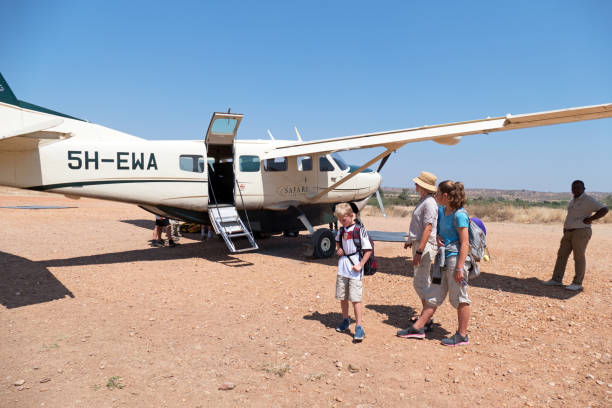
- Arrive at Kilimanjaro International Airport (JRO) or Arusha Airport (ARK).
- Meet your guide and transfer to Arusha for a brief orientation or head directly towards Tarangire.
- Begin your game drive en route to your accommodation near Tarangire.
- Accommodation: Budget tented camp or lodge near Tarangire.
- Meals: Lunch, Dinner
Day 2: Tarangire National Park & Lake Manyara
- Morning game drive in Tarangire National Park, focusing on elephants and diverse birdlife.
- Afternoon drive towards Lake Manyara National Park.
- Enjoy an afternoon game drive in Lake Manyara, looking for tree-climbing lions and hippos.
- Accommodation: Budget lodge or tented camp near Lake Manyara/Karatu.
- Meals: Breakfast, Lunch, Dinner
Day 3: Ngorongoro Conservation Area (Crater Rim/Descent)
- Drive to the Ngorongoro Conservation Area.
- Descend into the Ngorongoro Crater for a full or half-day game drive. This is a highlight, offering incredible chances to see the Big Five, including the rare black rhino, in a concentrated area.
- Ascend from the crater in the late afternoon.
- Accommodation: Budget lodge or tented camp in Karatu or on the crater rim (rim accommodation is pricier).
- Meals: Breakfast, Lunch, Dinner
Day 4: Cultural Experience or Optional Serengeti Day Trip / Return to Arusha
- Option A (Budget-Focused): Visit a local Maasai village for a cultural immersion (often an extra fee, negotiate with your operator). Alternatively, enjoy a leisurely morning, perhaps a guided walk in Karatu, before driving back to Arusha.
- Option B (If budget allows and operator offers): An early start for a long day trip into the Serengeti’s southern plains. This is a very long day with significant driving but offers a taste of the Serengeti. This option significantly increases costs.
- Arrive back in Arusha in the late afternoon/evening.
- Accommodation: Budget guesthouse or hotel in Arusha.
- Meals: Breakfast, Lunch
Day 5: Departure or Optional Activities in Arusha
- Depending on your flight schedule, you might have time for souvenir shopping in Arusha, a visit to a local market, or a short excursion.
- Transfer to Kilimanjaro International Airport (JRO) or Arusha Airport (ARK) for your departure.
- Meals: Breakfast
Maximizing Value: Tips for a 5-Day Budget Safari for Students
Securing a 5-day budget safari for students requires savvy choices. Here’s how to get the most bang for your buck:
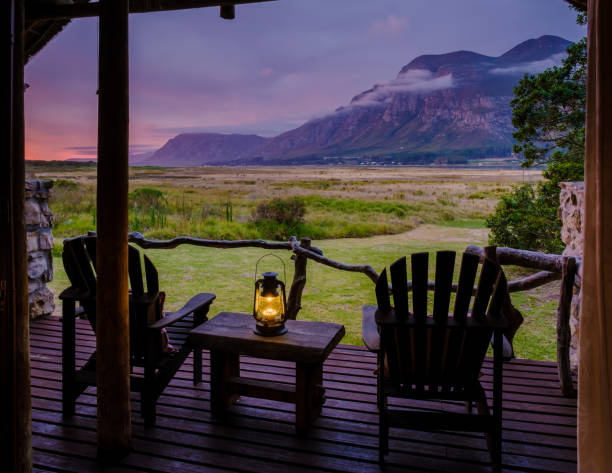
- Travel in the Off-Season or Shoulder Season: While the dry season (June-October) offers predictable game viewing, the green season (November-May, excluding Christmas/New Year) can see lower prices for accommodation and tours. Wildlife is still abundant, and the landscapes are lush.
- Opt for Camping or Basic Tented Camps: Instead of lodges, choose safari packages that include camping or stay in basic tented camps. These offer a more authentic experience and are significantly cheaper. Many budget operators specialize in this.
- Join a Small Group Tour: Sharing a safari vehicle and costs with other travelers is the most effective way to reduce individual expenses. Look for operators who run small group departures.
- Focus on the Northern Circuit: As mentioned, the northern parks are geographically concentrated, reducing driving time and fuel costs, which are major components of safari pricing.
- Be Flexible with Itinerary: While a 5-day plan is great, sometimes slight adjustments based on operator availability or local conditions can lead to better value.
- Pack Smartly: Avoid buying expensive safari gear last minute. Pack essentials that are versatile and comfortable.
- Negotiate (Respectfully): For extras like village visits or tips, a polite negotiation might be possible, but always be fair to local communities and service providers.
- Book Directly with Local Operators: Cutting out international middlemen often leads to better prices. Local operators like Best Tanzania Tour Operator understand the market and can tailor packages to student budgets.
Understanding Safari Costs: What to Expect for a 5-Day Budget Trip
While we can’t give exact figures as prices fluctuate based on operator, season, and specific inclusions, here’s a breakdown of what contributes to the cost of a 5-day budget safari:
- Park Entrance Fees: These are set by the Tanzanian government and are a significant portion of the cost. For example, fees per person per day for Tarangire, Lake Manyara, and Ngorongoro Crater can add up quickly. Serengeti fees are higher.
- Vehicle and Guide: The cost of a 4×4 safari vehicle and an experienced driver/guide for five days is a major expense, especially if you’re not in a full group.
- Accommodation: Camping is the cheapest, followed by basic tented camps, then budget lodges.
- Meals: Most budget safaris include full board (breakfast, lunch, dinner). This is cost-effective.
- Fuel: Driving between parks and within them consumes a lot of fuel.
- Operator’s Margin: This covers their operational costs, staff, and profit.
A 5-day budget safari for students typically aims to keep costs down by using shared vehicles, camping or basic accommodation, and focusing on the most accessible parks. Expect packages to be priced per person, often with a slight increase for solo travelers or very small groups (2-3 people).
Accommodation Options for Budget Travelers
Your choice of accommodation will significantly impact the budget:
- Camping: This is the most budget-friendly option. You’ll sleep in tents at designated campsites within or near national parks. Facilities can range from basic to relatively comfortable with shared ablutions. Your guide will set up camp, and often a cook accompanies the group to prepare meals.
- Tented Camps (Budget): These are more permanent structures, often with raised platforms and canvas walls, sometimes with en-suite bathrooms. They offer a step up from camping while still being considerably cheaper than lodges.
- Budget Lodges: These offer private rooms with basic amenities, often attached bathrooms, and sometimes a restaurant or bar. They provide more comfort and privacy than tents but are pricier.
Packing Essentials for Your Student Safari
Packing light and smart is crucial for a budget safari. You’ll likely be traveling in a safari vehicle, and luggage space can be limited. Plus, you don’t want to carry unnecessary weight.
Clothing:
- Neutral-colored clothing: Khaki, beige, olive green, or brown. Avoid bright colors and black/dark blue, which can attract insects or be too hot.
- Long-sleeved shirts and trousers: For sun protection and to ward off insects, especially in the evenings.
- T-shirts and shorts: For warmer days.
- Fleece or warm jacket: Evenings and early mornings can be cool, especially in higher altitudes like Ngorongoro.
- Rain jacket/poncho: Especially if traveling during the rainy season.
- Swimsuit: If your accommodation has a pool.
- Comfortable walking shoes/trainers: You won’t be doing much walking on safari itself, but for around camps and lodges.
- Sandals/flip-flops: For relaxing.
Gear:
- Binoculars: Essential for spotting wildlife at a distance.
- Camera and extra memory cards/batteries: You’ll take hundreds of photos! Consider a zoom lens.
- Power bank/portable charger: For keeping devices charged on the go.
- Adapter/converter: Tanzania uses Type G sockets (UK style), 230V.
- Headlamp or flashlight: Useful for navigating campsites at night.
- Sunscreen (high SPF), sunglasses, and a wide-brimmed hat: Sun protection is vital.
- Insect repellent (with DEET): Crucial for evenings and protecting against malaria.
- Basic first-aid kit: Include personal medications, plasters, antiseptic wipes, pain relievers, and motion sickness medication.
- Reusable water bottle: Stay hydrated and reduce plastic waste. Operators usually provide purified water.
- Small backpack/daypack: For carrying essentials during game drives.
- Toiletries: Biodegradable options are good.
- Passport, visa, and copies of important documents: Keep them secure.
- Cash (USD): For tips, souvenirs, and personal expenses.
Common Mistakes to Avoid on a Budget Safari
Even on a budget, some common pitfalls can detract from your experience. Be aware of these:
- Booking the absolute cheapest option without research: The lowest price might mean cutting corners on safety, guide quality, or vehicle maintenance. Always check reviews and what’s included.
- Not clarifying inclusions/exclusions: Understand exactly what your tour price covers (park fees, meals, accommodation type, water, guide, vehicle). Unexpected costs can derail a budget.
- Overpacking: Luggage restrictions on safari vehicles are real. Pack light and efficiently.
- Ignoring health precautions: Consult your doctor about malaria prevention and necessary vaccinations well in advance of your 2026-2027 trip.
- Expecting luxury at budget prices: Understand that budget travel means simpler accommodation and potentially longer drives. Embrace the adventure!
- Not booking in advance: Especially for popular student travel periods in 2026-2027, booking your 5-day budget safari for students early is wise to secure spots and potentially better rates.
- Underestimating tipping: While on a budget, tipping your guide and camp staff is customary and appreciated. Factor this into your overall cost.
Who is a 5-Day Budget Safari Best For?
This type of safari is ideal for:
- Students and Backpackers: Those with limited funds but a strong desire for adventure and wildlife experiences.
- Young Travelers: Individuals or small groups of friends looking for an exciting, memorable trip that is also affordable.
- Short-Term Visitors: Travelers with limited time in Tanzania who want to maximize their wildlife viewing opportunities in the northern circuit.
- First-Time Safari Goers: It offers a fantastic introduction to the wonders of Tanzania’s national parks without an overwhelming commitment of time or money.
- Eco-conscious Travelers: By choosing camping or basic accommodations and traveling in small groups, you can minimize your environmental footprint.
Alternatives to a 5-Day Safari
If a 5-day safari doesn’t quite fit, consider these alternatives:
- Day Trips from Arusha: For a very tight budget or schedule, a single-day trip to a nearby park like Arusha National Park (offering great views of Kilimanjaro and Mount Meru, and opportunities for walking safaris) or a cultural tour can be a taste of Tanzania.
- Longer Safaris (7-10 Days): If you can extend your trip, a longer safari allows for more in-depth exploration of the Serengeti and potentially parks like Tarangire and Manyara with less rushing. This can sometimes offer better value per day if booked as a package.
- Self-Drive Safaris (Not Recommended for Budget Students): While possible in some African countries, self-driving in Tanzania, especially for a short budget trip, is generally not recommended due to road conditions, navigation challenges, and the need for a robust 4×4. It often ends up being more expensive and stressful than a guided tour.
Planning Your 2026-2027 Student Safari
Planning ahead is key for a successful and affordable trip. Here’s a timeline:
| Timeframe | Action |
|---|---|
| 12+ Months Before | Research destinations, operators, and best times to visit. Start saving. Check visa requirements. |
| 6-9 Months Before | Identify potential operators and request quotes for a 5-day budget safari for students. Compare inclusions and reviews. Book international flights if prices are good. |
| 4-6 Months Before | Confirm your chosen operator and itinerary. Pay deposit. Book accommodation in Arusha if arriving early or departing late. |
| 2-3 Months Before | Apply for your Tanzanian visa if required. Book any necessary travel insurance. Consult your doctor about vaccinations and malaria prophylaxis. |
| 1 Month Before | Finalize packing list. Purchase any necessary gear. Confirm flight details. Inform your bank of your travel dates. |
| 1-2 Weeks Before | Pay final balance to your tour operator. Exchange some currency. Confirm all arrangements. |
| During Trip | Enjoy your safari! Keep important documents secure. Be mindful of local customs. |
| Post-Trip | Share your experiences and leave reviews to help other students. |
Booking Your 5-Day Budget Safari for Students
When booking your 5-day budget safari for students, focus on reputable local operators. They often offer more competitive pricing and have a deep understanding of the local conditions and best value options.
Key things to look for in an operator:
- Clear Communication: They should be responsive to your questions and provide detailed itineraries.
- Reviews and Testimonials: Look for feedback from previous travelers, especially students or budget travelers.
- Inclusions: Ensure park fees, accommodation, meals, and a qualified guide/vehicle are clearly listed.
- Flexibility: Can they tailor the itinerary slightly to fit your budget or interests?
- Payment Terms: Understand the deposit and final payment schedule.
Contact Best Tanzania Tour Operator to get a personalized quote for your 2026-2027 student safari:
- WhatsApp: +255616946642
- Email: topguideadventures@gmail.com
- Backup Email: info@topguideadventures.com
Let them know you’re a student looking for a 5-day budget safari for students. They can help craft an unforgettable experience that fits your requirements.
Frequently Asked Questions (FAQs)
1. Is a 5-day safari enough time to see wildlife in Tanzania?
Yes, a 5-day safari, especially focusing on the northern circuit parks like Tarangire, Lake Manyara, and Ngorongoro, is sufficient to see a wide variety of wildlife and experience the essence of an African safari. You won’t cover as much ground as a longer safari, but it’s a very rewarding introduction.
2. What is the best time of year for a student budget safari in 2026-2027?
The dry season (June to October) offers the most predictable game viewing. However, for budget travelers, the shoulder seasons (e.g., November, March-May) can offer lower prices with still excellent wildlife viewing opportunities. The green season (April-May) is generally the cheapest but can experience heavy rains.
3. Are park fees included in budget safari packages?
Reputable budget safari operators will clearly state whether park fees are included. For a 5-day budget safari for students, it’s common for these to be included, but always verify this when comparing quotes.
4. What kind of vehicle is used for a budget safari?
Budget safaris typically use customized 4×4 safari vehicles (like Land Cruisers or Land Rovers) with pop-up roofs for optimal game viewing and photography. These vehicles are designed for off-road conditions.
5. Can I customize a 5-day budget safari for students?
Many local operators are flexible. You can often discuss minor adjustments to the itinerary, accommodation preferences, or specific interests you have. Communicate your needs clearly when requesting a quote.
6. What is the typical group size for a budget safari?
Budget safaris often run in small groups to keep costs down. Group sizes can range from 4 to 8 travelers, though some operators might offer private tours for slightly higher costs.
7. Do I need a visa for Tanzania?
Most nationalities require a visa to enter Tanzania. You can typically apply for this online in advance or upon arrival at the airport. Check the latest requirements for your specific nationality well before your 2026-2027 trip.
8. What currency should I bring for my safari?
The local currency is the Tanzanian Shilling (TZS). However, USD is widely accepted for park fees (if not included), tips, and souvenirs. It’s advisable to bring a mix of USD (newer bills, preferably dated 2009 or later) and some local currency for smaller purchases.
9. Is it safe to travel on a budget safari in Tanzania?
Tanzania is generally a safe country for tourists. Reputable tour operators prioritize safety, using experienced guides and well-maintained vehicles. It’s important to follow your guide’s instructions, be aware of your surroundings, and take standard travel precautions.
10. What are the main differences between camping and lodge safaris?
Camping safaris involve sleeping in tents at designated campsites, often with shared facilities. They are the most budget-friendly and offer a more rustic, immersive experience. Lodge safaris involve staying in permanent structures with private rooms and en-suite bathrooms, offering more comfort but at a higher cost.
Ready for Your Tanzanian Adventure?
A 5-day budget safari for students is an incredible opportunity to witness some of the world’s most stunning wildlife and landscapes. By planning carefully, choosing the right parks, and working with a trusted local operator, you can create an unforgettable adventure that fits your student budget. Don’t let financial constraints hold you back from experiencing the magic of Tanzania.
Get in touch with Best Tanzania Tour Operator today to start planning your dream 5-day budget safari for students in 2026 or 2027.
- WhatsApp: +255616946642
- Email: topguideadventures@gmail.com
- Backup Email: info@topguideadventures.com
We look forward to helping you create a once-in-a-lifetime safari experience!
Plan your 5-Day Budget Safari for Students — Discounted Rates with Top Guide Adventures
Tell us your travel dates, group size, comfort level, and dream experience. We will help you shape a clear, realistic, and memorable Tanzania itinerary.







 Veedesigner
 Fatma Kizanga
 Benjamin Waryuba
 Philip Philip
 John jr Itaja
 Antonia Optatus
 Edith Kanyere
 Neema Iddy
 Kelvin Boniphace
 Damari Maiga



