
A 5-Day Central Serengeti Photography Tour offers an unparalleled opportunity to capture the heart of Tanzania’s iconic wildlife in its most photogenic habitats, focusing on the Seronera Valley and surrounding areas known for resident game and dramatic predator-prey interactions. This itinerary is designed for photographers seeking high-quality images of the Great Migration (when present), big cats, diverse birdlife, and classic savanna landscapes, typically spanning five full days of game drives with expert guides who understand photographic needs, from optimal lighting to animal behavior. The 2026-2027 seasons offer excellent viewing, with particular highlights expected during the dry months for wildlife concentration and the green season for dramatic backdrops and predator activity.
Planning Your 5-Day Central Serengeti Photography Tour in 2026-2027
The Central Serengeti, often referred to as Seronera, is a photographer’s dream. Its year-round resident wildlife population, combined with the potential for witnessing the Great Migration’s movements, makes it a prime location for a dedicated photography safari. A 5-day itinerary allows ample time to explore this rich ecosystem, focusing on key wildlife hotspots and adjusting to the animals’ daily routines for the best photographic light and action. When planning for 2026 or 2027, understanding the seasonal nuances of the Central Serengeti is crucial for maximizing your photographic success.
Why Choose Central Serengeti for Photography?
Central Serengeti offers a unique blend of advantages for photographers:
- Year-Round Wildlife: Unlike areas heavily reliant on the Great Migration’s exact location, the Seronera Valley boasts a high concentration of resident wildlife throughout the year. This means lions, leopards, cheetahs, elephants, giraffes, and numerous other species are consistently present.
- Predator-Prey Dynamics: The area is renowned for its lion prides and a healthy population of leopards and cheetahs. The open plains and acacia woodlands provide excellent opportunities to photograph hunting sequences and social interactions.
- Scenic Landscapes: Rolling plains dotted with iconic acacia trees, kopjes (rocky outcrops), and the Seronera River create visually appealing backdrops for wildlife shots.
- Accessibility: Seronera is centrally located within the Serengeti, making it relatively accessible from the Seronera Airstrip, which receives daily flights from Arusha and other safari hubs. This efficiency is vital for a shorter, focused trip like a 5-day tour.
- Photographic Light: The open landscapes often provide unobstructed views and beautiful light, especially during the golden hours of sunrise and sunset.
Best Times for a 5-Day Central Serengeti Photography Tour (2026-2027)
While the Central Serengeti is a fantastic destination year-round, certain periods offer distinct photographic advantages:
Dry Season (June to October)
This is often considered peak safari season for good reason. Wildlife congregates around permanent water sources, making them easier to find and photograph. The dry, golden grass provides a classic savanna look, and the clear skies offer excellent light. Predators are often more active as they stalk scarce prey. For 2026-2027, expect these conditions to hold true.
Green Season (November to May)
This period brings lush green landscapes, dramatic skies with potential for rain showers (often short-lived), and newborn animals. The vegetation can be denser, making spotting some animals more challenging, but the photographic opportunities are unique. Birdlife is particularly vibrant, and the green hues create a softer, more colorful environment. The migration often passes through the eastern and southern Serengeti during parts of this season, though its exact path can vary.
For a 5-Day Central Serengeti Photography Tour, the Dry Season (June-October) is often preferred for guaranteed sightings and classic savanna shots. However, the Green Season (November-May) offers unique photographic potential with dramatic light and lush scenery, especially if your focus includes migratory herds or newborn wildlife.
Crafting Your 5-Day Central Serengeti Photography Itinerary
A 5-day photography tour requires careful planning to maximize your time in the field. The focus will be on early morning and late afternoon game drives when the light is most favorable for photography and wildlife is most active. This itinerary is a template, adaptable based on your specific photographic interests and the wildlife movements observed during your trip in 2026-2027.
Day 1: Arrival in the Serengeti & Seronera Introduction
Your 5-Day Central Serengeti Photography Tour begins with your arrival at Seronera Airstrip (SEU). You’ll be met by your expert photography guide and vehicle. After a brief transfer to your lodge or camp, you’ll head out for your first game drive. The afternoon light in the Seronera Valley is perfect for capturing elephants, giraffes, and various antelope species against the savanna backdrop. You’ll also start looking for the resident big cats that frequent this area.
- Morning/Afternoon: Fly from Arusha to Seronera Airstrip.
- Transfer: Meet your guide and transfer to your accommodation.
- Late Afternoon: First game drive focusing on the immediate surroundings of Seronera, looking for lions, leopards, and diverse birdlife.
- Evening: Return to camp/lodge for dinner and overnight.
Day 2: Predator Focus in the Seronera Valley
Today is dedicated to seeking out the apex predators of the Central Serengeti. Your guide will use their knowledge of the terrain and animal behavior to track lions, leopards, and cheetahs. The Seronera Valley is known for its resident lion prides, often found lounging near kopjes or stalking prey in the grasslands. Leopards are more elusive but can often be found in trees along the riverbanks. Early morning drives are crucial for capturing cats on the move or during a hunt.
- Early Morning: Depart before sunrise for optimal light and predator activity. Focus on areas known for lion prides and cheetah sightings.
- Midday: Return to camp for lunch and a rest during the hottest part of the day.
- Late Afternoon: Another extensive game drive, perhaps exploring different sectors of the valley, looking for leopards in trees or active hunting scenes.
- Evening: Dinner and overnight at your accommodation.
Day 3: Exploring the Kopjes and Riverine Habitats
The rocky outcrops, or kopjes, are vital habitats for lions and cheetahs, offering vantage points and shelter. You’ll spend time exploring these areas, looking for cats resting or hunting. The Seronera River itself attracts a variety of wildlife, including hippos, crocodiles, elephants, and abundant birdlife. This diverse habitat offers varied photographic opportunities.
- Morning: Game drive focused on the kopjes, searching for lions and cheetahs. Observe their behavior and capture portraits against the stark, rocky backdrops.
- Afternoon: Explore the riverine areas, looking for elephants bathing, hippos in the water, and bird species like kingfishers and various raptors. This is also a good time to spot leopards near the river.
- Evening: Sundowners with a view followed by dinner and overnight.
Day 4: Following the Great Migration (Seasonal) or Resident Herds
Depending on the time of year in 2026-2027, you might have the opportunity to photograph parts of the Great Migration as it moves through or near the Central Serengeti. If the migration is not in the immediate vicinity, your guide will focus on the large herds of wildebeest and zebras that often remain in the central region, along with buffalo, hartebeest, and topi.
- Full Day: Game drive potentially heading towards the eastern or southern fringes of the central region if migration reports suggest activity. If not, concentrate on areas with large resident herds, seeking out dramatic landscapes with grazing animals.
- Focus: Capture the scale of the herds, interactions within the groups, and the vastness of the Serengeti landscape.
- Evening: Return to camp for your final night’s dinner.
Day 5: Final Sunrise Drive & Departure
Your 5-Day Central Serengeti Photography Tour concludes with one last opportunity to capture the magic of the Serengeti. An early morning game drive offers a final chance to photograph any elusive species or capture the golden light of sunrise over the plains. After breakfast, you will be transferred back to Seronera Airstrip for your onward flight.
- Early Morning: Final sunrise game drive, perhaps revisiting a favorite spot or searching for a specific animal.
- Late Morning: Return to camp for breakfast.
- Departure: Transfer to Seronera Airstrip for your flight back to Arusha or your next destination.
Essential Photography Gear for Your Serengeti Tour
To make the most of your 5-Day Central Serengeti Photography Tour, having the right gear is paramount. The Serengeti presents diverse photographic challenges and opportunities, from vast landscapes to intimate wildlife portraits.
Camera Bodies & Lenses
- Camera Body: A DSLR or mirrorless camera with good low-light performance and fast autofocus is ideal. Consider bringing a backup body if possible.
- Telephoto Lens: A 300mm to 600mm lens is essential for wildlife photography. This will allow you to fill the frame with distant animals without disturbing them. Examples include a 400mm f/2.8, 500mm f/4, or a versatile 100-400mm or 150-600mm zoom.
- Mid-Range Zoom: A 70-200mm lens is excellent for capturing animals in their environment, group shots, or when they are closer.
- Wide-Angle Lens: A 16-35mm or 24-70mm lens is useful for landscape shots, the vast Serengeti panoramas, and capturing the scale of the migration.
Essential Accessories
- Tripod/Monopod: Essential for stabilizing long lenses, especially in low light conditions, and for sharp landscape shots. Many safari vehicles have beanbag mounts, but a tripod offers more stability.
- Extra Batteries & Memory Cards: You’ll be shooting a lot! Ensure you have plenty of spares.
- Cleaning Kit: Dust is inevitable in the Serengeti. A blower, lens cloths, and cleaning solution are vital.
- Rain Cover: For your camera and lens, especially during the green season.
- Binoculars: While not for photography, good binoculars are invaluable for spotting wildlife that you can then photograph.
- Power Bank/Car Charger: To keep your batteries and devices charged in the vehicle or at camp.
Protective Gear
The African sun is intense. Consider a hat, sunscreen, and sunglasses. For your gear, a sturdy camera bag that can withstand dust and the occasional bump is important.
Understanding Wildlife Photography Ethics in the Serengeti
As a photographer on a 5-Day Central Serengeti Photography Tour, responsible wildlife viewing is as important as capturing the perfect shot. Ethical practices ensure the safety and well-being of the animals and preserve their natural behavior.
- Maintain Distance: Never approach animals too closely. Your guide will ensure the vehicle maintains a safe and respectful distance. Do not encourage your guide to get closer than regulations allow.
- Do Not Feed Wildlife: This is strictly prohibited and harmful to animals.
- Minimize Disturbance: Avoid making loud noises or sudden movements that could startle animals. Keep vehicle doors closed unless instructed otherwise by your guide.
- Respect Animal Behavior: If animals appear stressed, agitated, or are trying to move away, allow them to do so. Do not block their path or chase them.
- No Flash Photography: Using flash can disorient and disturb animals, especially nocturnal species or during dawn/dusk.
- Follow Your Guide’s Instructions: Your guide is trained in wildlife behavior and park regulations. Their expertise is crucial for both your safety and ethical viewing.
By adhering to these principles, you contribute to the conservation of the Serengeti’s incredible biodiversity while capturing authentic, unadulterated wildlife moments for your 2026-2027 photographic portfolio.
Choosing Your Accommodation for a Photography Safari
Your choice of accommodation significantly impacts your photographic experience. Lodges and camps in the Central Serengeti range from luxurious tented camps to comfortable lodges, each offering different advantages.
- Tented Camps: Offer a more intimate connection with nature. Some luxury tented camps provide excellent photographic opportunities right from your tent’s veranda or common areas, with animals often passing by.
- Lodges: Provide more amenities and often stunning views from elevated positions. They can be a comfortable base after long days of driving.
- Location: For a photography tour, staying closer to prime wildlife areas within the Central Serengeti is key. This minimizes travel time to prime photo locations and maximizes time in the field, especially during the crucial golden hours.
Consider accommodations that are strategically located for easy access to Seronera Valley’s predator hotspots and offer comfortable facilities to recharge after intensive photography sessions.
The Role of Your Photography Guide
A specialized photography guide is indispensable for a successful 5-Day Central Serengeti Photography Tour. They offer more than just standard safari guiding;
- Understanding Light: They know the best times and locations to find animals in optimal photographic light.
- Animal Behavior: Their knowledge helps predict animal movements and potential photographic opportunities, like a hunt or a social interaction.
- Vehicle Positioning: They are skilled at positioning the safari vehicle for the best photographic angles, considering sun direction and background elements.
- Gear Advice: They can offer practical tips on using your camera and lenses in the field.
- Patience: Photography requires patience. A dedicated guide understands this and will wait for the perfect moment, rather than rushing to the next sighting.
When booking your 2026-2027 tour, inquire specifically about guides with extensive photographic safari experience.
What to Expect from Top Guide Adventures in 2026-2027
Top Guide Adventures is dedicated to providing exceptional safari experiences tailored to photographers. For your 5-Day Central Serengeti Photography Tour, we focus on:
- Experienced Photography Guides: Our guides are passionate about wildlife and photography, possessing deep knowledge of the Serengeti’s ecosystems and prime photographic locations.
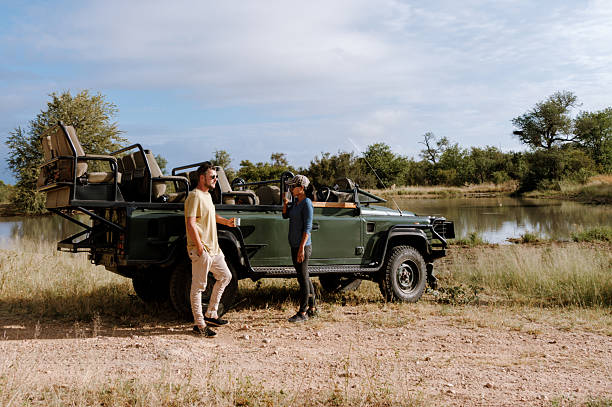
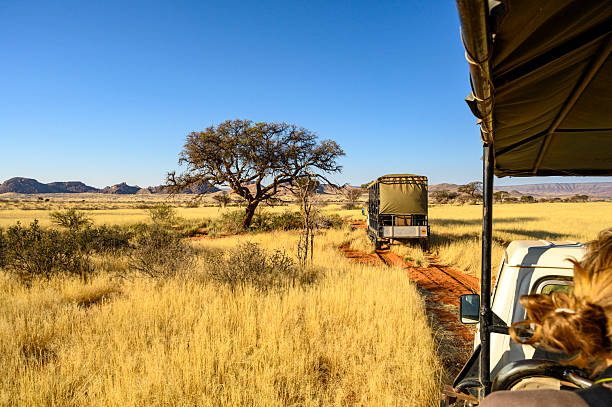
- Customized Vehicles: We utilize 4×4 safari vehicles that are adapted for photography, often featuring open roofs or pop-up hatches for unobstructed shooting, and beanbag supports for stabilizing lenses.
- Flexible Itineraries: We understand that wildlife photography is unpredictable. Our tours are designed with flexibility to pursue photographic opportunities as they arise.
- Small Group Focus: To ensure personalized attention and optimal photographic space for everyone, we typically operate small group or private tours.
- Logistical Support: From flights to accommodation, we handle all the details so you can concentrate on capturing stunning images in 2026-2027.
We are committed to making your photographic journey through the Serengeti an unforgettable success. For inquiries and bookings for your 2026-2027 safari, feel free to contact us.
Estimated Costs for a 5-Day Central Serengeti Photography Tour (2026-2027)
The cost of a 5-Day Central Serengeti Photography Tour can vary significantly based on accommodation level, group size (private vs. shared), vehicle type, and the season of travel in 2026-2027. As a general guideline:
Mid-Range Tours: Expect costs to range from $2,500 to $4,000 per person. This typically includes mid-tier lodges or tented camps, a shared safari vehicle with a driver-guide, park fees, meals, and internal flights (e.g., Arusha-Serengeti-Arusha).
Luxury Tours: Costs can range from $4,000 to $7,000+ per person. This level includes high-end lodges or exclusive tented camps, a private safari vehicle with a specialized photography guide, premium meals, drinks, and all internal flights.
Key Inclusions Usually Cover:
- Accommodation
- All meals (breakfast, lunch, dinner)
- Park entrance fees
- Game drives in a 4×4 safari vehicle
- English-speaking driver-guide (specialized photography guides may incur an additional cost or be part of luxury packages)
- Bottled water during game drives
- Airport transfers
- Internal flights (Arusha Seronera)
Exclusions Typically Include:
- International flights
- Visa fees
- Travel insurance
- Gratuities for guides and camp staff
- Personal expenses (souvenirs, drinks, laundry)
- Optional activities (e.g., hot air balloon safari)
Note: Prices for 2026-2027 are estimates. For a precise quote tailored to your needs, please contact us directly.
Capturing the Great Migration: A Note for 2026-2027
While the Central Serengeti is excellent year-round, the Great Migration’s presence is seasonal. The vast herds of wildebeest and zebras typically move in a clockwise direction around the Serengeti ecosystem. In the Central Serengeti (Seronera Valley), you might encounter:
- Late Dry Season (September-October): Some herds may still be in the central or western corridor as they move towards the Grumeti River.
- Early Green Season (November-December): Herds often begin moving from the north towards the eastern and southern plains, sometimes passing through parts of the central region.
If your primary goal is photographing the Great Migration’s dramatic river crossings or vast plains, a tour focused on the Western Serengeti (June-July) or the Southern Serengeti (January-March) might be more suitable. However, a 5-day Central Serengeti tour can still offer spectacular sightings of resident wildlife and potentially smaller migratory movements.
Beyond the Lens: Other Serengeti Experiences
While photography is the focus, don’t forget to absorb the incredible atmosphere of the Serengeti. Many camps offer:
- Bush Breakfasts/Dinners: Enjoy a meal in the wild, surrounded by nature.
- Sundowners: Experience the iconic African sunset with a drink in hand at a scenic viewpoint.
- Stargazing: The Serengeti has virtually no light pollution, offering spectacular views of the night sky.
These moments add depth to your photographic journey and provide essential breaks to appreciate the Serengeti’s magic.
Booking Your 5-Day Central Serengeti Photography Tour for 2026-2027
Securing your spot for a 5-Day Central Serengeti Photography Tour in 2026 or 2027 is a key step towards an incredible photographic adventure. We recommend booking at least 6-12 months in advance, especially if you are planning for peak seasons or require specific accommodations or a private photography guide. Early booking ensures availability and allows us to craft the perfect itinerary for your photographic aspirations.
Whether you’re aiming to capture the intense drama of a lion hunt, the serene beauty of a giraffe against a golden sunset, or the sheer scale of the savanna, a dedicated photography tour in the Central Serengeti offers the best chance to achieve your photographic goals. We are here to help you plan every detail.
Contact Top Guide Adventures today to discuss your dream 5-Day Central Serengeti Photography Tour for 2026-2027. You can reach us via WhatsApp at +255616946642, email us at topguideadventures@gmail.com, or our backup email at info@topguideadventures.com. Let us help you capture the heart of Africa through your lens.
Check Availability for 5-Day Central Serengeti Photography Tour: Expert Guide 2026-2027
Ready to compare dates, prices, and the best option for your group? Send the package name and travel month so the team can reply with a clear quote, availability, and what is included.
6-Day Nyerere Safari And Zanzibar Holiday: Your Ultimate Tanzania Adventure
Discover the perfect blend of adventure and relaxation with a 6-day Nyerere Safari and Zanzibar holiday. Explore the vast wilderness of Nyerere National Park, renowned for its large...
View package details
6-Day Southern Tanzania Wildlife Safari With Top Guide Adventures 2026-2027
Discover the wild heart of Tanzania on a 6-day Southern Tanzania wildlife safari. This itinerary highlights the unique ecosystems and abundant wildlife of Selous Game Reserve and Ruaha...
View package details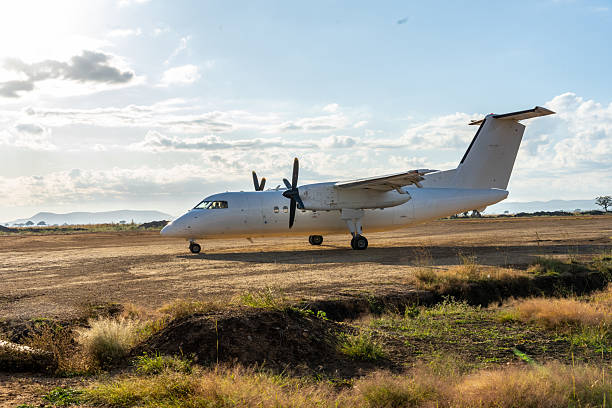
6-Day Nyerere And Ruaha Safari Guide
Discover the untamed beauty of Southern Tanzania with a 6-day safari combining the vast wilderness of Nyerere National Park (formerly Selous) and the dramatic landscapes of Ruaha National...
View package details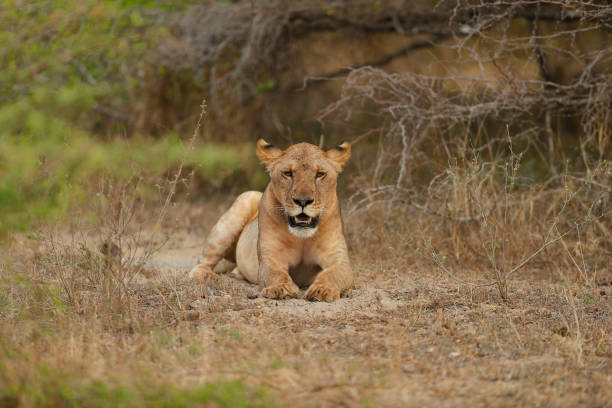
6-Day Selous, Mikumi & Udzungwa Safari: Southern Tanzanias Wildlife Trio
Discover the untamed beauty of Southern Tanzania on a 6-day safari adventure. This journey takes you through the vast Selous Game Reserve, the wildlife-rich Mikumi National Park, and the...
View package details
6-Day Nyerere And Mikumi Safari Guide
Discover the untamed beauty of Southern Tanzania on a 6-day safari adventure through Nyerere National Park (formerly Selous Game Reserve) and Mikumi National Park. This itinerary offers a...
View package details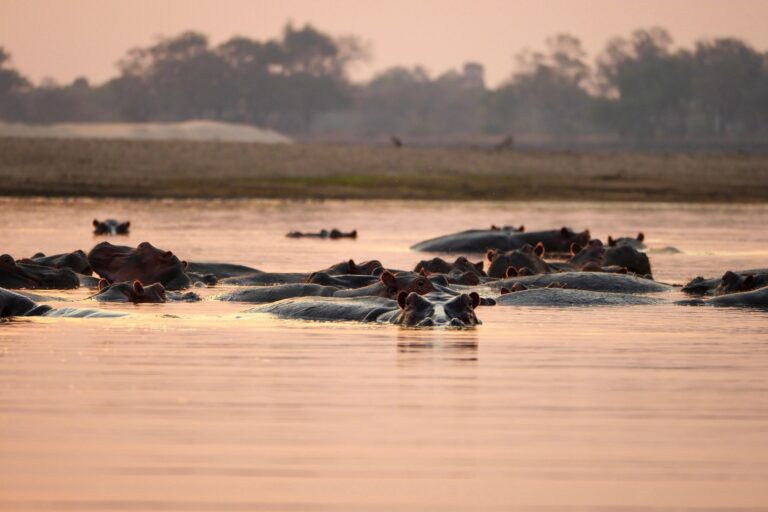
5-Day Mikumi, Nyerere And Zanzibar Safari Package With Top Guide Adventures
Combine the thrilling wildlife encounters of Mikumi and Nyerere National Parks with the tropical allure of Zanzibar on this unforgettable 5-day safari package. This itinerary offers a...
View package details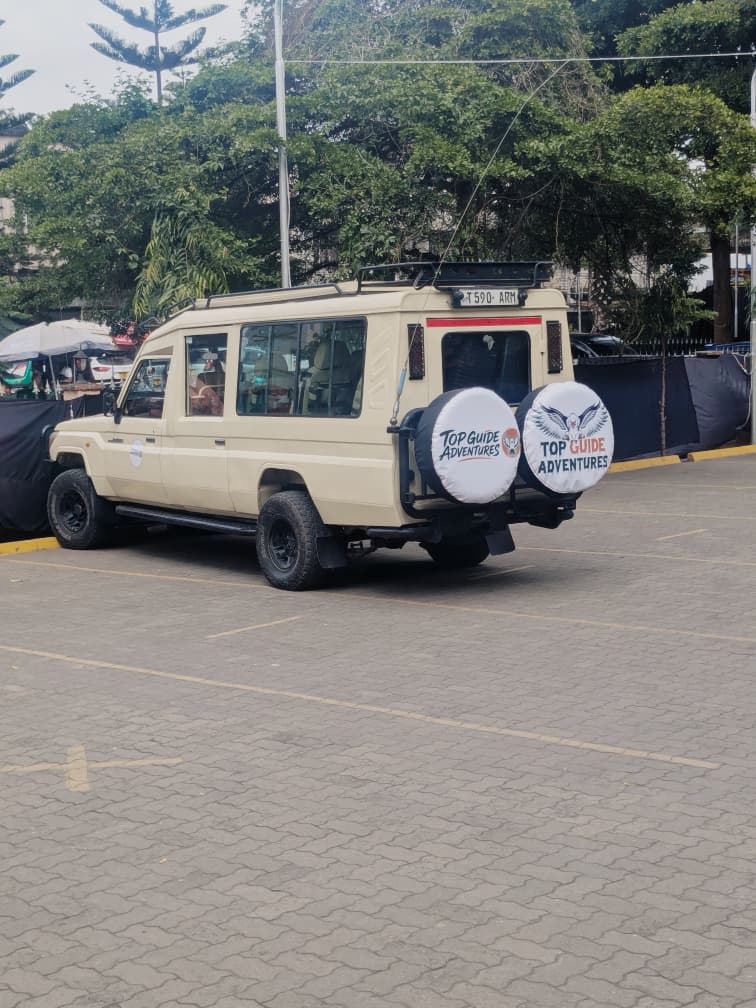
6-Day Nyerere, Mikumi, And Udzungwa Safari: Your Southern Tanzania Adventure
Explore the wild heart of Southern Tanzania on a 6-day safari adventure. This journey combines the vast wilderness of Nyerere National Park (formerly Selous), the abundant wildlife of...
View package details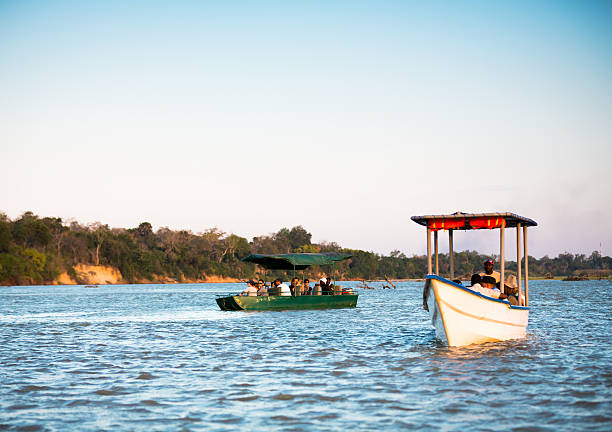
5-Day Southern Tanzania Group Joining Safari: Your Ultimate Adventure
Discover the wild heart of Southern Tanzania on a 5-day group joining safari. This adventure offers incredible wildlife viewing in Selous Game Reserve and Ruaha National Park, perfect for...
View package details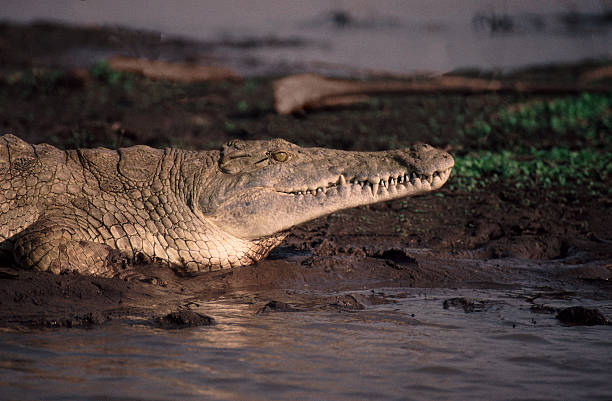
5-Day Private Nyerere And Mikumi Safari With Top Guide Adventures 2026-2027
start an unforgettable 5-day private safari adventure through Tanzania's Nyerere National Park (formerly Selous) and Mikumi National Park. This itinerary focuses on maximizing wildlife...
View package details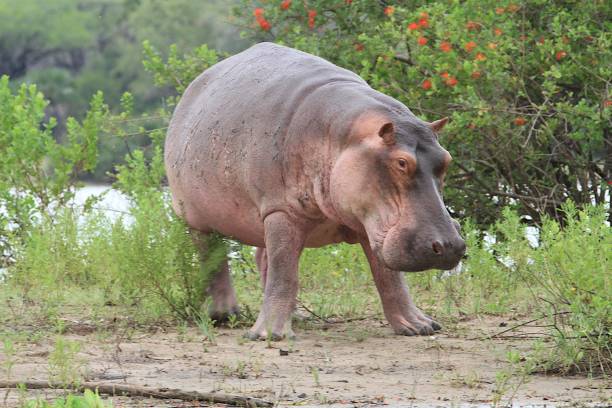
4-Day Luxury Nyerere Safari With Rufiji Boat Your Ultimate Itinerary 2026-2027
Discover the magic of a 4-day luxury safari in Nyerere National Park, famed for its Rufiji River boat safaris. This itinerary offers unparalleled wildlife viewing and unique aquatic...
View package details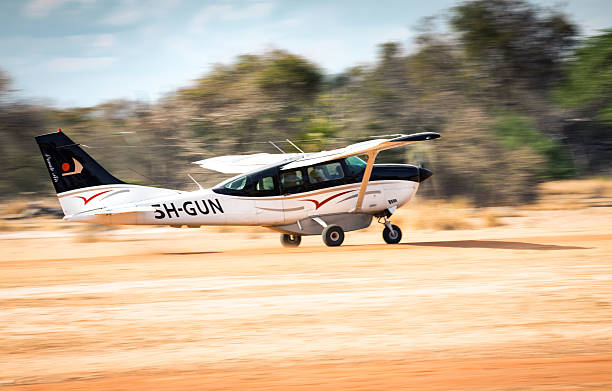
6-Day Nyerere And Mikumi Southern Tanzania Safari With Top Guide Adventures
This 6-day safari adventure takes you through Southern Tanzania's Nyerere National Park (formerly Selous) and Mikumi National Park. Expect incredible wildlife viewing, unique activities...
View package details
5-Day Selous, Mikumi & Udzungwa Safari: Your Ultimate Southern Tanzania
Plan your 5-day safari adventure covering Selous, Mikumi, and Udzungwa National Parks in Southern Tanzania. This itinerary offers a rich blend of game drives, walking safaris, and unique...
View package detailsNo related package matches those filters. Clear one or more filters to see the other topic-matched options.



