
Updated planning guide for 2026-2027
5-Day Conservation Volunteer — Park Ranger Support Program: Complete Guide
Discover the impactful 5-Day Conservation Volunteer program supporting park rangers in Tanzania. This comprehensive guide covers planning, what to expect, and how to make a real difference in wildlife conservation for 2026-2027.
WhatsApp +255616946642 | topguideadventures@gmail.com | info@topguideadventures.com
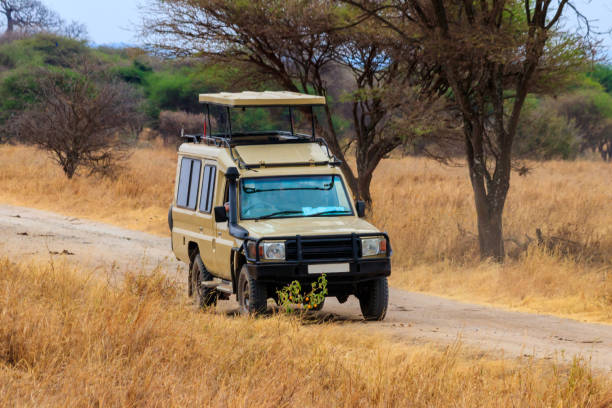
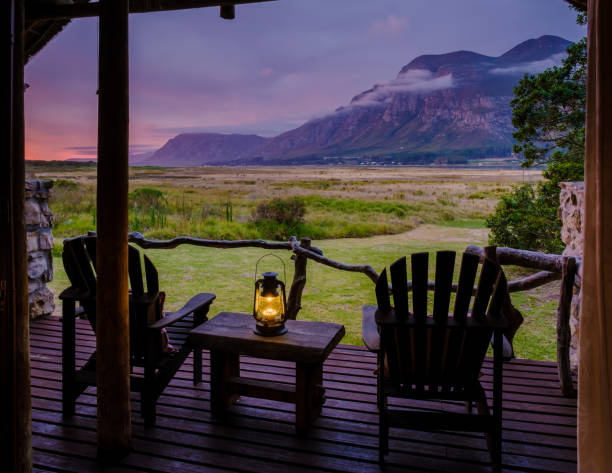
5-Day Conservation Volunteer: Park Ranger Support Program Tanzania
For travelers seeking a deeper connection with Tanzania’s incredible wildlife and a meaningful way to contribute to its preservation, a 5-Day Conservation Volunteer program focused on supporting park rangers offers a unique opportunity. This isn’t just a safari; it’s an active participation in safeguarding the natural heritage that makes Tanzania world-renowned. This guide provides an in-depth look at what such a program entails, from planning and preparation to the on-the-ground experience and the lasting impact you can make.
Quick Facts: 5-Day Conservation Volunteer Program
| Duration: | 5 Days / 4 Nights |
| Focus: | Direct support to park rangers in wildlife conservation and anti-poaching efforts. |
| Locations: | Various national parks and conservation areas in Tanzania (e.g., Serengeti, Ruaha, Selous/Nyerere, Tarangire). Specific location depends on program needs. |
| Activities: | Patrol support, data collection, habitat monitoring, community engagement, ranger training assistance, anti-poaching unit support. |
| Accommodation: | Often basic ranger outposts, field camps, or eco-lodges. |
| Best Time to Travel: | Dry seasons (June-October, December-February) generally offer easier access and better wildlife viewing, but conservation needs exist year-round. |
| Suitability: | Physically fit individuals, nature enthusiasts, aspiring conservationists, those seeking an authentic, hands-on experience. |
Table of Contents
- Program Overview
- Why Support Park Rangers?
- Best Time for Your Volunteer Trip
- Potential Program Locations & Areas
- Sample 5-Day Itinerary
- What to Expect on the Ground
- Typical Inclusions and Exclusions
- Packing Essentials & Preparation
- Common Mistakes to Avoid
- Who is This Program Best Suited For?
- Alternatives to a 5-Day Ranger Support Program
- Planning Your Trip for 2026-2027
- Booking Your Conservation Volunteer Experience
- Frequently Asked Questions
Program Overview: More Than Just a Holiday
A 5-Day Conservation Volunteer program in Tanzania is designed to immerse you directly into the critical work of protecting wildlife and their habitats. Unlike traditional safaris where you observe from a distance, this experience places you alongside dedicated park rangers, contributing to their daily operations. These programs are often run in partnership with conservation organizations or directly with national park authorities, ensuring your efforts are focused where they are most needed. The short duration makes it an accessible option for those with limited time who still wish to make a tangible contribution.
The core objective is to provide essential support that frees up rangers to focus on their primary duties, such as anti-poaching patrols, wildlife monitoring, and law enforcement. Your involvement, even for a few days, can significantly boost morale and operational capacity. You might assist with tasks like:
- Data Collection: Recording wildlife sightings, tracking animal movements, or documenting signs of human activity (like snares or illegal logging).
- Habitat Monitoring: Assessing the health of vegetation, identifying invasive species, or helping with reforestation efforts.
- Patrol Support: Accompanying rangers on patrols (depending on the program and location), assisting with logistics, or maintaining equipment.
- Community Outreach: Participating in educational activities to foster local support for conservation.
- Infrastructure Maintenance: Helping to maintain trails, ranger outposts, or water points for wildlife.
This program offers a raw, authentic, and deeply rewarding experience that goes beyond the typical tourist trail. It’s an opportunity to understand the challenges of conservation firsthand and to be part of the solution.
Why Supporting Park Rangers is Crucial
Tanzania is home to an astonishing array of wildlife and diverse ecosystems, from the vast plains of the Serengeti to the dense forests of Gombe. However, these natural treasures face significant threats:
- Poaching: The illegal hunting of animals for their ivory, skins, bushmeat, and traditional medicine remains a serious issue, threatening iconic species like elephants, rhinos, lions, and pangolins.
- Habitat Loss: Human population growth, agricultural expansion, and infrastructure development encroach upon wildlife habitats, fragmenting ecosystems and reducing available resources.
- Human-Wildlife Conflict: As human settlements expand, encounters between people and wildlife increase, often leading to crop damage, livestock predation, and retaliatory killings of animals.
- Limited Resources: Park rangers are often on the front lines, working in challenging conditions with limited funding, equipment, and personnel.
By participating in a 5-day conservation volunteer program, you directly contribute to alleviating some of these pressures. Your presence and assistance can:
- Enhance Patrol Capacity: Providing extra pairs of hands for reconnaissance and data gathering can extend the reach and effectiveness of ranger patrols.
- Boost Morale: Knowing that people from around the world care enough to volunteer their time and effort can be a significant morale booster for rangers facing daily dangers.
- Generate Awareness: Volunteers often become ambassadors for conservation, sharing their experiences and advocating for the protection of Tanzanian wildlife upon their return.
- Support Research: Assisting with data collection provides valuable information for wildlife management and research efforts.
- Facilitate Community Engagement: Volunteers can help build bridges between conservation authorities and local communities, fostering understanding and cooperation.
Your contribution, however small it may seem in a 5-day timeframe, is a valuable investment in the future of Tanzania’s wildlife.
Best Time for Your Volunteer Trip
The ideal time to visit Tanzania for a conservation volunteer program often aligns with the dry seasons, which typically offer more predictable weather and easier travel conditions. However, conservation work is vital year-round, and program availability may vary.
- June to October (Long Dry Season): This is often considered the prime time. Wildlife congregates around permanent water sources, making game viewing excellent. The landscape is drier, making it easier to traverse and conduct patrols. This period is also popular for general tourism, so some areas might be busier.
- December to February (Short Dry Season): Another favorable period, especially for the calving season in areas like the Serengeti. The weather is generally pleasant, though occasional short rains can occur.
- March to May (Long Rains): This season brings heavier rainfall, which can make some areas inaccessible and disrupt travel. However, it’s also a time of lush vegetation and fewer tourists. For conservation work focused on specific projects like habitat restoration or monitoring certain species, the rains might not be a deterrent and could even be beneficial.
- November (Short Rains): A transitional month, often with scattered showers. It can be a good time for birdwatching and offers fewer crowds.
Recommendation: While the dry seasons are generally preferred for ease of access and wildlife viewing, consult with your tour operator about the specific needs of the conservation project. Some initiatives might be more active or have greater needs during the wet seasons. For 2026 and 2027 planning, consider booking well in advance, especially if targeting the popular dry seasons.
Potential Program Locations & Areas
Tanzania boasts a vast network of protected areas, each with unique ecological significance and conservation challenges. A 5-Day Conservation Volunteer program will typically be situated in one of these key regions, often collaborating with the park’s management or dedicated conservation NGOs operating in the vicinity.
Illustrative Program Area Overview
While specific locations vary, typical areas for ranger support programs include:
- Serengeti National Park: Famous for the Great Migration, it requires constant monitoring for poaching, habitat management, and managing human-wildlife interactions along its borders.
- Ruaha National Park: Tanzania’s largest park, known for its large elephant and lion populations. It faces challenges related to vast distances, limited infrastructure, and poaching threats.
- Nyerere National Park (formerly Selous Game Reserve): A UNESCO World Heritage Site, this vast ecosystem is critical for elephants, wild dogs, and rhinos. Anti-poaching patrols are a major focus here.
- Tarangire National Park: Known for its large elephant herds and baobab trees. Conservation efforts might involve monitoring water sources, managing human-elephant conflict, and supporting patrols.
- Kilimanjaro National Park: While primarily a trekking destination, conservation efforts here focus on protecting the unique montane ecosystem, managing visitor impact, and preventing illegal activities on the mountain slopes.
- Conservation Corridors & Buffer Zones: Some programs may operate in areas outside the main parks, focusing on protecting wildlife movement corridors or working with communities adjacent to protected areas to reduce conflict and illegal activities.
The exact location for your 5-day volunteer placement will depend on the specific needs of the partner conservation authority or organization at the time of your booking and the program’s operational focus.
Sample 5-Day Itinerary: Park Ranger Support
This is a sample itinerary and can vary significantly based on the specific park, the ongoing conservation needs, and the program operator. It focuses on providing practical support to rangers.
Day 1: Arrival & Introduction to the Ranger Post
- Arrive at the designated meeting point (e.g., local airstrip or park entrance).
- Transfer to the ranger outpost or base camp.
- Meet the lead ranger and conservation team.
- Receive an orientation briefing on the area, current conservation challenges, safety protocols, and the week’s planned activities.
- Settle into your accommodation (often basic but functional).
- Assist with any immediate logistical needs or equipment checks.
- Evening: Debrief with rangers, learn about local wildlife and conservation issues.
Day 2: Patrol Support & Data Collection
- Early morning briefing.
- Accompany rangers on a patrol route (may involve vehicle or walking).
- Assist in tracking wildlife, noting species, numbers, and locations using GPS or field logs.
- Identify and record signs of illegal activity (snares, tracks, campsites).
- Learn about basic tracking and observation techniques from experienced rangers.
- Return to the outpost, help input collected data into logs or databases.
- Evening: Share observations and discuss findings with the ranger team.
Day 3: Habitat Monitoring & Community Engagement
- Morning: Focus on habitat assessment. This could involve checking water points, monitoring vegetation health, or identifying invasive species.
- Learn about the ecological importance of the area.
- Afternoon: If applicable, participate in a community outreach activity. This might involve visiting a local school to talk about conservation or assisting with a community project aimed at reducing human-wildlife conflict.
- Return to the outpost.
- Evening: Cultural exchange with rangers, sharing stories and experiences.
Day 4: Anti-Poaching Support & Infrastructure
- Focus on anti-poaching efforts. This could involve helping to clear or maintain known poaching trails, assisting with the dismantling of found snares (under strict supervision), or helping to maintain ranger equipment.
- Learn about the challenges rangers face in combating poaching syndicates.
- If time permits and needs arise, assist with minor infrastructure maintenance at the outpost (e.g., repairs, cleaning).
- Final debriefing session with the ranger team, discussing the week’s contributions and future conservation needs.
- Evening: Farewell gathering with the rangers.
Day 5: Departure
- Final breakfast at the outpost.
- Thank the ranger team for their hospitality and guidance.
- Transfer back to the designated departure point for your onward journey.
What to Expect on the Ground
A 5-Day Conservation Volunteer program is an immersive and often challenging experience. It’s crucial to have realistic expectations:
- Basic Accommodation: Expect simple living conditions. This often means shared rooms, basic amenities, and potentially limited electricity or running water. The focus is on functionality and supporting the rangers’ base, not luxury.
- Early Mornings & Long Days: Conservation work often starts before dawn and can involve long hours in the field, sometimes under challenging weather conditions.
- Physical Demands: You should be prepared for walking, hiking, and potentially rough terrain. A good level of fitness is essential.
- Limited Connectivity: Mobile phone signal and internet access are often scarce or non-existent in remote ranger outposts. Embrace the digital detox.
- Diet: Meals are typically hearty and prepared to sustain fieldwork. Expect local staples, often served communally. Dietary restrictions should be communicated well in advance.
- Close Interaction with Rangers: You’ll be working closely with dedicated individuals. Respect their knowledge, experience, and the serious nature of their work.
- Wildlife Encounters: While you are there to support conservation, you are still in wildlife areas. Adhere strictly to safety guidelines provided by the rangers regarding animal encounters.
- Weather: Be prepared for variable weather, from hot sun to potential rain, depending on the season and location.
- No Guarantees: While wildlife sightings are likely, the primary focus is conservation work, not wildlife viewing in the traditional safari sense.
This experience is about contribution and learning, not comfort. The rewards come from the knowledge that you’ve played a part in vital conservation efforts.
Typical Inclusions and Exclusions
Understanding what your program fee covers is essential for planning. While specific inclusions vary by operator, here’s a general guide:
General Inclusions
- Accommodation at the ranger post or designated camp.
- All meals during the program (breakfast, lunch, dinner).
- Purified drinking water.
- Activities and supervision by park rangers or conservation staff.
- Transportation to/from the designated meeting point to the project site.
- Contribution to the conservation project/park fees.
- Basic training and orientation.
General Exclusions
- International flights to and from Tanzania.
- Visa fees.
- Travel insurance (mandatory).
- Vaccinations and personal medical expenses.
- Personal expenses (souvenirs, extra snacks, alcoholic beverages).
- Tips for rangers and staff (often appreciated).
- Optional activities not part of the core program.
- Gratuities.
- Pre- or post-program accommodation and meals.
Always clarify the exact inclusions and exclusions with your chosen tour operator before booking.
Packing Essentials & Preparation
Proper preparation is key to a comfortable and effective volunteer experience. Pack smart and light.
Essential Packing List
- Clothing:
- Lightweight, breathable long-sleeved shirts (2-3) – for sun and insect protection.
- Lightweight, quick-drying trousers (2-3 pairs) – avoid jeans for fieldwork.
- T-shirts/polo shirts (3-4) – for casual wear and layering.
- Comfortable shorts (1-2 pairs) – for downtime.
- Warm fleece jacket or sweater – evenings can be cool.
- Waterproof and windproof jacket.
- Underwear and socks (plenty of moisture-wicking socks).
- Sleepwear.
- Footwear:
- Sturdy, broken-in hiking boots or trail shoes.
- Comfortable shoes or sandals for evenings/around camp.
- Gear:
- Backpack (day pack) for fieldwork.
- Durable duffel bag or backpack for main luggage (hard suitcases are difficult).
- Reusable water bottle (at least 1-2 liters).
- Headlamp or flashlight with extra batteries.
- Sunscreen (high SPF).
- Insect repellent (with DEET or Picaridin).
- Hat with a wide brim for sun protection.
- Sunglasses.
- Personal first-aid kit (band-aids, antiseptic wipes, pain relievers, blister treatment, any personal medications).
- Toiletries (biodegradable preferred): soap, shampoo, toothbrush, toothpaste, hand sanitizer.
- Quick-drying towel.
- Camera and extra batteries/memory cards (optional).
- Binoculars (optional, but highly recommended for wildlife viewing).
- Notebook and pen.
- Small padlock for luggage.
- Documents:
- Passport (valid for at least 6 months beyond your stay) and visa.
- Copies of passport, visa, and flight details (stored separately).
- Travel insurance details.
- Emergency contact information.
- Vaccination certificates (e.g., Yellow Fever if required).
Preparation Checklist:
- Consult Your Doctor: Discuss necessary vaccinations (Yellow Fever, Hepatitis A/B, Typhoid, Tetanus) and malaria prophylaxis well in advance of your travel dates for 2026-2027.
- Obtain Visa: Check Tanzanian visa requirements for your nationality and apply if necessary.
- Book Flights: Secure your international flights to Kilimanjaro International Airport (JRO) or another relevant entry point.
- Purchase Travel Insurance: Ensure your policy covers medical emergencies, evacuation, and trip cancellation.
- Physical Fitness: Engage in regular cardiovascular exercise and walking to prepare for the physical demands of fieldwork.
- Learn Basic Swahili Phrases: Knowing a few greetings and phrases can enhance your interaction with rangers and local communities.
- Research: Read about Tanzania’s conservation challenges and the specific areas you might be visiting.
- Pack Appropriately: Follow the packing list carefully. Remember that space might be limited, and laundry facilities may be basic or unavailable.
Common Mistakes to Avoid
To ensure your volunteer experience is positive and impactful, be aware of potential pitfalls:
- Expecting a Luxury Safari: This is a conservation program. Prioritize functionality and contribution over comfort.
- Underestimating Physical Demands: Arriving unprepared physically can lead to exhaustion and inability to participate fully.
- Lack of Respect: Show utmost respect for the rangers, their work, local customs, and the environment.
- Ignoring Safety Briefings: Always follow the instructions of the rangers regarding wildlife encounters, movement in the bush, and camp safety.
- Bringing Valuables: Avoid bringing expensive electronics, jewelry, or excessive cash. Keep essentials secure.
- Poor Packing Choices: Forgetting essential items like insect repellent, sunscreen, or appropriate clothing can make your stay uncomfortable.
- Not Communicating Needs: Inform your tour operator and the project leaders about any dietary requirements, medical conditions, or concerns well in advance.
- Assuming Roles: Understand that you are there to support, not to lead or make decisions. Follow the guidance of the experienced conservation team.
- Environmental Impact: Minimize your footprint. Avoid single-use plastics, conserve water, and dispose of waste responsibly.
- Focusing Only on Photos: While photos are great, remember the primary purpose is to contribute. Be present and engaged rather than constantly behind a lens.
Who is This Program Best Suited For?
A 5-Day Conservation Volunteer program supporting park rangers is ideal for individuals who:
- Are Passionate About Wildlife Conservation: You have a genuine desire to contribute to protecting endangered species and their habitats.
- Seek Authentic Experiences: You want to go beyond typical tourism and engage in meaningful, hands-on work.
- Are Physically Fit: You are comfortable with walking, hiking, and potentially working in outdoor conditions for extended periods.
- Are Adaptable and Resilient: You can handle basic living conditions, limited amenities, and unpredictable situations with a positive attitude.
- Are Independent and Team-Oriented: You can work effectively on your own initiative when needed but also function well as part of a team alongside rangers.
- Are Eager to Learn: You are keen to understand the complexities of conservation work, wildlife management, and the challenges faced by rangers.
- Have Limited Time: A 5-day commitment is perfect for those who cannot spare weeks or months but want to make a difference.
- Are Responsible Travelers: You understand the importance of minimizing your environmental impact and respecting local cultures and regulations.
This program is less suited for those seeking a luxury holiday, extensive game drives with expert commentary, or comfortable, predictable environments. It’s for the adventurous spirit ready to contribute practically.
Alternatives to a 5-Day Ranger Support Program
While the 5-Day Conservation Volunteer program is unique, other ways to engage with conservation in Tanzania exist, catering to different interests and timeframes:
- Longer Conservation Volunteering Projects: For those with more time (e.g., 2 weeks to several months), longer-term projects might involve more in-depth research, wildlife monitoring, community development, or habitat restoration.
- Wildlife Research Assistant Programs: These often require specific skills or academic backgrounds and involve assisting scientists with data collection for long-term studies.
- Ecotourism Safaris with a Conservation Focus: Choose safari operators who actively contribute to conservation through park fees, community initiatives, or employ anti-poaching rangers. Some lodges offer guided walks or talks by conservationists.
- Community-Based Tourism Projects: Engage with initiatives that directly benefit local communities involved in conservation, offering cultural exchange and supporting sustainable livelihoods.
- Citizen Science Projects: Participate in local initiatives that involve contributing observational data (e.g., bird counts, camera trap monitoring) if available.
- Donating to Conservation Organizations: If time is a constraint, direct financial contributions to reputable Tanzanian conservation NGOs are a powerful way to support ranger efforts and wildlife protection.
The 5-day ranger support program offers a direct, active, and intensive conservation experience that is hard to replicate in shorter durations.
Planning Your Trip for 2026-2027
Planning ahead is crucial for a successful and impactful 5-Day Conservation Volunteer experience, especially when looking at dates in 2026 and 2027. Early booking ensures availability and allows for thorough preparation.
- 12-18 Months Prior:
- Research reputable tour operators offering 5-Day Conservation Volunteer programs. Look for those with strong partnerships with park authorities and clear conservation ethics.
- Define your preferred travel dates, considering the best time to visit Tanzania (dry seasons generally June-Oct, Dec-Feb).
- Start saving for the program fees, flights, and other expenses.
- 9-12 Months Prior:
- Contact your chosen operator (like Top Guide Adventures) to inquire about program availability for 2026 or 2027. Discuss specific project needs and locations.
- Book your program and pay the deposit.
- Begin researching Tanzanian visa requirements for your nationality.
- 6-9 Months Prior:
- Book international flights to Tanzania.
- Start a fitness regimen to prepare for the physical demands.
- Begin researching necessary vaccinations and consult your doctor.
- 3-6 Months Prior:
- Obtain any required vaccinations.
- Apply for your Tanzanian visa if needed.
- Purchase comprehensive travel insurance, ensuring it covers volunteer activities and medical evacuation.
- Start compiling your packing list and begin purchasing gear.
- 1-3 Months Prior:
- Confirm all travel arrangements (flights, accommodation, program details).
- Break in your hiking boots.
- Learn a few basic Swahili phrases.
- Make copies of all important documents.
- 2-4 Weeks Prior:
- Finalize packing.
- Inform your bank of your travel dates.
- Charge all electronic devices and ensure you have spare batteries/memory cards.
By following this timeline for your 2026-2027 trip, you can ensure a well-organized and stress-free experience, allowing you to focus fully on your conservation efforts.
Booking Your Conservation Volunteer Experience
Choosing the right operator and understanding the booking process is vital for a successful 5-Day Conservation Volunteer program. Here’s how to approach it:
- Research Operators Thoroughly: Look for tour operators with a proven track record in organizing conservation and volunteer trips in Tanzania. Check for:
- Partnerships with official park authorities or reputable conservation NGOs.
- Clear mission statements and transparency about where your fees go.
- Positive reviews or testimonials focusing on the volunteer experience and conservation impact.
- Experienced staff who can answer detailed questions about the program.
- Contact Potential Operators: Reach out to your shortlisted companies. Ask specific questions about:
- The exact location and nature of the conservation work.
- The daily schedule and physical demands.
- Accommodation and meal arrangements.
- Ranger involvement and supervision.
- Safety protocols and emergency procedures.
- What portion of your fee directly supports conservation efforts.
- Understand the Contract: Read the terms and conditions carefully before signing. Pay attention to cancellation policies, payment schedules, and liability clauses.
- Payment: Most operators require a deposit upon booking, with the balance due a few months before departure. Ensure secure payment methods are available.
- Communication is Key: Maintain open communication with your operator throughout the planning process. They are your primary resource for information and support.
For a reliable and impactful 5-Day Conservation Volunteer experience in Tanzania, consider contacting **Top Guide Adventures**. They can help tailor an experience that aligns with conservation needs and your interests.
Get in touch with Top Guide Adventures:
- WhatsApp: +255616946642
- Email: topguideadventures@gmail.com
- Backup Email: info@topguideadventures.com
They are experienced in organizing authentic Tanzanian adventures and can guide you through the specifics of a conservation volunteer placement, ensuring your 2026 or 2027 trip is both memorable and meaningful.
Frequently Asked Questions
What is the main goal of a 5-Day Conservation Volunteer program?
The primary goal is to provide direct, practical support to park rangers in their daily conservation efforts, such as wildlife monitoring, data collection, habitat assessment, and anti-poaching initiatives, within a concentrated 5-day period.
Do I need prior experience in conservation to join?
No, prior experience is generally not required. These programs are designed for passionate individuals willing to learn and contribute. Enthusiasm, a willingness to work hard, and physical fitness are more important than specific skills.
What kind of physical fitness is required?
A moderate level of fitness is necessary. You should be able to walk for several hours, potentially on uneven terrain, and be comfortable working outdoors in varying weather conditions. Activities might include accompanying rangers on patrols, which can involve hiking.
What are the accommodation and living conditions like?
Accommodation is typically basic, often at ranger outposts or field camps. Expect simple rooms, shared facilities, and limited amenities like electricity or running water. The focus is on practicality and supporting the rangers’ operational environment.
Can I choose the specific park or conservation project?
While you can express preferences, the exact location and project focus often depend on the most pressing conservation needs at the time of your visit and the operator’s partnerships. Operators like Top Guide Adventures can discuss options based on current requirements for 2026-2027.
Is it safe to participate in this program?
Safety is a top priority. Reputable operators work closely with park authorities, and you will be under the guidance of experienced rangers. Strict safety protocols are in place, especially regarding wildlife encounters and fieldwork. Always follow ranger instructions.
What should I do about malaria and other health precautions?
Consult your doctor or a travel clinic 4-6 weeks before your trip for advice on malaria prophylaxis, recommended vaccinations (e.g., Yellow Fever, Hepatitis A/B), and any other health precautions for Tanzania. Pack a personal first-aid kit.
What is the typical group size for these programs?
Group sizes can vary, but they are often small to minimize disruption and maximize the impact of each volunteer. A small group ensures more personalized attention and better integration with the ranger team.
How much of my fee goes directly to conservation?
This varies by operator. Transparent organizations will clearly outline how your fees are allocated, often stating a specific percentage or amount that directly funds conservation projects, ranger support, or park fees. Inquire about this when booking.
What happens if I need to cancel my trip for 2026 or 2027?
Cancellation policies differ between operators. Review the terms and conditions carefully before booking. Travel insurance with a cancellation cover is highly recommended to protect your investment.
Make a Difference: Your 5-Day Conservation Volunteer Journey
A 5-Day Conservation Volunteer program supporting park rangers in Tanzania offers an unparalleled opportunity to contribute directly to the preservation of one of the world’s most vital wildlife strongholds. It’s a chance to step outside your comfort zone, learn from dedicated professionals, and witness the realities of conservation firsthand.
If you are ready to dedicate five days to making a tangible impact, supporting the brave men and women who protect Tanzania’s natural heritage, then this program is for you. Whether you’re planning for 2026 or 2027, the need for conservation support is constant.
Ready to plan your impactful volunteer experience? Contact Top Guide Adventures today to learn more about available 5-Day Conservation Volunteer opportunities and how you can contribute to critical park ranger support efforts.
WhatsApp: +255616946642
Email: topguideadventures@gmail.com
Backup Email: info@topguideadventures.com
Plan your 5-Day Conservation Volunteer — Park Ranger Support Program with Top Guide Adventures
Tell us your travel dates, group size, comfort level, and dream experience. We will help you shape a clear, realistic, and memorable Tanzania itinerary.







 Veedesigner
 Fatma Kizanga
 Benjamin Waryuba
 Philip Philip
 John jr Itaja
 Antonia Optatus
 Edith Kanyere
 Neema Iddy
 Kelvin Boniphace
 Damari Maiga



