
A 5-day Eastern Serengeti photography expedition is designed for photographers seeking to capture the unique light, vast landscapes, and abundant wildlife of this iconic region, focusing on areas like the Moru Kopjes and Seronera Valley for exceptional photographic opportunities. This intensive trip prioritizes wildlife encounters and prime shooting conditions, typically involving early morning and late afternoon game drives tailored to photographic needs, with expert guides assisting in wildlife tracking and optimal shot composition.
Mastering the Eastern Serengeti: A Photographer’s 5-Day Expedition
The Eastern Serengeti, often overshadowed by the more frequented central and western corridors, presents a distinct and rewarding photographic canvas. Known for its dramatic kopjes (rocky outcrops), diverse habitats, and resident wildlife populations, it offers a more intimate safari experience. This 5-day expedition is meticulously crafted for photographers aiming to bring home magazine-worthy images. We focus on maximizing your time with wildlife, understanding animal behavior, and leveraging the incredible light that Tanzania offers, especially during the golden hours of dawn and dusk. Whether you are a seasoned professional or an enthusiastic amateur, this itinerary is built to enhance your photographic journey in one of Africa’s most celebrated wildlife sanctuaries.
For 2026 and 2027, the Eastern Serengeti continues to be a prime destination for wildlife photography, particularly for those interested in elusive species and dramatic landscapes. Understanding the best times to visit, the specific photographic advantages of the eastern sector, and how to plan your gear and approach are crucial for success. This expedition aims to provide precisely that expertise.
Why Choose the Eastern Serengeti for Photography?
While the Great Migration often draws crowds to the central and western Serengeti, the eastern sector offers a different, yet equally compelling, photographic narrative. Here’s why it stands out:
- Unique Kopjes Landscapes: The iconic granite kopjes, such as the Moru Kopjes, provide stunning backdrops for wildlife. Lions, leopards, and cheetahs frequently use these formations for vantage points or shelter, offering dramatic compositional opportunities.
- Resident Wildlife Abundance: Unlike areas heavily influenced by migration timing, the Eastern Serengeti boasts a strong resident population of lions, leopards, elephants, giraffes, and a variety of plains game year-round. This reliability is a photographer’s dream.
- Seronera Valley’s Predators: The Seronera Valley, often considered the heart of the Serengeti, extends into the eastern regions. It is renowned for its high concentration of predators, including leopards, lions, and cheetahs, often seen in open grasslands and along riverine areas, making for dynamic action shots.
- Less Crowded Experience: While popular, the Eastern Serengeti generally sees fewer vehicles than the central areas, especially outside peak migration months. This allows for more unhurried photographic opportunities and a greater sense of wilderness.
- Exceptional Light: The vast, open plains of the Serengeti are bathed in spectacular light, particularly during sunrise and sunset. The Eastern Serengeti’s landscapes are perfectly suited to capture this golden hour magic, creating silhouettes, warm tones, and dramatic shadows.
Your 5-Day Eastern Serengeti Photography Expedition: A Detailed Itinerary
This 5-day itinerary is designed to maximize photographic opportunities. We will base ourselves strategically to access the best wildlife viewing and photographic locations within the Eastern Serengeti, focusing on early morning and late afternoon drives when the light is most dramatic and animals are most active.
Day 1: Arrival in the Serengeti & Moru Kopjes Exploration
Upon arrival at Seronera Airstrip (SEU), you’ll be met by your expert photographer-guide and a specialized photography vehicle. After a brief orientation, we’ll head towards the Moru Kopjes area. This region is famous for its large lion prides, elusive leopards often found resting on the kopjes, and the unique black rhino population. We’ll spend the afternoon exploring the kopjes, looking for wildlife interactions and capturing the dramatic rock formations against the vast plains.
- Morning: Arrive at Seronera Airstrip, meet your guide.
- Afternoon: Game drive and photography session around Moru Kopjes. Focus on lions, leopards, and rhino.
- Evening: Check into your lodge/camp, review photos, and prepare for the next day.
Accommodation Note: Depending on your preference and budget for 2026-2027, we can arrange stays in luxury tented camps or comfortable lodges strategically located near prime photography zones.
Day 2: Dawn Patrol & Leopard Tracking in the Eastern Plains
An early start is essential for photographers. We’ll depart before dawn to catch the sunrise painting the sky and illuminating the plains. This is prime time for predator activity. We’ll focus on areas known for leopard sightings, often found draped over acacia branches or hunting in the tall grass. Your guide will use their knowledge to track these magnificent cats and position the vehicle for optimal shots. We’ll also look for cheetahs on the hunt and herds of gazelles and zebras.
- Morning: Sunrise game drive, focusing on predator activity and leopard tracking.
- Midday: Return to camp for lunch and a break.
- Afternoon: Further exploration of the eastern plains, seeking out giraffes, elephants, and birdlife.
Photography Tip: Use a telephoto lens with a fast aperture (f/2.8 or f/4) for low-light conditions and to isolate subjects against the expansive backgrounds.
Day 3: Seronera Valley Predators & Riverine Life
Today, we dedicate our time to the Seronera Valley, the Serengeti’s predator capital. This area offers incredible opportunities to photograph lions interacting, cheetahs scanning the horizon, and leopards lounging in trees along the riverbanks. We’ll spend ample time observing and photographing wildlife behavior, aiming for intimate portraits and action shots. The Seronera River also attracts a variety of birdlife and other animals coming to drink, providing diverse photographic subjects.
- Morning: Full-day game drive in the Seronera Valley, concentrating on predator photography.
- Lunch: Picnic lunch in a scenic spot within the park.
- Afternoon: Continue photographing lions, leopards, cheetahs, and associated plains game.
Gear Recommendation: A versatile zoom lens (e.g., 70-200mm or 100-400mm) is invaluable for capturing both close-up details and wider scenes in the Seronera Valley.
Day 4: Exploring the Maasai Kopjes & Sunset Spectacle
We venture towards the Maasai Kopjes, another iconic landscape feature in the Eastern Serengeti. These large rock formations are often inhabited by lions and cheetahs, providing excellent opportunities for dramatic wildlife portraits with a striking natural frame. We’ll also seek out herds of wildebeest and zebras grazing in the surrounding grasslands. As the day draws to a close, we’ll find a strategic location to witness and photograph the Serengeti sunset, a truly unforgettable spectacle.
- Morning: Game drive and photography around the Maasai Kopjes.
- Afternoon: Focus on capturing the Serengeti sunset, potentially from a scenic viewpoint.
- Evening: Return to camp, discuss the day’s photographic successes.
Composition Tip: Use the kopjes as leading lines or framing elements in your photographs to add depth and context to your wildlife shots.
Day 5: Final Morning Drive & Departure
On your final morning, we’ll start one last game drive, perhaps revisiting a favorite spot or exploring a new area based on recent wildlife movements. This is your chance to capture any specific shots you might have missed or to get a final memorable encounter. After the drive, we’ll head back to Seronera Airstrip for your onward journey, filled with incredible photographic memories.
- Morning: Final game drive and photography session.
- Late Morning: Transfer to Seronera Airstrip for departure.
Photography-Specific Vehicle and Guide Expertise
To truly excel on a photographic expedition, the right tools and knowledge are paramount. Top Guide Adventures provides vehicles and guides specifically tailored for photographers.
Specialized Photography Vehicles
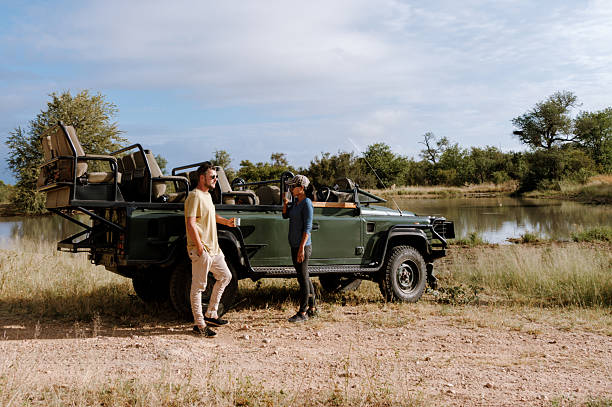
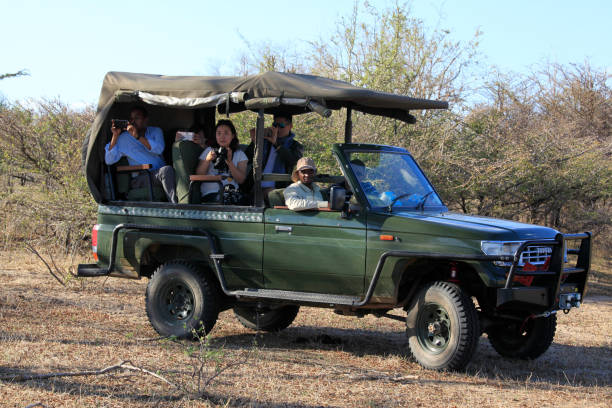
Our safari vehicles are equipped with features crucial for photographers:
- Pop-up Roofs: Offering unobstructed 360-degree views and stable platforms for shooting.
- Lowered Side Panels: Allowing for lower angles and more dynamic perspectives, especially when shooting from a seated position.
- Bean Bags: Essential for stabilizing long lenses and ensuring sharp images, particularly during bumpy game drives.
- Power Outlets/USB Ports: To keep your camera batteries and devices charged throughout the day.
- Comfortable Seating: With ample legroom, ensuring comfort during long hours in the field.
Expert Photographer Guides
Our guides are not just experienced drivers; they are passionate about wildlife and photography. They understand:
- Animal Behavior: Predicting movements, identifying hunting patterns, and understanding social interactions to position you for the best shots.
- Optimal Light: Knowing the best times of day and locations to capture the dramatic Serengeti light.
- Photographic Composition: Offering advice on framing, backgrounds, and subject placement.
- Camera Settings: Providing practical tips on adapting settings to changing light and wildlife action.
- Wildlife Tracking: Utilizing their extensive knowledge of the park to find both common and rare species.
Planning Your 5-Day Eastern Serengeti Photography Expedition for 2026-2027
Successful wildlife photography in the Serengeti requires careful planning. Here are key considerations for your 2026-2027 trip.
Best Time to Visit for Photography
While the Serengeti is a year-round destination, certain periods offer distinct photographic advantages:
- Dry Season (June to October): This is generally considered the peak season. Animals congregate around water sources, making them easier to spot. The dry, golden grass provides beautiful landscapes, and the skies are often clear. However, it can be busier, and the grass can sometimes obscure smaller animals.
- Shoulder Seasons (Late May, Early November): These periods can offer a good balance of wildlife viewing, fewer crowds, and potentially lower prices. The landscape is transitioning, offering varied photographic opportunities.
- Green Season (December to March): This is the calving season for wildebeest and zebras, offering incredible opportunities to photograph newborns and predator-prey interactions. The landscape is lush and green, providing a vibrant backdrop. Birdlife is also at its peak. However, rain can impact game drives.
For the Eastern Serengeti specifically, focusing on resident predators and kopje-based wildlife means good photographic opportunities exist year-round, though the dry season often provides the clearest light and easiest tracking.
Essential Photography Gear Checklist
Packing the right equipment is crucial for maximizing your photographic success. Consider the following:
- Camera Bodies: At least one DSLR or mirrorless camera with good low-light performance. A backup body is highly recommended.
- Lenses:
- Telephoto Zoom: 100-400mm, 150-600mm, or similar is essential for wildlife.
- Mid-Range Zoom: 70-200mm f/2.8 is versatile for portraits and wider environmental shots.
- Wide-Angle Lens: For landscapes and capturing the vastness of the Serengeti.
- Tripod/Monopod: While difficult to use in vehicles, a monopod can be helpful. Bean bags are provided.
- Memory Cards: Plenty of high-speed cards (e.g., 64GB, 128GB).
- Batteries: Multiple fully charged batteries and a charger. Consider a portable power bank.
- Cleaning Kit: Lens cloths, blower, brush for dust.
- Rain Cover: For camera and lenses, especially during the green season.
- Laptop/Tablet: For reviewing and backing up photos.
- Optional: Teleconverters (1.4x or 2x) to extend lens reach.
What to Expect from Your Expedition
Our 5-day expedition is more than just a safari; it’s a photographic journey:
- Early Mornings & Late Evenings: We prioritize the golden hours for the best light and animal activity.
- Dedicated Photography Vehicle: Equipped for comfort and optimal shooting.
- Expert Guides: With specialized knowledge of wildlife and photographic opportunities.
- Flexible Itinerary: We adapt to wildlife movements and photographic opportunities.
- Small Group Size: Typically a maximum of 4-6 photographers per vehicle to ensure everyone has space and an unobstructed view.
Costs and Inclusions for Your 5-Day Eastern Serengeti Photography Expedition
Understanding the costs involved is vital for planning your 2026-2027 adventure. While exact pricing depends on accommodation choices, group size, and specific customization, here’s a general breakdown of what influences the cost and what is typically included.
Factors Influencing Expedition Cost
- Accommodation Level: Luxury lodges, mid-range camps, or budget-friendly options significantly impact the overall price.
- Vehicle Type: A dedicated photography vehicle with specialized features may incur a slight premium.
- Seasonality: Peak season (June-October) generally sees higher prices than the green season (December-March).
- Number of Participants: Private expeditions will be more expensive per person than shared group departures.
- Inclusions: The extent of meals, drinks, park fees, and activities covered.
Typical Inclusions
A standard 5-day Eastern Serengeti Photography Expedition with Top Guide Adventures typically includes:
- Accommodation: 4 nights in selected lodges or tented camps.
- Meals: All meals (breakfast, lunch, dinner) as specified in the itinerary.
- Park Fees: All Serengeti National Park entrance fees.
- Game Drives: Daily game drives in a customized 4×4 photography safari vehicle.
- Expert Guide: Services of a professional, English-speaking photography guide.
- Transfers: Return airstrip transfers from Seronera Airstrip (SEU).
- Water: Bottled drinking water during game drives.
- Government Taxes: Applicable taxes and levies.
Typical Exclusions
It’s important to be aware of what is usually not included:
- International Flights: Flights to and from Kilimanjaro International Airport (JRO) or your arrival point.
- Internal Flights: Flights between Kilimanjaro (JRO) and Seronera Airstrip (SEU).
- Visa Fees: Cost of Tanzanian visa.
- Travel Insurance: Comprehensive travel and medical insurance.
- Gratuities: Tips for guides, camp staff, and drivers.
- Personal Expenses: Drinks (alcoholic and non-alcoholic unless specified), laundry, souvenirs, etc.
- Optional Activities: Hot air balloon safaris (highly recommended for aerial photography).
For a personalized quote for your 2026 or 2027 5-day Eastern Serengeti Photography Expedition, please contact us directly. We can tailor the trip to your specific needs and budget.
Estimated Expedition Cost Range (Per Person)
Based on 2025-2026 planning:
- Mid-Range: Approximately $2,500 – $3,500 USD per person (sharing, based on 4-6 participants, comfortable tented camps).
- Luxury: Approximately $3,800 – $5,500+ USD per person (sharing, based on 4-6 participants, high-end lodges and camps).
Note: These are indicative prices for 2026-2027. Actual costs will be provided upon request and depend on specific dates and choices.
Capturing the Magic: Advanced Photography Tips for the Serengeti
Beyond the itinerary and gear, understanding the nuances of wildlife photography in the Serengeti can elevate your images. Here are some advanced tips:
Working with Light
The Serengeti’s light is legendary. Embrace it:
- Golden Hours: Always prioritize shooting during the first hour after sunrise and the last hour before sunset. The low angle of the sun creates warm tones, long shadows, and dramatic rim lighting.
- Backlighting: Don’t shy away from shooting with the sun behind your subject. This can create beautiful silhouettes or halo effects, especially with animals like giraffes or elephants against the sky.
- Blue Hour: The period just before sunrise and after sunset offers soft, diffused light, ideal for atmospheric shots, especially with dramatic skies.
- Midday Harshness: While challenging, midday light can be used creatively. Look for animals seeking shade, or use it for high-contrast shots. Shooting in the shade of a tree can soften the light.
Focusing on Behavior and Storytelling
Great wildlife photos are not just about the animal; they are about its story:
- Patience is Key: Spend time observing. Wait for interactions, feeding, grooming, or playful moments. These often make the most compelling images.
- Environmental Portraits: Include the landscape in your shots to give context to the animal’s habitat. Use a wider aperture or a wider lens to show the vastness of the Serengeti.
- Action Shots: Look for hunting sequences, chases, or social interactions. A fast shutter speed (1/1000s or higher) is crucial here.
- Details: Capture the texture of fur, the intensity of an animal’s gaze, or the delicate details of birds.
Camera Settings for Wildlife
While conditions vary, these settings are a good starting point:
- Shutter Speed: For static animals, 1/250s to 1/500s is often sufficient. For action (birds in flight, predators hunting), aim for 1/1000s or faster. Use your camera’s continuous shooting mode (burst mode).
- Aperture: For isolating subjects and creating bokeh, use your lens’s widest aperture (e.g., f/2.8, f/4). For landscapes with wildlife, stop down to f/8 or f/11.
- ISO: Keep ISO as low as possible for the best image quality. However, don’t be afraid to increase it (e.g., to 800, 1600, or even 3200 on modern cameras) when necessary to achieve a fast enough shutter speed in low light.
- Focus Mode: Use continuous autofocus (AI Servo on Canon, AF-C on Nikon/Sony) and a single focus point or dynamic area focus for tracking moving subjects.
Working with Your Guide
Your guide is your most valuable asset:
- Communicate Your Needs: Let your guide know what you want to photograph – a specific animal, a particular type of shot (e.g., low angle, silhouette).
- Ask Questions: Learn about the animals and their behavior. This knowledge enhances your photographic opportunities.
- Respect Their Expertise: Guides have invaluable experience. Listen to their advice on positioning and timing.
Beyond the 5 Days: Enhancing Your Serengeti Experience
While a 5-day expedition provides a focused photographic experience, consider these additions for an even richer adventure in 2026-2027.
Hot Air Balloon Safari
A sunrise hot air balloon safari over the Serengeti is an unforgettable experience and offers unparalleled photographic perspectives. Floating silently above the plains as the sun rises, you’ll witness herds from a unique aerial vantage point, capturing vast landscapes and wildlife patterns that are impossible to see from the ground. This is a premium experience, often booked in advance, and is highly recommended for photographers seeking unique shots.
Combining with Other Regions
For longer trips, consider combining the Eastern Serengeti with other iconic Tanzanian destinations:
- Ngorongoro Conservation Area: Famous for its caldera teeming with wildlife, offering different photographic subjects and landscapes.
- Tarangire National Park: Known for its large elephant herds and baobab trees, especially scenic during the dry season.
- Zanzibar: For a relaxing end to your safari, offering beautiful beaches, historical Stone Town, and cultural experiences.
Extending Your Stay
If your schedule allows, extending your time in the Serengeti, perhaps by adding a day or two to explore different sectors or revisit areas of particular photographic interest, can yield even more remarkable results. A 7-day or 10-day safari allows for a more relaxed pace and deeper exploration.
Booking Your 2026-2027 Eastern Serengeti Photography Expedition
Planning a photography expedition requires attention to detail, and Top Guide Adventures is here to ensure your trip is a resounding success. We specialize in creating bespoke safari experiences that cater to the unique needs of photographers, from vehicle selection to guide expertise.
We understand the importance of capturing the perfect shot and the specific requirements that photographers have. Our team is dedicated to providing you with an exceptional journey through the Eastern Serengeti, ensuring you have the best possible conditions and support to create stunning images. Whether you’re aiming for award-winning wildlife shots or simply wish to document your incredible African adventure with high-quality photographs, we are equipped to help you achieve your goals.
To discuss your 5-Day Eastern Serengeti Photography Expedition for 2026 or 2027, or to receive a personalized itinerary and quote, please reach out to our expert team. You can contact us via WhatsApp at +255616946642, email us at topguideadventures@gmail.com, or use our backup email info@topguideadventures.com. Let us help you plan the photographic adventure of a lifetime!
Check Availability for 5-Day Eastern Serengeti Photography Expedition: Your Ultimate Guide…
Ready to compare dates, prices, and the best option for your group? Send the package name and travel month so the team can reply with a clear quote, availability, and what is included.
6-Day Nyerere Safari And Zanzibar Holiday: Your Ultimate Tanzania Adventure
Discover the perfect blend of adventure and relaxation with a 6-day Nyerere Safari and Zanzibar holiday. Explore the vast wilderness of Nyerere National Park, renowned for its large...
View package details
6-Day Southern Tanzania Wildlife Safari With Top Guide Adventures 2026-2027
Discover the wild heart of Tanzania on a 6-day Southern Tanzania wildlife safari. This itinerary highlights the unique ecosystems and abundant wildlife of Selous Game Reserve and Ruaha...
View package details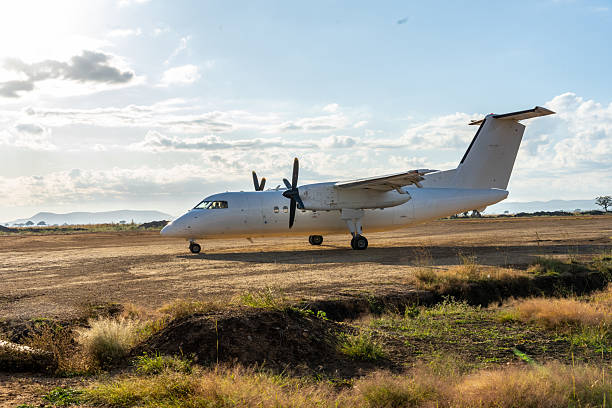
6-Day Nyerere And Ruaha Safari Guide
Discover the untamed beauty of Southern Tanzania with a 6-day safari combining the vast wilderness of Nyerere National Park (formerly Selous) and the dramatic landscapes of Ruaha National...
View package details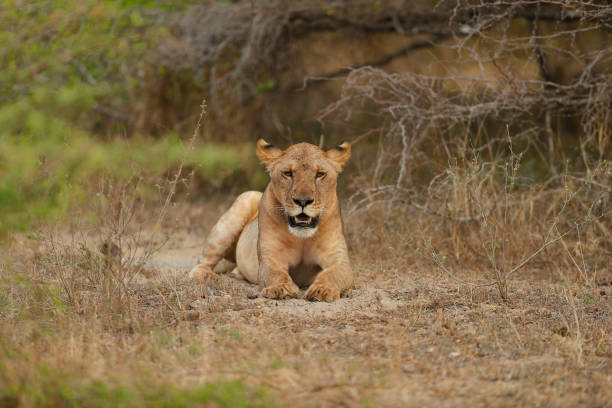
6-Day Selous, Mikumi & Udzungwa Safari: Southern Tanzanias Wildlife Trio
Discover the untamed beauty of Southern Tanzania on a 6-day safari adventure. This journey takes you through the vast Selous Game Reserve, the wildlife-rich Mikumi National Park, and the...
View package details
6-Day Nyerere And Mikumi Safari Guide
Discover the untamed beauty of Southern Tanzania on a 6-day safari adventure through Nyerere National Park (formerly Selous Game Reserve) and Mikumi National Park. This itinerary offers a...
View package details
5-Day Mikumi, Nyerere And Zanzibar Safari Package With Top Guide Adventures
Combine the thrilling wildlife encounters of Mikumi and Nyerere National Parks with the tropical allure of Zanzibar on this unforgettable 5-day safari package. This itinerary offers a...
View package details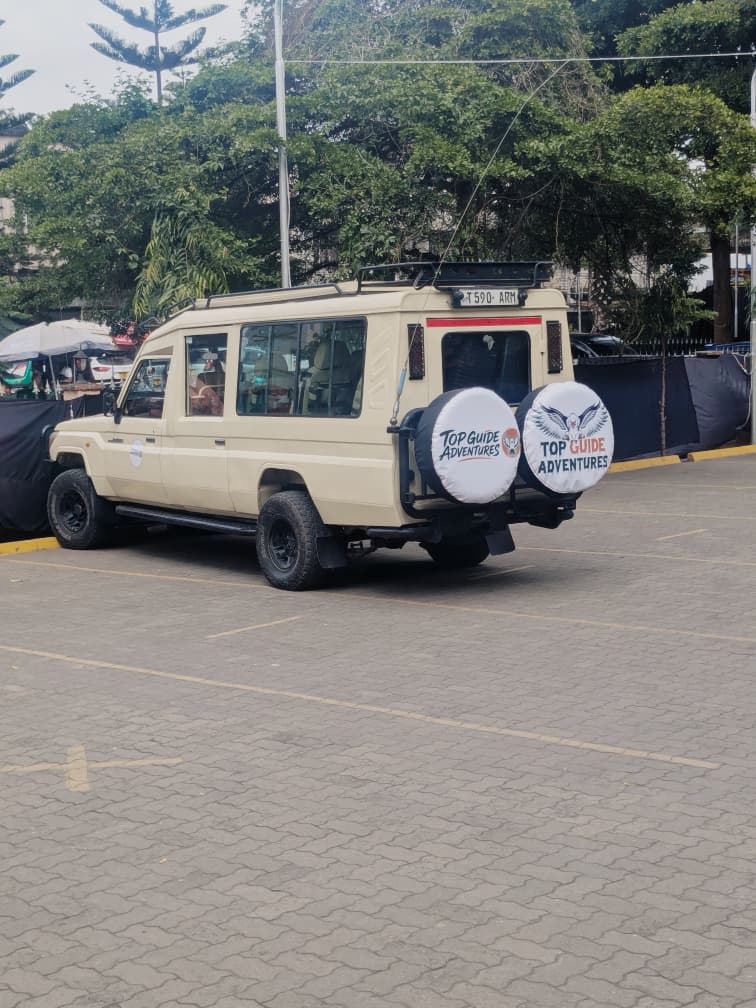
6-Day Nyerere, Mikumi, And Udzungwa Safari: Your Southern Tanzania Adventure
Explore the wild heart of Southern Tanzania on a 6-day safari adventure. This journey combines the vast wilderness of Nyerere National Park (formerly Selous), the abundant wildlife of...
View package details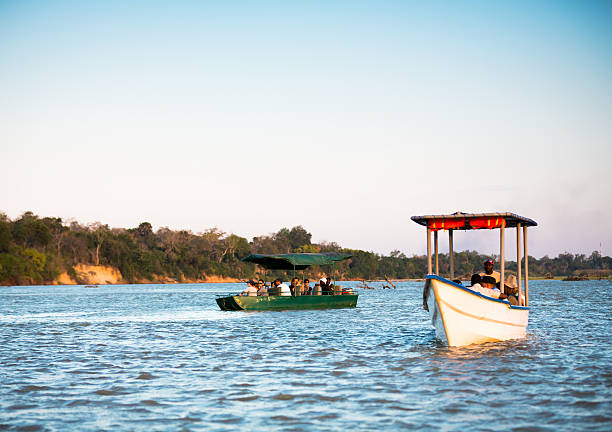
5-Day Southern Tanzania Group Joining Safari: Your Ultimate Adventure
Discover the wild heart of Southern Tanzania on a 5-day group joining safari. This adventure offers incredible wildlife viewing in Selous Game Reserve and Ruaha National Park, perfect for...
View package details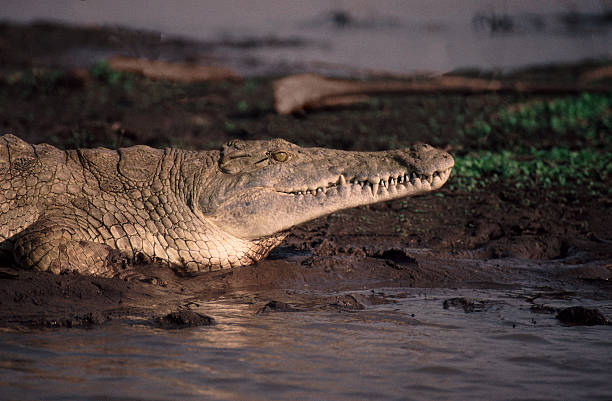
5-Day Private Nyerere And Mikumi Safari With Top Guide Adventures 2026-2027
start an unforgettable 5-day private safari adventure through Tanzania's Nyerere National Park (formerly Selous) and Mikumi National Park. This itinerary focuses on maximizing wildlife...
View package details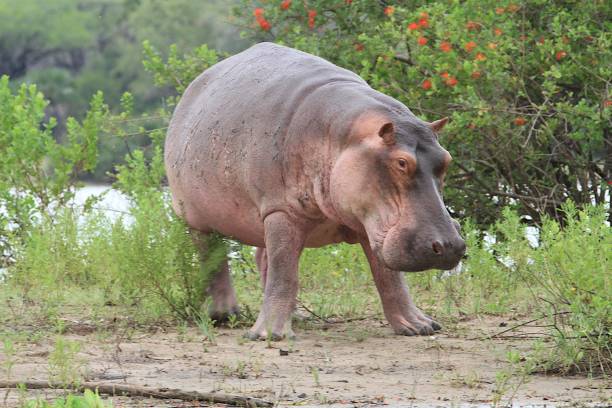
4-Day Luxury Nyerere Safari With Rufiji Boat Your Ultimate Itinerary 2026-2027
Discover the magic of a 4-day luxury safari in Nyerere National Park, famed for its Rufiji River boat safaris. This itinerary offers unparalleled wildlife viewing and unique aquatic...
View package details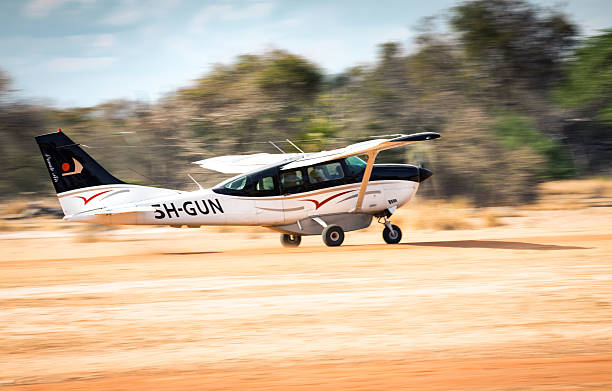
6-Day Nyerere And Mikumi Southern Tanzania Safari With Top Guide Adventures
This 6-day safari adventure takes you through Southern Tanzania's Nyerere National Park (formerly Selous) and Mikumi National Park. Expect incredible wildlife viewing, unique activities...
View package details
5-Day Selous, Mikumi & Udzungwa Safari: Your Ultimate Southern Tanzania
Plan your 5-day safari adventure covering Selous, Mikumi, and Udzungwa National Parks in Southern Tanzania. This itinerary offers a rich blend of game drives, walking safaris, and unique...
View package detailsNo related package matches those filters. Clear one or more filters to see the other topic-matched options.



