
Updated planning guide for 2026-2027
5-Day Low-Season Discount Safari — Great Value: Best Guide 2026-2027
Discover the best of Tanzania on a budget with our comprehensive guide to a 5-day low-season discount safari. Learn how to maximize your experience and savings in 2026-2027.
WhatsApp +255616946642 | topguideadventures@gmail.com | info@topguideadventures.com

Why Choose a 5-Day Low-Season Discount Safari?
Tanzania is a premier safari destination, renowned for its vast plains, abundant wildlife, and iconic landscapes like the Serengeti and Ngorongoro Crater. While many dream of experiencing this African jewel, the perceived cost can be a barrier. However, savvy travelers know that planning a safari during the low season offers a fantastic opportunity for significant savings without compromising the core safari experience. A 5-day low-season discount safari is an excellent way to witness the magic of Tanzania, from the great migration to diverse predator-prey interactions, all while making your travel budget work harder for you in 2026-2027.
This guide is designed to help you understand the benefits, logistics, and planning involved in securing a great value 5-day low-season discount safari. We’ll cover everything from choosing the right parks and when to go, to what to pack and how to book the best deals.
| Aspect | Details |
|---|---|
| Duration | Typically 5 days / 4 nights |
| Focus | Wildlife viewing, landscape exploration |
| Key Benefit | Significant cost savings compared to peak season |
| Low Season Months | Generally March, April, May, November |
| Potential Parks | Serengeti, Ngorongoro, Tarangire, Lake Manyara |
| Accommodation | Lodges, tented camps (often with seasonal discounts) |
| Travelers | Budget-conscious individuals, couples, families, small groups |
| Best For | Experiencing nature, photography, learning about ecosystems |
Understanding Tanzania’s Safari Seasons
Tanzania experiences distinct seasons, each offering a different perspective on its wildlife and landscapes. Understanding these seasons is crucial for planning a discount safari.
Peak Season (Dry Season): June to October, December to February
This is when the weather is typically dry and sunny, making game viewing easier as animals congregate around water sources. It’s also when the Great Migration river crossings in the Serengeti often occur (July-September). However, this is also the most expensive time to travel due to high demand. Accommodation is fully booked well in advance, and prices for flights, lodges, and tours are at their highest.
Shoulder Season: Late May, early June, October, early November
These months can offer a good balance. The weather is transitioning, and you might catch fewer crowds and slightly lower prices than peak season, but without the heavy rains of the low season.
Low Season (Green Season/Rainy Season): March, April, May, November
The low season, particularly April and May, coincides with the ‘long rains’. While this might deter some travelers, it presents a unique opportunity for those seeking a 5-day low-season discount safari. The landscape becomes lush and green, offering stunning photographic backdrops. Birdlife is abundant, and newborn animals are often seen. The biggest advantage is the significant reduction in prices for accommodation and sometimes even park fees or tour packages. You’ll encounter fewer tourists, leading to a more intimate wildlife viewing experience. November can be a mixed bag, with short rains in some areas but still offering good value.
The Allure of a 5-Day Low-Season Discount Safari
Opting for a 5-day low-season discount safari in Tanzania is a strategic choice for several compelling reasons:
- Cost Savings: This is the primary driver. Accommodation providers, lodges, and tour operators frequently offer reduced rates during the low season to maintain occupancy. This means you can potentially afford higher-quality lodging or extend your safari slightly for the same budget as a shorter peak-season trip.
- Fewer Crowds: Imagine having a prime viewing spot at a waterhole or a stunning vista all to yourself, or sharing it with only a handful of other vehicles. The low season offers a more serene and authentic safari experience, allowing for better photo opportunities and a deeper connection with nature.
- Lush Landscapes: The rains transform the dry savanna into a vibrant, green paradise. This is particularly beautiful for photography and provides a stunning contrast to the wildlife.
- Abundant Birdlife: Migratory birds are present, and resident birds are often in breeding plumage. The lush vegetation also means more insects, supporting a thriving bird population.
- Newborn Animals: The green season often coincides with the birthing season for many herbivores. Witnessing wobbly-legged calves and playful young animals adds a special charm to your safari.
- More Flexibility: With fewer bookings, you might find tour operators and lodges more flexible with custom itineraries or last-minute adjustments.
Choosing Your Parks for a 5-Day Low-Season Discount Safari
While the Great Migration’s dramatic river crossings are typically a dry-season event, Tanzania’s parks offer incredible wildlife viewing year-round. For a 5-day trip, focusing on a few key areas is most practical. The Northern Circuit is the most popular and offers a high concentration of wildlife and diverse landscapes.
Serengeti National Park
Even outside the migration’s main event, the Serengeti is teeming with wildlife. Its vastness means you can always find resident predators like lions, leopards, and cheetahs, along with large herds of wildebeest, zebras, and gazelles. During the green season (March-May), the southern and central Serengeti are often excellent as the migration herds calve. The northern and western corridors can also be rewarding depending on localized rainfall.
Ngorongoro Conservation Area (and Crater)
The Ngorongoro Crater is a UNESCO World Heritage Site and a natural amphitheater boasting an incredible density of wildlife. It’s one of the few places where you can reliably see the ‘Big Five’ (lion, leopard, elephant, rhino, buffalo) in a single day. The Crater floor is generally accessible year-round, though roads can become muddy during heavy rains. The Conservation Area also offers opportunities to visit Maasai villages and explore different ecosystems.
Tarangire National Park
Famous for its large elephant herds and baobab trees, Tarangire is particularly vibrant during the dry season when animals gather along the Tarangire River. However, in the early green season (March-May), the park is lush, and wildlife is dispersed across its many waterholes. It offers a different feel to the Serengeti and Ngorongoro, with more woodlands and swamps.
Lake Manyara National Park
This park is known for its tree-climbing lions (though sightings are not guaranteed), large troops of baboons, and diverse birdlife, especially around the alkaline lake. Its compact size makes it suitable for a half-day or full-day visit, often combined with other parks or as a stop en route.
Sample Itinerary: 5-Day Low-Season Discount Safari (Northern Circuit Focus)
This sample itinerary focuses on maximizing wildlife viewing and value during the low season, typically from March to May. It assumes arrival and departure from Kilimanjaro International Airport (JRO).
Day 1: Arrival in Arusha & Transfer to Karatu
- Arrive at Kilimanjaro International Airport (JRO).
- Meet your guide and transfer to your lodge/hotel in Arusha for an overnight stay or begin the drive towards the Karatu region (approx. 3-4 hours).
- If driving to Karatu, stop at a local market for supplies or to experience local life.
- Check into your lodge near the Ngorongoro Conservation Area.
- Low-Season Value: Karatu lodges often offer significant discounts in April/May.
Day 2: Ngorongoro Crater Tour
- After breakfast, descend into the Ngorongoro Crater for a full-day game drive.
- The Crater floor is a unique ecosystem with a high concentration of animals, including the rare black rhino.
- Enjoy a picnic lunch amidst the stunning scenery.
- Ascend in the late afternoon and return to your lodge in Karatu.
- Low-Season Value: Fewer vehicles in the crater mean a more exclusive experience.
Day 3: Tarangire National Park
- After breakfast, drive to Tarangire National Park (approx. 2-3 hours from Karatu).
- Tarangire is renowned for its large elephant herds and iconic baobab trees.
- Enjoy a full day of game drives, exploring the park’s diverse habitats. The lush green landscape during the low season offers beautiful backdrops.
- Optional: Visit a Maasai village for a cultural experience.
- Overnight at a lodge or tented camp inside or just outside Tarangire.
- Low-Season Value: Tarangire camps often have attractive rates.
Day 4: Serengeti National Park (Central or South)
- After an early breakfast, drive to Serengeti National Park, perhaps via the Ngorongoro Conservation Area’s outer edges.
- Depending on the season and recent wildlife movements, focus on the central (Seronera) area or the southern plains if calving season is active.
- Enjoy game drives en route and within the park, seeking out lions, leopards, cheetahs, and diverse plains game.
- Overnight at a lodge or tented camp in the Serengeti.
- Low-Season Value: Serengeti camps can offer substantial savings, making a Serengeti stay more accessible.
Day 5: Serengeti Morning Game Drive & Departure
- Enjoy an early morning game drive in the Serengeti.
- Return to your camp for breakfast.
- Transfer to a nearby airstrip (e.g., Seronera) for a scheduled flight back to Arusha or Kilimanjaro International Airport (JRO) for your onward journey. Alternatively, drive back to Arusha (a long drive, approx. 6-8 hours). The flight option is more time-efficient for a 5-day trip.
- Low-Season Value: Flights can sometimes be booked at lower rates during off-peak times.
Note: This is a sample. Itineraries can be customized based on your interests, time, and specific budget. For a 5-day trip, flying between parks can save significant driving time.
What to Expect on a Low-Season Safari
While the core experience of seeing wildlife remains the same, there are nuances to a low-season safari:
- Weather: Expect rain. This can range from short, sharp downpours in the afternoon to overcast skies and persistent drizzle. However, it’s rarely continuous all day, every day. Mornings and evenings are often clear. Pack accordingly (see packing list below).
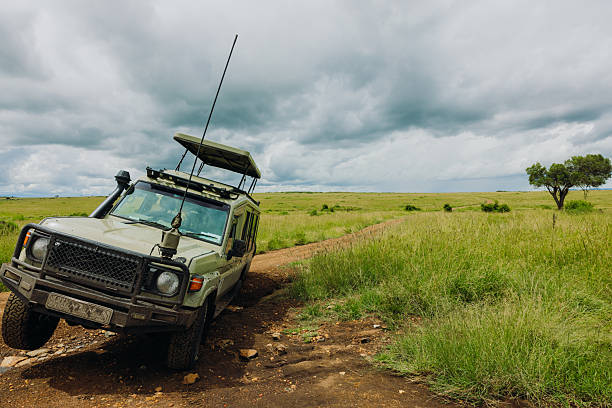
- Road Conditions: Unpaved safari tracks can become muddy and challenging after rain. Your safari vehicle and driver are equipped for this, but some areas might be temporarily inaccessible or require detours. This can sometimes lead to more interesting, less-traveled routes.
- Vegetation: The landscape will be greener and denser. This can sometimes make spotting animals harder in thick bush, but it also provides excellent camouflage for predators and beautiful scenery.
- Animal Behavior: With dispersed water sources, animals may not congregate as predictably as in the dry season. However, predators often use the greener vegetation for cover, leading to exciting stalk-and-ambush opportunities.
- Costs: As mentioned, expect lower prices for accommodation, and potentially for tour packages and internal flights.
Inclusions and Exclusions: What to Look For
When comparing 5-day low-season discount safari packages, scrutinize what is included and what is not. This is where hidden costs can arise.
| Included (Generally) | Often Excluded |
|---|---|
| Accommodation for the specified nights | International flights to/from Tanzania |
| All park entrance fees | Visa fees |
| Game drives in a 4×4 safari vehicle | Travel insurance |
| Professional English-speaking guide | Tips for guides and camp staff |
| Meals as specified (e.g., full board) | Alcoholic and soft drinks |
| Bottled water during game drives | Optional activities (e.g., hot air balloon safari, cultural visits) |
| Airport transfers (if specified) | Personal expenses (souvenirs, laundry) |
| Crater service fees (for Ngorongoro) | Domestic flights (if not explicitly stated) |
Key for Discount Safaris: Ensure that even with a discount, the quality of the safari vehicle, the experience of the guide, and the safety standards are not compromised. A good operator will be transparent about what their discounted packages offer.
Packing Essentials for a Low-Season Safari
Packing light yet smart is key. For the low season, layering and waterproof gear are important.
Clothing:
- Lightweight, neutral-colored clothing (khaki, beige, olive green). Avoid bright colors and dark blue/black (can attract tsetse flies).
- Long-sleeved shirts and trousers for sun and insect protection.
- Fleece jacket or warm sweater for cool mornings and evenings.
- Waterproof and windproof jacket.
- Comfortable walking shoes or hiking boots (broken in).
- Sandals or flip-flops for camp.
- Swimsuit (for lodges with pools).
- Socks (including warm ones).
Gear & Accessories:
- Binoculars (essential for wildlife spotting).
- Camera with extra batteries and memory cards.
- Sunscreen (high SPF), sunglasses, and a wide-brimmed hat.
- Insect repellent (with DEET).
- Small backpack for day trips.
- Headlamp or flashlight.
- Personal toiletries (biodegradable preferred).
- Basic first-aid kit with personal medications.
- Power bank or universal adapter for charging devices.
- Reusable water bottle.
Documents:
- Passport (with at least 6 months validity) and visa (check requirements for your nationality).
- Flight details and booking confirmations.
- Travel insurance details.
- Vaccination certificates (e.g., Yellow Fever, if required).
- Copies of all important documents (stored separately).
Common Mistakes to Avoid on Your Discount Safari
Even with a focus on value, certain pitfalls can detract from your experience. Be aware of these:
- Booking with Unreputable Operators: The cheapest option isn’t always the best. Ensure your tour operator is legitimate, experienced, and has good reviews. Low-season discounts should not come at the expense of safety or service quality.
- Underestimating Travel Times: Tanzania is vast. A 5-day safari often means focusing on a limited area to avoid spending too much time driving. Internal flights can be a worthwhile investment to maximize game viewing time.
- Not Packing Appropriately for Rain: Assuming the rain won’t impact your trip can lead to discomfort. A good waterproof jacket and quick-drying clothes are crucial.
- Expecting Peak-Season Crowds: If you’re going for a discount, understand that you’re choosing a different experience. While wildlife is abundant, the dramatic river crossings might not be happening, and animal concentrations can vary.
- Ignoring Internal Flights: For a 5-day trip, driving between the Serengeti and Arusha can consume almost an entire day. Consider the cost versus time saved with a flight.
- Not Budgeting for Extras: Factor in tips, drinks, souvenirs, and any optional activities. These can add up.
- Overpacking: Most safari lodges and camps have laundry services (though sometimes hand-wash only). Pack light and utilize these services.
Who is a 5-Day Low-Season Discount Safari Best For?
This type of safari is ideal for:
- Budget-Conscious Travelers: Those who want to experience Tanzania’s incredible wildlife without breaking the bank.
- First-Time Safari Goers: It offers a fantastic introduction to the wonders of an African safari at a more accessible price point.
- Nature Enthusiasts: Anyone who appreciates the beauty of lush landscapes, abundant birdlife, and the chance to see young animals.
- Photographers: The green season provides stunning backdrops and unique light for photography.
- Travelers Seeking Serenity: Those who prefer a less crowded, more intimate experience with nature.
- Young Couples and Honeymooners: A romantic escape that offers incredible value.
- Families: A memorable adventure that can be more affordable during the low season.
Alternatives to a 5-Day Low-Season Discount Safari
If a 5-day low-season discount safari doesn’t quite fit, consider these alternatives:
- Shorter Peak-Season Trip: A 3-day safari in a single park like Lake Manyara or Tarangire during peak season can be more affordable than a longer trip, though you’ll miss out on the extensive savings of the low season.
- Longer Low-Season Safari: If time and budget allow, extending your low-season trip to 7 or 8 days can provide even better value and allow you to explore more parks in depth.
- Different Regions: While the Northern Circuit is popular, consider Southern Tanzania (e.g., Selous Game Reserve, Ruaha National Park) for a wilder, less-visited experience. Low season discounts can also apply here.
- Self-Drive (with caution): While not common or recommended for first-timers in Tanzania due to road conditions and navigation challenges, a self-drive option (with a hired 4×4) could theoretically reduce costs, but often requires significant local knowledge and flexibility. We strongly recommend a guided safari for safety and experience.
- Camping Safaris: Opting for basic public campsites instead of lodges/tented camps can significantly reduce costs year-round, especially during the low season.
Planning Your 2026-2027 5-Day Low-Season Discount Safari
Planning ahead is key to securing the best deals and ensuring a smooth trip for 2026-2027. Here’s a timeline:
| Timeframe | Action |
|---|---|
| 9-12 Months Before: | Research tour operators. Identify potential low-season months (March-May, November 2026/2027). Define your budget and must-see parks. Inquire about early bird discounts for the low season. |
| 6-9 Months Before: | Contact your chosen operators for quotes. Discuss itinerary options for a 5-day low-season discount safari. Book your preferred safari package. |
| 4-6 Months Before: | Book international flights. Apply for your Tanzanian visa. Confirm vaccinations and malaria prophylaxis with your doctor. |
| 2-3 Months Before: | Finalize any optional activities. Purchase travel insurance. Start gathering packing essentials. |
| 1 Month Before: | Confirm all bookings and itinerary details with your tour operator. Pack your bags. Inform your bank about your travel dates. |
| Week Of: | Exchange currency if needed. Double-check all documents. Get excited! |
2026-2027 Specifics: For 2026 and 2027, booking in advance is still recommended, especially for the most popular low-season months like April and May. Some operators may release their low-season specials early, so keeping an eye out for these can secure the best rates.
Booking Your 5-Day Low-Season Discount Safari
Choosing the right tour operator is paramount. Look for companies that:
- Are locally based and have extensive knowledge of Tanzania.
- Have transparent pricing and clearly state what’s included.
- Offer customizable itineraries.
- Have excellent reviews regarding guides, vehicles, and customer service.
- Are responsive to your inquiries.
When you inquire, be specific about your interest in a 5-day low-season discount safari. Ask about:
- Specific discounts available for April, May, or November 2026/2027.
- Which parks are best visited during those months.
- Accommodation options and their usual prices versus discounted rates.
- Inclusions and exclusions in the discounted package.
- Vehicle type and guide experience.
Contact Us: For a personalized quote or to discuss your dream 5-day low-season discount safari for 2026-2027, reach out to us. We specialize in creating memorable and affordable Tanzanian adventures.
WhatsApp: +255616946642
Email: topguideadventures@gmail.com
Backup Email: info@topguideadventures.com
Frequently Asked Questions (FAQs)
Q1: Is the wildlife still active during the low season?
Yes, absolutely. While the dramatic river crossings of the Great Migration are typically a dry-season phenomenon (July-September), Tanzania’s parks are home to resident wildlife year-round. Predators are always hunting, and herbivores are always grazing. The lush green season can even offer unique viewing opportunities as animals utilize the thicker vegetation.
Q2: What are the typical low-season months for Tanzania safaris?
The primary low-season months are generally March, April, and May, coinciding with the long rainy season. November can also be considered low season, often experiencing shorter rains. These periods offer the best discounts.
Q3: Will the rain ruin my safari?
Not usually. Rain in Tanzania often comes in short, intense bursts, typically in the afternoon or evening, followed by sunshine. Mornings are often clear. While roads can become muddy, your experienced guide will navigate them. The rain also brings a vibrant green landscape and can enhance photographic opportunities.
Q4: Can I still see the Great Migration during the low season?
During the low season (March-May), the Great Migration herds are typically in the southern Serengeti, where they calve. This is a spectacular time to see newborn wildebeest and zebras, and the predators that follow them. However, the iconic river crossings usually occur later in the year.
Q5: How much can I expect to save on a low-season safari?
Savings can be significant, often ranging from 20% to 40% or more on accommodation and tour packages compared to peak season. This allows for better value, potentially higher-quality camps, or more activities within the same budget.
Q6: Is it safe to travel to Tanzania during the low season?
Yes, Tanzania is considered safe for tourists year-round. Reputable tour operators prioritize safety, and safari vehicles are well-maintained. The main difference during the low season is the weather and fewer crowds, not safety concerns.
Q7: What is the best way to book a 5-day low-season discount safari for 2026-2027?
The best approach is to contact experienced, locally-based tour operators directly. Inquire specifically about 5-day low-season discount safari packages for 2026-2027. Compare quotes and itineraries carefully, ensuring all costs and inclusions are clear.
Q8: Do I need specific vaccinations for a low-season safari?
It’s essential to consult your doctor or a travel clinic well in advance of your trip regarding recommended vaccinations and malaria prophylaxis. Yellow Fever vaccination may be required depending on your travel route.
Q9: Are internal flights necessary for a 5-day safari?
For a 5-day trip, internal flights are highly recommended to maximize game viewing time. Driving between parks like the Serengeti and Arusha can take 6-8 hours or more, consuming valuable safari time. Flights are more expensive but save considerable travel time.
Q10: What kind of accommodation can I expect on a discount safari?
Discounted safaris often include stays in comfortable tented camps or lodges. While you might not get the absolute top-tier luxury options, you can still expect clean, safe, and well-appointed accommodations with good service, especially when booking with a reputable operator during the low season.
Final Call to Action: Secure Your Affordable Tanzanian Adventure
A 5-day low-season discount safari offers an unparalleled opportunity to experience the wild heart of Tanzania at exceptional value. With careful planning and the right partner, you can create memories that last a lifetime without straining your budget. Whether you’re drawn by the promise of incredible wildlife, the beauty of lush landscapes, or the thrill of a truly authentic adventure, the low season in Tanzania is a time of great reward.
We are a dedicated Tanzanian tour operator committed to providing authentic, high-quality safari experiences. Let us help you craft your perfect 5-day low-season discount safari for 2026-2027. Contact us today to get a personalized quote and start planning your dream African journey.
Get in touch:
WhatsApp: +255616946642
Email: topguideadventures@gmail.com
Backup Email: info@topguideadventures.com
Plan your 5-Day Low-Season Discount Safari — Great Value with Top Guide Adventures
Tell us your travel dates, group size, comfort level, and dream experience. We will help you shape a clear, realistic, and memorable Tanzania itinerary.







 Veedesigner
 Fatma Kizanga
 Benjamin Waryuba
 Philip Philip
 John jr Itaja
 Antonia Optatus
 Edith Kanyere
 Neema Iddy
 Kelvin Boniphace
 Damari Maiga



