
Updated planning guide for 2026-2027
5-Day Photographic Safari In Queen Elizabeth — Hippos & Lions: Best Guide
Discover the wonders of a 5-day photographic safari in Queen Elizabeth National Park. This comprehensive guide covers everything you need to know for an unforgettable wildlife photography experience in Uganda, ideal for 2026-2027 adventures.
WhatsApp +255616946642 | topguideadventures@gmail.com | info@topguideadventures.com
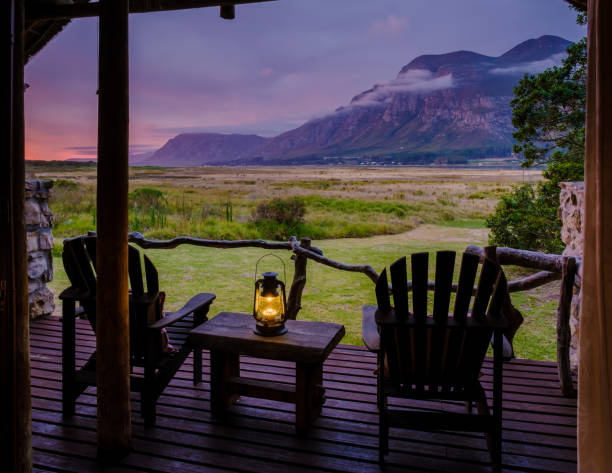
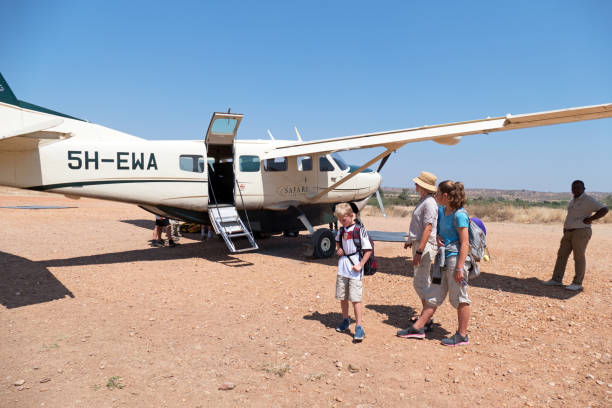
5-Day Photographic Safari in Queen Elizabeth National Park: Your Definitive Guide
A 5-day photographic safari in Queen Elizabeth National Park offers an unparalleled opportunity to capture stunning wildlife images in one of East Africa’s most diverse ecosystems. Queen Elizabeth National Park, Uganda’s second-largest park, is famed for its tree-climbing lions, abundant hippos, prolific birdlife, and dramatic landscapes. This guide is designed to help you plan and execute a successful photographic expedition, ensuring you make the most of your time in this remarkable destination. We will cover itinerary planning, essential photography tips, what to expect, and how to book your adventure for 2026 or 2027.
Quick Facts: Queen Elizabeth National Park Safari
| Feature | Details |
|---|---|
| Location | Southwestern Uganda |
| Key Wildlife | Hippos, Lions (including tree-climbing), Elephants, Buffaloes, Uganda Kob, Waterbucks, Nile Crocodiles, Diverse Birdlife |
| Main Activities | Game Drives (Day & Night), Boat Safaris (Kazinga Channel), Nature Walks, Bird Watching, Cultural Visits |
| Best Time to Visit | June-August, December-February (Dry Seasons) |
| Duration Recommended | 3-7 days for comprehensive exploration |
| Photography Focus | Mammals, Birds, Landscapes, Unique Behaviors |
Why a 5-Day Photographic Safari Here?
Queen Elizabeth National Park (QENP) is a photographer’s dream. Its varied habitats, from open savannas and acacia woodlands to dense forests and the vast Kazinga Channel, support an incredible array of wildlife. The park’s accessibility, combined with the specific attractions like the famously elusive tree-climbing lions of the Ishasha sector, makes it a prime location for capturing unique shots. A 5-day trip allows enough time to explore different sectors of the park, engage in various activities, and patiently wait for those perfect photographic moments, especially for iconic species like the large pods of hippos basking along the riverbanks.
Understanding the Park’s Geography and Key Areas
To maximize your photographic opportunities, understanding the park’s layout is crucial. The park is broadly divided into several key areas, each offering distinct experiences:
- Kazinga Channel: The 32-kilometer-long channel connecting Lake Edward and Lake George is the park’s heart. It’s renowned for its dense hippo population, crocodiles, and a multitude of water birds. A boat safari here is essential for photographers.
- Mweya Peninsula: Located at the northern end of the Kazinga Channel, Mweya offers stunning views and is a hub for activities. The surrounding savanna plains are excellent for spotting lions, leopards, elephants, and kob.
- Ishasha Sector: Situated in the southern part of the park, Ishasha is famous for its tree-climbing lions, which often lounge in the branches of fig trees. This area requires a dedicated drive from the main Mweya section.
- Maramagambo Forest: A large tropical rainforest offering a different photographic environment. It’s home to chimpanzees, various monkeys, and unique bird species, though sightings can be more challenging than in open areas.
- Lake Edward and Lake George: These large lakes offer scenic vistas and are important feeding grounds for birds and other wildlife.
Queen Elizabeth National Park: Key Sectors Overview
A simplified route might look like this:
- Arrival and Mweya exploration (Day 1-2)
- Kazinga Channel boat safari and surrounding areas (Day 2-3)
- Drive to Ishasha for tree-climbing lions (Day 3-4)
- Return journey with potential stops or further exploration (Day 4-5)
Note: This is a flexible route. Depending on your interests and accommodation, you might spend more time in one area or explore different tracks.
Best Time for Your Photographic Safari (2026-2027)
While Queen Elizabeth National Park is a year-round destination, certain periods offer superior photographic conditions:
- Dry Seasons (June-August and December-February): These months have less rainfall, leading to clearer skies and more predictable light. Wildlife tends to congregate around water sources, making them easier to find and photograph. The vegetation is also less dense, improving visibility. These are peak seasons, so booking well in advance for 2026 and 2027 is advisable.
- Shoulder Seasons (March-May and September-November): These periods can offer fewer crowds and potentially lower prices. While there might be more rain, it often comes in short bursts, leaving plenty of time for photography. The landscape is lush and green, providing beautiful backdrops.
For photographers, the dry seasons are generally preferred for consistent light and easier wildlife spotting. However, the ‘green’ season can offer dramatic skies and vibrant foliage, which can be equally rewarding.
Crafting Your 5-Day Photographic Itinerary
A well-structured itinerary is key to a successful photographic safari. Here is a sample 5-day plan focusing on maximizing wildlife encounters and photographic opportunities:
Sample 5-Day Photographic Safari Itinerary: Queen Elizabeth NP
| Day | Morning Activity | Afternoon Activity | Evening Activity | Photography Focus |
|---|---|---|---|---|
| 1 | Arrival at Entebbe (or local airstrip), transfer to QENP. Check-in and relax. | Afternoon game drive in the Mweya sector. Look for elephants, buffaloes, Uganda kob. | Optional: Sundowners with savanna views. | Savanna landscapes, large mammals, golden hour light. |
| 2 | Early morning game drive in Kasenyi Plains, known for predators and kob mating grounds. | Lunch, then a boat safari on the Kazinga Channel. | Relax at lodge or enjoy lodge surroundings. | Predators (lions, leopards), Uganda kob, diverse birdlife, abundant hippos, Nile crocodiles. |
| 3 | Morning game drive around Mweya or explore Kyambura Gorge for primates and forest birds. | Drive south to the Ishasha sector (approx. 2-3 hours). | Afternoon game drive in Ishasha, searching for tree-climbing lions. | Primates (if Kyambura), forest birds, dramatic landscapes, tree-climbing lions. |
| 4 | Full morning game drive in Ishasha, focusing on lions and elephants. | Begin drive back towards Mweya or another preferred lodge location. | Optional: Guided nature walk or birding walk near lodge. | More opportunities for tree-climbing lions, elephants, savanna wildlife. |
| 5 | Early morning game drive for final photographic opportunities. | Breakfast, check-out, and transfer back to Entebbe or your next destination. | N/A | Last light shots, any missed species, scenic departure views. |
Photography Gear and Tips for Queen Elizabeth
To capture the best images, proper gear and techniques are essential:
- Camera Body: A DSLR or mirrorless camera with good low-light performance and fast autofocus is recommended.
- Lenses: A telephoto lens (e.g., 100-400mm, 150-600mm) is crucial for wildlife. A wider lens (e.g., 24-70mm) is useful for landscapes and larger scenes. A macro lens can be great for insects and details.
- Tripod/Monopod: Essential for stability, especially in low light or when using long lenses. Beanbags are also useful for car-based photography.
- Batteries and Memory Cards: Bring plenty of spares. You don’t want to miss a shot due to a dead battery or full card.
- Protection: A rain cover for your camera and lens is advisable, even in dry seasons. Dust protection is also important.
Photography Techniques:
- Shoot in RAW: This gives you maximum flexibility in post-processing.
- Master Aperture Priority (Av/A) and Shutter Priority (Tv/S): These modes allow you to control depth of field and motion blur, respectively.
- Understand the Light: The ‘golden hours’ (shortly after sunrise and before sunset) offer the best light for wildlife photography. Midday light can be harsh.
- Be Patient: Wildlife photography requires patience. Wait for animals to exhibit interesting behaviors.
- Focus on the Eyes: Sharp focus on the animal’s eyes is paramount for impactful wildlife portraits.
- Camera Settings: Use a relatively high ISO for low light, a fast shutter speed to freeze action, and a wide aperture for shallow depth of field when appropriate. Your guide can help with settings.
- Respect Wildlife: Maintain a safe distance and avoid disturbing animals. Your guide will ensure this.
What to Expect: Wildlife Encounters
Your 5-day photographic safari in Queen Elizabeth National Park will be filled with diverse sightings:
- Hippos: Expect to see massive pods of hippos in the Kazinga Channel and its surrounding water bodies. They are often seen yawning, playing, and wallowing. Photographers can get close during boat safaris.
- Lions: QENP is home to lions, including the famous tree-climbing prides in Ishasha. While not as numerous as in some other parks, their presence adds significant excitement. Patience is key for lions, especially during the day.
- Elephants and Buffaloes: These large herbivores are commonly seen grazing in the savanna areas and near water sources.
- Uganda Kob: This antelope is abundant and often seen in large herds, particularly in the Kasenyi Plains. Males can be seen displaying territorial behavior.
- Leopards: Elusive but present, leopards can sometimes be spotted in trees or during night drives.
- Crocodiles: Nile crocodiles are frequently seen basking on the banks of the Kazinga Channel and other water bodies.
- Birdlife: With over 600 bird species, QENP is a birder’s paradise. Expect to see a wide array of water birds, raptors, and savanna species.
Inclusions and Packing Essentials
When booking a safari, understanding what’s included is vital. A typical safari package might include:
Typical Inclusions for a 5-Day Safari Package
| Included | Not Included (Usually) |
|---|---|
| Accommodation (lodges/camps) | International flights |
| All park entrance fees | Visa fees |
| Game drives in a 4×4 safari vehicle | Travel insurance |
| Professional driver-guide | Gratuities for guide and staff |
| Meals (breakfast, lunch, dinner) as per itinerary | Alcoholic and soft drinks |
| Bottled water during game drives | Personal expenses (laundry, souvenirs) |
| Kazinga Channel boat trip | Optional activities (e.g., night drives, guided walks if not specified) |
Packing List for Your Photographic Safari
- Clothing: Neutral-colored, lightweight clothing (khaki, beige, olive green). Avoid bright colors and black/blue (can attract tsetse flies). Layers are good for varying temperatures.
- Footwear: Comfortable closed-toe walking shoes or hiking boots. Sandals for lodge wear.
- Outerwear: A light jacket or fleece for cool mornings/evenings. A waterproof jacket is essential.
- Sun Protection: Wide-brimmed hat, sunglasses, high SPF sunscreen.
- Insect Repellent: With DEET for protection against mosquitoes and tsetse flies.
- Camera Gear: As listed above, plus cleaning kit, spare batteries, memory cards, power bank.
- Binoculars: Highly recommended for spotting distant wildlife and birds.
- First-Aid Kit: Personal medications, basic first-aid supplies.
- Toiletries: Biodegradable options are preferred.
- Documents: Passport, visa (if required), flight details, insurance information, vaccination certificates.
- Money: Some local currency (Ugandan Shillings) for tips and small purchases. USD is widely accepted for larger payments.
- Headlamp/Torch: Useful for navigating lodges at night.
Common Mistakes to Avoid
To ensure a smooth and enjoyable trip, be aware of these common pitfalls:
- Underestimating Travel Times: Distances in Uganda can be deceiving, and road conditions can vary. Always factor in ample travel time.
- Not Booking in Advance: Especially for peak seasons in 2026-2027, popular lodges and safari vehicles get booked up months ahead.
- Packing Inappropriately: Forgetting essential items like insect repellent or warm layers can make your trip uncomfortable.
- Overpacking: Luggage restrictions often apply, especially for light aircraft transfers. Stick to soft duffel bags if possible.
- Not Informing Your Operator About Special Interests: If photography is your primary goal, let your tour operator know. They can tailor the itinerary and vehicle choice (e.g., pop-top roof for better shooting angles).
- Expecting Guaranteed Sightings: Wildlife is wild. While QENP is known for its abundance, sightings are never guaranteed. Patience and flexibility are key.
- Ignoring Local Advice: Always listen to your guide. They know the park, the animals, and the safety protocols.
Who is This Safari Best Suited For?
A 5-day photographic safari in Queen Elizabeth National Park is ideal for:
- Wildlife Photographers: From amateurs to professionals, the park offers incredible subjects and diverse environments.
- Nature Enthusiasts: Anyone with a passion for wildlife, conservation, and experiencing natural landscapes.
- First-Time Safari Goers: QENP is a great introduction to African safaris due to its accessibility and diverse offerings.
- Bird Watchers: The sheer volume and variety of bird species are a major draw.
- Travelers Seeking Unique Experiences: The tree-climbing lions and the Kazinga Channel boat trip are distinctive highlights.
- Those with Limited Time: 5 days is a substantial period to experience the park’s highlights without feeling rushed.
It is generally suitable for individuals, couples, families (with children over a certain age, usually 6-8, depending on the lodge), and small groups.
Alternatives to Consider
While Queen Elizabeth National Park is exceptional, other Ugandan and East African destinations offer different, yet equally rewarding, safari experiences:
Comparison of Safari Destinations in Uganda
| Park/Area | Key Attractions | Best For | Typical Duration |
|---|---|---|---|
| Murchison Falls NP | Nile River, waterfalls, large mammal herds, predators | Classic savanna safari, Nile cruise, birding | 3-4 days |
| Kibale National Park | Chimpanzee trekking, dense rainforest, diverse primates | Primate photography, forest walks | 2-3 days (often combined with QENP) |
| Bwindi Impenetrable Forest | Mountain Gorilla trekking, unique biodiversity | Gorilla photography, intense jungle experience | 3-4 days (often combined with QENP/Kibale) |
| Kidepo Valley National Park | Remote wilderness, unique semi-arid landscape, large herds, predators, unique cultural interactions | Remote safari experience, stunning landscapes, diverse wildlife | 3-5 days |
Many travelers combine Queen Elizabeth National Park with Kibale for chimpanzee trekking or Bwindi for gorilla trekking to create a more comprehensive Ugandan wildlife adventure. A 5-day trip can be focused solely on QENP, or it can be part of a longer itinerary that includes these other parks.
Planning Your Trip for 2026-2027
Proactive planning is essential for a successful safari in 2026 or 2027. Here’s a timeline and key considerations:
- 12+ Months Ahead: If you are planning a trip during peak season (June-August, Dec-Feb) or require specific lodges, start researching and booking. This is also the time to confirm visa requirements and vaccination recommendations.
- 6-9 Months Ahead: Finalize your itinerary and book your safari package with a reputable tour operator. This secures your preferred accommodation and vehicle.
- 3-6 Months Ahead: Book international flights. Confirm any necessary vaccinations (e.g., Yellow Fever) and malaria prophylaxis with your doctor.
- 1-3 Months Ahead: Purchase travel insurance. Start gathering your packing list.
- 1 Month Ahead: Confirm all booking details with your tour operator. Pack your bags, ensuring you have all essentials.
- Week Of Travel: Exchange some currency, finalize any last-minute arrangements, and get excited!
When planning for 2026-2027, consider the general travel trends. Demand for African safaris continues to grow, especially for unique wildlife experiences. Booking early will ensure better availability and potentially better pricing.
Booking Your 5-Day Photographic Safari
Choosing the right tour operator is crucial for a quality safari experience. Look for companies that:
- Specialize in Uganda safaris.
- Have excellent reviews and a strong reputation.
- Are transparent about inclusions, exclusions, and pricing.
- Offer customizable itineraries.
- Employ experienced, knowledgeable guides.
At Top Guide Adventures, we specialize in creating bespoke safari experiences in Uganda, including photographic tours in Queen Elizabeth National Park. Our expert guides are passionate about wildlife and dedicated to helping you capture stunning images.
Ready to plan your unforgettable 5-day photographic safari in Queen Elizabeth National Park?
Contact us today to discuss your dream itinerary. We can tailor a trip to meet your specific photographic interests and budget for 2026 or 2027.
WhatsApp: +255616946642
Email: topguideadventures@gmail.com
Backup Email: info@topguideadventures.com
Frequently Asked Questions (FAQs)
1. What is the best time of year for a 5-day photographic safari in Queen Elizabeth National Park for 2026-2027?
The dry seasons, from June to August and December to February, are generally considered the best for photography due to clearer skies and predictable light. Wildlife is also more concentrated around water sources, making sightings easier. However, the green season (March-May, Sept-Nov) offers lush landscapes and fewer crowds, which can also be rewarding.
2. Are tree-climbing lions guaranteed in the Ishasha sector?
While the Ishasha sector is famous for its tree-climbing lions, sightings are not guaranteed. Lions are wild animals and their behavior can be unpredictable. However, this sector offers the highest probability of seeing them in the trees. Patience and a good guide are key.
3. What kind of camera equipment is essential for wildlife photography in Queen Elizabeth?
A telephoto lens (e.g., 300mm or longer) is highly recommended for capturing wildlife from a distance. A DSLR or mirrorless camera with good low-light capabilities, extra batteries, memory cards, and a sturdy tripod or beanbag are also crucial. Protection from dust and rain is advisable.
4. How safe is a safari in Queen Elizabeth National Park?
Queen Elizabeth National Park is considered safe for tourists. Your safari will be conducted with experienced guides who are trained in wildlife behavior and safety protocols. It’s important to always follow their instructions, stay inside the vehicle during game drives, and maintain a respectful distance from animals.
5. Can I do a night game drive in Queen Elizabeth National Park?
Night game drives are often available, particularly in certain sectors of the park, and can offer opportunities to see nocturnal animals like leopards, civets, and genets. Check with your tour operator if this is an included activity or an optional add-on for your 2026-2027 trip.
6. What is the difference between a 5-day safari in Queen Elizabeth and other parks like Murchison Falls?
Queen Elizabeth National Park is known for its diverse habitats including wetlands, savannas, and forests, making it excellent for hippos, tree-climbing lions, and a wide variety of birds. Murchison Falls National Park, situated along the Nile River, is famous for its powerful waterfalls, large herds of elephants and buffaloes, and boat safaris on the Nile.
7. How much should I budget for a 5-day photographic safari in Queen Elizabeth?
Pricing varies significantly based on accommodation level (budget, mid-range, luxury), group size, and specific inclusions. A rough estimate for a mid-range 5-day safari package could range from $1,500 to $3,000+ per person, excluding international flights and visas. It’s best to get a personalized quote.
8. What kind of accommodation is available in Queen Elizabeth National Park?
Accommodation options range from budget-friendly bandas and campsites to comfortable mid-range lodges and luxurious tented camps. Many lodges offer stunning views of the park or the Kazinga Channel, and some are strategically located for optimal wildlife viewing.
9. Is a 5-day trip enough for Queen Elizabeth National Park?
A 5-day trip is a good duration to experience the main highlights of Queen Elizabeth National Park, including game drives in different sectors, a Kazinga Channel boat safari, and potentially a visit to Ishasha. For a more in-depth exploration or to combine with other parks, a longer duration would be recommended.
10. What vaccinations do I need for Uganda?
A Yellow Fever vaccination certificate is mandatory for entry into Uganda. It’s also recommended to consult your doctor about malaria prophylaxis, Hepatitis A and B, Typhoid, and Tetanus vaccinations well in advance of your 2026-2027 travel dates.
Conclusion: Capture Unforgettable Memories
A 5-day photographic safari in Queen Elizabeth National Park promises an adventure filled with incredible wildlife sightings and stunning photographic opportunities. From the iconic hippos of the Kazinga Channel to the elusive tree-climbing lions of Ishasha, this park offers a rich and diverse experience for any nature photographer. By planning carefully, packing wisely, and choosing the right tour operator, you can ensure your 2026 or 2027 safari is a resounding success. Let us help you create a personalized itinerary that captures the magic of Uganda’s wilderness.
Start planning your dream 5-day photographic safari in Queen Elizabeth National Park with Top Guide Adventures today!
Reach out via WhatsApp: +255616946642
Send us an Email: topguideadventures@gmail.com
Or our backup email: info@topguideadventures.com
Plan your 5-Day Photographic Safari in Queen Elizabeth — Hippos & Lions with Top Guide Adventures
Tell us your travel dates, group size, comfort level, and dream experience. We will help you shape a clear, realistic, and memorable Tanzania itinerary.







 Veedesigner
 Fatma Kizanga
 Benjamin Waryuba
 Philip Philip
 John jr Itaja
 Antonia Optatus
 Edith Kanyere
 Neema Iddy
 Kelvin Boniphace
 Damari Maiga



