
Updated planning guide for 2026-2027
5-Day Photographic Safari With Pro Guide — Serengeti Plains: Best 2026-2027
Discover the ultimate 5-day photographic safari experience on the vast Serengeti Plains with a professional guide. This comprehensive guide covers everything you need to know for an unforgettable adventure in 2026-2027, from planning and packing to photography tips and booking advice.
WhatsApp +255616946642 | topguideadventures@gmail.com | info@topguideadventures.com
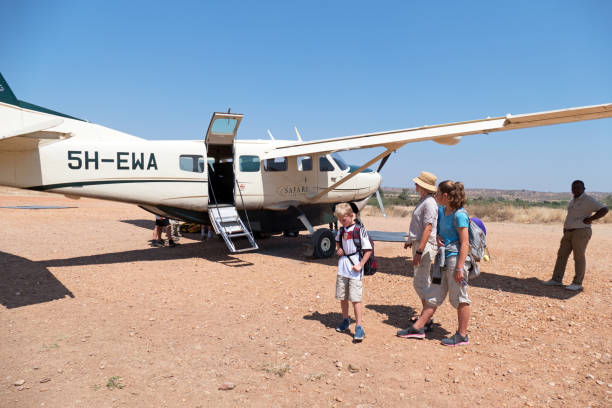

5-Day Photographic Safari with Pro Guide — Serengeti Plains: Essential Travel Guide
A 5-day photographic safari on the Serengeti Plains offers an unparalleled opportunity to capture the raw beauty and drama of African wildlife. With a professional guide, your chances of not only seeing but also photographing iconic species in their natural habitat are significantly enhanced. This guide is designed to help you plan, prepare for, and make the most of this incredible photographic journey in 2026-2027.
The Serengeti is a photographer’s dream, a vast ecosystem teeming with life, especially during the Great Migration. Capturing its essence requires more than just a good camera; it demands knowledge of animal behavior, optimal lighting conditions, and the right vantage points – all areas where a professional guide excels. This 5-day adventure focuses specifically on maximizing your photographic output, ensuring you return with stunning images and lasting memories.
Quick Answer
A 5-day photographic safari with a pro guide in the Serengeti provides focused wildlife viewing and photography opportunities, maximizing chances for iconic shots. It involves careful planning, specialized gear, and working closely with an expert guide to understand animal behavior and light. Ideal for serious photographers and wildlife enthusiasts planning for 2026-2027.
| Aspect | Details |
|---|---|
| Duration | 5 Days / 4 Nights |
| Location | Serengeti National Park, Tanzania |
| Focus | Wildlife Photography, Big Cats, Great Migration (seasonal) |
| Guide Type | Professional Photographer or Experienced Safari Guide with Photography Knowledge |
| Accommodation | Tented Camps, Lodges (options vary) |
| Best Time to Visit | June-October (Migration), January-March (Calving Season) |
| Key Wildlife | Lions, Leopards, Cheetahs, Elephants, Rhinos, Wildebeest, Zebras, Giraffes |
| Photography Needs | Telephoto lenses, wide-angle, sturdy tripod, ample storage, extra batteries |
Table of Contents
- Serengeti: A Photographer’s Paradise
- Why a Professional Guide is Crucial for Photographic Safaris
- Best Time for Photographic Safaris in the Serengeti (2026-2027)
- Sample 5-Day Photographic Safari Itinerary
- Serengeti Plains: Key Photographic Zones
- What to Expect on Your Photographic Safari
- Essential Photography Gear and Preparation
- Comprehensive Packing List
- Common Mistakes to Avoid
- Who is This 5-Day Photographic Safari Best Suited For?
- Alternatives to a 5-Day Photographic Safari
- Planning Your 2026-2027 Safari: Key Considerations
- Booking Your 5-Day Photographic Safari
- Frequently Asked Questions (FAQs)
Serengeti: A Photographer’s Paradise
The Serengeti National Park, a UNESCO World Heritage Site, is synonymous with vast, open plains that stretch to the horizon, dotted with acacia trees and alive with the movement of millions of animals. Its name, derived from the Maasai word ‘Siringet,’ meaning ‘endless plains,’ perfectly captures its essence. For photographers, this landscape provides a dramatic backdrop for wildlife encounters that are legendary.
From the iconic Big Five (lion, leopard, elephant, rhino, buffalo) to the breathtaking spectacle of the Great Migration, the Serengeti offers endless opportunities to capture stunning images. The sheer density and diversity of wildlife, combined with the park’s varied habitats – from open grasslands and woodlands to riverine forests – mean that every game drive can present new subjects and photographic challenges.
The quality of light in the Serengeti is also exceptional. Early mornings and late afternoons, often referred to as the ‘golden hours,’ bathe the landscape in warm, soft light, creating magical conditions for wildlife photography. Understanding these light patterns is key, and this is where a professional guide’s expertise becomes invaluable.
Why a Professional Guide is Crucial for Photographic Safaris
While any safari can be enjoyable, a 5-day photographic safari with a pro guide in the Serengeti elevates the experience from a sightseeing trip to a dedicated photography expedition. Here’s why a professional guide is indispensable:
- Expert Wildlife Tracking and Positioning: Professional guides possess an intimate knowledge of the Serengeti’s terrain and animal behavior. They know where to find specific species, predict their movements, and position the vehicle for the best photographic angles, often before other vehicles even arrive. They understand the habits of predators and prey, increasing your chances of witnessing and photographing key moments like hunts or interactions.
- Understanding Light and Composition: A good photographic guide knows how to work with the challenging African light. They’ll advise on the best times of day for shooting, how to use the sun to your advantage (or avoid harsh midday glare), and how to frame shots effectively against the vast landscapes.
- Vehicle Management for Photography: They are adept at positioning the safari vehicle for optimal shots – minimizing obstructions, allowing for steady shots (even without a tripod), and ensuring you have a clear line of sight. They understand the need for patience and will wait for the perfect moment, not just a fleeting glimpse.
- Photography-Specific Vehicle Modifications: Some specialized photographic safaris might utilize modified vehicles with open tops or lower sides to provide a more stable and unobstructed platform for cameras. A pro guide knows how to best utilize these features.
- Conservation and Ethics: A professional guide ensures all photography is conducted ethically, respecting wildlife and their environment. They will guide you on responsible wildlife viewing distances and practices, ensuring your pursuit of the perfect shot doesn’t disturb the animals.
- Technical Photography Advice: While not all guides are professional photographers, many experienced safari guides have a keen eye for photography and can offer tips on camera settings, lens choices, and capturing specific behaviors. If you book a safari specifically advertised as ‘photographic’ with a ‘pro guide,’ expect even more specialized photographic advice.
Best Time for Photographic Safaris in the Serengeti (2026-2027)
The Serengeti’s wildlife spectacle changes throughout the year, offering different photographic opportunities. Planning your 5-day photographic safari with a pro guide around these seasons can significantly impact your experience in 2026-2027.
| Period | Key Event | Photographic Highlights | Pros for Photography | Cons for Photography |
|---|---|---|---|---|
| January – March | Calving Season (Southern Serengeti) | Newborn wildebeest, zebras; increased predator activity (lions, cheetahs, hyenas hunting young) | High chances of seeing predator-prey interactions; dramatic births; lush green landscapes. | Migration is in the south, away from central areas; some rain possible. |
| April – May | Long Rains | Fewer crowds; dramatic skies; lush vegetation; resident wildlife. | Excellent light after rain; fewer tourists mean more intimate wildlife encounters. | Heavy rains can make some roads impassable; migration is spread out. |
| June – October | Dry Season & Great Migration (Central/Western/Northern Serengeti) | Massive herds of wildebeest and zebra; river crossings (July-September); Big Cats hunting; dry, golden landscapes. | Iconic river crossings are a major photographic draw; predictable migration routes; clear skies. | Peak tourist season; can be crowded; can be dry and dusty. |
| November – December | Short Rains & Migration Movement (East/Central Serengeti) | Migration moving south; dramatic skies; resident wildlife; early rains can bring fresh grass. | Beautiful light with storm clouds; migration can be found in different areas. | Rainfall can be unpredictable; migration path varies. |
For general wildlife photography and Big Cats: The dry season (June-October) is often preferred due to clear skies, easier game viewing on open plains, and the dramatic presence of the migration. However, the calving season (January-March) offers unique predator-action opportunities.
For Great Migration river crossings: Aim for July to September when the herds are typically crossing the Mara River in the northern Serengeti. This is one of the most sought-after photographic events.
Sample 5-Day Photographic Safari Itinerary
This sample itinerary is designed to maximize photographic opportunities on the Serengeti Plains. It assumes arrival into Kilimanjaro International Airport (JRO) and transfer to a local airstrip for a flight to the Serengeti. The exact route and focus may vary based on the time of year and migration patterns, as determined by your pro guide.
| Day | Morning Activity | Afternoon Activity | Evening Activity | Accommodation Area |
|---|---|---|---|---|
| Day 1 | Arrival at JRO, transfer to Arusha/local airstrip. Flight to Seronera Airstrip (Central Serengeti). Meet your pro guide, transfer to camp with a game drive en route. | First game drive focusing on Central Serengeti’s resident wildlife, including big cats in acacia woodlands. Photography tips from the guide. | Sundowners, dinner, review photos with guide. Overnight at a central Serengeti lodge/camp. | Central Serengeti (Seronera area) |
| Day 2 | Early morning game drive focusing on predators (lions, leopards) as they are most active. Golden hour light. | Return to camp for lunch and rest. Mid-afternoon game drive, exploring different sectors of Central Serengeti, looking for unique subjects. | Sunset photography session. Dinner and discussion on the day’s captures. Overnight at central Serengeti lodge/camp. | Central Serengeti (Seronera area) |
| Day 3 | Full day game drive towards the North or East Serengeti, depending on migration location (if applicable) or to find specific species like leopards in rocky kopjes. Picnic lunch in the bush. | Continue game drive, focusing on landscape photography and capturing wildlife in motion. | Return to camp after sunset. Dinner. Overnight at central Serengeti lodge/camp. | Central Serengeti (Seronera area) |
| Day 4 | Morning game drive in a different sector of the Serengeti, perhaps towards the Grumeti River (western corridor) for potential sightings of large crocodiles or unique birdlife, or focusing on the southern plains if migration is present. | Optional: Visit a Maasai village for cultural photography (arrange in advance). Alternatively, a final intensive game drive in a prime photography location. | Farewell dinner. Share best photos of the trip. Overnight at central Serengeti lodge/camp. | Central Serengeti (Seronera area) |
| Day 5 | Final early morning game drive, capturing sunrise and any last-minute wildlife sightings. | Breakfast, transfer to Seronera Airstrip for flight back to Arusha/JRO for onward travel. | Departure. | N/A |
Note: This is a flexible itinerary. Your pro guide will adapt it daily based on wildlife movements, weather, and your specific photographic interests for the 5-day photographic safari with a pro guide.
Serengeti Plains: Key Photographic Zones
The Serengeti is vast, and a 5-day trip focuses on specific, high-yield areas. Your pro guide will select these based on current wildlife activity and the time of year.
Serengeti National Park – Main Zones for Photography
- Central Serengeti (Seronera Valley): Year-round resident wildlife, excellent for big cats (lions, leopards, cheetahs) due to permanent water sources. Offers diverse habitats: woodlands, riverine forests, open plains. Ideal for general wildlife and predator photography.
- Northern Serengeti (Mara River Area): Famous for the Great Migration river crossings (July-September). Dramatic scenes of wildebeest and zebra braving crocodile-infested waters. Also good for lions and leopards.
- Southern Serengeti (Ndutu Area): Prime location for the calving season (January-March). Vast plains with millions of wildebeest and zebra, and high predator activity targeting newborns. Offers wide-open landscapes and intense action.
- Western Corridor (Grumeti River): Known for large crocodiles and primates. The migration passes through here between May and July. Offers riverine landscapes and opportunities for unique wildlife shots.
- Eastern Serengeti (Lobo Area): Less visited, offering a more remote feel. Good for elephants, giraffes, and resident predators. Can be very scenic with kopjes.
For a 5-day trip, focusing on one or two adjacent zones is most practical to minimize travel time and maximize photography time. Central Serengeti is often a good base for its year-round game viewing.
What to Expect on Your Photographic Safari
A 5-day photographic safari with a pro guide is an immersive experience. Here’s a breakdown of what you can anticipate:
- Early Starts: To catch the best light and active wildlife, days begin before sunrise. You’ll often be in the vehicle by 6:00 AM.
- Long Game Drives: Expect to spend several hours each day in the safari vehicle, often with breaks for meals in scenic spots or back at camp. Full-day drives are common to cover more ground and maximize opportunities.
- Focus on Photography: The pace is different from a standard safari. The guide will actively seek out photographic subjects and wait patiently for the right moment, composition, and light. There will be less emphasis on ticking off a checklist and more on capturing quality images.
- Close Wildlife Encounters: The Serengeti offers incredible proximity to wildlife. You can expect to see lions, elephants, giraffes, zebras, wildebeest, and many other species at relatively close range. Leopards and cheetahs, while more elusive, are often found with the help of a skilled guide.
- Varying Conditions: Weather can change rapidly. Be prepared for heat, dust, and potential rain showers. The landscape itself is dynamic, from vast open plains to rocky kopjes and riverine forests.
- Comfortable but Rustic Accommodation: Lodges and tented camps offer comfort with en-suite bathrooms and meals, but the experience is designed to keep you close to nature. Expect canvas tents with solid floors, comfortable beds, and delicious meals.
- Expert Guidance: Your pro guide is your key resource. They will share knowledge about wildlife, the ecosystem, and photography. Don’t hesitate to ask questions and seek advice.
- Learning and Improvement: Even experienced photographers can learn new techniques and gain insights from a guide who knows the Serengeti intimately.
Essential Photography Gear and Preparation
To make the most of your 5-day photographic safari with a pro guide, having the right gear and preparing it beforehand is vital. Remember, you’ll be in remote areas, so pre-trip preparation is key.
Photography Gear Checklist:
- Camera Bodies: At least two bodies are recommended in case of malfunction.
- Lenses:
- Telephoto Zoom: A 100-400mm, 150-600mm, or 200-500mm lens is essential for wildlife.
- Mid-Range Zoom: A 24-70mm or 24-105mm for wider shots, landscapes, and general use.
- Prime Lens (Optional): A 50mm or 85mm for portraits or low light.
- Tripod/Monopod: A sturdy tripod is crucial for low light and sharp shots, though many prefer a beanbag for vehicle-based photography for stability and flexibility. Check with your tour operator if beanbags are provided.
- Memory Cards: Bring plenty of high-capacity SD cards (e.g., 64GB, 128GB). Consider faster cards if your camera supports high-speed shooting.
- Batteries: Multiple spare batteries for all your equipment. Recharging facilities can be limited.
- Chargers and Adapters: Ensure you have the correct plugs for Tanzania (Type D or G) and a power bank for charging on the go.
- Camera Bag/Backpack: A comfortable, padded bag to protect your gear. A backpack is useful for carrying essentials during drives.
- Cleaning Kit: Lens cloths, blower, lens cleaning solution to combat dust.
- Rain Cover: For camera and lenses, especially during the wet season.
- Laptop/Tablet: For backing up photos and reviewing them in the evenings.
- Portable Hard Drive: For immediate backup of your precious images.
Preparation Tips:
- Practice: Familiarize yourself with your camera and lenses before you leave. Understand your settings for different scenarios (fast action, low light, landscapes).
- Backup Strategy: Plan how you will back up your photos daily. Using a laptop and external hard drive is a common method.
- Battery Management: Charge all batteries fully each night. Utilize vehicle charging points if available.
- Dust Protection: Keep your camera gear sealed when not in use. Use a blower to remove dust from lenses and sensors.
- Understand Your Guide: Discuss your photographic goals with your guide. They can help position you for the best shots and advise on light and timing.
Comprehensive Packing List
Beyond photography gear, here’s what to pack for your Serengeti adventure.
General Packing List:
- Clothing:
- Lightweight, neutral-colored clothing (khaki, beige, olive green) – avoid bright colors and dark blue/black which can attract tsetse flies.
- Long-sleeved shirts and trousers for sun and insect protection.
- Fleece jacket or warm sweater for cool mornings and evenings.
- Waterproof/windproof jacket.
- Comfortable walking shoes or hiking boots (for lodge/camp).
- Sandals or flip-flops.
- Swimsuit (some lodges have pools).
- Headwear: Wide-brimmed hat or cap for sun protection.
- Eyewear: Sunglasses.
- Personal Items:
- Sunscreen (high SPF).
- Insect repellent (with DEET).
- Personal toiletries.
- Basic first-aid kit (band-aids, antiseptic wipes, pain relievers, any personal medication).
- Hand sanitizer.
- Documents:
- Passport (with at least 6 months validity).
- Visa for Tanzania (check requirements).
- Yellow Fever vaccination certificate (if required).
- Flight tickets and itinerary.
- Travel insurance details.
- Copies of important documents (stored separately).
- Miscellaneous:
- Binoculars (highly recommended).
- Reusable water bottle.
- Small backpack or daypack.
- Headlamp or flashlight (useful in camps).
Common Mistakes to Avoid
To ensure your 5-day photographic safari with a pro guide is as smooth and rewarding as possible, be aware of these common pitfalls:
- Underestimating the Dust: The Serengeti is dusty. Protect your camera gear diligently. Clean equipment regularly.
- Not Packing Enough Batteries/Memory: Running out of power or storage is a photographer’s nightmare. Overpack these essentials.
- Bringing the Wrong Lenses: Relying solely on a wide-angle lens will limit your wildlife photography. A telephoto lens is crucial.
- Ignoring the Guide’s Advice: Your pro guide has invaluable local knowledge. Listen to their recommendations on timing, positioning, and subjects.
- Over-Scheduling: A 5-day trip is short. Trying to see too much can lead to excessive travel time and less actual photography. Focus on quality over quantity.
- Wearing the Wrong Clothes: Bright colors can scare wildlife and attract tsetse flies. Stick to neutral, muted tones.
- Not Preparing for Early Starts: Embrace the early mornings; they often yield the best photographic opportunities.
- Forgetting Travel Insurance: Essential for any trip, especially one involving remote locations and potentially expensive equipment.
- Ethical Photography Missteps: Never feed animals, don’t disturb nesting sites, and always maintain a respectful distance. Your guide will enforce this.
- Not Backing Up Photos Daily: Losing your images due to a device failure is devastating. Implement a daily backup routine.
Who is This 5-Day Photographic Safari Best Suited For?
This specialized safari is ideal for:
- Dedicated Wildlife Photographers: Those who prioritize capturing high-quality images and are willing to tailor their trip around photographic opportunities.
- Enthusiast Photographers: Individuals who enjoy photography as a hobby and want to improve their skills in an iconic location with expert guidance.
- Travelers Seeking Depth: Those who want to go beyond a typical safari and gain a deeper understanding of wildlife behavior and the Serengeti ecosystem through a photographic lens.
- Clients Planning for 2026-2027: Early planners who want to secure prime dates, especially during migration seasons, and benefit from expert advice for their future trip.
- Small Groups or Couples: The intimate nature of photographic safaris often suits smaller travel parties where focus can be maintained.
It is less suited for travelers who prefer a relaxed pace with minimal early mornings, or those whose primary goal is simply to see animals without a strong focus on capturing them photographically.
Alternatives to a 5-Day Photographic Safari
While a dedicated photographic safari is fantastic, other options exist depending on your interests and time:
- Standard 5-Day Serengeti Safari: A classic safari experience focusing on general wildlife viewing, with photography as a secondary activity. Offers more flexibility in terms of early morning starts and pace.
- 7-10 Day Serengeti & Ngorongoro Crater Safari: This longer itinerary allows for exploration of multiple ecosystems, including the unique Ngorongoro Crater, which is excellent for photography of dense wildlife populations, including rhinos.
- Mobile Camping Safari: For a more adventurous and budget-friendly experience, mobile camps follow the migration. This can offer excellent photographic opportunities but may involve more basic facilities and travel.
- Fly-in Safari Packages: These minimize travel time on the ground, allowing more time for game drives and photography in specific areas. They are generally more expensive.
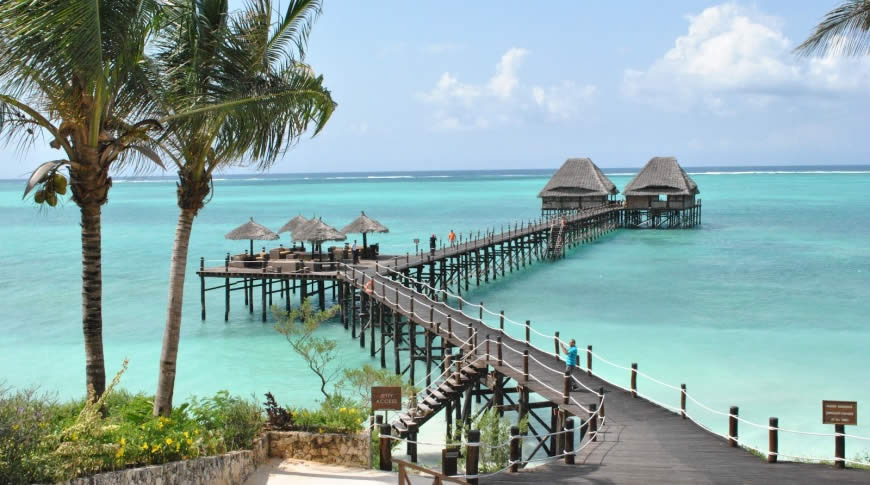
- Combination Trips: Combine Serengeti with other Tanzanian highlights like Zanzibar for a diverse experience. A 5-day Serengeti portion can be integrated into a longer itinerary.
Planning Your 2026-2027 Safari: Key Considerations
Planning ahead is crucial for securing the best experiences, especially for a specialized trip like a 5-day photographic safari with a pro guide. For 2026-2027, consider these points:
- Book Early for Prime Dates: The Great Migration seasons (June-October, especially July-September for river crossings) and the calving season (January-March) are highly sought after. Book 12-18 months in advance for 2026-2027 to guarantee availability, particularly for specific lodges or camps and specialized guides.
- Guide Specialization: Clearly define if you need a professional photographer as a guide or an experienced safari guide with strong photographic knowledge. Confirm their experience with photographic groups.
- Vehicle Choice: Discuss vehicle options. Some operators offer custom-built 4x4s with pop-up roofs and wider viewing angles ideal for photography.
- Accommodation Style: Decide between luxury lodges, comfortable tented camps, or more rustic mobile camps. Consider proximity to key wildlife areas.
- Budget Allocation: Photographic safaris, especially with a pro guide, can be more expensive due to guide fees and potentially specialized vehicles. Factor this into your budget for 2026-2027.
- Travel Insurance: Ensure your policy covers high-value photography equipment and potential trip cancellations or medical emergencies.
- Vaccinations and Visas: Research and obtain necessary health precautions (e.g., Yellow Fever, Malaria prophylaxis) and visas well in advance for your 2026-2027 trip.
- Connectivity: Wi-Fi and mobile signal can be very limited in the Serengeti. Plan for offline work and inform family/friends.
Booking Your 5-Day Photographic Safari
Choosing the right tour operator is paramount for a successful 5-day photographic safari with a pro guide. Here’s how to approach booking:
- Research Reputable Operators: Look for Tanzanian-based operators with strong reviews specifically mentioning photographic safaris or experienced guides. Best Tanzania tour operator is a good starting point.
- Direct Communication is Key: Contact operators directly to discuss your specific needs. Be clear about your photographic goals, the level of guidance required, and your preferred travel dates for 2026-2027.
- Ask Detailed Questions:
- What is the guide’s photographic experience? Are they a professional photographer or an experienced safari guide with photography skills?
- What type of vehicle will be used? Is it suitable for photography (e.g., open sides, pop-up roof)?
- What are the typical daily itineraries and how much time is dedicated to photography?
- What is included and excluded in the package (park fees, meals, accommodation, guide fees, transfers)?
- What is the cancellation policy?
- Can they provide references from previous photographic safari clients?
- Understand Inclusions/Exclusions: Park entrance fees, conservation fees, daily guide fees, accommodation, meals, internal flights, and transfers are usually included. Excluded items often include international flights, tips, personal expenses, and travel insurance.
- Read Reviews: Look for testimonials from clients who have undertaken similar photographic safaris.
- Confirm Itinerary Flexibility: Ensure the itinerary can be adapted based on wildlife movements and your guide’s expertise.
- Secure Your Booking: Once you’ve chosen an operator, review the contract carefully and make the required deposit.
Contact us for your personalized 5-day photographic safari:
To plan your ultimate 5-day photographic safari with a pro guide in the Serengeti, reach out to our expert team. We specialize in creating tailor-made photographic adventures for 2026-2027.
WhatsApp: +255616946642
Email: topguideadventures@gmail.com
Backup Email: info@topguideadventures.com
Frequently Asked Questions (FAQs)
General Questions
Q1: What makes a 5-day photographic safari different from a regular safari?
A: A photographic safari focuses on maximizing opportunities for capturing high-quality wildlife images. This means longer game drives, strategic positioning by the guide for light and angles, more time spent waiting for perfect moments, and often a guide with specialized photographic knowledge or who is a professional photographer themselves. The pace is geared towards photography.
Q2: Is a 5-day trip enough for the Serengeti?
A: Five days in the Serengeti provides a solid introduction and allows for focused photography in one or two key areas, especially with a pro guide maximizing your time. For a more comprehensive experience covering multiple regions or integrating with other parks, a longer duration (7-10 days) is recommended.
Q3: What photography gear is absolutely essential?
A: The most crucial items are a good telephoto lens (e.g., 300mm or longer), spare batteries, ample memory cards, and a way to back up your photos daily. A sturdy camera bag and cleaning supplies are also vital.
Q4: Can I rent photography equipment in Tanzania?
A: While some specialized camera rental services might exist in Arusha, it’s generally not recommended for a safari. The availability can be limited, and you might not get the specific gear you need. It’s best to bring your own prepared equipment.
Q5: What is the best time of year for a 5-day photographic safari in the Serengeti for 2026-2027?
A: For the iconic Great Migration river crossings, aim for July to September. For predator action and newborn animals, January to March (calving season) is excellent. For general wildlife and big cats with good light, June to October is often preferred.
Q6: How much does a 5-day photographic safari cost?
A: Prices vary significantly based on accommodation level, guide specialization, and time of year. A rough estimate for a mid-range to upper-mid-range 5-day photographic safari in 2026-2027 could range from $2,500 to $6,000+ per person, excluding international flights. It’s best to get a custom quote.
Q7: Will my guide help with camera settings?
A: If you book a safari specifically advertised as a ‘photographic safari with a pro guide,’ then yes, they should offer assistance with camera settings, composition, and understanding light. Even experienced safari guides can offer basic advice.
Q8: What are the accommodation options like?
A: Options range from luxurious lodges with full amenities to comfortable tented camps (often with en-suite bathrooms) that offer a closer-to-nature experience. Mobile camps are also available for following the migration.
Q9: Is it safe to take my expensive camera gear on safari?
A: Yes, it is generally safe. Your gear will typically be stored securely in your vehicle or accommodation. The main risks are environmental (dust, moisture) and accidental damage. Always keep an eye on your equipment.
Q10: What about travel insurance for my gear?
A: Ensure your travel insurance policy specifically covers your photography equipment against loss, theft, and damage. You may need to add a rider for high-value items.
Planning a 5-day photographic safari with a pro guide in the Serengeti is an investment in an unforgettable experience. With careful preparation and the right partner, you’ll capture the magic of Africa like never before. For personalized planning and booking assistance for your 2026-2027 adventure, contact us.
Ready to capture the Serengeti?
Let us craft your perfect 5-day photographic safari with a pro guide. Get in touch for expert advice and a custom itinerary.
WhatsApp: +255616946642
Email: topguideadventures@gmail.com
Backup Email: info@topguideadventures.com
Plan your 5-Day Photographic Safari with Pro Guide — Serengeti Plains with Top Guide Adventures
Tell us your travel dates, group size, comfort level, and dream experience. We will help you shape a clear, realistic, and memorable Tanzania itinerary.

 Veedesigner
 Fatma Kizanga
 Benjamin Waryuba
 Philip Philip
 John jr Itaja
 Antonia Optatus
 Edith Kanyere
 Neema Iddy
 Kelvin Boniphace
 Damari Maiga



