
Updated planning guide for 2026-2027
5-Day Rhino Tracking & Conservation Experience — Ol Pejeta: Complete Guide
Discover the ultimate 5-day Rhino Tracking & Conservation Experience in Kenya's Ol Pejeta Conservancy. This comprehensive guide covers everything you need to know for an unforgettable adventure in 2026-2027.
WhatsApp +255616946642 | topguideadventures@gmail.com | info@topguideadventures.com

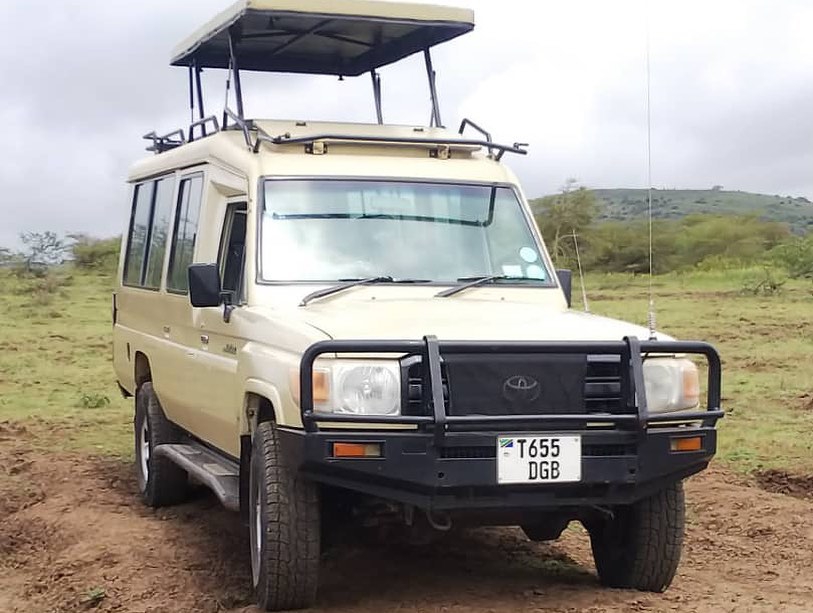
5-Day Rhino Tracking & Conservation Experience: Your Essential Planning Guide
For travelers seeking a profound connection with wildlife and a direct contribution to conservation efforts, a 5-Day Rhino Tracking & Conservation Experience in Kenya’s renowned Ol Pejeta Conservancy offers an unparalleled journey. This isn’t just a safari; it’s an immersive program designed to educate, inspire, and involve you in the critical work of protecting rhinos and their habitat. Ol Pejeta is globally recognized for its dedication to rhino conservation, particularly its work with both black and white rhinos, including the last two northern white rhinos on Earth. This guide provides a complete overview for planning your 2026-2027 adventure, covering everything from itinerary details and what to expect on the ground to practical preparation and booking advice.
This experience is crafted for those who wish to go beyond typical game drives. You’ll gain insights into anti-poaching patrols, learn about rhino monitoring techniques, and understand the complex challenges and successes of wildlife conservation firsthand. Whether you are a seasoned wildlife enthusiast or embarking on your first conservation-focused trip, this 5-day program promises meaningful encounters and a deeper appreciation for these magnificent creatures.
Table of Contents
- Quick Facts: 5-Day Rhino Tracking & Conservation Experience
- Experience Overview: What to Expect
- Why Ol Pejeta Conservancy?
- Best Time to Visit for Rhino Tracking
- Ol Pejeta Conservancy: Area Overview
- Sample 5-Day Rhino Tracking & Conservation Itinerary
- Detailed Expectations: Activities and Encounters
- Typical Inclusions and Exclusions
- Packing and Preparation Guide
- Common Mistakes to Avoid
- Who is This Experience Best Suited For?
- Alternatives to Ol Pejeta Rhino Tracking
- Planning Your 2026-2027 Trip
- Booking Your Experience
- Frequently Asked Questions
Quick Facts: 5-Day Rhino Tracking & Conservation Experience
| Category | Details |
|---|---|
| Duration | 5 Days / 4 Nights |
| Location | Ol Pejeta Conservancy, Laikipia County, Kenya |
| Primary Focus | Rhino tracking, conservation activities, wildlife viewing |
| Key Wildlife | Black rhinos, white rhinos (including northern white rhinos), elephants, lions, leopards, cheetahs, diverse birdlife |
| Accommodation | Lodges or tented camps within or near Ol Pejeta |
| Activities | Guided walks, game drives, visits to conservation centers, potential participation in monitoring tasks |
| Conservation Contribution | Portion of fees typically supports conservation efforts |
| Best For | Wildlife enthusiasts, conservation-minded travelers, photographers, families with older children |
Experience Overview: What to Expect
A 5-day rhino tracking and conservation experience is meticulously designed to offer an intimate look at the lives of rhinos and the dedicated people protecting them. Unlike a standard safari where sightings are often from a vehicle, this program emphasizes direct engagement. You can anticipate spending significant time on foot, accompanied by experienced guides and rangers, to track rhinos in their natural habitat. This often involves learning tracking skills, understanding rhino behavior, and observing them from a safe, respectful distance.
Beyond tracking, your days will be filled with educational components. You’ll likely visit the Sweetwaters Chimpanzee Sanctuary, learn about the Morani Rhino Centre, and potentially engage with anti-poaching units. The goal is to provide a comprehensive understanding of the challenges faced by rhinos, including poaching, habitat loss, and human-wildlife conflict, and the innovative solutions being implemented. Evenings are typically spent at comfortable lodges or camps, sharing experiences and learning more from your guides.
Why Ol Pejeta Conservancy?
Ol Pejeta stands as a beacon of conservation success in Africa. Its commitment to protecting endangered species, particularly rhinos, is world-renowned. The conservancy is home to a significant population of both black and white rhinos, offering excellent viewing opportunities. It is also the last refuge of the northern white rhino subspecies, with Najin and Fatu residing here under intensive care, making it a place of immense conservation significance.
The conservancy employs cutting-edge conservation strategies, including advanced technology for anti-poaching, community engagement programs, and scientific research. By choosing Ol Pejeta for your rhino tracking experience, you are directly supporting these vital efforts. The landscape itself is diverse, featuring rolling grasslands, woodlands, and riverine areas, which support a wide array of wildlife beyond rhinos, including elephants, lions, leopards, cheetahs, and abundant birdlife. This rich biodiversity ensures a well-rounded safari experience alongside the focused rhino encounters.
Best Time to Visit for Rhino Tracking
The best time for a 5-day rhino tracking and conservation experience in Ol Pejeta generally aligns with Kenya’s dry seasons, which offer the most predictable weather for outdoor activities.
| Period | Weather & Wildlife Viewing | Notes |
|---|---|---|
| June to October (Long Dry Season) | Cooler temperatures, clear skies, minimal rain. Vegetation is less dense, making wildlife, including rhinos, easier to spot as they congregate around water sources. This is peak safari season. | Excellent for tracking and general game viewing. Higher demand, book in advance for 2026-2027. |
| January to March (Short Dry Season) | Warm and dry, though can be hotter than the long dry season. Vegetation is drier, aiding visibility. This period often follows the calving season, so baby animals are common. | Good for tracking. Less crowded than peak season. Suitable for 2027 travel. |
| November to December (Short Rains) | Intermittent light showers, warmer temperatures. The landscape becomes greener. Wildlife can be more dispersed. | Less predictable weather, but still offers good rhino viewing opportunities. Can be a quieter period. |
| April to May (Long Rains) | Heavy rainfall, lush green landscapes. Roads can become muddy and difficult to navigate. Wildlife may seek denser cover. | Generally not the ideal time for intensive tracking due to weather and accessibility challenges. |
For optimal rhino tracking and conservation activities, aim for the dry seasons (June-October or January-March). These periods provide the best conditions for both spotting rhinos and engaging in guided walks without weather disruptions. Planning your 2026 or 2027 trip during these times will enhance your experience.
Ol Pejeta Conservancy: Area Overview
Ol Pejeta Conservancy is situated in Laikipia County, central Kenya, at an altitude of approximately 1,800 meters (5,900 feet). It covers an area of about 364 square kilometers (141 sq mi). The landscape is varied, offering a mosaic of habitats:
Grasslands: Vast open plains are characteristic of the conservancy, providing excellent grazing for herbivores and good visibility for spotting wildlife from a distance. These areas are prime habitats for rhinos and large herds of other animals.
Woodlands: Patches of acacia and mixed woodlands offer shade and browse for animals. They also provide cover for predators like lions and leopards, and are important for birdlife.
Riverine Forests: The Ewaso Nyiro River and its tributaries create lush riverine areas, attracting a variety of wildlife, especially during the dry season when water is scarce elsewhere. These areas are crucial for elephants and offer opportunities for birdwatching.
Key Locations within Ol Pejeta:
- Morani Rhino Centre: A hub for rhino conservation information and activities.
- Sweetwaters Chimpanzee Sanctuary: Home to orphaned and rescued chimpanzees.
- Baraka the Black Rhino: A unique rehabilitation enclosure for a blind black rhino, offering close-up educational opportunities.
- Chimpanzee feeding areas: Designated spots to observe chimpanzees.
The conservancy is well-managed with a network of all-weather roads, facilitating game drives. However, the conservation experience often involves guided walks in designated areas, allowing for a more intimate exploration of the terrain and a chance to learn tracking techniques.
Sample 5-Day Rhino Tracking & Conservation Itinerary
This sample itinerary provides a framework for a 5-day rhino tracking and conservation experience. Actual activities can vary based on specific tour operator programs and wildlife movements.
| Day | Morning Activity | Afternoon Activity | Evening Activity |
|---|---|---|---|
| Day 1: Arrival and Introduction | Arrive at Jomo Kenyatta International Airport (NBO), Nairobi. Transfer to a city hotel or directly to Wilson Airport for a domestic flight to Nanyuki Airstrip. Met by your guide and transfer to Ol Pejeta Conservancy. Check into your lodge/camp. Briefing on the week’s activities and conservation focus. | Lunch at the lodge. First guided game drive in Ol Pejeta, focusing on general wildlife and an introduction to the rhino population and conservation areas. | Dinner at the lodge. Optional night game drive to spot nocturnal animals. |
| Day 2: Rhino Tracking and Conservation Insights | Early morning guided bush walk focusing on tracking techniques and understanding rhino signs (tracks, dung, feeding patterns). Visit the Morani Rhino Centre to learn about conservation efforts for black and white rhinos. | Lunch. Game drive to locate specific rhino populations. Discussions with rangers about anti-poaching strategies and the challenges faced. Visit Baraka the Black Rhino enclosure for an educational session. | Dinner. Presentation by a conservation expert or ranger about Ol Pejeta’s work. |
| Day 3: Northern White Rhino and Chimpanzee Sanctuary | Early morning visit to the sanctuary of Najin and Fatu, the last two northern white rhinos. Learn about the assisted reproduction program and the future of the subspecies. | Lunch. Visit the Sweetwaters Chimpanzee Sanctuary to learn about primate conservation and observe the chimpanzees. Afternoon game drive in a different sector of the conservancy. | Dinner. Share experiences and discuss conservation ethics. |
| Day 4: Anti-Poaching Patrol and Community Engagement | Participate in a simulated or observation-based anti-poaching patrol (depending on program specifics and security protocols). Learn about the role of rangers, technology used, and the importance of community involvement. | Lunch. Guided walk or game drive focusing on other wildlife and the conservancy’s biodiversity. Visit a local community project supported by Ol Pejeta (if available and arranged). | Farewell dinner. Reflect on the conservation journey and your contribution. |
| Day 5: Final Encounters and Departure | Early morning game drive or walk for final wildlife viewing opportunities. Enjoy a final breakfast at the lodge. | Transfer to Nanyuki Airstrip for your flight back to Nairobi. Connect to your international departure flight or onward travel. | N/A |
Detailed Expectations: Activities and Encounters
This experience is designed for active participation and deep learning. Here’s what you can expect in more detail:
Guided Bush Walks
These are a cornerstone of the conservation experience. Accompanied by armed rangers and knowledgeable guides, you’ll explore the bush on foot. You’ll learn to identify animal tracks, scat, and other signs. Understanding rhino behavior, their grazing habits, and social structures will be a key focus. These walks allow for a quiet, immersive connection with the environment, far from the noise of vehicles. Safety is paramount, and all walks are conducted with strict adherence to protocols.
Rhino Tracking
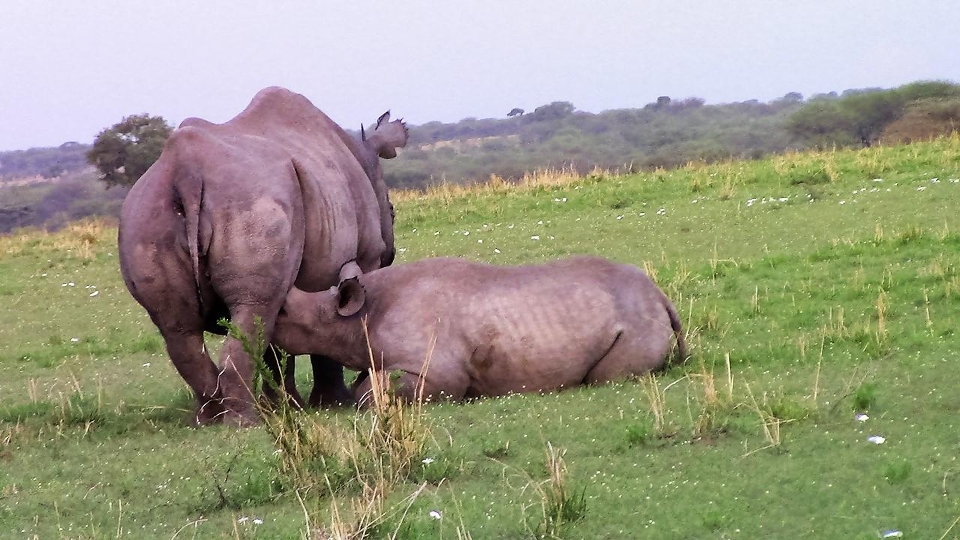
Rhino tracking is not about finding a rhino on demand but about understanding the process. Guides use their expertise, knowledge of rhino movements, and sometimes radio telemetry to locate rhinos. The goal is observation, not pursuit. You’ll learn about the difference between black and white rhinos, their distinct characteristics, and the conservation challenges each faces. Witnessing these animals in their natural environment, knowing the efforts made to protect them, is a powerful experience.
Conservation Centers and Briefings
The Morani Rhino Centre and other educational facilities offer insights into the conservancy’s work. You’ll learn about veterinary care, research, breeding programs, and the history of rhino conservation in the region. Expert talks and briefings from rangers and conservationists will provide context and highlight the impact of your visit.
Northern White Rhino Visit
A visit to the enclosure housing Najin and Fatu, the last two northern white rhinos, is a profoundly moving experience. It’s a chance to witness the results of intensive conservation efforts and understand the genetic challenges and hopes for the future of this subspecies.
Anti-Poaching Units
Depending on the specific tour operator and the conservancy’s operational needs, you might have the opportunity to learn about or even participate in a simulated anti-poaching patrol. This provides a realistic glimpse into the dangerous and demanding work of the rangers who protect rhinos from illegal hunting.
Game Drives
While the focus is on rhinos and conservation, traditional game drives are still part of the experience. These allow you to see the broader biodiversity of Ol Pejeta, including elephants, lions, cheetahs, hyenas, and a variety of bird species. Drives are conducted in open-sided 4×4 vehicles.
Typical Inclusions and Exclusions
Understanding what’s included in your 5-day rhino tracking and conservation experience is crucial for budgeting and planning. While specific inclusions vary by tour operator, here’s a general guide:
Likely Inclusions:
- Accommodation in lodges or tented camps for 4 nights.
- All meals (breakfast, lunch, dinner) during the 5 days.
- Park entrance fees and conservation levies for Ol Pejeta Conservancy.
- Activities as specified in the itinerary: guided bush walks, rhino tracking, game drives, visits to conservation centers.
- Services of a professional, qualified safari guide and armed rangers for walks.
- Bottled water during game drives and walks.
- Internal transfers (e.g., from Nanyuki airstrip to Ol Pejeta).
- Contribution to conservation initiatives (often a portion of the tour cost).
Likely Exclusions:
- International flights to and from Kenya.
- Domestic flights (e.g., Nairobi to Nanyuki and back), unless specified.
- Visa fees for Kenya.
- Travel insurance (highly recommended).
- Gratuities for guides, rangers, and lodge staff.
- Personal expenses (e.g., alcoholic beverages, souvenirs, laundry).
- Optional activities not listed in the itinerary (e.g., night game drives if not included, hot air balloon safaris).
- Vaccinations or medical expenses.
Always confirm the exact inclusions and exclusions with your tour operator when booking for 2026-2027.
Packing and Preparation Guide
Proper packing and preparation are key to a comfortable and successful conservation experience. Consider the climate, activities, and specific requirements:
Clothing:
- Neutral Colors: Pack lightweight clothing in earthy tones (khaki, green, brown). Avoid bright colors and white, as they can startle wildlife.
- Layers: Mornings and evenings can be cool, especially during the dry seasons. Pack long-sleeved shirts and trousers for protection against the sun and insects, and a warm fleece or jacket.
- Comfortable Walking Shoes: Sturdy, broken-in hiking boots are essential for guided walks.
- Sandals/Comfortable Shoes: For relaxing at the lodge.
- Hat: A wide-brimmed hat for sun protection.
- Rain Gear: A lightweight, waterproof jacket or poncho, especially if traveling during the shoulder seasons.
Gear and Essentials:
- Binoculars: Crucial for wildlife viewing. A good pair (e.g., 8×42 or 10×42) will significantly enhance your experience.
- Camera and Accessories: Bring extra batteries, memory cards, and a telephoto lens if possible for wildlife photography. A waterproof camera bag is advisable.
- Sunscreen: High SPF sunscreen.
- Insect Repellent: With DEET or Picaridin.
- Personal First-Aid Kit: Include any personal medications, antiseptic wipes, bandages, pain relievers, and treatments for common ailments like stomach upset.
- Reusable Water Bottle: To minimize plastic waste.
- Headlamp or Torch: Useful for moving around camp at night.
- Power Bank/Adapter: For charging electronics. Ensure you have the correct plug adapter for Kenya (Type G).
- Field Guide: A good book on East African mammals and birds can be very informative.
Health and Safety:
- Consult Your Doctor: Discuss necessary vaccinations (e.g., Yellow Fever, Hepatitis A & B, Typhoid) and malaria prophylaxis well in advance of your 2026-2027 trip.
- Travel Insurance: Essential for covering medical emergencies, trip cancellations, and lost belongings.
- Hydration: Drink plenty of water to stay hydrated, especially in the African sun.
Documentation:
- Passport: Valid for at least six months beyond your intended stay, with sufficient blank pages.
- Visa: Check visa requirements for Kenya. Many nationalities can obtain an e-visa in advance.
- Flight Tickets and Itinerary: Keep digital and physical copies.
- Emergency Contact Information: For your tour operator and family.
Common Mistakes to Avoid
To ensure a smooth and rewarding 5-Day Rhino Tracking & Conservation Experience, be aware of these common pitfalls:
- Underestimating Travel Time: Distances in Kenya can be significant. Factor in travel time between Nairobi and Ol Pejeta (flight or road). Delays can happen.
- Not Booking in Advance: Especially for peak seasons in 2026-2027, popular lodges and conservation experiences fill up quickly. Book several months ahead.
- Packing Inappropriately: Forgetting neutral-colored clothing, proper walking shoes, or essential gear like binoculars can detract from the experience.
- Ignoring Health Advice: Failing to consult a doctor about vaccinations and malaria prevention can lead to serious health issues.
- Expecting Constant Rhino Sightings: While Ol Pejeta has a high rhino density, tracking requires patience. The experience is about the process and conservation, not just guaranteed sightings.
- Disturbing Wildlife: Always maintain a safe and respectful distance. Do not feed animals or make loud noises. Follow your guide’s instructions implicitly.
- Not Having Travel Insurance: This is a critical oversight that can lead to significant financial and medical problems in case of an emergency.
- Over-packing: While you need essentials, lodges often have laundry services. Pack efficiently, especially if you’re moving between locations.
- Assuming All Tours Are Equal: Research your tour operator thoroughly. Look for those with a genuine commitment to conservation and experienced guides.
- Not Being Prepared for Limited Connectivity: Wi-Fi can be spotty in remote areas. Embrace the opportunity to disconnect.
Who is This Experience Best Suited For?
The 5-day rhino tracking and conservation experience is ideal for a specific type of traveler:
- Conservation Enthusiasts: Individuals passionate about wildlife protection, sustainability, and contributing to conservation efforts.
- Wildlife Photographers: Those seeking unique photographic opportunities with a focus on rhinos and conservation in action.
- Educational Travelers: People who want to learn deeply about wildlife ecology, conservation challenges, and solutions.
- Responsible Tourists: Travelers who prioritize ethical tourism and want their travel spending to directly benefit conservation projects.
- Families with Older Children/Teens: A great educational trip for families looking to instill a sense of environmental responsibility in their children (typically suitable for ages 12+ due to the nature of the activities and discussions).
- Repeat Safari Goers: Those who have experienced standard safaris and want a more in-depth, hands-on encounter with wildlife and conservation.
- Nature Lovers: Anyone who appreciates the tranquility of the African bush and wishes for a more intimate connection with nature.
It may be less suitable for those seeking a purely leisure-focused holiday with minimal physical activity or for travelers who prefer to observe wildlife solely from the comfort of a vehicle without much educational component.
Alternatives to Ol Pejeta Rhino Tracking
While Ol Pejeta is exceptional, other destinations and experiences offer similar conservation-focused wildlife encounters:
| Location/Experience | Focus | Key Differences |
|---|---|---|
| Lake Nakuru National Park, Kenya | White rhinos, black rhinos, large flamingo populations, diverse birdlife. | More of a traditional park setting with easier road access and higher density of rhinos. Less focus on direct conservation participation compared to Ol Pejeta’s dedicated programs. |
| Hluhluwe-iMfolozi Park, South Africa | Oldest proclaimed nature reserve in Africa, significant white and black rhino populations, crucial for rhino conservation history. | Offers rhino tracking and walking safaris. Conservation focus is strong, but Ol Pejeta’s unique northern white rhino aspect is unmatched. |
| Mkhaya Game Reserve, Eswatini (Swaziland) | Rhino conservation, particularly black rhinos. Offers guided walks and tracking experiences. | Smaller scale than Ol Pejeta, more rustic accommodation. A good option for a more intimate rhino-focused walking safari. |
| Botswana (e.g., Chobe National Park, Okavango Delta) | Abundant general wildlife, including elephants, predators, and diverse birdlife. Rhino populations are present but not as concentrated or as central to tourism as in Ol Pejeta. | Known for vast landscapes and water-based safaris (Okavango Delta). Rhino tracking is possible but not the primary draw; focus is broader wildlife viewing. |
| Conservation Volunteer Programs (various locations) | Hands-on involvement in conservation projects (e.g., wildlife monitoring, habitat restoration, anti-poaching support). | Requires a longer commitment (weeks or months) and more physically demanding work. Less about guided tracking and more about direct labor. |
Ol Pejeta’s 5-Day Rhino Tracking & Conservation Experience offers a unique blend of direct conservation engagement, educational depth, and the chance to see rare rhino subspecies, making it a standout choice.
Planning Your 2026-2027 Trip
Planning ahead is key for a successful 5-Day Rhino Tracking & Conservation Experience, especially when looking at the 2026-2027 travel window. Here’s a structured approach:
Planning Checklist:
- Define Your Priorities: Are you most interested in tracking, learning about anti-poaching, seeing the northern white rhinos, or a mix? This helps choose the right operator.
- Research Tour Operators: Look for companies with a strong reputation for ethical tourism, experienced guides, and a genuine commitment to conservation. Check reviews and testimonials. For 2026-2027 bookings, early research is vital.
- Determine Your Budget: Understand what is typically included and excluded. Factor in flights, visas, insurance, and personal expenses. Conservation experiences can sometimes be more expensive due to the specialized guiding and support required.
- Choose Your Travel Dates: Consider the best time to visit for weather and wildlife viewing (dry seasons are generally preferred).
- Book Flights: Secure international flights to Nairobi (NBO) and research domestic flight options to Nanyuki. Book these well in advance for 2026-2027.
- Secure Your Tour Package: Confirm availability with your chosen operator and make a deposit. Many operators require booking 6-12 months in advance for popular periods.
- Arrange Visas: Check Kenya’s visa requirements for your nationality and apply online if necessary.
- Consult Your Doctor: Schedule appointments for necessary vaccinations and malaria prophylaxis at least 4-6 weeks before your trip.
- Purchase Travel Insurance: Ensure it covers medical emergencies, evacuation, and trip cancellation.
- Start Packing: Gather appropriate clothing and gear based on the packing list.
- Prepare Mentally: Understand the conservation focus, be ready for early mornings, and embrace the educational aspect of the trip.
Booking for 2026 and 2027 is already underway for many operators. Early planning ensures you get your preferred dates and accommodations, especially if you aim for the peak dry seasons.
Booking Your Experience
Securing your 5-Day Rhino Tracking & Conservation Experience requires careful consideration of your tour operator. Here’s how to approach the booking process:
Choosing the Right Tour Operator:
Look for operators who:
- Have a deep understanding of Ol Pejeta and its conservation efforts.
- Employ experienced, certified guides and work closely with Ol Pejeta rangers.
- Are transparent about how a portion of your payment supports conservation.
- Offer detailed itineraries and clear inclusions/exclusions.
- Have positive, recent reviews focusing on conservation experiences.
The Booking Process:
- Inquire: Contact your preferred operator with your desired travel dates for 2026 or 2027. Ask specific questions about the conservation activities included, guide qualifications, and accommodation options.
- Review Proposal: The operator will provide a detailed itinerary and quote. Scrutinize this for accuracy and completeness.
- Confirm Inclusions: Double-check what is covered: park fees, accommodation, meals, activities, transfers, and any conservation contributions.
- Deposit: A deposit is usually required to confirm your booking. This can range from 20% to 50% of the total cost.
- Final Payment: The remaining balance is typically due 30-60 days before your departure.
- Receive Documentation: Once fully paid, you’ll receive your final itinerary, booking vouchers, and important pre-departure information.
For a reliable and impactful experience, consider contacting experienced local operators who have strong partnerships within Ol Pejeta. For your 2026-2027 plans, reach out to:
WhatsApp: +255616946642
Email: topguideadventures@gmail.com
Backup Email: info@topguideadventures.com
They can help tailor an itinerary that aligns with your conservation interests and ensure a well-organized trip.
Frequently Asked Questions
General Questions:
Q1: What is the main goal of a 5-Day Rhino Tracking & Conservation Experience?
A: The primary goal is to provide participants with an in-depth understanding of rhino conservation efforts, allow for respectful observation of rhinos in their natural habitat, and contribute directly to the protection of these endangered animals through tourism revenue and awareness.
Q2: Is it safe to go on guided walks with rangers?
A: Yes, safety is paramount. Walks are led by experienced, armed rangers and knowledgeable guides who are trained to handle wildlife encounters. You will be instructed on safety protocols and must adhere to them strictly.
Q3: What is the difference between tracking rhinos and a standard game drive?
A: Tracking often involves guided walks, focusing on signs of rhino presence and learning about their behavior. Game drives use vehicles for broader viewing and covering more ground. This experience combines both, with a strong emphasis on the educational and interactive aspects of tracking and conservation.
Q4: Can I physically participate in anti-poaching patrols?
A: Direct participation in active anti-poaching patrols is usually restricted due to security and operational reasons. However, many programs offer simulated patrols or educational sessions with anti-poaching units to demonstrate their work and challenges.
Q5: What are the accommodation options like?
A: Accommodation typically ranges from comfortable lodges to well-appointed tented camps within or near Ol Pejeta. They offer amenities such as en-suite bathrooms, dining areas, and common lounges, providing a comfortable base after days of activity.
Q6: What is the significance of the Northern White Rhinos at Ol Pejeta?
A: Ol Pejeta is the last sanctuary for the Northern White Rhino subspecies. Najin and Fatu, the last two individuals, reside here under intensive care. Visiting them offers a poignant look at conservation efforts to save a species from extinction and the advanced scientific research involved, which is relevant for 2026-2027 conservation planning.
Q7: How much of my tour cost actually goes to conservation?
A: Reputable tour operators and lodges often contribute a percentage of their profits or a fixed conservation fee per visitor to Ol Pejeta’s conservation programs. This should be clearly stated in your booking details.
Q8: What should I do if I see a rhino during a walk?
A: Listen to your guide. Generally, you should remain quiet, stand still, and allow the rhino to move away. Your guide will manage the situation to ensure the safety of everyone involved and minimize disturbance to the animal.
Q9: Is this experience suitable for children?
A: While children can learn a lot, the experience involves early mornings, potentially long walks, and serious discussions about conservation and poaching. It is generally recommended for children aged 12 and above. Always confirm age suitability with your tour operator for 2026-2027 family trips.
Q10: How far in advance should I book for 2027?
A: It is highly recommended to book at least 9-12 months in advance for 2027, especially if you plan to travel during the peak dry seasons (June-October and January-March) to secure your preferred dates and accommodation.
Ready for Your Rhino Conservation Adventure?
A 5-Day Rhino Tracking & Conservation Experience in Ol Pejeta Conservancy is more than just a safari; it’s a chance to connect with nature on a deeper level and contribute to vital conservation work. Witnessing these magnificent creatures and understanding the dedication behind their protection is an unforgettable journey.
Let us help you plan your meaningful adventure for 2026-2027. We specialize in crafting authentic safari experiences that focus on conservation and responsible tourism.
Contact us today to design your personalized itinerary:
WhatsApp: +255616946642
Email: topguideadventures@gmail.com
Backup Email: info@topguideadventures.com
Let’s make your conservation dreams a reality!
Plan your 5-Day Rhino Tracking & Conservation Experience — Ol Pejeta with Top Guide Adventures
Tell us your travel dates, group size, comfort level, and dream experience. We will help you shape a clear, realistic, and memorable Tanzania itinerary.

 Veedesigner
 Fatma Kizanga
 Benjamin Waryuba
 Philip Philip
 John jr Itaja
 Antonia Optatus
 Edith Kanyere
 Neema Iddy
 Kelvin Boniphace
 Damari Maiga



