
Updated planning guide for 2026-2027
6-Day Birding & Eco-Tour Northern Circuit: Complete Tour Guide 2026-2027
Explore Tanzania's rich avian life and diverse ecosystems on a 6-day birding and eco-tour through the Northern Circuit. This guide covers everything from planning and itineraries to what to expect and booking advice for 2026-2027.
WhatsApp +255616946642 | topguideadventures@gmail.com | info@topguideadventures.com
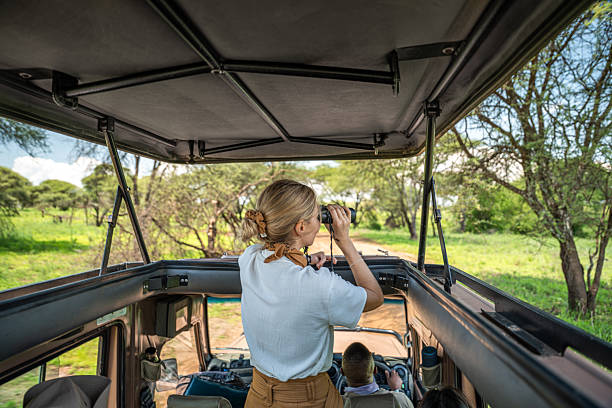
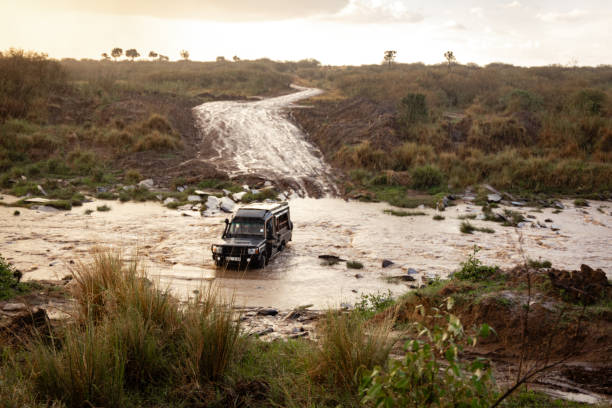
6-Day Birding & Eco-Tour Northern Circuit: The Complete Tanzania Guide 2026-2027
Tanzania’s Northern Circuit is renowned globally for its spectacular wildlife and varied landscapes. While many associate it with iconic game drives and the Great Migration, it also offers an exceptional experience for birdwatchers and eco-tourists. A 6-Day Birding & Eco-Tour Northern Circuit is a focused journey designed to showcase the region’s incredible biodiversity, from its feathered inhabitants to its conservation efforts. This guide provides an in-depth look at planning, experiencing, and maximizing such a trip, ensuring you are well-prepared for an unforgettable adventure in 2026-2027.
Quick Answer: A 6-day birding and eco-tour of Tanzania’s Northern Circuit offers a concentrated experience of the region’s diverse birdlife and natural habitats, focusing on areas like Arusha National Park, Lake Manyara, and potentially parts of the Serengeti or Ngorongoro Conservation Area, with an emphasis on sustainable tourism practices.
Table of Contents
- Quick Facts: 6-Day Birding & Eco-Tour Northern Circuit
- Overview of the Northern Circuit for Birding and Eco-Tourism
- Why Choose a Birding & Eco-Tour Over a Standard Safari?
- Best Time to Visit for Birding in the Northern Circuit (2026-2027)
- Northern Circuit Birding & Eco-Tour Route Overview
- Sample 6-Day Birding & Eco-Tour Northern Circuit Itinerary
- What to Expect: Birding & Eco-Tour Experience
- Inclusions, Packing, and Preparation
- Common Mistakes to Avoid on Your Tour
- Who is This 6-Day Birding & Eco-Tour Best Suited For?
- Alternatives to a 6-Day Northern Circuit Birding Tour
- Planning Your 2026-2027 Birding & Eco-Tour
- Booking Your 6-Day Birding & Eco-Tour Northern Circuit
- Frequently Asked Questions (FAQs)
Quick Facts: 6-Day Birding & Eco-Tour Northern Circuit
| Aspect | Details |
|---|---|
| Duration | 6 Days / 5 Nights |
| Focus Areas | Arusha National Park, Lake Manyara National Park, Tarangire National Park (optional), Ngorongoro Conservation Area (rim/crater floor birding). |
| Key Activities | Birdwatching (walking safaris, game drives), wildlife viewing, nature walks, cultural visits (optional, eco-focused), learning about conservation. |
| Birding Highlights | Waterfowl, raptors, forest birds, grassland species, endemic birds (depending on exact locations). Look for species like Flamingos, Secretarybirds, Lilac-breasted Rollers, African Fish Eagles, Turacos, and many more. |
| Eco-Tourism Elements | Emphasis on low-impact travel, supporting local communities, understanding conservation challenges and successes, responsible wildlife viewing. |
| Typical Accommodation | Lodges, tented camps (eco-lodges, permanent camps), budget guesthouses. |
| Best For | Avid birders, nature enthusiasts, photographers, travelers interested in conservation, those seeking a more focused wildlife experience. |
Overview of the Northern Circuit for Birding and Eco-Tourism
Tanzania’s Northern Circuit is a world-renowned safari destination, encompassing iconic parks like the Serengeti, Ngorongoro Crater, Tarangire, and Lake Manyara. For the dedicated birder and eco-conscious traveler, this circuit offers a concentrated dose of biodiversity. It’s not just about spotting the Big Five; it’s about appreciating the intricate web of life, from the smallest sunbird to the largest raptor, and understanding the delicate balance of these ecosystems.
A 6-Day Birding & Eco-Tour Northern Circuit is expertly crafted to maximize your chances of encountering a wide array of avian species and appreciating the natural environment through a lens of sustainability. This itinerary typically focuses on areas that are particularly rich in birdlife and offer opportunities for more intimate nature experiences, often including walking safaris and guided nature walks, which are crucial for spotting many bird species that might be missed from a vehicle.
The eco-tourism aspect emphasizes responsible travel. This means choosing lodges and operators with strong environmental policies, respecting wildlife and local cultures, minimizing waste, and contributing to conservation efforts. It’s about experiencing the beauty of Tanzania while ensuring its preservation for future generations, a philosophy that is becoming increasingly vital for travelers in 2026-2027 and beyond.
Why Choose a Birding & Eco-Tour Over a Standard Safari?
While a standard Northern Circuit safari is spectacular for its large mammals, a dedicated birding and eco-tour offers a different, often deeper, perspective. Here’s why you might opt for this specialized approach:
- Specialized Focus: Standard safaris often have a broad focus on charismatic megafauna. A birding tour prioritizes avian species, leading to more time spent in diverse habitats known for bird activity, using specialized knowledge to locate species.
- Expert Guides: Birding tours are led by guides with extensive ornithological knowledge. They can identify calls, behaviors, and subtle visual cues that a general guide might overlook, significantly increasing your species count.
- Habitat Exploration: Birding tours often explore a wider range of habitats – from wetlands and forests to savannas and montane areas – seeking out specific species associated with each. This can include areas off the main tourist routes.
- Slower Pace: Birdwatching often requires patience and a slower pace. This tour style allows for more observation, photography, and appreciation of the smaller details of the ecosystem.
- Conservation Emphasis: Eco-tours integrate an understanding of conservation challenges and successes. You’ll learn about habitat preservation, anti-poaching efforts, and the role of tourism in supporting these initiatives. This resonates strongly with travelers in 2026-2027 who are increasingly mindful of their travel impact.
- Unique Experiences: Activities like guided walking safaris, birding by boat (where available), or visiting specific birding hotspots offer experiences beyond typical vehicle-based game drives.
Best Time to Visit for Birding in the Northern Circuit (2026-2027)
The birding season in Tanzania is largely influenced by the rains. The Northern Circuit experiences two main seasons: the dry season and the wet season.
| Season | Months | Birding Conditions & Highlights | Other Considerations |
|---|---|---|---|
| Long Rains | March – May | Breeding plumage is prominent for many resident birds. Lush landscapes, but some roads can be challenging. Water levels are high, attracting waterfowl. Migratory birds from Europe and Asia are present. | Fewer tourists, potentially lower prices. Can be a challenging time for travel due to heavy rain. |
| Short Rains | November – December | Good for spotting resident birds. Landscapes become greener. Migratory birds start arriving. | Intermittent showers, generally less disruptive than long rains. |
| Dry Season | June – October | Excellent for birding as birds congregate around water sources. Easier to spot birds against dry vegetation. Migratory birds are departing. Excellent for mammal viewing too, making it a popular time. | Peak tourist season, higher prices. Ideal for general safari activities alongside birding. |
For a 6-Day Birding & Eco-Tour Northern Circuit, the ideal periods often fall outside the peak of the long rains. The period from June to October is excellent for spotting resident birds and enjoying easier travel. The shoulder months of November and December can also be very rewarding, especially if you are keen to see migratory species and enjoy fewer crowds. Planning for 2026-2027, consider these factors to align with your specific birding interests.
Northern Circuit Birding & Eco-Tour Route Overview
A 6-day itinerary is compact, so it requires strategic planning to cover diverse habitats. The focus is on areas accessible from Arusha and offering significant birding potential. Here’s a typical geographical flow:
Route Flow:
- Start: Arusha (briefing, acclimatization, nearby birding spots if time permits)
- Day 1-2: Arusha National Park (Montane forest, grasslands, crater lakes – good for Turacos, Narina Trogon, various raptors, waterfowl). Offers walking safaris.
- Day 2-3: Lake Manyara National Park (Drives along the lake shore, woodlands – famous for Flamingos, pelicans, storks, raptors, kingfishers, and woodland birds).
- Day 3-4: Tarangire National Park (Known for large elephant herds, but also baobab trees and diverse birdlife including raptors, hornbills, and ground hornbills. Offers walking safaris.)
- Day 4-5: Ngorongoro Conservation Area (Crater floor birding for specific species, crater rim walks for montane birds, potential for endemic species. Focus on unique habitats.)
- Day 6: Return to Arusha (Optional final birding stop en route).
This route balances accessibility with rich biodiversity. Each location offers distinct birding opportunities and ecosystems, fulfilling the ‘eco-tour’ aspect by showcasing varied landscapes and conservation needs.
Sample 6-Day Birding & Eco-Tour Northern Circuit Itinerary
This sample itinerary is designed for optimal birding and eco-discovery within a 6-day timeframe. It balances driving time with active birding and nature observation.
| Day | Location | Morning Activity | Afternoon Activity | Evening | Accommodation Type |
|---|---|---|---|---|---|
| 1 | Arusha & surroundings | Arrival in Arusha, meet your guide, tour briefing. If time permits, visit a local nursery or conservation project near Arusha. | Afternoon birding walk in Arusha National Park buffer zones or a private conservancy, focusing on forest edge species. | Overnight in Arusha. | Lodge/Guesthouse in Arusha. |
| 2 | Arusha National Park | Full day birding and walking safari in Arusha National Park. Focus on Momella Lakes for waterfowl and flamingos, and the forest trails for Turacos and forest birds. | Continue birding within the park, focusing on grasslands for raptors and smaller species. | Dinner and overnight near Arusha National Park or back in Arusha. | Lodge/Tented Camp outside Arusha NP. |
| 3 | Lake Manyara National Park | Drive to Lake Manyara. Morning birding walk along the escarpment or within the park’s woodland areas. | Game drive focused on birding around Lake Manyara’s shores, looking for large water birds, kingfishers, and raptors. | Overnight at a lodge/camp overlooking Lake Manyara or on the escarpment. | Lodge/Tented Camp near Lake Manyara. |
| 4 | Tarangire National Park | Morning birding drive in Tarangire, focusing on baobab-studded landscapes and riverine areas known for diverse species like hornbills and raptors. | Afternoon walking safari in Tarangire (if permitted and available), focusing on ground birds, smaller bush species, and understanding the ecosystem. | Overnight in a tented camp within or near Tarangire. | Tented Camp in/near Tarangire NP. |
| 5 | Ngorongoro Conservation Area | Drive to Ngorongoro. Descend into the crater for birding and wildlife viewing. Focus on the unique crater floor ecosystem and its inhabitants. | Ascend from the crater. Optional guided walk on the crater rim or visit a Maasai boma with an eco-focus (e.g., learning about sustainable land use). | Overnight at a lodge on the Ngorongoro Crater rim. | Lodge on Ngorongoro Crater Rim. |
| 6 | Departure | Early morning birding session on the crater rim or a final drive out of the conservation area. | Drive back to Arusha. Optional stop at a craft market or cultural center. Transfer to Kilimanjaro International Airport (JRO) for departure. | Departure. | N/A. |
This itinerary is a suggestion and can be customized. For example, some travelers might prefer to spend more time in Tarangire for its walking safari opportunities, or swap Tarangire for additional time in the Serengeti if a longer travel time is feasible within the 6 days.
What to Expect: Birding & Eco-Tour Experience
A 6-Day Birding & Eco-Tour Northern Circuit is an immersive experience that differs from a typical safari in several ways:
- Early Mornings: Bird activity is highest at dawn and dusk. Expect early starts to catch the best birding opportunities.
- Specialized Equipment: Your guide will have a spotting scope. You’ll need good binoculars, a field guide to East African birds, and a camera with a good zoom lens.
- Patience and Observation: Birdwatching requires keen observation skills and patience. You’ll spend time quietly observing, listening to calls, and waiting for birds to appear.
- Habitat Diversity: You’ll visit a variety of ecosystems – from acacia woodlands and grasslands to montane forests and alkaline lakes – each supporting different bird species.
- Walking Safaris: Many eco-tours incorporate guided walking safaris. These offer a more intimate connection with nature, allowing you to notice smaller details, track animals, and identify plants and insects. These are conducted with expert guides for safety.
- Eco-Consciousness: Expect discussions on conservation efforts, local community involvement, and the importance of sustainable tourism practices. Lodges and camps chosen will often have demonstrable eco-credentials.
- Comfort vs. Immersion: While comfort is provided, the focus is on immersion in nature. Accommodation might range from comfortable lodges to more rustic but well-appointed tented camps.
- Learning Opportunity: Your guide will be a wealth of knowledge, not just about birds but also about mammals, plants, insects, and the cultural and ecological context of the region.
Inclusions, Packing, and Preparation
Understanding what’s typically included and what you need to pack is crucial for a smooth trip.
Typical Inclusions:
While this can vary by operator, a comprehensive 6-day tour package often includes:
- All park entrance fees and conservation fees.
- Accommodation as per the itinerary.
- All meals (breakfast, lunch, dinner) during the tour.
- A professional, English-speaking birding guide.
- A specialized 4×4 safari vehicle with pop-up roof for game viewing and birding.
- Bottled water in the safari vehicle.
- Airport transfers.
- (Sometimes) A contribution to a local community or conservation project.
What to Pack:
Packing smart ensures comfort and readiness for diverse conditions.
| Category | Items |
|---|---|
| Optics | High-quality binoculars (8×42 or 10×42 recommended), spotting scope (often provided by guide, confirm). |
| Clothing | Lightweight, neutral-colored clothing (khaki, green, brown). Long-sleeved shirts and trousers for sun and insect protection. Fleece or warm jacket for cool mornings/evenings. Comfortable walking shoes/boots. Sandals or comfortable shoes for camp. Hat with a wide brim. |
| Gear | Camera with zoom lens, extra batteries and memory cards. Power bank/portable charger. Headlamp or flashlight. Small backpack for day trips. Reusable water bottle. |
| Health & Personal | Insect repellent (DEET-based). Sunscreen (high SPF). Personal first-aid kit. Prescription medications. Hand sanitizer. Sunglasses. Any personal toiletries. |
| Documents | Passport (valid for at least 6 months), visa (if required), flight tickets, travel insurance details, vaccination certificates (e.g., Yellow Fever), copies of important documents. |
| Optional | Field guide to East African birds, notebook and pen, small binoculars for children. |
Preparation:
- Vaccinations: Consult your doctor about recommended vaccinations for Tanzania (e.g., Yellow Fever, Hepatitis A, Typhoid).
- Malaria Prevention: Discuss malaria prophylaxis with your doctor.
- Fitness: While not strenuous, good walking ability is beneficial for walking safaris.
- Travel Insurance: Essential for medical emergencies and trip cancellations. Ensure it covers adventure activities.
- Visa: Check visa requirements for your nationality well in advance of 2026-2027 travel.
Common Mistakes to Avoid on Your Tour
To ensure your 6-Day Birding & Eco-Tour Northern Circuit is a success, be aware of these common pitfalls:
- Underestimating the Early Mornings: Birding is best at dawn. Don’t plan late lie-ins if you want to maximize sightings.
- Not Packing Appropriate Clothing: Neutral colors are best for birding. Bright colors can scare birds. Layers are essential for changing temperatures.
- Insufficient Optics: A good pair of binoculars is non-negotiable. Don’t rely on just your eyes or a phone camera.
- Expecting Only Big Mammals: While you’ll see plenty of wildlife, the focus is birds. Manage expectations and appreciate the smaller wonders.
- Ignoring Eco-Principles: Respect wildlife viewing distances, avoid single-use plastics, and support local conservation initiatives. This is key for an eco-tour.
- Over-scheduling: Birding requires patience. Trying to cram too much into one day can lead to frustration and missed opportunities.
- Not Communicating Needs: If you have specific birding interests or dietary requirements, communicate them clearly to your tour operator and guide.
- Forgetting Sun Protection: The African sun is intense. Sunscreen, hats, and sunglasses are vital, even on cloudy days.
Who is This 6-Day Birding & Eco-Tour Best Suited For?
This specialized tour is ideal for a specific type of traveler:
- Avid Birdwatchers: Those whose primary motivation for visiting Tanzania is to add to their species list and observe birds in their natural habitat.
- Nature Photographers: Photographers looking to capture detailed shots of birds and other wildlife, as well as landscapes.
- Eco-Conscious Travelers: Individuals who prioritize sustainable tourism, want to learn about conservation, and support responsible travel practices.
- Travelers Seeking Depth: Those who prefer a more focused, in-depth experience of a specific aspect of nature rather than a broad overview.
- Repeat Visitors to Tanzania: Travelers who have already experienced a standard safari and wish to see the country’s natural wonders from a new perspective.
- Small Groups and Couples: The nature of birding often lends itself well to smaller, more intimate travel groups.
It might be less suitable for travelers whose sole focus is ticking off the Big Five or those who prefer a very fast-paced, action-packed itinerary with minimal downtime for observation.
Alternatives to a 6-Day Northern Circuit Birding Tour
If a 6-day Northern Circuit birding tour isn’t quite right, consider these alternatives:
- Longer Northern Circuit Birding Tour (8-10 days): This allows for more in-depth exploration of Serengeti, or adding areas like Meru or Kilimanjaro foothills for specific bird species.
- Southern Tanzania Birding Tours: Parks like Selous Game Reserve (now Nyerere National Park) and Ruaha National Park offer different avian species and a more remote, less crowded experience. These are excellent for serious birders.
- Western Tanzania Birding: Mahale Mountains and Gombe Stream National Parks offer unique primate viewing alongside excellent birding in chimpanzee territory.
- General Northern Circuit Safari (6-8 days): If birding is a secondary interest, a standard safari provides a good mix of wildlife viewing and landscape appreciation.
- Zanzibar & Coastal Birding: For a mix of culture, relaxation, and specific coastal/forest bird species, combine a beach holiday with guided birding excursions in Jozani Forest or on nearby islands.
Planning Your 2026-2027 Birding & Eco-Tour
Planning ahead is key for a successful trip, especially when looking at travel dates for 2026-2027. Here’s a planning timeline and considerations:
12-18 Months Before Travel:
- Research & Define Interests: Determine your specific birding interests (e.g., endemic species, raptors, waterbirds). Research which parks and seasons best suit these.
- Choose a Tour Operator: Look for operators with proven experience in birding and eco-tours. Check their sustainability policies and guide qualifications.
- Set Budget: Birding tours can range in price depending on accommodation, group size, and inclusions.
- Book Key Elements: Secure your preferred travel dates, especially if aiming for peak seasons in 2026 or 2027. High-demand lodges and experienced guides get booked early.
6-12 Months Before Travel:
- Consult Doctor: Discuss necessary vaccinations and malaria prophylaxis.
- Visa Requirements: Start researching visa needs for Tanzania.
- Purchase Travel Insurance: Ensure comprehensive coverage.
3-6 Months Before Travel:
- Finalize Itinerary: Work with your operator to fine-tune the 6-day itinerary based on your interests.
- Start Packing: Begin acquiring specialized gear like binoculars and camera equipment.
- Book Flights: Once your tour is confirmed, book your international flights.
1-3 Months Before Travel:
- Confirm Details: Double-check all bookings, transfers, and guide arrangements.
- Pack Essentials: Ensure all clothing, personal items, and medications are ready.
- Learn Basic Swahili Phrases: A few words can enhance your interactions.
1-2 Weeks Before Travel:
- Final Check: Pack your bags, confirm flight times, and inform your bank of travel dates.
- Print Documents: Have hard copies of all important documents.
Booking Your 6-Day Birding & Eco-Tour Northern Circuit
Choosing the right tour operator is paramount for a specialized trip like this. Here’s advice for booking your 6-Day Birding & Eco-Tour Northern Circuit:
- Specialization is Key: Look for tour operators who explicitly offer birding and eco-tours, not just general safaris. Ask about their guides’ ornithological qualifications and experience.
- Guide Expertise: Inquire about the specific guides who will lead your tour. Do they have a strong reputation for bird identification and knowledge of local ecology?
- Itinerary Customization: A good operator will be willing to customize the itinerary to focus on your specific birding interests or conservation priorities.
- Accommodation Choices: Discuss lodge and camp options. Are they eco-certified? Do they offer good access to birding areas? Can they cater to dietary needs?
- Vehicle Type: Ensure the safari vehicle is suitable for birding – a pop-up roof is essential, and some operators might offer open-sided vehicles for better viewing (check safety protocols).
- Sustainability Practices: Ask about the operator’s commitment to eco-tourism. This could include waste management, water conservation, supporting local communities, and contributing to conservation projects.
- Reviews and Testimonials: Look for reviews from other birders or eco-travelers.
- Clear Inclusions/Exclusions: Understand exactly what is covered in the price to avoid unexpected costs. For 2026-2027 bookings, ensure clarity on any potential price adjustments due to inflation or new park fees.
- Payment Terms: Understand the deposit and final payment schedule, as well as cancellation policies.
When you’re ready to plan your trip for 2026 or 2027, consider reaching out to experienced local operators who understand the nuances of Tanzania’s natural environment and the specific needs of birders and eco-travelers. Top Guide Adventures is a local Tanzanian company dedicated to providing authentic and responsible safari experiences.
Contact Top Guide Adventures for a personalized 6-Day Birding & Eco-Tour Northern Circuit quote:
- WhatsApp: +255616946642
- Email: topguideadventures@gmail.com
- Backup Email: info@topguideadventures.com
Frequently Asked Questions (FAQs)
What is the main difference between a standard safari and a birding & eco-tour?
A standard safari primarily focuses on viewing the ‘Big Five’ and large mammals, often with a faster pace. A birding and eco-tour prioritizes avian species and their habitats, typically involves a slower pace for observation, utilizes specialized guides with ornithological knowledge, and emphasizes understanding and supporting conservation efforts and sustainable practices.
Can I see the Great Migration on a 6-day birding tour?
While the Northern Circuit is famous for the Great Migration (Serengeti), a 6-day tour is quite short. It might be possible to catch parts of the migration depending on the time of year and the specific itinerary, but the focus will be on birding hotspots within parks like Lake Manyara, Tarangire, and Ngorongoro, which have excellent resident bird populations year-round. If the migration is your primary goal, a longer tour focusing on the Serengeti would be more appropriate.
What kind of birds can I expect to see?
Tanzania boasts over 1,100 bird species. On a 6-day Northern Circuit birding tour, you can expect to see a wide variety, including numerous waterfowl (flamingos, pelicans, storks), raptors (eagles, falcons, vultures), forest birds (turacos, hornbills), grassland species (rollers, bustards), and various smaller birds like sunbirds, weavers, and finches. Specific sightings depend heavily on the season and exact locations visited.
Is a 6-day tour enough time for birding in the Northern Circuit?
A 6-day tour provides a concentrated experience of key birding areas within the Northern Circuit. While more time would allow for deeper exploration, this duration is sufficient to see a significant number of species and experience diverse habitats if the itinerary is well-planned. It’s a good introduction for dedicated birders.
What are the safety considerations for walking safaris?
Walking safaris are conducted with highly trained and armed ranger guides who are experts in tracking wildlife and ensuring guest safety. They maintain safe distances from dangerous animals and know how to react in any situation. It’s crucial to follow all instructions from your guide.
How much should I budget for a 6-day birding & eco-tour in 2026-2027?
Exact prices vary based on accommodation standards, group size, and operator. However, for a 6-day birding and eco-tour in 2026-2027, expect a mid-range to luxury budget. This typically covers park fees (which are significant), accommodation, meals, guide services, and vehicle hire. A rough estimate for a mid-range tour could be between $2,500 – $4,000+ per person, excluding international flights.
What is the role of eco-tourism in Tanzania?
Eco-tourism in Tanzania aims to minimize environmental impact, conserve biodiversity, and benefit local communities. This includes supporting lodges with sustainable practices, engaging in responsible wildlife viewing, and contributing to conservation projects. It ensures that tourism revenue directly supports the protection of natural resources and improves the livelihoods of local people.
Will I need a special visa for Tanzania?
Most nationalities require a visa to enter Tanzania. You can often obtain this online through the official Tanzanian immigration website or upon arrival at Kilimanjaro International Airport (JRO). It is advisable to check the latest requirements for your nationality well in advance of your 2026-2027 travel dates.
What should I do if I have specific dietary requirements?
It is essential to inform your tour operator of any dietary needs (vegetarian, vegan, gluten-free, allergies) well in advance, ideally during the booking process. Most lodges and camps in Tanzania are well-equipped to cater to various dietary requirements if given sufficient notice.
How can I ensure my tour operator is truly committed to eco-tourism?
Ask specific questions about their practices: Do they partner with eco-certified lodges? Do they have waste reduction policies? Do they support local community projects or conservation initiatives? Look for transparency and detailed answers. Operators like Top Guide Adventures often highlight their commitment to responsible tourism.
Ready to Experience Tanzania’s Avian Wonders?
A 6-Day Birding & Eco-Tour Northern Circuit offers an unparalleled opportunity to connect with Tanzania’s vibrant natural world. From the calls of exotic birds in lush forests to the vast savannas teeming with wildlife, this journey is designed for the discerning traveler who appreciates nature, conservation, and authentic experiences. Let us help you craft an unforgettable adventure for 2026-2027.
Contact Top Guide Adventures today to start planning your personalized birding and eco-tour:
- WhatsApp: +255616946642
- Email: topguideadventures@gmail.com
- Backup Email: info@topguideadventures.com
Plan your 6-Day Birding & Eco-Tour Northern Circuit with Top Guide Adventures
Tell us your travel dates, group size, comfort level, and dream experience. We will help you shape a clear, realistic, and memorable Tanzania itinerary.







 Veedesigner
 Fatma Kizanga
 Benjamin Waryuba
 Philip Philip
 John jr Itaja
 Antonia Optatus
 Edith Kanyere
 Neema Iddy
 Kelvin Boniphace
 Damari Maiga



