
Updated planning guide for 2026-2027
6-Day Birding & Wildlife In Western Kenya — Kakamega Forest: Complete Guide
Discover the rich avian biodiversity and unique wildlife of Kakamega Forest on this 6-day birding and wildlife tour in Western Kenya. This comprehensive guide covers planning, itineraries, what to expect, and how to book your unforgettable experience.
WhatsApp +255616946642 | topguideadventures@gmail.com | info@topguideadventures.com
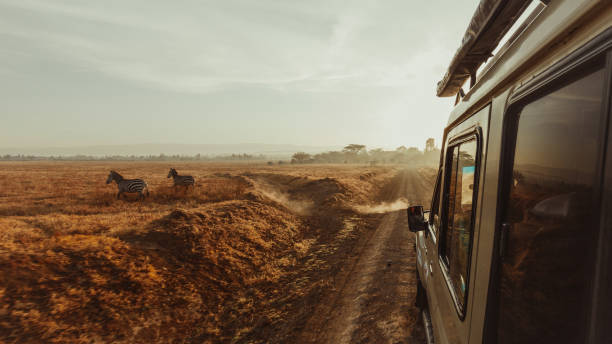
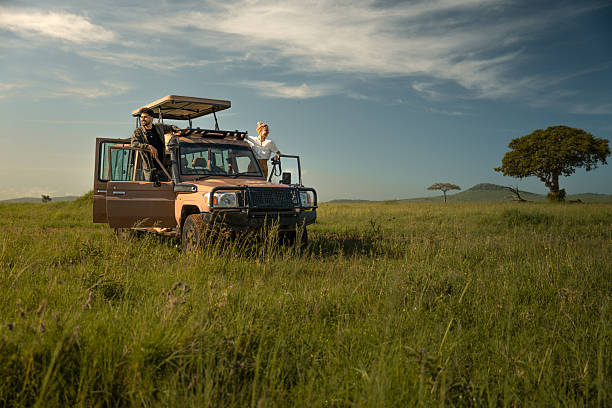
6-Day Birding & Wildlife in Western Kenya — Kakamega Forest: Essential Travel Guide
Western Kenya, often overshadowed by the renowned savannas of the Maasai Mara, holds a distinct ecological treasure: Kakamega Forest. This ancient rainforest is a haven for a remarkable array of birdlife and unique forest-dwelling wildlife, offering an experience far removed from the typical safari. A 6-day birding & wildlife in Western Kenya — Kakamega Forest tour provides an intimate encounter with one of East Africa’s last remaining tracts of pristine tropical rainforest. This guide is designed to help you plan, prepare, and fully appreciate this extraordinary journey, whether you’re an avid birder, a wildlife enthusiast, or simply seeking a different kind of Kenyan adventure.
Quick Answer: A 6-day birding and wildlife tour in Kakamega Forest, Western Kenya, is perfect for nature lovers seeking diverse bird species, unique forest mammals, and a tranquil rainforest environment. Expect guided walks, birdwatching excursions, and opportunities to see monkeys, insects, and vibrant flora. Planning for 2026-2027 involves booking accommodations and guides in advance, considering the best seasons, and packing appropriate gear for humid conditions.
Table of Contents
- Quick Facts: Kakamega Forest Birding & Wildlife
- Kakamega Forest: An Ecological Gem
- Why Choose Kakamega Forest for Birding & Wildlife?
- Best Time for Birding & Wildlife in Kakamega Forest
- Western Kenya Birding Route Overview
- Sample 6-Day Kakamega Forest Birding & Wildlife Itinerary
- What to Expect on Your Kakamega Forest Adventure
- Inclusions, Packing & Preparation
- Common Mistakes to Avoid
- Who is This 6-Day Tour Best Suited For?
- Alternatives to a Kakamega Forest Focus
- Planning Your 2026-2027 Trip
- Booking Your 6-Day Birding & Wildlife Tour
- Frequently Asked Questions (FAQs)
Quick Facts: Kakamega Forest Birding & Wildlife
| Aspect | Details |
|---|---|
| Location | Kakamega County, Western Kenya |
| Primary Focus | Birdwatching, Forest Wildlife, Flora, Nature Walks |
| Duration | Typically 6 Days / 5 Nights |
| Key Species (Birds) | Great Blue Turaco, Turner’s Eremomela, Chapin’s Flycatcher, Blue-headed Bee-eater, Yellow-bellied Wattle-eye, African Emerald Cuckoo |
| Key Species (Wildlife) | Blue Monkey, Red-tailed Monkey, Black and White Colobus Monkey, Bush Pig, Tree Hyrax, various smaller mammals and reptiles. |
| Activities | Guided forest walks (day & night), birding excursions, nature photography, cultural visits. |
| Terrain | Humid tropical rainforest, often muddy trails, hills. |
| Accommodation | Lodges, guesthouses, campsites within or near the forest. |
| Best Travel Time | Dry seasons (June-August, December-February) for easier trekking, but good year-round for birds. |
Kakamega Forest: An Ecological Gem
Kakamega Forest National Reserve is one of the last remaining patches of the ancient Guineo-Congolian rainforest in Kenya. Situated in the western part of the country, close to the Ugandan border, it represents a significant ecological transition zone. Unlike the open savannas that dominate much of Kenya’s tourism, Kakamega is a dense, verdant jungle characterized by towering trees, a thick canopy, and a rich undergrowth. This unique environment supports a biodiversity that is distinct from other Kenyan ecosystems.
The forest is a vital habitat for hundreds of bird species, many of which are endemic to the region or are found nowhere else in Kenya. Its reputation among ornithologists is substantial, drawing visitors keen to spot rare and sought-after species. Beyond birds, the forest is home to several primate species, including various monkeys, as well as smaller mammals, amphibians, and a stunning array of insects and butterflies. The dense foliage and the often-misty atmosphere create an immersive natural experience.
Why Choose Kakamega Forest for Birding & Wildlife?
For the discerning traveler seeking an authentic nature experience, Kakamega Forest offers compelling reasons to visit:
- Exceptional Avian Diversity: With over 350 recorded bird species, Kakamega is a birdwatcher’s paradise. It hosts species that are West African or Central African in origin, making them rare finds in East Africa. The chance to see iconic birds like the Great Blue Turaco in its natural habitat is a major draw.
- Unique Forest Mammals: While not a big game destination, Kakamega offers opportunities to see forest-dwelling mammals. Blue Monkeys, Red-tailed Monkeys, and the striking Black and White Colobus are common. You might also spot Bush Pigs, Tree Hyrax, and various smaller creatures.
- Lush Rainforest Environment: The experience of walking through an ancient rainforest is profoundly different from a savanna safari. The sights, sounds, and smells are immersive, offering a sense of wildness and discovery.
- Less Crowded: Compared to popular national parks, Kakamega Forest is far less visited, providing a more personal and tranquil experience with nature. You’re more likely to have the trails and sightings to yourself.
- Scientific and Ecological Importance: Kakamega is a vital research site and a crucial part of Kenya’s natural heritage. Visiting supports conservation efforts and provides insight into a different facet of African biodiversity.
- Accessibility to Local Culture: The surrounding communities offer a chance to interact with local cultures, learn about traditional ways of life, and understand the human relationship with the forest.
Best Time for Birding & Wildlife in Kakamega Forest
Kakamega Forest is a year-round destination, but certain periods offer advantages for visitors:
| Period | Weather & Wildlife Activity | Pros | Cons |
|---|---|---|---|
| June – August (Dry Season) | Cooler temperatures, less rainfall. Trails are drier. Good for birding as some species may be more visible. | Comfortable for trekking. Easier navigation. Reduced insect nuisance. | Can be cooler than preferred by some. Less lush vegetation. |
| September – November (Short Rains) | Intermittent showers, increasing humidity. Forest becomes very lush. Good for seeing amphibians and insects. Birding can still be excellent. | Vibrant green scenery. Active insect and amphibian life. Often good bird breeding activity. | Trails can become muddy and slippery. Some activities might be interrupted by rain. |
| December – February (Dry Season) | Warmest period, generally dry but can have occasional showers. Good birding conditions. | Warm weather. Good visibility. Pleasant for walks. | Can be quite warm. Some bird species might be less active due to heat. |
| March – May (Long Rains) | Heavy and consistent rainfall. Dense vegetation. High humidity. | Forest is at its most vibrant and green. Excellent for flora and fungi. | Difficult trekking conditions (very muddy). High insect activity. Some wildlife may seek shelter. Birding can be challenging due to rain. |
Recommendation: For a balance of good weather and excellent birding, the dry seasons (June-August and December-February) are often preferred. However, dedicated birders may find the periods just before and after the rains (September-November and March) particularly rewarding due to breeding activity and lush growth, provided they are prepared for potential rain and muddy conditions.
Western Kenya Birding Route Overview
While a 6-day trip focuses intensely on Kakamega Forest, it’s often part of a broader Western Kenya birding circuit. Here’s a conceptual route illustration:
| Leg | Location | Key Features | Travel Time (Approx.) |
|---|---|---|---|
| 1 | Nairobi / Kisumu Arrival | Transfer to accommodation. Preparation for forest exploration. | N/A (Arrival Day) |
| 2 | Travel to Kakamega Forest Area | Scenic drive, introduction to the Western Kenya landscape. | 3-5 hours from Kisumu, 5-7 hours from Nairobi (depending on starting point). |
| 3-5 | Kakamega Forest Exploration | Intensive birding and wildlife walks within the forest (e.g., Yala River, Buyango, main forest block). Visits to nearby sites like Rondo Retreat Centre. | Full days dedicated to forest activities. |
| 6 | Departure | Transfer back to Kisumu or Nairobi for onward travel. | 3-5 hours to Kisumu, 5-7 hours to Nairobi. |
Note: This is a simplified route. Depending on time and interest, a longer itinerary could include other nearby birding hotspots like Saiwa Swamp National Park or the Kericho tea estates.
Sample 6-Day Kakamega Forest Birding & Wildlife Itinerary
This sample itinerary is designed to maximize birding and wildlife encounters within Kakamega Forest, offering a balanced experience of its rich ecosystem. This is a template; exact timings and locations can be adjusted based on your interests and guide’s recommendations.
| Day | Morning | Afternoon | Evening |
|---|---|---|---|
| Day 1: Arrival & Forest Introduction | Arrive at Kisumu International Airport (KIS). Meet your guide and transfer to your lodge/accommodation near Kakamega Forest. Settle in and have lunch. | Short introductory walk around the lodge grounds or a nearby accessible trail. Focus on common forest birds and getting acquainted with the environment. | Dinner. Briefing for the days ahead. Optional short night walk to look for nocturnal species like bush babies or owls. |
| Day 2: Kakamega Forest – Main Block Exploration | Early morning birding walk in the main forest block. Target species include various flycatchers, sunbirds, and the elusive Blue Turaco. | Continue exploring different trails within the main forest. Look for monkeys (Blue, Red-tailed, Colobus) and forest mammals. Focus on forest canopy birds. | Dinner. Relax. Discuss sightings with your guide. |
| Day 3: Yala River & Forest Edge Birding | Visit the Yala River area within the forest. This section can be excellent for species like the African Emerald Cuckoo, various kingfishers, and water-associated birds. | Explore trails near the Yala River or head to the forest edge. Look for species that prefer more open areas within the forest mosaic. | Dinner. Optional: a night walk focusing on amphibians, insects, and nocturnal mammals. |
| Day 4: Buyango Forest & Specialist Species | Head to the Buyango Forest section, known for its specific bird species. Focus on finding birds like Turner’s Eremomela and Chapin’s Flycatcher, which favor certain habitats. | Continue birding in Buyango or return to areas where specific mammals were sighted. Photography opportunities for birds and insects. | Dinner. Share your photographic highlights with fellow travelers or your guide. |
| Day 5: Rondo Retreat & Community Interaction | Morning birding session at Rondo Retreat Centre, famous for its bird feeders and well-maintained gardens, often attracting rare species. | Visit a local community near the forest. Learn about their relationship with the forest, conservation efforts, or local agriculture. This offers a cultural dimension to your trip. | Farewell dinner. Recap of the week’s incredible sightings. |
| Day 6: Departure | Enjoy a final early morning birding session near your lodge, perhaps spotting species you missed. After breakfast, begin your transfer back to Kisumu International Airport for your onward flight. | N/A | N/A |
What to Expect on Your Kakamega Forest Adventure
A 6-day birding and wildlife tour in Kakamega Forest offers a distinct experience:
- Intense Birding: Be prepared for early mornings and late afternoons, the prime times for bird activity. Your guide will be crucial in spotting and identifying the hundreds of species. Patience is key, as some birds are shy and well-camouflaged.
- Forest Trails: Expect to walk on well-trodden paths, but also on more rugged, potentially muddy, and sometimes steep terrain. Sturdy, waterproof footwear is essential.
- Humidity and Rain: Kakamega is a rainforest. Humidity is high, and rain can occur at any time, even in the dry season. Lightweight, waterproof rain gear is a must.
- Wildlife Sightings: While birds are the stars, expect to see various monkeys, including troops of Black and White Colobus swinging through the trees. Other mammals are more elusive but possible. Night walks can reveal fascinating nocturnal life.
- Insects: As in any tropical forest, insects are present. Mosquitoes, flies, and other bugs are common. Repellent and appropriate clothing will help manage this.
- Sounds of the Forest: The constant chorus of birdsong, insect chirps, and the rustling of leaves creates a rich natural soundscape.
- Guided Experience: You will almost certainly be accompanied by experienced local guides who have an intimate knowledge of the forest, its trails, and its inhabitants.
Inclusions, Packing & Preparation
Typical Inclusions for a 6-Day Tour:
A well-organized tour package typically includes:
- Accommodation for 5 nights.
- All meals (breakfast, lunch, dinner) during the tour.
- All park entrance fees and conservation fees for Kakamega Forest.
- Services of a professional, English-speaking birding guide.
- Guided forest walks (day and night).
- Transportation from Kisumu (or other agreed point) to Kakamega and back.
- Vehicle for transfers and any necessary local transport.
Exclusions often include:
- International and domestic flights.
- Visa fees.
- Travel insurance.
- Drinks and alcoholic beverages.
- Tips for guides and lodge staff.
- Personal expenses.
- Optional activities not listed in the itinerary.
Essential Packing List:
Packing smart is crucial for comfort and enjoyment in Kakamega Forest:
- Clothing:
- Lightweight, quick-drying trousers (2-3 pairs). Avoid shorts for walking in the forest due to insects and vegetation.
- Long-sleeved shirts (2-3) for sun and insect protection.
- T-shirts and casual wear for evenings.
- A fleece or light jacket for cooler mornings/evenings.
- A good quality, lightweight, waterproof rain jacket.
- Underwear and socks (plenty of socks, moisture-wicking are best).
- Footwear:
- Sturdy, broken-in waterproof hiking boots or trail shoes.
- Comfortable shoes or sandals for relaxing at the lodge.
- Gear:
- Binoculars (essential for birding – 8×42 or 10×42 are good general-purpose choices).
- Field guide to birds of East Africa.
- Camera with extra batteries and memory cards. A zoom lens is highly recommended for birds.
- Headlamp or flashlight with extra batteries (for night walks).
- Water bottle or hydration pack.
- Small backpack for day use.
- Sunscreen, sunglasses, and a wide-brimmed hat.
- Insect repellent (with DEET or Picaridin).
- Personal first-aid kit (including any personal medications, antiseptic wipes, plasters, pain relievers).
- Hand sanitizer.
- Small towel (quick-drying).
- Documents & Money:
- Passport and visa (if required).
- Flight tickets and itinerary.
- Travel insurance details.
- Cash (USD for tips, some Kenyan Shillings for small local purchases).
- Credit/debit cards (for emergencies).
Preparation:
- Physical Fitness: While not extremely strenuous, the walks can involve uneven terrain and humidity. A moderate level of fitness is beneficial.
- Vaccinations & Health: Consult your doctor or a travel clinic about recommended vaccinations (e.g., Yellow Fever, Hepatitis A, Typhoid) and malaria prophylaxis.
- Travel Insurance: Ensure you have comprehensive travel insurance that covers medical emergencies, evacuation, and trip cancellation.
- Learn a Few Phrases: While English is widely spoken, learning a few Swahili phrases can enhance interactions.
Common Mistakes to Avoid
To ensure a smooth and enjoyable 6-day birding & wildlife in Western Kenya — Kakamega Forest experience, be mindful of these common pitfalls:
- Underestimating the Rain and Humidity: Many visitors are surprised by the persistent humidity and potential for rain. Not packing adequate rain gear and quick-drying clothes can lead to discomfort.
- Inadequate Footwear: Wearing unsuitable shoes (e.g., sandals, flimsy sneakers) on muddy, uneven forest trails can lead to slips, falls, and discomfort.
- Expecting Savanna Wildlife: Kakamega is a rainforest. Do not expect to see lions, elephants, or giraffes. Focus on the unique forest species – birds, monkeys, and smaller mammals.
- Skipping Night Walks: Many fascinating creatures are nocturnal. Missing out on night walks means missing a significant part of the forest’s biodiversity.
- Not Hiring a Local Guide: Local guides are invaluable. They know the best spots, can identify species by sight and sound, and understand the forest’s nuances. Going without one is a missed opportunity.
- Relying Solely on Your Own Sightings: Birding often requires patience and the ability to spot movement in dense foliage. Trust your guide’s expertise.
- Poor Gear for Birding: Without good binoculars, birdwatching becomes significantly less rewarding. Ensure your optics are up to the task.
- Ignoring Insect Protection: Mosquitoes and other biting insects can be a nuisance and a health concern. Insufficient repellent or clothing can lead to discomfort and bites.
- Not Booking in Advance: While less crowded than popular parks, good lodges and experienced guides can be booked up, especially during peak seasons.
Who is This 6-Day Tour Best Suited For?
This specific 6-day birding and wildlife focus on Kakamega Forest is ideal for:
- Dedicated Birdwatchers: This is the primary audience. The sheer number and variety of species, including rarities, make it a must-visit for serious ornithologists and keen amateur birders.
- Nature Enthusiasts: Anyone who appreciates the intricate beauty and biodiversity of a tropical rainforest ecosystem will find Kakamega captivating.
- Photographers: The vibrant colors of birds like the Great Blue Turaco, diverse insect life, and lush forest scenery offer fantastic photographic opportunities.
- Travelers Seeking Off-the-Beaten-Path Experiences: If you want to explore a less-visited, ecologically significant area of Kenya away from the typical safari circuit, Kakamega is perfect.
- Those Interested in Forest Ecology: Visitors keen to understand different African biomes and the conservation challenges of rainforests will find this trip insightful.
- Repeat Visitors to Kenya: If you’ve experienced Kenya’s savannas and are looking for a different wildlife encounter, Kakamega provides a compelling contrast.
It might be less suitable for travelers whose primary goal is to see large African mammals in open landscapes or those who prefer luxury resorts with extensive amenities. The focus is on immersion in nature and its specific inhabitants.
Alternatives to a Kakamega Forest Focus
While Kakamega Forest is unique, other destinations in Kenya and Tanzania offer different but complementary wildlife and birding experiences. If your interests lean elsewhere, consider these:
- Tanzania Birding & Wildlife (e.g., Tarangire, Serengeti): For a mix of iconic savanna mammals and excellent birdlife in a different ecosystem. Tarangire is known for its bird diversity and large elephant herds, while the Serengeti offers vast plains and an abundance of plains game, alongside numerous bird species. This is a good option if you prefer larger wildlife.
- Mount Kenya National Park (Forest Zone): While known for its alpine zones, the lower slopes of Mount Kenya host montane forests with their own set of unique bird species and smaller mammals. It offers a different forest experience, often combined with hiking.
- Aberdare National Park: This park features an important indigenous montane forest and moorland, with unique bird species and mammals like the Giant Forest Hog and Black Rhino. It offers a cooler climate and a different forest type than Kakamega.
- Lake Victoria Birding (e.g., Ruma National Park, islands): The shores and islands of Lake Victoria offer excellent birding, particularly for waterbirds, and unique habitats. Ruma National Park hosts rare Roan Antelope and offers good birding opportunities.
- Tsavo East & West National Parks (Tanzania/Kenya): While known for elephants and diverse landscapes, Tsavo also boasts significant birdlife, especially in its varied habitats, from semi-arid scrub to volcanic landscapes.
For travelers booking through Best Tanzania Tour Operator, we can craft itineraries that combine Kakamega Forest with other Kenyan highlights or even extend into Tanzania, creating a comprehensive East African nature experience tailored to your interests in 2026-2027.
Planning Your 2026-2027 Trip
Planning ahead is key to a successful and memorable trip. Here are some considerations for organizing your 6-day birding & wildlife in Western Kenya — Kakamega Forest tour for 2026-2027:
- Booking Window: For 2026 and 2027 travel, it’s advisable to start planning and booking at least 6-9 months in advance, especially if you have specific accommodation preferences or are traveling during popular periods.
- Choosing a Tour Operator: Select a reputable operator experienced in birding and wildlife tours in Western Kenya. They will have established relationships with local guides and know the best accommodations.
- Flexibility in Itinerary: While a 6-day itinerary provides a good focus, discuss with your operator if you wish to spend more or less time on specific activities or explore nearby areas.
- Accommodation Styles: Kakamega offers a range of lodging, from basic guesthouses to more comfortable lodges like Rondo Retreat Centre. Decide on your comfort level and budget.
- Guide Expertise: Ensure your tour operator provides a guide with specific expertise in ornithology and forest ecology. Their knowledge will significantly enhance your experience.
- Health Preparations: Start researching vaccination and malaria prophylaxis requirements well in advance. Consult your doctor at least 4-6 weeks before your departure date for 2026-2027 travel.
- Gear Acquisition: If you need to purchase or upgrade binoculars, cameras, or appropriate clothing, give yourself ample time to do so before your 2026-2027 adventure.
- Travel Insurance: Purchase your travel insurance as soon as you book your trip to ensure comprehensive coverage for potential cancellations or unforeseen events in 2026-2027.
Booking Your 6-Day Birding & Wildlife Tour
Securing your 6-day birding & wildlife in Western Kenya — Kakamega Forest tour is a crucial step. Here’s how to approach it effectively with a trusted operator:
When you choose to book with us at Best Tanzania Tour Operator, we focus on creating a personalized and comprehensive experience. Our process for arranging your Kakamega Forest adventure typically involves:
- Initial Consultation: Contact us via WhatsApp (+255616946642) or email (topguideadventures@gmail.com / info@topguideadventures.com) to express your interest. We’ll discuss your travel dates for 2026-2027, specific interests (e.g., target bird species, photography), budget, and preferred accommodation style.
- Customized Itinerary Proposal: Based on our conversation, we will craft a detailed itinerary proposal, outlining daily activities, accommodation options, and inclusions. We prioritize maximizing your birding and wildlife encounters within the 6-day timeframe.
- Review and Refinement: We encourage you to review the proposal and provide feedback. We are happy to make adjustments to tailor the trip precisely to your needs.
- Quotation: Once the itinerary is finalized, we will provide a clear quotation. We aim for transparency, detailing what is included and excluded.
- Booking Confirmation: Upon your agreement, we will send you a booking form and require a deposit to secure your arrangements, including lodges and guides.
- Pre-Trip Information: After booking, we provide comprehensive pre-trip information, including packing lists, health advice, and logistical details to prepare you for your 2026-2027 journey.
- Support During Your Trip: Our team remains available throughout your tour for any support or assistance you may need.
Tips for Booking:
- Ask for Specifics: Inquire about the qualifications and experience of the guides who will accompany you.
- Check Reviews: Look for testimonials or reviews from previous clients who have booked similar birding or forest tours.
- Understand the Terms and Conditions: Familiarize yourself with cancellation policies, payment schedules, and any other contractual details.
- Communicate Clearly: Be open about any special requirements, physical limitations, or specific interests you have for your 2026-2027 trip.
We are dedicated to providing expert advice and exceptional service for your birding and wildlife adventure in Kakamega Forest. Reach out to us today to start planning!
Frequently Asked Questions (FAQs)
Q1: Is Kakamega Forest safe for tourists?
Yes, Kakamega Forest is generally considered safe for tourists, especially when visiting with local guides. Standard precautions for any natural area apply, such as staying on marked trails and following your guide’s instructions. The main safety concerns are related to the terrain (muddy paths, slippery surfaces) and potential encounters with wildlife, which are rare and easily managed by experienced guides.
Q2: What is the best time of year for birding in Kakamega Forest?
Kakamega Forest is a year-round birding destination. However, the dry seasons (June-August and December-February) offer more comfortable trekking conditions. The periods around the rainy seasons (September-November and March-May) can be excellent for spotting breeding birds and seeing the forest at its most lush, provided you are prepared for wet conditions.
Q3: What kind of accommodation is available near Kakamega Forest?
Accommodation options range from basic guesthouses and campsites to more comfortable lodges. Rondo Retreat Centre is a well-known and highly-regarded lodge within the forest area, popular with birders. Other lodges and guesthouses are located in or around the town of Kakamega.
Q4: Do I need a special visa for Kenya?
Most foreign nationals require a visa to enter Kenya. You can typically apply for an e-visa online before your travel date. It is advisable to check the latest visa requirements for your specific nationality well in advance of your 2026-2027 trip.
Q5: What is the main difference between birding in Kakamega and a savanna safari?
The primary difference lies in the habitat and the species encountered. Kakamega is a dense tropical rainforest, focusing on forest-dwelling birds, monkeys, and unique flora. Savanna safaris in places like the Maasai Mara focus on large mammals (lions, elephants, giraffes, zebras) and open-country bird species. The experience in Kakamega is more about intimate observation within thick vegetation.
Q6: Can I do a 6-day birding and wildlife tour in Western Kenya focusing only on Kakamega Forest?
Yes, a 6-day tour can be dedicated entirely to Kakamega Forest, allowing for in-depth exploration of its various sections and maximizing birding opportunities. This is ideal for serious birdwatchers. Alternatively, it can be combined with other nearby attractions if time permits and interests align.
Q7: What are the essential items to pack for Kakamega Forest?
Essential items include good quality binoculars, a field guide, waterproof rain gear, sturdy hiking boots, long-sleeved clothing for protection, insect repellent, a headlamp for night walks, and a camera. A detailed packing list is provided in the main guide.
Q8: What is the currency used in Kenya?
The currency in Kenya is the Kenyan Shilling (KES). US Dollars are widely accepted for tourist-related services (like park fees, lodges, and tours booked through operators), and USD is also useful for tipping. It’s advisable to have some local currency for smaller purchases in towns or markets.
Q9: Are there malaria risks in Kakamega Forest?
Yes, malaria is present in Western Kenya, including the Kakamega region. It is recommended to consult your doctor or a travel clinic for advice on malaria prophylaxis and to take precautions against mosquito bites (using repellent, wearing long sleeves and trousers, especially at dawn and dusk).
Q10: How strenuous are the walks in Kakamega Forest?
The walks can vary in difficulty. Some trails are well-maintained, while others can be steep, muddy, and uneven, especially after rain. A moderate level of fitness is recommended. Your guide will assess the group’s capabilities and choose appropriate routes.
Q11: What kind of wildlife, besides birds, can I expect to see in Kakamega Forest?
Besides the rich birdlife, you can expect to see various monkey species, including Blue Monkeys, Red-tailed Monkeys, and Black and White Colobus Monkeys. Other possible sightings include Bush Pigs, Tree Hyrax, Duikers, and a wide array of insects, butterflies, and amphibians. Nocturnal walks can reveal bush babies, owls, and other night creatures.
Q12: Can I visit Kakamega Forest independently, or do I need a guide for 2026-2027?
While independent visits are possible to some areas, hiring a local guide is highly recommended for birding and wildlife spotting. Guides possess invaluable knowledge of the forest, its inhabitants, and the best trails to find specific species. They significantly enhance the safety and richness of your experience.
Ready for Your Kakamega Forest Adventure?
The 6-day birding & wildlife in Western Kenya — Kakamega Forest tour offers a unique window into one of East Africa’s most precious natural wonders. It’s an experience for those who appreciate the intricate details of the natural world, the vibrant calls of exotic birds, and the quiet mystery of an ancient rainforest. If you are planning your trip for 2026 or 2027 and seek an unparalleled immersion in nature, Kakamega Forest awaits.
Let Best Tanzania Tour Operator help you craft the perfect itinerary. We specialize in creating memorable wildlife and birding experiences across East Africa, tailored to your interests and specifications. Contact us to discuss your dream birding adventure:
WhatsApp: +255616946642
Email: topguideadventures@gmail.com
Backup Email: info@topguideadventures.com
We look forward to helping you explore the wonders of Kakamega Forest!
Plan your 6-Day Birding & Wildlife in Western Kenya — Kakamega Forest with Top Guide Adventures
Tell us your travel dates, group size, comfort level, and dream experience. We will help you shape a clear, realistic, and memorable Tanzania itinerary.







 Veedesigner
 Fatma Kizanga
 Benjamin Waryuba
 Philip Philip
 John jr Itaja
 Antonia Optatus
 Edith Kanyere
 Neema Iddy
 Kelvin Boniphace
 Damari Maiga



