
Updated planning guide for 2026-2027
6-Day Budget Camping Safari Across Rift Valley Parks: Best Guide 2026-2027
Discover how to experience an unforgettable 6-day budget camping safari across Tanzania's stunning Rift Valley parks. This comprehensive guide covers everything from planning and packing to essential itineraries and booking advice for your 2026-2027 adventure.
WhatsApp +255616946642 | topguideadventures@gmail.com | info@topguideadventures.com
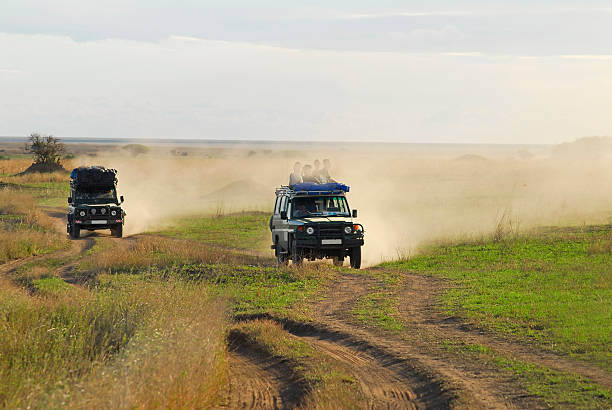
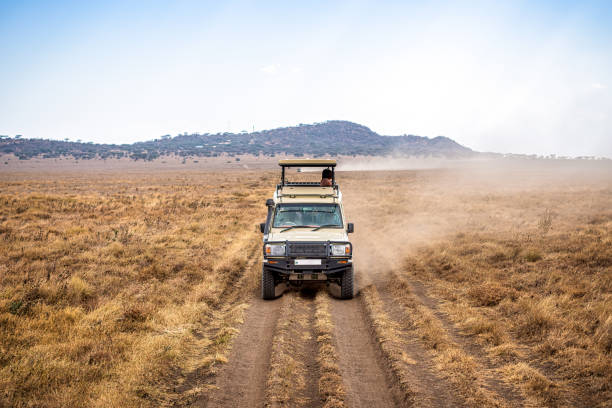
Your Ultimate Guide to a 6-Day Budget Camping Safari Across Rift Valley Parks
A 6-day budget camping safari across the Rift Valley parks of Tanzania offers an unparalleled opportunity to witness the raw beauty and abundant wildlife of East Africa without the premium price tag. This adventure is designed for travelers seeking an authentic safari experience, connecting closely with nature and wildlife. Unlike lodge-based safaris, camping allows for a more immersive journey, with nights spent under the vast African sky, listening to the sounds of the bush. This guide is crafted to provide you with all the essential details for planning such an expedition, covering everything from itinerary suggestions and packing essentials to cost considerations and booking advice, specifically for your 2026-2027 travel plans.
The Rift Valley, a dramatic geological feature stretching across East Africa, is home to some of Tanzania’s most iconic national parks. These parks are renowned for their diverse ecosystems, stunning landscapes, and exceptional wildlife viewing opportunities. A well-planned 6-day budget camping safari can take you through a selection of these remarkable areas, offering a rich and varied experience.
Quick Answers
- What is a 6-day budget camping safari? It’s a safari tour lasting six days, focusing on camping as the primary accommodation, designed to be affordable while exploring Tanzania’s Rift Valley parks.
- Which Rift Valley parks are best for a 6-day trip? Popular choices include Lake Manyara, Tarangire, and the Ngorongoro Conservation Area, often combined with a taste of the Serengeti.
- What is the typical cost? Budget camping safaris are significantly more affordable than lodge safaris, typically ranging from $150 to $250 USD per person per day, depending on group size, season, and inclusions.
- When is the best time to go? The dry seasons (June to October and December to February) offer the best wildlife viewing.
- What should I pack? Light, neutral-colored clothing, a warm jacket, sturdy shoes, a hat, sunscreen, insect repellent, a headlamp, and a reusable water bottle are essential.
Table of Contents
- Safari Overview: The Rift Valley Experience
- Why Choose a Budget Camping Safari?
- Best Time to Plan Your 6-Day Safari (2026-2027)
- Key Rift Valley Parks for Your Itinerary
- Sample 6-Day Budget Camping Safari Route
- What to Expect on a Camping Safari
- Typical Inclusions and Exclusions
- Essential Packing List
- Pre-Safari Preparation
- Common Mistakes to Avoid
- Who is This Safari Best Suited For?
- Alternatives to a 6-Day Camping Safari
- Planning Your 2026-2027 Safari: Key Considerations
- Booking Your 6-Day Budget Camping Safari
- Frequently Asked Questions (FAQs)
- Ready for Your Adventure? Contact Us!
Safari Overview: The Rift Valley Experience
Tanzania’s Rift Valley is a geographical marvel, a vast geological trench that has shaped landscapes and created unique habitats for wildlife. This region is characterized by dramatic escarpments, alkaline lakes, and expansive savannas, supporting an incredible diversity of fauna. A 6-day budget camping safari here is not just about seeing animals; it’s about experiencing the wild in its most authentic form.
The parks within or bordering the Rift Valley offer distinct safari experiences. Lake Manyara National Park is famous for its tree-climbing lions and large elephant herds. Tarangire National Park boasts immense baobab trees and is a haven for elephants, especially during the dry season. The Ngorongoro Conservation Area, a UNESCO World Heritage Site, features the breathtaking Ngorongoro Crater, a collapsed volcano caldera teeming with wildlife, including the Big Five. While the Serengeti is not strictly a Rift Valley park, its southern reaches are closely associated with the region and often included in extended itineraries.
Budget camping safaris leverage the country’s national park infrastructure, utilizing designated campsites. These sites range from basic to semi-luxury, but even the more basic ones offer a profound connection to the environment. Your accommodation will typically be a sturdy canvas tent, providing shelter and comfort, while communal mess tents serve as dining and relaxation areas.
Why Choose a Budget Camping Safari?
Opting for a budget camping safari over a lodge-based one presents several compelling advantages:
- Affordability: This is the primary driver. Camping significantly reduces accommodation costs, making a Tanzanian safari accessible to a wider range of travelers. Park fees and vehicle costs remain similar, but the savings on lodging are substantial.
- Authenticity: Sleeping in a tent, with the sounds of the African night just outside, offers an unparalleled connection to nature. You’re closer to the environment, experiencing the wilderness in a raw and unfiltered way.
- Flexibility: Camping setups can be more adaptable to remote locations and offer opportunities for bush breakfasts or dinners, enhancing the safari experience.
- Wildlife Proximity: While safety is paramount and managed by guides, camping often places you in areas that feel more immersed in the wildlife corridors, leading to exciting early morning or late evening sightings.
- Community: Camping safaris often involve shared experiences with fellow travelers, fostering a sense of camaraderie and shared adventure.
For a 6-day trip, this approach allows you to maximize your wildlife viewing and landscape exploration within a defined budget, creating memories that last a lifetime.
Best Time to Plan Your 6-Day Safari (2026-2027)
Tanzania experiences distinct seasons, and timing your 6-day budget camping safari across Rift Valley parks can significantly impact your experience. The ideal time generally aligns with the dry seasons, which offer clearer skies and concentrated wildlife around water sources.
Dry Seasons (June to October and December to February):
- Wildlife Viewing: Animals are easier to spot as they congregate around rivers and waterholes. Vegetation is less dense, improving visibility.
- Weather: Pleasant temperatures, sunny days, and minimal rain. Nights can be cool, especially in higher altitudes like the Ngorongoro Crater rim.
- Considerations: These are peak tourist seasons, so parks can be busier, and prices might be slightly higher. Booking well in advance for 2026-2027 is recommended.
Green/Rainy Seasons (March to May and November):
- Wildlife Viewing: The landscape is lush and green, offering beautiful scenery. Migratory birds are present. Wildlife disperses as water is plentiful, making sightings potentially more challenging.
- Weather: Higher humidity and rainfall, which can sometimes make driving difficult, especially on unpaved park roads.
- Considerations: This is the low season, meaning fewer crowds and lower prices. It’s an excellent time for birdwatching and photographers who appreciate the vibrant green scenery. Budget travelers might find this period particularly appealing.
For a 6-day camping safari, aiming for the dry seasons ensures the best chances for consistent wildlife encounters and easier travel conditions, crucial for maximizing your limited time.
Key Rift Valley Parks for Your Itinerary
A 6-day budget camping safari typically focuses on a few key parks to minimize travel time and maximize wildlife viewing. The most popular and accessible parks within the northern circuit, closely linked to the Rift Valley, are:
Lake Manyara National Park
- Highlights: Famous for its tree-climbing lions, large elephant herds, and diverse birdlife. The park’s compact size makes it ideal for a half-day or full-day game drive. Its shallow alkaline lake attracts flamingos, pelicans, and other water birds.
- Landscape: A narrow strip of acacia woodland, groundwater forest, and the soda lake itself.
- Camping: Campsites are available both inside and just outside the park boundaries.
Tarangire National Park
- Highlights: Known for its massive baobab trees and large elephant populations. During the dry season (July to October), Tarangire River becomes a crucial water source, attracting hundreds of elephants and other animals like zebras, wildebeest, and various antelopes. It also offers good chances of spotting predators.
- Landscape: Rolling hills dotted with ancient baobab trees and acacia woodlands.
- Camping: Several campsites are located within the park, offering an immersive experience.
Ngorongoro Conservation Area (NCA) & Crater
- Highlights: A UNESCO World Heritage Site and one of the most densely populated wildlife areas in the world. The Ngorongoro Crater floor is a natural amphitheater home to an incredible density of animals, including the Big Five (lion, leopard, elephant, rhino, buffalo) and over 500 bird species. It’s one of the few places where you can reliably see black rhinos.
- Landscape: A vast volcanic caldera with diverse habitats including grasslands, swamps, forests, and a lake.
- Camping: Public and special campsites are available within the NCA, often on the crater rim or surrounding highlands, offering spectacular views.
While the Serengeti is a must-see, a 6-day trip often makes it a brief visit or an alternative focus due to its vastness and distance. For a 6-day budget camping safari, focusing on Manyara, Tarangire, and Ngorongoro offers a concentrated and diverse wildlife experience without excessive travel time.
Sample 6-Day Budget Camping Safari Route
This sample itinerary balances wildlife viewing, scenic beauty, and practical travel within a 6-day timeframe, focusing on the northern circuit’s Rift Valley-adjacent parks. It assumes arrival and departure from Arusha.
Day 1: Arusha to Tarangire National Park
- Morning: Pick up from Arusha, briefing, and drive to Tarangire National Park (approx. 2-3 hours).
- Afternoon: Full game drive in Tarangire, focusing on elephant herds and baobab trees.
- Evening: Set up camp at a designated campsite within or near the park. Dinner and overnight.
Day 2: Tarangire to Lake Manyara National Park
- Morning: Early morning game drive in Tarangire, or a relaxed breakfast followed by departure.
- Mid-day: Drive to Lake Manyara National Park (approx. 1-2 hours).
- Afternoon: Game drive in Lake Manyara, searching for tree-climbing lions and diverse birdlife.
- Evening: Set up camp at a campsite near Lake Manyara. Dinner and overnight.
Day 3: Lake Manyara to Ngorongoro Conservation Area
- Morning: Optional early morning game drive or birdwatching around Lake Manyara.
- Late Morning: Drive towards the Ngorongoro Conservation Area (approx. 1-2 hours).
- Afternoon: Stop at a Maasai village for a cultural visit (optional). Ascend to the Ngorongoro Crater rim.
- Evening: Set up camp at a campsite on the crater rim or highlands, enjoying the stunning views. Dinner and overnight.
Day 4: Ngorongoro Crater Floor Game Drive
- Morning: Descend into the Ngorongoro Crater for a full day of game viewing. This is your best chance to see the Big Five, including the rare black rhino.
- Picnic Lunch: Enjoy a packed lunch at a designated picnic spot within the crater.
- Late Afternoon: Ascend from the crater and return to your campsite on the rim or highlands.
Day 5: Ngorongoro Highlands to Mto wa Mbu / Optional Serengeti Visit
- Option A (Focus on Rift Valley): Explore more of the Ngorongoro highlands, visit local communities, or enjoy a leisurely morning before driving to Mto wa Mbu for a cultural experience and overnight at a campsite.
- Option B (Taste of Serengeti – requires longer drive): Drive towards the Serengeti National Park (Naabi Hill Gate or similar) for a short game drive and then return to camp near the NCA or Mto wa Mbu. This is a very rushed option for Serengeti.
- Evening: Camp at a designated site.
Day 6: Departure from Arusha
- Morning: Enjoy a final bush breakfast. Drive back to Arusha (approx. 3-4 hours from Mto wa Mbu).
- Afternoon: Arrive in Arusha, transfer to your hotel or the airport for your onward journey.
Note: This is a sample. Itineraries can be customized based on your interests and pace. For instance, adding a day in Tarangire or a full day dedicated to the Serengeti (making it a 7-day trip) would offer a more in-depth experience of those parks.
What to Expect on a Camping Safari
A 6-day budget camping safari is an adventure that offers unique rewards but also requires a certain mindset. Here’s what you can realistically expect:
- Accommodation: You’ll sleep in sturdy canvas tents, typically 2-3 meters square, equipped with comfortable sleeping mats or basic beds. You’ll usually need to bring your own sleeping bag.
- Facilities: Campsites vary. Public campsites often have basic shared toilet and shower facilities (sometimes just a pit latrine and a bucket shower). Some private or ‘luxury’ campsites offer more amenities. Your safari crew will manage the setup and breakdown of camp.
- Meals: Your safari chef will prepare all meals. Expect hearty, delicious meals like stews, grilled meats, rice, pasta, fresh vegetables, and fruits. Breakfasts are typically porridge, eggs, toast, and fruit. Lunches are often picnic-style. Dietary requirements can usually be accommodated with advance notice.
- Hygiene: Hand washing stations are provided. You’ll need to bring your own toiletries, including biodegradable soap and hand sanitizer.
- Wildlife Encounters: Game drives are conducted in custom-built 4×4 safari vehicles with pop-up roofs for excellent viewing and photography. You’ll spend several hours each day on game drives.
- The ‘Bush’ Experience: Evenings are spent around a campfire, sharing stories and listening to the sounds of the African night. You’ll be advised on safety protocols, such as staying within the campsite after dark and not approaching wildlife.
- Crew: You will have a dedicated driver-guide and a cook/camp assistant who handle all logistics, cooking, and camp setup.
It’s important to have realistic expectations. This is not a luxury hotel experience, but it is an incredibly rewarding and authentic way to see Tanzania’s wildlife.
Typical Inclusions and Exclusions
Understanding what’s included in your 6-day budget camping safari package is crucial for managing expectations and costs. While specific inclusions can vary between tour operators, here’s a general breakdown:
| Inclusions (Typically) | Exclusions (Typically) |
|---|---|
| Park entrance fees | International flights |
| Accommodation in tents (camping) | Visa fees |
| All meals as per itinerary (breakfast, lunch, dinner) | Travel insurance |
| Drinking water during game drives | Tips for guide, cook, and support staff |
| 4×4 safari vehicle with pop-up roof | Personal expenses (souvenirs, laundry, drinks) |
| Professional English-speaking driver-guide | Sleeping bag and mat (sometimes rentable) |
| Cook and camp assistants | Optional activities (e.g., Maasai village visit, hot air balloon) |
| Camping equipment (tents, cooking gear) | Gratuities for hotel staff if applicable |
| Crater service fee (for Ngorongoro) | Pre and post-safari accommodation in Arusha |
Always confirm the exact inclusions and exclusions with your chosen tour operator before booking. Pay close attention to what is said about sleeping bags, water, and gratuities, as these can be common areas for misunderstandings.
Essential Packing List
Packing smart for a budget camping safari is key to comfort and enjoyment. Aim for light, practical items. Remember that luggage space in safari vehicles can be limited, so a soft duffel bag is often preferred over a hard suitcase.
Clothing:
- Lightweight, long-sleeved shirts (for sun and insect protection)
- T-shirts and casual tops
- Comfortable trousers or safari pants (avoid bright colors like blue or black, which can attract tsetse flies)
- Shorts (for warmer days, if comfortable)
- Fleece jacket or warm sweater (evenings can be cool, especially at higher altitudes)
- A light waterproof jacket or poncho
- Underwear and socks (moisture-wicking are best)
- Pajamas
Footwear:
- Comfortable walking shoes or hiking boots (broken in)
- Sandals or flip-flops (for around camp)
Headwear & Sun Protection:
- Wide-brimmed hat or cap
- Sunglasses
- High SPF sunscreen
Health & Hygiene:
- Personal toiletries (biodegradable if possible)
- Insect repellent (with DEET or Picaridin)
- Basic first-aid kit (band-aids, antiseptic wipes, pain relievers, motion sickness medication)
- Hand sanitizer
- Malaria precautions (consult your doctor)
Gear & Accessories:
- Sleeping bag (check if included or rentable)
- Headlamp or flashlight with extra batteries
- Camera with extra batteries and memory cards
- Binoculars (highly recommended)
- Reusable water bottle
- Small backpack or daypack
- Power bank or car charger for electronics
- Book or journal
- Adapter for electrical outlets (Type D and G are common in Tanzania)
Documents:
- Passport (with at least 6 months validity)
- Visa (if required)
- Flight tickets
- Vaccination certificates (e.g., Yellow Fever, if required)
- Copies of important documents (stored separately)
Pre-Safari Preparation
Proper preparation ensures your 6-day budget camping safari is as smooth and enjoyable as possible. Here are key steps:
- Consult Your Doctor: Visit your doctor 4-6 weeks before your trip to discuss necessary vaccinations (e.g., Yellow Fever, Hepatitis A, Typhoid) and malaria prophylaxis.
- Book in Advance: Especially for 2026-2027, popular budget camping operators can fill up quickly. Book your safari package several months ahead.
- Obtain Visas: Check the visa requirements for your nationality and apply well in advance. Many nationalities can obtain a visa on arrival, but it’s safer to pre-arrange.
- Purchase Travel Insurance: Comprehensive travel insurance covering medical emergencies, trip cancellation, and lost luggage is essential.
- Pack Appropriately: Use the packing list above as a guide. Remember soft luggage and pack light.
- Inform Your Operator: Communicate any dietary restrictions, medical conditions, or special requirements to your tour operator well in advance.
- Currency: Have some USD in small denominations for tips and personal expenses. Tanzanian Shillings are useful for local purchases. ATMs are available in major towns like Arusha.
- Physical Fitness: While not strenuous, a basic level of fitness is helpful for getting in and out of vehicles and walking around campsites.
Common Mistakes to Avoid
To ensure your 6-day budget camping safari is a success, be aware of these common pitfalls:
- Underestimating Travel Times: Distances in Tanzania can be long, and road conditions can vary. Factor in travel time realistically when planning or reviewing itineraries.
- Packing Too Much: Soft duffel bags are essential. Overpacking can lead to discomfort and logistical issues.
- Not Bringing Warm Layers: Even in warm climates, early mornings and evenings, especially at higher altitudes like the Ngorongoro Crater rim, can be surprisingly cold.
- Expecting Luxury Amenities: A budget camping safari is about immersion and authenticity, not five-star service. Manage expectations regarding bathroom facilities and creature comforts.
- Ignoring Safety Advice: Always follow your guide’s instructions regarding wildlife and campsite safety. Never leave the vehicle during game drives unless instructed, and stay within designated safe areas at campsites.
- Not Budgeting for Tips: Tipping is customary and a significant part of the income for guides and support staff. Factor this into your overall budget.
- Not Clarifying Inclusions: Ensure you know exactly what is covered (e.g., drinking water, sleeping bags, park fees) to avoid unexpected costs.
- Forgetting Binoculars: These are invaluable for spotting distant wildlife and appreciating details.
- Using Bright Colored Clothing: Stick to neutral, earthy tones to blend in with the environment and avoid attracting unwanted attention from wildlife or insects.
Who is This Safari Best Suited For?
A 6-day budget camping safari across Tanzania’s Rift Valley parks is ideal for:
- Budget Travelers: Those looking for an incredible safari experience without the high cost of lodge accommodations.
- Adventurous Souls: Travelers who enjoy being close to nature, sleeping under the stars, and embracing a more rustic experience.
- Young Travelers & Backpackers: Those seeking an authentic African adventure that is both exciting and affordable.
- Couples & Small Groups: The intimate nature of camping can be very romantic and conducive to bonding.
- Wildlife Enthusiasts: Anyone passionate about seeing African wildlife in its natural habitat, from the Big Five to diverse bird species.
- First-Time Safari Goers: It’s a fantastic introduction to the safari experience, offering a comprehensive taste of Tanzania’s northern parks.
- Photographers: The opportunities for stunning wildlife and landscape photography are immense, especially during the golden hours.
It may be less suitable for travelers who require luxury amenities, have significant mobility issues, or are uncomfortable with basic camping facilities.
Alternatives to a 6-Day Camping Safari
While a budget camping safari is a fantastic option, other choices cater to different preferences and budgets:
- Budget Lodge Safari: Similar itinerary but stays in mid-range lodges or tented camps with en-suite bathrooms. This offers more comfort but at a higher cost.
- Mid-Range Safari: Incorporates comfortable lodges or tented camps with better amenities, potentially longer durations, and possibly more exclusive areas.
- Luxury Safari: Stays in high-end lodges or exclusive tented camps, often with private guides, gourmet dining, and premium services. This is the most expensive option.
- Cultural Tours: Focus more on interacting with local communities, visiting villages, and understanding daily life, with shorter wildlife viewing components.
- Self-Drive Safari: For experienced travelers, renting a 4×4 vehicle and navigating independently can be an option, though not recommended for first-timers in Tanzania due to road conditions and navigation challenges.
For a 6-day trip focused on the Rift Valley parks, a budget camping safari strikes an excellent balance between immersion, wildlife viewing, and cost-effectiveness.
Planning Your 2026-2027 Safari: Key Considerations
Planning ahead is essential, especially for travel in 2026 and 2027. Here are specific tips:
- Book Early for Peak Season: If you plan to travel during the dry seasons (June-Oct 2026, Dec 2026-Feb 2027, or June-Oct 2027, Dec 2027-Feb 2028), secure your safari and flights at least 9-12 months in advance. Popular budget operators and campsites get booked up.
- Flexibility with Dates: If your dates are flexible, consider the shoulder seasons (e.g., March 2027 or November 2027) for potentially lower prices and fewer crowds, though wildlife viewing might be slightly less predictable.
- Operator Research: Thoroughly research tour operators. Look for those with good reviews specifically for budget camping safaris. Check their responsiveness and clarity in communication.
- Itinerary Customization: Discuss your interests with your operator. Do you prioritize seeing specific animals? Are you keen on birdwatching? A good operator will tailor the 6-day itinerary to your preferences.
- Budget Allocation: While it’s a budget safari, understand the total cost. Factor in park fees (which are fixed), vehicle and guide costs, food, and camping. Additional costs include tips, personal expenses, and pre/post-safari accommodation.
- Health Preparations: Ensure you have ample time for vaccinations and obtaining any necessary medications. Consult your doctor early in the planning process for 2026-2027 travel.
- Visa Requirements: Stay updated on Tanzania’s visa policies for 2026-2027. Some countries may require online applications, while others allow visas on arrival.
Booking Your 6-Day Budget Camping Safari
Securing your 6-day budget camping safari across Rift Valley parks is a straightforward process when you know what to look for:
- Find Reputable Operators: Look for Tanzanian-based tour operators with a strong online presence, positive reviews (on platforms like TripAdvisor), and clear contact information. Operators like Best Tanzania Tour Operator (Top Guide Adventures) specialize in these types of safaris.
- Request Detailed Itineraries and Quotes: Once you have a few operators in mind, request detailed itineraries for a 6-day camping safari and ask for a comprehensive quote. Ensure the quote clearly outlines all inclusions and exclusions.
- Ask Questions: Don’t hesitate to ask about vehicle condition, guide experience, campsite quality, meal arrangements, and safety protocols. A good operator will be transparent and informative.
- Compare Offers: Compare quotes not just on price, but on what is included. A cheaper offer might mean fewer inclusions or lower quality services.
- Payment: Most operators require a deposit (usually 30-50%) to confirm your booking, with the balance due closer to your travel date (e.g., 30 days prior). Ensure payment methods are secure.
- Confirmation: Once booked and paid, you should receive a confirmation document with all tour details, contact information, and pre-departure instructions.
Booking directly with a local Tanzanian operator often provides better value and a more authentic experience compared to booking through international agents.
Frequently Asked Questions (FAQs)
1. Is a 6-day budget camping safari safe?
Yes, budget camping safaris are very safe when conducted with reputable operators. Guides are trained in wildlife behavior and safety protocols. Campsites are in designated areas, and you’ll be advised on how to behave to ensure your safety. It’s crucial to follow your guide’s instructions at all times.
2. What happens if it rains during my camping safari?
Tents are waterproof, and your safari crew is experienced in setting up camp in various weather conditions. While heavy rains can sometimes affect game drive accessibility or make conditions muddy, most safaris continue as planned. The green season offers lush landscapes, and wildlife can still be seen.
3. Can I charge my electronics on a camping safari?
Yes, most safari vehicles have charging ports (usually cigarette lighter style) where you can charge cameras and phones while on the move. It’s also advisable to bring a power bank for backup. Campsite power is usually limited or non-existent.
4. What kind of food will I eat on a budget camping safari?
You can expect delicious and filling meals prepared by your safari chef. This typically includes fresh fruits, vegetables, local dishes, grilled meats, rice, pasta, and bread. They are adept at creating varied menus and can cater to most dietary needs (e.g., vegetarian, vegan, gluten-free) if informed in advance for your 2026-2027 trip.
5. Do I need to bring my own sleeping bag?
This varies by operator. Some include sleeping bags and mats, while others rent them out for a small fee, or expect you to bring your own. Always check this detail when booking your 6-day budget camping safari.
6. What is the difference between public and special campsites?
Public campsites are more basic, often with fewer facilities and shared by multiple groups. Special campsites are usually more exclusive, sometimes with slightly better facilities, and require an additional fee. Budget camping safaris typically use public campsites to keep costs down.
7. How much should I tip my safari crew?
Tipping is customary. A general guideline is $15-20 USD per day for the driver-guide and $10-15 USD per day for the cook/assistants, per group. It’s best to pool the money and give it to the lead guide to distribute. Always confirm current recommendations with your operator.
8. Can I see the Big Five on a 6-day safari?
It is possible, especially if your itinerary includes the Ngorongoro Crater, which has a high density of all Big Five animals. However, seeing all five is never guaranteed as wildlife sightings depend on many factors. The 6-day budget camping safari across Rift Valley parks offers excellent chances.
9. Is it better to book a safari in 2026 or 2027?
Both 2026 and 2027 offer excellent opportunities for a safari. The best time to travel depends on your preferences for weather and wildlife viewing. Dry seasons (June-Oct, Dec-Feb) are generally best for wildlife. Booking early for either year is recommended, especially for peak seasons.
10. What is the best way to book a budget camping safari?
The best way to book a 6-day budget camping safari across Rift Valley parks is directly with a reputable Tanzanian tour operator. This often ensures better value and personalized service. Look for operators with clear communication, positive reviews, and a strong understanding of budget travel needs.
Ready for Your Adventure? Contact Us!
Your dream 6-day budget camping safari across Tanzania’s stunning Rift Valley parks awaits. Experience the wild heart of Africa, witness incredible wildlife, and create memories that will last a lifetime. Whether you’re planning for 2026 or 2027, we are here to help you craft the perfect adventure.
Get in touch with our expert team to discuss your itinerary, get a personalized quote, and start planning your unforgettable safari today.
- WhatsApp: +255616946642
- Email: topguideadventures@gmail.com
- Backup Email: info@topguideadventures.com
Let us help you make your Tanzanian safari dreams a reality!
Plan your 6-Day Budget Camping Safari across Rift Valley Parks with Top Guide Adventures
Tell us your travel dates, group size, comfort level, and dream experience. We will help you shape a clear, realistic, and memorable Tanzania itinerary.







 Veedesigner
 Fatma Kizanga
 Benjamin Waryuba
 Philip Philip
 John jr Itaja
 Antonia Optatus
 Edith Kanyere
 Neema Iddy
 Kelvin Boniphace
 Damari Maiga



