
Updated planning guide for 2026-2027
6-Day Conservation Internship Across Tanzania & Kenya Parks: Complete Guide
Discover the ultimate 6-day conservation internship experience bridging Tanzania and Kenya's iconic national parks. This comprehensive guide covers everything from planning and potential itineraries to what to expect on the ground, helping you make an informed decision for your 2026-2027 adventure.
WhatsApp +255616946642 | topguideadventures@gmail.com | info@topguideadventures.com
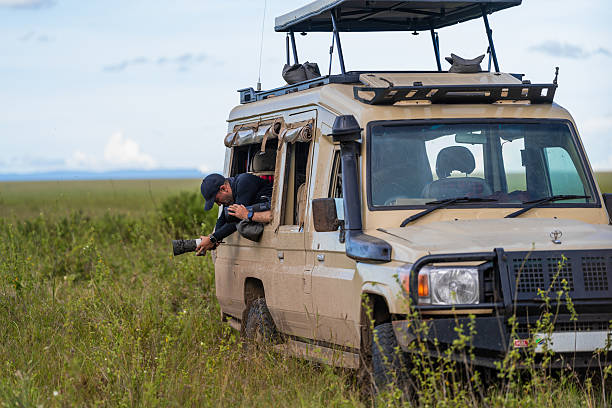
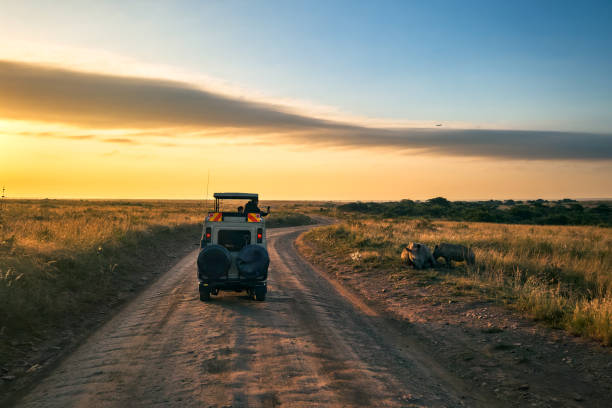
6-Day Conservation Internship Across Tanzania & Kenya Parks: Your Essential Planning Guide
A 6-day conservation internship across Tanzania & Kenya parks offers a unique opportunity to contribute directly to wildlife preservation efforts while experiencing some of the world’s most renowned natural landscapes. This intensive, short-term program is designed for individuals passionate about wildlife, conservation science, and hands-on fieldwork. It’s a chance to move beyond typical tourism and engage with the critical work being done to protect endangered species and their habitats in iconic locations like the Serengeti, Maasai Mara, and potentially other vital ecosystems. This guide provides an in-depth look at what such an internship entails, from initial planning and itinerary considerations to practical advice for making the most of your impactful week.
Best Tanzania tour operator, Top Guide Adventures, understands the growing interest in meaningful travel experiences. We specialize in crafting custom safaris and adventure trips across East Africa, and can assist in connecting you with reputable conservation organizations offering these specialized programs. While we don’t directly run the internships, we can facilitate the logistical aspects of your trip, ensuring a smooth and enriching journey to and from your conservation activities.
Quick Facts: 6-Day Conservation Internship
| Aspect | Details |
|---|---|
| Duration | 6 Days |
| Locations | Primarily Serengeti (Tanzania) & Maasai Mara (Kenya), with potential for other nearby protected areas. |
| Focus | Wildlife monitoring, data collection, habitat assessment, anti-poaching support, community engagement (depending on program). |
| Activities | Field surveys, tracking, camera trap deployment/retrieval, sample collection, data entry, educational sessions. |
| Accommodation | Field camps, lodges, or tented camps, often basic but functional. |
| Suitability | Passionate individuals, students, career changers, those seeking a hands-on conservation experience. Limited physical fitness may be a consideration. |
| Best Time to Go | Generally the dry seasons (June-October, January-February) for easier fieldwork and wildlife viewing, but conservation needs are year-round. |
Table of Contents
- Understanding the 6-Day Conservation Internship
- Why Choose a Conservation Internship?
- Best Time for Your Internship
- Geographic Focus: Tanzania & Kenya Parks
- Sample 6-Day Internship Itinerary
- What to Expect During Your Internship
- Typical Inclusions and Exclusions
- Essential Packing and Preparation
- Common Mistakes to Avoid
- Who is This Internship Best Suited For?
- Alternatives to a 6-Day Internship
- Planning Your Internship for 2026-2027
- Booking Your Conservation Internship
- Frequently Asked Questions
Understanding the 6-Day Conservation Internship
A 6-day conservation internship across Tanzania & Kenya parks is a concentrated program designed to immerse participants in the practical realities of wildlife conservation. Unlike a typical safari where you observe from a vehicle, an internship involves active participation in research and management activities. These programs are typically run by established conservation organizations or research institutions that partner with local park authorities.
The short duration means the focus is usually on specific, manageable projects. Participants might spend their days on foot or in vehicles, collecting data on animal populations, monitoring specific species, assisting with camera trap surveys, or contributing to habitat restoration efforts. Evenings often involve data entry, debriefings with researchers, and educational sessions about local conservation challenges and successes.
It’s crucial to understand that this is not a luxury holiday. Accommodation is often in basic field camps, and the work can be physically demanding, involving early mornings, long hours, and potentially challenging weather conditions. However, the reward is a profound connection with nature and a tangible contribution to conservation.
Why Choose a Conservation Internship?
Choosing a conservation internship over a standard safari offers several compelling benefits:
- Direct Contribution: You actively participate in efforts to protect wildlife and their habitats, making a real difference.
- In-Depth Learning: Gain practical knowledge about wildlife behavior, ecological principles, research methodologies, and conservation challenges from experienced professionals.
- Unique Access: Often grants access to areas or activities not available to regular tourists, providing a deeper understanding of the park’s ecosystem and management.
- Skill Development: Develop skills in field research, data collection, animal tracking, and problem-solving.
- Personal Growth: Challenge yourself physically and mentally, fostering resilience, adaptability, and a greater appreciation for nature and the complexities of conservation.
- Networking: Connect with conservationists, researchers, rangers, and like-minded individuals from around the world.
- Insight into Local Culture: Many programs include opportunities to interact with local communities, understanding their role in conservation and the human-wildlife interface.
Best Time for Your Internship
While conservation work happens year-round, the timing of your 6-day conservation internship across Tanzania & Kenya parks can significantly impact your experience, particularly regarding wildlife viewing and fieldwork conditions.
- Dry Season (June to October): This is generally considered the optimal time. Wildlife congregates around water sources, making observation easier. The dry conditions also facilitate fieldwork, as many areas become more accessible. This period coincides with the Great Migration in the Serengeti and Maasai Mara, offering spectacular viewing opportunities.
- Short Rains (November): A brief period of rainfall, often with less predictable weather. Wildlife disperses as vegetation regrows.
- Long Rains (March to May): These months bring heavier rainfall, which can make some areas impassable and disrupt fieldwork. However, it’s a time of lush landscapes and calving seasons for many herbivores, attracting predators. It’s also a less crowded period.
- Short Dry Season (January to February): Another good period, especially for birdwatching and witnessing the wildebeest calving season in the southern Serengeti.
For fieldwork, dry seasons are often preferred due to accessibility and animal visibility. However, if your interest is in specific events like calving or breeding seasons, the rainy periods might be more suitable. Always consult with the internship provider about the specific activities planned and the best timing for them.
Geographic Focus: Tanzania & Kenya Parks
A 6-day program typically focuses on one or two key regions to maximize fieldwork efficiency and minimize travel time. The most common focus for cross-border internships is the Serengeti-Maasai Mara ecosystem.
Conceptual Route Overview:
- Start Point: Kilimanjaro International Airport (JRO) in Tanzania or Jomo Kenyatta International Airport (NBO) in Kenya.
- Tanzania Component: Often based in or near the Serengeti National Park. Activities might involve monitoring wildlife within the park or in buffer zones.
- Cross-Border Transit: Travel from the Tanzanian side of the ecosystem to the Kenyan side. This usually involves road travel, potentially with a flight to save time, and crossing the border at a designated point (e.g., Isebania/Sirari).
- Kenya Component: Focus on the Maasai Mara National Reserve. Fieldwork here complements the Tanzanian efforts, covering the full migration corridor.
- End Point: Depending on the program, participants might depart from Nairobi (NBO) or return to Arusha/Kilimanjaro (JRO) in Tanzania.
Note: This is a generalized route. Specific locations and travel logistics will vary significantly based on the internship provider and their project sites.
Key Parks & Ecosystems Involved:
- Serengeti National Park (Tanzania): Famous for its vast plains, incredible predator-prey interactions, and being a major part of the Great Migration. Conservation efforts here focus on managing human-wildlife conflict, anti-poaching, and monitoring vast ungulate populations.
- Maasai Mara National Reserve (Kenya): The northern extension of the Serengeti ecosystem, renowned for its high density of big cats and the dramatic river crossings during the migration. Conservation work often involves land management, community conservation initiatives, and predator-prey studies.
- Potential Adjacent Areas: Depending on the specific internship, activities might extend to community conservancies bordering these parks, or even smaller, less-visited parks in the region if the project requires it.
Sample 6-Day Internship Itinerary
This sample itinerary is illustrative and can vary greatly. It assumes a focus on the Serengeti-Maasai Mara ecosystem and aims to balance fieldwork with the realities of a short program.
Day 1: Arrival & Introduction (Tanzania)
- Arrive at Kilimanjaro International Airport (JRO), Tanzania.
- Transfer to Arusha for an orientation session with the internship coordinators.
- Briefing on the week’s conservation goals, safety protocols, and introduction to the team.
- Overnight in Arusha or a nearby lodge.
Day 2: Serengeti Fieldwork – Monitoring & Data Collection
- Early morning transfer to a local airstrip for a flight to the Serengeti.
- Meet the field team and transfer to the research camp.
- Introduction to monitoring techniques (e.g., transect surveys, camera trap checks).
- First fieldwork session: data collection on specific species or habitat assessment.
- Evening debrief and data entry.
- Overnight at the Serengeti research camp.
Day 3: Serengeti Fieldwork – Species Focus or Habitat Assessment
- Full day dedicated to fieldwork. This could involve tracking specific animal populations (e.g., predators, elephants), assessing vegetation health, or assisting with wildlife health checks if opportunities arise.
- Learn about the challenges of managing such a large ecosystem.
- Evening session on conservation challenges in the Serengeti.
- Overnight at the Serengeti research camp.
Day 4: Cross-Border Transfer & Maasai Mara Introduction
- Morning fieldwork session or data consolidation.
- Transfer to a local airstrip for a flight towards the Kenya border or a long road transfer.
- Cross the border (e.g., Isebania/Sirari) and continue to the Maasai Mara region.
- Meet the Kenyan field team and transfer to the Maasai Mara research camp or lodge.
- Orientation to the Maasai Mara ecosystem and the week’s objectives.
- Overnight in the Maasai Mara.
Day 5: Maasai Mara Fieldwork – Predator Monitoring or Community Linkages
- Full day of fieldwork in the Maasai Mara. This might focus on predator population surveys, monitoring livestock-wildlife interactions, or assisting with community-based conservation projects.
- Learn about the unique conservation challenges and successes in the Mara ecosystem.
- Evening debrief and data analysis.
- Overnight in the Maasai Mara.
Day 6: Final Field Session & Departure
- Morning fieldwork session, potentially a final data collection or equipment retrieval.
- Transfer to a local airstrip for a flight to Nairobi (NBO) or return road transfer to Arusha/JRO depending on flight arrangements.
- Departure or onward travel.
What to Expect During Your Internship
Prepare for an experience that is both rewarding and demanding. Here’s what you can anticipate:
- Field Conditions: Expect early mornings, long days, and work in varying weather conditions – from intense sun to potential rain. You’ll be outdoors for extended periods.
- Accommodation: This is typically basic. Field camps might consist of tents with simple beds and shared ablution facilities. Lodges or more established camps will offer more comfort but are still focused on functionality for research purposes. Expect limited electricity and internet access.
- Work Intensity: The focus is on practical tasks. This means active participation, not passive observation. You’ll be involved in data collection, possibly tracking animals on foot, deploying equipment, and manual tasks.
- Learning Environment: You will be working alongside experienced researchers, conservationists, and local rangers. Be prepared to learn constantly, ask questions, and follow instructions carefully.
- Diet: Meals are usually prepared by camp staff or cooks. They are typically hearty and designed to provide energy for fieldwork. Dietary restrictions should be communicated well in advance.
- Safety: Safety is paramount. You will receive thorough briefings on wildlife encounters, vehicle safety, and general field conduct. Always adhere strictly to the guidance of your supervisors.
- Wildlife Encounters: You will see incredible wildlife, often at close range. However, this is a wild environment. Respecting animal space and following safety protocols is crucial.
- Teamwork: Internships are often collaborative. You’ll work closely with other interns and the core research team. A positive and cooperative attitude is essential.
Typical Inclusions and Exclusions
Understanding what’s covered in the program fee is vital for budgeting and preparation. While specifics vary, here’s a general guide:
| Likely Inclusions | Likely Exclusions |
|---|---|
| Accommodation during the internship period. | International flights to/from Tanzania/Kenya. |
| Meals (usually breakfast, lunch, dinner) during the internship. | Visa fees for Tanzania and Kenya. |
| Fieldwork activities and supervision. | Travel insurance (mandatory). |
| Transfers between field sites and designated entry/exit points (e.g., airports, border crossings). | Personal expenses (souvenirs, extra snacks, laundry). |
| Contribution to conservation projects. | Tips for field staff, cooks, and drivers. |
| Briefings and educational sessions. | Vaccinations and malaria prophylaxis. |
| Potentially internal flights if specified (e.g., JRO to Serengeti, Serengeti to Mara region). | Alcoholic and non-alcoholic beverages beyond water with meals. |
| Park entry fees for the conservation sites where fieldwork is conducted. | Costs associated with getting to the initial arrival airport (JRO/NBO). |
| Basic research equipment use. | Optional activities or excursions outside the internship program. |
Essential Packing and Preparation
Proper packing is key to comfort and effectiveness during your internship. Think practical, durable, and comfortable.
Clothing:
- Neutral-colored clothing: Lightweight, breathable fabrics like cotton or quick-dry synthetics. Avoid bright colors. Include long-sleeved shirts and long trousers for sun and insect protection.
- Fleece or warm jacket: Evenings and early mornings can be cool, especially at higher altitudes or during certain seasons.
- Waterproof jacket/poncho: Essential during rainy seasons.
- Comfortable walking/hiking boots: Broken in before you travel.
- Sandals or comfortable shoes: For relaxing at camp.
- Socks: Several pairs, including moisture-wicking options.
- Hat: Wide-brimmed for sun protection.
- Bandana or buff: Useful for dust and sun.
Gear & Essentials:
- Backpack: A comfortable daypack for carrying essentials during fieldwork.
- Water bottle: Reusable, at least 1-2 liters.
- Sunscreen: High SPF.
- Insect repellent: With DEET or Picaridin.
- Headlamp or flashlight: With extra batteries. Essential for evenings and early mornings.
- Personal first-aid kit: Including any personal medications, blister treatment, pain relievers, antiseptic wipes.
- Binoculars: Highly recommended for wildlife viewing.
- Camera: With extra batteries and memory cards. Consider a protective case.
- Power bank/portable charger: For keeping devices charged when electricity is limited.
- Notebook and pens: For personal notes and observations.
- Dry bag: To protect electronics and valuables from dust and moisture.
- Sunglasses.
- Toiletries: Biodegradable options are preferred. Include hand sanitizer.
- Quick-dry towel.
Documents & Money:
- Passport (with at least 6 months validity) and copies.
- Visas (if required).
- Yellow Fever vaccination certificate (often required for entry).
- Travel insurance details.
- Emergency contact information.
- Cash: USD is widely accepted for tips and personal expenses. Some local currency might be useful.
Preparation:
- Physical Fitness: Engage in regular walking and light hiking to prepare for fieldwork.
- Vaccinations & Health: Consult your doctor or a travel clinic 4-6 weeks before departure regarding recommended vaccinations (e.g., Hepatitis A, Typhoid) and malaria prophylaxis.
- Research the Organization: Understand their specific mission, projects, and ethical guidelines.
- Learn Basic Swahili Phrases: A few words can go a long way in fostering goodwill.
- Mental Preparation: Be ready for basic living conditions and potentially challenging emotional experiences related to conservation issues.
Common Mistakes to Avoid
To ensure a successful and impactful internship, be aware of these common pitfalls:
- Underestimating the Physical Demands: Assuming it will be like a comfortable safari. Fieldwork can be strenuous.
- Inadequate Packing: Forgetting essential items like a good headlamp, appropriate footwear, or warm layers can significantly impact comfort and safety.
- Ignoring Safety Briefings: Wildlife is unpredictable. Always follow the instructions of your guides and supervisors regarding wildlife encounters and movement.
- Expectations of Luxury: Believing it’s a holiday rather than an intensive learning and working experience. Accommodation and amenities are usually basic.
- Lack of Flexibility: Conservation work can be unpredictable. Field conditions, weather, or research needs might require last-minute changes to plans.
- Not Researching the Organization Properly: Joining a program without understanding its specific goals, ethical standards, and how your contribution fits in.
- Poor Communication: Failing to communicate dietary needs, health concerns, or personal limitations clearly and in advance to the organizers.
- Treating it Solely as a Tourist Activity: While you’ll see amazing wildlife, the primary purpose is conservation work. Maintain a professional and dedicated attitude.
- Not Budgeting for Extras: Forgetting to budget for tips, personal expenses, and potential visa costs can lead to financial stress.
- Lack of Respect for Local Culture: Being mindful of local customs and traditions when interacting with communities is crucial.
Who is This Internship Best Suited For?
A 6-day conservation internship across Tanzania & Kenya parks is ideal for:
- Students: Studying biology, zoology, environmental science, conservation, or related fields who want practical, hands-on experience for their resume or academic credit.
- Recent Graduates: Looking to gain initial experience in the conservation sector before pursuing further studies or a career.
- Career Changers: Individuals seeking to transition into conservation work and wanting a short, intensive taste of the field.
- Passionate Wildlife Enthusiasts: Those with a deep love for wildlife and a desire to contribute to its protection in a meaningful way, even with limited time.
- Volunteers: Who prefer structured fieldwork and data collection over general volunteering tasks.
- Educators: Seeking to bring real-world conservation insights back to their classrooms.
It is generally not suited for:
- Individuals seeking a luxury safari experience.
- Those with significant physical limitations or health conditions that would prevent fieldwork.
- People who are uncomfortable with basic living conditions, insects, or the general ruggedness of field environments.
- Tourists who simply want to see animals without actively participating in conservation efforts.
Alternatives to a 6-Day Internship
If a 6-day intensive internship doesn’t fit your schedule, interests, or physical capacity, consider these alternatives:
- Longer Conservation Projects: Many organizations offer internships or volunteer programs lasting from 2 weeks to several months, allowing for deeper engagement and a wider range of activities.
- Citizen Science Safaris: Some tour operators integrate citizen science components into standard safaris, where guests can assist with data collection (e.g., photographing specific animals for identification, recording sightings) under guidance.
- Conservation-Focused Safaris: Choose a safari operator that prioritizes responsible tourism, supports local conservation initiatives, and employs guides with strong ecological knowledge. These tours often visit areas crucial for conservation.
- Community-Based Tourism: Stay in lodges or camps that are owned and operated by local communities and directly contribute to community development and conservation efforts in their areas.
- Educational Safaris: Specialized safaris led by expert naturalists or scientists that focus on specific ecological themes or species, offering in-depth learning without the hands-on fieldwork of an internship.
- Visiting Conservation Centers: Spend time at wildlife rehabilitation centers, research stations, or sanctuaries that offer educational programs or short-term volunteer opportunities.
Planning Your Internship for 2026-2027
Planning ahead is crucial for securing a spot in popular conservation programs and ensuring a smooth trip. Here’s a timeline and key considerations for 2026-2027:
12-18 Months Before (Early 2025 – Mid 2026):
- Research Programs: Identify reputable conservation organizations offering 6-day internships in Tanzania and Kenya. Look for those with clear project goals, good reviews, and experienced staff.
- Define Your Interests: Are you interested in big cats, primates, general wildlife monitoring, or habitat work? This will help narrow down choices.
- Check Eligibility: Review age, educational, and health requirements.
- Consult Travel Clinics: Start researching vaccination and health requirements for Tanzania and Kenya.
6-12 Months Before (Mid 2026 – Late 2026):
- Contact Providers: Inquire about program availability, costs, and application processes for 2026-2027 dates.
- Begin Application: Many programs have application deadlines well in advance.
- Book Flights: Once accepted, start looking for international flights. Booking early often secures better prices.
- Secure Travel Insurance: Ensure it covers medical emergencies, evacuation, and trip cancellation.
3-6 Months Before (Late 2026 – Early 2027):
- Visa Applications: Check visa requirements for your nationality for both Tanzania and Kenya and apply if necessary.
- Confirm Internships: Finalize your placement and payment.
- Attend Medical Appointments: Get necessary vaccinations and prescriptions.
- Start Gear Shopping: Purchase or gather essential packing items.
1-3 Months Before (Early 2027):
- Finalize Packing: Test your gear, pack your bags.
- Currency Exchange: Obtain some USD for tips and expenses.
- Share Itinerary: Leave a copy of your travel plans and contact information with family or friends.
- Confirm Logistics: Reconfirm airport transfers and initial accommodation.
Key Considerations for 2026-2027:
- Global Travel Trends: Keep an eye on any evolving travel advisories or health protocols.
- Seasonal Alignment: Match your internship dates with the best time for fieldwork or specific wildlife events you wish to observe, if applicable.
- Flexibility: Always have a degree of flexibility in your plans, as unforeseen circumstances can arise in remote field locations.
Booking Your Conservation Internship
Securing your spot in a 6-day conservation internship across Tanzania & Kenya parks requires careful selection and booking. Here’s how to proceed:
- Identify Reputable Organizations: Search for established conservation NGOs, research institutions, or specialized volunteer travel companies that offer structured internships. Look for transparency in their mission, project details, and how funds are used. Check for affiliations with local wildlife authorities or conservation bodies.
- Understand the Program Details: Carefully read the program description. What specific conservation activities are involved? What are the daily schedules like? What are the accommodation and living conditions? What qualifications are required?
- Inquire About Logistics: Ask about inclusions and exclusions (as detailed above). Clarify what is covered in the fee and what you need to budget for separately (flights, visas, insurance, personal expenses, tips).
- Ask About Support: What kind of support does the organization provide? This includes pre-departure information, on-site supervision, safety protocols, and emergency procedures.
- Check for Reviews and Testimonials: Look for feedback from previous interns. While direct testimonials might be scarce for very short programs, reviews of the organization’s general operations can be informative.
- Direct Contact is Key: For the most accurate and up-to-date information, contact the internship provider directly. This is also your chance to ask specific questions and gauge their responsiveness and professionalism.
How Top Guide Adventures Can Help:
While Top Guide Adventures specializes in safaris and treks, we understand the importance of seamless travel logistics. If you are arranging a conservation internship, we can assist with:
- Arranging your international flights to Tanzania (JRO) or Kenya (NBO).
- Providing pre- or post-internship safari extensions or cultural tours.
- Organizing ground transfers within Tanzania or Kenya if your internship doesn’t cover all your travel needs.
- Booking accommodation before or after your internship period.
- Offering advice on local customs and general travel preparation for East Africa.
To discuss how we can support your travel arrangements around your conservation internship, please reach out:
WhatsApp: +255616946642
Email: topguideadventures@gmail.com
Backup Email: info@topguideadventures.com
Frequently Asked Questions
Q1: Is a 6-day conservation internship enough time to make a real impact?
While 6 days is short, it allows for focused contribution to specific, time-bound tasks. Your work will support ongoing research and conservation efforts. It’s about participation and learning, contributing to the larger goals of the organization. For a deeper impact, longer programs are available.
Q2: What are the typical costs associated with a 6-day internship?
Costs vary significantly by organization. They usually include accommodation, meals, fieldwork supervision, and local transport during the internship. Exclusions typically are international flights, visas, travel insurance, personal expenses, and tips. Expect program fees to range, but always get a detailed breakdown from the provider.
Q3: Do I need specific qualifications or experience to join?
For many introductory 6-day internships, formal qualifications are not strictly required, especially if you are a student or passionate individual. A strong interest in conservation, a willingness to learn, and good physical health are usually the main prerequisites. Some specialized programs might require a background in biology or related fields.
Q4: What is the accommodation like during the internship?
Accommodation is typically basic and functional, often in field camps with tents or simple rooms. Shared facilities (bathrooms, common areas) are common. Expect limited electricity and internet access. It’s designed for practicality in a remote setting, not for luxury.
Q5: Is it safe to participate in a conservation internship?
Reputable organizations prioritize safety. You will receive thorough safety briefings covering wildlife encounters, vehicle protocols, and general field conduct. Adhering strictly to the guidance of experienced supervisors and rangers is crucial for your safety. Travel insurance with emergency evacuation coverage is mandatory.
Q6: What is the Great Migration, and will I see it during my internship?
The Great Migration is the annual movement of millions of wildebeest, zebras, and other herbivores across the Serengeti-Mara ecosystem. Its location varies throughout the year. While a 6-day internship might coincide with parts of the migration, it’s not guaranteed you’ll witness the most dramatic events like river crossings, depending on the exact timing and your specific field location.
Q7: Can I combine this internship with a regular safari?
Yes, many participants combine a short internship with a safari. You could do the internship first, then join a pre-arranged safari, or vice versa. This allows you to experience both hands-on conservation work and classic wildlife viewing. Top Guide Adventures can help arrange safari portions.
Q8: What vaccinations or health precautions are necessary for 2026-2027?
Consult a travel clinic or your doctor 4-6 weeks before departure. Recommended vaccinations often include Hepatitis A, Typhoid, and Tetanus. Yellow Fever vaccination is frequently required for entry into Tanzania and Kenya. Malaria prophylaxis is also usually recommended for most areas. Always follow professional medical advice.
Q9: How much money should I budget for tips?
Tipping is customary for guides, cooks, camp staff, and drivers. While not mandatory, it’s a way to show appreciation. A general guideline is to budget around $10-20 USD per day for the entire field team, pooled and distributed by the team leader. Confirm this with your provider.
Q10: What if I have dietary restrictions?
You must inform the internship provider of any dietary restrictions (vegetarian, vegan, allergies, etc.) well in advance, ideally during the application process. Most organizations can accommodate common dietary needs with prior notice.
Your Conservation Journey Awaits
A 6-day conservation internship across Tanzania & Kenya parks is an extraordinary way to connect with the wild heart of Africa and contribute to its future. It’s an experience that goes beyond sightseeing, offering a chance to learn, participate, and make a tangible difference. Whether you are a student seeking experience, a professional looking for a meaningful break, or simply a passionate individual, this short but impactful program can be a highlight of your travels.
For assistance with planning your travel logistics, safari extensions, or any other ground arrangements to complement your conservation internship in Tanzania or Kenya for 2026 or 2027, Top Guide Adventures is here to help. We are committed to creating memorable and responsible travel experiences.
Contact us today to discuss your East African adventure:
WhatsApp: +255616946642
Email: topguideadventures@gmail.com
Backup Email: info@topguideadventures.com
Plan your 6-Day Conservation Internship Across Tanzania & Kenya Parks with Top Guide Adventures
Tell us your travel dates, group size, comfort level, and dream experience. We will help you shape a clear, realistic, and memorable Tanzania itinerary.







 Veedesigner
 Fatma Kizanga
 Benjamin Waryuba
 Philip Philip
 John jr Itaja
 Antonia Optatus
 Edith Kanyere
 Neema Iddy
 Kelvin Boniphace
 Damari Maiga



