
Updated planning guide for 2026-2027
6-Day Cross-Border Birding — Rift Valley & Northern Circuit: Complete Guide
Discover the ultimate 6-day cross-border birding experience in Tanzania, focusing on the Rift Valley and Northern Circuit. This comprehensive guide covers everything from planning and itineraries to what to pack and booking advice for 2026-2027.
WhatsApp +255616946642 | topguideadventures@gmail.com | info@topguideadventures.com
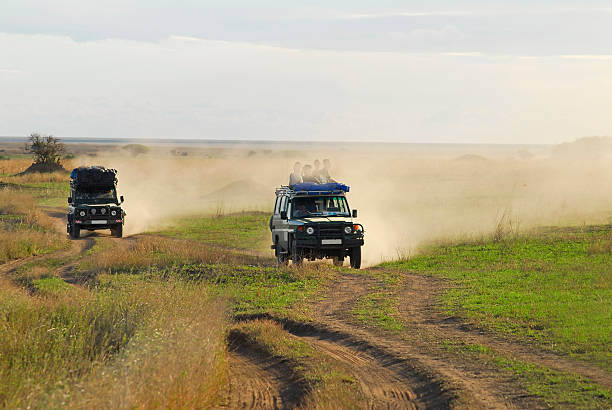
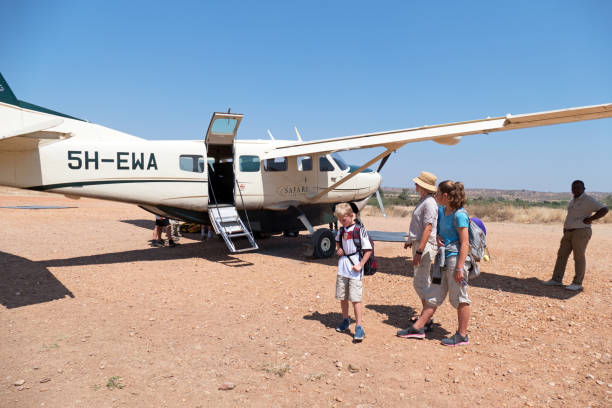
6-Day Cross-Border Birding — Rift Valley & Northern Circuit: Essential Travel Guide
Tanzania is a world-class birding destination, offering an astonishing diversity of avian life across its varied landscapes. For dedicated birdwatchers, a specialized 6-day cross-border birding tour focusing on the Rift Valley and Northern Circuit presents an unparalleled opportunity. This itinerary is crafted to maximize sightings of endemic, rare, and migratory species within these biologically rich regions. Combining the dramatic escarpments and unique habitats of the Rift Valley with the iconic savannahs of the Northern Circuit provides a comprehensive and rewarding birding expedition.
This guide is designed for those seeking a focused, efficient, and deeply immersive birding experience. We will explore the logic behind this specific route, what makes it exceptional for birding, the best times to visit in 2026 and 2027, a sample itinerary, essential preparation, and how to book your adventure with confidence.
Quick Facts: 6-Day Cross-Border Birding — Rift Valley & Northern Circuit
| Duration | 6 Days / 5 Nights |
|---|---|
| Focus | Avian species, habitat diversity, key birding hotspots |
| Key Regions | Tanzania Rift Valley (e.g., Lake Manyara environs, Tarangire), Northern Circuit (e.g., Serengeti, Ngorongoro Crater environs) |
| Key Birding Activities | Game drives with birding focus, walking safaris (where permitted), boat trips (e.g., Lake Manyara) |
| Best Time to Visit | Dry seasons (June-October) for resident birds and migratory species; wet season (November-March) for breeding plumage and abundance. |
| Accommodation Style | Lodges, tented camps (ranging from budget to luxury) |
| Target Species Examples | Lilac-breasted Roller, Secretarybird, Fischer’s Lovebird, Rufous-tailed Weaver, Helmeted Guineafowl, various raptors, waterbirds. |
Why This 6-Day Cross-Border Birding Route is Exceptional
The synergy between the Rift Valley and the Northern Circuit is what makes this 6-day birding itinerary so potent. These areas are not just famous for large mammals; they are critical flyways and habitats for an incredible array of bird species.
- Habitat Diversity: The Rift Valley offers unique environments like soda lakes (attracting waterbirds), acacia woodlands, and escarpment forests. The Northern Circuit then adds vast savannahs, riverine forests, and the unique caldera ecosystem of the Ngorongoro Crater. This variety supports a huge spectrum of birdlife, from tiny sunbirds to majestic eagles.
- Endemic and Rare Species: Tanzania is home to several species found nowhere else. This route targets areas where species like Fischer’s Lovebird and Nyasa Lovebird are more reliably found. The Rift Valley’s specific microclimates can also host rare subspecies or localized populations.
- Migratory Birds: Depending on the season, you can witness incredible numbers of palearctic and intra-African migrants, swelling the resident populations.
- Efficient Logistics: While covering significant ground, this 6-day plan is logistically feasible, minimizing travel time between prime birding locations. It leverages the proximity of these renowned areas for a concentrated birding experience.
- Concentrated Birding Focus: Unlike a general safari, this itinerary prioritizes birding. Guides are specifically trained to spot and identify birds, and game drives are often slower, with more stops for observation.
Understanding the Regions: Rift Valley & Northern Circuit Birding
The Rift Valley Advantage
The East African Rift Valley is a geological marvel that also creates unique ecological niches. For birders, this means:
- Soda Lakes: Lakes like Manyara and Natron (though Natron is further afield and might require a longer trip) are magnets for flamingos, pelicans, and numerous other waterbirds. The shallow, mineral-rich waters create feeding grounds that support vast flocks.
- Acacia Woodlands and Grasslands: These areas are rich in insect life and seeds, attracting seed-eating birds, insectivores, and a variety of raptors. Species like the Secretarybird, Ground Hornbill, and various bustards thrive here.
- Escarpment Forests: The higher altitudes and denser vegetation along the Rift Valley escarpments host forest-dwelling species, including various barbets, woodpeckers, and shy undergrowth birds.
Northern Circuit’s Avian Riches
The Northern Circuit, encompassing areas like Serengeti National Park, Ngorongoro Conservation Area, and Tarangire National Park, offers a different, yet equally compelling, birding experience:
- Savannah Birds: The iconic open plains are home to numerous grassland specialists, including numerous species of larks, pipits, and wheatears. Raptors are abundant, with eagles, buzzards, and kestrels commonly seen.
- Riverine Habitats: Along rivers and kopjes, you’ll find species like kingfishers, bee-eaters, and herons. The acacia trees themselves host weavers, oxpeckers, and sunbirds.
- Ngorongoro Crater: This unique ecosystem within the caldera supports a surprisingly high density and diversity of birds, including large flocks of flamingos on the crater floor lake and raptors hunting in the grasslands.
Best Time for Birding in 2026 and 2027
Tanzania offers excellent birding year-round, but the timing can influence the types of birds you see.
| Period | Key Birding Highlights | Weather |
|---|---|---|
| June – October (Dry Season) | Resident birds are active, many species are in non-breeding plumage but still identifiable. Excellent for raptors. Migratory species from Europe and North America begin to arrive (Sept/Oct). Easier wildlife viewing due to sparser vegetation and animals congregating at water sources. | Cooler temperatures, clear skies, minimal rain. Ideal for comfortable travel and game viewing. |
| November – March (Wet Season / Short Rains & Long Rains) | Palearctic migrants are present in full force. Many resident birds are in breeding plumage, making them more colorful and active (singing, nesting). Abundant insect life supports insectivorous birds. Lush green landscapes. | November/December: Short rains, can be sporadic. January-March: Long rains, generally afternoon showers, can affect road conditions in remote areas but often clears quickly. Warm and humid. |
| April – May (Long Rains) | Generally considered the least ideal time for birding due to heavy rains, which can make travel difficult and reduce visibility. Some birds may be nesting. | Heavy rainfall, lush vegetation, fewer tourists. |
For a 6-day cross-border birding tour focusing on both resident and migratory species, the periods of September-October (transition into dry season, early migrants) and November-December (start of wet season, breeding plumage, early migrants) offer a superb mix. The peak dry season (July-September) is also excellent for birding, especially if combined with general wildlife viewing.
Sample 6-Day Cross-Border Birding Itinerary: Rift Valley & Northern Circuit
This sample itinerary is designed for maximum birding impact within six days. It assumes arrival at Kilimanjaro International Airport (JRO).
Day 1: Arrival in Arusha & Transfer to Lake Manyara Environs
- Arrive at Kilimanjaro International Airport (JRO).
- Meet your dedicated birding guide and transfer to a lodge/camp near Lake Manyara National Park (approx. 1.5-2 hours).
- Afternoon birding walk around the lodge grounds or a brief introductory drive in the Lake Manyara environs, focusing on woodland and grassland species.
- Potential Birds: Rufous-tailed Weaver, Lilac-breasted Roller, various sunbirds, Pied Kingfisher.
- Overnight: Lodge/camp near Lake Manyara.
Day 2: Lake Manyara National Park Birding
- Full day dedicated to birding within Lake Manyara National Park.
- Morning game drive with a strong birding focus: explore the lake shore for waterbirds, the acacia woodlands for forest species, and the grasslands for ground birds and raptors.
- Consider a boat trip on Lake Manyara (if available and suitable for birding) for excellent views of waterbirds.
- Potential Birds: Greater Flamingo, Lesser Flamingo, Great White Pelican, African Fish Eagle, Crowned Eagle, African Wood Owl, Silvery-cheeked Hornbill, Ground Hornbill, Helmeted Guineafowl.
- Overnight: Lodge/camp near Lake Manyara.
Day 3: Tarangire National Park Birding
- Morning transfer to Tarangire National Park (approx. 1.5-2 hours), known for its large elephant herds and birdlife.
- Full day birding and game drive in Tarangire. Focus on the baobab-dotted savannahs, riverine forests, and swamps, which attract a wide variety of species.
- Tarangire is a haven for raptors and large terrestrial birds.
- Potential Birds: Kori Bustard, Ostrich, Secretarybird, Martial Eagle, Bateleur, Yellow-billed Oxpecker, African Grey Hornbill, Red-billed Hornbill, various weavers.
- Overnight: Tented camp or lodge within/near Tarangire.
Day 4: Transfer to Ngorongoro Crater Rim & Birding
- Morning birding in Tarangire or drive towards the Ngorongoro Conservation Area (approx. 2-3 hours).
- Stop at viewpoints along the Rift Valley escarpment for potential sightings of high-altitude species.
- Afternoon birding walk or drive around the Ngorongoro Crater rim, focusing on montane forest and grassland species.
- Potential Birds: Montane Oriole, Schalow’s Turaco, White-necked Raven, various warblers and flycatchers.
- Overnight: Lodge on the Ngorongoro Crater rim.
Day 5: Ngorongoro Crater Birding & Transfer to Arusha
- Early morning descent into the Ngorongoro Crater for a dedicated birding and game drive. The crater floor is a condensed ecosystem with high bird density.
- Focus on the crater lake for waterbirds, the surrounding grasslands for bustards, larks, and raptors, and the denser vegetation for forest species.
- Ascend from the crater in the late morning and begin the transfer back to Arusha (approx. 3-4 hours).
- Potential Birds: Pink-backed Pelican, Maccoa Duck, Verreaux’s Eagle (rarely), Fischer’s Lovebird (in surrounding areas), many species of duck and waders.
- Overnight: Hotel in Arusha.
Day 6: Departure
- Depending on your flight schedule, you may have time for some final local birding around Arusha or visit a local craft market.
- Transfer to Kilimanjaro International Airport (JRO) for your departure.
Route Map/Area Overview
This itinerary follows a classic Northern Tanzania safari circuit, adapted for birding:
- Kilimanjaro International Airport (JRO): Arrival point.
- Lake Manyara National Park Area: Focus on soda lake birdlife and acacia woodland species. Located on the edge of the Great Rift Valley.
- Tarangire National Park: Known for its large elephant herds, baobab trees, and diverse bird species, particularly raptors and ground birds.
- Ngorongoro Conservation Area: Includes the Ngorongoro Crater, a UNESCO World Heritage Site offering a unique, condensed ecosystem for birding.
- Arusha: Departure point, a hub for northern safaris.
The route is a loop, efficiently connecting these key birding hotspots within a short timeframe.
What to Expect: Beyond the Checklist
A 6-day cross-border birding trip in Tanzania’s Rift Valley and Northern Circuit is an intense, rewarding experience. Expect:
- Early Mornings: Bird activity is highest at dawn and dusk. Your days will likely start before sunrise.
- Dedicated Birding Focus: Game drives will be slower, with more stops for observation and identification. Your guide will prioritize birding opportunities, sometimes deviating from standard wildlife viewing paths.
- Comfortable but Rustic Accommodation: Lodges and tented camps offer comfort, but some are located in remote areas, providing an authentic wilderness experience.
- Varied Terrain: You’ll experience lake shores, acacia woodlands, savannahs, and potentially montane forests.
- Encountering Other Wildlife: While birds are the primary focus, you will undoubtedly see Tanzania’s iconic mammals like elephants, giraffes, zebras, and potentially big cats.
- Potential for Long Days: Birding can be absorbing, and days can extend to maximize sightings.
Essential Packing and Preparation
Proper preparation is key to enjoying your birding adventure.
Birding Gear:
- Binoculars: High-quality, waterproof, 8×42 or 10×42 are recommended.
- Field Guide: A good field guide for East African birds (e.g., Birds of East Africa by Terry Stevenson and John Fanshawe).
- Camera: With a good zoom lens (300mm or more) for photography. Extra batteries and memory cards.
- Notebook and Pen: To record your sightings.
Clothing:
- Neutral-Colored Clothing: Earth tones (khaki, olive green, brown) are best to avoid disturbing birds and wildlife. Avoid bright colors.
- Layering is Key: Mornings and evenings can be cool, especially on the Crater rim. Pack light, breathable long-sleeved shirts and trousers for sun protection and insect repellent.
- Warm Jacket/Fleece: Essential for early mornings and evenings.
- Waterproof/Windproof Jacket: For unexpected rain showers.
- Comfortable Walking Shoes: Closed-toe, sturdy shoes.
- Hat: Wide-brimmed for sun protection.
Health & Safety:
- Insect Repellent: High DEET content recommended.
- Sunscreen: High SPF.
- Personal First-Aid Kit: Including any personal medications.
- Malaria Prophylaxis: Consult your doctor.
- Yellow Fever Vaccination Certificate: May be required.
Other Essentials:
- Reusable Water Bottle: Stay hydrated.
- Power Bank/Adapter: For charging devices.
- Small Backpack: For day trips.
- Sunglasses.
- Headlamp or Small Flashlight: Useful for navigating camps at night.
Common Mistakes to Avoid
To ensure your 6-day cross-border birding trip is a success, be mindful of these common pitfalls:
- Underestimating Travel Times: Distances in Tanzania can be deceiving. Roads can be rough, and travel between parks takes time. A 6-day trip requires efficient planning.
- Focusing Only on Mammals: While iconic wildlife is present, remember the primary goal is birding. Your guide should be briefed on this priority.
- Not Bringing the Right Gear: Poor binoculars or the wrong field guide can significantly detract from the experience.
- Ignoring Seasonality: Visiting during the peak rainy season might lead to travel disruptions and fewer birding opportunities.
- Booking with Unexperienced Operators: Ensure your tour operator has specific expertise in birding tours and employs knowledgeable, specialized birding guides.
- Trying to Pack Too Much In: A 6-day itinerary is short. This plan focuses on key areas; trying to add more parks will lead to excessive travel and less birding time.
Who is This 6-Day Cross-Border Birding Trip Best For?
This specialized itinerary is ideal for:
- Dedicated Birdwatchers: Those who prioritize avian encounters and are happy to spend more time observing birds than on general game viewing.
- Experienced Travelers: Individuals comfortable with early starts, potentially rougher roads, and a focused travel agenda.
- Nature Enthusiasts: Anyone with a deep appreciation for biodiversity and the intricate ecosystems of East Africa.
- Photographers: Particularly those specializing in wildlife and bird photography.
- Travelers with Limited Time: This 6-day plan offers a concentrated experience of two of Tanzania’s most biodiverse regions, making it suitable for those who can’t afford a longer safari.
It may not be the best choice for travelers whose primary interest is seeing the ‘Big Five’ or those seeking a relaxed, slow-paced holiday with minimal early morning activity.
Alternatives to Consider
If the 6-day Rift Valley & Northern Circuit birding trip isn’t quite right, consider these variations:
| Alternative Itinerary | Focus | Duration | Pros | Cons |
|---|---|---|---|---|
| Northern Circuit Birding (Serengeti & Ngorongoro Focus) | Classic savannah and crater birding. | 5-7 Days | Excellent for resident birds, raptors, and large savannah species. Iconic landscapes. | Less habitat diversity than including the Rift Valley. Might miss specific Rift Valley species. |
| Rift Valley Birding Immersion (Manyara, Eyasi, Natron) | Waterbirds, endemic species, unique Rift Valley habitats. | 7-10 Days | Deep dive into Rift Valley ecosystems. Higher chance of seeing specific endemic species like Fischer’s Lovebird. Includes potential visits to Lake Eyasi for cultural and birding experiences. | Requires more travel time. Natron is more remote. Less focus on classic savannah birding. |
| Southern Tanzania Birding (Ruaha & Selous/Nyerere) | Vast wilderness, different species mix, less crowded. | 7-10 Days | Offers a different avian array, often with more raptors and dry-country species. Offers a more remote, less touristy experience. | Requires domestic flights or longer road travel. Different set of target species. |
Planning Your 2026-2027 Birding Adventure
Booking your 6-day cross-border birding tour well in advance is crucial, especially for popular travel periods in 2026 and 2027.
12-18 Months Before:
- Research tour operators specializing in birding safaris in Tanzania.
- Contact potential operators to discuss your specific interests and desired dates.
- Secure your preferred tour operator and start firming up the itinerary.
- Book international flights.
6-9 Months Before:
- Confirm internal arrangements and accommodation bookings.
- Start researching visa requirements and apply if necessary.
- Consult your doctor about necessary vaccinations and malaria prophylaxis.
3-6 Months Before:
- Purchase travel insurance.
- Begin gathering recommended gear (binoculars, camera, field guide).
- Confirm passport validity.
1-3 Months Before:
- Finalize packing list and purchase any remaining items.
- Share your itinerary with family or friends.
- Confirm all booking details with your tour operator.
Final Weeks:
- Pack your bags.
- Exchange some currency for local use.
- Double-check all travel documents.
Booking Advice for Your 6-Day Cross-Border Birding Tour
When selecting a tour operator for your 6-day cross-border birding adventure, prioritize these factors:
- Specialized Birding Guides: This is paramount. Ensure the operator employs guides with extensive knowledge of East African avifauna, capable of identifying species by sight and sound, and understanding bird behavior.
- Customization Options: While this is a set itinerary, ask if they can tailor it to your specific interests or pace.
- Reputation and Reviews: Look for testimonials or reviews from past birding clients.
- Vehicle Quality: A 4×4 safari vehicle with pop-up roof is standard, but ask about modifications for birding (e.g., extra seating space, charging ports).
- Inclusions and Exclusions: Clearly understand what is covered (park fees, accommodation, guide, vehicle, meals) and what is not (tips, drinks, personal expenses).
- Safety Protocols: Inquire about their safety measures and emergency procedures.
For a reliable and expert-led 6-day cross-border birding experience in the Rift Valley and Northern Circuit, consider reaching out to experienced local operators. They often have the best knowledge of current conditions and birding hotspots.
Contact Us to Plan Your Birding Safari:
Ready to plan your ultimate birding adventure in Tanzania for 2026 or 2027? We specialize in creating tailored birding itineraries that focus on maximizing your sightings and ensuring a memorable experience. Our expert guides are passionate about Tanzania’s avian wonders.
WhatsApp: +255616946642
Email: topguideadventures@gmail.com
Backup Email: info@topguideadventures.com
Frequently Asked Questions (FAQs)
1. What is the best time of year for 6-day cross-border birding in the Rift Valley and Northern Circuit?
The best time for birding in Tanzania’s Rift Valley and Northern Circuit is generally during the dry seasons (June-October) for resident birds and easier wildlife viewing, and the wet season (November-March) for breeding plumage and migratory species. For a mix of both, September-October and November-December are excellent choices for 2026-2027.
2. What are the key bird species I can expect to see on this 6-day tour?
You can expect a wide variety, including Lilac-breasted Roller, Secretarybird, Ground Hornbill, Kori Bustard, various eagles and raptors, Fischer’s Lovebird (in specific areas), Rufous-tailed Weaver, Helmeted Guineafowl, and numerous waterbirds like flamingos and pelicans on the soda lakes.
3. Is this tour suitable for beginners in birdwatching?
While the tour is designed for dedicated birders, a knowledgeable guide can greatly assist beginners. However, the pace and focus might be intense for someone completely new to birdwatching. It’s best suited for those with some prior interest and patience for observation.
4. What kind of accommodation can I expect?
Accommodation typically ranges from comfortable lodges to luxury tented camps. These are chosen for their location within or near prime birding areas and their ability to provide a good base for early morning excursions.
5. How much walking is involved in this 6-day birding trip?
Most birding is done from a safari vehicle with frequent stops. There may be opportunities for short, guided walks in specific areas or around lodges, but these are usually optional and depend on park regulations and safety. The primary activity is vehicle-based observation.
6. What is the difference between a general safari and a dedicated birding safari?
A dedicated birding safari prioritizes bird sightings. Drives are slower, stops are more frequent, and guides are specifically trained to identify birds by sight and sound. While mammals are seen, they are secondary to avian encounters.
7. Do I need a special visa for Tanzania?
Most nationalities require a visa for Tanzania. It’s advisable to check the latest requirements with the Tanzanian embassy in your country or apply online through the official e-visa portal well in advance of your 2026 or 2027 trip.
8. What are the typical costs associated with such a tour?
Costs vary significantly based on accommodation level, group size, and the specific operator. A 6-day birding safari in Tanzania typically includes park fees, accommodation, a private vehicle, and a specialized guide. Expect a mid-range to upper-mid-range budget for a quality experience.
9. What vaccinations are recommended for Tanzania?
Recommended vaccinations often include Yellow Fever (may be required for entry), Hepatitis A, Typhoid, and Tetanus. It’s essential to consult your doctor or a travel clinic at least 4-6 weeks before your trip for personalized advice regarding 2026-2027 travel.
10. How much should I tip my birding guide?
Tipping is customary for guides and camp staff in Tanzania. A general guideline for a private birding guide is USD $20-30 per person per day, but this can vary. Your tour operator will usually provide specific recommendations.
Book Your Unforgettable 6-Day Cross-Border Birding Adventure
The 6-day cross-border birding tour through Tanzania’s Rift Valley and Northern Circuit offers an exceptional opportunity for serious birdwatchers. With careful planning and the right guide, you will witness an incredible diversity of avian life in some of East Africa’s most stunning landscapes. Let us help you craft the perfect birding expedition for 2026 or 2027.
Contact us today to start planning your tailored birding safari:
WhatsApp: +255616946642
Email: topguideadventures@gmail.com
Backup Email: info@topguideadventures.com
Plan your 6-Day Cross-Border Birding — Rift Valley & Northern Circuit with Top Guide Adventures
Tell us your travel dates, group size, comfort level, and dream experience. We will help you shape a clear, realistic, and memorable Tanzania itinerary.







 Veedesigner
 Fatma Kizanga
 Benjamin Waryuba
 Philip Philip
 John jr Itaja
 Antonia Optatus
 Edith Kanyere
 Neema Iddy
 Kelvin Boniphace
 Damari Maiga



