
Updated planning guide for 2026-2027
6-Day Safari For Birdwatchers — Rift Valley Hotspots: Best Guide 2026-2027
Discover the ultimate 6-day safari for birdwatchers focused on Tanzania's Rift Valley hotspots. This comprehensive guide covers everything from itinerary planning and key birding locations to preparation and booking your 2026-2027 adventure.
WhatsApp +255616946642 | topguideadventures@gmail.com | info@topguideadventures.com

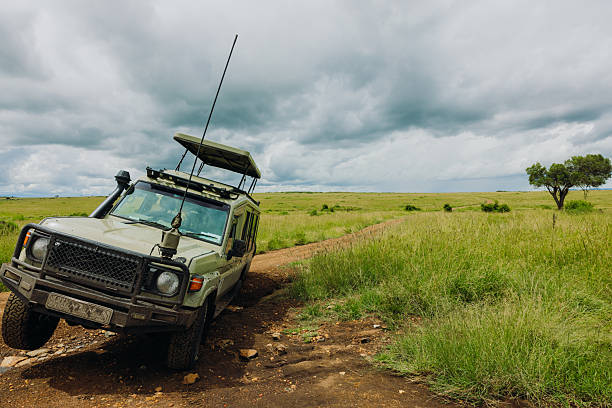
6-Day Safari for Birdwatchers: Rift Valley Hotspots Essential Travel Guide
Tanzania, a land celebrated for its dramatic wildlife spectacles, also holds an extraordinary allure for birdwatchers. The country boasts over 1,100 bird species, a remarkable diversity owing to its varied habitats, from savannahs and forests to wetlands and the unique geological formations of the Great Rift Valley. For enthusiasts seeking a focused avian experience, a 6-day safari concentrating on the Rift Valley hotspots offers an unparalleled opportunity to witness a significant portion of this avian wealth in a concentrated, manageable timeframe. This guide provides an in-depth look at planning such a trip, detailing the best locations, what to expect, and how to prepare for an unforgettable birding adventure in 2026-2027.
| Duration | 6 Days / 5 Nights |
| Focus | Avian species, Rift Valley ecosystems |
| Key Locations | Lake Manyara National Park, Ngorongoro Conservation Area (Crater Rim & surrounding areas), Lake Eyasi |
| Best Time to Visit | Dry seasons (June-October, December-February) for easier spotting and migratory birds (November, March-May). |
| Accommodation | Lodges, tented camps, budget guesthouses |
| Typical Wildlife Sightings | Flamingos, pelicans, various waterbirds, raptors, forest birds, endemic species, plus iconic mammals. |
Why Choose a Rift Valley Birding Safari?
The Great Rift Valley in Tanzania is not just a geological marvel; it’s a biodiversity hotspot. Its unique topography creates distinct microclimates and habitats that attract a vast array of birdlife. From the alkaline lakes teeming with waterbirds to the acacia woodlands and escarpment forests, each area presents different species. A 6-day safari allows for focused exploration of these diverse zones, maximizing your chances of encountering sought-after species. This itinerary is designed for those who prioritize bird identification, photography, and understanding avian behavior within these specific ecosystems.
Understanding the Rift Valley Hotspots for Birdwatchers
The northern circuit of Tanzania, particularly the areas influenced by the Rift Valley, is exceptionally rich for birding. Key locations include:
- Lake Manyara National Park: Famous for its large flocks of flamingos, pelicans, storks, and numerous other waterbirds that inhabit the lake’s shallow alkaline waters. The park also hosts woodland and forest species along the escarpment.
- Ngorongoro Conservation Area: While renowned for the Big Five, the Ngorongoro Crater floor and its rim offer excellent birding. The highlands, montane forests, and grasslands surrounding the crater are home to unique species, including various raptors and endemic birds.
- Lake Eyasi: A soda lake that attracts a different assemblage of waterbirds compared to Manyara. It’s also a region inhabited by the Hadzabe and Datoga tribes, offering cultural insights alongside birding opportunities.
Best Time for Your 6-Day Birdwatching Safari in the Rift Valley
The optimal timing for a birdwatching safari in Tanzania’s Rift Valley depends on your specific interests. Tanzania experiences two main seasons:
- Dry Season (June to October): This is generally the best time for game viewing and often for birding too. Water sources are limited, concentrating animals and birds around remaining water. Visibility is excellent, and fewer mosquitoes are present. Migratory birds from Europe and Asia are generally absent during this period.
- Short Rains (November): A transitional month, can be good for birding as resident birds become more active.
- Long Rains (March to May): This period sees heavy rainfall, which can make some tracks impassable and reduce game viewing. However, it is the breeding season for many resident birds, and they are in their brightest plumage, making it an excellent time for photographers and serious birders, provided you are prepared for the weather.
- Post-Long Rains/Pre-Dry Season (December to February): This period offers a mix. Migratory birds from the Palearctic region are present, and the landscape starts to green up after the rains, attracting insectivorous species. The weather is generally good before the main dry season.
For a 6-day safari for birdwatchers focusing on Rift Valley hotspots, the period from June to October and December to February often provides a good balance of accessible locations, comfortable weather, and diverse bird sightings, including migratory species.
| Peak Birding (Migratory Species & Plumage) | November – March |
| Best Birding (Resident Species & Visibility) | June – October |
| Good All-Rounder | December – February |
| Avoid (Heavy Rains) | April – May |
Sample 6-Day Rift Valley Birdwatching Itinerary
This sample itinerary is designed to maximize bird encounters within the Rift Valley’s prime locations. It balances travel time with dedicated birding hours.
-
Day 1: Arrival in Arusha & Transfer to Lake Manyara Area
- Arrive at Kilimanjaro International Airport (JRO).
- Meet your guide and transfer to your lodge/camp near Lake Manyara National Park.
- After settling in, enjoy an afternoon birding walk around the lodge grounds or a nearby area.
- Target species: Common resident birds, potential raptors.
-
Day 2: Lake Manyara National Park Birding
- Full day dedicated to birdwatching within Lake Manyara National Park.
- Focus on the lake shore for waterbirds and the woodland/escarpment areas for forest species.
- Look for: Flamingos, pelicans, cormorants, herons, kingfishers, hornbills, turacos, and potential raptors like the African Fish Eagle.
- Late afternoon drive back to your lodge.
-
Day 3: Manyara Escarpment & Transfer to Ngorongoro Highlands
- Morning birding along the Manyara escarpment, which offers different species than the lake basin.
- After breakfast, drive towards the Ngorongoro Conservation Area.
- Stop at viewpoints along the way for birding.
- Check into your lodge/camp on the Ngorongoro Crater rim or in the surrounding highlands.
- Afternoon guided walk in the highland forests, focusing on forest-dwelling birds.
- Target species: Montane forest birds, endemic species.
-
Day 4: Ngorongoro Crater Birding
- Descend into the Ngorongoro Crater for a full day of birding and game viewing.
- The crater floor, with its diverse habitats (grasslands, swamps, acacia woodland, soda lake), is excellent for birdlife.
- Look for: Secretary birds, Kori bustards, various eagles, vultures, waterbirds in the temporary lake, and forest birds on the crater walls.
- Ascend to your lodge in the late afternoon.
-
Day 5: Lake Eyasi Cultural & Birding Experience
- Morning drive to Lake Eyasi, a more remote soda lake.
- Spend the morning birding around the lake, observing its unique waterbird population and potential terrestrial species.
- Visit a local Datoga or Hadzabe community to learn about their traditional way of life, often with opportunities to spot birds in their natural surroundings during guided walks.
- Drive back towards Arusha in the late afternoon or stay at a lodge near Eyasi if preferred for a more relaxed pace.
- Target species: Greater and Lesser Flamingos, Great White Pelicans, Greater Painted-snipe, various waders.
-
Day 6: Departure from Arusha
- Depending on your flight schedule, enjoy a final morning birding session near your lodge or in Arusha.
- Transfer to Kilimanjaro International Airport (JRO) for your departure.
What to Expect on a Rift Valley Birding Safari
A 6-day safari for birdwatchers in the Rift Valley is an immersive experience. Expect early mornings, as birds are most active at dawn. Your days will involve a mix of game drives in open safari vehicles, which are ideal for covering ground and spotting birds, and guided walks in specific areas where permitted and safe. Binoculars are essential, and a good field guide to East African birds will be invaluable. Your guide will be knowledgeable about bird calls, habitats, and locations.
Accommodation: Options range from comfortable lodges and luxury tented camps to more basic guesthouses. For birdwatchers, staying in locations that offer good habitat on their doorstep can be a significant advantage.
Pace: This itinerary is moderately paced, balancing travel with dedicated birding time. It’s designed to avoid excessive driving and allow for focused observation.
Wildlife: While the focus is on birds, you will undoubtedly encounter Tanzania’s iconic mammals. The Rift Valley areas are rich in wildlife, from elephants and buffalos in Manyara to lions, wildebeest, and zebras in Ngorongoro.
Essential Gear and Preparation
Proper preparation is key to enjoying your birding safari. Here’s what you’ll need:
- Binoculars: High-quality binoculars (e.g., 8×42 or 10×42) are non-negotiable. A good pair will significantly enhance your viewing experience.
- Field Guide: A comprehensive guide to the birds of East Africa is essential for identification.
- Camera: Bring a camera with a good zoom lens for photography. Extra batteries and memory cards are advisable.
- Appropriate Clothing:
- Lightweight, neutral-colored clothing (khaki, olive, beige) that covers arms and legs to protect from the sun and insects.
- Warm layers for early mornings and evenings, especially at higher altitudes like Ngorongoro.
- Comfortable walking shoes or hiking boots.
- A wide-brimmed hat for sun protection.
- Rain gear, especially if traveling during the shoulder seasons.
- Sun Protection: High SPF sunscreen, sunglasses.
- Insect Repellent: With DEET or Picaridin.
- Personal First-Aid Kit: Including any personal medications.
- Power Adapters: For charging electronics.
- Notebook and Pen: To log your sightings.
Packing Checklist for a 6-Day Birding Safari
- Binoculars (essential)
- Field Guide to East African Birds
- Camera with zoom lens, extra batteries, memory cards
- Lightweight trousers (2-3 pairs)
- Long-sleeved shirts (2-3)
- T-shirts/base layers (3-4)
- Fleece jacket or warm sweater
- Lightweight waterproof jacket
- Comfortable walking shoes/hiking boots
- Sandals or comfortable shoes for evenings
- Wide-brimmed hat
- Sunglasses
- Sunscreen
- Insect repellent
- Small backpack for day trips
- Personal toiletries and medications
- Reusable water bottle
- Power bank and travel adapter
- Swimsuit (if accommodation has a pool)
- Binocular harness (optional, for comfort)
- Spotting scope (optional, for advanced birders)
Common Mistakes to Avoid on a Birdwatching Safari
To ensure a successful and enjoyable experience, be aware of potential pitfalls:
- Underestimating Travel Times: Distances in Tanzania can be significant, and road conditions can vary. Factor in travel time realistically.
- Not Being Specific Enough with Your Guide: Clearly communicate your primary interest in birding. While enjoying general game drives is good, ensure your guide understands your need for dedicated birding stops and knowledge.
- Overpacking or Underpacking Gear: Ensure you have the essentials like binoculars and a field guide, but don’t bring unnecessary items that add weight.
- Ignoring Weather Conditions: Tanzania’s weather can change rapidly. Be prepared for sun, heat, and potential rain, especially outside the peak dry season.
- Focusing Only on Rare Birds: Appreciate the common species too. They are often beautiful and ecologically important, and many have fascinating behaviors.
- Not Booking in Advance: Especially for popular seasons or specific lodges, booking well in advance for 2026-2027 is crucial.
- Expecting Too Much in Too Little Time: While 6 days is good, Tanzania is vast. This itinerary focuses on a specific region to avoid rushing.
Who is This 6-Day Safari Best Suited For?
A 6-day safari for birdwatchers focusing on Rift Valley hotspots is ideal for:
- Dedicated Birders: Those whose primary motivation for visiting Tanzania is to observe and identify a wide range of bird species.
- Photographers: Bird photographers will find ample opportunities to capture stunning images of avian subjects in their natural environment.
- Nature Enthusiasts: Individuals who appreciate diverse ecosystems and the intricate details of nature, beyond just the large mammals.
- Travelers with Limited Time: Those who have a week or less but want a focused, high-impact wildlife experience centered on birds.
- Beginner Birdwatchers: The accessible locations and presence of many easily identifiable species make it suitable for those new to birding.
This trip can also be an excellent add-on to a longer Tanzania itinerary or combined with other activities like Kilimanjaro trekking or Zanzibar relaxation.
Alternatives to a Rift Valley Focused Safari
While the Rift Valley is superb, Tanzania offers other birding opportunities:
- Arusha National Park: Closer to Arusha, it offers good birding, especially around Momella Lakes and the forest on Mount Meru. It’s a good option for shorter birding excursions or as an introduction.
- Tarangire National Park: Known for its large elephant herds, Tarangire also has diverse birdlife, particularly in its acacia woodlands and riverine areas. It can be excellent for raptors and ground birds.
- Serengeti National Park: While famous for the Great Migration, the Serengeti is also a birding paradise with over 500 species. Exploring different areas of the Serengeti can yield a vast array of birds, including ostriches, eagles, and various grassland species.
- Gombe Stream National Park: Famous for chimpanzee trekking, Gombe also has a rich bird population, especially forest species, accessible via guided walks.
For a 6-day trip, focusing on the Rift Valley offers a concentrated experience. For longer trips, combining these areas would provide an even more extensive bird list.
Planning Your 2026-2027 Birdwatching Safari
Planning ahead is essential for a successful birdwatching safari in 2026-2027. Here are key considerations:
- Book Your Tour Operator Early: Reputable operators specializing in Tanzania safaris, especially those with birding expertise, get booked up. For 2026-2027, start researching and booking at least 6-12 months in advance.
- Choose the Right Season: As discussed, your choice of season will impact the types of birds you see (migratory vs. resident, breeding plumage).
- Visa Requirements: Check the latest visa regulations for Tanzania for your nationality well in advance.
- Vaccinations and Health Advice: Consult your doctor or a travel clinic about recommended vaccinations and malaria prophylaxis.
- Travel Insurance: Ensure you have comprehensive travel insurance that covers medical emergencies, trip cancellations, and lost luggage.
- Physical Fitness: While most birding is done from vehicles, guided walks can involve moderate hiking. Ensure you are comfortable with this level of activity.
Booking Advice for Your 6-Day Safari
When booking your 6-day safari for birdwatchers, consider the following:
- Specialized Guides: Inquire if your tour operator can provide a guide with specific ornithological knowledge. This can significantly enhance your experience.
- Vehicle Type: A pop-top safari vehicle offers better viewing and photography opportunities for birds than a standard vehicle.
- Accommodation Choices: Discuss your preferences for lodges or camps. Some have prime locations for early morning birding right outside your door.
- Inclusions and Exclusions: Clearly understand what is included in your package (park fees, accommodation, meals, guide services, vehicle use) and what is not (tips, personal expenses, drinks).
- Customization: Work with your operator to tailor the itinerary to your specific birding interests and pace.
Contact Us for a Tailored Birdwatching Adventure:
Ready to plan your 2026-2027 6-day safari for birdwatchers focusing on Tanzania’s Rift Valley hotspots? Our expert team at Best Tanzania Tour Operator is here to help you craft the perfect itinerary. We understand the nuances of birding safaris and can arrange for specialized guides and accommodations to ensure you have an unforgettable experience.
WhatsApp: +255616946642
Email: topguideadventures@gmail.com
Backup Email: info@topguideadventures.com
Let us help you discover the incredible avian diversity of the Rift Valley.
Frequently Asked Questions (FAQs)
-
What is the best time of year for a 6-day birdwatching safari in Tanzania’s Rift Valley in 2026-2027?
The best time depends on your focus. For migratory species and birds in breeding plumage, November to March is excellent. For resident species and better visibility, the dry season from June to October is ideal. December and February offer a good balance. -
Can I see specific target bird species on a 6-day trip?
While it’s impossible to guarantee sightings of every specific bird, a 6-day safari focusing on the Rift Valley hotspots like Lake Manyara and Ngorongoro significantly increases your chances of seeing many sought-after species, including flamingos, raptors, turacos, and various waterbirds. -
Do I need a specialized birding guide?
While general safari guides are knowledgeable about wildlife, a guide with specific ornithological training can greatly enhance your birdwatching experience by identifying calls, understanding behavior, and knowing prime birding spots. It’s highly recommended to inquire about this when booking. -
What is the typical cost of a 6-day birdwatching safari?
The cost varies based on accommodation level, vehicle type, and inclusions. A mid-range 6-day safari for birdwatchers in the Rift Valley could range from approximately $2,000 to $4,000+ per person, excluding international flights. This typically covers park fees, accommodation, meals, and guide services. -
Is a 6-day safari enough for birdwatching in the Rift Valley?
Yes, a 6-day safari is a good duration to focus on key Rift Valley hotspots like Lake Manyara and Ngorongoro. It allows for dedicated birding time without feeling overly rushed. For an exhaustive list, longer trips would be needed. -
What kind of mammals can I expect to see on this birding safari?
You will likely see iconic East African mammals. Lake Manyara is known for elephants, baboons, and tree-climbing lions. The Ngorongoro Crater hosts a high density of wildlife, including the Big Five (lion, leopard, elephant, rhino, buffalo), wildebeest, zebras, hippos, and various antelope species. -
How much walking is involved in a birdwatching safari?
Most birding is done from a safari vehicle. However, guided walks are often part of the itinerary, especially in forest areas or around lodges. These walks are usually at a relaxed pace, but you should be comfortable walking for an hour or two on uneven terrain. -
What should I do if I want to see specific endemic species in 2026 or 2027?
Discuss your target species with your tour operator. Some endemic birds are found in specific habitats, and an experienced guide can help plan your route and timing to maximize chances of finding them. -
Are there malaria risks in the Rift Valley areas?
Yes, malaria is present in Tanzania. It’s essential to consult your doctor for advice on malaria prophylaxis and take precautions such as using insect repellent and wearing long sleeves and trousers in the evenings. -
Can this itinerary be customized for a 2026-2027 trip?
Absolutely. We specialize in creating custom itineraries. We can adjust the duration, focus on specific parks, or incorporate different accommodation styles to meet your birdwatching goals and budget for your 2026-2027 adventure.
Ready to Plan Your 6-Day Safari for Birdwatchers in the Rift Valley?
The Rift Valley’s avian wonders await. Whether you are a seasoned birder or a nature enthusiast eager to explore Tanzania’s feathered inhabitants, a 6-day safari focused on these vibrant ecosystems promises an enriching and memorable journey. Our team is dedicated to providing expert planning and seamless execution for your 2026-2027 adventure.
Contact us today to start designing your personalized birdwatching safari:
WhatsApp: +255616946642
Email: topguideadventures@gmail.com
Backup Email: info@topguideadventures.com
Let us help you experience the best of Tanzania’s birdlife!
Plan your 6-Day Safari for Birdwatchers — Rift Valley Hotspots with Top Guide Adventures
Tell us your travel dates, group size, comfort level, and dream experience. We will help you shape a clear, realistic, and memorable Tanzania itinerary.







 Veedesigner
 Fatma Kizanga
 Benjamin Waryuba
 Philip Philip
 John jr Itaja
 Antonia Optatus
 Edith Kanyere
 Neema Iddy
 Kelvin Boniphace
 Damari Maiga



