
Updated planning guide for 2026-2027
7-Day Northern Frontier Safari — Samburu, Laikipia & Mount Kenya Foothills Gui
Discover the unique beauty of Kenya's Northern Frontier on a 7-day safari adventure. This guide covers Samburu's arid landscapes, Laikipia's conservation efforts, and the foothills of Mount Kenya, offering practical planning advice for your 2026-2027 journey.
WhatsApp +255616946642 | topguideadventures@gmail.com | info@topguideadventures.com
7-Day Northern Frontier Safari: Samburu, Laikipia & Mount Kenya Foothills Essential Travel Guide
A 7-Day Northern Frontier Safari through Samburu, Laikipia, and the Mount Kenya foothills offers a distinct and unforgettable Kenyan experience. Moving away from the more crowded southern parks, this route explores arid landscapes, unique wildlife adapted to harsh conditions, significant conservation initiatives, and the majestic presence of Africa’s second-highest mountain. It’s a journey for those seeking a deeper connection with nature and culture, away from the typical tourist paths.
This guide provides comprehensive details for planning your adventure, from understanding the destinations to practical advice for a successful trip in 2026 or 2027. We cover what to expect, the best times to visit, itinerary suggestions, packing essentials, and how to book.
Quick Facts: 7-Day Northern Frontier Safari
| Duration: | 7 Days / 6 Nights |
| Key Destinations: | Samburu National Reserve, Laikipia Plateau, Mount Kenya Foothills |
| Wildlife Highlights: | Grevy’s Zebra, Reticulated Giraffe, Somali Ostrich, Beisa Oryx, Gerenuk (Samburu Special Five); African Wild Dog, Cheetah, Lion, Elephant, Rhino (Laikipia); various birdlife, general plains game. |
| Activities: | Game drives, guided walks, cultural visits, bird watching, conservation area tours, scenic drives. |
| Best Time to Visit: | Dry seasons (June-October, December-February) for optimal wildlife viewing, but also rewarding in green seasons for landscapes and birding. |
| Travel Style: | Mid-range to luxury lodges and tented camps. |
Understanding the Northern Frontier Experience
Kenya’s Northern Frontier is a region defined by its vast, semi-arid landscapes, rich cultural heritage, and pioneering conservation efforts. Unlike the lush savannas of the Maasai Mara, the North offers a stark beauty. Samburu National Reserve, in particular, is known for its unique ecosystem and the iconic ‘Samburu Special Five’ – animals that have adapted to survive in this dry environment. Further south, the Laikipia Plateau is a powerhouse of conservation, home to numerous private ranches and conservancies that focus on protecting endangered species like the Black Rhino and Grevy’s Zebra, and are pioneers in anti-poaching and community engagement initiatives.
The foothills of Mount Kenya provide a dramatic backdrop, offering cooler temperatures, lush forests, and opportunities for activities beyond game drives. This region connects the arid north with the more temperate central highlands, creating a diverse ecological transition zone.
Why Choose a 7-Day Northern Frontier Safari?
This particular safari itinerary is designed for travelers who:
- Seek a less crowded safari experience.
- Are interested in unique wildlife species not commonly found in southern parks.
- Appreciate the importance of conservation and wish to support responsible tourism.
- Enjoy diverse landscapes, from dry scrubland to montane forests.
- Desire a blend of classic game viewing with opportunities for walking safaris and cultural interactions.
The 7-day duration is ideal for experiencing the highlights of these distinct areas without feeling rushed, allowing for travel time between locations and sufficient time for exploration.
Best Time to Visit for Your 7-Day Northern Frontier Safari
The Northern Frontier’s climate is characterized by distinct dry and wet seasons, influencing wildlife movements and vegetation. Understanding these patterns is key to planning your 2026-2027 safari.
- June to October (Long Dry Season): This is generally considered the prime time for safaris across Kenya. In Samburu and Laikipia, water sources become more concentrated, drawing wildlife, making sightings easier. The vegetation thins out, improving visibility. Temperatures are pleasant, though evenings can be cool. This period often coincides with the Great Migration in the Maasai Mara, so while the North is less affected, it remains a popular safari window.
- November (Short Rains): A transitional month, often with brief showers. It can be a good time for birding and fewer crowds.
- December to February (Short Dry Season): Another excellent period for wildlife viewing, especially in Laikipia. Temperatures can be warmer. This is also a popular time for holidays.
- March to May (Long Rains): The landscape becomes lush and green. While game viewing can be more challenging due to thicker vegetation and dispersed animals, it’s a beautiful time for photography and birdwatching. It’s also the least crowded and potentially more affordable time to travel.
For a 7-Day Northern Frontier Safari, the dry seasons (June-Oct and Dec-Feb) typically offer the most predictable wildlife viewing experiences. However, each season has its unique charm.
Northern Frontier Safari: Seasonal Highlights
| Month | Season | Samburu | Laikipia | Mt. Kenya Foothills | Crowds | Cost |
|---|---|---|---|---|---|---|
| Jun-Oct | Long Dry | Excellent wildlife, concentrated at river. Special Five prominent. | Excellent wildlife, good visibility, rhino and wild dog sightings. | Pleasant, dry, good for walking. | Moderate to High | Moderate to High |
| Nov | Short Rains | Transitioning, can be good. | Transitioning, potential for birding. | Greener, potential for showers. | Low to Moderate | Moderate |
| Dec-Feb | Short Dry | Good wildlife viewing, warmer. | Excellent, good visibility. | Pleasant, potential for warmer days. | Moderate to High | Moderate to High |
| Mar-May | Long Rains | Lush, challenging game viewing, good birding. | Lush, more dispersed wildlife, excellent birding. | Very green, can be wet, good for flora. | Low | Low to Moderate |
Sample Itinerary: 7-Day Northern Frontier Safari
This sample itinerary balances travel time with exploration, offering a taste of each region’s unique character. It assumes arrival into Nairobi.
Day 1: Arrival in Nairobi & Transfer to Samburu
- Arrive at Jomo Kenyatta International Airport (NBO), Nairobi.
- Meet your guide and transfer to Wilson Airport for a short domestic flight to Samburu National Reserve.
- Upon arrival at the Samburu airstrip, you’ll be met by your lodge’s vehicle and transferred to your accommodation, often with a short game drive en route.
- Check-in, have lunch, and then head out for your first afternoon game drive in Samburu, searching for the unique wildlife.
- Return to the lodge for dinner and overnight.
Accommodation suggestion: A comfortable lodge or tented camp within or bordering Samburu National Reserve.
Day 2: Exploring Samburu National Reserve
- Full day dedicated to exploring Samburu National Reserve.
- Morning and afternoon game drives focusing on areas known for the Samburu Special Five: Grevy’s Zebra, Reticulated Giraffe, Somali Ostrich, Beisa Oryx, and the Gerenuk.
- Opportunities to see elephants, lions, leopards, cheetahs, and a variety of plains game and birds.
- Optional: Visit a Samburu cultural village to learn about the local traditions and way of life.
- Return to your lodge for dinner and overnight.
Day 3: Samburu to Laikipia Plateau
- After a final morning game drive in Samburu, enjoy breakfast.
- Transfer to the local airstrip for your flight to a conservancy in the Laikipia Plateau.
- Arrive in Laikipia and be met by your lodge’s representative. Transfer to your accommodation, often with an introductory game drive.
- After lunch and some relaxation, head out for an afternoon game drive. Laikipia is renowned for its conservation successes, particularly with rhinos and wild dogs.
- Dinner and overnight at your Laikipia lodge.
Accommodation suggestion: A lodge or tented camp within a private conservancy on the Laikipia Plateau.
Day 4: Laikipia Conservation and Wildlife
- Full day exploring the vast Laikipia Plateau.
- Morning and afternoon game drives, with a focus on tracking endangered species like Black Rhinos and African Wild Dogs.
- Laikipia is also excellent for spotting cheetahs, lions, elephants, and a wide array of plains game.
- Activities can include guided bush walks with armed rangers, night game drives (often available in private conservancies), and visits to conservation projects.
- Return to your lodge for dinner and overnight.
Day 5: Laikipia to Mount Kenya Foothills
- Enjoy a final morning activity in Laikipia, perhaps a walk or game drive, followed by breakfast.
- Transfer to the nearest airstrip for your flight to Nanyuki, the gateway to Mount Kenya.
- Upon arrival in Nanyuki, you will be met and transferred to your lodge or camp located in the foothills of Mount Kenya. The scenery will begin to change as you gain altitude and enter more forested areas.
- Check-in, have lunch, and spend the afternoon at leisure, perhaps enjoying the lodge’s amenities or taking a short guided nature walk around the property.
- Dinner and overnight in the Mount Kenya region.
Accommodation suggestion: A lodge, guesthouse, or conservancy property on the slopes of Mount Kenya.
Day 6: Mount Kenya Exploration
- Full day exploring the Mount Kenya region.
- Activities can include guided nature walks through the montane forests, bird watching, visiting local communities, or simply enjoying the stunning views of Mount Kenya.
- Depending on your lodge’s location and offerings, you might have opportunities for horseback riding, fishing, or visiting nearby attractions.
- If interested and time/logistics permit, a scenic drive towards the park entrance for views of the higher peaks is possible.
- Enjoy a farewell dinner at your lodge, reflecting on your Northern Frontier adventure.
- Overnight in the Mount Kenya foothills.
Day 7: Departure
- After breakfast, enjoy a final leisurely morning at your lodge.
- Transfer to the Nanyuki airstrip for your scheduled flight back to Nairobi (Wilson Airport).
- From Wilson Airport, you will be transferred to Jomo Kenyatta International Airport (NBO) for your onward international flight, or to your Nairobi hotel if extending your stay.
Route Overview: Northern Frontier Safari
This safari route forms a logical progression, moving north from Nairobi into the arid Samburu region, then westwards into the conservation heartland of Laikipia, and finally south towards the majestic Mount Kenya. This geographical flow minimizes travel time and maximizes your exposure to diverse landscapes and wildlife.
Northern Frontier Safari Area Map
This is a conceptual representation of the route.
- Nairobi: Starting point, international airport access.
- Samburu National Reserve: Located in Samburu County, north of Mount Kenya. Known for its semi-arid climate and unique wildlife.
- Laikipia Plateau: West of Samburu, a large area of private ranches and conservancies. Focus on conservation and endangered species.
- Mount Kenya Foothills: South of Laikipia, a transition zone with forests and higher altitudes, offering different activities.
- Nairobi: Return point for departure.
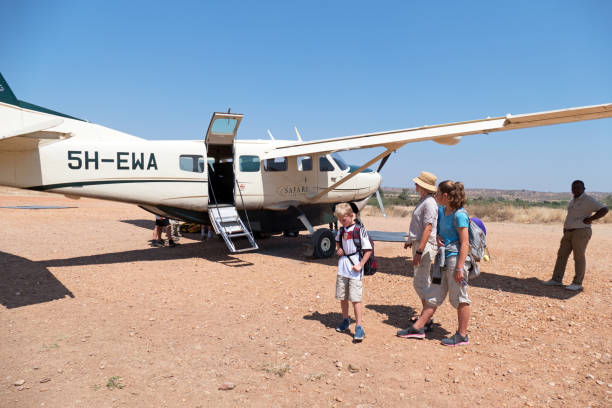
The travel between these regions is primarily by light aircraft to save significant time and cover vast distances efficiently. Road travel is possible but very time-consuming for this itinerary.
What to Expect on Your Safari
A 7-Day Northern Frontier Safari offers a different pace and feel compared to other Kenyan safaris. Here’s what you can anticipate:
- Wildlife: While you’ll see many familiar African animals, the focus here is on species uniquely adapted to arid or semi-arid conditions. Samburu’s ‘Special Five’ are a major draw. Laikipia offers incredible opportunities to see rhinos (both black and white) and African wild dogs, often in areas with higher densities than other parks. Large predators like lions and leopards are present, though sometimes harder to spot in the varied terrain.
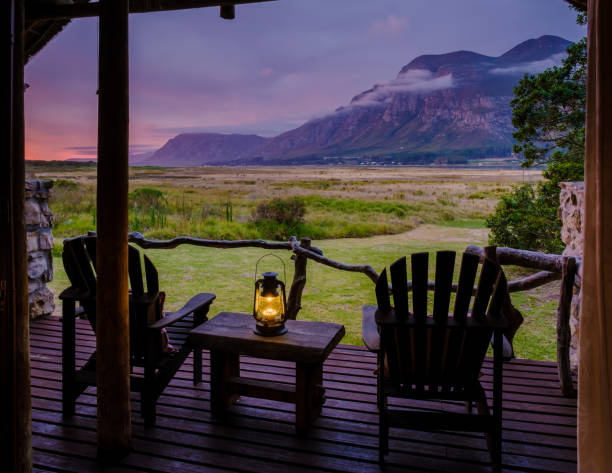
- Landscapes: Expect dramatic, sweeping vistas. Samburu is characterized by thorn scrub, acacia woodlands, and the Ewaso Nyiro River. Laikipia is a mosaic of savanna grasslands, rocky outcrops, and acacia woodlands, often with striking views of distant mountains. The Mount Kenya foothills are greener, with dense montane forests and the imposing presence of the mountain itself.
- Accommodation: Lodges and tented camps in this region range from comfortable and well-appointed to ultra-luxury. Many are built with sustainability and integration into the natural environment in mind. Private conservancies in Laikipia often offer exclusive experiences with fewer vehicles.
- Activities: Beyond traditional game drives, this region excels in offering walking safaris (especially in Laikipia and conservancies), night drives, and cultural visits. The cooler climate of the Mount Kenya foothills also supports activities like birdwatching and nature walks.
- Travel: Due to the distances involved, this itinerary relies heavily on light aircraft transfers between destinations. This is efficient and offers stunning aerial views but adds to the overall cost. Road transfers are possible for a more budget-conscious trip but would require significantly more time and potentially a longer itinerary.
Inclusions and Exclusions in a Safari Package
When booking a 7-Day Northern Frontier Safari, it’s crucial to understand what is typically included and excluded to manage your budget and expectations. Tour operators like Top Guide Adventures can customize packages to suit your needs.
Typical Safari Package Inclusions
| Category | Inclusions |
|---|---|
| Accommodation: | 6 nights in lodges or tented camps as per itinerary. |
| Meals: | Full board (breakfast, lunch, dinner) at lodges/camps. Some might include select drinks. |
| Transportation: | All internal light aircraft flights (Nairobi-Samburu, Samburu-Laikipia, Laikipia-Nanyuki, Nanyuki-Nairobi). Airport transfers in Nairobi. |
| Activities: | Scheduled game drives in open-sided 4×4 safari vehicles with experienced guides. Park/conservancy fees for Samburu. |
| Guides: | Professional English-speaking safari guide. |
| Water: | Bottled water during game drives. |
Typical Safari Package Exclusions
| Category | Exclusions |
|---|---|
| Flights: | International flights to and from Nairobi. |
| Visas: | Visa fees for Kenya. |
| Activities: | Optional activities not listed in the itinerary (e.g., cultural visits, night drives if not standard, guided walks if charged separately, fishing, horseback riding). Fees for Mount Kenya National Park or specific conservancy entry if not included by the lodge. |
| Drinks: | Alcoholic beverages, sodas, and premium drinks not specified. |
| Gratuities: | Tips for guides, camp staff, drivers. |
| Personal: | Travel insurance, personal expenses, laundry, souvenirs. |
| Other: | COVID-19 related tests or expenses (if applicable). |
Packing and Preparation Essentials
Packing wisely is crucial for comfort and enjoyment on your safari. Focus on lightweight, neutral-colored clothing suitable for warm days and cooler evenings.
Safari Packing Checklist
- Clothing:
- Lightweight, breathable long-sleeved shirts (neutral colors like khaki, beige, olive green).
- Lightweight, long trousers (avoid bright colors or dark denim).
- T-shirts and polo shirts.
- A warm fleece or sweater for cool mornings and evenings.
- A light to medium-weight jacket (water-resistant is a plus).
- Shorts or capris (for relaxing at the lodge).
- Swimsuit (for lodges with pools).
- Underwear and socks.
- Footwear:
- Comfortable walking shoes or hiking boots (if planning walks).
- Sandals or flip-flops for around the lodge.
- Headwear:
- Wide-brimmed hat or cap for sun protection.
- Accessories:
- Sunglasses.
- Binoculars (essential for wildlife viewing!).
- Camera with extra batteries and memory cards.
- Power adapter and portable charger/power bank.
- Insect repellent (with DEET).
- Sunscreen (high SPF).
- Lip balm with SPF.
- Small backpack or daypack for essentials on game drives.
- Reusable water bottle.
- Personal first-aid kit (including any personal medications).
- Hand sanitizer.
- Documents:
- Passport (valid for at least 6 months beyond your stay) and necessary visas.
- Flight tickets and itinerary.
- Travel insurance details.
- Copies of important documents (stored separately).
- Emergency contact information.
Important Note: Luggage on light aircraft flights is typically restricted to soft-sided duffel bags with a weight limit of 15-20 kg (33-44 lbs). Please check with your tour operator for exact specifications.
Common Mistakes to Avoid
Planning a safari can seem straightforward, but a few common pitfalls can detract from your experience. Being aware of these can help ensure a smoother trip in 2026-2027.
- Overpacking: Especially with light aircraft transfers, weight limits are strict. Pack light and efficiently.
- Wearing the Wrong Colors: Bright colors can scare wildlife. Stick to neutral, earthy tones. Avoid black and dark blue, which can attract tsetse flies in some areas.
- Not Bringing Binoculars: Essential for spotting distant animals and appreciating details. Don’t rely solely on your camera zoom.
- Underestimating Cooler Evenings: Even in warm climates, evenings and early mornings on safari can be surprisingly cool, especially in higher altitudes like the Mount Kenya foothills. Pack layers.
- Expectation of Seeing Everything: While wildlife sightings are generally good, nature is unpredictable. Don’t set your heart on seeing a specific animal on a specific day. Enjoy the experience as it unfolds.
- Ignoring Cultural Etiquette: If visiting local communities, be respectful. Ask permission before taking photos and dress modestly.
- Not Booking in Advance: Especially during peak seasons (June-Oct, Dec-Feb), popular lodges and flights fill up quickly. Book well in advance for 2026-2027.
- Forgetting Travel Insurance: Essential for covering medical emergencies, trip cancellations, or lost luggage.
- Not Staying Hydrated: The climate can be dry. Drink plenty of water throughout the day.
Who is This Safari Best Suited For?
The 7-Day Northern Frontier Safari is ideal for a specific type of traveler:
- The Wildlife Enthusiast: Those keen to see Kenya’s unique arid-adapted species and support conservation efforts for endangered animals like rhinos and wild dogs.
- The Independent Traveler: Individuals or couples who prefer a less crowded, more authentic safari experience away from the main tourist hubs.
- The Conservation-Minded Tourist: Visitors interested in learning about and contributing to wildlife conservation projects and community development.
- The Nature Photographer: The stark landscapes and unique wildlife provide exceptional photographic opportunities.
- The Adventurous Spirit: Travelers who appreciate a mix of classic game drives with opportunities for walking safaris and exploring diverse environments.
It might be less suited for:
- Families with very young children who might struggle with long game drives or remote locations.
- Travelers on a very tight budget, as the reliance on light aircraft transfers can increase costs.
- Those seeking a purely beach-focused holiday, as this itinerary is land-based.
Alternatives to Consider
While the Northern Frontier offers a distinct experience, other Kenyan safaris might appeal depending on your priorities:
- Masai Mara National Reserve: For the classic savanna experience, vast plains, and the Great Migration (July-October). Offers higher densities of predators.
- Amboseli National Park: Famous for its large elephant herds with Mount Kilimanjaro as a stunning backdrop. Offers iconic safari imagery.
- Tsavo East & West National Parks: Kenya’s largest parks, offering rugged landscapes, diverse wildlife, and a sense of wilderness. Tsavo East is known for its red-dusted elephants.
- Lake Nakuru National Park: Famous for its flamingos (though numbers vary) and a haven for rhinos and Rothschild’s giraffes. A good option for shorter safaris or as part of a larger itinerary.
Combining the Northern Frontier with another region, such as a few days in the Maasai Mara before or after, can create a comprehensive Kenyan safari experience, but this would require a longer trip than 7 days.
Planning Your 2026-2027 Northern Frontier Safari
Booking your safari well in advance is recommended, especially for travel in 2026 and 2027. Here’s a timeline and some key considerations:
- 12+ Months Ahead: Start researching destinations and tour operators. If you have specific lodges in mind, especially in popular areas or during peak seasons, booking accommodation this early is wise. Consider your budget and desired travel style.
- 9-12 Months Ahead: Finalize your itinerary with your chosen tour operator. Confirm inclusions and exclusions. Book your international flights.
- 6-9 Months Ahead: Book internal flights. Confirm all accommodation and safari arrangements. Start thinking about visas and any necessary vaccinations.
- 3-6 Months Ahead: Apply for your visa if required. Purchase travel insurance. Start acquiring safari gear and clothing.
- 1-3 Months Ahead: Finalize any optional activities. Confirm luggage restrictions for internal flights. Inform your bank of your travel dates.
- 2-4 Weeks Ahead: Pack your bags. Make copies of important documents. Confirm flight details.
When planning for 2026-2027, keep an eye on travel trends and any potential changes in park fees or regulations. Working with an experienced tour operator like Top Guide Adventures ensures you get the most up-to-date information and a well-organized itinerary.
Booking Your Safari: Expert Advice
Choosing the right tour operator is paramount to a successful safari. Here’s what to look for and how to proceed:
- Reputation and Experience: Look for operators with a strong track record, positive reviews, and specific experience in the Northern Frontier region.
- Customization: Can they tailor the itinerary to your interests, budget, and pace? A good operator will listen to your needs.
- Local Knowledge: Operators based in Tanzania or Kenya often have invaluable local knowledge, better supplier relationships, and quicker response times.
- Communication: How responsive and clear are they in their communications? This is a good indicator of their professionalism.
- Transparency: Ensure all costs are clearly itemized and explained.
Ready to plan your 7-Day Northern Frontier Safari?
Contact Top Guide Adventures for a personalized itinerary and expert advice. We specialize in creating unforgettable safari experiences across Kenya and Tanzania, focusing on responsible tourism and authentic encounters with wildlife and culture. Let us help you craft your dream safari for 2026 or 2027.
Get in touch:
- WhatsApp: +255 616 946 642
- Email: topguideadventures@gmail.com
- Backup Email: info@topguideadventures.com
Frequently Asked Questions (FAQs)
Your Questions Answered
Q1: Is a 7-day safari enough for Samburu, Laikipia, and Mount Kenya?
A1: Yes, a 7-day safari is a good duration to experience the highlights of these three distinct regions without feeling overly rushed, especially when using light aircraft transfers. It allows for sufficient time in each location to appreciate its unique offerings.
Q2: What are the ‘Samburu Special Five’?
A2: The Samburu Special Five are species uniquely adapted to the arid climate of Samburu National Reserve: the Grevy’s Zebra, Reticulated Giraffe, Somali Ostrich, Beisa Oryx, and the Gerenuk (also known as the ‘giraffe antelope’ for its long neck and ability to stand on hind legs to feed).
Q3: Is Laikipia safe for rhinos and wild dogs?
A3: Laikipia is a leading conservation area in Kenya, with many private conservancies implementing robust anti-poaching measures. It is a vital sanctuary for Black Rhinos and is one of the best places in Africa to see African Wild Dogs. Visitors are generally safe when accompanied by experienced guides within these managed areas.
Q4: Can I do walking safaris on this itinerary?
A4: Walking safaris are commonly offered in Laikipia conservancies and often in the Mount Kenya foothills. Samburu National Reserve may have restrictions on walking outside designated areas. It’s best to confirm with your tour operator and lodge.
Q5: What is the main difference between Samburu and Laikipia?
A5: Samburu is a government-managed national reserve known for its unique arid-adapted wildlife and dramatic landscapes along the Ewaso Nyiro River. Laikipia is a vast plateau comprising numerous private ranches and conservancies, with a strong focus on conservation, especially for endangered species like rhinos and wild dogs, and often offering more exclusive experiences.
Q6: What kind of temperatures can I expect in the Mount Kenya foothills?
A6: The Mount Kenya foothills are at a higher altitude and are generally cooler than Samburu or Laikipia. Daytime temperatures can range from pleasant to warm (18-25°C or 64-77°F), while nights can be quite cool, dropping to 10-15°C (50-59°F) or even lower, especially at higher elevations. Layers of clothing are essential.
Q7: How much luggage can I bring on the internal flights?
A7: Luggage is strictly limited on light aircraft flights, usually to a maximum of 15-20 kg (33-44 lbs) per person, and must be in soft-sided duffel bags. Your tour operator will provide exact specifications.
Q8: Is this safari suitable for families with young children?
A8: While possible, this itinerary might be more challenging for families with very young children due to the remote nature of some locations and the reliance on potentially long game drives. Some lodges may have age restrictions for certain activities like walking safaris. It’s best discussed with your tour operator for age-appropriate options.
Q9: What is the best way to book a safari for 2026-2027?
A9: The best way is to contact reputable tour operators specializing in East African safaris. Companies like Top Guide Adventures can provide expert advice, customize itineraries, and handle all bookings for internal flights, lodges, and park fees, ensuring a smooth planning process for your 2026-2027 trip.
Q10: What about visa requirements for Kenya?
A10: Most nationalities require a visa to enter Kenya. You can typically apply for an e-visa online before your travel. It’s essential to check the latest visa requirements for your specific nationality well in advance of your 2026-2027 travel dates.
Plan Your Unforgettable 7-Day Northern Frontier Safari
A 7-Day Northern Frontier Safari through Samburu, Laikipia, and the Mount Kenya foothills promises an enriching journey filled with unique wildlife, breathtaking landscapes, and a deep appreciation for conservation. It’s an adventure that offers a different perspective on Kenya’s natural wonders.
Let Top Guide Adventures be your partner in creating this extraordinary experience. We are dedicated to providing exceptional service, expert guidance, and personalized itineraries that cater to your specific interests and travel style. Whether you are planning for 2026 or 2027, we are here to help you craft the perfect safari.
Contact us today to start planning your dream safari:
- WhatsApp: +255 616 946 642
- Email: topguideadventures@gmail.com
- Backup Email: info@topguideadventures.com
Plan your 7-Day Northern Frontier Safari — Samburu, Laikipia & Mount Kenya Foothills with Top Guide Adventures
Tell us your travel dates, group size, comfort level, and dream experience. We will help you shape a clear, realistic, and memorable Tanzania itinerary.







 Veedesigner
 Fatma Kizanga
 Benjamin Waryuba
 Philip Philip
 John jr Itaja
 Antonia Optatus
 Edith Kanyere
 Neema Iddy
 Kelvin Boniphace
 Damari Maiga



