
Updated planning guide for 2026-2027
7-Day Photographic Expedition — Night & Astro Wildlife Sessions Guide
Discover the magic of Tanzania's nights. This detailed guide covers everything you need for a 7-Day Photographic Expedition focusing on night and astrophotography of wildlife, from planning and gear to the best locations and when to go in 2026-2027.
WhatsApp +255616946642 | topguideadventures@gmail.com | info@topguideadventures.com
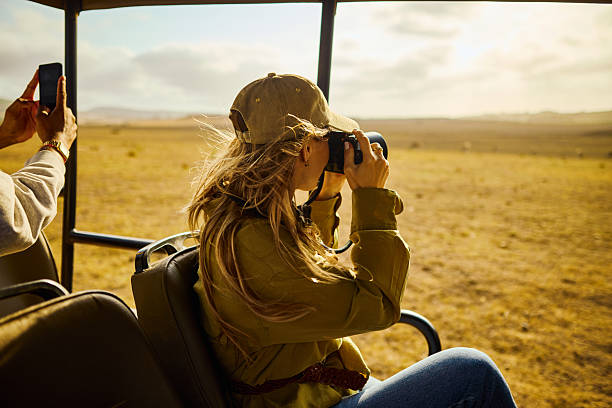
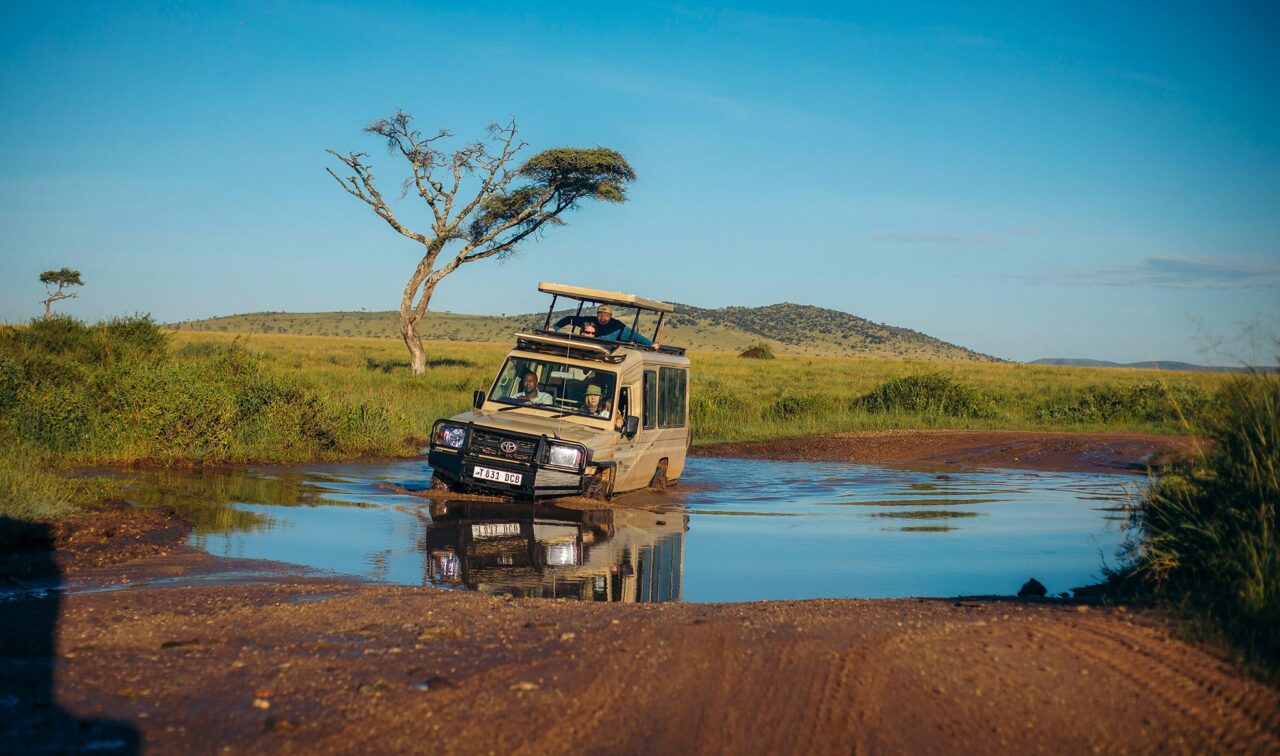
Your Ultimate Guide to a 7-Day Photographic Expedition: Night & Astro Wildlife Sessions in Tanzania
Tanzania is renowned for its breathtaking daytime wildlife encounters. However, few travelers consider the extraordinary photographic opportunities that unfold after sunset. A 7-Day Photographic Expedition — Night & Astro Wildlife Sessions offers a unique perspective, allowing you to capture the nocturnal world of the savanna and the star-dusted skies above. This guide is designed to help you plan, prepare, and execute an unforgettable photographic journey into Tanzania’s wild heart, focusing on the often-overlooked beauty of the night.
Imagine the Milky Way arching over a silhouette of acacia trees, or the subtle glow of a leopard’s eyes reflecting in your headlamp. This expedition is for the dedicated photographer seeking subjects beyond the typical safari experience. We will explore how to best approach night and astrophotography in a wildlife context, considering the specific challenges and rewards of Tanzania’s diverse ecosystems. Whether you’re an experienced astrophotographer or a wildlife enthusiast looking to expand your skills, this guide provides the practical information needed for a successful trip in 2026-2027.
Table of Contents
- Quick Facts: Night & Astro Wildlife Photography Expedition
- Expedition Overview: Beyond the Golden Hour
- Why Focus on Night & Astro Wildlife Photography?
- Best Time for Night & Astro Wildlife Photography in Tanzania (2026-2027)
- Key Locations for Your 7-Day Expedition
- Sample 7-Day Photographic Expedition Itinerary
- What to Expect During Your Expedition
- Essential Gear for Night & Astro Wildlife Photography
- Pre-Expedition Preparation & Photography Tips
- Safety Considerations for Night Safaris
- Who is This Expedition Best Suited For?
- Alternative Photography Focuses
- Planning Your Trip for 2026-2027
- Booking Your 7-Day Photographic Expedition
- Frequently Asked Questions
Quick Facts: Night & Astro Wildlife Photography Expedition
| Aspect | Details |
|---|---|
| Duration | 7 Days / 6 Nights (typical) |
| Primary Focus | Night wildlife photography, astrophotography, starry skies, nocturnal animals. |
| Key Locations | Serengeti National Park, Ngorongoro Conservation Area, Tarangire National Park. |
| Activities | Night game drives, astrophotography sessions, wildlife tracking, stargazing. |
| Best Months | June-October (dry season, clearer skies), January-February (short rains, fewer crowds, dramatic skies). |
| Required Skills | Basic photography knowledge. Astrophotography experience is beneficial but not mandatory. |
| Typical Accommodation | Safari lodges, tented camps (some offering specific night viewing opportunities). |
| Transportation | Custom 4×4 safari vehicles with open roofs. |
Expedition Overview: Beyond the Golden Hour
This 7-Day Photographic Expedition — Night & Astro Wildlife Sessions is meticulously crafted for photographers eager to capture Tanzania’s untamed spirit under the cloak of darkness. Unlike conventional safaris that conclude at dusk, this journey extends into the night, revealing a different cast of characters and a sky transformed by the absence of artificial light. We focus on locations known for their minimal light pollution, abundant nocturnal wildlife, and clear celestial views. This expedition is about patience, observation, and mastering the techniques required to photograph in low light and under starry skies.
The itinerary balances prime wildlife viewing areas with strategic overnight stays that offer the best conditions for night photography. You’ll learn to anticipate animal movements, understand the behavior of nocturnal species like leopards, hyenas, owls, and bush babies, and capture the awe-inspiring grandeur of the African night sky. This is not just a safari; it’s an immersion into a world that awakens when most of the savanna sleeps, offering unique storytelling opportunities through your lens.
Why Focus on Night & Astro Wildlife Photography?
The appeal of night and astrophotography in a wildlife setting is multi-faceted:
- Unique Subjects: Many of Tanzania’s most fascinating creatures are nocturnal. Leopards, lions hunting at night, hyenas, civets, genets, various owls, bush babies, and even elephants can be more active and visible after dark. Capturing them in their natural nighttime environment is a rare privilege.
- Dramatic Skies: Away from city lights, Tanzania offers some of the most pristine night skies on Earth. The Milky Way, constellations, and occasional meteor showers provide a spectacular backdrop for wildlife or landscape shots. Astrophotography here is about capturing the vastness of the cosmos above the wild plains.
- Creative Expression: Low-light photography, long exposures, and the use of available light (moonlight, starlight) push creative boundaries. It allows for a different mood and atmosphere in your images, distinct from bright daylight shots.
- Intimate Experience: Night safaris are often more intimate and quiet. The sounds of the bush at night, the cooler air, and the focused search for elusive animals create a profound connection with nature.
- Less Crowded: While daytime game drives can sometimes be busy, night activities are often more exclusive, offering a more personal photographic experience.
This expedition is designed to maximize these opportunities, providing specialized guidance and access to the best conditions for capturing these extraordinary moments.
Best Time for Night & Astro Wildlife Photography in Tanzania (2026-2027)
Choosing the right time of year is crucial for both wildlife viewing and astrophotography. The ideal conditions often align during Tanzania’s dry seasons, which typically offer clearer skies and better visibility for stars.
| Period | Pros for Night & Astro Photography | Cons for Night & Astro Photography | Wildlife Notes |
|---|---|---|---|
| June – October (Dry Season) | Excellent for astrophotography due to minimal cloud cover and long, clear nights. Low humidity. Generally fewer insects. | Can be cooler, especially at night. Peak tourist season means more vehicles, though night drives are less affected. | High concentration of wildlife around permanent water sources. Excellent for general wildlife photography. |
| November – December (Short Rains) | Skies can be variable but often clear up quickly after showers, offering dramatic light. Humidity increases. | Possibility of rain interrupting photography. Shorter nights. | Greener landscapes. Good birding. Wildlife disperses. |
| January – February (Long Rains / Green Season) | Often excellent for astrophotography as rains tend to be short, intense afternoon/evening showers followed by clear nights. Dramatic skies and potential for lightning photography. Lower humidity. | Possibility of extended rain. Some tracks may become impassable. Fewer tourists. | Calving season in Serengeti (Ndutu area) – great for predator action. Lush landscapes. |
| March – May (Long Rains) | Generally the wettest period, with higher cloud cover. Less ideal for consistent astrophotography. | Significant rainfall, potentially impacting road conditions and night visibility. | Very green. Fewer tourists. Wildlife can be more dispersed. |
Recommendation for 2026-2027: For the best balance of clear skies and active wildlife, the periods from June to October and January to February are highly recommended. The dry season (June-Oct) offers dependable clear nights. The early part of the year (Jan-Feb) can provide stunning skies after short rains, often with fewer crowds and dramatic landscapes.
Key Locations for Your 7-Day Expedition
Selecting the right locations is paramount for a successful night and astro photography expedition. We prioritize areas known for their minimal light pollution, diverse nocturnal wildlife, and open vistas ideal for capturing the night sky.
1. Serengeti National Park:
- Why: Vast plains, iconic acacia trees, and a high density of wildlife, including many nocturnal species. Its sheer size means vast areas with virtually no human light.
- Night Photography: Excellent for capturing silhouettes of animals against the starry sky, or using moonlight to illuminate predators. The open plains are perfect for wide-field astrophotography.
- Astro Photography: Unparalleled. The Serengeti’s remoteness offers some of the darkest skies in the world. The Milky Way is a spectacular sight here.
- Accommodation: Tented camps and lodges are scattered across the park, offering varying degrees of remoteness.
2. Ngorongoro Conservation Area (NCA):
- Why: The caldera floor offers a unique ecosystem with high wildlife density. While the rim has some lodges, the floor itself is largely free of light pollution.
- Night Photography: Possible on the crater floor with special permits (often part of exclusive concessions or specific lodge offerings). The rim lodges offer opportunities for astrophotography with the caldera as a foreground.
- Astro Photography: The rim can be good, but light from surrounding settlements might be a factor. The crater floor, if accessible for night drives, offers darker skies.
- Accommodation: Lodges and camps are situated on the crater rim and within the conservation area.
3. Tarangire National Park:
- Why: Famous for its large elephant herds, baobab trees, and diverse birdlife. It offers a different landscape than the Serengeti, with more dense bush in parts but also open areas.
- Night Photography: Excellent for capturing elephants and other animals in the moonlight. The baobab trees provide dramatic foreground elements for both wildlife and astro shots.
- Astro Photography: Good, especially in the more remote sections of the park. The unique silhouettes of baobab trees are fantastic for foregrounds.
- Accommodation: Tented camps and lodges are available, some located in prime wildlife areas.
Considerations: For a 7-day trip, focusing on two of these locations (e.g., Serengeti and Tarangire, or Serengeti and Ngorongoro rim) allows for deeper exploration without excessive travel time. Access to night game drives is critical and must be arranged in advance.
Sample 7-Day Photographic Expedition Itinerary
This itinerary is a suggestion and can be customized. It prioritizes locations and activities that maximize night and astro photography opportunities. Access to night game drives is assumed and must be pre-arranged with your tour operator.
| Day | Location | Morning Activity | Afternoon Activity | Evening/Night Activity | Photography Focus |
|---|---|---|---|---|---|
| Day 1 | Arrive Kilimanjaro Airport (JRO), transfer to Arusha | Arrival, immigration, meet guide | Briefing, gear check, relax | Overnight in Arusha | N/A (Preparation) |
| Day 2 | Fly to Serengeti (Central/Seronera Area) | Morning flight, transfer to camp/lodge | Afternoon game drive | Night game drive, astrophotography session near camp | Nocturnal predators, stars, Milky Way |
| Day 3 | Serengeti (Central) | Early morning game drive | Relax, review photos, short drive | Night game drive focusing on cats, astrophotography | Lions, leopards, hyenas, star trails |
| Day 4 | Serengeti (Central to South/Ndutu – Seasonal) | Morning game drive, scenic flight or drive | Arrive at new camp/lodge, settle in | Night game drive, stargazing | Migratory herds (seasonal), nocturnal mammals, deep sky objects |
| Day 5 | Serengeti (South/Ndutu) or fly to Tarangire | Early morning game drive (calving season action if applicable) | Lunch, transfer to next location/camp | Night game drive (Tarangire) or astrophotography near camp (Serengeti) | Predator-prey action, unique landscapes, night sky |
| Day 6 | Tarangire National Park | Early morning game drive | Afternoon game drive focusing on elephants and baobabs | Night game drive, astrophotography with baobab silhouettes | Elephants, baobabs, nocturnal species, galactic core |
| Day 7 | Transfer to Arusha, Departure | Final morning game drive or transfer | Drive to Arusha, lunch, airport transfer | Depart from Kilimanjaro Airport (JRO) | N/A (Departure) |
Note on Ngorongoro: If incorporating Ngorongoro, it might replace Day 5 and 6, focusing on a rim lodge for astrophotography and potentially a special night drive on the floor if available and permitted. This would require careful logistical planning.
What to Expect During Your Expedition
This 7-Day Photographic Expedition — Night & Astro Wildlife Sessions is an adventure that requires a specific mindset and preparedness. Here’s what you can anticipate:
- Early Mornings & Late Nights: Photography in the wild is often about being out at the best light. This means early starts for dawn light and late finishes after night drives.
- Challenging Conditions: Low light, potential for dust, varying temperatures (cool nights, warm days), and the need for stable camera setups.
- Patience and Observation: Night and astro photography demand patience. Waiting for animals to appear, for the clouds to clear, or for the perfect alignment of stars requires a calm demeanor.
- Specialized Equipment: You’ll need specific camera gear, lenses, and tripods. Your guide will also be equipped with spotlights and knowledge for safe night viewing.
- Nocturnal Wildlife: Expect to see animals active after dark, such as leopards, hyenas, civets, genets, owls, jackals, and potentially lions or elephants on the move. Sightings are never guaranteed, especially for elusive species.
- Stunning Night Skies: Away from light pollution, the Milky Way, constellations, and numerous stars will be incredibly clear. You might witness shooting stars or even the aurora australis in certain seasons (though rare in Tanzania).
- Safety Protocols: Night drives are conducted with experienced guides who adhere to strict safety protocols to ensure your well-being and minimize disturbance to wildlife.
- Unique Photo Opportunities: You’ll be capturing scenes rarely seen by tourists – animals interacting in the dark, silhouettes against starry backdrops, and the vastness of the universe above the African plains.
Essential Gear for Night & Astro Wildlife Photography
High-quality gear is crucial for successful night and astrophotography. This is not your typical safari packing list; it requires specialized items.
| Category | Recommended Items | Notes |
|---|---|---|
| Camera Body | DSLR or Mirrorless camera with good high ISO performance. Manual controls are essential. | Full-frame sensors generally perform better in low light. |
| Lenses | Wide-angle lens (e.g., 14-24mm, 16-35mm) with a fast aperture (f/2.8 or wider). A fast prime lens (e.g., 35mm f/1.4, 50mm f/1.4) can also be useful. Telephoto lens (e.g., 70-200mm f/2.8) for wildlife. | Fast aperture is critical for gathering light. Wide-angle for landscapes and astro. |
| Tripod | Sturdy, lightweight tripod with a good ball head. | Essential for long exposures. Must be stable enough to handle wind. |
| Remote Shutter Release/Intervalometer | Wired or wireless remote, or use camera’s self-timer/intervalometer. | Avoids camera shake when triggering the shutter for long exposures. |
| Batteries & Memory Cards | Multiple spare batteries (cold drains batteries faster). High-capacity, fast memory cards. | You’ll be shooting a lot, especially with long exposures. |
| Headlamp/Flashlight | With a red light option. | Red light preserves night vision for you and minimizes disturbance to wildlife. |
| Lens Cleaning Kit | Microfiber cloths, lens cleaning fluid. | Dust is inevitable on safari. |
| Power Bank | For charging devices on the go. | Useful for extended shoots or long drives. |
| Laptop/Tablet & External Hard Drive | For backing up photos each night. | Crucial to protect your images. |
| Warm Clothing | Layers, including fleece, hat, gloves. | Nights can be surprisingly cold, especially at higher altitudes or during dry seasons. |
| Insect Repellent | Standard safari item. | Essential for comfort. |
For Astrophotography: Consider a star tracker if you want to capture deep-sky objects or longer exposures of the Milky Way without star trailing. A good understanding of star charts or apps like PhotoPills or Stellarium is also very helpful.
Pre-Expedition Preparation & Photography Tips
Successful night and astro photography requires more than just gear; it demands preparation and practice.
1. Practice at Home:
- Master Manual Mode: Get comfortable shooting in manual mode for aperture, shutter speed, and ISO.
- Low-Light Focus: Practice focusing in the dark. Use manual focus and aim for a bright, distant light source or use live view to magnify and focus. Learn to set focus to infinity correctly for your lens.
- Long Exposure Techniques: Experiment with exposures of 15-30 seconds for astrophotography and longer for light painting or capturing ambient light.
- Noise Reduction: Understand your camera’s high ISO performance and noise reduction settings.
- Composition: Practice composing shots with foreground elements (trees, rocks) and the night sky.
2. Camera Settings for Night Wildlife:
- ISO: Start around 1600-3200, but be prepared to go higher (6400+) depending on light and your camera’s capabilities.
- Aperture: Use the widest aperture possible (f/2.8 or wider) to let in maximum light.
- Shutter Speed: Depends on subject movement. For static animals, you might use 1-5 seconds with a tripod. For moving animals, you’ll need faster speeds (1/60s or higher), which will require higher ISO.
- Focus: Use manual focus. Aim for the eyes if possible, or use a bright point of light. Live view is your friend.
- White Balance: Auto can be unreliable. Try Tungsten or a custom setting, or shoot in RAW and adjust later.
3. Camera Settings for Astrophotography:
- ISO: Typically 1600-6400.
- Aperture: Widest available (f/2.8 or wider).
- Shutter Speed: Use the ‘500 Rule’ (500 divided by focal length = max shutter speed in seconds to avoid star trailing). For a 20mm lens on a full-frame camera, this is 25 seconds. Adjust based on your sensor size (crop factor).
- Focus: Manual focus to infinity. Use live view and focus on a bright star or distant light.
- White Balance: Often around 3500-4500K, or adjust in post-processing.
4. Safari Etiquette:
- Minimize Light: Use your red headlamp sparingly and only when necessary. Avoid bright white lights that disturb animals and ruin night vision.
- Vehicle Movement: Your guide will control vehicle movement. Be ready to shoot quickly but also be aware of the vehicle’s stability.
- Noise: Keep noise to a minimum. Wildlife is more sensitive to sound at night.
- Respect Wildlife: Never ask your guide to chase animals or put yourself or them at risk. The goal is observation and ethical photography.
5. Data Management:
- Backup Daily: Use a laptop or external drive to back up your photos every night. SD cards can be lost or corrupted.
- Organize: Create folders by day to keep your images organized.
Safety Considerations for Night Safaris
Safety is paramount, especially when venturing out after dark in the African wilderness. Your tour operator and guides are highly trained in managing these risks.
- Experienced Guides: Always go with licensed, experienced guides who know the wildlife and the terrain intimately. They are trained in animal behavior and emergency procedures.
- Vehicle Integrity: Safari vehicles are designed for the terrain and are equipped with necessary safety features. Always stay inside the vehicle unless instructed otherwise by your guide.
- Light Discipline: As mentioned, red lights are used to preserve night vision and minimize disturbance. Avoid pointing lights directly at animals for extended periods.
- Animal Encounters: Guides are trained to maintain a safe distance from potentially dangerous animals. They will know when to approach and when to retreat. Never provoke an animal.
- Noise Levels: Keep noise to a minimum. Loud noises can startle or agitate animals.
- No Getting Out of the Vehicle: Unless you are at a designated, secure lodge or camp area, you should never exit the vehicle during a night drive.
- Communication: Ensure your guide has reliable communication equipment (satellite phone or radio) for emergencies.
- Health: Be aware of your health. Discuss any pre-existing conditions with your doctor and tour operator. Ensure you have adequate travel insurance.
Your guide’s instructions are to be followed at all times for your own safety and the well-being of the wildlife.
Who is This Expedition Best Suited For?
This specialized 7-Day Photographic Expedition — Night & Astro Wildlife Sessions is not for everyone. It is ideal for:
- Dedicated Photographers: Individuals who are passionate about photography and want to push their skills into challenging, rewarding areas like low-light and astrophotography.
- Nature Enthusiasts: Those who have a deep appreciation for wildlife and the natural world and are keen to experience it in a unique, nocturnal setting.
- Adventurous Travelers: People who enjoy unique experiences and are willing to step outside conventional safari norms to explore the less-seen aspects of nature.
- Stargazers: Anyone fascinated by the night sky and eager to capture the cosmos over one of the planet’s most wild landscapes.
- Repeat Visitors to Tanzania: Travelers who have experienced daytime safaris and are looking for a new, distinct perspective on the country’s natural wonders.
- Photographers Seeking Distinctive Images: Those who want to return home with a portfolio of images that stand out from typical safari snapshots.
It may be less suitable for: Travelers primarily interested in seeing the ‘Big Five’ during daylight, those who prefer a more relaxed pace without late nights, or individuals with limited photography experience who are not keen on learning new, technical skills.
Alternative Photography Focuses
While night and astro photography offers a unique niche, Tanzania is a photographer’s paradise with many other specializations. If this specific expedition doesn’t align perfectly with your interests, consider these alternatives:
- Classic Wildlife Photography: Focus on diurnal animals, predator-prey interactions, and the ‘Big Five’ during the prime daylight hours. This is the most popular safari photography focus.
- Bird Photography Expedition: Dedicated trips focusing on Tanzania’s incredible avian diversity, often visiting specific habitats like the Rift Valley lakes or montane forests.
- Landscape Photography: Capturing the vast plains, dramatic mountains (like Kilimanjaro), baobab trees, and unique geological formations, often during the golden hours of sunrise and sunset.
- Cultural Photography: Focusing on the vibrant cultures of Tanzania, such as the Maasai people, Hadzabe hunters, or Swahili coastal communities.
- Mobile Photography Safari: Using smartphones to capture high-quality images, focusing on composition and storytelling with readily available technology.
- Conservation Photography: Documenting conservation efforts, research projects, and the challenges faced by wildlife and ecosystems in Tanzania.
Many tours can be customized to emphasize one or a combination of these themes, ensuring your photographic goals are met.
Planning Your Trip for 2026-2027
Planning a specialized photographic expedition requires attention to detail. Here are key considerations for trips planned for 2026 and 2027:
- Book in Advance: Specialized tours, particularly those requiring night game drives and specific lodges, need to be booked well in advance. For peak seasons in 2026-2027, aim to book 9-12 months ahead.
- Customization: Discuss your specific photographic interests (e.g., focus on leopards, specific constellations, Milky Way core alignment) with your tour operator. Customization is key for specialized trips.
- Night Drive Permits: Ensure your tour operator can secure the necessary permits for night game drives, as these are restricted in many Tanzanian national parks and conservation areas. Not all operators offer this.
- Lodge Selection: Choose lodges or tented camps that are known for their remote locations, minimal light pollution, and ideally, offer amenities that support photographers (e.g., charging stations, secure areas for gear).
- Travel Insurance: Ensure your travel insurance covers adventure activities and has adequate coverage for your camera equipment.
- Visas and Vaccinations: Check visa requirements for Tanzania for 2026-2027 and consult your doctor about recommended vaccinations and malaria precautions well in advance.
- Budgeting: Specialized photography tours, especially those with night drives and expert guiding, can be more expensive than standard safaris. Factor in costs for permits, specialized vehicles, and potentially higher accommodation rates.
2026-2027 Specifics: While general conditions remain similar, be aware of any changes in park regulations or conservation initiatives that might affect night safaris. Early booking for 2026-2027 will give you the best choices for accommodations and ensure permit availability.
Booking Your 7-Day Photographic Expedition
Choosing the right tour operator is critical for a successful and safe 7-Day Photographic Expedition — Night & Astro Wildlife Sessions. Here’s what to look for and how to proceed:
- Specialization: Look for operators who explicitly offer night safaris and have experience with photographic tours. Not all Tanzania tour operators are equipped to handle this niche.
- Expert Guides: Inquire about the experience of their guides, particularly in night driving and wildlife tracking after dark. Do they have photography knowledge themselves?
- Permits and Access: Confirm they can arrange the necessary permits for night game drives. This is a significant factor.
- Vehicle Quality: Ensure they use well-maintained 4×4 safari vehicles with pop-up roofs suitable for photography.
- Customization Options: A good operator will be flexible and willing to tailor the itinerary to your photographic needs, including specific locations or durations.
- Reviews and Reputation: Check online reviews, testimonials, and ask for references, especially from other photographers who have used their services.
- Clear Inclusions/Exclusions: Understand exactly what is included in the price (e.g., park fees, night drive fees, meals, accommodation, guide services) and what is not (e.g., international flights, tips, personal expenses, travel insurance).
Contact Us:
If you’re ready to plan your unique photographic adventure, our team at Best Tanzania Tour Operator specializes in creating bespoke safari experiences. We understand the intricacies of wildlife photography and can arrange the necessary permits and expert guides for an unforgettable 7-Day Photographic Expedition — Night & Astro Wildlife Sessions. Reach out to us to discuss your plans:
- WhatsApp: +255616946642
- Email: topguideadventures@gmail.com
- Backup Email: info@topguideadventures.com
Let us help you capture the magic of Tanzania after dark in 2026-2027!
Frequently Asked Questions
1. Are night game drives permitted in all Tanzanian National Parks?
No, night game drives are restricted and not permitted in all national parks. They are typically allowed in specific conservation areas or private concessions. Parks like Serengeti and Tarangire may allow them under special permits or with specific lodges that have agreements. It’s crucial to book with an operator who can confirm and arrange these permits, as they are essential for a night photography expedition.
2. What is the difference between a standard safari and a night photography expedition?
A standard safari focuses on daytime wildlife viewing and photography. A night photography expedition specifically includes activities after sunset, such as night game drives and astrophotography sessions, requiring specialized gear, techniques, and permits. The focus shifts to nocturnal animals and the night sky.
3. Do I need professional photography equipment?
While professional gear (DSLR/mirrorless, fast lenses, sturdy tripod) will yield the best results, you can still achieve good results with advanced bridge cameras or even high-end smartphones if they offer manual controls. However, for serious astrophotography and low-light wildlife, dedicated equipment is highly recommended. Our guides can help you make the most of whatever gear you bring.
4. How safe are night game drives?
Night game drives are conducted by highly trained and experienced guides who adhere to strict safety protocols. They are equipped to handle wildlife encounters and navigate in the dark. As long as you follow your guide’s instructions, stay inside the vehicle, and minimize light usage, they are generally very safe.
5. What kind of nocturnal animals can I expect to see?
Tanzania’s nocturnal wildlife includes leopards, lions, hyenas, civets, genets, servals, bush babies, aardvarks, porcupines, various owl species, and nightjars, among others. Sightings are never guaranteed, as these animals are often elusive and active at different times.
6. How much light pollution is there in the Serengeti?
The Serengeti National Park is vast and remote, making it one of the best places in the world for astrophotography due to extremely low light pollution. The only significant light sources would be from safari lodges and camps, which are scattered and generally have minimal impact on the overall darkness of the sky.
7. What is the best way to focus my camera in the dark?
Manual focus is essential. Use your camera’s live view feature to zoom in on the brightest star or a distant light source. Carefully adjust the focus ring until the point of light is as small and sharp as possible. Some photographers mark their infinity focus point on the lens during daylight for easier use at night.
8. Can I combine night photography with other safari activities?
Absolutely. This 7-day expedition is designed to balance daytime game drives and photography with dedicated night and astro sessions. You’ll experience the best of both worlds.
9. What are the best months for astrophotography in Tanzania in 2026-2027?
The dry season, from June to October, offers the clearest skies. However, January and February can also be excellent as rains are typically short, leaving clear nights with dramatic atmospheric conditions. Avoid the peak of the long rains (March-May).
10. Do I need special permits for astrophotography?
Generally, no specific permits are required for astrophotography itself within national parks, provided you are in designated areas and adhere to park rules. However, night game drives, which are essential for accessing good locations and seeing nocturnal wildlife for photography, *do* require special permits and must be arranged by your tour operator.
Ready to Capture the Night?
A 7-Day Photographic Expedition — Night & Astro Wildlife Sessions in Tanzania offers an unparalleled opportunity to see and photograph the African wilderness in a completely new light. If you’re captivated by the idea of capturing the Milky Way over the savanna or the elusive eyes of a leopard in the dark, we can make it happen.
Let our expert team at Best Tanzania Tour Operator craft your bespoke photographic journey. We handle the logistics, secure the permits, and provide experienced guides so you can focus on your craft.
Contact us today to start planning your 2026-2027 adventure:
- WhatsApp: +255616946642
- Email: topguideadventures@gmail.com
- Backup Email: info@topguideadventures.com
Plan your 7-Day Photographic Expedition — Night & Astro Wildlife Sessions with Top Guide Adventures
Tell us your travel dates, group size, comfort level, and dream experience. We will help you shape a clear, realistic, and memorable Tanzania itinerary.







 Veedesigner
 Fatma Kizanga
 Benjamin Waryuba
 Philip Philip
 John jr Itaja
 Antonia Optatus
 Edith Kanyere
 Neema Iddy
 Kelvin Boniphace
 Damari Maiga



