
Updated planning guide for 2026-2027
7-Day Photographic Migration Chase — Mara To Serengeti: Best Safari Guide
Experience the Great Migration firsthand on a 7-day photographic chase from the Masai Mara to the Serengeti. This comprehensive guide details the best routes, timing, and what photographers need to know for an unforgettable safari adventure.
WhatsApp +255616946642 | topguideadventures@gmail.com | info@topguideadventures.com

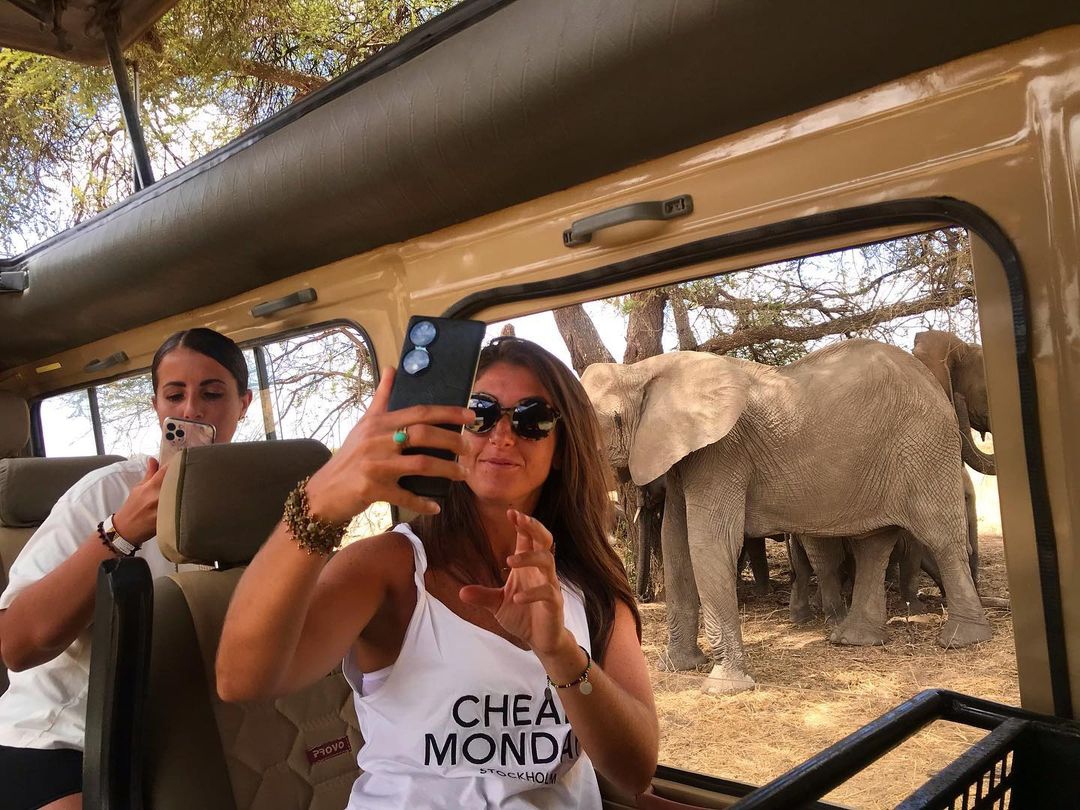
7-Day Photographic Migration Chase — Mara to Serengeti: Expert Guide
The Great Migration is one of nature’s most spectacular events, a vast movement of over a million wildebeest, zebras, and gazelles across the Serengeti and Masai Mara ecosystems. For photographers, it represents an unparalleled opportunity to capture breathtaking wildlife action. A 7-day photographic migration chase from the Mara to the Serengeti offers a focused and intense experience, allowing you to follow this incredible natural phenomenon as it unfolds. This guide provides everything you need to plan and execute an unforgettable photographic safari, ensuring you maximize your chances of capturing iconic shots.
Quick Facts: Mara to Serengeti Migration Chase
| Duration | Focus | Start Point | End Point | Best Time | Accommodation | Activity |
|---|---|---|---|---|---|---|
| 7 Days | Great Migration Photography | Masai Mara National Reserve (Kenya) | Serengeti National Park (Tanzania) | Varies by migration location (July-Oct for Mara River crossings, Jan-March for calving season in Serengeti) | Luxury Tented Camps, Safari Lodges | Game Drives, Wildlife Photography |
Table of Contents
- Overview of the Migration Chase
- Why Choose a Photographic Migration Chase?
- When is the Best Time for a Mara to Serengeti Chase?
- Understanding the Migration Route: Mara to Serengeti
- Sample 7-Day Photographic Migration Chase Itinerary
- What to Expect on Your Chase
- Essential Photography Tips for the Chase
- Packing and Preparation Guide
- Common Mistakes to Avoid
- Who is This Chase Best Suited For?
- Alternatives to a 7-Day Mara to Serengeti Chase
- Planning Your Chase for 2026-2027
- Booking Your Photographic Migration Chase
- Frequently Asked Questions
Overview of the Migration Chase
A 7-day photographic migration chase from the Masai Mara to the Serengeti is a targeted safari designed to follow the Great Migration’s path. This journey is specifically tailored for wildlife photographers and enthusiasts who want to witness and capture the raw power and drama of hundreds of thousands of animals on the move. The chase typically involves strategically positioning yourself in areas where the migration is predicted to be active, often focusing on critical events like river crossings or predator-prey interactions. While the Masai Mara (Kenya) and Serengeti (Tanzania) are adjacent, crossing between them requires specific logistical planning, especially when focusing on capturing the migration’s flow. This itinerary prioritizes time in the field, maximizing photographic opportunities, and understanding the dynamic nature of the migration.
Why Choose a Photographic Migration Chase?
The appeal of a dedicated photographic migration chase lies in its intensity and focus. Unlike a general safari where the migration might be one of many highlights, this trip puts it at the forefront. Here’s why it’s a compelling choice:
- Unmatched Photographic Opportunities: You’ll be positioned in prime locations to photograph vast herds, dramatic river crossings, and the predators that follow them. The sheer scale and movement provide endless subjects.
- Expert Guiding: Experienced guides are crucial. They understand animal behavior, migration patterns, and the best vantage points for photography, often with vehicles equipped for photographers (e.g., open tops, beanbags).
- Following the Action: The chase means flexibility. Your itinerary can adapt slightly based on where the herds are, ensuring you’re always where the most compelling action is happening.
- Dual Ecosystem Experience: Experiencing both the Masai Mara and the Serengeti offers a comparative view of two world-renowned wildlife havens, each with its unique landscapes and wildlife dynamics.
- Immersion in Nature’s Spectacle: It’s not just about the photos; it’s about being present for one of the planet’s most significant wildlife events. The sounds, sights, and sheer energy are profoundly moving.
When is the Best Time for a Mara to Serengeti Chase?
The Great Migration is a year-round phenomenon, but its location and activity change significantly. For a 7-day chase specifically moving from the Mara to the Serengeti, the optimal timing depends on which part of the migration cycle you wish to focus on:
- July to October: Masai Mara River Crossings
This is arguably the most iconic period. The vast herds are in the Masai Mara, and the dramatic, often perilous, crossings of the Mara River occur frequently. If your primary goal is to photograph these thrilling events, this is the time. You would typically spend more time in the Mara, then potentially cross into the northern Serengeti to catch lingering herds or predators. - January to March: Serengeti Calving Season
During these months, the migration is in the southern Serengeti (Ndutu area, which straddles the border). This is the calving season, with thousands of newborn wildebeest and zebras. This period is excellent for photographing predator-prey interactions as lions, cheetahs, and hyenas capitalize on the vulnerable young. A chase might start in the southern Serengeti and move north as the herds begin their journey. - November to December & April to June: Transitional Periods
These months see the herds moving between the two ecosystems. While less predictable for specific dramatic events like river crossings, you can still find large numbers of animals. These periods can offer excellent photographic opportunities with fewer crowds and potentially more intimate encounters as animals disperse.
Note for 2026-2027 Planning: Always consult with your tour operator closer to your travel dates for the most up-to-date predictions on migration movements, as weather patterns can influence timings year to year.
Understanding the Migration Route: Mara to Serengeti
The journey from the Masai Mara to the Serengeti is not a simple linear path but a circular migration driven by the availability of fresh grazing and rainfall. Understanding this flow is key to planning a chase.
General Flow:
- Masai Mara (Kenya): Typically hosts large numbers from July to October. The Mara River is a major obstacle and a focal point for dramatic crossings.
- Northern Serengeti (Tanzania): Animals that cross the Mara River often move into the northern Serengeti, particularly around the Lamai Wedge and Kogatende areas.
- Central Serengeti: The migration can move through the Seronera area, offering excellent predator sightings year-round, with migration herds passing through at various times.
- Southern Serengeti / Ndutu: Home to the calving grounds from December to March, where the focus shifts to newborn animals and their predators.
- Western Corridor: From roughly May to July, the migration moves west, often crossing the Grumeti River, before heading north towards the Mara.
The 7-Day Chase Logic: A 7-day chase is short, so it needs to be focused. A common strategy is to:
- Focus on River Crossings (July-Oct): Spend 3-4 days in the Masai Mara, specifically targeting crossing points. Then, cross into the northern Serengeti (Kogatende/Lamai) for 3-4 days to photograph the herds that have made it across or are lingering.
- Focus on Calving Season (Jan-Mar): Spend 3-4 days in the Ndutu area of the southern Serengeti. Then, potentially move to the central Serengeti (Seronera) for 3-4 days to explore predator action and areas where herds might be congregating before moving west.
Logistical Considerations: Crossing the border between Kenya and Tanzania requires specific permits and can take time. Your tour operator will handle this, but it’s a factor in itinerary planning.
Simple Route Illustration (Conceptual):
| Day 1-3/4 | Day 4/5-7 |
|---|---|
| Masai Mara (Kenya) – Focus on River Crossings (July-Oct) OR Ndutu (Tanzania) – Calving Season (Jan-Mar) | Northern Serengeti (Tanzania) – Post-Crossing Herds (July-Oct) OR Central/Southern Serengeti (Tanzania) – Predator Action (Jan-Mar) |
Sample 7-Day Photographic Migration Chase Itinerary (July-October Focus)
This itinerary is designed for peak migration season, focusing on the Mara River crossings. It assumes a start in Nairobi, Kenya, and an end in Arusha, Tanzania.
| Day | Location | Activities | Photography Focus | Accommodation Type |
|---|---|---|---|---|
| Day 1 | Nairobi to Masai Mara | Fly from Wilson Airport (Nairobi) to a Masai Mara airstrip. Meet your guide, transfer to camp. Afternoon game drive. | Introduction to the Mara ecosystem, general wildlife. | Luxury Tented Camp |
| Day 2-3 | Masai Mara | Full days dedicated to game drives, focusing on areas known for river crossings. Early mornings and late afternoons are key. Patience is vital. | Wildebeest and zebra herds, predator action around crossings, dramatic river crossing events (if they occur). | Luxury Tented Camp |
| Day 4 | Masai Mara to Northern Serengeti | Morning game drive in the Mara. Transfer to the airstrip for a flight to Kogatende (Northern Serengeti). Border formalities handled by the operator. Afternoon game drive in the Serengeti. | Transitioning landscape, possibility of following herds that have crossed, predators in the north. | Luxury Tented Camp / Lodge |
| Day 5-6 | Northern Serengeti (Kogatende/Lamai) | Full days exploring the northern Serengeti. Focus on herds that have crossed the Mara River, predator-prey dynamics, and the vast plains. | Large herds in the Serengeti plains, lions, cheetahs, leopards, potential for further river crossings (depending on exact timing and location). | Luxury Tented Camp / Lodge |
| Day 7 | Northern Serengeti to Arusha | Final morning game drive. Transfer to Kogatende airstrip for a flight to Arusha, Tanzania. End of safari services. | Last photographic opportunities. | N/A |
Note: This is a sample. The exact itinerary will be tailored based on migration predictions and your specific interests. For a January-March focus, the itinerary would start in Ndutu (Southern Serengeti) and potentially move to Central Serengeti.
What to Expect on Your Chase
A photographic migration chase is an intensive safari experience. Here’s what you can anticipate:
- Early Starts and Late Finishes: To capture the best light and the most active wildlife, expect to be out of your lodge or camp shortly after dawn and return just before dusk.
- Long Game Drives: Days are spent in safari vehicles, often for many hours, tracking animals and waiting for action.
- Variable Conditions: Weather can range from hot and dry to cold mornings and evenings, and occasional rain. The terrain can be dusty.
- Focus on Wildlife: While landscapes are stunning, the primary focus is on the migration and its associated predators.
- Potential for Disappointment: Nature is unpredictable. River crossings don’t happen on demand, and animal movements can change rapidly. Patience and flexibility are key.
- Exceptional Guiding: Your guides are your eyes and ears, using their expertise to position you for the best sightings and photographic opportunities.
- Border Crossing Logistics: If crossing from Kenya to Tanzania, your tour operator will manage the border crossing, which can sometimes involve waiting times.
Essential Photography Tips for the Chase
Maximizing your photographic success requires preparation and specific techniques:
- Gear:
- Telephoto Lens: A 300mm, 400mm, or even 600mm lens is essential for capturing wildlife details from a distance.
- Mid-Range Zoom: A 70-200mm or similar is versatile for wider shots and when animals are closer.
- Wide-Angle Lens: Useful for landscapes and capturing the scale of the herds.
- Sturdy Tripod/Monopod or Beanbags: Crucial for stability, especially in a moving vehicle. Many safari vehicles provide beanbags.
- Extra Batteries and Memory Cards: You’ll be shooting a lot. Ensure you have spares.
- Cleaning Kit: Dust is inevitable; keep your gear clean.
- Camera Settings:
- Aperture: Use a wide aperture (f/2.8-f/5.6) for low light and subject isolation. Stop down for more depth of field if needed.
- Shutter Speed: Use a fast shutter speed (1/500 sec or faster) to freeze action, especially for fast-moving animals or birds. Adjust based on light and subject.
- ISO: Learn to manage ISO. Modern cameras handle high ISO well, but balance noise with sufficient shutter speed.
- Continuous Shooting Mode: Essential for capturing sequences of action.
- Autofocus: Utilize continuous autofocus (AI Servo/AF-C) and appropriate focus points.
- Technique:
- Shoot in RAW: For maximum flexibility in post-processing.
- Understand Light: Golden hours (early morning and late afternoon) offer the best light. Midday sun can be harsh.
- Composition: Think about rule of thirds, leading lines, and negative space. Capture not just the animal but its environment.
- Patience: Waiting for the right moment is often rewarded.
- Respect Wildlife: Maintain a safe distance and never disturb the animals. Your guide will ensure this.
Packing and Preparation Guide
Proper packing ensures comfort and readiness for your safari adventure.
| Category | Items | Notes |
|---|---|---|
| Clothing | Neutral-colored clothing (khaki, beige, green, brown), long-sleeved shirts, long trousers, fleece or warm jacket, comfortable walking shoes, sandals/flip-flops, hat with a brim, sunglasses. | Avoid bright colors and dark colors (blue/black can attract tsetse flies). Layers are recommended for temperature changes. |
| Footwear | Comfortable walking shoes or hiking boots, casual shoes or sandals for camp. | Closed-toe shoes are best for game drives. |
| Photography Gear | Camera bodies, telephoto lenses, mid-range zoom, wide-angle lens, extra batteries, memory cards, charger, lens cleaning kit, dust blower, tripod/monopod (optional, check with operator), laptop/tablet for backups. | Pack securely in your carry-on luggage. Consider a padded camera bag. |
| Health & Personal Care | Insect repellent (DEET recommended), sunscreen (high SPF), personal medications, basic first-aid kit, hand sanitizer, motion sickness medication (if needed), toiletries. | Consult your doctor about malaria prophylaxis and necessary vaccinations. |
| Documents & Money | Passport, visa (if required), flight tickets, safari itinerary, emergency contact list, credit/debit cards, some cash (USD is widely accepted for tips and extras). | Keep copies of important documents separate from the originals. |
| Other Essentials | Binoculars, headlamp or flashlight, reusable water bottle, small backpack for day use, power adapter/power bank. | Many camps provide charging facilities, but a power bank is useful. |
Common Mistakes to Avoid
To ensure a smooth and rewarding experience, be aware of these common pitfalls:
- Underestimating Travel Time: Safari days involve a lot of driving. Factor in travel time between locations and potential border delays.
- Overpacking: Luggage restrictions on small bush planes are strict (usually 15-20 kg total, soft bags only). Pack light and efficiently.
- Not Booking in Advance: Especially for peak migration seasons (July-October), lodges and flights fill up months, sometimes a year, in advance.
- Expecting Guaranteed Sightings: While the migration is predictable in its general movements, specific events like river crossings are not guaranteed on any given day. Manage expectations.
- Inadequate Photography Gear: Arriving with only a phone or basic camera will limit your ability to capture the drama of the migration. Invest in or rent appropriate lenses.
- Ignoring Guide’s Advice: Your guide is an expert. Listen to their recommendations regarding timing, locations, and safety.
- Not Budgeting for Extras: Factor in tips for guides and camp staff, drinks, laundry, and souvenirs.
- Focusing Only on the Migration: While the migration is the highlight, remember that the Mara and Serengeti are teeming with wildlife year-round. Be open to other incredible sightings.
Who is This Chase Best Suited For?
A 7-day photographic migration chase from the Mara to the Serengeti is ideal for:
- Dedicated Wildlife Photographers: Those who prioritize capturing high-quality images of wildlife in action and are willing to put in the time and effort.
- Passionate Wildlife Enthusiasts: Individuals who are deeply fascinated by animal behavior and natural processes and want to witness the Great Migration in its full glory.
- Adventurous Travelers: Those comfortable with early mornings, long days in a vehicle, and potentially rustic but comfortable accommodations.
- Repeat Safari-Goers: Travelers who have experienced general safaris and now want a more focused, intensive wildlife encounter.
- Couples or Small Groups: The intensity and focus make it a deeply shared experience.
It might be less suitable for travelers seeking a very relaxed pace, those with limited mobility who cannot endure long hours in a vehicle, or those who prefer a broader introduction to East African wildlife without a singular focus.
Alternatives to a 7-Day Mara to Serengeti Chase
If a 7-day chase doesn’t quite fit your needs, consider these alternatives:
- Extended Migration Safari (10-14 days): Allows for more in-depth exploration of both ecosystems, more time to wait for specific events, and potentially visiting different regions within the Serengeti or Mara. This offers a more relaxed pace.
- Masai Mara Migration Focus (5-7 days): If your primary goal is river crossings, spending the entire week in the Masai Mara (focusing on different areas like the northern, central, or western Mara) can be highly rewarding and logistically simpler.
- Serengeti Migration Focus (5-7 days): Concentrate solely on the Serengeti, perhaps splitting time between the northern and southern regions depending on the season. This avoids the border crossing complexities.
- General East Africa Safari: A broader safari that includes the Mara and Serengeti but also incorporates other parks like Lake Manyara, Tarangire, or the Ngorongoro Crater, offering diverse landscapes and wildlife.
- Self-Drive Options (with caution): While possible in some areas, for a focused migration chase, especially crossing borders and navigating unpredictable migration patterns, a guided safari with expert trackers is highly recommended.
Planning Your Chase for 2026-2027
Planning a safari, especially one as specialized as a migration chase, requires foresight. Here are key considerations for 2026-2027:
- Book Early: The best lodges and safari providers for peak migration season (July-Oct) get booked up 12-18 months in advance. For 2026, start planning now. For 2027, begin your research and inquiries soon.
- Choose the Right Operator: Look for a tour operator with proven experience in managing cross-border safaris and specific migration photography tours. They should have a deep understanding of migration patterns and excellent relationships with guides and lodges.
- Understand Migration Predictions: While historical data provides a framework, always get the latest predictions from your operator closer to your travel dates. Weather patterns can shift migration timings and routes.
- Vehicle Choice: Ensure your safari vehicle is suitable for photography. Open-top vehicles offer unobstructed views. Some operators offer specialized photography vehicles with pop-up roofs or lower profiles.
- Budgeting: A migration chase, especially one involving flights between parks and border crossings, is a premium safari experience. Factor in flights, park fees, accommodation, guides, and meals.
- Flexibility: Build some flexibility into your plans. Migration movements can be unpredictable. Your operator should be able to adapt the itinerary if needed.
- Health and Visas: Research health requirements (vaccinations, malaria precautions) and visa requirements for both Kenya and Tanzania well in advance.
Booking Your Photographic Migration Chase
Securing your dream safari requires careful steps. Here’s how to proceed:
- Research Tour Operators: Look for reputable Tanzanian tour operators with extensive experience in migration safaris and photography tours. Check reviews and testimonials.
- Contact for Customization: Reach out to operators like Best Tanzania tour operator to discuss your specific needs. Explain your focus on photography and the 7-day Mara to Serengeti chase.
- Request Detailed Itinerary and Inclusions: Ensure the proposed itinerary aligns with the migration’s expected movements for your chosen dates. Clarify exactly what is included (flights, park fees, accommodation, meals, game drives, guide services) and what is not (tips, personal expenses, visas).
- Discuss Photography Needs: Ask about the safari vehicles used – are they suitable for photographers? Do they provide beanbags? Are guides experienced with photographers?
- Understand Payment Terms: Clarify deposit requirements, payment schedules, and cancellation policies.
- Confirm Logistics: Ensure all flight bookings, border crossing arrangements, and accommodation reservations are clearly outlined.
- Ask About 2026-2027 Availability: For popular times, especially during the migration season, it’s crucial to inquire about availability for your desired year.
Ready to plan your photographic adventure? Contact us to craft your perfect 7-Day Photographic Migration Chase — Mara to Serengeti experience. We specialize in creating unforgettable wildlife photography safaris tailored to your interests and timing.
Reach out:
- WhatsApp: +255616946642
- Email: topguideadventures@gmail.com
- Backup Email: info@topguideadventures.com
Frequently Asked Questions
Q1: Is a 7-day chase enough time to see the migration?
A 7-day chase is a focused, intensive experience. It’s sufficient to witness significant herds and potentially dramatic events like river crossings if timed correctly. However, it is a short duration, so maximizing photographic opportunities requires careful planning and potentially swift movements. For a more relaxed pace or to cover more ground, a longer safari is recommended.
Q2: What are the main differences between the Masai Mara and Serengeti for migration viewing?
The Masai Mara is known for its vast open plains and the dramatic Mara River crossings (July-Oct). The Serengeti offers a more varied landscape, including plains, kopjes, and woodlands, and is famous for its calving season in the south (Jan-Mar) and predator interactions throughout the year. Both are essential parts of the migration cycle.
Q3: Can I cross the border between Kenya and Tanzania with a private vehicle?
Typically, you cannot take a Kenyan-registered vehicle into Tanzania or vice-versa for a safari. The logistics involve using local operators in each country. Your tour operator will arrange for seamless transitions, usually involving flying between the Mara and Serengeti, or a specific cross-border vehicle arrangement managed by them.
Q4: What kind of photography is best suited for this trip?
This trip is ideal for wildlife photography, focusing on action shots, animal behavior, and capturing the scale of the migration. Landscape photography is also excellent, especially during the golden hours. You’ll need lenses capable of capturing both distant action and closer encounters.
Q5: What if the migration isn’t in the expected area during my 7-day chase?
While tour operators use extensive data and local knowledge to predict migration movements, nature can be unpredictable. A good operator will have contingency plans and experienced guides who can find other excellent wildlife viewing opportunities within the park, ensuring you still have a rewarding safari experience.
Q6: Is a 7-day photographic migration chase suitable for beginners in photography?
Yes, but with caveats. If you are a beginner photographer, it’s highly recommended to take a photography workshop or have a guide who is also a photography expert. The conditions are challenging, and knowing your camera settings and techniques will be crucial. Having appropriate gear is also important.
Q7: What are the visa requirements for Kenya and Tanzania?
Visa requirements vary by nationality. Many nationalities can obtain visas on arrival or apply online in advance. It is essential to check the latest requirements for both Kenya and Tanzania for your specific passport well before your trip. Your tour operator can often provide guidance.
Q8: How much should I budget for tips for guides and staff?
Tipping is customary and appreciated. A general guideline is $20-30 USD per guest per day for your driver-guide, and $10-15 USD per guest per day for camp staff. Your operator can provide more specific recommendations for 2026 or 2027 travel.
Q9: Can I expect to see the Big Five on this trip?
While the focus is on the migration, the Masai Mara and Serengeti are home to the Big Five (lion, leopard, elephant, rhino, buffalo). You have a very good chance of seeing lions, leopards, elephants, and buffalo. Black rhinos are present but more elusive, especially in the northern Serengeti. The migration itself often brings predators into close proximity, increasing Big Five sighting opportunities.
Q10: What is the best way to book a 7-Day Photographic Migration Chase — Mara to Serengeti for 2026-2027?
The best approach is to contact an experienced tour operator specializing in Tanzanian safaris, like Best Tanzania tour operator. They can help you understand the migration patterns for your chosen dates in 2026 or 2027, customize an itinerary, and manage all the complex logistics, including flights and border crossings, to ensure you have the best possible photographic experience.
Ready for the Chase?
Don’t miss the opportunity to witness and photograph one of the planet’s most awe-inspiring natural events. Let us help you plan your ultimate 7-Day Photographic Migration Chase — Mara to Serengeti. We craft bespoke safari experiences that put you at the heart of the action.
Contact us today to start planning your 2026 or 2027 adventure:
- WhatsApp: +255616946642
- Email: topguideadventures@gmail.com
- Backup Email: info@topguideadventures.com
Plan your 7-Day Photographic Migration Chase — Mara to Serengeti with Top Guide Adventures
Tell us your travel dates, group size, comfort level, and dream experience. We will help you shape a clear, realistic, and memorable Tanzania itinerary.







 Veedesigner
 Fatma Kizanga
 Benjamin Waryuba
 Philip Philip
 John jr Itaja
 Antonia Optatus
 Edith Kanyere
 Neema Iddy
 Kelvin Boniphace
 Damari Maiga



