

A 7-Day Tanzania Wildlife Photography Safari is an unparalleled opportunity to immerse yourself in one of the planet’s most vibrant ecosystems and capture images that tell a story of raw, untamed beauty. Tanzania, a jewel of East Africa, offers a diverse array of landscapes and an astonishing density of wildlife, making it a dream destination for photographers of all levels. Whether you’re aiming to document the Great Migration, capture the majestic presence of the Big Five, or simply freeze moments of daily life in the savanna, this itinerary is designed to maximize your photographic success and provide an unforgettable adventure. As you plan for 2026 or 2027, understanding the nuances of a photography-focused safari is key to securing those once-in-a-lifetime shots.
This guide is crafted for those who see the world through a lens and are ready to experience the thrill of capturing Africa’s wild heart. We’ll explore the best locations, the ideal times to visit for photographic opportunities, essential gear considerations, and practical tips to elevate your wildlife photography. Our aim is to provide you with the knowledge to make the most of your 7-Day Tanzania Wildlife Photography Safari, ensuring you return with a portfolio that rivals the professionals.
Why Tanzania for Wildlife Photography?
Tanzania consistently ranks among the top safari destinations globally, and for good reason. Its vast national parks and conservation areas are teeming with life, offering incredible photographic subjects in their natural habitats. The country boasts:
- Exceptional Wildlife Density: From the endless plains of the Serengeti to the dense caldera of the Ngorongoro Crater, you’ll find an abundance of animals, including lions, elephants, leopards, rhinos, buffalo, giraffes, zebras, wildebeest, and a myriad of bird species.
- Iconic Landscapes: The dramatic backdrops of Mount Kilimanjaro, the sweeping savannas, acacia-dotted plains, and rugged kopjes provide stunning settings for your wildlife shots.
- The Great Migration: Witnessing millions of wildebeest and zebras crossing the Mara River or stampeding across the plains is a spectacle that photographers dream of. This natural phenomenon is a highlight for any Tanzania Wildlife Photography Safari.
- Photographic Accessibility: Well-maintained roads and a variety of safari vehicles (including those specifically equipped for photography) ensure you can get close to the action without disturbing the wildlife.
- Diverse Ecosystems: Tanzania offers a variety of environments, from the open grasslands of the Serengeti to the unique micro-environment of the Ngorongoro Crater, each presenting different photographic challenges and rewards.
Crafting Your 7-Day Tanzania Wildlife Photography Safari Itinerary
A 7-day timeframe necessitates strategic planning to maximize wildlife viewing and photographic opportunities. For a photography-centric trip in 2026 or 2027, focusing on the Northern Circuit is highly recommended due to its concentration of iconic parks and reliable wildlife sightings. This itinerary balances key locations for diverse photographic subjects.
Day 1: Arrival in Arusha & Preparation
Arrive at Kilimanjaro International Airport (JRO). You’ll be met by your guide and transferred to your lodge in Arusha. This day is crucial for settling in, reviewing your itinerary, and ensuring all your camera gear is ready. You can also use this time for a final gear check, perhaps cleaning lenses and charging batteries. Many photographers find it beneficial to have a briefing with their guide about the wildlife and photographic opportunities ahead.
Accommodation: Comfortable lodge in Arusha.
Focus: Arrival, gear check, acclimatization, briefing.
Day 2: Tarangire National Park – Land of Giants
After breakfast, you’ll drive to Tarangire National Park, renowned for its large elephant herds and iconic baobab trees. Tarangire offers fantastic opportunities for landscape photography as well as wildlife. The park is particularly stunning during the dry season (June to October) when large numbers of elephants congregate around the Tarangire River. Look for predators like lions, leopards, and cheetahs, as well as diverse birdlife.
Drive Time: Approximately 2-3 hours from Arusha.
Activities: Full-day game drive with a focus on wildlife and landscape photography.
Accommodation: Tented camp or lodge within or near Tarangire.
Photographic Highlights: Elephants, baobab trees, diverse birdlife, predators.
Day 3: Ngorongoro Crater – The Eighth Wonder
Today, you descend into the Ngorongoro Crater, a UNESCO World Heritage Site and a natural amphitheater teeming with wildlife. The crater floor is home to an incredible concentration of animals, including the rare black rhino, lions, hyenas, hippos, flamingos, and a wide array of plains game. The sheer density makes it a photographer’s paradise, offering close-up opportunities in a breathtaking setting. Remember to respect the park’s regulations regarding off-road driving and time limits.
Drive Time: Approximately 1-2 hours from Tarangire to the crater rim, then descent.
Activities: Full-day game drive inside the Ngorongoro Crater.
Accommodation: Lodge on the crater rim or in the nearby Karatu area.
Photographic Highlights: Black rhinos, lions, flamingos, hippos, dense wildlife populations, unique crater landscape.
Day 4: Serengeti National Park – The Endless Plains
After breakfast, you’ll drive to the legendary Serengeti National Park, entering via the Ngorongoro Conservation Area. The Serengeti is synonymous with the Great Migration and offers vast, open landscapes that are perfect for capturing wildlife in their natural environment. Depending on the time of year, you might witness the migration herds. Even outside migration season, the Serengeti is rich with predators and resident wildlife. You’ll spend the afternoon on a game drive, searching for iconic species.
Drive Time: Approximately 3-4 hours from Karatu to Serengeti (depending on gate and camp location).
Activities: Game drive en route to your camp/lodge, afternoon game drive.
Accommodation: Tented camp or lodge in the Serengeti.
Photographic Highlights: Vast landscapes, lions, cheetahs, leopards, elephants, giraffes, potential migration sightings.
Day 5: Serengeti National Park – Deeper Exploration
Dedicate this full day to exploring different regions of the Serengeti. Early morning and late afternoon game drives are often the most productive for photography, as the light is softer and animals are more active. Consider a hot air balloon safari at dawn (optional, extra cost) for a unique perspective and stunning aerial shots of the plains and wildlife waking up. This is an incredible experience for any photographer, offering a bird’s-eye view of the vast ecosystem.
Activities: Full-day game drives, optional hot air balloon safari.
Accommodation: Tented camp or lodge in the Serengeti.
Photographic Highlights: Predatory behavior, intimate wildlife portraits, sunrise/sunset shots, migration if present, aerial views (balloon safari).
Day 6: Serengeti to Arusha – Final Safari Moments
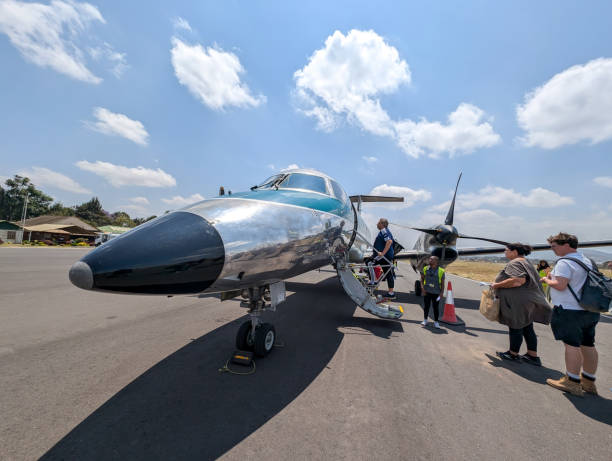
Enjoy a final early morning game drive in the Serengeti. After breakfast, you will be transferred to the Seronera Airstrip for your flight back to Arusha. This flight saves considerable driving time, allowing for more time in the parks. Upon arrival in Arusha, you can relax at your lodge, perhaps do some souvenir shopping, or enjoy a farewell dinner. This day allows for reflection on your incredible photographic journey.
Activities: Morning game drive, scenic flight to Arusha.
Accommodation: Lodge in Arusha.
Photographic Highlights: Last-minute shots, aerial views during flight.
Day 7: Departure
After breakfast, depending on your flight schedule, you may have time for some last-minute souvenir shopping or a visit to a local craft market. You will then be transferred to Kilimanjaro International Airport (JRO) for your departure, carrying with you a wealth of stunning photographs and memories.
Focus: Departure.
Optimal Timing for Your 7-Day Tanzania Wildlife Photography Safari (2026-2027)
The best time for a 7-Day Tanzania Wildlife Photography Safari largely depends on what you want to photograph. However, for general wildlife viewing and photographic opportunities, the dry seasons are often preferred:
- June to October (Dry Season): This is an excellent period for wildlife photography. Animals are concentrated around water sources, making them easier to spot and photograph. The vegetation is less dense, offering clearer views. This is also prime time for witnessing the Great Migration, particularly river crossings in the Grumeti and Mara Rivers (Serengeti). The skies are typically clear, offering dramatic sunsets and sunrises.
- January to February: This period is known for the calving season in the southern Serengeti, where millions of wildebeest and zebras give birth. It’s a time of intense predator activity as lions, cheetahs, and hyenas feast on the vulnerable newborns. This offers unique and dramatic photographic opportunities.
The green seasons (November-December and March-May) offer lush landscapes and fewer crowds, which can be ideal for certain types of photography, especially birdlife and intimate portraits against a verdant backdrop. However, rain can sometimes disrupt game drives.
For planning your trip in 2026 or 2027, consider booking your preferred accommodation and safari vehicle well in advance, especially if you aim for the peak migration season or the calving season.
Essential Photography Gear for Your Tanzania Safari
To make the most of your 7-Day Tanzania Wildlife Photography Safari, having the right equipment is paramount. While professional gear isn’t strictly necessary, certain items will significantly enhance your results.
Camera Bodies
- DSLR or Mirrorless Camera: Choose a camera that allows for manual settings and offers good autofocus performance and high ISO capabilities. A full-frame sensor is ideal for low-light conditions, but APS-C sensors also perform well.
- Backup Camera: Consider bringing a second, simpler camera body in case of malfunction or for quick shots when changing lenses is impractical.
Lenses
- Telephoto Lens: This is your most important lens. A 300mm, 400mm, or 600mm lens is essential for capturing distant wildlife. Zoom lenses like a 100-400mm or 150-600mm offer versatility.
- Mid-Range Zoom Lens: A 24-70mm or 24-105mm lens is useful for wider shots, landscapes, and capturing animals when you’re closer.
- Wide-Angle Lens (Optional): For dramatic landscapes or capturing the scale of the savanna, a 16-35mm or similar can be beneficial.
- Prime Lens (Optional): A 50mm f/1.8 or f/1.4 can be great for low light and portraits if you have the opportunity.
Accessories
- Tripod/Monopod: Essential for sharp shots with telephoto lenses, especially in low light. A beanbag is also highly recommended for shooting from a safari vehicle.
- Extra Batteries: Wildlife photography consumes a lot of power. Bring multiple fully charged batteries.
- Memory Cards: Plenty of high-speed memory cards (SD or CFexpress) with large storage capacities.
- Lens Cleaning Kit: Dust is inevitable. A blower, microfiber cloths, and lens cleaning solution are a must.
- Rain Cover: For your camera and lenses, especially during the green season.
- Binoculars: While not for photography, binoculars are invaluable for spotting wildlife in the distance and framing your shots.
- Power Bank/In-Car Charger: To keep your batteries charged on the go.
- Camera Bag: A comfortable, durable bag that can protect your gear from dust and elements.
Photography Tips for Your 7-Day Tanzania Wildlife Photography Safari
Beyond the gear, your approach to photography on safari can make a significant difference. Here are some expert tips:
- Shoot in RAW: This format captures the most data, giving you greater flexibility in post-processing, especially for adjusting exposure and white balance in challenging light.
- Master Shutter Speed: For moving animals, use a fast shutter speed (e.g., 1/500s or faster) to freeze motion. For capturing motion blur (e.g., a running wildebeest with a blurred background), experiment with slower speeds.
- Understand Light: The ‘golden hours’ – shortly after sunrise and before sunset – offer the best light: soft, warm, and directional, creating beautiful shadows and highlights. Midday sun can be harsh, leading to flat images and animals seeking shade.
- Focus on the Eyes: For any animal portrait, sharp focus on the eyes is crucial. It’s where the emotion and life of the image reside.
- Composition is Key: Don’t just point and shoot. Think about the rule of thirds, leading lines, framing subjects with natural elements, and negative space. Look for interesting patterns, textures, and behaviors.
- Patience and Observation: Wildlife photography requires patience. Spend time observing animal behavior; often, the most compelling shots come from capturing a moment of interaction, a hunt, or a tender interaction.
- Respect Wildlife: Maintain a safe distance. Never feed animals or disturb their natural behavior. Your guide will ensure you adhere to park rules and ethical wildlife viewing practices.
- Shoot from the Vehicle: Most safaris use open-top vehicles. Use the vehicle as a stable platform. A beanbag placed on the window frame can provide excellent stability for your lens.
- Capture the Environment: Don’t just focus on close-ups. Include wider shots that show the animal within its habitat. This adds context and tells a richer story.
- Be Prepared for Anything: Wildlife is unpredictable. Always have your camera ready, especially when predators are spotted or during dramatic weather changes.
Cost Considerations for a 7-Day Tanzania Wildlife Photography Safari in 2026-2027
The cost of a 7-Day Tanzania Wildlife Photography Safari can vary significantly based on several factors. For planning purposes in 2026 and 2027, here’s a breakdown of what influences the price:
- Accommodation Level: From budget-friendly tented camps to mid-range lodges and ultra-luxury tented suites, your choice of lodging will be a primary cost driver.
- Vehicle Type: While standard 4×4 safari vehicles are common, specialized photography vehicles with open sides, pop-up roofs, and sometimes even camera mounts can incur a higher cost but offer superior photographic access.
- Group Size: Private safaris offer more flexibility and dedicated attention, making them ideal for photographers, but they come at a higher price per person than shared group departures.
- Time of Year: Peak seasons (like the Great Migration) are more expensive than the low or green seasons.
- Inclusions: Park fees, meals, accommodation, guide services, and transportation are standard. Optional activities like hot air balloon safaris, guided walking safaris, or cultural visits will add to the overall cost.
- Operator’s Reputation and Services: Experienced tour operators with a strong reputation for wildlife photography knowledge and excellent service will often command higher prices.
As a general guideline, a 7-Day Tanzania Wildlife Photography Safari, particularly a private one designed for photographers, could range from $3,500 to $8,000+ per person, excluding international flights. This is a broad estimate, and precise quotes depend heavily on your specific choices. For the most accurate pricing for your 2026 or 2027 adventure, it’s best to get a custom quote.
Estimated Price Range for a 7-Day Photography Safari (Per Person):
Budget/Mid-Range: $3,500 – $5,500 (Comfortable lodges/camps, shared vehicles, standard services)
Mid-Range/Luxury: $5,500 – $7,500 (Higher-end lodges/camps, potentially private vehicles, enhanced services)
Luxury/Bespoke Photography: $7,500 – $10,000+ (Exclusive lodges, specialized photography vehicles, expert photographer guides, personalized service)
Note: These figures are indicative and can change. Park fees alone can be substantial. Contact us for a personalized quote for 2026-2027.
Choosing the Right Tour Operator
Selecting the right tour operator is crucial for a successful 7-Day Tanzania Wildlife Photography Safari. Look for companies that:
- Have extensive experience in Tanzania and specifically with photography tours.
- Offer flexible itineraries that can be customized to photographic needs.
- Provide knowledgeable guides who understand wildlife behavior and photographic opportunities.
- Use well-maintained, comfortable safari vehicles, ideally with features suitable for photographers (e.g., open sides, pop-up roofs).
- Are transparent about inclusions, exclusions, and pricing.
- Have positive reviews from previous clients, especially photographers.
At Top Best Tanzania Tour Operator, we specialize in crafting bespoke safari experiences. We understand the unique demands of wildlife photography and can tailor a 7-Day Tanzania Wildlife Photography Safari to your specific interests and photographic goals for 2026 or 2027. Our experienced guides are passionate about wildlife and photography, ensuring you’re in the best hands to capture stunning images.
Frequently Asked Questions About Tanzania Photography Safaris
What is the best time of year for a 7-Day Tanzania Wildlife Photography Safari?
The best time depends on your focus. For general wildlife and the Great Migration, June to October is ideal. For the calving season and predator action, January to February is excellent. For lush landscapes and birdlife, the green season months can be good, though rain is possible.
Do I need a special photography vehicle?
While not strictly mandatory, specialized photography vehicles offer advantages like open sides for unobstructed views and pop-up roofs that are ideal for stable shooting. Standard safari vehicles can also be excellent, especially with a knowledgeable guide who knows how to position the vehicle for the best shots.
What kind of wildlife can I expect to see on a 7-day safari?
On a 7-day Northern Circuit safari, you can expect to see the Big Five (lion, leopard, elephant, rhino, buffalo), as well as giraffes, zebras, wildebeest, cheetahs, hyenas, hippos, crocodiles, and a vast array of bird species. The exact sightings will depend on the season and park.
How much does a 7-Day Tanzania Wildlife Photography Safari cost?
Costs vary widely, typically ranging from $3,500 to $10,000+ per person for a private 7-day photography safari, depending on accommodation, vehicle type, and services. Shared departures can be more budget-friendly. We recommend getting a custom quote for your 2026-2027 travel dates.
Can I include a hot air balloon safari?
Yes, a hot air balloon safari over the Serengeti at sunrise is a popular and highly recommended optional activity for photographers. It offers a unique perspective and incredible aerial shots. This is an additional cost, typically around $500-$600 per person.
Booking Your 2026-2027 Tanzania Photography Adventure
Planning a 7-Day Tanzania Wildlife Photography Safari for 2026 or 2027 requires attention to detail, especially when it comes to maximizing photographic opportunities. From selecting the right time of year to packing the perfect gear and choosing an operator who understands your needs, every decision counts.
We invite you to connect with us at Top Best Tanzania Tour Operator to craft your dream photography safari. Whether you’re aiming to capture the drama of the Great Migration, the solitude of a leopard in a tree, or the sheer scale of the Ngorongoro Crater, we are here to make it happen. Our team is ready to provide expert advice, customize your itinerary, and ensure your safari is a resounding photographic success.
Get in touch today to start planning your unforgettable 7-Day Tanzania Wildlife Photography Safari for 2026-2027.
WhatsApp: +255616946642
Email: topguideadventures@gmail.com
Backup Email: info@topguideadventures.com
We look forward to helping you capture the wild heart of Tanzania!



