
Updated planning guide for 2026-2027
8-Day Kilimanjaro Lemosho & Ngorongoro Highlights Combo: Expert Trekking Guide
Discover the ultimate 8-day Kilimanjaro Lemosho & Ngorongoro combo tour. This comprehensive guide covers everything from itinerary details and preparation to what to expect on this incredible Tanzanian adventure for 2026-2027.
WhatsApp +255616946642 | topguideadventures@gmail.com | info@topguideadventures.com
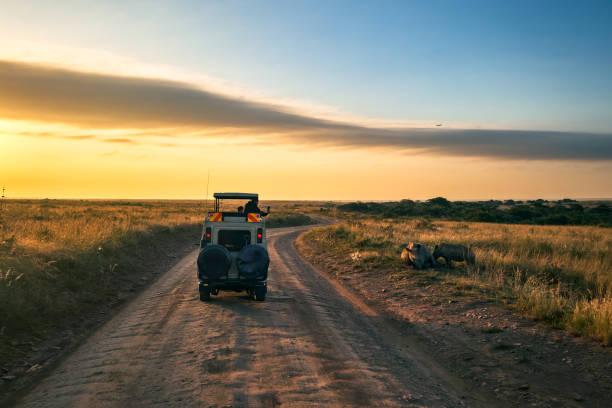
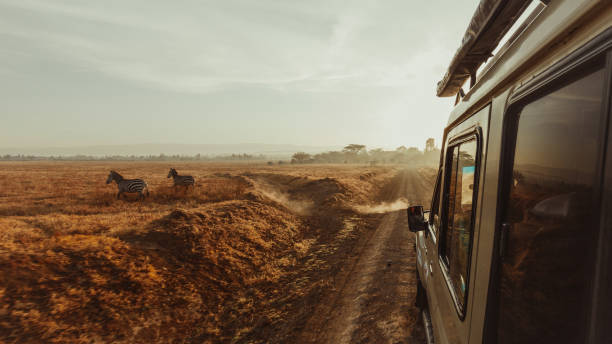
Your Ultimate Guide to the 8-Day Kilimanjaro Lemosho & Ngorongoro Highlights Combo
Combining the majestic ascent of Mount Kilimanjaro via the scenic Lemosho Route with the unparalleled wildlife viewing of the Ngorongoro Crater offers an unforgettable Tanzanian experience. This 8-day Kilimanjaro Lemosho & Ngorongoro Highlights Combo is designed for travelers seeking both a significant physical challenge and an immersive safari adventure. It’s a carefully balanced itinerary that maximizes your time and exposure to Tanzania’s most iconic natural wonders.
This guide provides an in-depth look at what you can expect, from the moment you start planning for 2026 or 2027 until you return home with incredible memories. We’ll cover the route specifics, essential preparation, what to pack, potential costs, and crucial booking advice to ensure your journey is as smooth and rewarding as possible.
Quick Answers: Your 8-Day Kilimanjaro Lemosho & Ngorongoro Combo at a Glance
| Aspect | Details |
|---|---|
| Duration | 8 Days / 7 Nights |
| Kilimanjaro Route | Lemosho Route (typically 6 days on the mountain) |
| Safari Destination | Ngorongoro Crater |
| Difficulty | Challenging (Kilimanjaro), Moderate (Safari) |
| Best Time to Travel | Dry seasons: January-March and June-October |
| Accommodation | Tented camps (Kilimanjaro), Lodges/Camps (Safari) |
| Key Highlights | Summiting Uhuru Peak, diverse Kilimanjaro ecosystems, Big Five in Ngorongoro |
Table of Contents
- Overview of the 8-Day Combo
- Why Choose the Lemosho & Ngorongoro Combo?
- Best Time to Go: Seasonality for Your Trip
- Route and Area Overview
- Detailed 8-Day Itinerary
- What to Expect on Kilimanjaro (Lemosho Route)
- What to Expect in Ngorongoro Crater
- Preparation and Packing Essentials
- Common Mistakes to Avoid
- Who is This Trip Best For?
- Alternatives to Consider
- Planning Your Trip for 2026-2027
- Booking Your 8-Day Combo Tour
- Frequently Asked Questions
Overview of the 8-Day Kilimanjaro Lemosho & Ngorongoro Combo
This 8-day itinerary is a carefully crafted blend of high-altitude trekking and exceptional wildlife viewing. It typically begins with your arrival in Tanzania, followed by a transfer to the Kilimanjaro region for acclimatization and preparation for the Lemosho Route ascent. The Lemosho Route is renowned for its beauty and gradual acclimatization profile, offering the highest success rates among Kilimanjaro routes. After descending Kilimanjaro, the adventure shifts to the Ngorongoro Conservation Area, a UNESCO World Heritage Site famous for its dense concentration of wildlife, including the endangered black rhino.
The short duration of 8 days means this itinerary is more fast-paced than longer Kilimanjaro treks. It usually involves a 6-day ascent of Kilimanjaro, leaving you with two days for the safari component. This structure requires efficient logistics and a good level of fitness. The Lemosho route’s early days traverse pristine rainforests, gradually transitioning to moorland, alpine desert, and finally the arctic zone near the summit. The Ngorongoro Crater offers a stark contrast with its caldera floor teeming with animals, providing a spectacular finale to your Tanzanian adventure.
Why Choose the Lemosho & Ngorongoro Combo?
This combination offers a unique dual experience that appeals to a wide range of adventurous travelers. Here’s why it stands out:
- Variety of Experiences: You get to challenge yourself physically on Africa’s highest peak and then immerse yourself in one of the world’s most concentrated wildlife havens.
- Lemosho Route Benefits: Known for its stunning scenery and higher acclimatization rate, the Lemosho Route increases your chances of reaching Uhuru Peak. It’s less crowded in the initial stages compared to other routes.
- Ngorongoro Crater’s Wildlife Density: The crater floor is a wildlife spectacle. It’s one of the few places where you can reliably see the Big Five (lion, leopard, elephant, rhino, buffalo) in a single day, often at close range.
- Efficient Use of Time: For travelers with limited vacation days, this 8-day package condenses two of Tanzania’s premier attractions into a single, impactful trip.
- Logistical Simplicity: Booking a combo tour with a reputable operator like Best Tanzania tour operator means your transfers, accommodation, permits, guides, and park fees are handled, reducing planning stress.
Best Time to Go: Seasonality for Your Trip
Tanzania’s weather is generally divided into two main seasons: dry and wet. The best time for the 8-day Kilimanjaro Lemosho & Ngorongoro Highlights Combo is during the dry seasons, which offer clearer skies, better visibility, and more comfortable trekking and safari conditions.
| Season | Months | Kilimanjaro Conditions | Ngorongoro Conditions | Pros | Cons |
|---|---|---|---|---|---|
| Dry Season 1 | January – March | Cool, clear skies, possible light snow on summit day. Roads generally good. | Excellent visibility, abundant wildlife near water sources. | Clear views, good trekking conditions, lush post-rain scenery. | Can be cold on Kilimanjaro, higher tourist numbers. |
| Long Rains | April – May | Wet, muddy, reduced visibility, higher risk of trail closures. | Can be muddy, some animals may disperse. | Fewer crowds, lower prices. | Difficult trekking, unreliable weather. Not recommended. |
| Dry Season 2 | June – October | Cool to cold, clear skies, dry trails. Can be windy. | Excellent visibility, wildlife congregates around remaining water. | Ideal trekking and safari weather, clear views. | Colder temperatures on Kilimanjaro, peak tourist season (July-August). |
| Short Rains | November – December | Intermittent showers, can be humid, some cloud cover. | Greener landscapes, good wildlife viewing, but rain is possible. | Fewer crowds than peak dry season, beautiful green scenery. | Rain can disrupt plans, visibility may be reduced. |
For the best experience in 2026 or 2027, aim for the dry months of June to October or January to March. These periods offer the most reliable weather for both climbing and wildlife viewing.
Route and Area Overview
This combo tour covers two distinct geographical areas:
Lemosho Route, Mount Kilimanjaro
The Lemosho Route is one of Kilimanjaro’s newer and most scenic routes. It approaches Kilimanjaro from the west, crossing the Shira Plateau. Its popularity stems from its gradual ascent, high success rates, and stunning wilderness feel.
Key Stages:
- Forest Zone: Starts in lush rainforest, rich with biodiversity.
- Shira Plateau: An exposed, high-altitude moorland plateau with dramatic views.
- Barranco Wall: A famous scramble that requires hands-on climbing.
- Karanga Valley: A challenging but rewarding section.
- Barafu Camp: The base camp for the summit push.
- Uhuru Peak: The summit of Kilimanjaro (5,895m / 19,341ft).
Ngorongoro Crater, Tanzania
The Ngorongoro Crater is a large volcanic caldera, a UNESCO World Heritage Site, and part of the larger Serengeti ecosystem. Its unique geography creates a self-contained environment with an exceptionally high density of wildlife.
Key Features:
- Caldera Floor: Approximately 19 kilometers (12 miles) in diameter, offering a rich mix of grasslands, swamps, forests, and lakes.
- Big Five Habitat: One of the best places in Africa to spot lions, leopards, elephants, rhinos, and buffalo.
- Birdlife: A paradise for birdwatchers, with numerous resident and migratory species.
- Maasai Communities: The surrounding highlands are home to traditional Maasai villages, offering cultural insights.
Detailed 8-Day Itinerary
This is a sample itinerary. Actual itineraries can vary slightly based on operator and specific arrangements. This 8-day Kilimanjaro Lemosho & Ngorongoro Highlights Combo is designed for efficiency.
Day 1: Arrival in Tanzania & Transfer to Moshi
Arrive at Kilimanjaro International Airport (JRO). You will be met by your guide and transferred to your hotel in Moshi, a town at the foot of Mount Kilimanjaro. This day is for rest, briefing about the trek, and final gear checks. Dinner and overnight in Moshi.
Day 2: Lemosho Gate (2,100m) to Mti Mkubwa Camp (2,800m)
After breakfast, drive to the Lemosho Gate. Complete park formalities and begin your trek through the lush rainforest. The trail is relatively gentle, and you might spot colobus monkeys and other forest dwellers. The hike takes about 3-4 hours. Dinner and overnight at Mti Mkubwa Camp.
Day 3: Mti Mkubwa Camp to Shira 2 Camp (3,850m)
The trek continues out of the rainforest and into the heather and moorland zone. You’ll ascend steadily, crossing a river and then climbing onto the Shira Plateau. The views of the Shira Ridge are spectacular. The hike takes about 5-6 hours. Dinner and overnight at Shira 2 Camp.
Day 4: Shira 2 Camp to Barranco Camp (3,950m)
Today involves traversing the Shira Plateau towards the southeast. You’ll pass through a landscape of giant senecios and lobelias. The highlight is reaching the Lava Tower (4,600m) for acclimatization before descending to Barranco Camp. The hike takes about 6-7 hours. Dinner and overnight at Barranco Camp.
Day 5: Barranco Camp to Karanga Camp (3,990m)
This is a challenging but rewarding day. You’ll tackle the Great Barranco Wall, a steep scramble that requires using your hands. After descending into the Karanga Valley, you’ll have a short, steep climb to Karanga Camp. The hike takes about 4-5 hours. Dinner and overnight at Karanga Camp.
Day 6: Karanga Camp to Barafu Camp (4,600m)
The trek continues through alpine desert, with increasingly dramatic views of the summit. The terrain is rocky and exposed. You’ll reach Barafu Camp, the base camp for your summit attempt, in the afternoon. Rest and prepare for the midnight summit push. The hike takes about 3-4 hours. Dinner and overnight at Barafu Camp.
Day 7: Summit Day! Barafu Camp to Uhuru Peak (5,895m) and descent to Mweka Camp (3,100m)
An early start (around midnight). You’ll ascend towards Stella Point (5,756m) and then continue to Uhuru Peak, the highest point in Africa. Celebrate your achievement before descending back to Barafu Camp for a short rest, then continue descending all the way to Mweka Camp. This is a very long and demanding day (10-12 hours). Dinner and overnight at Mweka Camp.
Day 8: Mweka Camp to Mweka Gate & Transfer to Arusha/JRO for Departure
After breakfast, you’ll descend through the rainforest to Mweka Gate. Here, you’ll meet your driver and transfer back to Arusha or Kilimanjaro International Airport (JRO) for your onward journey. This marks the end of your 8-day Kilimanjaro Lemosho & Ngorongoro Highlights Combo.
Note: This itinerary focuses on the Kilimanjaro climb and assumes the safari component would be a day trip or a very short extension, or that the 8 days include travel to/from the airport and Kilimanjaro. A more typical combo including a proper Ngorongoro safari would often be 10-12 days. For an 8-day trip, the Ngorongoro part is usually a single day safari after descending Kilimanjaro, followed by departure. If you wish for a more extensive safari, consider extending your trip.
What to Expect on Kilimanjaro (Lemosho Route)
Climbing Kilimanjaro is a serious undertaking. The Lemosho Route, while scenic and offering good acclimatization, still presents significant challenges.
Acclimatization
Altitude sickness is the primary risk. The Lemosho Route’s gradual ascent helps, but it’s crucial to follow the “pole pole” (slowly, slowly) principle. Drink plenty of water, avoid alcohol and caffeine, and communicate any symptoms to your guide immediately.
Terrain and Weather
You will experience a dramatic shift in ecosystems. The rainforest is humid and can be muddy. The Shira Plateau is exposed and windy. The alpine desert is dry and cold. The summit zone is arctic-like, with extreme cold, strong winds, and potentially snow or ice. Days can be sunny and warm, while nights are freezing, especially at higher camps.
Physical Demands
This trek requires a good level of cardiovascular fitness. You’ll be hiking for 5-10 hours on most days, with summit day being exceptionally long and arduous. The final ascent is done in darkness and extreme cold.
Support Crew
You will be accompanied by a team of experienced guides, cooks, and porters. The guides are trained in first aid and altitude sickness management. Porters carry the bulk of your gear, setting up camp and preparing meals. You’ll carry a daypack with essentials.
What to Expect in Ngorongoro Crater
After the physical exertion of Kilimanjaro, a day in the Ngorongoro Crater offers a different kind of awe.
Wildlife Viewing
The crater floor is a natural amphitheater for wildlife. Expect to see large herds of wildebeest, zebras, gazelles, and buffalo. Lions are abundant, and leopards are often seen in the acacia trees. The rare black rhino is a major draw, and conservation efforts have been successful in increasing their numbers within the crater. Hippos congregate in the Ngoitokitok Springs and Gorigor Swamp. Birdlife is prolific.
Crater Tour Logistics
A typical safari day involves descending into the crater in a specially adapted 4×4 safari vehicle. Game drives usually last for several hours, allowing ample time for spotting various animals. You’ll have a picnic lunch at a designated spot, often overlooking a hippo pool or the vast plains.
Crowds
The Ngorongoro Crater is a popular destination. To manage conservation and visitor experience, there are limits on the number of vehicles allowed inside at any one time, and time limits for stays on the crater floor. You may encounter other safari vehicles, especially around popular sightings.
Preparation and Packing Essentials
Proper preparation is key to a successful and enjoyable 8-day Kilimanjaro Lemosho & Ngorongoro Highlights Combo. This includes physical training, mental preparation, and meticulous packing.
Physical Training
Focus on cardiovascular fitness (running, cycling, swimming) and strength training, especially for your legs and core. Practice hiking with a weighted backpack on varied terrain, including steep ascents and descents. Aim for at least 3-4 months of consistent training.
Mental Preparation
Climbing Kilimanjaro, especially with a tight schedule, is mentally demanding. Be prepared for challenging conditions, fatigue, and potential discomfort. A positive attitude and determination are crucial.
Packing List (Kilimanjaro & Safari)
Layering is essential for Kilimanjaro. For the safari, lighter clothing is more suitable.
Clothing:
- Moisture-wicking base layers (thermal tops and bottoms)
- Insulating mid-layers (fleece jacket, down vest)
- Waterproof and windproof outer shell (jacket and pants)
- Trekking trousers (quick-drying, comfortable)
- T-shirts and long-sleeved shirts (for warmer sections and sun protection)
- Warm hat (beanie), sun hat, gloves (waterproof recommended)
- Camp clothing (warm fleece or down jacket for evenings)
- Hiking socks (wool or synthetic, several pairs)
- Underwear
Footwear:
- Broken-in hiking boots (waterproof, sturdy ankle support)
- Camp shoes or sandals
- Gaiters (to keep debris out of boots)
Gear:
- Backpack (40-60 liters for trek, daypack 20-30 liters)
- Duffel bag (waterproof, for porters to carry)
- Sleeping bag (rated to -15°C or lower, 0°F)
- Sleeping pad (optional, but recommended for comfort)
- Trekking poles (highly recommended)
- Headlamp or flashlight with extra batteries
- Water bottles or hydration reservoir (at least 3 liters capacity)
- Water purification tablets or filter
- Sunscreen (high SPF), lip balm with SPF
- Sunglasses
- Insect repellent (for lower altitudes and safari)
- Personal first-aid kit (with personal medications)
- Hand sanitizer
- Toiletries (biodegradable soap, toothbrush, toothpaste, wet wipes)
- Quick-drying towel
- Camera and extra batteries/power bank
- Binoculars (for safari)
- Snacks (energy bars, nuts, dried fruit)
- Passport, visa, travel insurance details
- Cash (USD for tips and personal expenses)
Common Mistakes to Avoid
To ensure your 8-day Kilimanjaro Lemosho & Ngorongoro Highlights Combo is successful, be aware of these common pitfalls:
- Inadequate Physical Training: Underestimating the physical demands leads to fatigue, potential altitude sickness, and can compromise your summit bid.
- Poor Acclimatization Practices: Rushing the ascent, not drinking enough water, or pushing too hard can lead to altitude sickness. Listen to your body and your guides.
- Improper Gear: Not having waterproof gear, poorly fitting boots, or a sleeping bag that isn’t warm enough can make the trek miserable and dangerous.
- Ignoring Symptoms of Altitude Sickness: Mild symptoms can quickly become severe. Always report headaches, nausea, or dizziness to your guide.
- Dehydration: Not drinking enough water is a major contributor to altitude sickness and fatigue. Aim for 3-4 liters per day.
- Choosing the Cheapest Operator: While budget is a consideration, the cheapest operators often compromise on guide training, equipment quality, food, and safety protocols, increasing risks.
- Not Allowing Enough Time for the Safari: If you’re focused on the Kilimanjaro climb, remember that the safari component also requires time. For this 8-day combo, the safari is very brief.
- Underestimating the Summit Night: It’s the most challenging part of the trek, often involving extreme cold and exhaustion. Mental fortitude is as important as physical strength.
Who is This Trip Best For?
The 8-Day Kilimanjaro Lemosho & Ngorongoro Highlights Combo is ideal for:
- Adventurous Travelers: Those who enjoy physical challenges and diverse experiences.
- Time-Constrained Individuals: People who want to experience both Kilimanjaro and a premier safari destination but have limited vacation time.
- Fit Hikers: Individuals with a good level of cardiovascular fitness and some experience with multi-day trekking.
- Wildlife Enthusiasts: Those eager to see iconic African animals in their natural habitat, particularly the Big Five.
- First-Time Kilimanjaro Climbers: The Lemosho Route is often recommended for its beauty and acclimatization profile.
It is less suitable for:
- Those with significant pre-existing health conditions that could be exacerbated by altitude or strenuous activity.
- Travelers seeking a leisurely pace or extensive safari exploration within the 8-day timeframe.
- Complete beginners to trekking who haven’t prepared physically.
Alternatives to Consider
If the 8-day combo isn’t quite right, consider these variations:
- Longer Kilimanjaro Lemosho Route (7-8 days on mountain): This allows for better acclimatization, a more relaxed pace, and higher success rates. It would typically be combined with a longer safari, making the total trip 10-14 days.
- Kilimanjaro Marangu Route & Ngorongoro Safari: Marangu is the oldest route, offering hut accommodation, but it’s steeper and has lower acclimatization. A 5-day Marangu trek combined with a 2-3 day safari could fit a similar timeframe.
- Kilimanjaro Only: If your primary focus is the climb, opt for a 7 or 8-day Lemosho trek and dedicate the remaining time to other Tanzanian destinations or rest.
- Safari Focused Trip: If wildlife is paramount, consider a dedicated 5-7 day Northern Circuit safari (Serengeti, Ngorongoro, Tarangire, Lake Manyara) without Kilimanjaro.
- Kilimanjaro & Zanzibar Combo: For a mix of adventure and beach relaxation, combine a Kilimanjaro trek with a few days on the island of Zanzibar.
Planning Your Trip for 2026-2027
Planning ahead is essential, especially for popular trips like the 8-day Kilimanjaro Lemosho & Ngorongoro Highlights Combo. Here are some tips for booking your 2026 or 2027 adventure:
Booking Timeline & Considerations:
| Timeframe | Action Items |
|---|---|
| 12+ Months Before | Research tour operators, routes, and ideal travel dates. Consider peak seasons (June-Oct). Start saving. |
| 9-12 Months Before | Book your chosen tour operator. Secure your preferred dates, especially for peak season 2026 or 2027 travel. |
| 6-9 Months Before | Begin your physical training program. Start researching visa requirements and necessary vaccinations. Purchase essential gear. |
| 3-6 Months Before | Continue training. Book flights. Obtain necessary vaccinations and malaria prophylaxis. Ensure your passport is valid for at least six months beyond your return date. |
| 1-3 Months Before | Finalize packing. Confirm all booking details. Arrange travel insurance that covers high-altitude trekking and emergency evacuation. |
| 2-4 Weeks Before | Intensify training. Pack your bags. Confirm airport transfers and hotel bookings. |
| Departure Week | Final gear check. Exchange currency. Get plenty of rest. |
Visa Requirements: Check the latest visa regulations for your nationality for Tanzania. Many nationalities can obtain a visa on arrival, but it’s often easier and sometimes cheaper to apply online in advance.
Vaccinations: Consult your doctor or a travel clinic about recommended vaccinations, including Yellow Fever (may be required for entry depending on your travel history), Typhoid, Hepatitis A, and Tetanus. Malaria prophylaxis is usually recommended for lower altitudes and safari areas.
Travel Insurance: This is non-negotiable. Ensure your policy covers high-altitude trekking (up to 5,895m for Kilimanjaro) and emergency medical evacuation. This is crucial for your safety and peace of mind in 2026-2027.
Booking Your 8-Day Combo Tour
Choosing the right tour operator is paramount for a safe and enjoyable experience. Here’s what to look for:
- Reputation and Experience: Look for operators with a long history of running Kilimanjaro treks and safaris. Check reviews and testimonials.
- Safety Standards: Ensure they have stringent safety protocols, including experienced, certified guides trained in wilderness first aid and altitude sickness management. They should also have emergency oxygen and evacuation plans.
- Guide-to-Client Ratio: A lower ratio (e.g., 1:10 or better) generally means more attentive guidance.
- Equipment Quality: Reliable tents, good quality camping gear, and well-maintained safari vehicles are essential.
- Inclusions and Exclusions: Understand exactly what is covered in the price. This typically includes park fees, permits, guides, porters, cooks, meals on the mountain, camping equipment, and transfers. Safari vehicle, driver-guide, park fees, and meals during safari are also standard. Exclusions often include flights, visas, tips, personal insurance, and personal items.
- Price vs. Value: Don’t just choose the cheapest option. The price should reflect the quality of service, safety measures, and overall experience.
When you are ready to book your unforgettable 8-Day Kilimanjaro Lemosho & Ngorongoro Highlights Combo for 2026 or 2027, contact us at Best Tanzania tour operator.
Get in touch today:
WhatsApp: +255616946642
Email: topguideadventures@gmail.com
Backup Email: info@topguideadventures.com
Frequently Asked Questions
Is the 8-day Kilimanjaro Lemosho & Ngorongoro combo suitable for beginners?
While the Lemosho route is considered one of the easier routes for Kilimanjaro, the 8-day itinerary is quite fast-paced. It requires a good level of fitness. It’s suitable for motivated beginners who are committed to physical training, but it’s not a casual hike. The Ngorongoro safari portion is very relaxed.
What is the success rate for summiting Kilimanjaro on the Lemosho route?
Success rates vary greatly depending on the operator, the individual climber’s fitness, acclimatization, and weather. Generally, Lemosho has higher success rates than shorter routes, often between 70-85% for trips of 7 days or more. The 6-day ascent in this 8-day combo is shorter, so success rates might be slightly lower than on longer Lemosho itineraries, but still good with proper preparation.
What are the accommodation standards on Kilimanjaro?
On Kilimanjaro, accommodation is in tents. You will be provided with a good quality mountain tent, sleeping mat, and a mess tent for meals. You’ll need to bring your own sleeping bag and potentially an extra sleeping pad for comfort. In Moshi and for the safari portion, you’ll stay in hotels or lodges/tented camps.
How much should I tip the crew?
Tipping is customary and a significant part of the crew’s income. A general guideline for an 8-day climb is around $250-$350 USD per climber, distributed among guides, assistant guides, cook, and porters. Your tour operator will usually provide a detailed tipping guide.
What are the risks of altitude sickness?
Altitude sickness (Acute Mountain Sickness – AMS) is a risk for everyone climbing above 2,500 meters. Symptoms include headache, nausea, dizziness, and fatigue. Our guides are trained to recognize and manage AMS. The best prevention is slow ascent (“pole pole”), hydration, and avoiding exertion on arrival at altitude. If symptoms worsen, descent is the only cure.
Can I combine this tour with other destinations in Tanzania?
Yes, this 8-day combo is often an add-on to longer safaris or can be followed by a trip to Zanzibar. However, fitting extensive safari before or after this 8-day trip requires a longer overall vacation. For 2026-2027, planning extensions is highly recommended.
What kind of food can I expect on Kilimanjaro?
Your camp cook will prepare surprisingly varied and nutritious meals. Expect breakfasts like porridge, eggs, and toast; lunches of sandwiches, soups, and pasta; and dinners like rice with chicken or beef stew, vegetables, and soup. Fresh fruit and snacks are also provided. Meals are designed to be high in carbohydrates for energy.
What is the best way to train for Kilimanjaro?
Focus on cardiovascular exercises like hiking, running, or cycling. Include strength training for legs and core. Practice hiking with a backpack on hills or stairs. Aim for consistency over several months leading up to your 2026 or 2027 trek.
What gear is essential for the Ngorongoro Crater safari portion?
For the safari, lighter clothing is more comfortable. You’ll need comfortable walking shoes, a hat for sun protection, sunglasses, sunscreen, insect repellent, and a camera. Binoculars are highly recommended for wildlife viewing. You’ll typically be in a safari vehicle, so heavy trekking gear isn’t needed.
Can I book this 8-Day Kilimanjaro Lemosho & Ngorongoro Highlights Combo in 2026 or 2027?
Absolutely! We are actively booking for 2026 and 2027. Early booking is advised, especially for peak season dates. Contact us to start planning your adventure.
Ready for Your Tanzanian Adventure?
The 8-day Kilimanjaro Lemosho & Ngorongoro Highlights Combo offers an incredible opportunity to experience the best of Tanzania in a concentrated timeframe. From the challenging ascent of Kilimanjaro’s Lemosho Route to the breathtaking wildlife spectacle of the Ngorongoro Crater, this trip promises memories that last a lifetime. Whether you’re planning for 2026 or 2027, ensure you are well-prepared and choose a reputable operator.
Let Best Tanzania tour operator guide you through every step of this amazing journey. We specialize in creating safe, memorable, and authentic Tanzanian travel experiences. Our expert team is ready to help you customize your trip and answer all your questions.
Contact us today to book your 8-Day Kilimanjaro Lemosho & Ngorongoro Highlights Combo:
WhatsApp: +255616946642
Email: topguideadventures@gmail.com
Backup Email: info@topguideadventures.com
Plan your 8-Day Kilimanjaro Lemosho & Ngorongoro Highlights Combo with Top Guide Adventures
Tell us your travel dates, group size, comfort level, and dream experience. We will help you shape a clear, realistic, and memorable Tanzania itinerary.







 Veedesigner
 Fatma Kizanga
 Benjamin Waryuba
 Philip Philip
 John jr Itaja
 Antonia Optatus
 Edith Kanyere
 Neema Iddy
 Kelvin Boniphace
 Damari Maiga



