
Updated planning guide for 2026, 2027-2028
8 Days Camping Safari From Moshi: Best Guide 2026-2027-2028
Your comprehensive guide to an unforgettable 8-day camping safari adventure starting from Moshi, Tanzania. Learn about routes, wildlife, essential preparations, and how to book your trip for 2026-2027.
WhatsApp +255616946642 | topguideadventures@gmail.com | info@topguideadventures.com
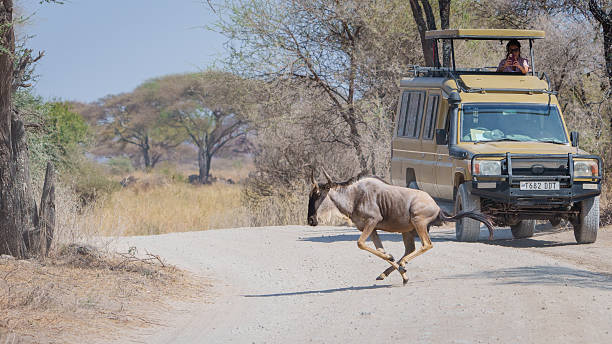
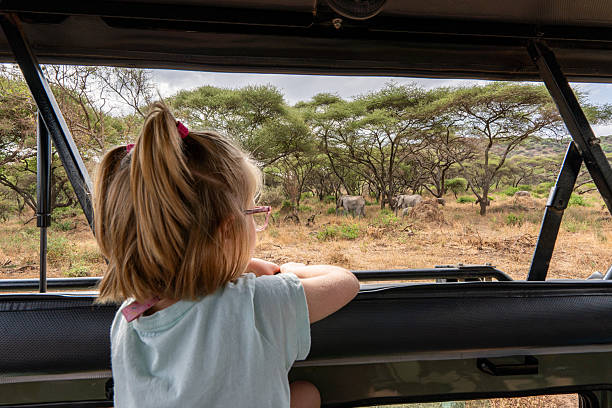
Your Ultimate 8 Days Camping Safari From Moshi: A Complete Planning Guide
An 8 days camping safari from Moshi offers an authentic and immersive way to experience Tanzania’s world-renowned wildlife and stunning landscapes. This itinerary is designed for travelers seeking a close connection with nature, comfortable yet rustic accommodations under the stars, and an opportunity to witness the Great Migration or other incredible animal sightings. Starting from Moshi, a vibrant town at the foot of Mount Kilimanjaro, provides convenient access to some of Tanzania’s most iconic national parks, including Tarangire, Lake Manyara, the Serengeti, and the Ngorongoro Crater. This guide will walk you through everything you need to know to plan and book your dream safari adventure for 2026 and 2027.
Table of Contents
- Quick Facts: 8 Days Camping Safari from Moshi
- Overview of Your 8-Day Camping Safari Adventure
- Why Choose a Camping Safari from Moshi?
- Best Time for Your 8 Days Camping Safari in 2026-2027
- Sample Route: 8 Days Camping Safari from Moshi
- Detailed 8-Day Camping Safari Itinerary
- What to Expect on a Camping Safari
- Typical Inclusions and Exclusions
- Packing List and Essential Preparation
- Common Mistakes to Avoid on Your Safari
- Who is This 8-Day Safari Best Suited For?
- Alternatives to an 8-Day Camping Safari
- Planning Your 2026-2027 Safari: Key Considerations
- Booking Your 8 Days Camping Safari: Expert Tips
- Frequently Asked Questions
Quick Facts: 8 Days Camping Safari from Moshi
| Feature | Details |
|---|---|
| Duration | 8 Days / 7 Nights |
| Starting Point | Moshi, Tanzania |
| Ending Point | Arusha or Moshi (typically) |
| Primary National Parks | Tarangire, Lake Manyara, Serengeti, Ngorongoro Crater |
| Accommodation | Campsites (public or special use), Tented Camps |
| Wildlife Viewing | Excellent, potential for Great Migration viewing (seasonal) |
| Activities | Game drives, bird watching, cultural visits (optional) |
| Best For | Nature enthusiasts, budget-conscious travelers, adventurous spirits |
| Typical Vehicle | 4×4 Safari Land Cruiser or Land Rover with pop-up roof |
Overview of Your 8-Day Camping Safari Adventure
An 8 days camping safari from Moshi is a carefully curated journey through Northern Tanzania’s most spectacular wildlife reserves. This trip balances extensive game drives with the unique experience of sleeping in designated campsites within or near the parks. You’ll travel in a sturdy 4×4 safari vehicle, guided by an experienced driver-guide who possesses deep knowledge of the animals, their habitats, and the best locations for sightings. The camping aspect means you’ll be closer to the sounds and sights of the African bush, with camp staff often handling the setup, cooking, and cleaning, allowing you to focus on the adventure. This itinerary typically covers a loop that includes the diverse landscapes of Tarangire National Park, known for its large elephant herds and baobab trees; Lake Manyara National Park, famous for its tree-climbing lions and vibrant birdlife; the vast plains of the Serengeti, the heart of the safari experience and home to the Great Migration; and the Ngorongoro Crater, a natural wonder teeming with wildlife in a compact, caldera setting.
Why Choose a Camping Safari from Moshi?
Opting for a camping safari from Moshi offers several distinct advantages, especially when compared to lodge-based safaris:
- Authentic Experience: Camping places you directly in the heart of the wilderness. You’ll fall asleep to the sounds of the bush and wake up with the sunrise, creating a profound connection with nature that lodges can’t replicate.
- Cost-Effectiveness: Camping safaris are generally more affordable than staying in lodges or permanent tented camps. Park fees and vehicle costs remain similar, but accommodation expenses are significantly lower, making it an excellent option for budget-conscious travelers.
- Closer to Wildlife: Many campsites are located within or on the borders of national parks, offering opportunities for early morning or late evening wildlife sightings right outside your tent.
- Smaller Group Experience: Camping safaris often cater to smaller groups, allowing for a more intimate and personalized experience with your guide and fellow travelers.
- Flexibility: While itineraries are planned, camping can sometimes offer a bit more flexibility in terms of where you can set up camp and how long you spend in certain areas, depending on wildlife movements and guide recommendations.
- Proximity to Kilimanjaro: Moshi is the gateway to Kilimanjaro, and many travelers combine a trek with a safari. Starting your safari from Moshi makes this logistical combination straightforward.
Best Time for Your 8 Days Camping Safari in 2026-2027
The best time for an 8 days camping safari from Moshi largely depends on what you hope to see, particularly concerning the Great Migration. However, Tanzania’s climate is generally pleasant year-round, with distinct dry and wet seasons.
| Period | Weather | Wildlife Viewing | Pros | Cons |
|---|---|---|---|---|
| June – October (Dry Season) | Cooler temperatures, sunny days, minimal rain. Comfortable for game drives. | Excellent. Animals congregate around water sources, making them easier to spot. The Great Migration is typically in the Serengeti and heading north. | Best for wildlife viewing, comfortable temperatures, ideal for Great Migration. | Peak tourist season, higher prices, can be crowded. |
| November – May (Wet Season) | Short rains in Nov/Dec, longer rains March-May. Hotter temperatures. Lush green landscapes. | Good, though animals may be more dispersed. Excellent for birdwatching as migratory birds are present. Calving season for wildebeest in Serengeti (Jan-March). | Fewer crowds, lower prices, beautiful green scenery, newborn animals. | Rain can disrupt game drives, some roads may be challenging, Great Migration is not in the northern Serengeti. |
For 2026 and 2027 planning: If your priority is witnessing the dramatic river crossings of the Great Migration, aim for late June to October. If you prefer fewer crowds and lower prices, and don’t mind the possibility of rain, the shoulder months (November, March, April) can be rewarding. For those interested in seeing the wildebeest calving season, January and February are ideal.
Sample Route: 8 Days Camping Safari from Moshi
This is a common and highly effective route that maximizes wildlife viewing opportunities. The exact order can sometimes be adjusted based on migration patterns or specific lodge availability if opting for a mix.
Route Flow:
- Day 1: Moshi to Tarangire National Park (South-Western Approach)
- Day 2: Tarangire National Park (Full Day)
- Day 3: Tarangire to Lake Manyara National Park & transfer to Serengeti National Park (Central/Southern)
- Day 4: Serengeti National Park (Central/Southern Exploration)
- Day 5: Serengeti National Park (Full Day – Migration focus, depending on season)
- Day 6: Serengeti National Park to Ngorongoro Conservation Area (Crater Rim)
- Day 7: Ngorongoro Crater Descent & Game Drive, then towards Arusha
- Day 8: Departure from Arusha
Note: Some itineraries might swap Lake Manyara and Tarangire, or spend more time in one park over another based on traveler interests and wildlife movements.
Detailed 8-Day Camping Safari Itinerary
This itinerary provides a framework for your 8 days camping safari from Moshi. Your tour operator will customize it based on your preferences and the season.
| Day | Route | Activities | Accommodation |
|---|---|---|---|
| Day 1 | Moshi to Tarangire National Park | Morning pickup in Moshi, drive to Tarangire (approx. 3-4 hours). Afternoon game drive exploring the park, famous for its large elephant herds and baobab trees. Set up camp. | Public Campsite or Special Campsite in/near Tarangire |
| Day 2 | Tarangire National Park | Full day of game drives in Tarangire. Focus on different areas of the park to maximize sightings of elephants, lions, giraffes, zebras, and diverse birdlife. Enjoy a picnic lunch. | Public Campsite or Special Campsite in/near Tarangire |
| Day 3 | Tarangire to Serengeti National Park (via Lake Manyara) | Morning drive to Lake Manyara National Park for a short game drive (optional, often included for its unique ecosystem and tree-climbing lions). Continue drive to Serengeti National Park, entering via the Naabi Hill Gate. Afternoon game drive en route to your campsite in Central or Southern Serengeti. | Public Campsite or Special Campsite in Central/Southern Serengeti |
| Day 4 | Serengeti National Park | Full day exploring the vast plains of the Serengeti. Depending on the season, you’ll track the Great Migration herds (wildebeest and zebra) or search for resident predators like lions, leopards, and cheetahs. Morning and afternoon game drives. | Public Campsite or Special Campsite in Central/Southern Serengeti |
| Day 5 | Serengeti National Park | Another full day in the Serengeti. You might focus on a different region, perhaps exploring the Seronera Valley for big cats or heading towards the Grumeti River if the migration is in that area. Sunrise game drive followed by a late afternoon drive. | Public Campsite or Special Campsite in Central/Southern Serengeti |
| Day 6 | Serengeti to Ngorongoro Conservation Area | Morning game drive in the Serengeti as you depart towards the Ngorongoro Conservation Area. Drive to the crater rim, enjoying scenic views. Check into your campsite on the crater rim. | Public Campsite or Special Campsite on Ngorongoro Crater Rim |
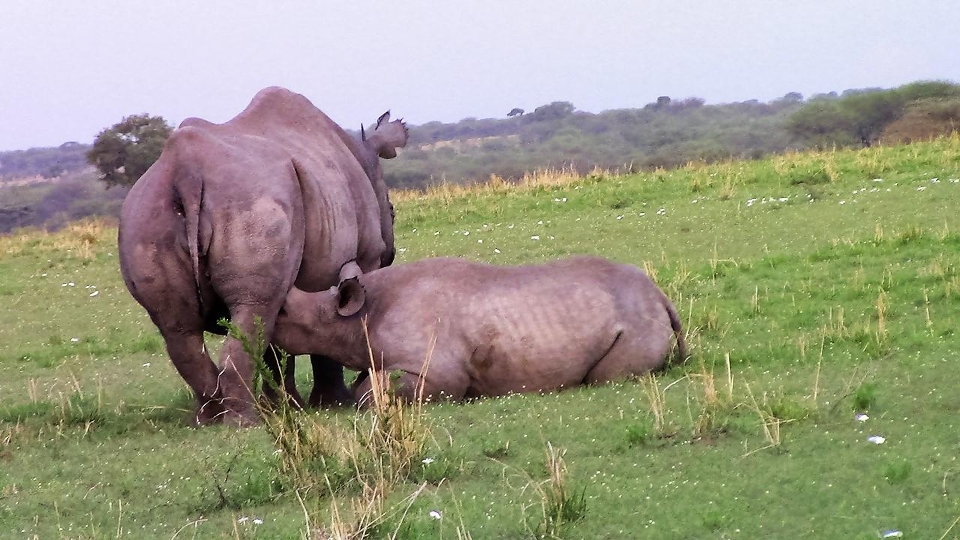
| Day 7 | Ngorongoro Crater Descent & Transfer to Arusha | Early morning descent into the Ngorongoro Crater for an incredible game drive. This caldera is a UNESCO World Heritage Site and is home to a high density of wildlife, including the rare black rhino. Enjoy a picnic lunch. Ascend in the afternoon and drive back to Arusha (approx. 3-4 hours). | Overnight in Arusha (hotel or lodge, usually not included in camping package price) or depart if flight schedules allow. |
| Day 8 | Departure | Breakfast at your Arusha hotel. Transfer to Kilimanjaro International Airport (JRO) for your onward flight, or to your next destination. | N/A |
What to Expect on a Camping Safari
A camping safari is an adventure, and understanding what to expect is key to enjoying it fully. It’s a step up from basic camping but a step down from luxury lodges.
- Accommodation: You’ll sleep in spacious canvas tents, usually on comfortable sleeping mats or cots. Bedding (sleeping bags, blankets, pillows) is typically provided. Tents are waterproof and often have mosquito netting. Campsites can range from basic public sites with shared ablutions (toilets and showers) to more exclusive special campsites that offer more privacy and sometimes even basic facilities like long-drop toilets.
- Facilities: Shared ablution blocks at public campsites usually have pit latrines and bucket showers (hot water is often brought by camp staff). Special campsites might have more basic structures. There are no private bathrooms attached to your tent.
- Food: Your safari chef will prepare delicious meals using fresh ingredients. Expect hearty breakfasts (porridge, eggs, toast), picnic lunches (sandwiches, salads, fruit), and sit-down dinners (stews, grilled meats, vegetables, rice/ugali). Coffee, tea, and purified water are usually available throughout the day.
- Camp Setup: Camp staff will set up your tents, arrange sleeping gear, and manage the cooking and cleaning. Your guide will often assist with directing these operations.
- Campfire Experience: Evenings are often spent around a campfire, sharing stories of the day’s sightings, stargazing (the African sky is spectacular), and enjoying the sounds of the wild.
- Wildlife Around Camp: Be aware that wildlife can wander near campsites, especially at night. Follow your guide’s instructions regarding safety, such as staying within the camp perimeter after dark and securing your tent.
- Hygiene: Hand sanitizer is essential. You’ll have access to washing stations for basic hygiene.
Typical Inclusions and Exclusions
While packages vary, here’s a general idea of what’s usually included and excluded in an 8 days camping safari from Moshi. Always confirm with your tour operator.
| Included | Typically Excluded |
|---|---|
| Park entry fees for all mentioned parks | International flights to and from Tanzania |
| Crater service fees (Ngorongoro) | Visa fees |
| Accommodation in tents at campsites (7 nights) | Gratuities for guide, chef, and camp assistants |
| All meals as per itinerary (B, L, D) | Soft drinks, alcoholic beverages, and bottled water (beyond provided purified water) |
| Professional English-speaking safari driver/guide | Personal travel insurance |
| 4×4 safari vehicle with pop-up roof | Optional activities (e.g., Maasai village visit, hot air balloon safari) |
| Camping equipment (tents, sleeping bags, mats, pillows) | Accommodation before and after the safari (unless specified) |
| Bottled water during game drives | Tips for lodge/hotel staff if overnighting in Arusha |
| Airport transfers on arrival/departure (if specified) | Souvenirs and personal items |
Packing List and Essential Preparation
Proper packing is crucial for comfort and enjoyment on your safari. Layering is key, and avoid bringing too much as luggage space in the safari vehicle can be limited.
Clothing:
- Lightweight, breathable clothing: Neutral colors (khaki, beige, olive green) are best to blend in. Avoid bright colors and dark blue/black (can attract tsetse flies).
- Long-sleeved shirts and trousers: For sun protection and evening insect protection.
- T-shirts and shorts/skirts: For warmer days.
- Fleece jacket or warm sweater: Evenings and early mornings can be cool, especially at higher altitudes like the Ngorongoro Crater rim.
- Waterproof and windproof jacket: Essential for rain showers, especially during wet seasons, and for cooler conditions.
- Comfortable walking shoes/hiking boots: For around camp or optional short walks.
- Sandals or flip-flops: For relaxing at camp.
- Socks: Including warmer ones for evenings.
- Underwear.
- Swimsuit: If your pre/post-safari accommodation has a pool.
Headwear & Eyewear:
- Wide-brimmed hat or cap: Essential for sun protection.
- Sunglasses: With UV protection.
Gear & Accessories:
- Backpack or duffel bag: Soft-sided bags are preferred for vehicle storage. Check weight limits with your operator.
- Daypack: For carrying essentials during game drives (water, camera, snacks).
- Binoculars: Absolutely essential for spotting distant wildlife.
- Camera and extra memory cards/batteries: You’ll take countless photos. Consider a zoom lens.
- Power bank or portable charger: For keeping electronics charged, as power access can be limited at campsites.
- Headlamp or flashlight: Crucial for navigating camp at night.
- Reusable water bottle: To refill with purified water.
- Sunscreen: High SPF.
- Insect repellent: With DEET or Picaridin.
- Basic first-aid kit: Including personal medications, pain relievers, antiseptic wipes, bandages, motion sickness medication.
- Hand sanitizer.
- Toiletries: Biodegradable options are a plus. Wet wipes are very useful.
- Travel towel: Quick-drying.
- Passport and copies: Keep copies separate.
- Cash: For tips and souvenirs (USD is widely accepted, but smaller denominations are useful).
- Adapter for electronics: Tanzania uses Type D and G plugs (230V).
Preparation:
- Book in advance: Especially for 2026-2027 peak seasons.
- Get necessary vaccinations: Consult your doctor or a travel clinic for advice on Yellow Fever, Hepatitis A/B, Typhoid, etc. Malaria prophylaxis is recommended.
- Obtain travel insurance: Comprehensive coverage is vital.
- Pack light: Most operators have luggage limits.
- Learn a few Swahili phrases: ‘Jambo’ (Hello), ‘Asante’ (Thank you) go a long way.
- Inform your bank: About your travel dates to avoid card issues.
Common Mistakes to Avoid on Your Safari
Avoiding these common pitfalls can significantly enhance your safari experience:
- Not booking in advance: Popular dates and accommodations, especially for 2026 and 2027, fill up quickly.
- Overpacking: Luggage restrictions on safari vehicles are strict. Focus on versatile, lightweight items.
- Wearing the wrong clothing: Bright colors can scare wildlife and attract insects. Dark blue/black can attract tsetse flies.
- Bringing too much electronics without power solutions: Power can be intermittent. A good power bank is a lifesaver.
- Not bringing binoculars: You’ll miss so much detail without them.
- Forgetting insect repellent and sunscreen: Essential for comfort and health.
- Not listening to your guide: They are experts. Their advice on safety, photography, and wildlife is invaluable.
- Expecting to see specific animals on demand: Wildlife is wild. While guides are skilled, sightings are never guaranteed. Be patient and enjoy the journey.
- Making excessive noise: This can disturb wildlife and other visitors.
- Standing up in the vehicle during game drives: For safety reasons, remain seated unless instructed otherwise by your guide.
- Not having travel insurance: Medical emergencies or trip cancellations can be costly without it.
- Underestimating the cost of tips: Tipping is customary and expected for guides, chefs, and camp staff.
Who is This 8-Day Safari Best Suited For?
An 8 days camping safari from Moshi is ideal for a range of travelers:
- Adventurous Travelers: Those who enjoy a more rugged, close-to-nature experience and are comfortable with basic but clean accommodations.
- Budget-Conscious Explorers: Individuals or groups looking to experience Tanzania’s incredible wildlife without the higher costs associated with lodge-based safaris.
- Nature Enthusiasts: People who want to feel deeply connected to the natural environment, enjoy the sounds of the bush, and appreciate stargazing away from city lights.
- Younger Travelers and Backpackers: Those on a tighter budget who prioritize experiences over luxury amenities.
- Photographers: The early mornings and late afternoons often offer the best light for photography, and camping allows for early starts.
- Couples and Small Groups: The intimate nature of camping safaris makes them perfect for shared adventures.
It’s less suited for travelers who require en-suite bathrooms, air conditioning, fine dining, and constant connectivity.
Alternatives to an 8-Day Camping Safari
If a full camping safari isn’t quite right for you, Tanzania offers other excellent safari options:
- Mid-Range Lodge Safari: Stay in comfortable lodges or permanent tented camps with en-suite bathrooms, dining rooms, and often swimming pools. This offers more comfort than camping but is more expensive. An 8-day itinerary can be structured similarly.
- Luxury Safari: Indulge in high-end lodges and tented camps with exceptional service, gourmet food, private plunge pools, and exclusive experiences. This is the most expensive option.
- Budget Camping Safari (Shared): Join a group safari where costs are shared among several travelers. This is the most economical way to safari but offers less flexibility and privacy.
- Fly-in Safaris: For those with limited time or who prefer to avoid long drives, short flights between parks can save significant travel time, though this is a very high-cost option.
- Day Trips from Moshi/Arusha: If you have limited time or prefer not to do an overnight safari, day trips to parks like Arusha National Park or even a very long day trip to Tarangire or Lake Manyara are possible, though less immersive.
Planning Your 2026-2027 Safari: Key Considerations
Planning ahead is crucial, especially for trips in 2026 and 2027, to secure your preferred dates, guides, and accommodations. Here’s what to focus on:
- Define Your Budget: Camping safaris are generally mid-range. Decide how much you’re willing to spend, and communicate this to your tour operator. This will help them suggest the best options.
- Choose Your Parks: The 8-day itinerary typically covers the Northern Circuit’s highlights. If you have specific interests (e.g., birding in Lake Manyara, migration in Serengeti), discuss them.
- Migration Timing: If seeing the Great Migration river crossings is a priority, book for late June to October 2026 or 2027. For calving season, target January-February 2027.
- Book Early: For peak seasons (June-October), book at least 6-12 months in advance for 2026 and 2027. For the low season, 3-6 months might suffice.
- Select a Reputable Tour Operator: Look for operators with good reviews, clear communication, and a strong understanding of camping logistics.
- Consider a Mix: If you want a bit more comfort, discuss options for a mix of camping and a night or two in a lodge or tented camp.
- Health Preparations: Start researching vaccinations and malaria prophylaxis well in advance of your 2026 or 2027 travel dates.
- Visa Requirements: Check the latest visa regulations for Tanzania for your nationality.
- Travel Insurance: Ensure your policy covers safari activities, medical evacuation, and trip cancellation for your 2026-2027 trip.
Booking Your 8 Days Camping Safari: Expert Tips
Securing your 8 days camping safari from Moshi is a significant step. Here’s how to do it wisely:
- Research and Compare: Look for tour operators specializing in Tanzania safaris. Read reviews on platforms like TripAdvisor, but also check their direct website for testimonials and detailed itineraries.
- Get Detailed Quotes: Request quotes from 2-3 reputable operators. Ensure the quotes clearly outline what is included and excluded. Pay attention to the type of campsites offered (public vs. special use).
- Communicate Your Needs: Be clear about your budget, interests (e.g., photography, specific animals), travel dates, and any special requirements. This helps the operator tailor the best possible safari for you.
- Ask About Guides: The quality of your safari guide significantly impacts your experience. Inquire about their experience, training, and how they are matched with clients.
- Understand Payment Terms: Most operators require a deposit (typically 20-50%) to confirm your booking, with the balance due a few weeks before departure. Clarify cancellation policies.
- Confirm Itinerary Details: Ensure the itinerary matches your expectations and covers the parks you wish to visit.
- Check Inclusions: Double-check what’s covered. Are park fees, crater fees, meals, accommodation, and transport all included?
- Ask About Vehicle Type: A 4×4 Land Cruiser or Land Rover is standard and necessary for park conditions. Ensure it has a pop-up roof for game viewing.
- Book Directly: Booking directly with a local Tanzanian tour operator often provides better value and direct communication.
- Final Confirmation: A few weeks before your trip, reconfirm all details, including pickup times and locations.
Ready to plan your unforgettable 8 days camping safari from Moshi? Contact us at Best Tanzania Tour operator for a personalized itinerary and quote. We specialize in creating authentic safari experiences that connect you with the wild heart of Tanzania.
WhatsApp: +255616946642
Email: topguideadventures@gmail.com
Backup Email: info@topguideadventures.com
Frequently Asked Questions
General Safari Questions
Q1: What is the main difference between a camping safari and a lodge safari?
A1: The primary difference lies in accommodation. Camping safaris involve sleeping in tents at designated campsites, offering a more rustic and immersive experience. Lodge safaris involve staying in hotels, lodges, or permanent tented camps with more amenities, private bathrooms, and often dining rooms and lounges.
Q2: Is a camping safari safe?
A2: Yes, camping safaris are generally very safe when conducted with reputable operators. Campsites are located in areas designated for tourists, and guides are trained to manage safety protocols. You’ll be advised on how to behave around camp, especially after dark, to minimize any risks associated with wildlife.
Q3: What kind of food can I expect on a camping safari?
A3: You can expect delicious and hearty meals prepared by a dedicated safari chef. This typically includes fresh fruits, porridge, eggs, and toast for breakfast; packed lunches like sandwiches, salads, and fruits for midday; and cooked dinners such as stews, grilled meats, vegetables, and starches. Purified water, tea, and coffee are usually available.
Q4: Will I need to help set up camp or cook?
A4: Generally, no. The tour operator provides camp staff (cooks and assistants) who handle the setup of tents, sleeping arrangements, cooking, and cleaning. Your role is to relax and enjoy the experience.
Q5: What happens if I get sick or injured on safari?
A5: Reputable tour operators have emergency protocols. They can contact local clinics or arrange for medical evacuation if necessary. This is why comprehensive travel insurance is essential for any safari trip.
Planning and Booking for 2026-2027
Q6: How far in advance should I book my 8 days camping safari from Moshi for 2026-2027?
A6: For peak seasons like June to October 2026 or 2027, it is highly recommended to book at least 6 to 12 months in advance. For the low season, 3 to 6 months is usually sufficient, but booking earlier is always safer to secure your preferred dates and operator.
Q7: What is the best time of year for an 8 days camping safari from Moshi in 2026 or 2027?
A7: The dry season (June to October) offers the best wildlife viewing as animals gather around water sources, and it’s ideal for witnessing the Great Migration river crossings. The wet season (November to May) has fewer crowds and lower prices but can experience rain, though wildlife is still abundant, and birdwatching is excellent.
Q8: Can I customize an 8 days camping safari itinerary?
A8: Absolutely. Most reputable tour operators, including us at Best Tanzania Tour operator, offer customized itineraries. You can discuss your specific interests, budget, and desired pace to create a unique safari experience for 2026-2027.
Q9: What is the typical cost of an 8 days camping safari from Moshi?
A9: While exact prices vary significantly based on the operator, campsite type (public vs. special use), group size, and season, a mid-range 8-day camping safari can range from approximately $150 to $300+ USD per person per day. This usually includes park fees, accommodation, meals, and vehicle/guide. Always get a detailed quote.
Q10: What should I pack for an 8-day camping safari?
A10: Pack light, neutral-colored clothing suitable for layering, comfortable walking shoes, a warm jacket, a hat, sunscreen, insect repellent, binoculars, and a camera. A detailed packing list is provided in the guide above, and your tour operator will also supply one.
Ready for Your Adventure? Book Your 8 Days Camping Safari From Moshi!
An 8 days camping safari from Moshi is an unparalleled journey into the wild heart of Tanzania. Experience the thrill of spotting lions, elephants, and giraffes in their natural habitat, sleep under a canopy of stars, and create memories that will last a lifetime. For an authentic, unforgettable, and well-organized safari experience, choose the experts.
Let Best Tanzania Tour operator craft your perfect 8 days camping safari from Moshi. We handle all the details, so you can focus on the adventure. Whether you’re planning for 2026 or 2027, we are here to help you experience the magic of Tanzania.
Contact us today to start planning:
WhatsApp: +255616946642
Email: topguideadventures@gmail.com
Backup Email: info@topguideadventures.com
Plan your 8 Days Camping Safari From Moshi with Top Guide Adventures
Tell us your travel dates, group size, comfort level, and dream experience. We will help you shape a clear, realistic, and memorable Tanzania itinerary.

 Veedesigner
 Fatma Kizanga
 Benjamin Waryuba
 Philip Philip
 John jr Itaja
 Antonia Optatus
 Edith Kanyere
 Neema Iddy
 Kelvin Boniphace
 Damari Maiga



