
Updated planning guide for 2026, 2027-2028
8 Days Serengeti Great Migration Safari From Moshi: Best Guide 2026-2027-2028
Your comprehensive guide to an 8-day Serengeti Great Migration safari starting from Moshi. Discover the best routes, timing, what to expect, and how to book your unforgettable Tanzanian adventure.
WhatsApp +255616946642 | topguideadventures@gmail.com | info@topguideadventures.com
8 Days Serengeti Great Migration Safari From Moshi: The Ultimate Planning Guide
An 8 Days Serengeti Great Migration Safari From Moshi offers an unparalleled opportunity to witness one of the planet’s most spectacular natural events. This journey takes you from the foothills of Mount Kilimanjaro into the heart of Tanzania’s most famous wildlife sanctuary, the Serengeti, specifically timed to coincide with the Great Migration. This isn’t just a holiday; it’s an immersion into the raw beauty and untamed rhythms of the African wilderness. This guide provides everything you need to plan your adventure, from understanding the migration’s patterns to practical tips for your 2026 or 2027 safari.
Quick Facts: 8-Day Serengeti Migration Safari from Moshi
| Feature | Details |
|---|---|
| Duration | 8 Days / 7 Nights |
| Starting Point | Moshi, Tanzania |
| Key Destination | Serengeti National Park (focus on migration areas) |
| Primary Activity | Wildlife viewing, Great Migration observation |
| Accommodation | Safari lodges, tented camps (mid-range to luxury) |
| Best Time to Travel (for Migration) | Varies by location within Serengeti; generally June-October for river crossings, Jan-March for calving season. |
| Typical Inclusions | Accommodation, park fees, game drives, meals, guide services, transport. |
| Typical Exclusions | Flights, visas, tips, personal expenses, travel insurance. |
Why Choose an 8-Day Serengeti Migration Safari from Moshi?
Moshi serves as a convenient and culturally rich starting point for many Tanzanian adventures, especially those involving Kilimanjaro. For safari enthusiasts, it’s a gateway to the Northern Circuit, including the Serengeti. An 8-day itinerary is ideal because it allows sufficient time to travel to and from the Serengeti, explore different regions within the park, and maximize your chances of witnessing the Great Migration in its various phases. This duration balances travel with ample game viewing, ensuring you don’t feel rushed.
The Great Migration is a continuous movement of over 1.5 million wildebeest, zebras, and gazelles across the Serengeti-Mara ecosystem. It’s driven by the search for fresh grazing lands and is dictated by the annual rainfall. Witnessing thousands of animals on the move, crossing rivers, or the birth of new life is a profound experience that stays with you forever.
Understanding the Great Migration Cycle and Timing
The migration is not a single event but a year-round cycle. Knowing where the herds are expected to be during your 8 Days Serengeti Great Migration Safari From Moshi is crucial for a successful trip. While general patterns exist, exact movements can vary slightly year to year based on rainfall patterns.
Great Migration Seasonal Overview
| Month(s) | Location in Serengeti Ecosystem | Key Activity |
|---|---|---|
| January – March | Southern Plains (Ndutu Area) | Calving Season. Millions of wildebeest and zebras gather to give birth. A great time for predator action as newborns are vulnerable. |
| April – May | Central and Western Corridor | Wildebeest begin moving north. This is the ‘long rains’ season, and the western corridor (Grumeti River) can offer dramatic river crossings. Fewer tourists during this period. |
| June – July | Western and Northern Serengeti | The main river crossings begin, often at the Grumeti River and later the Mara River. This is a peak time for dramatic predator-prey interactions. |
| August – October | Northern Serengeti / Maasai Mara (Kenya) | Continued Mara River crossings as herds move into Kenya’s Maasai Mara. Excellent predator sightings and dramatic river crossings. |
| November – December | Central and Eastern Serengeti | Herds begin to drift back south towards the southern plains, often following the rains. The landscape is lush and green. |
For an 8 Days Serengeti Great Migration Safari From Moshi, the specific timing of your trip will determine which part of the migration you’re most likely to witness. For instance, if you aim for river crossings, June to October is ideal. If you want to see the calving season, January to March is your window.
Sample Itinerary: 8 Days Serengeti Great Migration Safari From Moshi
This sample itinerary focuses on experiencing the Great Migration, with flexibility built-in to adapt to the herds’ movements. It assumes travel from Moshi to the Serengeti via Arusha and includes other iconic parks in the Northern Circuit for a well-rounded experience.
Day 1: Arrival in Moshi & Transfer to Arusha
Arrive at Kilimanjaro International Airport (JRO) near Moshi. You’ll be met by your guide and transferred to your hotel in Arusha, the safari capital of Tanzania. This day is for relaxing, briefing about your safari, and preparing for the adventure ahead. If time permits, you can explore Arusha town.
Accommodation: Hotel in Arusha.
Day 2: Arusha to Tarangire National Park
After breakfast, drive to Tarangire National Park, famous for its large elephant herds and iconic baobab trees. Enjoy a full day of game drives, searching for elephants, lions, giraffes, zebras, and various antelope species. Tarangire offers a different landscape and feel compared to the Serengeti.
Accommodation: Tented camp or lodge near Tarangire.
Day 3: Tarangire to Lake Manyara & Drive to Karatu
Morning game drive in Tarangire. Afterwards, drive to Lake Manyara National Park, known for its tree-climbing lions (though sightings are not guaranteed) and large flamingo populations on the lake’s edge. After exploring Lake Manyara, proceed to Karatu, a scenic highland town, for your overnight stay.
Accommodation: Lodge in Karatu.
Day 4: Karatu to Serengeti National Park (Central)
Today, you drive into the legendary Serengeti National Park. You’ll enter through the Naabi Hill Gate and begin your game drive en route to your camp or lodge in the central Serengeti (Seronera area). This region is known for its resident wildlife year-round, including big cats, and is often a hub for the migration.
Accommodation: Tented camp or lodge in Central Serengeti.
Day 5: Serengeti National Park (Central/Migration Focus)
A full day dedicated to exploring the Serengeti. Depending on the time of year and migration movements, your guide will take you to areas where the herds are most concentrated. This could involve searching for predators on the plains, observing herds grazing, or potentially witnessing smaller river crossings if they occur in this area.
Accommodation: Tented camp or lodge in Central Serengeti.
Day 6: Serengeti National Park (North or East, Migration Dependent)
This day is dedicated to moving with the migration. If the herds are in the north (e.g., Kogatende/Lamai areas), you’ll spend the day searching for river crossings over the Mara River. If they are in the east, you’ll explore those plains. Your guide’s expertise and real-time information are key here. Alternatively, if the migration is in the south, you might explore the southern Serengeti plains.
Accommodation: Tented camp or lodge in Northern or Eastern Serengeti (or Southern, depending on migration).
Day 7: Serengeti to Ngorongoro Conservation Area
Enjoy a final morning game drive in the Serengeti as you begin your journey back towards the Ngorongoro Conservation Area. You might stop at Olduvai Gorge (optional, extra cost) for a glimpse into early human history. You’ll spend the night on the rim of the Ngorongoro Crater or in nearby Karatu.
Accommodation: Lodge on Ngorongoro Crater rim or in Karatu.
Day 8: Ngorongoro Crater Tour & Departure
Descend into the Ngorongoro Crater, a UNESCO World Heritage Site, for a morning game drive. The crater floor is a natural amphitheater teeming with wildlife, including the Big Five (lion, leopard, elephant, rhino, buffalo) and numerous bird species. After your crater tour, you’ll be driven back to Arusha or directly to Kilimanjaro International Airport (JRO) for your departure.
Route Overview: From Moshi to the Heart of the Migration
The journey from Moshi is more than just a drive; it’s a progression through diverse Tanzanian landscapes.
Conceptual Route:
- Moshi/Arusha: Starting point, gateway to Northern Circuit safaris.
- Tarangire National Park: Known for elephants and baobabs. Often the first major park visited after Arusha.
- Lake Manyara National Park: Famous for tree-climbing lions and birdlife. A smaller park, often a stop between Tarangire and the Serengeti/Ngorongoro.
- Karatu: Highland town, often used as a base for exploring Ngorongoro and Lake Manyara, or a transit point.
- Ngorongoro Conservation Area: Includes the famous Crater.
- Serengeti National Park: The main event. The route within Serengeti depends heavily on migration location. Central Serengeti (Seronera) is a good year-round base. Northern/Western Serengeti are key for river crossings. Southern Plains (Ndutu) for calving.
What to Expect on Your 8-Day Safari
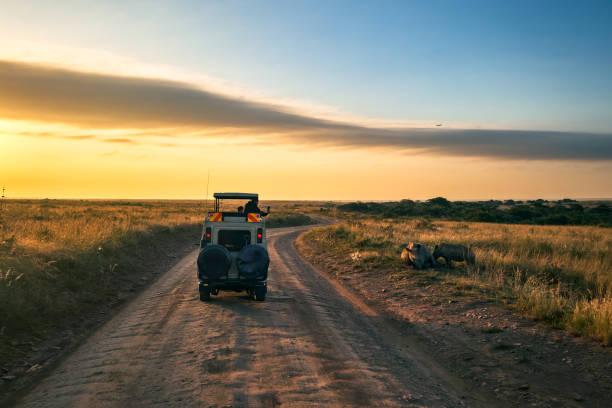
Wildlife Sightings: The Serengeti is renowned for its density and diversity of wildlife. While the Great Migration is the star, you’ll also see lions, leopards, cheetahs, elephants, giraffes, zebras, buffalo, hippos, crocodiles, and a vast array of birdlife. Predator-prey interactions are common, especially during migration events.
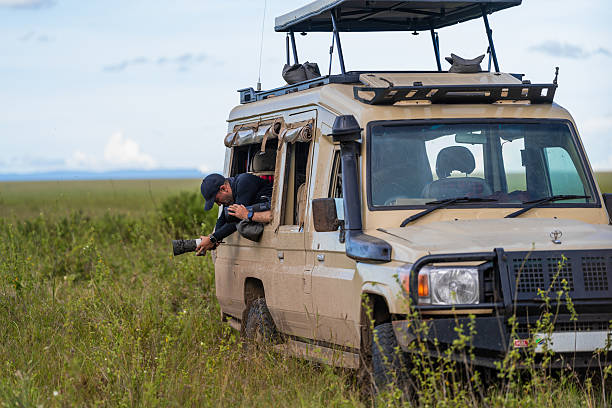
Game Drives: Expect early morning and late afternoon game drives, which are typically the best times for wildlife activity. Your 4×4 safari vehicle will be equipped with pop-up roofs for excellent viewing and photography. Your experienced guide will use their knowledge of animal behavior and local conditions to find the best sightings.
Accommodation: Options range from comfortable mid-range lodges and permanent tented camps to luxury lodges and mobile camps that follow the migration. Tented camps offer a more immersive experience, often with ensuite bathrooms and comfortable furnishings, while still allowing you to feel close to nature.
Scenery: The landscapes are varied, from the vast, open plains of the Serengeti to the acacia-dotted savannas of Tarangire and the unique ecosystem of the Ngorongoro Crater.
Pace: An 8-day trip balances travel time with sufficient time in each location. While there will be driving days, they are interspersed with full days of exploration. The focus is on maximizing wildlife viewing opportunities.
Inclusions and Exclusions: What Your Safari Package Covers
It’s vital to understand what your safari package includes to budget correctly and avoid surprises. Most reputable operators will provide a detailed list, but here’s a general breakdown:
Typical Safari Package Inclusions
| Item | Description |
|---|---|
| Accommodation | Lodges or tented camps as per itinerary, based on double occupancy. |
| Meals | Full board (breakfast, lunch, dinner) during the safari. Drinks are usually excluded. |
| Park Entrance Fees | All national park and conservation area fees. |
| Game Drives | All game drives as per itinerary in a 4×4 safari vehicle. |
| Guide Services | Professional English-speaking safari guide. |
| Transportation | 4×4 safari vehicle with pop-up roof, fuel, and driver/guide. Airport transfers. |
| Bottled Water | Typically provided in the vehicle during game drives. |
Typical Safari Package Exclusions
| Item | Description |
|---|---|
| International Flights | Flights to and from Kilimanjaro International Airport (JRO). |
| Visa Fees | Tanzania visa costs. |
| Travel Insurance | Comprehensive travel and medical insurance is mandatory. |
| Tips | For guides, camp staff, etc. (tipping guidelines are usually provided). |
| Personal Expenses | Souvenirs, laundry, alcoholic beverages, etc. |
| Optional Activities | Hot air balloon safaris, cultural visits, Olduvai Gorge entrance fees (if not specified). |
| Gratuities | For drivers and lodge staff. |
Packing Essentials for Your Safari
Packing light and smart is key for a safari. Layering is essential as temperatures can vary significantly between day and night, and at different altitudes.
Safari Packing Checklist:
- Clothing: Neutral colors (khaki, beige, olive green) are best to avoid startling wildlife. Avoid bright colors and dark blue/black (which can attract tsetse flies).
- Layers: T-shirts, long-sleeved shirts, sweaters or fleece jacket for cool mornings/evenings.
- Trousers: Lightweight, comfortable trousers (convertible to shorts are useful). Jeans are not ideal for game drives.
- Outerwear: A light waterproof and windproof jacket.
- Footwear: Comfortable walking shoes or hiking boots (if you plan any walks), sandals or trainers for camp.
- Headwear: Wide-brimmed hat for sun protection.
- Eyewear: Sunglasses.
- Sun Protection: High SPF sunscreen, lip balm with SPF.
- Insect Repellent: With DEET or Picaridin.
- Camera Gear: Camera, extra batteries, memory cards, charger, lens cleaning kit. Binoculars are highly recommended.
- Personal Items: Small backpack for day trips, toiletries, personal first-aid kit, any personal medications.
- Documents: Passport, visa, flight details, insurance details, vaccination certificates. Keep copies separate.
- Money: Small denominations of USD for tips and small purchases. Credit cards for larger expenses.
- Adapter: Universal travel adapter for charging electronics.
Note: Most safari lodges offer laundry services, which can help you pack lighter.
Common Mistakes to Avoid on Your Safari
Planning an 8 Days Serengeti Great Migration Safari From Moshi is exciting, but a few common pitfalls can be avoided with careful preparation.
- Underestimating Travel Times: Tanzania is vast. Distances between parks can be long, and road conditions can vary. Factor in travel time realistically.
- Not Booking in Advance: Especially during peak migration seasons (June-October, January-March), accommodation and safari slots fill up quickly. Book at least 6-12 months in advance for 2026-2027.
- Ignoring the Migration Cycle: Traveling in the wrong month for your desired migration activity (e.g., expecting river crossings in calving season) can lead to disappointment.
- Packing Inappropriately: Bright clothing, excessive luggage, or not bringing layers can detract from your comfort.
- Not Having Travel Insurance: This is non-negotiable. Ensure it covers medical emergencies, evacuation, and trip cancellations.
- Expecting Guarantees: Wildlife sightings are not guaranteed. While guides are skilled, animals roam freely. Patience and flexibility are key.
- Overlooking Visa and Health Requirements: Ensure your passport is valid for at least six months beyond your stay and check current visa and vaccination recommendations well in advance.
- Not Budgeting for Extras: Factor in tips, drinks, souvenirs, and optional activities.
Who is This Safari Best Suited For?
An 8 Days Serengeti Great Migration Safari From Moshi is ideal for:
- Wildlife Enthusiasts: Those who dream of seeing iconic African animals in their natural habitat and witnessing the grandeur of the Great Migration.
- Photographers: The dramatic landscapes and abundant wildlife offer endless photographic opportunities.
- Adventurous Travelers: Those who appreciate the thrill of exploring wild places and experiencing nature firsthand.
- Couples and Families: With careful planning, safaris can be tailored for different age groups and interests. Many lodges offer family rooms and activities.
- First-Time Safari Goers: This itinerary provides a classic Northern Circuit experience, offering a comprehensive introduction to Tanzania’s wildlife.
- Travelers Seeking an Iconic Experience: The Great Migration is a bucket-list event for many, and this safari delivers it.
Alternatives and Variations
While an 8-day safari is excellent, variations exist:
- Shorter Safaris: A 5-6 day safari might focus solely on Serengeti and Ngorongoro, requiring quicker travel.
- Longer Safaris: Extending to 10-12 days allows for more in-depth exploration of Serengeti or the addition of other parks like Lake Natron or even a trip to Rwanda/Uganda for gorilla trekking.
- Different Starting Points: Safaris can also start from Arusha directly, or even from Zanzibar with internal flights to the Serengeti airstrips.
- Focus on Other Parks: If the migration isn’t the sole focus, itineraries can emphasize parks like the Selous Game Reserve (now Nyerere National Park) in the south, known for its walking safaris and boat trips.
- Budget Options: Camping safaris are a more budget-friendly way to experience the parks, offering a more rustic and adventurous feel.
Planning Your 2026-2027 Safari: Key Considerations
Planning for a safari in 2026 or 2027 requires foresight, especially if you want to experience the peak of the Great Migration.
- Book Early: As mentioned, popular camps and lodges, especially those strategically located for migration viewing, get booked up 12-18 months in advance for peak seasons.
- Choose Your Migration Focus: Decide if you want to see river crossings, calving season, or general herd movements. This will dictate your travel dates and the specific areas of Serengeti you’ll visit.
- Select Your Operator Wisely: Look for reputable tour operators with strong reviews, clear communication, and a deep understanding of the Serengeti and the migration.
- Consider Accommodation Style: Decide between luxury lodges, comfortable tented camps, or budget-friendly camping. Each offers a different experience and price point.
- Factor in Internal Travel: While this itinerary assumes road travel from Moshi, for longer distances or to save time, internal flights to Serengeti airstrips are an option, though they add cost.
- Health Preparations: Consult your doctor about recommended vaccinations (e.g., Yellow Fever, Hepatitis A) and malaria prophylaxis well in advance of your 2026 or 2027 trip.
Booking Your 8 Days Serengeti Great Migration Safari From Moshi
Booking your safari is the final step, and it’s important to do it with a trusted partner.
1. Research Tour Operators: Look for companies specializing in Tanzanian safaris. Check their websites, read reviews on platforms like TripAdvisor, and compare their itineraries and inclusions. A good operator will be transparent about costs and what’s included.
2. Get a Detailed Quote: Once you have a few operators in mind, request a detailed quote for an 8-day Serengeti Great Migration Safari from Moshi. Specify your preferred travel dates, accommodation style (mid-range, luxury), and any specific interests.
3. Ask Questions: Don’t hesitate to ask about the guide’s experience, the vehicle type, the specific camps/lodges used, and cancellation policies. A good operator will be happy to answer all your queries.
4. Review the Contract: Carefully read the terms and conditions before signing and making a deposit. Pay attention to payment schedules, cancellation policies, and what happens in case of unforeseen circumstances.
5. Make Your Deposit and Final Payment: Typically, a deposit is required to secure your booking, with the balance due a few weeks or months before departure.
Contact Us for Your Bespoke Safari:
Ready to plan your dream 8 Days Serengeti Great Migration Safari From Moshi for 2026 or 2027? We specialize in creating personalized Tanzanian adventures that capture the magic of the Great Migration. Get in touch with our expert team to discuss your options and receive a tailored itinerary.
WhatsApp: +255616946642
Email: topguideadventures@gmail.com
Backup Email: info@topguideadventures.com
Plan your 8 Days Serengeti Great Migration Safari From Moshi with Top Guide Adventures
Tell us your travel dates, group size, comfort level, and dream experience. We will help you shape a clear, realistic, and memorable Tanzania itinerary.







 Veedesigner
 Fatma Kizanga
 Benjamin Waryuba
 Philip Philip
 John jr Itaja
 Antonia Optatus
 Edith Kanyere
 Neema Iddy
 Kelvin Boniphace
 Damari Maiga



