
Updated planning guide for 2026, 2027
Dar es Salaam Weather: Your Ultimate Guide for Planning an Unforgettable Tanzania Trip
Planning a trip to Tanzania? Understanding Dar es Salaam weather is crucial for a seamless experience. This comprehensive guide covers everything you need to know about seasonal patterns, optimal travel times, and practical advice for your adventure, whether it's a safari, Kilimanjaro climb, or Zanzibar escape.
WhatsApp +255616946642 | info@topguideadventures.com | topguideadventures@gmail.com
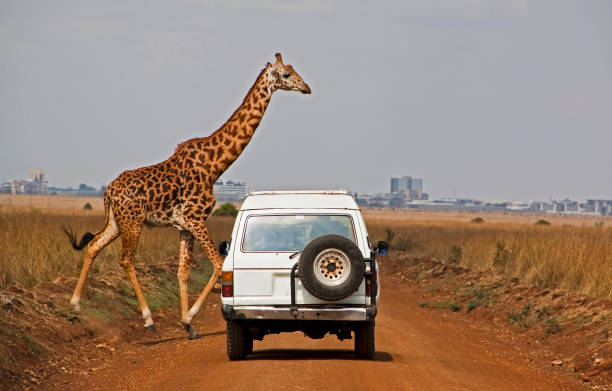
Understanding Dar es Salaam Weather for Your Tanzania Adventure
Tanzania, a land of breathtaking landscapes and unparalleled wildlife, beckons travelers with promises of adventure. At its heart, Dar es Salaam, the nation’s bustling economic capital and primary gateway, plays a pivotal role in any Tanzanian journey. For many, the first encounter with this vibrant East African hub sets the tone for their entire trip, whether it’s the start of a thrilling safari, the anticipation of a Kilimanjaro ascent, or the serene prelude to a Zanzibar beach holiday. Therefore, a thorough understanding of Tanzania Dar es Salaam weather is not just beneficial – it’s essential for crafting an itinerary that maximizes enjoyment and minimizes potential disruptions.
This comprehensive guide delves deep into the nuances of Dar es Salaam’s climate, offering practical insights and planning advice tailored for travelers aiming for 2026, 2027, and beyond. We’ll explore seasonal variations, discuss the best times to visit based on your travel preferences, and provide essential tips to ensure your journey is as smooth and memorable as possible. Whether you’re drawn by the call of the wild, the allure of the mountains, or the tranquility of tropical islands, mastering the weather forecast for Dar es Salaam is your first step towards an unforgettable Tanzanian experience.
Why Dar es Salaam Weather Matters for Your Trip
Dar es Salaam, situated on the coast of the Indian Ocean, experiences a tropical monsoon climate. This means it’s generally warm to hot and humid year-round, with distinct wet and dry seasons. While the city itself might not be the primary destination for many wildlife or trekking enthusiasts, its weather patterns significantly influence travel logistics and the overall experience of venturing further into Tanzania.
Impact on Travel Logistics
Flights and Transportation: Heavy rains, particularly during the ‘long rains,’ can sometimes cause flight delays or cancellations, affecting onward travel to safari destinations or Zanzibar. Understanding these patterns helps in booking more resilient travel plans.
Road Conditions: Many rural roads in Tanzania can become impassable during the rainy seasons, impacting road safaris and overland travel. While major routes are generally maintained, remote areas can be significantly affected.
Activities: Outdoor activities in and around Dar es Salaam, such as visiting historical sites or enjoying city tours, can be more pleasant during drier periods. For those heading to Kilimanjaro, understanding the mountain’s microclimates is also linked to the broader regional weather trends influenced by coastal conditions.
Impact on Wildlife Viewing
While the most famous safari destinations like the Serengeti and Ngorongoro Crater have their own microclimates, the general rainfall patterns originating from the coast can influence vegetation and water sources across the country. For instance, the timing of the Great Migration in the Serengeti is indirectly linked to rainfall patterns that dictate grass growth.
Impact on Beach Holidays
For those planning a Zanzibar holiday immediately after arriving in Dar es Salaam, the coastal weather is paramount. Heavy rains can mean less sunshine for beach relaxation, and rougher seas can affect ferry services or boat excursions.
Dar es Salaam’s Seasonal Climate Breakdown
Dar es Salaam’s weather is characterized by two main seasons: the wet season and the dry season, each with distinct sub-periods. Understanding these will help you choose the best time for your visit in 2026 or 2027.
The Dry Seasons (June to October & December to February)
Tanzania experiences two dry spells, offering generally pleasant conditions for travel.
June to October: The “Long Dry Season”
This period is widely considered the best time to visit Tanzania for safaris and trekking. The weather is typically dry, sunny, and less humid. Temperatures are moderate, making it comfortable for exploring.
- Temperatures: Average daytime temperatures range from 24°C to 30°C (75°F to 86°F), with cooler evenings, especially in higher altitudes.
- Rainfall: Minimal to no rainfall. This is crucial for road conditions and outdoor activities.
- Humidity: Lower than during the wet season.
- Traveler Experience: Ideal for game drives as animals congregate around water sources, making them easier to spot. Excellent for Kilimanjaro climbs due to clearer skies and stable weather. Zanzibar beaches are sunny and inviting.
December to February: The “Short Dry Season” (or “Little Dry Season”)
This period offers another window of dry weather, often characterized by warm and sunny days. It’s a popular time for holidays, particularly around the Christmas and New Year period.
- Temperatures: Generally warmer than the June-October dry season, with daytime highs often reaching 30°C to 34°C (86°F to 93°F).
- Rainfall: Very little rain, though occasional brief showers can occur.
- Humidity: Can be higher than the long dry season.
- Traveler Experience: Good for safaris, though vegetation can be drier. Pleasant for beach holidays. Kilimanjaro is accessible, but conditions can be warmer at lower altitudes. This period also coincides with the calving season in the Serengeti, a spectacular wildlife event.
The Wet Seasons (March to May & November)
The wet seasons bring humidity and rainfall, which can impact travel plans but also offer unique advantages.
March to May: The “Long Rains”
This is Tanzania’s primary rainy season. Expect significant rainfall, often in the form of heavy, prolonged downpours, interspersed with sunny periods. Humidity levels are high.
- Temperatures: Warm and humid, with daytime highs around 30°C to 33°C (86°F to 91°F).
- Rainfall: High. This can make some roads difficult to navigate, especially in remote areas.
- Humidity: Very high.
- Traveler Experience: Generally considered the low season for tourism. This means fewer crowds and potentially lower prices. However, game viewing can be more challenging as animals disperse and vegetation is lush. Kilimanjaro trekking can be difficult due to muddy trails and poor visibility. Zanzibar beaches can experience overcast skies and rough seas.
November: The “Short Rains” (or “Little Rains”)
A brief period of rainfall that typically occurs in November. These rains are usually shorter and less intense than the long rains.
- Temperatures: Warm, similar to the short dry season.
- Rainfall: Scattered, short-lived showers, often in the afternoon.
- Humidity: Moderate to high.
- Traveler Experience: Can be a mixed bag. The rains can bring a welcome coolness, but also potential disruptions. It’s a shoulder season, offering a balance between fewer crowds and decent weather.
Best Time to Visit Tanzania Based on Your Interests
Choosing the right time to visit Tanzania depends heavily on what you want to experience. Here’s a breakdown to help you plan your 2026 or 2027 trip:
For Wildlife Safaris
Peak Season: June to October. This is prime time for game viewing. The dry conditions mean animals are concentrated around water sources, and the vegetation is less dense, offering excellent visibility. The Great Migration is typically in the western and northern Serengeti during this period.
Shoulder Season: December to February. This period offers good game viewing, with the added spectacle of the Great Migration’s calving season in the southern Serengeti. It’s warmer and can be more humid.
Low Season: March to May. While challenging due to rains, the lush green landscapes can be beautiful, and the lack of crowds means a more intimate experience. Birdwatching is excellent during this time.
For Kilimanjaro Trekking
Best Time: January to March & June to October. These months offer the clearest skies and driest conditions, making the ascent safer and more enjoyable. January to March is generally warmer, while June to October offers cooler temperatures.
Avoid: April and May (peak of the long rains), as trails can be muddy, visibility poor, and conditions challenging.
For Zanzibar Holidays
Peak Season: June to October & December to February. These dry periods offer the most sunshine, lowest humidity, and calmest seas, perfect for beach relaxation, diving, and snorkeling.
Shoulder Season: November & March to May. November can be pleasant with occasional showers. March to May sees more rain, but prices may be lower, and you can still find sunny spells. The islands are lush and green during the rains.
Average Monthly Temperatures and Rainfall in Dar es Salaam
While Dar es Salaam’s weather influences the broader Tanzanian climate, it’s good to have specific local figures. The coastal location means consistently warm temperatures year-round.
| Month | Avg. High (°C / °F) | Avg. Low (°C / °F) | Avg. Rainfall (mm / inches) | Climate Notes |
|---|---|---|---|---|
| January | 31 / 88 | 23 / 73 | 150 / 5.9 | Warm, humid, short rains possible |
| February | 31 / 88 | 23 / 73 | 120 / 4.7 | Warm, humid, short rains possible |
| March | 31 / 88 | 23 / 73 | 250 / 9.8 | Start of long rains, very humid |
| April | 30 / 86 | 23 / 73 | 300 / 11.8 | Peak of long rains, heavy downpours |
| May | 30 / 86 | 22 / 72 | 180 / 7.1 | End of long rains, still humid |
| June | 29 / 84 | 20 / 68 | 40 / 1.6 | Start of long dry season, pleasant |
| July | 29 / 84 | 19 / 66 | 20 / 0.8 | Dry, cooler evenings, ideal for safari |
| August | 29 / 84 | 19 / 66 | 20 / 0.8 | Dry, cooler evenings, ideal for safari |
| September | 30 / 86 | 20 / 68 | 40 / 1.6 | Dry, warming up, good for safari |
| October | 31 / 88 | 22 / 72 | 80 / 3.1 | End of dry season, warming up |
| November | 31 / 88 | 23 / 73 | 100 / 3.9 | Start of short rains, scattered showers |
| December | 31 / 88 | 23 / 73 | 130 / 5.1 | Warm, humid, short dry spell possible |
Practical Planning Tips for Dar es Salaam Weather
Navigating the Tanzania Dar es Salaam weather requires thoughtful preparation. Here are some essential tips to ensure your trip in 2026 or 2027 is comfortable and enjoyable:
Packing Essentials
- Lightweight, Breathable Clothing: Cotton or linen are ideal for the heat and humidity.
- Rain Gear: A waterproof jacket or poncho is essential, especially if traveling during the wet seasons.
- Sun Protection: High SPF sunscreen, a wide-brimmed hat, and sunglasses are a must.
- Insect Repellent: Especially important during evenings and in areas near water.
- Comfortable Footwear: Sturdy walking shoes for city exploration and appropriate hiking boots if trekking. Sandals are great for beach days.
- Layering: Evenings can be cooler, particularly in higher inland regions or during the dry season. A light sweater or fleece is advisable.
Health Precautions
Malaria Prevention: Dar es Salaam is in a malaria-risk area. Consult your doctor about antimalarial medication and take precautions against mosquito bites.
Hydration: Drink plenty of bottled or purified water to stay hydrated, especially in the heat.
Sun Safety: Protect your skin from the strong equatorial sun.
Travel Insurance
Ensure your travel insurance covers trip cancellations or interruptions due to weather, as well as medical emergencies. This is particularly important if your itinerary involves multiple locations or activities sensitive to weather conditions.
Flexibility is Key
While planning is crucial, be prepared for unexpected weather changes. Having some flexibility in your itinerary can help you adapt to any unforeseen circumstances, ensuring a stress-free experience.
Who is Dar es Salaam Weather Suited For?
Dar es Salaam’s climate, with its warm temperatures year-round, is generally suited for most travelers. However, understanding the nuances of its seasons allows for a more tailored experience:
- Sun Seekers & Beach Lovers: The dry seasons (June-October and December-February) offer the best sunshine for Zanzibar and coastal relaxation.
- Wildlife Enthusiasts: The dry seasons are optimal for game viewing across Tanzania’s national parks, with June-October being the absolute peak.
- Adventurers & Trekkers: The dry months (January-March and June-October) are ideal for climbing Kilimanjaro and other outdoor pursuits.
- Budget Travelers & Those Seeking Fewer Crowds: The shoulder and low seasons (November and March-May) can offer lower prices and a more serene experience, provided one is prepared for potential rain.
- Photographers: Lush, green landscapes during the rainy seasons can offer unique photographic opportunities, while the dry seasons provide clear light for wildlife shots.
Sample Itinerary: A Blend of City, Safari, and Beach (Considering Weather)
This sample itinerary is designed for a 10-day trip, aiming for the shoulder season in November 2026, balancing potential rain with fewer crowds and beautiful landscapes. It assumes arrival and departure from Dar es Salaam.
Day 1: Arrival in Dar es Salaam
Arrive at Julius Nyerere International Airport (DAR). You’ll be met by our representative and transferred to your hotel. Depending on your arrival time, you can relax or take a brief orientation tour of the city. The weather in November can be warm and humid with a chance of afternoon showers.
Day 2: Dar es Salaam City Tour & Transfer to Arusha
Morning exploration of Dar es Salaam, visiting sites like the National Museum, Askari Monument, and the vibrant Kariakoo Market. Enjoy lunch. In the afternoon, transfer to the domestic airport for a short flight to Arusha, the gateway to Northern Circuit safaris. This flight bypasses potential road challenges during the short rains.
Day 3-5: Safari in Tarangire National Park & Ngorongoro Crater
Day 3: Tarangire National Park. Drive to Tarangire, famous for its large elephant herds and baobab trees. Enjoy a full day of game drives. The landscape will be green due to recent rains, offering a different perspective. Weather is typically warm with a possibility of afternoon showers.
Day 4: Ngorongoro Conservation Area. Descend into the Ngorongoro Crater, a UNESCO World Heritage Site, for an incredible game drive. This caldera hosts a remarkable density of wildlife. The weather can be cooler inside the crater, especially in the mornings.
Day 5: Lake Manyara National Park & Transfer to Arusha. Morning visit to Lake Manyara, known for its tree-climbing lions and diverse birdlife. After lunch, drive back to Arusha. The weather can be unpredictable, so be prepared for sun and rain.
Day 6: Flight to Zanzibar
After breakfast in Arusha, transfer to the local airport for your flight to the exotic island of Zanzibar. Upon arrival at Zanzibar Airport, you’ll be transferred to your beach resort on the northern or eastern coast. Enjoy the tropical climate, perhaps with a brief shower to cool things down.
Day 7-8: Zanzibar Relaxation and Exploration
Enjoy two full days on Zanzibar. Relax on the pristine white-sand beaches, swim in the turquoise waters, or opt for activities like snorkeling, diving, spice tours, or exploring the historic Stone Town. Weather in November can offer sunny mornings and potential afternoon showers, making it ideal for a mix of activities and relaxation.
Day 9: Stone Town & Transfer Back to Dar es Salaam
Morning transfer to Stone Town. Explore the labyrinthine streets, visit historical sites like the House of Wonders and the Old Fort, and soak in the unique Swahili culture. Enjoy a final Swahili lunch before taking an afternoon ferry or flight back to Dar es Salaam. Check into your hotel for your final night.
Day 10: Departure
Enjoy a leisurely breakfast. Depending on your flight schedule, you might have time for some last-minute souvenir shopping. Transfer to Julius Nyerere International Airport (DAR) for your departure flight, filled with memories of your Tanzanian adventure.
Booking Your Tanzanian Adventure with Expert Guidance
Understanding the Tanzania Dar es Salaam weather is a critical component of planning a successful trip. However, navigating the complexities of safari logistics, Kilimanjaro treks, and Zanzibar holidays requires local expertise. At Top Guide Adventures, we specialize in crafting bespoke Tanzanian experiences tailored to your interests, budget, and preferred travel dates, taking into account the seasonal weather patterns.
Whether you’re planning for 2026, 2027, or beyond, our team of experienced professionals can provide invaluable advice on the best times to visit, optimal itineraries, and essential preparations. We handle all the details, ensuring your journey is seamless and unforgettable, from the moment you land in Dar es Salaam to your departure.
What Our Tours Typically Include:
- Customized Itineraries: Designed around your interests and the best seasonal conditions.
- Accommodation: Handpicked lodges, tented camps, and hotels to suit your style and budget.
- Transportation: Reliable safari vehicles with experienced guides, internal flights, and airport transfers.
- Activities: Guided game drives, walking safaris, cultural tours, and beach excursions.
- Expert Local Guides: Knowledgeable guides who enhance your understanding of the wildlife, culture, and landscapes.
- Support: 24/7 support throughout your trip.
Don’t let the weather be a guessing game. Partner with Top Guide Adventures to plan a trip that maximizes your enjoyment of Tanzania’s incredible offerings. We are committed to providing you with an authentic and awe-inspiring travel experience.
Frequently Asked Questions (FAQs) about Dar es Salaam Weather
Q1: What is the absolute best time of year to visit Tanzania, considering Dar es Salaam weather?
A: The best time generally aligns with the long dry season, from June to October. This period offers the most pleasant temperatures, minimal rainfall, and excellent conditions for safaris and trekking. For wildlife enthusiasts interested in the Great Migration’s calving season, December to February is also a prime time.
Q2: How does the Dar es Salaam weather affect travel to other parts of Tanzania, like the Serengeti or Kilimanjaro?
A: Dar es Salaam’s coastal weather influences regional patterns. The long rains (March-May) can make roads in the northern circuit (leading to Serengeti, Ngorongoro) difficult, and Kilimanjaro trails muddy and dangerous. The dry seasons on the coast usually correlate with better conditions inland, though higher altitudes like Kilimanjaro have their own microclimates.
Q3: Is it too rainy to travel to Tanzania in April or May?
A: April and May are the peak of the long rains and are generally considered the least ideal months for travel due to heavy rainfall. However, if you are looking for fewer crowds and lower prices, and are prepared for potential disruptions and humidity, it can still be a rewarding experience. Landscapes are lush and green.
Q4: What should I pack for Dar es Salaam weather in July 2027?
A: July falls within the long dry season. Pack lightweight, breathable clothing, sunscreen, a hat, sunglasses, and insect repellent. Evenings can be cooler, so a light jacket or fleece is recommended. Comfortable walking shoes are essential.
Q5: Can I still enjoy Zanzibar during the short rains in November?
A: Yes, you can! The short rains in November typically consist of scattered, short-lived showers, often in the afternoon. Mornings are usually sunny and pleasant, perfect for beach activities. It’s a great time to visit if you prefer fewer tourists and lush scenery, and are flexible with your plans.
Q6: How hot does it get in Dar es Salaam during the summer months (December-February)?
A: During December to February, Dar es Salaam experiences warm to hot temperatures, with average highs often reaching 31-32°C (88-90°F). Humidity levels are also typically higher during this period.
Q7: Is it safe to travel to Tanzania in 2026, considering weather-related travel issues?
A: Tanzania is generally a safe and welcoming destination. While severe weather can occasionally cause travel disruptions, especially in remote areas during the rainy season, major tourist routes and popular destinations are well-managed. Planning with an experienced tour operator like Top Guide Adventures helps mitigate these risks by advising on the best times and routes.
Plan Your Dream Tanzania Trip with Expert Weather Insights
Understanding the intricacies of Tanzania Dar es Salaam weather is fundamental to unlocking the full potential of your Tanzanian adventure. From the vast plains of the Serengeti to the majestic peak of Kilimanjaro and the serene shores of Zanzibar, each experience is enhanced when aligned with the optimal seasonal conditions.
At Top Guide Adventures, we combine our deep knowledge of Tanzania with a commitment to personalized service. We help you navigate the weather patterns, select the perfect time for your safari, trek, or beach holiday, and craft an itinerary that ensures maximum enjoyment and unforgettable memories for 2026, 2027, and beyond. Don’t leave your dream trip to chance – let us guide you.
Ready to plan your tailor-made Tanzanian adventure? Contact us today to discuss your travel plans and let us help you create the journey of a lifetime, perfectly timed with the best weather conditions.
WhatsApp: +255616946642
Email: info@topguideadventures.com
Backup Email: topguideadventures@gmail.com
Plan your tanzania dar es salaam weather with Top Guide Adventures
Tell us your travel dates, group size, comfort level, and dream experience. We will help you shape a clear, realistic, and memorable Tanzania itinerary.







 Veedesigner
 Fatma Kizanga
 Benjamin Waryuba
 Philip Philip
 John jr Itaja
 Antonia Optatus
 Edith Kanyere
 Neema Iddy
 Kelvin Boniphace
 Damari Maiga



