
Updated planning guide for 2026, 2027
Weather Dar es Salaam: Your Ultimate Guide for Planning an Unforgettable Trip
Planning a trip to Dar es Salaam? This comprehensive guide breaks down the weather, the best times to visit, what to pack, and how to make the most of your Tanzanian experience, including insights for 2026 and 2027.
WhatsApp +255616946642 | info@topguideadventures.com | topguideadventures@gmail.com
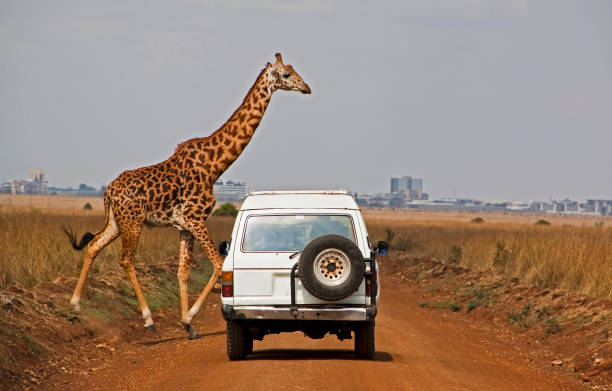
Understanding Dar es Salaam Weather for Your Tanzanian Adventure
Welcome to Dar es Salaam, Tanzania’s vibrant economic hub and a gateway to some of East Africa’s most breathtaking experiences. Whether you’re dreaming of pristine beaches, thrilling safaris, or conquering Mount Kilimanjaro, understanding the weather Dar es Salaam experiences is crucial for planning a seamless and enjoyable trip. This guide delves deep into the climate patterns, offering practical advice tailored for travelers looking to visit in the coming years, including 2026 and 2027.
Dar es Salaam, situated on the coast of the Indian Ocean, enjoys a tropical climate characterized by warm temperatures year-round and distinct wet and dry seasons. Its coastal location significantly influences its weather, bringing humidity and the refreshing sea breeze. For many, the allure of Tanzania lies in its diverse landscapes, from the Serengeti’s vast plains to Zanzibar’s spice-scented shores, and Dar es Salaam serves as a vital starting point for these adventures. By grasping the nuances of its climate, you can optimize your itinerary, pack appropriately, and ensure your journey is filled with sunshine and memorable moments, not unexpected downpours.
Why Understanding Dar es Salaam Weather Matters
The weather in Dar es Salaam plays a pivotal role in shaping your travel experience. It impacts:
- Activity Planning: Heavy rains can disrupt outdoor activities like city tours, beach days, or even affect travel to national parks. Knowing the forecast helps you schedule accordingly.
- Packing Essentials: From lightweight clothing for heat to rain gear for the wet season, the climate dictates what you need to pack.
- Travel Costs: Peak tourist seasons, often coinciding with the dry, pleasant weather, can see higher prices for flights and accommodation. Shoulder seasons might offer better value.
- Wildlife Viewing: While most safaris operate year-round, certain periods offer better viewing opportunities due to animal movements influenced by rainfall and vegetation.
- Comfort and Health: Extreme heat and humidity can be challenging for some. Understanding these conditions helps you prepare and stay comfortable.
Dar es Salaam Climate Breakdown: Seasons and Temperatures
Dar es Salaam experiences a tropical monsoon climate. The average temperatures hover around 25-30°C (77-86°F) throughout the year, with minimal fluctuation. The key differentiator is the rainfall, which divides the year into two main seasons:
The Long Rains (Mar, Apr, May)
This period typically marks the heaviest rainfall in Dar es Salaam. The months of March, April, and May often see consistent, and sometimes torrential, downpours, usually in the afternoon or evening. However, it’s not constant rain; mornings can be sunny and pleasant. The humidity is at its highest during this time, making the air feel quite heavy.
- Temperatures: Average highs around 29-31°C (84-88°F), lows around 23-24°C (73-75°F).
- Humidity: Very high, often exceeding 80%.
- Impact: Road conditions can be challenging, especially unpaved routes. Some outdoor activities might be limited. However, the landscape is lush and green, and tourist crowds are smaller. This can be an excellent time for budget travelers seeking a more authentic experience.
The Short Rains (Nov, Dec)
The short rains, occurring in November and December, are generally less intense and shorter-lived than the long rains. They often manifest as brief, heavy showers, typically in the afternoon. These rains are vital for the local agriculture and can bring a refreshing break from the heat.
- Temperatures: Average highs around 30-32°C (86-90°F), lows around 23-25°C (73-77°F).
- Humidity: High, but generally less oppressive than during the long rains.
- Impact: Activities are usually less affected, though occasional delays are possible. The landscape starts to green up, and it’s a good time to visit before the peak dry season.
The Dry Seasons (Jun, Jul, Aug, Sep, Oct)
Dar es Salaam enjoys two distinct dry seasons, which are generally considered the most popular times to visit:
The Long Dry Season (Jun, Jul, Aug, Sep, Oct)
This is arguably the most pleasant period in Dar es Salaam. The weather is characterized by sunshine, lower humidity, and comfortable temperatures. The Indian Ocean breeze keeps the coastal heat manageable.
- Temperatures: Average highs around 28-30°C (82-86°F), lows around 20-22°C (68-72°F). This is the coolest period of the year.
- Humidity: Significantly lower, making it very comfortable for exploration.
- Impact: Ideal for all outdoor activities, including city tours, beach relaxation, and excursions to nearby attractions. This is peak tourist season, so expect more crowds and potentially higher prices. It’s also a prime time for safaris in inland parks as animals congregate around water sources.
The Short Dry Season (Jan, Feb)
Following the short rains, January and February offer a brief dry spell before the long rains commence. The weather is hot and humid, but generally sunny with occasional brief showers.
- Temperatures: Average highs around 31-33°C (88-91°F), lows around 23-25°C (73-77°F). This is the hottest period.
- Humidity: High, similar to the short rains period.
- Impact: Good for beach activities and city exploration, though the heat can be intense. It’s a shoulder season, offering a balance between good weather and fewer crowds than the peak dry season.
Best Time to Visit Dar es Salaam: Aligning with Your Travel Goals
The ‘best’ time to visit Dar es Salaam truly depends on your priorities. Here’s a breakdown to help you decide for your 2026 or 2027 trip:
For Beach Lovers and Relaxation
The long dry season (June to October) offers the most idyllic beach weather. Expect sunny days, low humidity, and comfortable temperatures perfect for lounging on Coco Beach or taking a ferry to the islands of Zanzibar or Mafia.
For Safari Enthusiasts
While safaris are a year-round activity in Tanzania, the dry seasons (June-October and January-February) are often preferred. During the long dry season, wildlife is easier to spot as they gather around limited water sources. The Serengeti’s Great Migration also has predictable patterns during these times. The shoulder months of the wet season can offer greener landscapes and fewer crowds, a different but equally rewarding safari experience.
For Culture and City Exploration
Dar es Salaam’s city life is vibrant throughout the year. However, the less humid months of the long dry season (June-October) offer the most comfortable conditions for exploring markets, museums, and historical sites. Even during the rainy seasons, showers are often brief, allowing for plenty of sightseeing.
For Budget Travelers
Consider traveling during the shoulder seasons (April-May, November-December) or even the heart of the long rains (March-May). You’ll likely find lower prices on flights and accommodation, and experience fewer crowds. Just be prepared for potential rain disruptions.
For Avoiding Crowds
The peak season (June-October) attracts the most tourists. If you prefer a more tranquil experience, consider the shoulder months or the wetter periods. You can still enjoy much of what Dar es Salaam and its surroundings offer with careful planning.
Planning Your Trip to Dar es Salaam in 2026/2027: Weather Considerations
When planning your Tanzanian adventure for 2026 or 2027, integrating the weather information is key. Here’s how to approach it:
Booking Flights and Accommodation
Peak Season (June-October): Book flights and popular accommodations well in advance, especially if you plan to travel in 2026 during this period. Early booking is essential to secure preferred options and potentially better rates.
Shoulder/Low Season (March-May, November-December): You might find more flexibility and potentially better deals. However, even in the low season, popular spots can fill up, so booking a few months ahead is still advisable.
Itinerary Flexibility
If you’re traveling during the rainy seasons (March-May, November-December), build some flexibility into your itinerary. Have indoor activity options or be prepared for potential travel delays. For instance, if a day trip to a national park is planned and heavy rain is forecast, consider a city tour or a visit to the National Museum instead.
Packing Strategy Based on Weather
Your packing list should be a direct reflection of the weather Dar es Salaam is likely to present during your visit.
For the Dry Season (June-October):
- Lightweight, breathable clothing (cotton, linen).
- Sunscreen, sunglasses, and a wide-brimmed hat.
- A light jacket or sweater for cooler evenings.
- Comfortable walking shoes.
- Swimwear for beaches and hotel pools.
- Insect repellent (though less of an issue in the dry season).
For the Rainy Season (March-May, November-December):
- All of the above, plus:
- A waterproof jacket or poncho.
- Waterproof footwear or quick-drying sandals.
- An umbrella.
- Quick-drying clothing.
- Waterproof bags for electronics.
Health Precautions
Regardless of the season, it’s advisable to consult your doctor about necessary vaccinations and malaria precautions. The humidity during the rainy seasons can increase mosquito activity. Staying hydrated is also crucial, especially during the hotter months.
Beyond Dar es Salaam: Weather in Popular Tanzanian Destinations
While this guide focuses on Dar es Salaam, its weather is often a starting point for wider Tanzanian adventures. Here’s a brief look at how it connects:
Zanzibar
Zanzibar shares a similar tropical climate with Dar es Salaam but experiences slightly different rainfall patterns. The ‘long rains’ (March-May) are particularly heavy on the islands, sometimes leading to ferry cancellations. The dry seasons (June-October and December-February) are ideal for Zanzibar’s beaches.
Serengeti National Park
The Serengeti’s weather is more continental, with distinct wet and dry seasons. The dry season (June-October) is prime time for game viewing. The short rains (November-December) bring the wildebeest migration to the central and southern Serengeti, while the long rains (March-May) coincide with calving season in the south.
Mount Kilimanjaro
Kilimanjaro trekking is best done during the dry seasons (January-March and June-October) when the trails are less muddy and visibility is clearer. These periods offer the highest chance of summit success due to more stable weather conditions.
Practical Tips for Traveling in Dar es Salaam
To make your trip smoother, consider these practical tips:
- Stay Hydrated: Drink plenty of bottled water, especially during warmer months.
- Sun Protection: The equatorial sun is strong; always use sunscreen, wear a hat, and seek shade during peak sun hours.
- Dress Appropriately: Lightweight, modest clothing is recommended for general wear. Beachwear is fine at the coast, but dress more conservatively when visiting religious sites or local markets.
- Embrace the Breezes: The Indian Ocean breeze can be a lifesaver during hot days.
- Transportation: Taxis and ride-sharing apps are available. For longer distances or day trips, arranging transport through a reputable tour operator is recommended.
- Currency: The Tanzanian Shilling (TZS) is the local currency. USD is widely accepted for tourist services, but smaller denominations are useful for local purchases.
- Language: Swahili is the official language, but English is widely spoken in tourist areas and by professionals.
Who is Dar es Salaam For?
Dar es Salaam is a multifaceted destination that appeals to a wide range of travelers:
- Culture Enthusiasts: Explore bustling markets, historical buildings, and vibrant local life.
- Beach Goers: Relax on city beaches or take short trips to nearby islands.
- Urban Explorers: Experience the dynamic energy of a major African city.
- Gateway Travelers: Use it as a starting or ending point for safaris, Kilimanjaro climbs, or Zanzibar holidays.
- Foodies: Sample diverse local and international cuisine, particularly fresh seafood.
Booking Your Tanzanian Adventure with Expert Guidance
Navigating the intricacies of travel planning, especially when considering weather patterns and local logistics, can be overwhelming. Partnering with an experienced tour operator ensures you get the most out of your trip, whether you’re planning for 2026, 2027, or beyond.
At Top Guide Adventures, we specialize in crafting bespoke Tanzanian experiences. From thrilling Northern Circuit safaris and challenging Kilimanjaro treks to relaxing Zanzibar getaways and insightful day trips from Dar es Salaam, we tailor every detail to your preferences. Our local expertise means we understand the best times to visit, how the weather might impact your plans, and how to create an itinerary that maximizes your enjoyment and minimizes potential disruptions.
What to Expect When You Book With Us
- Personalized Itineraries: We design trips around your interests, budget, and travel style.
- Expert Advice: Benefit from our in-depth knowledge of Tanzania, including weather, best practices, and local insights.
- Seamless Logistics: We handle accommodation, transportation, park fees, and guides, ensuring a stress-free experience.
- 24/7 Support: Our team is available to assist you throughout your journey.
- Authentic Experiences: We connect you with the heart of Tanzania, offering genuine cultural interactions and breathtaking natural encounters.
Don’t let the uncertainty of weather forecasts dampen your travel dreams. Let Top Guide Adventures help you plan the perfect Tanzanian holiday, taking into account the weather Dar es Salaam and its surrounding regions will offer during your chosen travel dates.
Frequently Asked Questions About Dar es Salaam Weather
What is the best month to visit Dar es Salaam?
The best months to visit Dar es Salaam are generally from June to October, during the long dry season. This period offers pleasant temperatures, lower humidity, and plenty of sunshine, making it ideal for both city exploration and beach activities. For those interested in specific events like the Great Migration, consult a detailed wildlife calendar.
Is Dar es Salaam hot and humid year-round?
Yes, Dar es Salaam has a tropical climate, meaning it is generally hot and humid throughout the year. However, the intensity of humidity varies significantly between the dry and wet seasons. The dry season (June-October) is less humid and more comfortable, while the rainy seasons (March-May and November-December) experience higher humidity levels.
Can I visit Dar es Salaam during the rainy season?
Absolutely! Visiting Dar es Salaam during the rainy season (March-May and November-December) can be a rewarding experience. While you should expect some rainfall, showers are often brief and heavy, usually occurring in the afternoons. The landscape is lush and green, there are fewer tourists, and prices might be lower. It’s crucial to pack rain gear and maintain some flexibility in your itinerary.
What kind of clothing should I pack for Dar es Salaam?
Pack lightweight, breathable clothing made from natural fabrics like cotton or linen. Include T-shirts, shorts, skirts, and light trousers. For the dry season, a light jacket for evenings is useful. During the rainy season, a waterproof jacket or poncho and possibly waterproof shoes are essential. Always pack sunscreen, a hat, and sunglasses.
Is it safe to swim in the ocean in Dar es Salaam?
Swimming in the ocean off Dar es Salaam’s beaches like Coco Beach is generally safe during daylight hours. However, be aware of strong currents, especially after heavy rains. It’s always advisable to swim in designated areas and be mindful of local conditions. For more pristine and safer swimming experiences, consider a day trip or overnight stay on islands like Zanzibar or Mafia.
What is the temperature like in Dar es Salaam in July?
July falls within the long dry season in Dar es Salaam. You can expect pleasant temperatures, with average daytime highs around 28-30°C (82-86°F) and cooler evenings with lows around 20-22°C (68-72°F). Humidity is also at its lowest during this month, making it very comfortable for outdoor activities.
Will the weather affect safari plans from Dar es Salaam in 2027?
The weather can influence safari plans, especially during the rainy seasons. Heavy rains might make some unpaved roads in national parks difficult to navigate, potentially affecting access or causing delays. However, most reputable tour operators, like Top Guide Adventures, are experienced in managing these conditions and will adjust itineraries as needed to ensure a safe and enjoyable safari experience in 2027. The dry season is generally preferred for optimal wildlife viewing.
Ready to Experience Dar es Salaam? Let Us Plan Your Perfect Trip!
Understanding the weather Dar es Salaam offers is the first step to an incredible Tanzanian journey. Whether you envision thrilling safaris, serene beach escapes, or cultural immersion, timing your visit correctly is key. Let the experts at Top Guide Adventures guide you through the planning process, ensuring your adventure in 2026 or 2027 is everything you dreamed of and more.
We specialize in creating tailor-made itineraries that align with the best weather conditions for your chosen activities, while also offering value and unique experiences. From the moment you land in Dar es Salaam to your final farewell, we ensure seamless logistics and unforgettable memories.
Contact us today to start planning your dream Tanzanian holiday:
- WhatsApp: +255616946642
- Email: info@topguideadventures.com
- Backup Email: topguideadventures@gmail.com
Let’s make your Tanzanian adventure a reality!
Plan your weather dar es salaam with Top Guide Adventures
Tell us your travel dates, group size, comfort level, and dream experience. We will help you shape a clear, realistic, and memorable Tanzania itinerary.







 Veedesigner
 Fatma Kizanga
 Benjamin Waryuba
 Philip Philip
 John jr Itaja
 Antonia Optatus
 Edith Kanyere
 Neema Iddy
 Kelvin Boniphace
 Damari Maiga



