
Updated planning guide for 2026, 2027
Weather Tomorrow in Tanzania: Your Essential Safari & Travel Guide
Planning a trip to Tanzania and wondering about the weather tomorrow? This comprehensive guide breaks down expected conditions for safaris, Kilimanjaro, and Zanzibar, offering practical advice for your 2026 and 2027 travels.
WhatsApp +255616946642 | info@topguideadventures.com | topguideadventures@gmail.com
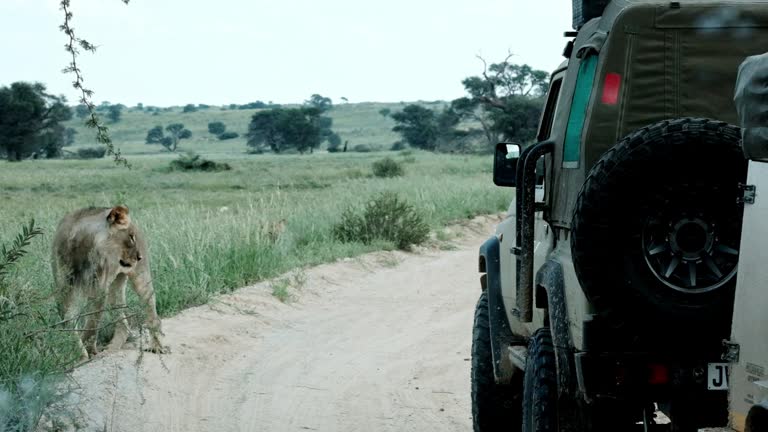
Understanding Tanzania’s Weather Tomorrow for Unforgettable Adventures
When planning an extraordinary journey to Tanzania, one of the most critical pieces of information is the weather tomorrow. Whether you’re dreaming of spotting the Big Five on a Serengeti safari, conquering the majestic Mount Kilimanjaro, or relaxing on the pristine beaches of Zanzibar, understanding the local climate is paramount to a seamless and enjoyable experience. This guide is designed to provide you with in-depth insights into Tanzania’s diverse weather patterns, focusing on what you can expect for your upcoming travels, including planning for 2026 and 2027.
Tanzania, straddling the equator, boasts a varied climate influenced by altitude, proximity to the Indian Ocean, and distinct rainy seasons. For travelers, this means that ‘tomorrow’ can bring vastly different conditions depending on your chosen destination. We’ll delve into the specifics of the weather tomorrow for the most popular tourist regions, offering practical advice on packing, itinerary planning, and making the most of your Tanzanian adventure, regardless of the forecast.
Why Knowing the Weather Tomorrow is Crucial for Your Tanzania Trip
Anticipating the weather tomorrow isn’t just about packing the right clothes; it directly impacts the quality and success of your Tanzanian experience. Here’s why it’s so important:
- Safari Game Viewing: Weather significantly affects animal behavior. Cooler mornings are often best for spotting predators, while the end of the dry season sees animals congregating around water sources. Rain can make roads challenging but also brings lush landscapes and migratory birds.
- Kilimanjaro Trekking: Conditions on Kilimanjaro change dramatically with altitude. Knowing the forecast for tomorrow helps in preparing for extreme cold, high winds, potential snow, and visibility issues on the summit.
- Zanzibar Relaxation: While generally tropical, Zanzibar experiences rainy seasons that can affect beach activities, diving, and snorkeling. Understanding tomorrow’s outlook helps in planning your island excursions.
- Packing Essentials: From light, breathable clothing for hot days to waterproof gear for rain, accurate weather predictions ensure you pack appropriately, avoiding discomfort or being unprepared for sudden changes.
- Itinerary Flexibility: Knowing potential weather disruptions allows for more flexible planning. You can adjust activities or have backup options ready, ensuring your trip remains on track.
- Health and Safety: Extreme heat, heavy rain, or high winds can pose risks. Being aware of the weather tomorrow helps in taking necessary precautions for your well-being.
Tanzania’s Climate Zones: A Deeper Dive
Tanzania’s diverse geography creates several distinct climate zones, each with its own weather patterns. Understanding these zones is key to interpreting the weather tomorrow for your specific location:
- Coastal Regions (e.g., Zanzibar, Dar es Salaam): These areas experience a hot and humid tropical climate year-round. Temperatures hover between 25°C and 30°C (77°F and 86°F). The humidity can be high, especially during the rainy seasons.
- Inland Plains (e.g., Serengeti, Ngorongoro): These regions have a more moderate climate, often described as a savanna climate. Temperatures are generally warm to hot, with cooler evenings and mornings, especially during the dry season. Altitude plays a role, with higher areas like the Ngorongoro Conservation Area being cooler.
- Highlands (e.g., Arusha, Mount Kilimanjaro): Areas around Arusha and the slopes of Kilimanjaro are significantly cooler due to their elevation. Kilimanjaro itself has alpine conditions, with temperatures dropping drastically as you ascend, from temperate at the base to freezing at the summit.
Tanzania’s Rainy Seasons: When to Expect the Wet
Tanzania has two main rainy seasons, which significantly influence the weather tomorrow and throughout your trip:
- The ‘Long Rains’ (Vuli): Typically occur from March to May. These are characterized by heavy, persistent rainfall, often with cloudy skies. This period can make some safari tracks impassable, especially in the southern circuits.
- The ‘Short Rains’ (Masika): Usually fall from November to December. These rains are generally lighter and more sporadic, often occurring as afternoon thunderstorms. They can bring a welcome freshness to the landscape.
It’s important to note that these are general patterns, and the exact timing and intensity can vary year by year. For instance, the 2026 or 2027 rainy seasons might begin slightly earlier or later than usual.
Forecasting the Weather Tomorrow: Key Destinations
Let’s break down what you might expect for the weather tomorrow in Tanzania’s most popular travel hubs:
Serengeti National Park
The vast Serengeti plains offer a classic safari experience. The weather tomorrow here depends heavily on the season:
- Dry Season (June to October): Expect sunny, warm days (20°C-25°C / 68°F-77°F) and cool nights (10°C-15°C / 50°F-59°F). Mornings can be crisp. Rainfall is minimal. This is an excellent time for game viewing as animals gather around permanent water sources.
- Wet Season (November to May): Days are warmer and more humid (25°C-30°C / 77°F-86°F). The short rains in Nov/Dec bring scattered showers, while the long rains from March to May mean heavier, more frequent downpours. Roads can become muddy, but the landscape is lush, migratory birds are present, and newborn animals appear.
Tomorrow’s forecast in the Serengeti could mean anything from a clear, cool morning perfect for tracking lions, to a sudden afternoon shower that brings out the vibrant green scenery.
Ngorongoro Conservation Area
As a higher altitude region, the Ngorongoro Crater and its surroundings are generally cooler than the Serengeti. The weather tomorrow here will likely be:
- Temperatures: Daytime temperatures usually range from 18°C to 25°C (64°F to 77°F), with evenings and early mornings being significantly cooler, sometimes dropping to 8°C-12°C (46°F-54°F).
- Rainfall: Ngorongoro receives rainfall during the same periods as the Serengeti, with heavier rains from March to May. However, due to its elevation, precipitation can sometimes occur even when the plains below are dry.
The weather tomorrow in Ngorongoro could be a mix of sunshine and cloud, with a chance of a refreshing shower, especially during the wet seasons. Always be prepared for cooler conditions, particularly when descending into the crater.
Mount Kilimanjaro
Trekking Kilimanjaro means experiencing multiple climate zones in a single journey. The weather tomorrow on the mountain varies drastically by altitude:
- Base (Marangu/Moshi): Tropical, warm, and humid, similar to the coastal plains.
- Rainforest Zone (approx. 1800m – 2600m): Humid, with frequent rainfall. Temperatures range from 15°C-20°C (59°F-68°F).
- Moorland Zone (approx. 2600m – 3500m): Cooler and drier, with more temperature fluctuations between day and night. Temperatures can range from 10°C-20°C (50°F-68°F) during the day and drop close to freezing at night.
- Alpine Desert Zone (approx. 3500m – 4600m): Arid, cold, and exposed. Daytime temperatures can be mild in the sun (around 15°C/59°F), but plummet to -5°C to -10°C (23°F to 14°F) at night.
- Arctic Summit Zone (above 4600m): Extremely cold, with temperatures often ranging from -10°C to -20°C (14°F to -4°F), and potentially much colder with wind chill. Snow and ice are permanent features.
The weather tomorrow on Kilimanjaro could be sunny and pleasant at the lower slopes, but rapidly turn cold, windy, and potentially snowy as you ascend. Summit night is almost always extremely cold and challenging.
Zanzibar Archipelago
Zanzibar offers a tropical island paradise, but even here, weather plays a role. The weather tomorrow in Zanzibar will likely be:
- Temperatures: Consistently warm to hot, year-round, typically between 25°C and 32°C (77°F and 90°F). The sea temperature is also warm and inviting.
- Humidity: High, particularly during the rainy seasons.
- Rainfall:
- Long Rains (March to May): Expect heavy, frequent downpours. This is generally considered the low season for tourism.
- Short Rains (November to December): More scattered showers, often in the afternoon, leaving mornings and evenings clear.
- Dry Seasons (June to October, January to February): These are the best times for a Zanzibar holiday, with plenty of sunshine and minimal rain.
Tomorrow’s forecast in Zanzibar could be a perfect beach day with clear blue skies, or it might involve a brief, intense tropical shower followed by sunshine.
Planning Your Tanzania Trip: Considering the Weather Tomorrow for 2026 and 2027
When planning your Tanzanian adventure for upcoming years like 2026 and 2027, using the concept of ‘weather tomorrow’ helps in making informed decisions about the best time to visit and what to pack.
Best Time to Visit Based on Weather
Generally, the dry seasons are considered the prime time for visiting most of Tanzania, especially for safaris and Kilimanjaro treks:
- June to October: Ideal for Serengeti and Ngorongoro safaris due to excellent game viewing and pleasant temperatures. Also a popular time for Kilimanjaro climbs.
- January to February: Another dry spell, good for safaris, and often coincides with the calving season in the southern Serengeti. Kilimanjaro is also climbable.
For Zanzibar, the dry periods are also ideal:
- June to October: Pleasant temperatures, lower humidity, and minimal rain make it perfect for beach holidays.
- January to February: Hot and dry, great for sun-seekers.
Navigating the Rainy Seasons
Don’t rule out the rainy seasons entirely. They offer unique advantages:
- Lower Prices: Accommodation and tour packages are often cheaper during the low season (March-May).
- Lush Landscapes: The scenery is incredibly vibrant and green, offering stunning photographic opportunities.
- Fewer Crowds: Enjoy a more exclusive experience with fewer tourists.
- Birdwatching: Migratory birds are abundant during and after the rains.
- Calving Season: The short rains in Nov/Dec often coincide with the start of the wildebeest calving season in the southern Serengeti.
If your heart is set on a 2026 or 2027 trip during the shoulder seasons (just before or after the main rains), understanding the specific weather tomorrow will be key to packing and planning.
Packing Guide: What to Wear Based on Tomorrow’s Weather
Your packing list should be adaptable to the predicted weather tomorrow and the diverse climates you’ll encounter:
For Safari (Serengeti, Ngorongoro)
- Lightweight, breathable clothing: Neutral colors (khaki, beige, olive green) are best to blend in and avoid attracting insects. Long-sleeved shirts and trousers protect against sun and insects.
- Warm layers: A fleece jacket or sweater and a windbreaker are essential for cool mornings and evenings, especially in Ngorongoro.
- Rain gear: A lightweight, waterproof jacket or poncho is crucial, particularly during the wet seasons.
- Comfortable walking shoes/hiking boots: For any walking safaris or exploring lodges.
- Hat: Wide-brimmed for sun protection.
- Sunglasses: To protect your eyes from the strong sun.
- Scarf or bandana: Useful for dust protection.
For Kilimanjaro Trekking
Layering is key. You’ll need gear for vastly different temperatures:
- Base layers: Moisture-wicking thermal underwear (tops and bottoms).
- Mid layers: Fleece jackets or trousers for insulation.
- Outer layers: Waterproof and windproof jacket and trousers (Gore-Tex or similar).
- Insulated down jacket: Essential for summit night and cold evenings.
- Warm hat and gloves: Multiple pairs, including waterproof outer gloves and warm liner gloves.
- Sun hat and sunglasses: For lower, sunny sections.
- Sturdy hiking boots: Broken-in and waterproof.
- Thermal socks: Several pairs.
- Gaiters: To keep mud and debris out of boots.
For Zanzibar Holidays
- Lightweight cotton clothing: T-shirts, shorts, skirts, sundresses.
- Swimwear: For beaches and pools.
- A light cover-up: For evenings or sun protection.
- Rash guard: For sun protection while swimming or snorkeling.
- Sandals or flip-flops: For casual wear.
- A light rain jacket or umbrella: Just in case of tropical showers, especially outside the main dry season.
- Modest clothing: If visiting Stone Town or local villages, ensure shoulders and knees are covered out of respect for local culture.
Practical Tips for Dealing with Tanzania’s Weather
Beyond packing, here are practical tips to help you manage the weather tomorrow and throughout your trip:
- Stay Hydrated: Especially during warm days on safari or at lower altitudes. Carry a reusable water bottle.
- Sun Protection: Use high SPF sunscreen, wear a hat, and seek shade during the hottest parts of the day.
- Insect Repellent: Essential, particularly during dawn and dusk, and in areas with standing water.
- Check Daily Forecasts: While this guide provides general expectations, your lodge or guide can provide the most up-to-date forecast for tomorrow.
- Be Flexible: Weather can be unpredictable. Embrace changes and have backup plans. A sudden downpour can lead to incredible photographic moments or unique wildlife sightings.
- Acclimatize Properly on Kilimanjaro: This is the most critical factor for summit success, far more important than the specific weather tomorrow. Follow your guide’s advice on pacing and hydration.
- Embrace the Rain: If traveling during the rainy season, don’t let it deter you. The landscapes are stunning, and wildlife viewing can still be excellent.
Who is Tanzania’s Weather Suited For?
Tanzania’s diverse climate means it can cater to a wide range of travelers:
- Adventure Seekers: Those who don’t mind a bit of rain or cooler temperatures will find the shoulder seasons offer great value and fewer crowds for safaris and Kilimanjaro.
- Wildlife Enthusiasts: The dry seasons are optimal for game viewing, but the wet seasons bring unique spectacles like the Great Migration’s river crossings (timing varies) or the calving season.
- Beach Lovers: Zanzibar is perfect year-round for those seeking sun, but the dry seasons offer the most consistently pleasant beach weather.
- Culture Explorers: Visiting towns like Arusha or Stone Town is feasible year-round, though heat and humidity can be more intense during the rainy periods.
- Families: The dry seasons generally offer the most comfortable conditions for family travel, with predictable weather and easier travel logistics.
No matter your travel style, understanding the weather tomorrow helps tailor your experience.
Booking Your Tanzania Adventure with Confidence
Choosing the right tour operator is crucial for a seamless trip, especially when navigating different weather conditions. At Top Guide Adventures, we specialize in crafting bespoke Tanzanian experiences tailored to your preferences and the time of year you plan to travel. Whether you’re aiming for a safari in 2026, a Kilimanjaro climb in 2027, or a relaxing Zanzibar holiday, we ensure your itinerary accounts for the best possible weather conditions and provides practical advice.
What to Expect When Booking with Us:
- Expert Advice: We provide detailed information on the best times to visit each region based on weather patterns and wildlife activity.
- Customized Itineraries: We design trips that maximize your enjoyment, whether that means focusing on optimal game viewing during the dry season or experiencing the unique beauty of the green season.
- Logistical Support: We handle all the details, including park fees, accommodation, transportation, and experienced guides who are knowledgeable about local weather and its impact.
- Safety First: Your safety is our priority. We ensure all our tours are conducted with the highest safety standards, taking weather into consideration.
Ready to Plan Your Trip?
Don’t let uncertainty about the weather tomorrow hold you back from experiencing the magic of Tanzania. Contact our travel experts today to start planning your dream safari, Kilimanjaro trek, or Zanzibar getaway. We are here to answer all your questions and craft an unforgettable adventure for you.
Let’s Plan Your Tanzanian Adventure!
Get in touch with us to discuss your travel plans. We offer personalized safaris, Kilimanjaro climbs, Zanzibar holidays, and custom tours. Let us help you create an unforgettable experience.
WhatsApp: +255616946642
Email: info@topguideadventures.com
Backup Email: topguideadventures@gmail.com
Frequently Asked Questions (FAQs)
What is the best time of year for a safari in Tanzania regarding weather?
The best time for a safari in Tanzania is generally during the dry seasons: June to October and January to February. These periods offer sunny days, cooler mornings and evenings, and excellent game viewing as animals congregate around water sources. However, the shoulder seasons and even parts of the wet season offer unique advantages like lush landscapes and fewer crowds.
How does the weather tomorrow impact wildlife viewing in the Serengeti?
The weather tomorrow can significantly influence wildlife viewing. Clear, cool mornings are often ideal for spotting predators. During the wet season, rain can temporarily disrupt game drives, but it also leads to a greener landscape, attracts migratory birds, and can bring newborn animals, offering different viewing opportunities. Knowing the forecast helps our guides optimize your game drives.
What should I pack for a Kilimanjaro climb, considering the weather?
Packing for Kilimanjaro requires a layered approach due to extreme altitude and temperature changes. Essential items include moisture-wicking base layers, insulating mid-layers (like fleece), a waterproof and windproof outer shell, a warm down jacket, thermal gloves and hat, sturdy waterproof hiking boots, and multiple pairs of warm socks. Always pack for cold and potentially snowy conditions, especially for the summit attempt.
Is Zanzibar suitable for a holiday during the rainy seasons?
Yes, Zanzibar can still be a wonderful destination during the rainy seasons (March-May and November-December), especially if you are looking for lower prices and fewer crowds. The short rains (Nov-Dec) often consist of brief afternoon showers, leaving plenty of sunshine. The long rains (March-May) bring heavier downpours, but travel is still possible, and the island is incredibly lush and beautiful. Always check the specific weather tomorrow forecast closer to your travel date.
How can I get the most accurate weather forecast for Tanzania?
While general climate patterns are predictable, specific forecasts for weather tomorrow can vary. The best way to get accurate information is to consult with your tour operator or lodge upon arrival. They have access to local weather reports and can provide the most up-to-date outlook for your specific safari location, Kilimanjaro route, or Zanzibar island.
Are there any specific weather considerations for 2026 or 2027 travel?
While long-term weather patterns are generally consistent, climate change can introduce variability. For your 2026 or 2027 trip, it’s always wise to book with an experienced operator like Top Guide Adventures who stays updated on current climate trends and can advise on the best timing and preparations. We monitor these trends to ensure your trip is planned optimally.
Conclusion: Your Tanzania Adventure Awaits, Whatever the Weather
Tanzania is a land of incredible diversity, offering breathtaking landscapes, abundant wildlife, and unforgettable experiences. Understanding the nuances of its climate, and knowing what to expect regarding the weather tomorrow, is a vital part of planning a successful trip. Whether you are embarking on a thrilling safari adventure, a challenging ascent of Kilimanjaro, or a relaxing escape to Zanzibar, preparation is key.
At Top Guide Adventures, we are passionate about helping you discover the wonders of Tanzania. We leverage our expertise to guide you through the best times to travel, the most suitable activities based on seasonal weather, and the essential packing advice. Let us handle the logistics so you can focus on soaking in the magic of East Africa. Plan your 2026 or 2027 Tanzanian journey with us and experience the adventure of a lifetime, prepared for any weather.
Start Planning Your Dream Tanzania Trip Today!
Don’t wait to experience the unparalleled beauty of Tanzania. Whether you’re looking for the perfect safari, a Kilimanjaro summit, or a tropical Zanzibar getaway, we’re here to make it happen. Contact us for expert advice and tailor-made itineraries.
WhatsApp Us: +255616946642
Email Us: info@topguideadventures.com
Alternative Email: topguideadventures@gmail.com
Let us help you plan your unforgettable Tanzanian adventure, ensuring you are well-prepared for the weather tomorrow and every day of your trip!
Plan your weather tomorrow with Top Guide Adventures
Tell us your travel dates, group size, comfort level, and dream experience. We will help you shape a clear, realistic, and memorable Tanzania itinerary.







 Veedesigner
 Fatma Kizanga
 Benjamin Waryuba
 Philip Philip
 John jr Itaja
 Antonia Optatus
 Edith Kanyere
 Neema Iddy
 Kelvin Boniphace
 Damari Maiga



