
Updated planning guide for 2026, 2027
Ecotourism Maasai Mara: Your Ultimate Guide to Sustainable Safaris in 2026 & 2027
Embark on an unforgettable ecotourism adventure in Kenya's Maasai Mara. This comprehensive guide covers everything you need to know for a sustainable and impactful safari experience in 2026 and 2027, from wildlife viewing to community engagement. Learn how to choose responsible operators and make a positive difference.
WhatsApp +255616946642 | info@topguideadventures.com | topguideadventures@gmail.com
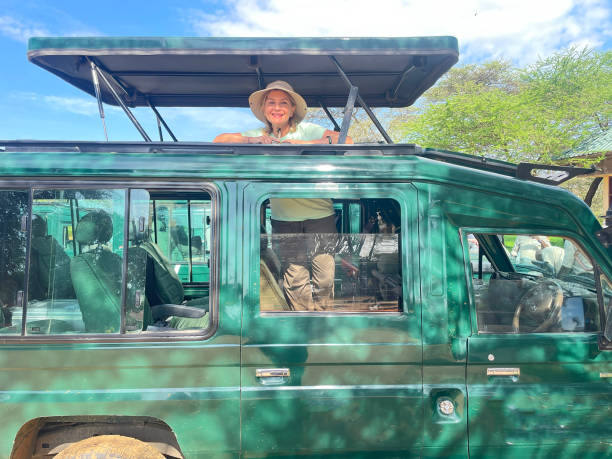
Experience Ecotourism in the Maasai Mara: A Journey of Conservation and Culture
The Maasai Mara National Reserve in Kenya is a globally renowned wildlife sanctuary, synonymous with the Great Migration and unparalleled safari experiences. Beyond the breathtaking wildlife spectacles, the Maasai Mara is increasingly becoming a beacon for ecotourism Maasai Mara initiatives. This approach to travel prioritizes conservation, community empowerment, and minimal environmental impact, offering travelers a chance to connect deeply with nature and local cultures while ensuring their visit contributes positively to the region’s future.
As we look towards 2026 and 2027, the importance of responsible travel practices in iconic destinations like the Maasai Mara cannot be overstated. Choosing an ecotourism safari means actively participating in the preservation of this precious ecosystem and supporting the Maasai people, the ancestral custodians of this land. This guide will delve deep into what ecotourism in the Maasai Mara entails, why it’s crucial, the best times to visit, how to plan your trip, and what you can expect from a truly sustainable safari experience.
Why Choose Ecotourism in the Maasai Mara?
Opting for ecotourism in the Maasai Mara is about more than just seeing lions and elephants; it’s about understanding your impact and making conscious choices that benefit the environment and the local communities. Here’s why it’s the most rewarding way to experience this iconic reserve:
Conservation at its Core
Ecotourism directly funds conservation efforts. A significant portion of park fees and lodge revenues from responsible operators is reinvested into anti-poaching units, habitat preservation, wildlife research, and anti-poaching initiatives. This ensures the long-term survival of the Mara’s incredible biodiversity.
Community Empowerment and Cultural Preservation
The Maasai people are integral to the Maasai Mara’s identity. Ecotourism models often involve direct partnerships with Maasai communities, providing employment opportunities, supporting local schools and healthcare facilities, and promoting the preservation of their rich cultural heritage. Your visit can empower these communities and help them maintain their traditions in a rapidly changing world.
Minimizing Environmental Footprint
Sustainable tourism practices focus on reducing waste, conserving water and energy, using eco-friendly materials, and adhering to strict guidelines for wildlife viewing to minimize disturbance. Lodges and camps committed to ecotourism often operate off-grid, utilize solar power, and implement robust recycling programs.
Authentic and Immersive Experiences
Ecotourism often leads to more authentic encounters. This can include guided bush walks with Maasai naturalists, visits to community projects, learning about traditional Maasai life, and staying in lodges that blend seamlessly with the natural environment, offering a deeper connection than standard mass-tourism options.
Educating Travelers
Responsible tourism educates visitors about the delicate balance of the ecosystem, the challenges faced by wildlife and local communities, and the importance of conservation. This knowledge empowers travelers to become advocates for wildlife protection long after their trip.
Planning Your Ecotourism Maasai Mara Safari in 2026 & 2027
Planning an ecotourism safari requires a bit more thought to ensure you align with responsible travel principles. Here’s a step-by-step guide for your 2026 or 2027 adventure:
1. Choose a Responsible Tour Operator
This is the most critical step. Look for operators who:
- Are locally owned or have strong partnerships with local communities.
- Are transparent about their conservation contributions and community support programs.
- Adhere to strict environmental guidelines (waste management, energy use, etc.).
- Employ local guides and staff, providing fair wages and training.
- Educate their guests on responsible wildlife viewing and cultural etiquette.
- Are members of reputable ecotourism or conservation organizations.
Top Guide Adventures is committed to these principles, offering bespoke ecotourism Maasai Mara experiences that benefit both our travelers and the destination. We work closely with Maasai communities and prioritize sustainable practices in all our safari offerings.
2. Select Eco-Friendly Accommodation
Your choice of lodging significantly impacts your safari’s sustainability. Consider:
- Eco-lodges and Camps: These are designed to minimize their environmental footprint, often using solar power, rainwater harvesting, and natural building materials. Many are situated to offer incredible views with minimal disruption to wildlife.
- Community-Owned Camps: Staying in accommodations managed by local communities directly supports their economic development and cultural preservation.
- Tented Camps: These offer a closer-to-nature experience and generally have a lower impact than permanent structures. Ensure they follow responsible waste disposal and energy practices.
3. Determine the Best Time to Visit
The Maasai Mara is a year-round destination, but the best time for wildlife viewing often depends on what you want to see.
- June to October: The Great Migration. This is peak season, with millions of wildebeest and zebras crossing the Mara River. It’s a spectacular sight but also the busiest and most expensive time. Ecotourism operators ensure viewing is done responsibly, minimizing disturbance to the herds.
- November to May: The Green Season. This period offers lush landscapes, fewer crowds, and lower prices. It’s an excellent time for birdwatching, and resident wildlife is abundant. Calving season for wildebeest also occurs around February, offering chances to see newborns.
For ecotourism, visiting during the shoulder seasons (like May or November) can offer a more intimate experience and potentially lower costs, while still providing excellent wildlife viewing opportunities.
4. Plan Your Activities
Beyond game drives, ecotourism in the Maasai Mara offers enriching activities:
- Guided Bush Walks: Led by experienced Maasai guides, these walks offer a chance to learn about the smaller details of the ecosystem – tracking, medicinal plants, insects, and birdlife.
- Cultural Village Visits: Engage respectfully with Maasai communities, learn about their traditions, social structures, and daily life. Ensure these visits are arranged through reputable operators who prioritize genuine cultural exchange over staged performances.
- Hot Air Balloon Safaris: A breathtaking way to see the Mara from above, offering a unique perspective on the landscape and wildlife. Operators often have environmental certifications.
- Conservation Project Visits: Some lodges or operators partner with local conservation initiatives, allowing you to learn firsthand about their work.
5. Pack Responsibly
Pack light and choose sustainable items:
- Reusable Water Bottles: Avoid single-use plastics. Many lodges offer filtered water refill stations.
- Biodegradable Toiletries: Minimize your impact on water sources.
- Neutral-Colored Clothing: Helps you blend in with the environment and avoid startling wildlife.
- Binoculars and Camera Gear: To enhance your viewing experience without disturbing animals.
- Sun Protection: Eco-friendly sunscreen and hats.
A Sample Ecotourism Maasai Mara Itinerary (7 Days)
This sample itinerary focuses on immersive wildlife viewing, cultural interaction, and sustainable practices. It’s designed for travelers seeking a meaningful ecotourism Maasai Mara experience in 2026 or 2027.
Day 1: Arrival in Nairobi & Safari Briefing
Arrive at Jomo Kenyatta International Airport (NBO), Nairobi. You’ll be met by our representative and transferred to your eco-friendly hotel. Receive a comprehensive safari briefing covering responsible tourism practices, cultural etiquette, and what to expect during your adventure.
Day 2: Fly to the Maasai Mara & Afternoon Game Drive
After breakfast, transfer to Wilson Airport for a scenic bush flight to the Maasai Mara. Upon arrival at the airstrip, you’ll be met by your guide and transferred to your chosen eco-lodge or tented camp. After settling in and lunch, embark on your first afternoon game drive, exploring the vast plains in search of the Big Five.
Day 3: Full Day Ecotourism Maasai Mara Exploration
An early morning game drive to catch predators on the hunt or enjoying the sunrise. Return to camp for breakfast, then head out for a full day of exploration. Your Maasai guide will share insights into the ecosystem, animal behavior, and tracking. Enjoy a picnic lunch in the bush. Optional guided bush walk focusing on flora and fauna.
Day 4: Cultural Immersion & Wildlife Viewing
Visit a local Maasai village (Manyatta) arranged through our community partners. Learn about their traditional way of life, social customs, and admire their vibrant beadwork. Ensure your visit is respectful and contributes positively through purchasing handicrafts or a small community contribution. In the afternoon, continue your game drive, perhaps focusing on areas known for cheetahs or leopards.
Day 5: Great Migration Focus (Seasonal) or Birdwatching
If traveling during the migration season (June-October), dedicate the day to tracking the herds and witnessing river crossings (if active). If not, focus on the incredible birdlife of the Mara, with your guide pointing out numerous species. Explore different regions of the reserve, including the Mara River and its inhabitants.
Day 6: Sunrise Balloon Safari & Farewell Drive
An early start for a magical hot air balloon safari over the Mara plains as the sun rises. Enjoy a champagne breakfast upon landing. The rest of the day is spent on a final game drive, perhaps revisiting favorite spots or seeking out any elusive wildlife you haven’t yet seen. Enjoy a farewell dinner at your lodge.
Day 7: Departure
Enjoy a final leisurely breakfast at your camp. Depending on your flight schedule, you may have time for a short morning game drive. Transfer to the airstrip for your bush flight back to Nairobi, connecting with your international flight home, filled with memories of your responsible ecotourism Maasai Mara adventure.
What to Expect from an Ecotourism Maasai Mara Safari
An ecotourism safari in the Maasai Mara is designed to be both thrilling and meaningful. Here’s what you can anticipate:
Expert Local Guides
Your guides are typically Maasai warriors or locals with extensive knowledge of the bush, wildlife behavior, tracking, and the local culture. They are passionate about sharing their homeland and ensuring your safety and enjoyment.
Sustainable Lodging
Expect comfortable, often luxurious, accommodations that are built with environmental considerations. This might mean solar power, water conservation systems, locally sourced food, and minimal impact on the surrounding landscape. Tented camps offer an authentic, close-to-nature feel.
Responsible Wildlife Viewing
Strict rules are in place to protect wildlife. Guides maintain a safe distance, limit time spent at sightings to avoid stressing animals, and never feed or disturb them. Off-road driving is restricted to designated tracks.
Meaningful Cultural Interactions
Visits to Maasai villages are conducted with respect and authenticity. You’ll have the opportunity to learn directly from the Maasai people about their heritage, traditions, and how ecotourism benefits their community.
Contribution to Conservation
Your safari package typically includes park fees, a portion of which directly supports the Maasai Mara National Reserve’s conservation efforts. Responsible operators often contribute additional funds to local projects or wildlife research.
Delicious Local Cuisine
Enjoy meals prepared with fresh, often locally sourced ingredients. Many lodges offer a blend of international and traditional Kenyan dishes, providing a taste of the region.
Practical Tips for Your Ecotourism Maasai Mara Trip
To make your journey as smooth and impactful as possible, keep these practical tips in mind:
- Book in Advance: Especially for peak seasons (June-October) and popular eco-lodges, booking well in advance for 2026 or 2027 is highly recommended.
- Vaccinations and Health: Consult your doctor about necessary vaccinations (like Yellow Fever) and malaria precautions well before your travel date.
- Travel Insurance: Comprehensive travel insurance covering medical emergencies and trip cancellations is essential.
- Visa Requirements: Check the latest visa requirements for Kenya for your nationality. E-visas are often available.
- Currency: The Kenyan Shilling (KES) is the local currency. US Dollars are widely accepted for tourist services, but it’s good to have some Shillings for local purchases. Credit cards are accepted at most lodges and larger towns.
- Connectivity: Wi-Fi is available at most lodges, though it can be slow or intermittent. Consider purchasing a local SIM card if you need consistent connectivity.
- Tipping: Tipping is customary for guides, lodge staff, and drivers. Your tour operator can provide specific guidelines.
- Respect Local Customs: Dress modestly when visiting villages. Always ask permission before taking photographs of people.
- Pack Light for Flights: Bush flights often have strict luggage weight limits (usually 15kg/33lbs, soft bags only).
Who is Ecotourism Maasai Mara For?
Ecotourism Maasai Mara safaris are ideal for a wide range of travelers who share a common desire for responsible and enriching travel:
- Conscious Travelers: Individuals and families who want their travel to have a positive impact and minimize their environmental footprint.
- Wildlife Enthusiasts: Those passionate about observing animals in their natural habitat and learning about conservation efforts.
- Culture Seekers: Travelers interested in authentic cultural exchanges and understanding the lives of indigenous communities like the Maasai.
- Nature Lovers: Anyone who appreciates stunning landscapes, biodiversity, and the tranquility of the African wilderness.
- Families: An incredible educational opportunity for children to learn about wildlife, conservation, and different cultures.
- Photographers: The Mara offers unparalleled photographic opportunities, and eco-safaris ensure these are captured ethically.
Booking Your Sustainable Maasai Mara Safari
Ready to embark on an unforgettable ecotourism Maasai Mara adventure in 2026 or 2027? Partnering with a reputable and experienced tour operator is key to ensuring your trip is both spectacular and sustainable.
At Top Guide Adventures, we specialize in crafting tailor-made safari experiences that put ecotourism principles at the forefront. We believe in responsible travel that benefits wildlife, conserves the environment, and empowers local communities, especially the Maasai people.
We work with carefully selected eco-lodges and camps, employ knowledgeable local guides, and ensure that your safari contributes directly to the preservation of the Maasai Mara ecosystem.
Contact us today to start planning your dream ecotourism safari:
WhatsApp: +255616946642
Email: info@topguideadventures.com
Backup Email: topguideadventures@gmail.com
Let us help you create a journey that is not only awe-inspiring but also makes a positive difference.
Frequently Asked Questions (FAQs) about Ecotourism Maasai Mara
What exactly is ecotourism in the Maasai Mara?
Ecotourism in the Maasai Mara is a form of responsible travel that focuses on conservation, community well-being, and education. It involves minimizing environmental impact, supporting local Maasai communities through fair economic benefits, and providing travelers with an immersive and educational experience of the natural environment and local culture.
How does ecotourism benefit the Maasai people?
Ecotourism provides direct economic benefits through employment (guides, lodge staff), community projects funded by tourism revenue (schools, healthcare), and opportunities for cultural exchange. It also helps preserve their traditional way of life and land rights by demonstrating the economic value of conservation.
Is the Maasai Mara safe for ecotourism in 2026?
Yes, the Maasai Mara is considered safe for ecotourism. Reputable tour operators prioritize guest safety with experienced guides, well-maintained vehicles, and adherence to park regulations. While wildlife is wild, guides are trained to manage encounters safely. Standard travel precautions apply.
What is the best time of year for an ecotourism safari in the Maasai Mara?
The Maasai Mara is excellent year-round. For the Great Migration spectacle, June to October is best. For fewer crowds and lush landscapes, the green season (November to May) is ideal. Ecotourism is practiced throughout the year, so any time can be suitable depending on your priorities.
How can I ensure my safari operator is truly eco-friendly?
Look for operators who are transparent about their conservation efforts and community partnerships, use eco-lodges, employ local staff, manage waste responsibly, and educate guests on sustainable practices. Asking direct questions about their environmental policies and community involvement is key. Top Guide Adventures is committed to these principles.
What wildlife can I expect to see on an ecotourism Maasai Mara safari?
You can expect to see a vast array of wildlife, including the Big Five (lion, leopard, elephant, rhino, buffalo), wildebeest, zebras, giraffes, cheetahs, hyenas, hippos, crocodiles, and numerous antelope species. The Mara is also a birdwatcher’s paradise with over 400 species recorded.
What should I pack for an ecotourism safari?
Pack light, neutral-colored clothing, comfortable walking shoes, a hat, sunglasses, sunscreen, insect repellent, binoculars, a camera, a reusable water bottle, and any personal medications. Soft-sided luggage is often required for bush flights.
Are there opportunities for cultural experiences with the Maasai?
Absolutely. Responsible ecotourism operators facilitate respectful visits to Maasai villages, offering insights into their traditions, social structures, and daily life. These interactions are designed for genuine cultural exchange.
How much does an ecotourism Maasai Mara safari cost?
Costs vary significantly based on accommodation level, duration, and season. Ecotourism safaris may sometimes be slightly higher due to the investment in conservation and community projects, but they offer unparalleled value and impact. Contact us for a personalized quote for your 2027 trip.
Your Journey Towards Sustainable Exploration Begins Here
The Maasai Mara is more than just a destination; it’s a living, breathing testament to the power of nature and the resilience of culture. By choosing ecotourism Maasai Mara, you’re not just booking a safari; you’re investing in the future of this extraordinary place. You’re becoming a part of the solution, ensuring that the roars of lions, the thundering hooves of wildebeest, and the vibrant traditions of the Maasai people endure for generations to come.
Let Top Guide Adventures be your trusted partner in crafting a responsible and unforgettable journey. We are passionate about providing authentic, impactful, and sustainable travel experiences that connect you deeply with the heart of Africa.
Ready to plan your 2026 or 2027 ecotourism safari to the Maasai Mara? Contact us today!
WhatsApp: +255616946642
Email: info@topguideadventures.com
Backup Email: topguideadventures@gmail.com
We look forward to helping you create memories that matter.
Plan your ecotourism maasai mara with Top Guide Adventures
Tell us your travel dates, group size, comfort level, and dream experience. We will help you shape a clear, realistic, and memorable Tanzania itinerary.

 Veedesigner
 Fatma Kizanga
 Benjamin Waryuba
 Philip Philip
 John jr Itaja
 Antonia Optatus
 Edith Kanyere
 Neema Iddy
 Kelvin Boniphace
 Damari Maiga



