
Updated planning guide for 2026, 2027
Complete ultimate 8-day northern tanzania expedition Guide 2026-2027
Discover the magic of Northern Tanzania with our comprehensive 8-day expedition guide. Perfect for 2026-2027 travel, this plan covers everything from itinerary options and packing essentials to budgeting and booking your dream safari adventure.
WhatsApp +255616946642 | topguideadventures@gmail.com | info@topguideadventures.com
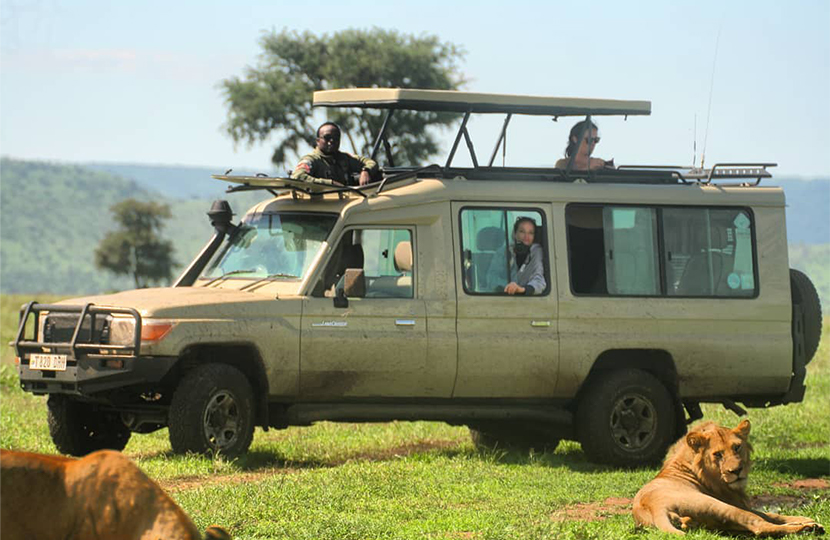
Your Expert Guide to the Ultimate 8-Day Northern Tanzania Expedition in 2026-2027
Planning an adventure in Tanzania is exciting, and an 8-day expedition through its northern circuit offers an incredible introduction to East Africa’s wildlife and landscapes. This region is world-renowned for its high concentration of national parks, including the Serengeti, Ngorongoro Crater, Tarangire, and Lake Manyara. An 8-day trip allows for a focused yet comprehensive experience, hitting the highlights without feeling rushed. This guide is designed to provide you with all the practical details you need to plan the ultimate 8-day Northern Tanzania expedition for your 2026 or 2027 travels, from understanding the logistics to making informed booking decisions.
Quick Facts: 8-Day Northern Tanzania Expedition
| Duration | 8 Days / 7 Nights |
| Key Destinations | Serengeti National Park, Ngorongoro Conservation Area, Tarangire National Park, Lake Manyara National Park |
| Best Time to Visit | June to October (Dry Season), January to February (Calving Season) |
| Typical Activities | Game drives (morning, afternoon, full day), cultural visits (Maasai village), crater tour |
| Accommodation Styles | Safari lodges, tented camps (luxury to mid-range) |
| Pace | Moderate, allowing for in-depth exploration of key parks. |
| Starting/Ending Point | Arusha, Tanzania |
Table of Contents
- Overview: What to Expect on Your 8-Day Expedition
- Why Choose an 8-Day Northern Tanzania Expedition?
- Best Time to Plan Your 2026-2027 Expedition
- Sample 8-Day Northern Tanzania Expedition Itinerary
- Northern Tanzania Safari Circuit: Area Overview
- What to Expect on the Ground
- Typical Inclusions and Exclusions
- Essential Packing and Preparation for 2026-2027
- Common Mistakes to Avoid
- Who is an 8-Day Expedition Best For?
- Alternatives to an 8-Day Expedition
- Planning Your 2026-2027 Expedition: Key Considerations
- Booking Your Ultimate Expedition: Expert Tips
- Frequently Asked Questions
Overview: What to Expect on Your 8-Day Expedition
An 8-day Northern Tanzania expedition is a classic safari journey designed to immerse you in the heart of Africa’s most iconic wildlife destinations. Typically starting and ending in Arusha, the gateway city to Northern Tanzania’s parks, this itinerary focuses on visiting several key areas, each offering unique ecological features and wildlife viewing opportunities. You’ll spend your days in open-top 4×4 safari vehicles, guided by experienced local guides, searching for the Big Five (lion, leopard, elephant, rhino, and buffalo) and a vast array of other animals, birds, and stunning flora. Evenings are spent relaxing at comfortable safari lodges or tented camps, sharing stories of the day’s sightings under the vast African sky. This duration strikes a balance, allowing you to cover the Serengeti’s expansive plains, witness the dramatic Ngorongoro Crater, and explore the elephant-rich Tarangire, with a potential stop at Lake Manyara for its tree-climbing lions and diverse birdlife.
Why Choose an 8-Day Northern Tanzania Expedition?
An 8-day duration is often considered the sweet spot for a Northern Tanzania safari for several compelling reasons:
- Comprehensive Coverage: It allows for meaningful time in at least three, and often four, of the region’s top parks. This means more time for game drives, increasing your chances of seeing a wider variety of animals and witnessing different behaviors.
- Balanced Pace: While it’s a packed itinerary, 8 days avoids the feeling of being constantly on the move. You’ll have sufficient time to explore each park’s unique ecosystem without feeling rushed, and you won’t spend excessive amounts of time in transit between locations.
- Logistical Efficiency: This timeframe is practical for most travelers, fitting within typical vacation lengths. It’s long enough to feel like a substantial adventure but short enough to be manageable from a time and budget perspective.
- Maximizing Wildlife Viewing: More days in the parks directly translate to more hours on game drives. This is crucial for observing predators in action, finding elusive species, and experiencing the vastness of places like the Serengeti.
- Introducing Key Ecosystems: You’ll experience the acacia-dotted plains of the Serengeti, the unique caldera ecosystem of Ngorongoro, the baobab-studded landscapes of Tarangire, and the rift valley forests of Lake Manyara.
For travelers planning their trips for 2026 or 2027, an 8-day expedition offers a well-rounded introduction that satisfies most safari aspirations.
Best Time to Plan Your 2026-2027 Expedition
The best time to visit Northern Tanzania depends on what you hope to see and experience. The region has distinct wet and dry seasons, each offering different advantages for wildlife viewing.
Northern Tanzania Safari Seasonality
| Period | Weather | Wildlife Viewing | Crowds | Considerations |
|---|---|---|---|---|
| June – October (Dry Season) | Sunny, cooler temperatures, minimal rain. Roads are in good condition. | Excellent. Animals congregate around water sources, making them easier to spot. This is peak time for the Great Migration river crossings in the Western/Northern Serengeti. | Highest. Popular for a reason, book well in advance for 2026-2027. | Ideal for Great Migration viewing, especially river crossings. Best for photography due to clear skies. |
| November – December (Short Rains) | Intermittent, short-lived rain showers. Landscapes become greener. | Good. Animals are more dispersed as new grass sprouts. Good birding. | Moderate. Fewer tourists than the dry season. | Beautiful scenery, good value, less crowded. |
| January – February (Long Rains / Calving Season) | Rain showers, often in the afternoons. Landscapes are lush and green. | Excellent in the Southern Serengeti/Ndutu area for the wildebeest calving. Predators are often more active during this time. | Low. Very few tourists. | Spectacular wildebeest calving events, excellent predator action, fewer crowds, potentially lower prices. Roads can be muddy. |
| March – May (Long Rains) | Heavier, prolonged rainfall. Can impact road conditions significantly. | Fair. Animals are dispersed. Many lodges and camps close or reduce operations. | Lowest. Very few tourists. | Lowest prices, very few people. However, travel can be difficult due to muddy roads, and wildlife viewing is less predictable. Not ideal for a first-time 8-day expedition. |
For the ultimate 8-day Northern Tanzania expedition focusing on seeing the Great Migration, the dry season (June-October) is highly recommended. If you’re interested in the calving season and want to avoid crowds, January-February is a fantastic choice. When booking for 2026 or 2027, consider these periods carefully based on your priorities.
Sample 8-Day Northern Tanzania Expedition Itinerary
This is a popular and well-balanced itinerary that covers the main highlights. Your actual trip may vary slightly based on your operator and specific interests.
Day 1: Arrival in Arusha & Safari Briefing
- Arrive at Kilimanjaro International Airport (JRO).
- Meet your guide and transfer to your lodge in Arusha.
- Relax and receive a comprehensive safari briefing.
- Overnight: Arusha Lodge.
Day 2: Arusha to Tarangire National Park
- After breakfast, drive to Tarangire National Park, famous for its large elephant herds and baobab trees.
- Full day game drive exploring the park’s diverse landscapes.
- Overnight: Tented Camp or Lodge near Tarangire.
Day 3: Tarangire to Lake Manyara National Park & Karatu
- Morning game drive in Tarangire.
- Drive to Lake Manyara National Park. Enjoy a game drive, looking for tree-climbing lions, elephants, and diverse birdlife.
- Continue to Karatu, a town bordering the Ngorongoro Conservation Area.
- Overnight: Lodge in Karatu.
Day 4: Ngorongoro Crater Tour
- Descend into the Ngorongoro Crater, a UNESCO World Heritage Site, for a full day game drive. This caldera is a natural amphitheater teeming with wildlife, including the rare black rhino.
- Picnic lunch on the crater floor.
- Ascend in the late afternoon.
- Overnight: Lodge in Karatu or Ngorongoro rim.
Day 5: Karatu to Serengeti National Park (Central)
- Drive towards the Serengeti National Park, stopping at Olduvai Gorge (optional, fee applies) for a glimpse into early human history.
- Enter the Serengeti and begin your game drive en route to your central Serengeti camp/lodge.
- Overnight: Tented Camp or Lodge in Central Serengeti.
Day 6: Full Day Game Drive in Serengeti
- Spend the entire day exploring the vast plains of the Serengeti, searching for predators and observing the incredible wildlife.
- Optional: Hot air balloon safari at sunrise (additional cost).
- Overnight: Tented Camp or Lodge in Central Serengeti.
Day 7: Serengeti to Arusha
- Enjoy a final morning game drive in the Serengeti.
- Fly from a Serengeti airstrip back to Arusha (or drive, which takes much longer). Flying saves significant time and is recommended for an 8-day trip.
- Overnight: Arusha Lodge.
Day 8: Departure
- Depending on your flight schedule, you might have time for souvenir shopping in Arusha.
- Transfer to Kilimanjaro International Airport (JRO) for your departure.
Northern Tanzania Safari Circuit: Area Overview
The Northern Tanzania circuit forms a loop, making it efficient for multi-day safaris. Here’s a simplified overview of the key areas:
Typical Route Flow
- Arusha: Starting point, briefing, and departure hub.
- Tarangire National Park: South-east of Lake Manyara. Known for elephants and baobabs.
- Lake Manyara National Park: Rift Valley floor. Famous for tree-climbing lions and birdlife.
- Karatu/Ngorongoro Conservation Area: Highlands area, gateway to the crater.
- Ngorongoro Crater: A unique caldera ecosystem, high wildlife density.
- Serengeti National Park: Vast plains, iconic for the Great Migration and big cats. Often accessed via a central region for an 8-day trip.
- Arusha: Return point, often via flight from Serengeti airstrip.
This route prioritizes wildlife density and iconic landscapes, ensuring you experience the best Northern Tanzania has to offer within the 8-day timeframe.
What to Expect on the Ground
Your 8-day Northern Tanzania expedition will be an immersive experience. Here’s a breakdown of what daily life on safari typically looks like:
- Early Mornings: Most safari days begin early to take advantage of cooler temperatures and peak animal activity. Sunrise game drives are common.
- Game Drives: You’ll spend several hours each day in a specially adapted 4×4 safari vehicle with a pop-up roof. Your guide will drive while you scan the horizon for wildlife. They are experts at spotting animals, even those well-camouflaged.
- Guided Expertise: Your guide is your window into the ecosystem. They will share knowledge about animal behavior, tracks, plants, and local culture. Don’t hesitate to ask questions.
- Meals: Breakfast and dinner are usually at your lodge or camp. Lunches are often picnic-style, enjoyed in scenic spots within the parks, especially on full-day drives.
- Accommodation: Expect comfortable lodges or permanent tented camps. Lodges offer hotel-like amenities, while tented camps provide a more intimate connection with nature, often with en-suite bathrooms and comfortable beds. Some camps offer a more luxurious experience, while others are more rustic.
- Travel Time: While the distances might not look huge on a map, travel between parks can take several hours due to road conditions and park entry procedures. An 8-day trip balances this with game drive time.
- Connectivity: Wi-Fi can be spotty or unavailable in remote park locations. Embrace the opportunity to disconnect and be present.
- Safety: Safari vehicles are designed for safety, and guides are trained to manage wildlife encounters. Always follow your guide’s instructions.
Typical Inclusions and Exclusions
Understanding what your safari package covers is crucial for budgeting and avoiding surprises. Most reputable tour operators will outline this clearly. For an 8-day Northern Tanzania expedition, you can generally expect:
Common Inclusions
| Accommodation: 7 nights in lodges or tented camps as per itinerary. |
| Meals: Full board (breakfast, lunch, dinner) during the safari portion. Often includes bottled water in the vehicle. |
| Park Fees: Entrance fees to all national parks and conservation areas mentioned. |
| Vehicle & Guide: Private 4×4 safari vehicle with a professional English-speaking driver-guide. |
| Activities: Game drives as specified in the itinerary. |
| Airport Transfers: Transfers to/from Kilimanjaro International Airport (JRO) and your Arusha hotel. |
| Crater Service Fee: For Ngorongoro Crater entry. |
Common Exclusions
| International Flights: Flights to and from Tanzania. |
| Visa Fees: Cost of Tanzanian visa. |
| Travel Insurance: Comprehensive travel and medical insurance. |
| Gratuities: Tips for your guide and camp staff. |
| Drinks: Alcoholic beverages, soft drinks, and sometimes bottled water beyond what’s provided. |
| Optional Activities: Hot air balloon safaris, cultural visits (if not explicitly included), Olduvai Gorge entrance fees. |
| Personal Expenses: Souvenirs, laundry, tips for hotel staff. |
| Internal Flights: If the itinerary specifies driving between parks instead of flying from Serengeti to Arusha. |
Essential Packing and Preparation for 2026-2027
Packing smart for a safari is key to comfort and enjoyment. The climate in Northern Tanzania can vary, and you’ll be moving between different environments. For your 2026-2027 expedition, consider the following:
Clothing
- Neutral-Colored Clothing: Khaki, beige, olive green, brown. Avoid bright colors and black/dark blue, which can attract tsetse flies and may disturb wildlife.
- Lightweight Long-Sleeved Shirts & Trousers: For sun protection and insect protection, especially in the evenings.
- T-shirts & Shorts: For warmer days.
- Fleece Jacket or Warm Sweater: Evenings and early mornings can be cool, especially at higher altitudes like Ngorongoro.
- Waterproof & Windproof Jacket: Essential for cooler months or unexpected rain showers.
- Comfortable Walking Shoes/Hiking Boots: Though most walking is minimal, good footwear is essential for getting in and out of vehicles.
- Sandals or Flip-flops: For relaxing at the lodge/camp.
- Swimsuit: Some lodges have pools.
- Hat: Wide-brimmed for sun protection.
- Scarf or Bandana: For dust protection during game drives.
Gear & Accessories
- Sunscreen: High SPF.
- Insect Repellent: With DEET.
- Sunglasses.
- Camera & Extra Batteries/Memory Cards: You’ll take lots of photos! A zoom lens is highly recommended.
- Binoculars: Essential for spotting distant wildlife.
- Power Bank/Portable Charger: For keeping devices charged on the go.
- Adapter: Tanzania uses Type G sockets (UK style).
- Small Backpack/Daypack: For carrying essentials during game drives.
- Reusable Water Bottle: Stay hydrated.
- Personal First-Aid Kit: With any personal medications, pain relievers, antiseptic wipes, bandages, etc.
- Hand Sanitizer.
- Wet Wipes: Useful for freshening up.
- Book or E-reader: For downtime.
- Headlamp or Small Flashlight: Useful for navigating camps at night.
Important Documents & Money
- Passport: With at least 6 months’ validity and blank pages.
- Visa: Obtain in advance or on arrival (check current requirements).
- Yellow Fever Certificate: May be required depending on your travel route.
- Flight Tickets & Itinerary.
- Travel Insurance Details.
- Credit/Debit Cards: Inform your bank of your travel dates.
- US Dollars: Widely accepted for park fees, tips, and in tourist areas. Bring smaller denominations.
- Local Currency (Tanzanian Shilling): For small purchases in towns.
Preparation Tips:
- Consult Your Doctor: Discuss vaccinations and malaria prophylaxis well in advance of your 2026-2027 trip.
- Pack Light: Most safari lodges and camps have laundry services (often for a fee). Baggage restrictions apply on internal flights (typically 15-20kg soft bags).
- Break in Footwear: Ensure your walking shoes are comfortable before you leave.
Common Mistakes to Avoid
To ensure your ultimate 8-day Northern Tanzania expedition is as smooth and enjoyable as possible, be aware of these common pitfalls:
- Booking Too Late: Especially for peak seasons in 2026-2027, popular lodges and camps book up 6-12 months in advance.
- Overpacking: Remember baggage restrictions on internal flights and the need to manage luggage in safari vehicles.
- Bringing Brightly Colored Clothing: As mentioned, neutral colors are best.
- Not Packing Layers: The temperature can change significantly from day to night and between different altitudes.
- Underestimating Travel Times: Distances in Tanzania can be deceiving; roads can be rough, and travel takes time.
- Not Budgeting for Extras: Factor in tips, drinks, optional activities, and souvenirs.
- Ignoring Local Advice: Trust your guide; they are experienced professionals.
- Not Getting Travel Insurance: Essential for any unexpected medical issues, flight cancellations, or lost luggage.
- Forgetting Binoculars or Camera Accessories: These are crucial for maximizing your wildlife viewing experience.
- Not Staying Hydrated: The African sun can be intense. Drink plenty of water.
- Expecting Constant Wi-Fi: Embrace the digital detox; connectivity is often limited.
Who is an 8-Day Expedition Best For?
An 8-day Northern Tanzania expedition is an excellent choice for a wide range of travelers:
- First-Time Safari Goers: It provides a fantastic introduction to the classic African safari experience, hitting all the must-see destinations.
- Couples & Honeymooners: The combination of wildlife, stunning scenery, and romantic lodge/camp settings makes for an unforgettable trip. Many operators offer special packages.
- Families with Older Children: Children aged 8 and above can often participate and enjoy the adventure, though check with your operator about age restrictions for certain activities or lodges.
- Photography Enthusiasts: The diverse landscapes and abundant wildlife offer endless photographic opportunities.
- Wildlife Lovers: With dedicated time in multiple parks, you maximize your chances of encountering the Big Five and experiencing the Great Migration.
- Travelers with Limited Time: If you have about 10-12 days total for travel (including international flights), an 8-day safari fits perfectly.
- Those Seeking a Balance: It offers a good mix of adventure, relaxation, and cultural immersion without being too physically demanding or logistically complex.
Alternatives to an 8-Day Expedition
While 8 days is popular, other durations and styles of Northern Tanzania expeditions cater to different needs:
- Shorter Safaris (5-7 Days): Focus on 2-3 key parks (e.g., Tarangire, Lake Manyara, and Ngorongoro, or just Serengeti & Ngorongoro). This is a good option if you have less time or a tighter budget.
- Longer Safaris (10-14+ Days): Allows for deeper exploration of the Serengeti (different regions like Western or Northern), more time in Tarangire, inclusion of less-visited parks like Mkomazi or Arusha National Park, or even combining with a Kilimanjaro climb or Zanzibar extension.
- Custom Itineraries: Tailored to specific interests, such as birdwatching, photography, or tracking specific animals. This could involve more time in certain areas or visiting less common locations.
- Luxury Safaris: Focus on high-end lodges, exclusive concessions, and personalized service. This often involves higher costs but offers a more refined experience.
- Budget Safaris: Utilizing more basic accommodation (e.g., public campsites or more modest lodges) and potentially group tours to reduce costs.
- Walking Safaris: Available in some areas (like parts of the Serengeti or Maasai Mara conservancies bordering Tanzania), offering a different perspective.
For those considering 2026 or 2027, an 8-day expedition remains a strong recommendation for a first-time, comprehensive experience.
Planning Your 2026-2027 Expedition: Key Considerations
Planning ahead is essential, especially for popular destinations like Northern Tanzania. Here’s how to approach your 2026-2027 trip:
2026-2027 Planning Timeline
| When to Plan | Action Items |
|---|---|
| 12+ Months Out | Research tour operators, decide on trip duration (e.g., 8 days), identify preferred travel dates/season, and start saving. |
| 9-12 Months Out | Contact your top 2-3 tour operators for quotes. Book your preferred safari package, especially if traveling during peak season (June-Oct) or for specific events like the Great Migration river crossings. Book international flights. |
| 6-9 Months Out | Confirm all bookings. If planning a Kilimanjaro climb, book that now too. Consider optional activities like hot air balloon safaris and book them. |
| 3-6 Months Out | Apply for your Tanzanian visa (if required and available electronically). Consult your doctor about vaccinations and malaria prevention. Start purchasing safari gear. |
| 1-3 Months Out | Finalize packing list. Confirm flight details and accommodation. Exchange some currency. Inform your bank of travel dates. |
| 2-4 Weeks Out | Pack your bags. Confirm all tour operator details and emergency contact information. Double-check passport validity. |
| Final Week | Confirm airport transfers. Prepare for departure. Share your itinerary with family/friends. |
For 2026 and 2027, booking popular lodges and specific migration viewing spots early is crucial. The earlier you plan, the more options you’ll have regarding accommodation and potentially better pricing.
Booking Your Ultimate Expedition: Expert Tips
Choosing the right tour operator and booking your safari can feel daunting. Here are some expert tips to guide you:
- Research Operators Thoroughly: Look for established companies with good reviews, clear communication, and a strong understanding of Northern Tanzania. Check their websites, social media, and independent review sites.
- Prioritize Local Operators: Companies based in Tanzania often have deeper local knowledge, better relationships with guides and lodges, and can offer competitive pricing. They also directly support the local economy.
- Request Detailed Itineraries: Ensure the proposed itinerary matches your interests and pace. Does it include enough game drive time? Are travel times realistic?
- Ask About Vehicle Type: A 4×4 safari vehicle with a pop-up roof is standard. Ensure it’s well-maintained and comfortable for the number of passengers.
- Clarify Guide Experience: Inquire about the qualifications and experience of your driver-guide.
- Understand Inclusions/Exclusions: Get a clear breakdown of what’s covered to avoid hidden costs.
- Read Reviews Carefully: Look for consistent themes regarding service, guides, accommodation, and overall experience.
- Communicate Your Expectations: Be clear about your budget, interests (e.g., photography, specific animals), and any special requirements.
- Ask About Sustainability: Reputable operators often have policies on responsible tourism, supporting local communities, and conservation efforts.
- Payment Terms: Understand the deposit and final payment schedule. Ensure they use secure payment methods.
- Contract Review: Read the booking contract carefully before signing.
When you’re ready to book your ultimate 8-day Northern Tanzania expedition, reaching out to experienced local operators is your best bet. They can craft personalized itineraries and provide invaluable insights for your 2026 or 2027 adventure.
Frequently Asked Questions
FAQs About Your 8-Day Northern Tanzania Expedition
Q1: How much does an 8-day Northern Tanzania expedition typically cost in 2026-2027?
A: Costs vary significantly based on accommodation style (budget, mid-range, luxury), vehicle type, time of year, and operator. Generally, expect mid-range packages to start from around $2,500 – $3,500 per person, while luxury options can range from $5,000 to $10,000+ per person for an 8-day trip. It’s best to get personalized quotes.
Q2: Is Northern Tanzania safe for tourists in 2026-2027?
A: Yes, Northern Tanzania is considered very safe for tourists. The safari industry is well-established and prioritizes visitor safety. Always follow your guide’s instructions and be aware of your surroundings, especially in towns.
Q3: What is the best way to see the Great Migration on an 8-day trip?
A: For river crossings, aim for June-October and focus on the Grumeti River (Western Serengeti) or Mara River (Northern Serengeti). For the calving season, January-February in the Southern Serengeti/Ndutu area is ideal. An 8-day trip can focus on one of these phenomena.
Q4: Do I need a visa for Tanzania?
A: Most nationalities require a visa. You can usually apply online in advance or obtain one on arrival at Kilimanjaro International Airport (JRO). Check the latest requirements for your nationality well before your 2026-2027 trip.
Q5: What vaccinations are recommended for Tanzania?
A: Consult your doctor or a travel clinic 4-6 weeks before your trip. Common recommendations include Hepatitis A, Typhoid, and potentially others. Malaria prophylaxis is also usually advised for this region.
Q6: What is the difference between a lodge and a tented camp?
A: Lodges are permanent structures, often with more amenities like swimming pools and restaurants. Tented camps use canvas tents, which can range from very basic to extremely luxurious (glamping), offering a closer connection to nature. Both typically have en-suite bathrooms and comfortable beds.
Q7: Can I combine an 8-day safari with other activities?
A: Yes, an 8-day safari is often combined with a 3-5 day trip to Zanzibar for beach relaxation, or a Mount Kilimanjaro trek (which requires a minimum of 5-7 days itself, making it a longer overall trip).
Q8: What are the typical luggage restrictions for internal flights within Tanzania?
A: Internal flights, often used to save time from Serengeti to Arusha, typically have a strict weight limit of 15-20 kg (33-44 lbs) per person, and this must be in a soft-sided duffel bag, not a hard suitcase.
Q9: How much should I tip my safari guide and camp staff?
A: Tipping is customary. A common guideline is $20-$30 per day for your driver-guide and $10-$15 per day for camp/lodge staff (often pooled). Your tour operator can provide specific recommendations for 2026-2027.
Q10: Is an 8-day Northern Tanzania expedition enough time?
A: An 8-day expedition is considered a very good amount of time to cover the main highlights of Northern Tanzania, offering a balanced experience without feeling overly rushed. It allows for in-depth exploration of at least three major parks.
Ready to Plan Your Ultimate 8-Day Northern Tanzania Expedition?
An 8-day Northern Tanzania expedition is a remarkable journey that promises incredible wildlife encounters, breathtaking landscapes, and memories to last a lifetime. Whether you’re planning for 2026, 2027, or beyond, careful preparation and choosing the right partners are key to success.
We specialize in creating unforgettable safari experiences tailored to your interests and budget. Our expert guides and custom itineraries ensure you get the most out of your adventure.
Contact us today to start planning your dream safari:
- WhatsApp: +255616946642
- Email: topguideadventures@gmail.com
- Backup Email: info@topguideadventures.com
Let us help you craft the ultimate 8-day Northern Tanzania expedition!
Plan your ultimate 8-day northern tanzania expedition with Top Guide Adventures
Tell us your travel dates, group size, comfort level, and dream experience. We will help you shape a clear, realistic, and memorable Tanzania itinerary.







 Veedesigner
 Fatma Kizanga
 Benjamin Waryuba
 Philip Philip
 John jr Itaja
 Antonia Optatus
 Edith Kanyere
 Neema Iddy
 Kelvin Boniphace
 Damari Maiga



