
Updated planning guide for 2026, 2027
Complete Guide to The Complete Tanzania Safari from China Guide for 2026-2027 2026-2027
Planning a Tanzania safari from China in 2026 or 2027? This comprehensive guide provides essential information for Chinese travelers, covering visa requirements, flight options, popular itineraries, budgeting, packing, safety, and how to book your dream African adventure.
WhatsApp +255616946642 | topguideadventures@gmail.com | info@topguideadventures.com
Your Essential Guide to Tanzania Safari from China (2026-2027)
For many travelers from China, the idea of a Tanzanian safari represents a truly unique and adventurous escape. The vast plains, incredible wildlife, and rich cultural experiences offer a stark contrast to the familiar landscapes and cityscapes of home. This guide is designed to be your most practical resource, detailing everything you need to know for a successful Tanzania safari from China, specifically focusing on planning for 2026 and 2027.
We understand that planning an international trip, especially one as complex as an African safari, can seem daunting. Navigating flight routes from China, understanding visa requirements, choosing the right parks, and budgeting effectively are key concerns. This article aims to demystify the process, providing actionable advice and detailed insights tailored to travelers originating from China.
Quick Answer: Tanzania Safari from China in 2026-2027
A Tanzania safari from China is highly achievable and offers an unforgettable experience. Key considerations include direct flight availability (often requiring a layover), visa application processes for Chinese citizens, optimal travel seasons (like the June-October dry season for the Great Migration), popular park combinations (Serengeti, Ngorongoro Crater, Tarangire), and budgeting for accommodation, park fees, and internal transport. Booking with a reputable local operator like Top Guide Adventures, experienced in handling international clients, is recommended for a smooth journey in 2026 or 2027.
| Aspect | Details for China Travelers |
|---|---|
| Visa Requirements | E-visa or visa on arrival for Chinese passport holders. Apply in advance for convenience. |
| International Flights | No direct flights from major Chinese cities to Kilimanjaro (JRO) or Zanzibar (ZNZ). Expect at least one layover (e.g., Doha, Dubai, Istanbul, Addis Ababa). Flight times are long (20+ hours). |
| Best Time to Visit | June to October (dry season, Great Migration); January-February (calving season in Southern Serengeti); March-May (green season, fewer crowds, lower prices, but rain possible). Consider 2026-2027 specific weather patterns. |
| Popular Parks | Serengeti National Park, Ngorongoro Conservation Area, Tarangire National Park, Lake Manyara National Park. For longer trips: Ruaha, Selous (Nyerere National Park). |
| Safari Styles | Budget camping, mid-range lodges, luxury tented camps, private guided tours. |
| Language | Swahili and English are official languages. Guides are fluent in English. Mandarin support may be available through specialized tour operators. |
| Currency | Tanzanian Shilling (TZS). US Dollars widely accepted for tourist services. |
| Health & Safety | Consult a doctor for malaria prophylaxis and vaccinations. Yellow fever certificate may be required. Follow guide’s safety instructions. |
Table of Contents
- Planning Your Tanzania Safari from China
- Flights and Travel Time from China
- Visa and Entry Requirements for Chinese Citizens
- Best Time to Go: Tanzania Safari Seasons (2026-2027)
- Choosing Your Safari Route: Popular Itineraries
- Key Tanzania National Parks and Reserves
- Understanding Safari Costs (Budgeting for 2026-2027)
- Accommodation Options: From Camping to Luxury
- What to Pack for Your Tanzanian Safari
- Health and Safety Advice for Chinese Travelers
- Common Mistakes to Avoid on Your Tanzania Safari
- Who is a Tanzania Safari Best Suited For?
- Alternatives to a Tanzania Safari
- Booking Your Tanzania Safari in 2026-2027
- Frequently Asked Questions (FAQs)
- Ready to Plan Your Dream Safari?
Planning Your Tanzania Safari from China
The journey from China to Tanzania is significant, both in distance and in the planning required. Unlike trips to neighboring Asian countries, an African safari demands a more structured approach. For Chinese travelers, specific considerations come into play, from flight connections to communication during your trip.
Key Planning Stages:
- Define Your Interests: Are you primarily interested in seeing the Great Migration, exploring the Ngorongoro Crater’s dense wildlife, climbing Mount Kilimanjaro, relaxing on Zanzibar’s beaches, or a combination? Your interests will shape your itinerary.
- Set Your Budget: Safaris can range from budget-friendly camping trips to ultra-luxury experiences. Understanding potential costs early on is crucial.
- Choose Your Travel Dates: Consider the best time to visit based on wildlife movements and weather. The dry season (June-October) is popular but busier and more expensive. The green season (March-May) offers lower prices but potential rain.
- Select Your Safari Style: Will you opt for group tours, private tours, lodge-based safaris, or camping safaris?
- Research Tour Operators: This is a critical step. Look for operators with experience handling international clients, good reviews, and clear communication channels. For travelers from China, finding an operator that can provide support or information in Mandarin, or at least has excellent English communication, is beneficial.
- Understand Visa and Health Requirements: Ensure you have the necessary documentation and vaccinations well in advance.
- Book Flights and Accommodation: This should be done several months ahead, especially for peak seasons in 2026 or 2027.
Top Guide Adventures specializes in creating customized Tanzania safari experiences for international travelers, including those from China. We understand the unique needs and questions that arise when planning a trip from East Asia.
Flights and Travel Time from China
Direct flights from China to Tanzania do not currently exist. This means your journey will involve at least one layover, significantly extending your travel time. Understanding these logistics is vital for managing expectations and planning your arrival and departure days effectively.
Major Departure Hubs in China:
- Beijing (PEK)
- Shanghai (PVG)
- Guangzhou (CAN)
- Hong Kong (HKG)
Common Layover Cities and Airlines:
- Doha, Qatar (DOH): Qatar Airways is a popular choice, often offering good service and connectivity.
- Dubai, UAE (DXB): Emirates provides another common route with a layover in Dubai.
- Istanbul, Turkey (IST): Turkish Airlines connects through Istanbul.
- Addis Ababa, Ethiopia (ADD): Ethiopian Airlines is a major African carrier with extensive connections.
- Amsterdam (AMS) or Paris (CDG): Less common for direct China-Tanzania routes but possible with multiple legs.
Typical Travel Time:
Expect your total travel time, including layovers, to be anywhere from 20 to 35 hours or more, depending on the specific route and layover duration. This means you will likely lose at least two full days to travel – one going to Tanzania and one returning to China.
Airport in Tanzania:
Most international flights arrive at Kilimanjaro International Airport (JRO), located between Arusha and Moshi. Arusha is the primary hub for safari operations. Some travelers might fly into Zanzibar (ZNZ) if their trip focuses heavily on the island, but JRO is more common for mainland safaris.
Booking Flights:
It’s advisable to book international flights at least 6-9 months in advance, especially if you are planning for peak seasons in 2026 or 2027. This gives you better options for routes, prices, and flight times. Consider using flight comparison websites but also check directly with airlines.
Visa and Entry Requirements for Chinese Citizens
Securing the correct visa is a fundamental step for any international travel. For Chinese passport holders planning a Tanzania safari, understanding the visa process is essential. Tanzania offers a few options, and applying in advance is generally recommended to avoid any last-minute issues.
Tanzania Visa Options for Chinese Citizens:
- E-Visa: This is the most convenient option for many travelers. You can apply online through the official Tanzanian immigration website. The process typically involves filling out an application form, uploading necessary documents (passport photo, passport scan), and paying the fee online. Processing times can vary, so apply at least 2-4 weeks before your intended travel date.
- Visa on Arrival: It is possible to obtain a visa upon arrival at Kilimanjaro International Airport (JRO) or other major entry points. However, this can sometimes involve longer queues and potential uncertainties. It’s generally safer to secure your visa beforehand.
- Embassy Application: You can also apply for a visa through the Tanzanian Embassy or Consulate in China before your departure. This is a more traditional method but might be more time-consuming.
Required Documents for Visa Application:
- Valid passport with at least six months of validity remaining beyond your intended stay.
- Passport-sized photographs.
- Completed visa application form (online or physical).
- Proof of onward travel (flight itinerary).
- Proof of accommodation (sometimes requested).
- Visa fee (payment methods vary by application type).
Important Notes:
- Always check the latest visa regulations on the official Tanzanian immigration website or consult the Tanzanian Embassy in China, as requirements can change.
- Ensure your passport has sufficient blank pages for entry and exit stamps.
- Keep a copy of your visa and passport separate from the originals.
Top Guide Adventures can assist with guidance on the visa application process, providing necessary documentation like tour confirmations to support your application.
Best Time to Go: Tanzania Safari Seasons (2026-2027)
Choosing the right time to visit Tanzania for your safari is crucial for maximizing wildlife viewing opportunities and enjoying comfortable weather. The country has distinct seasons, each offering unique advantages.
| Season | Months | Weather | Wildlife Highlights | Crowds & Prices | Considerations for 2026-2027 |
|---|---|---|---|---|---|
| Dry Season (Peak) | June – October | Sunny, clear skies, cooler temperatures, very little rain. Average highs 25-28°C. | Great Migration river crossings (July-September in Northern Serengeti). Abundant wildlife concentrated around water sources. Excellent for game viewing. | Highest crowds, highest prices. Book well in advance (9-12 months). | Ideal for first-time visitors. Plan early for 2026/2027 peak. |
| Short Rains / Green Season | November – December | Short, scattered showers, often in the afternoon. Warmer temperatures. | Migration moves south towards Serengeti. Birdlife is excellent. Landscapes are greener. Calving season begins late Dec. | Moderate crowds, moderate prices. | Good for budget-conscious travelers. |
| Long Rains / Green Season | March – May | Longer, heavier rains, especially April-May. Humid, hot. Roads can be challenging. | Calving season in Southern Serengeti (Jan-Feb). Lush landscapes. Fewer tourists. Excellent photography opportunities with dramatic skies. | Lowest crowds, lowest prices. | Best for photographers and budget travelers. Be prepared for rain. |
| Transitional (End of Rains/Start of Dry) | January – February | Generally dry but can have occasional showers. Hot. | Calving season in Southern Serengeti. Migration herds gather in the south. | Moderate crowds, moderate prices. | Good balance of wildlife and weather. |
Planning for 2026-2027:
When planning for 2026 or 2027, consider the Great Migration as a primary draw. If witnessing the river crossings is a priority, aim for July to September and focus your itinerary on the northern Serengeti. If you prefer fewer crowds and lower costs, the shoulder seasons (Nov-Dec or Jan-Feb) can be excellent. Always check weather forecasts closer to your travel dates, as climate patterns can vary.
Choosing Your Safari Route: Popular Itineraries
A classic Northern Circuit safari in Tanzania is the most popular choice for first-time visitors and offers a fantastic introduction to the country’s diverse wildlife and landscapes. This route is well-established and provides excellent infrastructure.
The Northern Circuit: A Sample Itinerary Logic
Most Northern Circuit safaris are designed to flow logically, minimizing travel time between parks and maximizing wildlife viewing opportunities. A typical 7-10 day itinerary might look like this:
- Day 1: Arrival in Arusha. Arrive at Kilimanjaro International Airport (JRO), meet your guide, and transfer to your hotel in Arusha. Briefing about your safari.
- Day 2: Arusha to Tarangire National Park. Drive to Tarangire, known for its large elephant herds and baobab trees. Afternoon game drive.
- Day 3: Tarangire to Lake Manyara National Park. Morning game drive in Tarangire, then drive to Lake Manyara. Famous for its tree-climbing lions and diverse birdlife. Afternoon game drive.
- Day 4: Lake Manyara to Ngorongoro Conservation Area. Explore Lake Manyara in the morning, then drive to the Ngorongoro Conservation Area. Stay at a lodge on the crater rim or nearby.
- Day 5: Ngorongoro Crater Tour. Descend into the Ngorongoro Crater, a UNESCO World Heritage Site teeming with wildlife, including the Big Five. Full day game drive.
- Day 6: Ngorongoro to Serengeti National Park. Drive to the vast plains of the Serengeti, perhaps stopping at Olduvai Gorge. Begin your game drive en route to your lodge/camp.
- Day 7-9: Serengeti National Park. Spend multiple days exploring different regions of the Serengeti, tracking the Great Migration (depending on the season) and seeking out predators. Options for hot air balloon safaris.
- Day 10: Serengeti to Arusha/Zanzibar. Morning game drive in the Serengeti, then fly from a Serengeti airstrip back to Arusha for your onward journey, or fly to Zanzibar for a beach extension.
Variations and Extensions:
- Add Zanzibar: Extend your trip with 3-5 days of relaxation on the beautiful beaches of Zanzibar.
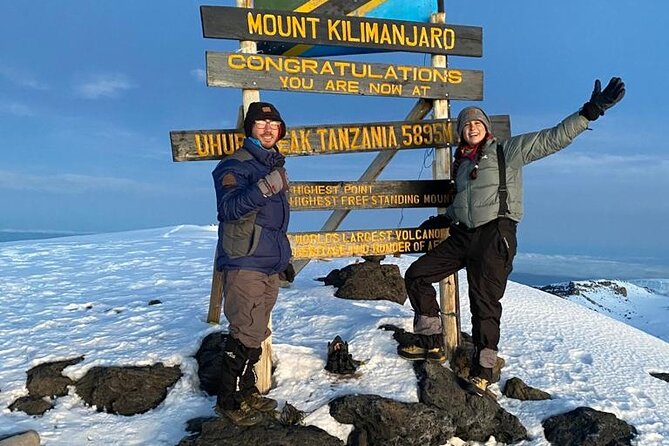
- Mount Kilimanjaro Climb: For the adventurous, combine a safari with a trek up Mount Kilimanjaro (typically 6-9 days).
- Southern Circuit: For longer trips or repeat visitors, consider adding Ruaha National Park or Nyerere National Park (formerly Selous Game Reserve) for a different safari experience.
Route Map Overview (Text-based):
Arusha (Start/End) -> Tarangire NP -> Lake Manyara NP -> Ngorongoro Crater -> Serengeti NP -> Arusha/Zanzibar (End)
This route is designed for efficiency and maximizes exposure to Tanzania’s iconic wildlife destinations. For 2026-2027 bookings, discuss migration timing with your operator to align your Serengeti days with the herds’ location.
Key Tanzania National Parks and Reserves
Tanzania boasts an incredible array of protected areas, each offering a unique safari experience. For travelers from China, focusing on the Northern Circuit provides a concentrated dose of Africa’s best.
| Park/Reserve | Location | Key Features | Best For |
|---|---|---|---|
| Serengeti National Park | Northern Tanzania | Vast plains, Great Migration, Big Five (lion, leopard, elephant, rhino, buffalo), cheetah, diverse birdlife. | Witnessing the Great Migration, classic savanna safari, predator sightings. |
| Ngorongoro Conservation Area (incl. Crater) | Northern Tanzania | Unique caldera ecosystem, high density of wildlife, Big Five (incl. black rhino), Maasai culture. | Guaranteed Big Five sightings, stunning scenery, unique ecosystem. |
| Tarangire National Park | Northern Tanzania | Large elephant herds, baobab trees, diverse birdlife, tree-climbing pythons (rare). | Elephant viewing, unique tree landscapes, birdwatching. |
| Lake Manyara National Park | Northern Tanzania | Tree-climbing lions, large troops of baboons, diverse birdlife, alkaline lake, groundwater forests. | Tree-climbing lions, birdwatching, diverse habitats in a small park. |
| Mount Kilimanjaro National Park | Northern Tanzania | Africa’s highest peak, diverse ecosystems from rainforest to arctic summit. | Trekking and mountaineering. Not a traditional safari park. |
| Ruaha National Park | Southern Tanzania | Largest national park, wild dog, large elephant and buffalo herds, remote wilderness. | Off-the-beaten-path experience, large predator populations. (Requires more time/logistics) |
| Nyerere National Park (formerly Selous) | Southern Tanzania | Vast wilderness, boat safaris on the Rufiji River, wild dogs, elephants, diverse birdlife. | Boat safaris, walking safaris, vast undeveloped wilderness. (Requires more time/logistics) |
For a first-time Tanzania safari from China in 2026 or 2027, the Northern Circuit (Serengeti, Ngorongoro, Tarangire, Lake Manyara) is highly recommended due to its accessibility, concentration of wildlife, and established tourism infrastructure.
Understanding Safari Costs (Budgeting for 2026-2027)
Safari costs can vary significantly based on the duration of your trip, accommodation choices, safari style, and the time of year. As a traveler from China, you’ll need to factor in international flights as a substantial initial expense. Here’s a breakdown of what contributes to the cost of a Tanzanian safari.
Major Cost Components:
- International Flights: This will be one of the largest single expenses, given the distance from China to Tanzania. Prices fluctuate based on booking time, airline, and season.
- Park Entrance Fees: These are set by the Tanzanian government and are significant. They are charged per person, per day, and vary by park. For example, Serengeti and Ngorongoro fees are typically higher than Tarangire or Lake Manyara.
- Accommodation: This is a major variable. Options range from budget campsites (often around $30-$60 per person per night for park fees + camping fees + basic meals) to mid-range lodges ($150-$300+ per person per night) and luxury tented camps or lodges ($400-$1000+ per person per night). Prices usually include meals.
- Vehicle and Guide: Hiring a 4×4 safari vehicle with a professional driver-guide is essential. Costs are typically per vehicle per day ($200-$400+ depending on vehicle type and inclusions) and cover the guide’s salary, fuel, and vehicle maintenance. This cost is shared among travelers in a private safari.
- Meals: While often included in accommodation costs, some meals might be extra, especially in Arusha or if you opt for self-catering on budget trips.
- Activities: Optional activities like hot air balloon safaris ($500-$600+ per person), guided walks, or cultural visits incur additional charges.
- Internal Flights: If you opt for internal flights (e.g., from Serengeti airstrip to Arusha or Zanzibar), these add to the cost.
- Tips: Tipping guides and lodge staff is customary.
- Miscellaneous: Drinks, souvenirs, travel insurance, visa fees, vaccinations.
Budgeting for 2026-2027: General Estimates (Excluding International Flights)
These are approximate daily costs per person and can vary widely:
- Budget Safari (Camping): $150 – $250 per person per day. This includes park fees, basic camping accommodation, meals, and shared vehicle/guide costs.
- Mid-Range Safari (Lodges/Tented Camps): $300 – $500 per person per day. This covers comfortable lodges/camps, park fees, meals, and a private or small group vehicle/guide.
- Luxury Safari (High-End Lodges/Camps): $500 – $1000+ per person per day. This includes premium accommodation, exclusive experiences, private vehicle/guide, and top-tier services.
Tips for Budgeting:
- Book in Advance: Especially for 2026-2027 peak seasons, booking early can sometimes secure better rates.
- Travel in Shoulder Season: Opting for months like November, December, January, or February can offer significant savings.
- Consider Group Tours: Sharing costs in a small group safari is more economical than a private tour.
- Choose Accommodation Wisely: Balancing comfort with cost is key.
- Factor in All Expenses: Don’t forget park fees, tips, and optional activities.
Top Guide Adventures can provide detailed, personalized quotes based on your specific itinerary and preferences for 2026-2027, helping you budget accurately.
Accommodation Options: From Camping to Luxury
Your choice of accommodation significantly impacts your safari experience and budget. Tanzania offers a wide spectrum, catering to different traveler preferences and financial plans.
| Tier | Description | Typical Price Range (per person, per night, excl. flights) | Experience |
|---|---|---|---|
| Budget Camping | Public campsites within or near national parks. Basic facilities (shared toilets/showers). Tents are usually provided. | $50 – $120 | Immersive, close to nature, adventurous. Shared facilities. |
| Mid-Range Lodges & Tented Camps | Comfortable lodges and permanent tented camps with en-suite bathrooms, private facilities, restaurant, bar. Often have pools. | $150 – $350 | Comfortable, good amenities, excellent service, often with stunning views. |
| Luxury Lodges & Tented Camps | High-end properties with spacious rooms, fine dining, exceptional service, private verandas, often exclusive locations, sometimes private plunge pools. | $400 – $1000+ | Exclusive, opulent, highly personalized service, often in prime wildlife areas. |
Key Considerations:
- Location: Campsites are often within parks, offering proximity. Lodges can be on the crater rim (Ngorongoro), within parks, or just outside.
- Inclusions: Most safari accommodation packages include all meals. Check if drinks are extra.
- Atmosphere: Camping is raw and adventurous. Mid-range offers comfort. Luxury provides indulgence.
- 2026-2027 Booking: Popular mid-range and luxury properties, especially those with prime locations (e.g., Ngorongoro crater rim, Serengeti migration hotspots), book up months in advance for 2026 and 2027.
Top Guide Adventures works with a carefully selected network of lodges and camps across all tiers to suit your preferences and budget.
What to Pack for Your Tanzanian Safari
Packing smart is essential for comfort and practicality on a Tanzanian safari. The climate can vary, and you’ll be moving between different environments. Layering is key. For travelers from China, remember to check airline baggage restrictions.
Safari Packing Essentials
- Clothing:
- Lightweight, neutral-colored clothing (khaki, beige, green, brown). Avoid bright colors or dark blue/black which can attract insects or scare wildlife.
- Long-sleeved shirts and long trousers (for sun protection and evenings).
- T-shirts and shorts/skirts.
- A warm fleece or jacket for cooler mornings and evenings, especially in the Ngorongoro Crater or during the dry season.
- A light waterproof jacket or poncho (especially during the rainy seasons).
- Swimsuit (for lodges with pools).
- Footwear:
- Comfortable walking shoes or hiking boots (broken in).
- Sandals or flip-flops for relaxing at the lodge/camp.
- Headwear & Eyewear:
- Wide-brimmed hat or cap for sun protection.
- Sunglasses.
- Health & Toiletries:
- Personal first-aid kit (band-aids, antiseptic wipes, pain relievers, motion sickness medication).
- Insect repellent (with DEET).
- Sunscreen (high SPF).
- Hand sanitizer.
- Personal toiletries (biodegradable options are preferred).
- Prescription medications.
- Accessories:
- Binoculars (essential for wildlife viewing).
- Camera with extra batteries and memory cards.
- Power bank and universal travel adapter (Tanzania uses Type G sockets, same as the UK).
- Headlamp or small flashlight.
- Reusable water bottle.
- Small backpack or daypack for carrying essentials during game drives.
- Ziploc bags for waterproofing electronics.
- Passport, visa, flight tickets, insurance details, and copies.
Important Notes:
- Luggage: Most safari vehicles have limited space. Soft-sided duffel bags are preferred over hard suitcases. Check with your tour operator for specific size recommendations.
- Laundry: Many lodges offer laundry services, which can help you pack lighter.
- Cultural Sensitivity: While on safari, casual clothing is fine. When visiting local villages or towns, dress more modestly (cover shoulders and knees).
Health and Safety Advice for Chinese Travelers
Your health and safety are paramount for an enjoyable safari. It’s crucial to prepare adequately before your trip.
Vaccinations and Malaria Prevention:
- Consult Your Doctor: Visit your doctor or a travel clinic 4-6 weeks before your trip to discuss necessary vaccinations and malaria prevention.
- Recommended Vaccinations: Hepatitis A, Typhoid, Tetanus, Polio are often recommended. Yellow Fever vaccination is mandatory for entry into Tanzania if you are arriving from or have transited through a country with a risk of Yellow Fever transmission. Carry your Yellow Fever certificate.
- Malaria: Tanzania is a malaria-risk area. Your doctor will likely prescribe antimalarial medication. Take the full course as directed.
- Mosquito Protection: Use insect repellent containing DEET, wear long sleeves and trousers during dawn and dusk, and sleep under a mosquito net if provided or necessary.
Food and Water Safety:
- Water: Drink only bottled or purified water. Avoid ice in drinks unless you are sure it’s made from purified water.
- Food: Eat well-cooked food. Be cautious with raw fruits and vegetables unless you peel them yourself or are sure they have been washed in purified water. Street food should generally be avoided.
Safari Safety:
- Listen to Your Guide: Always follow the instructions of your safari guide. They are trained professionals who understand wildlife behavior and safety protocols.
- Stay in the Vehicle: Never exit the safari vehicle in national parks or game reserves unless instructed to do so by your guide.
- Maintain a Safe Distance: Keep a safe distance from all wildlife. Do not attempt to feed or provoke animals.
- Driving: Be aware of your surroundings, especially when walking around lodges or camps at night. Some lodges provide escorts for walking after dark.
Emergency Contacts:
- Your tour operator’s emergency contact number.
- Local emergency services (police, ambulance).
- Your travel insurance provider’s emergency assistance number.
Travel Insurance: Ensure you have comprehensive travel insurance that covers medical emergencies, evacuation, trip cancellation, and lost belongings.
Common Mistakes to Avoid on Your Tanzania Safari
Planning a safari from China involves unique challenges. Avoiding common pitfalls can ensure a smoother and more enjoyable experience in 2026 or 2027.
Mistakes to Avoid:
- Underestimating Travel Time: The long flights from China can be tiring. Factor in rest days upon arrival and before departure. Don’t schedule critical activities immediately after arrival.
- Not Booking in Advance: Especially for peak season 2026-2027, popular lodges and safari slots get booked up months, even a year, ahead.
- Ignoring Visa and Health Requirements: Failing to apply for the visa on time or neglecting necessary vaccinations can lead to denied entry or health issues.
- Packing Inappropriately: Bringing too many unsuitable clothes (e.g., bright colors, heavy items) can lead to discomfort and inconvenience.
- Not Using a Reputable Tour Operator: Choosing an inexperienced or unreliable operator can result in poor logistics, safety issues, and a disappointing experience. For Chinese travelers, finding an operator with international experience is key.
- Expecting Direct Flights: Assuming direct flights are available will lead to surprise and potential logistical headaches. Plan for layovers.
- Underestimating Costs: Not budgeting for park fees, tips, or optional activities can lead to financial stress during the trip.
- Not Being Flexible: Safari is about nature. Wildlife sightings are not guaranteed, and itineraries may need slight adjustments due to weather or animal movements. Embrace the unpredictability.
- Overpacking: Due to limited space in safari vehicles, overpacking can be a significant issue. Stick to essentials and neutral colors.
- Not Communicating Needs: If you have specific dietary requirements, mobility issues, or interests (e.g., photography), communicate them clearly to your tour operator well in advance.
Who is a Tanzania Safari Best Suited For?
A Tanzania safari offers a wide appeal, but it’s particularly well-suited for certain types of travelers. Understanding who benefits most can help you decide if it’s the right adventure for you.
Ideal for:
- Wildlife Enthusiasts: Anyone passionate about observing animals in their natural habitat, from the majestic Big Five to the intricate details of smaller creatures and birds. The sheer density and diversity of wildlife in Tanzania are unparalleled.
- Nature Photographers: The dramatic landscapes, incredible light, and abundant wildlife provide endless opportunities for stunning photography. The Great Migration is a bucket-list event for many photographers.
- Adventure Seekers: The thrill of tracking animals, the vastness of the wilderness, and optional activities like hot air ballooning or even Kilimanjaro trekking cater to those seeking adventure.
- Cultural Explorers: Beyond the wildlife, Tanzania offers rich cultural experiences, including interactions with the Maasai people and learning about local traditions.
- Families (with older children): Safaris can be incredibly educational and bonding experiences for families. Children aged 8 and above often find safaris fascinating, though younger children might find the long game drives challenging. Ensure the itinerary is paced appropriately.
- Honeymooners & Couples: The romantic settings of luxury lodges, stunning sunsets, and the unique shared experience create an unforgettable honeymoon or romantic getaway.
- Travelers Seeking Unique Experiences: For those looking for something distinctly different from city tours or beach holidays, a safari offers a profound connection with the natural world.
- Travelers from China Seeking Authenticity: A Tanzania safari provides an authentic, raw, and awe-inspiring encounter with nature that is vastly different from experiences commonly found in Asia.
Considerations:
- Physical Fitness: While most safaris are not physically demanding (game drives are sedentary), some activities like Kilimanjaro trekking require high fitness levels. Basic mobility is needed for getting in and out of vehicles and lodges.
- Patience: Wildlife viewing requires patience. Not every moment will be filled with action.
- Comfort Levels: Travelers who are extremely sensitive to heat, insects, or basic amenities might need to opt for higher-tier accommodations and take extra precautions.
Alternatives to a Tanzania Safari
While Tanzania offers a premier safari experience, other African destinations provide similar wonders, each with its unique characteristics. For travelers from China, these might offer different flight routes or slightly different wildlife focuses.
| Destination | Key Highlights | Great Migration | Ease of Access from China | Unique Selling Points |
|---|---|---|---|---|
| Tanzania | Serengeti, Ngorongoro Crater, Tarangire, Zanzibar | Yes (annual event across Serengeti) | Requires at least one layover (e.g., Doha, Dubai, Istanbul). Long travel time. | Ngorongoro Crater, scale of Serengeti, diverse landscapes. |
| Kenya | Masai Mara, Amboseli, Samburu, Tsavo | Yes (crosses Mara River into Kenya July-October) | Similar to Tanzania, requires layover. Nairobi (NBO) is a major hub. | Masai Mara’s density of predators, Amboseli’s elephants with Kilimanjaro backdrop. |
| Botswana | Okavango Delta, Chobe, Moremi | No (different wildlife movements) | Often requires multiple layovers (e.g., via Johannesburg or Doha). More complex logistics. | Pristine wilderness, water-based safaris in Okavango Delta, low-volume tourism. High-end focus. |
| South Africa | Kruger National Park, Sabi Sands, private reserves | No | Generally easier flight connections from China to Johannesburg (JNB), then domestic flights. Shorter overall travel time. | Excellent infrastructure, diverse accommodation, high chance of seeing Big Five, good value for money in many areas. Self-drive options. |
Choosing an Alternative:
- For the most iconic migration: Tanzania or Kenya.
- For pristine, exclusive wilderness: Botswana.
- For ease of travel and diverse options: South Africa.
While other countries offer incredible safaris, Tanzania’s combination of the Serengeti, Ngorongoro Crater, and the annual Great Migration remains a unique draw for many, including travelers from China planning for 2026-2027.
Booking Your Tanzania Safari in 2026-2027
Booking your Tanzania safari from China requires careful consideration. Working with a trusted local tour operator is highly recommended. Top Guide Adventures has extensive experience assisting international clients and understanding their needs.
Steps to Booking:
- Initial Inquiry: Contact us with your desired travel dates (2026 or 2027), number of travelers, interests (e.g., wildlife, photography, culture, adventure), preferred accommodation style, and budget range.
- Itinerary Customization: We will propose a tailored itinerary based on your input, including suggested parks, activities, and accommodation. We’ll discuss flight options and visa information relevant to Chinese citizens.
- Quotation and Refinement: You will receive a detailed quote outlining all costs. We can adjust the itinerary and accommodation to fit your budget and preferences.
- Confirmation and Deposit: Once you approve the itinerary and quote, a deposit (typically 20-30%) is required to secure your bookings, especially for lodges and internal flights which have strict booking policies.
- Visa and Health Preparation: We will provide guidance and necessary documents to support your visa application and health preparations.
- Final Payment: The remaining balance is usually due 30-60 days before your safari start date.
- Pre-Departure Information: Closer to your travel date, you’ll receive a comprehensive pre-departure pack with final itinerary, packing lists, emergency contacts, and cultural tips.
Why Book with a Local Operator like Top Guide Adventures?
- Local Expertise: We have in-depth knowledge of Tanzania’s parks, wildlife, best times to visit, and local conditions.
- Personalized Service: We craft itineraries tailored to your specific needs and interests.
- Value for Money: We have established relationships with lodges and service providers, allowing us to offer competitive pricing.
- Logistical Support: We handle all the complex logistics, from park permits and vehicle arrangements to accommodation and internal transfers.
- Support During Your Trip: We are available 24/7 during your safari for any issues or emergencies.
- Experience with International Clients: We are accustomed to assisting travelers from diverse backgrounds, including understanding the specific needs of those traveling from China.
Booking your Tanzania safari from China for 2026-2027 with us ensures a well-organized, memorable, and safe adventure.
Frequently Asked Questions (FAQs)
1. How long does it take to travel from China to Tanzania?
Travel time from major Chinese cities to Tanzania (Kilimanjaro Airport – JRO) typically ranges from 20 to 35 hours, including at least one layover in a hub like Doha, Dubai, or Istanbul. It’s advisable to factor in at least two full days for travel each way.
2. Do I need a visa to enter Tanzania as a Chinese citizen?
Yes, Chinese citizens require a visa for Tanzania. You can apply for an e-visa online in advance or obtain a visa on arrival. Applying for an e-visa is recommended for a smoother entry.
3. What is the best time for a Tanzania safari in 2026-2027?
The best time depends on your priorities. For the Great Migration river crossings, June to October is ideal. January-February is good for the calving season in the south. For fewer crowds and lower prices, consider the shoulder seasons (November-December or March-May), though rain is possible.
4. Can I see the Big Five on a Tanzania safari?
Yes, Tanzania is one of the best places in Africa to see the Big Five (lion, leopard, elephant, rhino, buffalo). The Ngorongoro Crater, in particular, offers a very high chance of seeing all five in a single day due to its dense wildlife population.
5. How much does a Tanzania safari cost for someone from China?
Excluding international flights, daily safari costs can range from $150-$250 per person for budget camping, $300-$500 for mid-range lodges, and $500-$1000+ for luxury options. International flights from China can add significantly to the total cost.
6. What vaccinations are required for Tanzania?
Consult your doctor. Recommended vaccinations often include Hepatitis A, Typhoid, Tetanus, and Polio. A Yellow Fever certificate is usually mandatory if arriving from or transiting through a Yellow Fever risk country. Malaria prophylaxis is also strongly advised.
7. Is it safe to travel to Tanzania?
Tanzania is generally a safe country for tourists, especially when traveling with reputable operators. Always follow your guide’s instructions, be aware of your surroundings, and take standard travel precautions.
8. Can I use my phone and internet in Tanzania?
Wi-Fi is available in most lodges and hotels, though speeds can vary. Purchasing a local SIM card upon arrival is an affordable way to stay connected. International roaming is also an option but can be expensive.
9. What kind of vehicle will I use for my safari?
Safari vehicles are typically 4×4 Land Cruisers or Land Rovers, equipped with pop-up roofs for optimal game viewing and photography. Most are designed for comfort and navigating rough terrain.
10. Can I combine a safari with a beach holiday?
Absolutely! Zanzibar, off the coast of mainland Tanzania, offers beautiful beaches, spice tours, and historical Stone Town. It’s a popular and easy extension to a Tanzania safari.
11. What should I wear on safari?
Lightweight, neutral-colored clothing is best. Pack long-sleeved shirts and trousers for sun protection and cooler evenings. A warm fleece or jacket is essential for early mornings and the Ngorongoro Crater. Comfortable walking shoes are a must.
12. How far in advance should I book my 2026-2027 safari?
For peak seasons in 2026 and 2027, booking 9-12 months in advance is highly recommended, especially for popular lodges and specific migration viewing periods. For shoulder seasons, 4-6 months might suffice, but early booking is always best.
Ready to Plan Your Dream Tanzania Safari from China?
Your unforgettable Tanzanian adventure is closer than you think. Whether you dream of witnessing the Great Migration, exploring the Ngorongoro Crater, or relaxing on Zanzibar’s shores, Top Guide Adventures is here to make it a reality. We specialize in creating personalized safari experiences for travelers from China, ensuring a journey filled with wonder, comfort, and safety.
Let us handle the complexities of planning so you can focus on the magic of Africa. We are dedicated to providing exceptional service and crafting memories that last a lifetime.
Contact us today to start planning your 2026-2027 Tanzania safari:
- WhatsApp: +255616946642
- Email: topguideadventures@gmail.com
- Backup Email: info@topguideadventures.com
We look forward to helping you plan your perfect Tanzania safari from China!
Plan your tanzania safari from china with Top Guide Adventures
Tell us your travel dates, group size, comfort level, and dream experience. We will help you shape a clear, realistic, and memorable Tanzania itinerary.

 Veedesigner
 Fatma Kizanga
 Benjamin Waryuba
 Philip Philip
 John jr Itaja
 Antonia Optatus
 Edith Kanyere
 Neema Iddy
 Kelvin Boniphace
 Damari Maiga



