
Updated planning guide for 2026, 2027
Kilimanjaro Fullmoon Tours Price: Expert Trekking Guide
Discover everything you need to know about Kilimanjaro full moon tours, focusing on pricing, planning, and preparation. This comprehensive guide helps you make informed decisions for your 2026 or 2027 trek.
WhatsApp +255616946642 | topguideadventures@gmail.com | info@topguideadventures.com

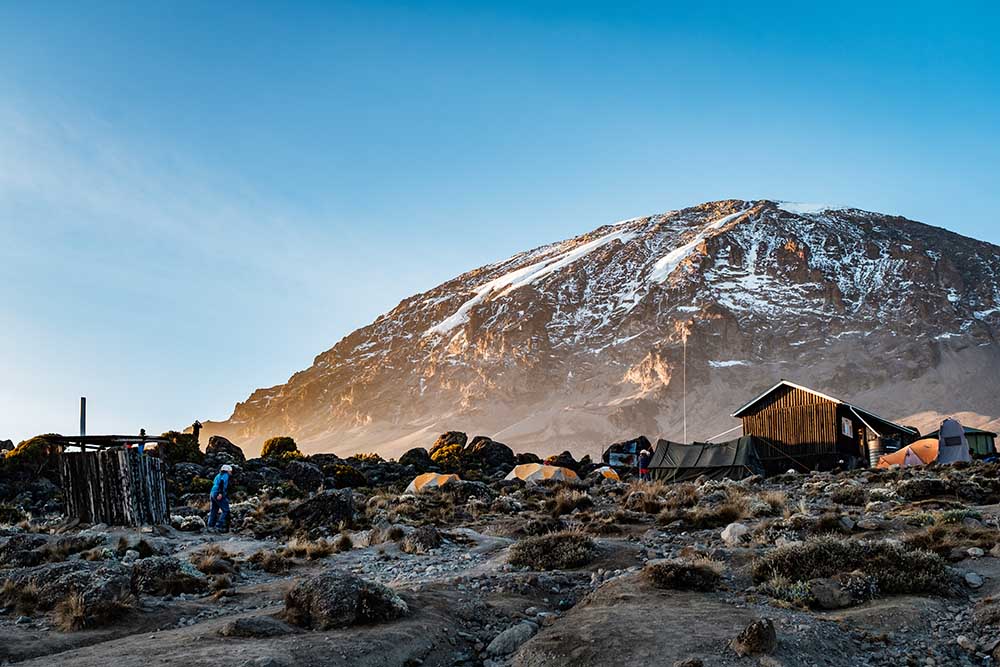
Kilimanjaro Full Moon Tours Price: Your Expert Planning Guide
Climbing Mount Kilimanjaro during a full moon is a dream for many adventurers. The ethereal glow illuminating the “Roof of Africa” creates an unforgettable experience. However, planning such a trek involves more than just choosing a date. Understanding the kilimanjaro full moon tours price is crucial for budgeting and making the right choices for your expedition, especially as you look ahead to 2026 and 2027. This guide provides an in-depth look at what influences the cost, how to find value, and what to expect from your climb.
Quick Answer: The price of a Kilimanjaro full moon tour typically ranges from $2,000 to $5,000+ per person, depending on the route, duration, operator, and inclusions. Full moon dates often see higher demand and may command a slight premium.
Table of Contents
- Kilimanjaro Full Moon Treks: Quick Facts
- What Exactly is a Kilimanjaro Full Moon Climb?
- Why Choose a Full Moon Trek?
- Factors Affecting Kilimanjaro Full Moon Tours Price
- Kilimanjaro Routes and Full Moon Suitability
- Best Time for a Full Moon Climb (2026 & 2027)
- Sample Full Moon Itinerary: Lemosho Route (8 Days)
- What to Expect on a Full Moon Climb
- Kilimanjaro Trek Inclusions and Exclusions
- Packing and Preparation for Your Full Moon Trek
- Common Mistakes to Avoid When Booking
- Who is a Full Moon Trek Best Suited For?
- Kilimanjaro Full Moon Alternatives
- Planning Your 2026-2027 Full Moon Trek
- Booking Advice for Kilimanjaro Full Moon Tours
- Kilimanjaro Full Moon Tours Price FAQs
Kilimanjaro Full Moon Treks: Quick Facts
| Aspect | Details |
|---|---|
| Mountain | Mount Kilimanjaro, Tanzania |
| Height | 5,895 meters (19,341 feet) |
| Full Moon Climb Benefit | Enhanced visibility, stunning views, unique photographic opportunities, mystical atmosphere. |
| Price Range (Estimate) | $2,000 – $5,000+ per person |
| Key Cost Factors | Route length, operator quality, group size, inclusions (accommodation, gear, tips), season. |
| Best Season for Full Moon | Dry seasons: January-March, June-October. Avoid rainy months. |
| Popular Full Moon Dates (Approximate) | Check lunar calendar; aim for dates around the peak full moon. |
| Permits | Mandatory park entry and camping/hut fees. |
| Guides & Crew | Licensed guides, assistant guides, cooks, porters. |
What Exactly is a Kilimanjaro Full Moon Climb?
A Kilimanjaro full moon climb refers to scheduling your summit attempt to coincide with the night of a full moon. The primary goal is to be on the upper slopes, ideally near Stella Point or Uhuru Peak, during the peak illumination of the moon. This allows for spectacular views of the surrounding landscape bathed in moonlight and a unique perspective as you ascend towards the crater rim.
It’s important to clarify that the entire trek isn’t necessarily under the full moon. The summit push typically begins in the early hours of the morning (around midnight to 2 AM) to reach the summit by sunrise. Therefore, the most impactful part of the full moon experience occurs during this pre-dawn ascent, where the moonlight can significantly aid visibility and create a magical ambiance.
Why Choose a Full Moon Trek?
The allure of a full moon Kilimanjaro trek is undeniable. It offers several distinct advantages:
- Unparalleled Scenery: The landscape takes on a different character under the moon’s glow. Snowfields, volcanic rock, and the vast plains below are dramatically illuminated, creating breathtaking vistas.
- Enhanced Visibility: While headlamps are essential, moonlight can significantly improve visibility on the trail, making the ascent feel less daunting for some.
- Photographic Opportunities: Capturing images of Kilimanjaro under a full moon is a unique photographic challenge and reward. The stark contrasts and ethereal light can produce stunning shots.
- Mystical Atmosphere: There’s an undeniable sense of wonder and magic associated with climbing a mountain under the full moon. It adds a spiritual or deeply personal dimension to the achievement.
- Sense of Accomplishment: Successfully summiting Kilimanjaro is a significant feat. Doing so under the glow of a full moon adds an extra layer of memorability and accomplishment to the journey.
Factors Affecting Kilimanjaro Full Moon Tours Price
Understanding the kilimanjaro full moon tours price requires dissecting the various components that contribute to the overall cost. While the full moon itself doesn’t typically incur an extra park fee, the dates surrounding it are often peak season due to demand, which can influence pricing.
1. Route Choice and Duration
Longer routes (like Lemosho or Machame) offer better acclimatization and higher success rates, but they also mean more days of service, increasing costs. Shorter routes (like Marangu or Rongai) are generally less expensive but can be more challenging due to faster ascent profiles.
- Longer Routes (7-9 days): Lemosho, Machame, Northern Circuit. Higher cost, better acclimatization.
- Medium Routes (6-7 days): Marangu (hut option), Rongai. Moderate cost.
- Shorter Routes (5 days): Marangu, Rongai. Lowest cost, lowest success rates.
2. Operator Quality and Reputation
This is arguably the most significant factor. Reputable, experienced operators invest more in:
- Experienced and Certified Guides: Well-trained guides are crucial for safety and success.
- Quality Equipment: Good quality tents, sleeping bags, and cooking gear.
- Sufficient Crew: Adequate porters to carry gear and ensure client comfort.
- Proper Nutrition: Nutritious and varied meals prepared by cooks.
- Safety Protocols: Oxygen kits, comprehensive first-aid, emergency evacuation plans.
- Fair Wages and Treatment for Crew: Ethical treatment of porters and guides impacts morale and service.
Budget operators often cut corners, which can compromise safety, comfort, and the overall experience. A higher price generally reflects better service, safety, and a higher likelihood of success.
3. Group Size
Climbing in a larger group can sometimes reduce the per-person cost as expenses like guide salaries and vehicle hire are shared. However, very large groups can be less flexible. Private climbs are more expensive but offer personalized attention and flexibility.
4. Inclusions and Exclusions
The kilimanjaro full moon tours price can vary wildly based on what’s included. Always check:
- Accommodation: Pre- and post-climb hotel stays.
- Gear Rental: Sleeping bags, trekking poles, warm jackets.
- Meals: All meals on the mountain and in hotels.
- Park Fees: These are substantial and should always be included by reputable operators.
- Crew Gratuities: Tips for guides, cooks, and porters. Some operators include these, others leave them to the client.
- Emergency Evacuation: Insurance or service.
- Transfers: Airport and hotel transfers.
A lower price might indicate that essential items like park fees or crew tips are excluded, making the final cost higher than initially advertised.
5. Seasonality and Full Moon Demand
While Kilimanjaro is climbable year-round, the dry seasons (June-October and December-March) are the most popular and thus can be more expensive. Full moon dates often fall within these peak windows, and the increased demand can sometimes lead operators to adjust their pricing, though the park fees themselves do not change based on the moon phase.
6. Personal Expenses
These are usually not included in the tour price and include:
- International flights
- Visa fees
- Travel insurance (mandatory)
- Personal climbing gear (boots, layers, backpack)
- Snacks and personal drinks
- Vaccinations and medications
- Souvenirs
Kilimanjaro Routes and Full Moon Suitability
Not all routes are equally suited for a full moon summit. The best routes for a full moon climb are those that offer excellent acclimatization and allow for a summit attempt during the hours of darkness when the moon’s glow is most impactful. Routes with longer durations are generally preferred.
| Route | Typical Duration | Full Moon Suitability | Pros for Full Moon | Cons for Full Moon |
|---|---|---|---|---|
| Lemosho | 7-8 days | Excellent | High success rate, scenic, good acclimatization. Allows for summit push in moonlight. | Higher cost, longer duration. |
| Machame | 6-7 days | Very Good | Popular, scenic, good acclimatization. Summit night aligns well with moonlight. | Can be crowded, especially during peak season. |
| Northern Circuit | 9+ days | Excellent | Highest success rate, best acclimatization, most scenic. Offers ample time for moonlight views. | Most expensive, longest duration. |
| Marangu | 5-6 days | Fair | Hut accommodation is comfortable. Can be done in 5 days, but 6 is better for acclimatization. | Steepest ascent, lower success rate, less scenic on summit day compared to others. Moonlight might be less impactful due to faster ascent. |
| Rongai | 6-7 days | Good | Starts from the drier northern side, good for avoiding crowds. Offers decent acclimatization. | Less scenic than western routes. |
For a full moon climb, routes like Lemosho, Machame, and the Northern Circuit are highly recommended. They provide the necessary time for the body to adjust to the altitude, increasing your chances of reaching the summit safely and enjoying the moonlight experience to its fullest. The 8-day Lemosho route is a popular choice for many seeking a balance of acclimatization, scenery, and a good chance of a successful full moon summit.
Best Time for a Full Moon Climb (2026 & 2027)
The ideal time to climb Kilimanjaro is during the dry seasons to minimize the chances of rain and snow obscuring views and making the trek more challenging. For full moon climbs, you want to align the lunar cycle with these favorable weather windows.
The two main dry seasons are:
- June to October: This is the longest dry season, offering clear skies and moderate temperatures. The nights can be cold, especially at higher altitudes.
- December to March: This period also has good weather, though it can be warmer than the June-October window. January and February are often considered excellent months.
Avoiding Rainy Seasons:
- April and May: These are the wettest months, with heavy rainfall, making climbing very difficult and dangerous.
- November: This is a transitional month, often bringing light to moderate rains.
Planning for 2026 and 2027:
To plan your 2026 or 2027 full moon trek, you’ll need to consult a lunar calendar and cross-reference it with the Kilimanjaro climbing seasons. Aim for full moon dates that fall within:
- January, February, March 2026/2027
- June, July, August, September, October 2026/2027
For example, if you want to climb in July 2026, you would check the lunar calendar for the full moon date in July 2026 and schedule your summit attempt to fall on or around that night. Popular full moon dates often book up quickly, so early planning is essential for 2026 and 2027 expeditions.
Sample Full Moon Itinerary: Lemosho Route (8 Days)
This sample itinerary is designed to maximize acclimatization and place the summit attempt during a period that could coincide with a full moon. The summit push is typically done between midnight and 2 AM.
| Day | Route | Altitude (m/ft) | Approx. Trekking Time | Description |
|---|---|---|---|---|
| Day 1 | Moshi to Londorossi Gate to Big Tree Camp | 2,360m / 7,743ft | 3-4 hours | Drive to Londorossi Gate, then a short trek through the rainforest to camp. |
| Day 2 | Big Tree Camp to Shira 1 Camp | 3,500m / 11,483ft | 5-7 hours | Ascend through moorland. Camp near the Shira Plateau. |
| Day 3 | Shira 1 Camp to Shira 2 Camp | 3,850m / 12,631ft | 4-5 hours | Trek across the Shira Plateau, gaining altitude gradually. |
| Day 4 | Shira 2 Camp to Barranco Camp | 3,950m / 12,959ft | 5-7 hours | Cross Lava Tower (4,630m) and descend to Barranco Camp. Crucial acclimatization day. |
| Day 5 | Barranco Camp to Karanga Camp | 4,000m / 13,123ft | 4-5 hours | Climb the Barranco Wall (not technically difficult but requires scrambling), then descend slightly to Karanga. |
| Day 6 | Karanga Camp to Barafu Camp | 4,650m / 15,256ft | 4-5 hours | Ascend through alpine desert to Barafu, the base camp for the summit push. Rest and prepare. |
| Day 7 | SUMMIT DAY: Barafu Camp to Uhuru Peak to Mweka Camp | 5,895m / 19,341ft (Uhuru Peak) | 10-16 hours | Depart Barafu around midnight. Ascend Stella Point in moonlight, then Uhuru Peak for sunrise. Descend to Mweka Camp. This is your summit night. |
| Day 8 | Mweka Camp to Mweka Gate to Moshi | 1,650m / 5,413ft (Mweka Gate) | 4-5 hours | Descend through the rainforest to Mweka Gate. Transfer back to Moshi. |
What to Expect on a Full Moon Climb
Climbing Kilimanjaro, especially during a full moon, is an intense but rewarding experience. Here’s what you can expect:
- The Summit Night: This is the most challenging part. You’ll start hiking around midnight from Barafu Camp. The ascent is steep and slow. Your headlamp will be essential, but the moonlight can provide a soft, ambient light, illuminating the trail ahead and the vast landscape below. You’ll see glaciers, craters, and potentially the plains of Tanzania stretching out beneath you.
- Temperature: Nights at high altitudes are extremely cold, often dropping below -10°C (14°F), and can feel colder with wind chill. The full moon doesn’t significantly change the ambient temperature, but the visual effect is profound.
- Altitude Sickness: This is a significant risk for all Kilimanjaro climbs, regardless of the moon phase. Symptoms can include headaches, nausea, dizziness, and fatigue. Proper acclimatization is key.
- Crowds: Full moon dates are popular. You will likely encounter other groups on the mountain, especially on the summit night. While the moonlight can be magical, it can also mean sharing the trail with many others.
- Photography: Capturing the moonlight requires specific photography techniques. Long exposures might be needed for the landscape, while faster shutter speeds might work for portraits. Your guide can help identify good spots.
- Sense of Achievement: Reaching Uhuru Peak under the moon’s glow is an extraordinary feeling. The views at sunrise are spectacular, amplified by the lingering moonlight.
Kilimanjaro Trek Inclusions and Exclusions
When comparing kilimanjaro full moon tours price, carefully examine what is included. A comprehensive package offers peace of mind.
Typical Inclusions:
- Park entrance fees (Kilimanjaro National Park, concession fees)
- Rescue fees
- Camping or hut fees
- Experienced, licensed guides (English-speaking)
- Assistant guides (ratio of 1:2 or 1:3 guides to clients)
- Cooks and porters
- All meals on the mountain (breakfast, lunch, dinner)
- Boiled water for drinking
- Tents (for camping routes), mess tent, table, chairs
- Portable toilet
- Oxygen cylinders for emergency use
- First-aid kit
- Pre- and post-climb accommodation in a hotel (often 3-star, B&B basis)
- Airport transfers
- Carrying of personal gear up to a certain weight limit (e.g., 15kg) by porters
Typical Exclusions:
- International flights
- Visa fees
- Travel insurance (mandatory, must cover high-altitude trekking and emergency evacuation)
- Tips for guides, porters, and cooks (a significant cost, often $250-$400+ per trekker)
- Personal climbing gear (e.g., sleeping bag, trekking poles, waterproof jacket, boots)
- Personal expenses (e.g., souvenirs, laundry, alcoholic beverages, extra snacks)
- Vaccinations and medications
- Gratuities for hotel staff
- Optional hot showers or drinks on the mountain
Always ask for a detailed list of inclusions and exclusions from your tour operator. This transparency is key to understanding the true kilimanjaro full moon tours price.
Packing and Preparation for Your Full Moon Trek
Proper packing and physical preparation are vital for a successful and enjoyable Kilimanjaro trek, especially during a full moon climb where summit night is critical.
Physical Preparation
Kilimanjaro is a trekking challenge, not a technical climb, but it requires good cardiovascular fitness and stamina. Start training at least 2-3 months in advance:
- Cardiovascular Exercise: Aim for 3-5 sessions per week (running, cycling, swimming, hiking).
- Hiking: The best training. Hike regularly, preferably with a backpack, on varied terrain, including hills or stairs.
- Strength Training: Focus on legs and core. Squats, lunges, and core exercises are beneficial.
- Acclimatization Practice: If possible, do some shorter hikes at higher altitudes before your Kilimanjaro trip.
Essential Packing List
Layering is key. Temperatures can range from warm in the rainforest to freezing at the summit.
| Category | Items |
|---|---|
| Footwear | Waterproof hiking boots (broken in), camp shoes/sandals, warm socks (wool or synthetic, 4-6 pairs) |
| Clothing (Layers) | Moisture-wicking base layers (tops & bottoms), fleece mid-layers (2-3), insulated down or synthetic jacket, waterproof and windproof outer shell (jacket & pants), hiking trousers (2 pairs), thermal underwear, gaiters. |
| Headwear & Handwear | Warm hat (covers ears), sun hat/cap, balaclava/neck gaiter, waterproof and insulated gloves, liner gloves. |
| Backpack & Duffel Bag | Daypack (30-40L) for essentials, waterproof duffel bag (90-120L) for porters. Waterproof covers for both. |
| Sleeping Gear | Warm sleeping bag (-10°C to -20°C comfort rating), sleeping bag liner (optional). |
| Trekking Gear | Trekking poles (highly recommended), headlamp with extra batteries, sunglasses (UV protection). |
| Hydration & Nutrition | Water bottles or hydration reservoir (3-4L capacity), water purification tablets or filter (as backup), snacks (energy bars, nuts, dried fruit). |
| Personal Items | Sunscreen (SPF 30+), lip balm with SPF, insect repellent, basic toiletries, personal first-aid kit (band-aids, blister treatment, pain relievers, personal meds), hand sanitizer, camera, power bank. |
| Documents | Passport, visa, flight details, insurance documents, emergency contact info. |
Full Moon Specifics: Ensure your headlamp is powerful and you have plenty of spare batteries. The moonlight is beautiful, but you’ll still need reliable light for navigating technical sections and avoiding obstacles.
Common Mistakes to Avoid When Booking
Navigating the options for kilimanjaro full moon tours price can be confusing. Avoid these common pitfalls:
- Choosing the Cheapest Option: The lowest price often means compromised safety, lower quality gear, less experienced guides, and potentially unfair treatment of crew. This can lead to a failed summit attempt or, worse, a dangerous situation.
- Ignoring Inclusions/Exclusions: Failing to understand what’s covered can lead to unexpected costs, especially for park fees and crew tips, which can add hundreds of dollars to your trip.
- Underestimating Acclimatization: Opting for shorter, cheaper routes (5-day options) significantly reduces your chances of success and increases the risk of altitude sickness. For a full moon climb, prioritize longer routes (7-9 days).
- Not Verifying Operator Reputation: Research operators thoroughly. Look for reviews, certifications, and clear safety protocols.
- Skipping Travel Insurance: This is non-negotiable. Ensure it covers high-altitude trekking and emergency helicopter evacuation.
- Inadequate Physical Training: Believing Kilimanjaro is easy can lead to disappointment and exhaustion. Proper preparation is essential.
- Poor Gear Choices: Using non-waterproof gear or insufficient warm layers can make the climb miserable and dangerous.
Who is a Full Moon Trek Best Suited For?
A full moon Kilimanjaro trek appeals to a specific type of traveler:
- Experienced Hikers: Those with a solid background in multi-day trekking and a good level of fitness.
- Photographers: Individuals seeking unique and dramatic landscape photography opportunities.
- Adventure Seekers: Travelers looking for an extra layer of magic and challenge in their mountain experience.
- Those Seeking a Spiritual Connection: Individuals who find meaning and awe in natural phenomena and wish to connect with the mountain under the moon’s light.
- Well-Prepared Individuals: Those who understand the commitment involved, have researched thoroughly, and are willing to invest in a reputable operator and proper preparation.
It’s generally not recommended for:
- Complete beginners with no hiking experience.
- Individuals with significant health concerns or a history of severe altitude sickness without consulting a doctor.
- Those on a very tight budget who might be tempted by substandard operators.
Kilimanjaro Full Moon Alternatives
If a full moon climb doesn’t align with your schedule or preferences, or if you’re looking for other unique experiences on Kilimanjaro:
- Sunrise Summit: The standard summit experience involves reaching the peak around sunrise, which is spectacular in itself. The colors of dawn over the African continent are breathtaking.
- Stargazing Treks: Kilimanjaro’s high altitude and remote location offer incredible stargazing opportunities. Climbing during a new moon phase provides the darkest skies.
- Climbing During Shoulder Seasons: Consider climbing in the shoulder months (e.g., late March, early June, November) for fewer crowds and potentially lower prices, while still enjoying good weather windows.
- Other Tanzanian Adventures: If Kilimanjaro isn’t the right fit, consider a Tanzanian safari in the Serengeti or Ngorongoro Crater, or a relaxing holiday in Zanzibar. Best Tanzania tour operator offers a wide range of experiences.
Planning Your 2026-2027 Full Moon Trek
Planning ahead is crucial for securing your preferred dates, especially for full moon climbs in 2026 and 2027. Here’s a timeline:
| Timeframe | Action |
|---|---|
| 12-18 Months Before | Research operators and routes. Identify potential full moon dates for 2026/2027. Start fitness training. |
| 9-12 Months Before | Choose your operator and route. Book your trek. Secure international flights. |
| 6-9 Months Before | Continue fitness training. Start acquiring essential gear. Consult your doctor about vaccinations and altitude sickness medication. |
| 3-6 Months Before | Intensify training. Purchase remaining gear. Arrange travel insurance. Confirm visa requirements. |
| 1-3 Months Before | Finalize all gear purchases. Pack and test your equipment. Get any necessary vaccinations. |
| 1 Month Before | Lighten training but maintain consistency. Confirm all travel details. Inform your bank of your travel dates. |
| 1-2 Weeks Before | Pack your bags. Get adequate rest. Finalize any last-minute arrangements. |
Booking well in advance for 2026 and 2027 is highly recommended, as popular full moon dates and the best operators get booked up quickly. Early planning allows for better price negotiation and ensures you get the expedition that best suits your needs.
Booking Advice for Kilimanjaro Full Moon Tours
When you’re ready to book your kilimanjaro full moon tours price should be considered in conjunction with the overall value and safety provided by the operator.
- Prioritize Safety and Experience: Look for operators with a proven track record, excellent safety standards, and experienced guides. Check their safety equipment (e.g., oxygen, first aid) and emergency procedures.
- Read Reviews Carefully: Seek out reviews from previous clients, paying attention to comments about guides, crew welfare, food, equipment, and overall organization.
- Ask Detailed Questions: Don’t hesitate to ask your potential operator about their guide-to-client ratio, porter welfare policies, emergency protocols, and what specific equipment is provided.
- Understand the Itinerary: Ensure the chosen itinerary offers sufficient acclimatization days (7+ days recommended for full moon climbs).
- Confirm All Inclusions: Get a clear, written list of everything included in the price, especially park fees and crew gratuities.
- Look for Local Expertise: Partnering with a reputable local Tanzanian tour operator like Best Tanzania tour operator ensures you benefit from local knowledge, support local communities, and often receive better value.
- Be Wary of Unrealistic Prices: If a price seems too good to be true, it probably is. It’s likely cutting corners on safety, guide quality, or crew welfare.
Contact Us:
Ready to plan your unforgettable Kilimanjaro full moon adventure for 2026 or 2027? We are a leading Tanzanian tour operator committed to providing safe, ethical, and memorable expeditions. Get in touch for a personalized quote and expert advice.
WhatsApp: +255616946642
Email: topguideadventures@gmail.com
Backup Email: info@topguideadventures.com
Kilimanjaro Full Moon Tours Price FAQs
What is the average price for a Kilimanjaro full moon tour?
The average price for a Kilimanjaro full moon tour typically falls between $2,000 and $5,000+ per person. This range depends heavily on the route chosen, the number of days, the operator’s quality and reputation, and the specific inclusions offered. Full moon dates, due to higher demand, might sometimes be priced at the higher end of this spectrum.
Does climbing during a full moon cost more?
The park authorities do not charge extra fees for climbing during a full moon. However, full moon dates often fall within the peak climbing seasons (dry months), which are generally more expensive due to higher demand for guides, porters, and accommodation. Reputable operators may price their full moon tours slightly higher to reflect this increased demand and ensure optimal service delivery.
What is the best route for a full moon climb?
The Lemosho (8 days), Machame (7 days), and Northern Circuit (9+ days) routes are highly recommended for full moon climbs. These routes offer better acclimatization profiles, increasing your chances of reaching the summit safely and allowing you to enjoy the moonlight during the crucial summit night ascent.
When is the best time to climb Kilimanjaro for a full moon in 2026/2027?
The best times are during Kilimanjaro’s dry seasons: June to October and December to March. You’ll need to consult a lunar calendar for your specific 2026 or 2027 travel dates and align the full moon with these favorable weather windows. January, February, July, and August are often excellent months.
Are Kilimanjaro full moon tours safe?
Yes, Kilimanjaro full moon tours are safe when booked with a reputable operator who prioritizes safety. This includes experienced guides, proper acclimatization protocols, emergency oxygen, first-aid kits, and a clear evacuation plan. The moonlight itself doesn’t pose a safety risk; in fact, it can aid visibility on summit night.
What is included in the price of a Kilimanjaro full moon tour?
A typical package includes park fees, rescue fees, guide and crew salaries, all meals on the mountain, tents (for camping routes), and often pre/post-climb accommodation. However, it’s crucial to verify what’s included, as international flights, visa fees, travel insurance, personal gear, and crew tips are usually excluded.
How much should I budget for crew tips?
Crew tips are a significant part of the cost. For a standard trek, budget approximately $250-$400+ per trekker. This is usually divided among guides, assistant guides, cooks, and porters. Some operators include tips in their price, while others leave it to the client.
What gear do I need for a full moon climb?
You’ll need warm, layered clothing, waterproof outer shells, sturdy hiking boots, a warm sleeping bag, trekking poles, and a powerful headlamp with extra batteries. Your operator will provide a detailed packing list. Ensure your gear is suitable for extreme cold, especially for summit night.
Can I climb Kilimanjaro solo during a full moon?
While you can book a private solo trek, climbing Kilimanjaro solo without a guide and crew is not permitted by park regulations. All trekkers must be accompanied by licensed guides. You can, however, join a group tour for a full moon climb.
What happens if I get altitude sickness on a full moon climb?
If you show symptoms of altitude sickness, your guide will assess your condition. Mild symptoms might be managed with rest and hydration. Moderate to severe symptoms will require descent. Reputable operators have protocols for this, and your travel insurance should cover emergency evacuation.
How far in advance should I book a Kilimanjaro full moon tour for 2026/2027?
It is highly recommended to book at least 9-12 months in advance for popular full moon dates in 2026 and 2027. This ensures availability with your preferred operator and allows you to secure your international flights. Top operators and desirable full moon dates are booked quickly.
Book Your Kilimanjaro Full Moon Adventure
A Kilimanjaro full moon tour offers a truly magical and unforgettable experience. Understanding the kilimanjaro full moon tours price and what influences it is the first step towards planning your dream expedition. With careful preparation, the right route, and a reputable tour operator, you can achieve your goal of summiting Africa’s highest peak under the glow of the moon.
Ready to plan your 2026 or 2027 Kilimanjaro full moon trek? Contact the experts at Best Tanzania tour operator for personalized advice, tailored itineraries, and a commitment to safety and excellence. We are passionate about helping you conquer Kilimanjaro.
Get in touch today:
WhatsApp: +255616946642
Email: topguideadventures@gmail.com
Backup Email: info@topguideadventures.com
Plan your kilimanjaro fullmoon tours price with Top Guide Adventures
Tell us your travel dates, group size, comfort level, and dream experience. We will help you shape a clear, realistic, and memorable Tanzania itinerary.







 Veedesigner
 Fatma Kizanga
 Benjamin Waryuba
 Philip Philip
 John jr Itaja
 Antonia Optatus
 Edith Kanyere
 Neema Iddy
 Kelvin Boniphace
 Damari Maiga



