
Updated planning guide for 2026, 2027
Kilimanjaro Sunrise: Your Essential Guide
Witnessing the sunrise from the Roof of Africa is an unforgettable experience. This comprehensive guide covers everything you need to know to plan your Kilimanjaro sunrise trek, from choosing a route to packing essentials, making your 2026 or 2027 adventure a reality.
WhatsApp +255616946642 | topguideadventures@gmail.com | info@topguideadventures.com
Kilimanjaro Sunrise: Your Essential Guide
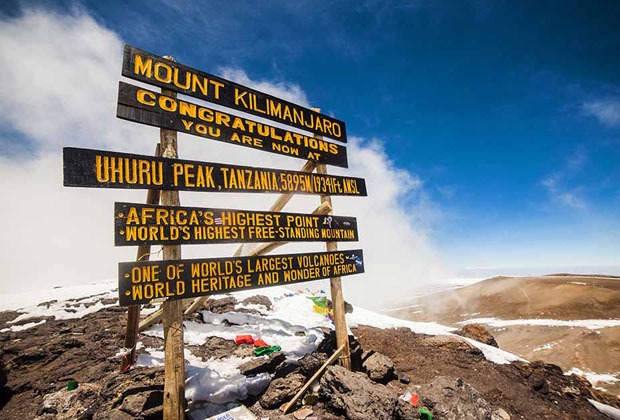
The dream of standing atop Africa’s highest peak, Mount Kilimanjaro, as the first rays of sunlight paint the horizon is a powerful motivator for many travelers. Reaching Uhuru Peak (5,895m / 19,341ft) to witness a kilimanjaro sunrise is the ultimate reward for a challenging yet profoundly rewarding trek. This guide is designed to provide you with all the practical information needed to plan and execute this incredible journey, whether you’re aiming for 2026, 2027, or beyond.
We understand that planning a Kilimanjaro climb can seem daunting. From selecting the right route and understanding the physical demands to knowing what to pack and how to choose a reputable operator, there are many details to consider. This article aims to demystify the process, offering expert insights and actionable advice to help you prepare for an unforgettable experience. We’ll cover everything from the best times to climb, essential preparation, and what to expect on the mountain, ensuring you’re well-equipped for success.
Quick Facts About Kilimanjaro Sunrise Treks
| Feature | Details |
|---|---|
| Mountain | Mount Kilimanjaro |
| Elevation | 5,895 meters (19,341 feet) |
| Location | Kilimanjaro National Park, Tanzania |
| Sunrise Goal | Uhuru Peak (summit) |
| Trek Duration | 5 to 9 days (typical) |
| Best Time to Climb | January-March, June-October |
| Difficulty | Challenging (high altitude, physical endurance) |
| Key Preparation | Physical fitness, acclimatization, proper gear |
Why Aim for a Kilimanjaro Sunrise?
The ascent to Uhuru Peak is an achievement in itself, but timing your summit push to coincide with dawn transforms the experience into something truly magical. Imagine the world unfolding beneath you as the sun breaches the horizon, casting a warm glow over the clouds and the vast Tanzanian landscape. The pre-dawn summit night is a challenging part of any Kilimanjaro climb, typically starting around midnight from the last camp (like Kibo Hut on most routes). The goal is to reach Stella Point or Uhuru Peak by sunrise.
The psychological and emotional impact of witnessing this spectacle is profound. It’s a moment of intense beauty and personal accomplishment, shared with fellow trekkers and guides. The feeling of conquering the continent’s highest point while bathed in the dawn’s light is an unparalleled reward for the effort invested.
Understanding Kilimanjaro Routes for Sunrise
There isn’t one single “sunrise route.” All major trekking routes on Kilimanjaro are designed to allow climbers to reach the summit, and therefore witness the sunrise. The choice of route significantly impacts your acclimatization, scenery, success rate, and overall experience. Longer routes generally offer better acclimatization and thus higher success rates for reaching the summit for sunrise.
Here’s a look at the most popular routes and how they relate to a sunrise summit:
Marangu Route (Coca-Cola Route)
- Duration: 5-6 days.
- Accommodation: Huts (unique to Marangu).
- Scenery: Less varied, more crowded.
- Sunrise Potential: Possible on a 6-day itinerary, but the 5-day version offers poor acclimatization and a low success rate for summiting, let alone enjoying the sunrise. The ascent is steep and direct.
- Pros: Cheaper, offers hut accommodation.
- Cons: Lower success rate, crowded, less scenic, poor acclimatization on shorter options.
Machame Route (Whiskey Route)
- Duration: 6-7 days.
- Accommodation: Camping.
- Scenery: Very scenic, diverse landscapes.
- Sunrise Potential: Excellent. The 7-day Machame route is highly recommended for acclimatization and offers a great chance to reach the summit for sunrise.
- Pros: High success rate, beautiful scenery, good acclimatization (especially on 7-day).
- Cons: Camping, can be crowded.
Lemosho Route
- Duration: 7-8 days.
- Accommodation: Camping.
- Scenery: Arguably the most beautiful, starting in lush rainforest and traversing diverse zones.
- Sunrise Potential: Excellent. The longer duration allows for superior acclimatization, significantly increasing the chances of a successful sunrise summit.
- Pros: Highest success rates, stunning scenery, good acclimatization.
- Cons: More expensive, longer trek.
Shira Route
- Duration: 7-8 days.
- Accommodation: Camping.
- Scenery: Similar to Lemosho but starts at a higher elevation.
- Sunrise Potential: Good, but the higher starting point can mean initial acclimatization is more challenging for some.
- Pros: Beautiful, good acclimatization on longer options.
- Cons: Can be expensive, higher starting altitude.
Rongai Route
- Duration: 6-7 days.
- Accommodation: Camping.
- Scenery: Approaches from the drier northern side, offering different views.
- Sunrise Potential: Good. A reliable option, especially during wetter seasons when other routes might be less appealing due to rain.
- Pros: Good success rate, less crowded, viable in wetter months.
- Cons: Less scenic compared to western routes.
Northern Circuit
- Duration: 9-10 days.
- Accommodation: Camping.
- Scenery: The longest route, offering the most comprehensive views of Kilimanjaro and its surroundings, including the northern plains.
- Sunrise Potential: Excellent. With the longest duration, it provides the best acclimatization, leading to the highest success rates for a sunrise summit.
- Pros: Highest success rate, most scenic, best acclimatization, least crowded.
- Cons: Most expensive, longest trek.
Kilimanjaro Sunrise Itinerary Logic: The Summit Night
Regardless of the route chosen, the final push to the summit for sunrise follows a similar pattern. This is the most physically and mentally demanding part of the trek. Typically, you’ll spend your last night at a high-altitude camp, such as Kibo Hut (around 4,700m / 15,400ft) on most routes, or Barafu Camp (around 4,600m / 15,090ft) on Machame and Lemosho.
The Summit Night Schedule (Example):
- 11:00 PM – 11:30 PM: Wake up call. You’ll be woken up in your tent or hut with warm drinks.
- 11:30 PM – 12:00 AM: Prepare for the summit push. This involves dressing in your warmest layers, eating a light, high-energy snack, and ensuring your headlamp is working. Guides will brief you on the plan.
- 12:00 AM – 6:00 AM (approx.): The ascent. This is a slow, steady climb in the dark, often on scree (loose rock). You’ll walk pole-pole (slowly, slowly). The temperature can drop significantly, and the altitude becomes more pronounced.
- 6:00 AM – 7:00 AM (approx.): Sunrise at Stella Point (5,756m / 18,885ft) or Uhuru Peak (5,895m / 19,341ft). Reaching Stella Point first allows you to see the sunrise. Many trekkers continue the additional 1-2 hours to Uhuru Peak to stand at the true summit.
- 7:00 AM – 8:00 AM: Descend from the summit. The descent is often faster but can be hard on the knees and requires careful footing on the scree. You’ll typically stop at Barafu Camp or Kibo Hut for a short rest and some food before continuing down.
- 12:00 PM – 2:00 PM: Arrive back at your lower camp (e.g., Millennium Camp or Horombo Hut) for a well-deserved rest and meal.
The goal is to reach the summit around dawn. The exact timing depends on your pace, the route, and weather conditions. Guides are experienced in managing the pace to maximize your chances of seeing the sunrise from the top.
When is the Best Time for a Kilimanjaro Sunrise Trek?
Kilimanjaro can be climbed year-round, but certain periods offer significantly better weather conditions, making the experience more enjoyable and increasing your chances of a successful summit for sunrise. The mountain has distinct wet and dry seasons.
| Period | Conditions | Pros | Cons |
|---|---|---|---|
| Dry Season 1: Jan – Mar | Clear skies, moderate temperatures, cold nights. Can be busy. Snow possible on summit. | Excellent visibility, stable weather, good for sunrise. | Can be cold, busy during peak times. |
| Wet Season 1: Apr – May | Heavy rains, misty, poor visibility. Not recommended. | Fewer crowds. | Very wet, difficult trekking, low success rates. |
| Dry Season 2: Jun – Oct | Clear skies, cooler temperatures, windy. Very popular. | Great visibility, stable weather, good for sunrise. | Can be windy, very busy, especially July-September. |
| Wet Season 2: Nov – Dec | Lighter rains, variable conditions, misty at lower altitudes. | Fewer crowds, beautiful green landscapes at lower levels. | Rain is possible, visibility can be affected. |
For the best chance of a clear kilimanjaro sunrise and optimal trekking conditions, aim for the dry seasons: January to March and June to October. Many trekkers choose July, August, and September due to school holidays in many parts of the world, but June and October also offer excellent weather with fewer people. Planning for 2026 or 2027 within these windows will maximize your comfort and enjoyment.
Physical Preparation for Kilimanjaro
Climbing Kilimanjaro is a significant physical undertaking. While you don’t need to be an elite athlete, good cardiovascular fitness and endurance are essential. The primary challenge is not just the steepness but the altitude. The air thins as you ascend, making every step more difficult. Proper preparation can make a substantial difference in your ability to reach the summit for sunrise and enjoy the journey.
Cardiovascular Fitness
- Aim for at least 3-4 sessions per week for 2-3 months leading up to your trek.
- Activities like hiking (especially with a backpack on hills), running, cycling, swimming, and stair climbing are beneficial.
- Focus on endurance rather than speed.
Strength Training
- Strengthen your legs (quadriceps, hamstrings, calves) and core.
- Lunges, squats, and step-ups are excellent exercises.
- A strong core helps with balance and stability, especially on uneven terrain.
Hiking Practice
- The most crucial preparation is hiking, ideally on inclines.
- Try to do longer hikes (4-6 hours) with a weighted backpack (5-10 kg / 10-20 lbs) to simulate mountain conditions.
- Practice hiking on consecutive days if possible to build stamina for multi-day treks.
Mental Preparation
The summit night can be mentally tough. Be prepared for cold, darkness, fatigue, and potential discomfort. A positive attitude and determination are key. Visualize success and focus on taking it one step at a time (pole-pole).
Acclimatization: The Key to Summit Success
Altitude sickness (Acute Mountain Sickness – AMS) is the biggest threat to reaching the summit. It’s caused by ascending too quickly, preventing your body from adjusting to lower oxygen levels. Proper acclimatization is paramount, and this is why longer routes (7+ days) are highly recommended for a Kilimanjaro sunrise trek.
Key Principles of Acclimatization:
- Ascend Slowly: The “climb high, sleep low” principle is vital. This means trekking to higher altitudes during the day and returning to a lower camp to sleep.
- Choose Longer Routes: Routes like Lemosho, Shira, and Northern Circuit (7+ days) offer much better acclimatization profiles than shorter routes like Marangu (5-day).
- Stay Hydrated: Drink plenty of water (3-4 liters per day).
- Eat Well: Maintain energy intake, even if your appetite decreases at altitude.
- Avoid Alcohol and Smoking: These can hinder acclimatization.
- Listen to Your Body: Report any symptoms of AMS to your guide immediately. Symptoms include headache, nausea, dizziness, and fatigue.
What to Expect on the Mountain
Trekking Kilimanjaro is an immersive experience that takes you through distinct ecological zones, from lush rainforests to alpine deserts and the arctic zone at the summit.
Ecological Zones You’ll Traverse:
- Rainforest (1,800m – 2,800m): Expect dense vegetation, diverse birdlife, and possibly monkeys. Trails can be muddy.
- Heath/Moorland (2,800m – 4,000m): Vegetation becomes more sparse, with giant heathers and senecios. The landscape opens up.
- Alpine Desert (4,000m – 5,000m): Little vegetation, rocky terrain, and significant temperature drops. The air is noticeably thinner.
- Arctic Zone (5,000m – 5,895m): Bare rock, ice, and snow. Very cold, windy, and low oxygen levels. This is the summit zone.
Daily Life on the Trek:
- Mornings: Wake up, have breakfast, pack your daypack, and get ready for the day’s trek.
- Trekking: Walk at a slow, steady pace (pole-pole). Your guides will set the pace and ensure everyone stays together. Breaks are frequent for water and snacks.
- Lunch: Usually a packed lunch taken en route.
- Afternoons: Arrive at the next camp, have a hot meal, hydrate, and rest. Your porters will have set up your tents and sleeping bags.
- Evenings: Dinner, a briefing for the next day, and an early bedtime.
Crew and Support:
You will be accompanied by a dedicated team: lead guide, assistant guides, cooks, and porters. They are experienced, knowledgeable, and crucial to your safety and success. Porters carry the majority of the gear, including tents, food, and sleeping bags, making your trek more manageable. Guides are trained in first aid and altitude sickness management.
Essential Gear for Kilimanjaro Sunrise
Proper gear is critical for comfort, safety, and success, especially for the cold summit night. Layering is key to managing temperature fluctuations.
| Category | Items | Notes |
|---|---|---|
| Headwear | Warm woolen hat, sun hat/cap, balaclava/neck gaiter | Essential for warmth and sun protection. |
| Handwear | Warm waterproof gloves/mittens, liner gloves | Layering is important for the summit. |
| Eyewear | Sunglasses (UV protection), ski goggles (optional) | Protect eyes from sun and wind. |
| Base Layers | Thermal underwear (long-sleeved tops & bottoms) | Moisture-wicking material (merino wool or synthetic). Avoid cotton. |
| Mid Layers | Fleece jacket/pullover, down vest (optional) | Provides insulation. |
| Outer Layer (Shell) | Waterproof and windproof jacket and trousers | Gore-Tex or similar breathable material. Essential for summit night. |
| Trekking Trousers | 2-3 pairs of comfortable, quick-drying trousers | Avoid jeans. |
| Footwear | Broken-in hiking boots (waterproof), camp shoes/sandals, warm socks (wool/synthetic) | Boots must be sturdy and waterproof. Bring several pairs of socks. |
| Sleeping Gear | Sleeping bag (-10°C to -20°C / 0°F to -4°F rated), sleeping bag liner | Crucial for warmth. Porters carry this. |
| Backpack | Daypack (30-40L), Duffel bag (80-100L) | Daypack for essentials, duffel for porters. Waterproof is best. |
| Accessories | Water bottles/hydration reservoir (2-3L), water purification tablets/filter, headlamp with extra batteries, trekking poles, sunscreen (high SPF), lip balm with SPF, personal first-aid kit, toiletries, camera, power bank, gaiters (optional) | Essential for comfort and safety. |
Note: Most tour operators provide tents and cooking equipment. Sleeping bags can often be rented.
Packing Checklist Summary
- [ ] Waterproof/windproof jacket & trousers
- [ ] Insulated jacket (down or synthetic)
- [ ] Fleece layers
- [ ] Thermal base layers (top & bottom)
- [ ] Hiking trousers (quick-drying)
- [ ] Waterproof hiking boots (broken-in)
- [ ] Camp shoes/sandals
- [ ] Warm socks (wool/synthetic)
- [ ] Warm hat & gloves
- [ ] Sun hat
- [ ] Balaclava/neck gaiter
- [ ] Sunglasses
- [ ] Daypack (30-40L)
- [ ] Duffel bag (80-100L, waterproof)
- [ ] Sleeping bag (-10°C to -20°C rated)
- [ ] Sleeping bag liner
- [ ] Water bottles/hydration reservoir (2-3L)
- [ ] Headlamp with extra batteries
- [ ] Sunscreen & lip balm (SPF)
- [ ] Personal first-aid kit
- [ ] Trekking poles
- [ ] Camera & power bank
- [ ] Snacks (energy bars, nuts, dried fruit)
Common Mistakes to Avoid When Planning Your Kilimanjaro Sunrise Trek
Many trekkers make similar mistakes that can impact their experience or even their ability to summit. Being aware of these pitfalls can help you plan more effectively for your 2026 or 2027 adventure.
- Choosing a Short Route: Opting for a 5-day Marangu trek is a common mistake. The lack of acclimatization significantly reduces your chances of reaching the summit for sunrise and increases the risk of altitude sickness. Longer routes (7+ days) are far superior for acclimatization and success rates.
- Underestimating the Altitude: Kilimanjaro is high. Even with good fitness, the altitude is the primary challenge. Don’t assume your fitness alone will guarantee success. Acclimatization is king.
- Inadequate Gear: Bringing cotton clothing, insufficient warm layers, or unproven hiking boots is a recipe for discomfort and potential problems. Invest in good quality, appropriate gear.
- Not Training Enough: While not requiring elite fitness, insufficient preparation can lead to exhaustion and make the trek miserable. Focus on hiking with a pack.
- Poor Hydration: Dehydration exacerbates altitude sickness symptoms. Drink consistently throughout the day.
- Ignoring Symptoms of AMS: Pushing through symptoms of altitude sickness can be dangerous. Always communicate with your guides. They are trained to assess and manage these situations.
- Choosing the Cheapest Operator: While budget is a consideration, extremely cheap operators often cut corners on guide training, equipment quality, food, and porter welfare. This can compromise safety and the overall experience. Research reputable companies thoroughly.
- Forgetting Travel Insurance: Ensure your travel insurance covers high-altitude trekking and emergency evacuation. This is non-negotiable.
- Not Allowing Enough Time for Travel: Factor in rest days in Tanzania before and after your trek to adjust to the climate and recover.
Who is a Kilimanjaro Sunrise Trek Best Suited For?
A Kilimanjaro sunrise trek is achievable for a wide range of people, provided they are well-prepared. It’s less about extreme athleticism and more about endurance, determination, and proper acclimatization.
- Adventurous Individuals: Those seeking a significant physical and mental challenge with an incredible reward.
- Nature Enthusiasts: People who appreciate diverse landscapes, from rainforests to alpine deserts, and the unique flora and fauna of Kilimanjaro.
- Goal-Oriented Travelers: Individuals who enjoy setting ambitious goals and working towards them.
- Those Seeking Personal Achievement: Climbing Kilimanjaro is a profound personal accomplishment that builds confidence and resilience.
- Fit Hikers: People who regularly engage in moderate to strenuous physical activity and enjoy hiking.
- Anyone Prepared to Train: If you are willing to dedicate time to physical preparation and follow expert advice on acclimatization and gear, Kilimanjaro is within reach.
It is generally not recommended for individuals with serious pre-existing medical conditions, particularly those affecting the heart or lungs, or those with a history of severe altitude sickness, without thorough consultation with a medical professional.
Alternatives to a Kilimanjaro Sunrise Trek
While Kilimanjaro is iconic, other incredible mountain experiences offer stunning views and challenging treks. If Kilimanjaro isn’t the right fit, consider these alternatives:
- Mount Meru: Located near Kilimanjaro, Mount Meru (4,566m / 14,980ft) is a fantastic trek that offers excellent acclimatization for Kilimanjaro and stunning views of its larger neighbor. It’s less crowded and considered slightly less technically demanding but still a serious undertaking.
- Mount Kenya: Africa’s second-highest peak offers diverse trekking routes, including Point Lenana (4,985m / 16,355ft), which provides spectacular views and a challenging but achievable summit experience for trekkers. The higher peaks (Batian and Nelion) require technical climbing.
- Simien Mountains (Ethiopia): While not a single summit push like Kilimanjaro, trekking through the Simien Mountains offers dramatic escarpments, unique wildlife (like Gelada baboons), and stunning high-altitude landscapes.
- Mount Toubkal (Morocco): North Africa’s highest peak at 4,167m (13,671ft). It’s a popular trekking destination, especially for those looking for a shorter, more accessible high-altitude challenge. Sunrise views from the summit are beautiful.
Planning Your Kilimanjaro Sunrise Trek for 2026 and 2027
Booking your Kilimanjaro adventure for 2026 or 2027 requires thoughtful planning. Here’s a timeline and some key considerations.
Booking Timeline:
| Timeframe | Action |
|---|---|
| 12-18 Months Before | Research tour operators, routes, and best times to climb. Start physical training. |
| 9-12 Months Before | Book your trek with a reputable operator. Secure your preferred dates. |
| 6-9 Months Before | Intensify physical training. Start researching and purchasing essential gear. Arrange travel insurance. |
| 3-6 Months Before | Purchase remaining gear. Consult your doctor about necessary vaccinations and altitude medication (e.g., Diamox). |
| 1-3 Months Before | Finalize gear. Continue training. Make flight arrangements. |
| 2-4 Weeks Before | Taper training. Pack your bags. Confirm all details with your tour operator. |
Choosing a Reputable Tour Operator:
This is one of the most critical decisions. A good operator ensures safety, employs well-trained staff, provides quality equipment and food, and adheres to ethical treatment of porters.
Look for operators who:
- Are registered and have a proven track record.
- Employ certified, experienced guides trained in wilderness first aid and altitude sickness management.
- Prioritize safety protocols, including oxygen availability and regular health checks.
- Have transparent pricing and clearly state what is included.
- Are members of organizations like KPAP (Kilimanjaro Porter Assistance Project) or uphold similar ethical standards for porter welfare.
- Offer longer routes (7+ days) as standard options for better acclimatization.
Costs:
Exact prices vary significantly based on the operator, route length, group size, and inclusions. Kilimanjaro treks are not cheap due to park fees, crew wages, food, and logistics. Be wary of prices that seem too good to be true.
Generally, expect costs to cover:
- National Park fees (a significant portion of the cost).
- Guide and crew wages and welfare.
- All meals and accommodation (camping/huts) during the trek.
- Shared equipment (tents, cooking gear).
- Transport to and from the mountain.
- Donations to porters (often handled by the operator).
Flights to Kilimanjaro International Airport (JRO), visas, travel insurance, personal gear, tips for the crew, and any pre/post-trek accommodation are usually additional.
Visas and Vaccinations:
Check visa requirements for Tanzania for your nationality. Consult your doctor or a travel clinic about recommended vaccinations (e.g., Yellow Fever, Hepatitis A, Typhoid) and malaria prevention well in advance of your 2026 or 2027 trip.
Booking Your Kilimanjaro Sunrise Trek
Ready to plan your unforgettable kilimanjaro sunrise experience? We are a leading Tanzanian tour operator with extensive experience in guiding trekkers safely and successfully to the summit. We focus on longer routes for optimal acclimatization and employ highly skilled, local guides who are passionate about sharing their mountain with you.
We offer a range of itineraries designed to maximize your chances of reaching Uhuru Peak for that spectacular sunrise. Our commitment is to provide a safe, ethical, and memorable adventure.
Contact us today to discuss your dream Kilimanjaro trek:
WhatsApp: +255616946642
Email: topguideadventures@gmail.com
Backup Email: info@topguideadventures.com
Let us help you plan your 2026 or 2027 Kilimanjaro sunrise adventure. We can assist with route selection, itinerary customization, and provide detailed quotes based on your preferences.
Frequently Asked Questions (FAQs)
Q: How long does it take to climb Kilimanjaro for sunrise?
A: The summit night push to see the sunrise typically takes 8-12 hours round trip from the last camp. The overall trek duration to reach the summit varies by route, usually between 5 to 9 days.
Q: Is Kilimanjaro dangerous?
A: Like any high-altitude mountain climb, Kilimanjaro has risks, primarily related to altitude sickness. However, with proper acclimatization, experienced guides, and good preparation, it is considered a safe climb for most people. Reputable operators prioritize safety.
Q: What is the success rate for reaching the summit for sunrise?
A: Success rates vary widely depending on the route, duration, operator, and individual preparation. Longer routes (7+ days) on routes like Lemosho or Northern Circuit typically have success rates of 85-95%. Shorter, steeper routes have much lower rates.
Q: How cold is it on Kilimanjaro summit at sunrise?
A: Temperatures at the summit (Uhuru Peak) can range from -10°C to -25°C (14°F to -13°F), especially with wind chill. Proper layering is essential.
Q: Do I need special mountaineering experience?
A: No, Kilimanjaro is a trekking peak, not a technical climbing peak. It requires good physical fitness and endurance, but no prior mountaineering experience is necessary. Basic hiking skills are sufficient.
Q: What if I get altitude sickness?
A: Your guides are trained to recognize AMS symptoms. They will assess your condition and may recommend descending to a lower altitude, which is the most effective treatment. Never ignore symptoms or try to push through them.
Q: Can I climb Kilimanjaro in 2026 or 2027?
A: Absolutely! 2026 and 2027 are excellent years to plan your Kilimanjaro sunrise trek. The best times to climb remain during the dry seasons (Jan-Mar and Jun-Oct). Booking in advance is recommended, especially for peak seasons.
Q: How much should I tip the guides and porters?
A: Tipping is customary and a significant part of the crew’s income. Reputable operators provide tipping guidelines, typically ranging from $250-$350 USD per trekker for the entire crew. Specific amounts are usually given to the lead guide, assistant guides, cook, and porters.
Q: What kind of food will be served?
A: You’ll be served hearty, nutritious meals prepared by your cook. Expect a mix of local and international cuisine, including soups, stews, rice, pasta, vegetables, fruits, and sometimes pancakes or eggs for breakfast. Packed lunches are common on trekking days.
Q: How much water do I need to drink?
A: It’s crucial to drink 3-4 liters of water per day. This helps with acclimatization and prevents dehydration. Your crew will boil water for you, but carrying purification tablets or a filter as a backup is advisable.
Q: Can I rent gear in Tanzania?
A: Yes, many tour operators offer gear rental for items like sleeping bags, trekking poles, and sometimes even jackets. However, it’s always best to bring your own well-fitting hiking boots and base layers, as these are critical personal items.
Q: What is the best route for a Kilimanjaro sunrise?
A: For the best acclimatization and highest success rate for a sunrise summit, longer routes like the Lemosho (7-8 days), Shira (7-8 days), or Northern Circuit (9-10 days) are highly recommended. The Machame route (7 days) is also a very popular and successful option.
Ready to witness the breathtaking Kilimanjaro sunrise? Let us guide you to the Roof of Africa. Our expert team is here to help you plan every step of your journey for 2026 or 2027.
Contact us today to start planning your adventure:
WhatsApp: +255616946642
Email: topguideadventures@gmail.com
Backup Email: info@topguideadventures.com
Plan your kilimanjaro sunrise with Top Guide Adventures
Tell us your travel dates, group size, comfort level, and dream experience. We will help you shape a clear, realistic, and memorable Tanzania itinerary.







 Veedesigner
 Fatma Kizanga
 Benjamin Waryuba
 Philip Philip
 John jr Itaja
 Antonia Optatus
 Edith Kanyere
 Neema Iddy
 Kelvin Boniphace
 Damari Maiga



