
Updated planning guide for 2026, 2027
Kilimanjaro Private Climb: Your Expert Guide
Discover everything you need to know for a Kilimanjaro private climb. This comprehensive guide covers routes, preparation, costs, and booking advice from experienced local operators.
WhatsApp +255616946642 | topguideadventures@gmail.com | info@topguideadventures.com
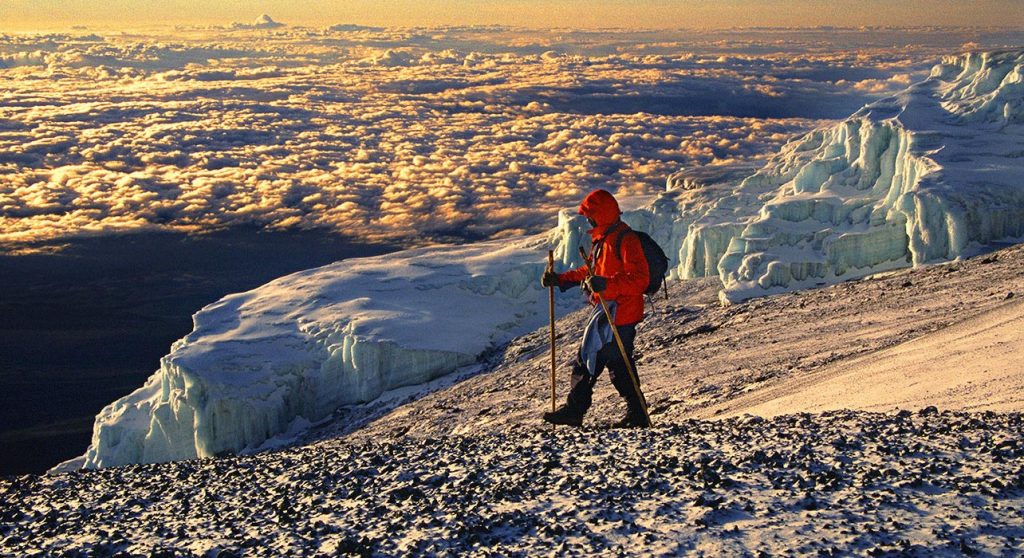

Kilimanjaro Private Climb: Your Ultimate Planning Guide
Choosing a Kilimanjaro private climb offers a unique and personalized way to conquer Africa’s highest peak. Unlike group treks, a private climb allows you to set your own pace, enjoy more personalized attention from your guides and support crew, and share the experience exclusively with your chosen companions. This guide is designed to provide you with all the essential information to plan your private Kilimanjaro adventure, from understanding the routes and preparing your body to making informed booking decisions for 2026 or 2027.
Quick Answers for Your Kilimanjaro Private Climb
What is a Kilimanjaro private climb? It’s a trek where you book the entire expedition for your group, with dedicated guides and support staff, rather than joining a larger, pre-scheduled group.
Why choose a private climb? Flexibility in pace, personalized service, enhanced comfort, and a more intimate experience.
What are the best routes for a private climb? Lemosho, Machame, and Marangu are popular, offering varying scenery and acclimatization profiles.
When is the best time to climb? Dry seasons: January-March and June-October.
How much does it cost? Costs vary based on route, duration, and operator, but expect it to be higher than group climbs due to dedicated resources.
Table of Contents
- Kilimanjaro Private Climb: An Overview
- Why Choose a Kilimanjaro Private Climb?
- Kilimanjaro Private Climb: Quick Facts
- Choosing the Right Route for Your Private Climb
- Kilimanjaro Routes: A Visual Overview
- Best Time for Your Private Kilimanjaro Climb (2026/2027)
- Sample Itinerary: 8-Day Lemosho Private Climb
- What to Expect on Your Private Climb
- Essential Preparation for a Private Kilimanjaro Trek
- What to Pack for Your Kilimanjaro Private Climb
- Common Mistakes to Avoid on a Private Climb
- Who is a Kilimanjaro Private Climb Best For?
- Alternatives to a Private Kilimanjaro Climb
- Planning Your 2026/2027 Kilimanjaro Private Climb
- Booking Your Kilimanjaro Private Climb: Key Considerations
- Frequently Asked Questions
- Ready to Book Your Kilimanjaro Private Climb?
Kilimanjaro Private Climb: An Overview
Mount Kilimanjaro, a dormant volcano in Tanzania, stands as the world’s tallest free-standing mountain and a bucket-list destination for trekkers. While many opt for group climbs to share costs and camaraderie, a Kilimanjaro private climb offers a distinct advantage for those seeking a more tailored and personal journey. This option is ideal for families, groups of friends, or individuals who prioritize flexibility, a slower pace, or enhanced comfort and privacy during their ascent.
Your private expedition means you have dedicated guides, cooks, and porters solely for your group. This allows your team to focus entirely on your group’s needs, acclimatization, and enjoyment. The itinerary can be slightly adjusted to suit your pace, and you won’t be held back or pushed forward by the dynamics of a larger, mixed group. This focused attention is crucial for a successful summit bid, as acclimatization and individual well-being are paramount on Kilimanjaro.
Why Choose a Kilimanjaro Private Climb?
The decision to book a Kilimanjaro private climb often stems from a desire for a more controlled and comfortable experience. Here are the key benefits:
- Personalized Pace: You and your group determine how quickly or slowly you ascend each day. This is invaluable for effective acclimatization and for those who prefer a more relaxed trekking style.
- Dedicated Support Team: Your guides, cooks, and porters are exclusively yours. This means they are fully attuned to your group’s specific needs, dietary preferences, and any medical concerns.
- Enhanced Comfort and Privacy: Enjoy meals and downtime without the bustle of a large group. Campsites can feel more personal, and you have more opportunities for quiet reflection amidst the stunning scenery.
- Flexibility: While standard itineraries are usually followed for acclimatization, a private climb offers slightly more leeway. For instance, if your group is feeling strong, you might be able to push a bit further on a given day, or if someone needs extra rest, the team can accommodate it without impacting others.
- Ideal for Groups: Whether it’s a family trip, a corporate team-building event, or a group of friends celebrating a milestone, a private climb ensures everyone in your party has a shared, exclusive experience.
- Focus on Acclimatization: With a dedicated team, your guides can monitor each member of your group more closely for signs of altitude sickness, making crucial adjustments to ensure everyone’s safety and well-being.
Kilimanjaro Private Climb: Quick Facts
| Feature | Details |
|---|---|
| Mountain Height | 5,895 meters (19,341 feet) |
| Location | Kilimanjaro National Park, Tanzania |
| Type of Climb | Private expedition for your group only |
| Support Staff | Dedicated guides, cook, porters |
| Popular Routes | Lemosho, Machame, Marangu, Rongai, Northern Circuit |
| Typical Duration | 6 to 9 days (longer is better for acclimatization) |
| Best Seasons | January-March, June-October |
| Difficulty | Challenging (due to altitude and duration) |
| Required Fitness | Good cardiovascular fitness, stamina |
| Accommodation | Camping (most routes), Hut accommodation (Marangu) |
Choosing the Right Route for Your Private Climb
The route you choose significantly impacts your Kilimanjaro experience. For a private climb, you have the flexibility to select a route that best suits your group’s preferences for scenery, acclimatization, and difficulty. Longer routes are generally recommended, especially for private groups, as they offer better acclimatization profiles, leading to higher success rates.
Popular Routes for Private Climbs:
Lemosho Route
Often considered one of the most scenic routes, Lemosho begins in the west and traverses the Shira Plateau. It offers excellent acclimatization due to its gradual ascent and longer duration (typically 7-8 days). Its remoteness in the initial stages provides a true wilderness feel, perfect for a private group seeking solitude.
Machame Route
Known as the “Whiskey Route,” Machame is very popular and offers a challenging yet rewarding climb with stunning vistas. It’s a non-technical trek that ascends steeply, requiring good physical condition. It’s typically done over 6-7 days, but for a private climb, extending it to 8 days (often by combining with the Shira Plateau) significantly improves acclimatization and success rates.
Marangu Route
The “Coca-Cola Route” is the oldest and most established. It’s the only route that offers hut accommodation instead of camping, making it more comfortable for some. It’s also the shortest (5-6 days), which is generally not recommended for acclimatization. For a private climb, opting for the 7-day Marangu itinerary is advisable to increase your chances of reaching the summit.
Rongai Route
The only route approaching from the north, Rongai is a good option during the wetter months. It’s generally drier and less crowded than the southern routes. It offers a more gradual ascent and is often completed in 6-7 days. For a private climb, a 7-day Rongai trek is recommended.
Northern Circuit
This is the longest route (9-10 days) and circles the mountain, offering the best acclimatization and highest success rates. It combines elements of Lemosho and offers incredible views from the northern slopes. It’s an excellent choice for a private climb if you want the most comfortable and successful experience possible.
Recommendation for Private Climbs: For optimal acclimatization and a higher chance of summiting, we strongly recommend choosing routes of 7 days or longer. The Lemosho, Machame (8-day variation), and Northern Circuit are excellent choices for a private Kilimanjaro climb.
Kilimanjaro Routes: A Visual Overview
Understanding the general path of each route helps in visualizing the journey. While a full map requires graphical representation, here’s a simplified textual overview of the primary ascent paths:
| Route | General Direction of Travel | Key Features |
|---|---|---|
| Marangu | Southeast to Summit, then same descent | Hut accommodation, gradual but direct ascent, often crowded. |
| Mweka | (Descent only for most routes) | Steep descent, used for most routes. |
| Machame | Southwest to Summit, then Mweka descent | Scenic, challenging ascents, camping, popular. |
| Shira | (Often merged with Lemosho) | Starts at higher altitude, traverses Shira Plateau. |
| Lemosho | West to Summit, then Mweka descent | Most scenic, gradual acclimatization, starts remote. |
| Rongai | North to Summit, then Mweka descent | Drier, less crowded, good for rainy season. |
| Northern Circuit | West/North to Summit, then Mweka descent | Longest, best acclimatization, circles the mountain. |
Best Time for Your Private Kilimanjaro Climb (2026/2027)
The weather on Kilimanjaro is a critical factor for success and enjoyment. The mountain experiences distinct wet and dry seasons. For a Kilimanjaro private climb, aiming for the dry seasons will offer the most stable weather conditions.
- January – March: This is a dry season with generally clear skies and good visibility. It’s a popular time to climb, but not as crowded as the mid-year season. Temperatures are moderate.
- April – May: These are the main rainy months. Expect heavy rainfall, especially at lower elevations, and snow at higher altitudes. Treks during this period are generally not recommended.
- June – October: This is the longest and most popular dry season. The weather is typically clear and cool, with excellent visibility. This is a prime time for climbing, so booking your private climb for 2026 or 2027 during these months is a good strategy, though it might be slightly busier.
- November – December: This period sees the start of the short rains. While not as intense as the main rainy season, expect occasional showers. It’s a less crowded time to climb.
Considerations for 2026/2027: If you are planning for 2026 or 2027, booking your private climb well in advance for the peak dry seasons (June-October 2026/2027) is highly recommended. This ensures availability for your preferred route and dates, especially with a dedicated team.
Sample Itinerary: 8-Day Lemosho Private Climb
This sample itinerary focuses on the Lemosho route, known for its scenic beauty and excellent acclimatization profile, extended to 8 days for a private climb to maximize success rates.
| Day | Route Stage | Altitude (m/ft) | Approx. Trekking Time | Description |
|---|---|---|---|---|
| Day 1 | Londorossi Gate to Mti Mkubwa Camp | 2,100m / 6,890ft | 3-4 hours | Drive to Londorossi Gate, then trek through rainforest to the first camp. |
| Day 2 | Mti Mkubwa Camp to Shira 1 Camp | 3,500m / 11,483ft | 5-7 hours | Ascend through moorland to the Shira Plateau, offering first views of Kilimanjaro. |
| Day 3 | Shira 1 Camp to Shira 2 Camp | 3,850m / 12,631ft | 4-5 hours | Trek across the Shira Plateau with gradual ascent. |
| Day 4 | Shira 2 Camp to Barranco Camp | 3,950m / 12,960ft | 5-7 hours | Cross Lava Tower (4,600m) for acclimatization, then descend to Barranco Camp. |
| Day 5 | Barranco Camp to Karanga Camp | 3,930m / 12,894ft | 3-5 hours | Climb the famous Barranco Wall, then trek to Karanga Valley. |
| Day 6 | Karanga Camp to Barafu Camp | 4,640m / 15,223ft | 4-5 hours | Ascend through alpine desert to Barafu Camp, the base for the summit push. Rest and prepare. |
| Day 7 | Summit Day: Barafu Camp to Uhuru Peak & Descent to Mweka Camp | 5,895m / 19,341ft (Summit) | 10-15 hours | Start pre-dawn for the summit via Stella Point, then Uhuru Peak. Descend past Barafu Camp to Mweka Camp. |
| Day 8 | Mweka Camp to Mweka Gate & Departure | 1,650m / 5,413ft (Gate) | 3-5 hours | Descend through rainforest to Mweka Gate. Transfer to your hotel. |
What to Expect on Your Private Climb
A private Kilimanjaro climb is an adventure that requires physical and mental preparation. Here’s a breakdown of what you can typically expect:
Daily Life on the Mountain:
- Wake-up: You’ll usually be woken up around 7:00 AM with a cup of hot tea or coffee and a bowl of hot water for washing.
- Breakfast: A hearty breakfast follows, prepared by your cook.
- Trekking: You’ll trek for several hours, typically with short breaks for snacks and water. Your guides will set a slow, steady pace.
- Lunch: A packed lunch is usually enjoyed en route, or a hot meal might be prepared at a scenic spot.
- Afternoon Trek: Continue trekking to the next campsite.
- Arrival at Camp: Upon arrival, you’ll be greeted with hot drinks and snacks. Your tents will be set up, and your sleeping bags ready.
- Dinner: A well-cooked, nutritious dinner is served in a mess tent.
- Evening Briefing: Your lead guide will brief you on the next day’s plan, weather, and acclimatization status.
- Sleep: You’ll aim to get to bed early to rest for the next day.
The Summit Night:
Summit night is the most demanding part of the trek. It begins around midnight or 1:00 AM from Barafu Camp. You’ll ascend in the dark, often in single file, using headlamps. The pace is extremely slow, with frequent short breaks. Reaching Stella Point at the crater rim is a significant achievement, and the final push to Uhuru Peak (the true summit) takes another 1-2 hours.
Altitude Sickness:
Altitude sickness (Acute Mountain Sickness – AMS) is the most common challenge. Symptoms can include headache, nausea, dizziness, and fatigue. Your guides are trained to recognize these symptoms and will monitor you closely. Staying hydrated, ascending slowly, and taking acclimatization days are key to prevention. For a private climb, your dedicated team can pay extra attention to each member’s condition.
Support and Services:
Your private team ensures your comfort and safety. This includes carrying all equipment, setting up camp, preparing all meals, and providing medical support. You’ll have experienced guides who know the mountain intimately.
Essential Preparation for a Private Kilimanjaro Trek
Success on Kilimanjaro hinges on thorough preparation. This involves both physical conditioning and mental readiness.
Physical Training:
- Cardiovascular Fitness: Engage in regular aerobic activities like hiking, running, cycling, or swimming at least 3-4 times per week for several months leading up to your climb.
- Hiking with a Pack: Practice hiking on steep, uneven terrain with a backpack weighing 5-10 kg (10-20 lbs). This simulates the actual trekking conditions.
- Strength Training: Focus on leg strength (squats, lunges) and core strength to support your body during long days of trekking.
- Stamina Building: Aim for longer hikes (4-6 hours) on weekends to build endurance.
- Acclimatization Practice: If possible, spend time at higher altitudes before your climb, or do back-to-back long hikes to simulate multi-day efforts.
Mental Preparation:
- Understand the Challenge: Kilimanjaro is a serious undertaking. Be prepared for challenging conditions, including cold, altitude, and physical exertion.
- Positive Mindset: A positive attitude is crucial. Focus on the journey and the incredible experience, rather than just the summit.
- Patience: The pace on Kilimanjaro is slow. Embrace it as part of the acclimatization process.
- Teamwork: Even on a private climb, supporting your fellow trekkers is important.
Health and Medical:
- Consult Your Doctor: Discuss your plans with your physician. They can advise on necessary vaccinations, altitude medication (like Diamox), and general health readiness.
- Hydration: Start hydrating well in advance of your trip.
- Nutrition: Maintain a balanced diet.
What to Pack for Your Kilimanjaro Private Climb
Packing correctly is vital for comfort and safety. Layering is key, as temperatures can range from tropical at the base to arctic at the summit. Your private operator will provide a detailed packing list, but here are the essentials:
Clothing (Layering System):
- Base Layers: Moisture-wicking thermal tops and bottoms (merino wool or synthetic).
- Mid Layers: Fleece jacket or insulated jacket for warmth.
- Outer Layer (Shell): Waterproof and windproof jacket and trousers.
- Insulation Layer: A warm down or synthetic jacket for evenings and summit night.
- Trekking Trousers: Comfortable, quick-drying hiking pants (avoid jeans).
- Shorts: For lower, warmer altitudes.
- Shirts: Moisture-wicking short and long-sleeved shirts.
Footwear:
- Hiking Boots: Waterproof, broken-in hiking boots with good ankle support.
- Camp Shoes: Comfortable shoes or sandals for around camp.
- Socks: Several pairs of wool or synthetic hiking socks.
- Gaiters: To keep debris and snow out of your boots.
Headwear & Handwear:
- Warm Hat: Wool or fleece hat that covers your ears.
- Sun Hat: Wide-brimmed hat for sun protection.
- Balaclava/Buff: For face protection against wind and cold.
- Gloves: Warm, waterproof outer gloves and thinner liner gloves.
Accessories & Gear:
- Backpack: A comfortable daypack (25-35 liters) for essentials during the trek.
- Duffel Bag: A large, waterproof duffel bag (80-100 liters) for porters to carry.
- Sleeping Bag: A warm (-10°C to -20°C comfort rating) four-season sleeping bag.
- Sleeping Pad: (Often provided, but check with operator).
- Trekking Poles: Highly recommended for stability and reducing knee strain.
- Headlamp: With extra batteries.
- Water Bottles/Hydration Reservoir: At least 2-3 liters capacity.
- Water Purification: Tablets or filter (though boiled water is usually provided).
- Sunglasses: With UV protection.
- Sunscreen: High SPF.
- Lip Balm: With SPF.
- Personal First-Aid Kit: Include blister treatment, pain relievers, personal medications.
- Toiletries: Biodegradable soap, toothbrush, toothpaste, wet wipes, hand sanitizer.
- Camera: With extra batteries and memory cards.
- Snacks: Energy bars, nuts, dried fruit.
- Passport & Visa: Keep in a waterproof bag.
- Money: For tips and personal expenses.
Note: Your operator will provide tents, sleeping mats, mess tents, cooking equipment, and food. Confirm what is included to avoid duplication.
Common Mistakes to Avoid on a Private Climb
Even with a private climb, certain mistakes can hinder your experience or success. Being aware of these can help you plan better.
- Underestimating the Altitude: Kilimanjaro’s altitude is serious. Don’t assume your fitness level will protect you from altitude sickness. Ascend slowly and listen to your body.
- Inadequate Physical Training: While a private climb offers pace flexibility, you still need the physical stamina for long trekking days and summit night. Insufficient training is a major pitfall.
- Poor Acclimatization Strategy: Choosing a short route (e.g., 5-day Marangu) is a common mistake. Longer routes (7+ days) with acclimatization days are crucial for success.
- Packing Incorrectly: Bringing cotton clothing, not packing enough warm layers, or failing to bring essential items like waterproofs and good boots can make the trek miserable.
- Dehydration: Not drinking enough water is a common and dangerous error. Aim for 3-4 liters per day.
- Overexertion on Summit Night: Pushing too hard too fast on summit night can lead to exhaustion and altitude sickness. Go ‘pole pole’ (slowly, slowly).
- Ignoring Symptoms of Altitude Sickness: Don’t try to tough it out. Inform your guide immediately if you feel unwell.
- Choosing the Cheapest Operator: The lowest price often means compromised safety, lower quality gear, less experienced guides, or overworked porters. For a private climb, invest in a reputable operator.
- Not Budgeting for Tips: Tipping the crew is customary and expected. Factor this into your budget.
- Lack of Communication with Operator: Don’t hesitate to ask your tour operator questions about preparation, gear, or any concerns you have.
Who is a Kilimanjaro Private Climb Best For?
A Kilimanjaro private climb is an excellent choice for several types of travelers:
- Families: Allows you to control the pace for all family members, ensuring everyone can enjoy the experience at their comfort level.
- Groups of Friends: Ideal for celebrating special occasions or simply sharing an unforgettable adventure together, with the entire expedition tailored to your group.
- Corporate Teams: A unique team-building experience where the entire company or department can bond and achieve a common goal.
- Photographers and Nature Enthusiasts: Provides flexibility to stop for photos or spend extra time observing wildlife and scenery without pressure from other trekkers.
- Those Seeking Solitude: If you prefer a more intimate and less crowded experience, a private climb ensures you are only with your chosen companions.
- Travelers Prioritizing Comfort: While still a challenging trek, a private climb can offer a slightly more comfortable and personalized service from the support crew.
- Individuals with Specific Needs: If you have particular dietary requirements or need a very specific pace, a private climb offers the most control.
Alternatives to a Private Kilimanjaro Climb
While a private climb offers many benefits, it’s not the only way to experience Kilimanjaro or similar adventures. Here are some alternatives:
- Joining a Scheduled Group Climb: This is the most common and cost-effective option. You join a pre-arranged group, sharing costs and the experience with other trekkers. It’s great for solo travelers or those on a tighter budget.
- Climbing Mount Meru: Located near Kilimanjaro, Mount Meru (4,566m) is a fantastic trek in its own right. It’s often used as a preparatory climb for Kilimanjaro due to its challenging terrain and good acclimatization profile. It’s less crowded and offers beautiful scenery and wildlife viewing opportunities.
- Trekking in other African Mountains: Consider Mount Kenya (highest peak is Batian, technical), Mount Toubkal in Morocco (North Africa’s highest), or the Simien Mountains in Ethiopia for different trekking experiences.
- Kilimanjaro Day Trips or Shorter Treks: For those not aiming for the summit, there are options to trek to specific points on Kilimanjaro for a day or two, offering a taste of the mountain’s lower slopes.
Planning Your 2026/2027 Kilimanjaro Private Climb
Planning a Kilimanjaro private climb for 2026 or 2027 requires foresight. Here’s a guide to help you get started:
1. Choose Your Operator:
This is the most crucial step. Look for a reputable local Tanzanian operator like Best Tanzania. They have firsthand knowledge, employ local guides and porters fairly, and understand the mountain’s specific conditions. Key factors to consider:
- Experience and Reputation: How long have they been operating? What do reviews say?
- Safety Standards: Do they have emergency protocols, oxygen, and medical kits?
- Guide Training: Are guides certified and experienced in altitude medicine?
- Porter Welfare: Do they treat their porters ethically, providing fair wages, food, and gear?
- Inclusions: What is covered in the price? (Park fees, food, guides, porters, accommodation before/after, transfers).
2. Select Your Route and Duration:
As discussed, longer routes (7+ days) are best for acclimatization. For a private climb, aim for at least 7 days, ideally 8 or more, especially if choosing Lemosho or the Northern Circuit.
3. Determine Your Dates:
Consider the best seasons (Jan-Mar, Jun-Oct) for your 2026 or 2027 climb. Popular dates, especially for private climbs, book up fast.
4. Budgeting:
Private climbs are more expensive than group treks. Factor in park fees, operator costs, gear rental, flights, visas, travel insurance, vaccinations, and tips.
5. Physical Preparation Timeline:
Start training at least 3-6 months in advance. Gradually increase intensity and duration.
6. Book in Advance:
For a Kilimanjaro private climb in 2026 or 2027, booking 6-12 months ahead is advisable to secure your preferred dates and operator.
Planning Checklist for 2026/2027:
- [ ] Research and select tour operator (e.g., Best Tanzania)
- [ ] Choose route and duration (recommend 7+ days)
- [ ] Confirm desired climb dates (consider dry seasons)
- [ ] Request a detailed quote for a private climb
- [ ] Book your climb and pay deposit
- [ ] Consult your doctor regarding health and medication
- [ ] Begin physical training program
- [ ] Purchase flights to Kilimanjaro International Airport (JRO)
- [ ] Obtain necessary visas for Tanzania
- [ ] Arrange travel insurance (must cover high-altitude trekking and medical evacuation)
- [ ] Purchase or rent necessary gear
- [ ] Pack according to your operator’s list
- [ ] Finalize remaining payments
Booking Your Kilimanjaro Private Climb: Key Considerations
When you’re ready to book your Kilimanjaro private climb, focus on these critical aspects to ensure a smooth and successful experience.
Reputable Operator Selection:
As mentioned, choose a company with a strong safety record, ethical treatment of staff, and excellent reviews. Local operators often provide better value and understanding of the Tanzanian context. Best Tanzania is a trusted local choice known for its quality service and commitment to client success.
Understanding Inclusions and Exclusions:
Always clarify what your quoted price includes. Typically, this covers:
- National Park fees (these are substantial)
- All meals on the mountain
- Experienced guides, cook, and porters
- Tents, cooking equipment, mess tent
- Diamox or altitude medication (check if included)
- Transfers to/from the mountain
- Accommodation before and after the climb (check duration)
Common exclusions include:
- International flights
- Visa fees
- Travel insurance
- Personal gear (clothing, sleeping bag, boots)
- Tips for the crew
- Personal expenses (souvenirs, drinks)
- Optional hot showers or bottled water on the mountain
Contract and Payment Terms:
Understand the deposit required, payment schedule, and cancellation policy. Reputable operators will have clear terms and conditions.
Communication:
Ensure you have a clear point of contact for any questions before, during, and after your climb. For immediate assistance, consider reaching out via WhatsApp.
Frequently Asked Questions
Q1: Is a Kilimanjaro private climb significantly more expensive than a group climb?
Yes, a private climb is generally more expensive because you are paying for the exclusive use of guides, cooks, and porters for your group, rather than sharing these costs with other trekkers. The park fees, which are a large component of the cost, are per person regardless of group size, but the operational costs for a private expedition are higher.
Q2: How many people can be in a private Kilimanjaro climb group?
The number can vary depending on the operator’s policy and the route. Typically, private climbs can accommodate from 2 people up to larger groups of 8-10 or more. It’s best to confirm with your chosen operator regarding group size limits for private expeditions.
Q3: What is the minimum number of days recommended for a Kilimanjaro private climb?
For optimal acclimatization and a higher success rate, a minimum of 7 days is strongly recommended. Routes like Lemosho, Machame (8-day), and the Northern Circuit (9-10 days) are ideal for private climbs as they incorporate better acclimatization profiles.
Q4: Can I customize the itinerary for my private climb?
While major route changes are generally not advised due to acclimatization principles, private climbs offer more flexibility in terms of daily pace, meal preferences, and campsite setup. Discuss your specific needs with your operator during the planning phase.
Q5: What if someone in my private group gets altitude sickness?
Your guides are trained to manage altitude sickness. They will assess the situation, and if symptoms are moderate to severe, they may recommend descending. For a private climb, the team’s focus is solely on your group, allowing for prompt and personalized attention. Medical evacuation procedures are in place for emergencies.
Q6: What kind of food can I expect on a Kilimanjaro private climb?
Reputable operators provide varied and nutritious meals prepared by experienced cooks. Expect a mix of carbohydrates for energy, protein, and vegetables. Breakfasts often include porridge, eggs, or pancakes. Lunches can be packed or hot meals. Dinners are usually hearty stews, pasta, chicken, or rice dishes. Vegetarian and other dietary needs can usually be accommodated with advance notice.
Q7: Do I need special permits for a Kilimanjaro private climb?
Yes, all climbers must have permits to enter Kilimanjaro National Park. These fees are substantial and are typically included in the price quoted by your tour operator. Your operator will handle the permit acquisition process.
Q8: What is the best way to train for a Kilimanjaro private climb in 2026?
Focus on cardiovascular fitness through hiking, running, or cycling. Practice hiking with a weighted backpack on varied terrain. Aim for longer hikes on weekends to build stamina. Strength training for legs and core is also beneficial. Start your training at least 3-6 months before your climb.
Q9: How much should I tip the crew on my private climb?
Tipping is customary and a significant part of the crew’s income. While amounts vary, a general guideline for a 7-day climb is around $250-$350 per climber for the entire crew (guides, assistant guides, cook, porters). Your operator will provide specific recommended tipping guidelines.
Q10: What happens if I don’t reach the summit on my private climb?
Not reaching the summit can be disappointing, but it’s important to remember that Kilimanjaro is a challenging mountain, and altitude sickness or exhaustion can prevent even the fittest individuals from summiting. Your safety is the priority. Many people are content with the journey and the experience of reaching the crater rim. A private climb still offers a deeply rewarding experience regardless of summit success.
Ready to Book Your Kilimanjaro Private Climb?
Planning a Kilimanjaro private climb is an exciting endeavor. With the right preparation and a trusted partner, you can make your dream of standing atop Africa a reality. Our team at Best Tanzania is dedicated to providing exceptional service, ensuring your safety, and creating an unforgettable trekking experience. We specialize in tailor-made Kilimanjaro expeditions, offering private climbs that prioritize your comfort, pace, and success.
Whether you’re planning for 2026 or 2027, let us help you craft the perfect Kilimanjaro private climb. We offer expert advice on routes, itineraries, and preparation to ensure you are fully ready for the challenge.
Contact us today to start planning your Kilimanjaro private climb:
WhatsApp: +255616946642
Email: topguideadventures@gmail.com
Backup Email: info@topguideadventures.com
Plan your kilimanjaro private climb with Top Guide Adventures
Tell us your travel dates, group size, comfort level, and dream experience. We will help you shape a clear, realistic, and memorable Tanzania itinerary.







 Veedesigner
 Fatma Kizanga
 Benjamin Waryuba
 Philip Philip
 John jr Itaja
 Antonia Optatus
 Edith Kanyere
 Neema Iddy
 Kelvin Boniphace
 Damari Maiga



