
Updated planning guide for 2026, 2027
Kilimanjaro Porter Welfare Tour Operator: Best Guide
Discover how to choose a Kilimanjaro porter welfare tour operator that prioritizes ethical treatment and climber safety. This comprehensive guide provides essential planning advice for your 2026/2027 trek.
WhatsApp +255616946642 | topguideadventures@gmail.com | info@topguideadventures.com
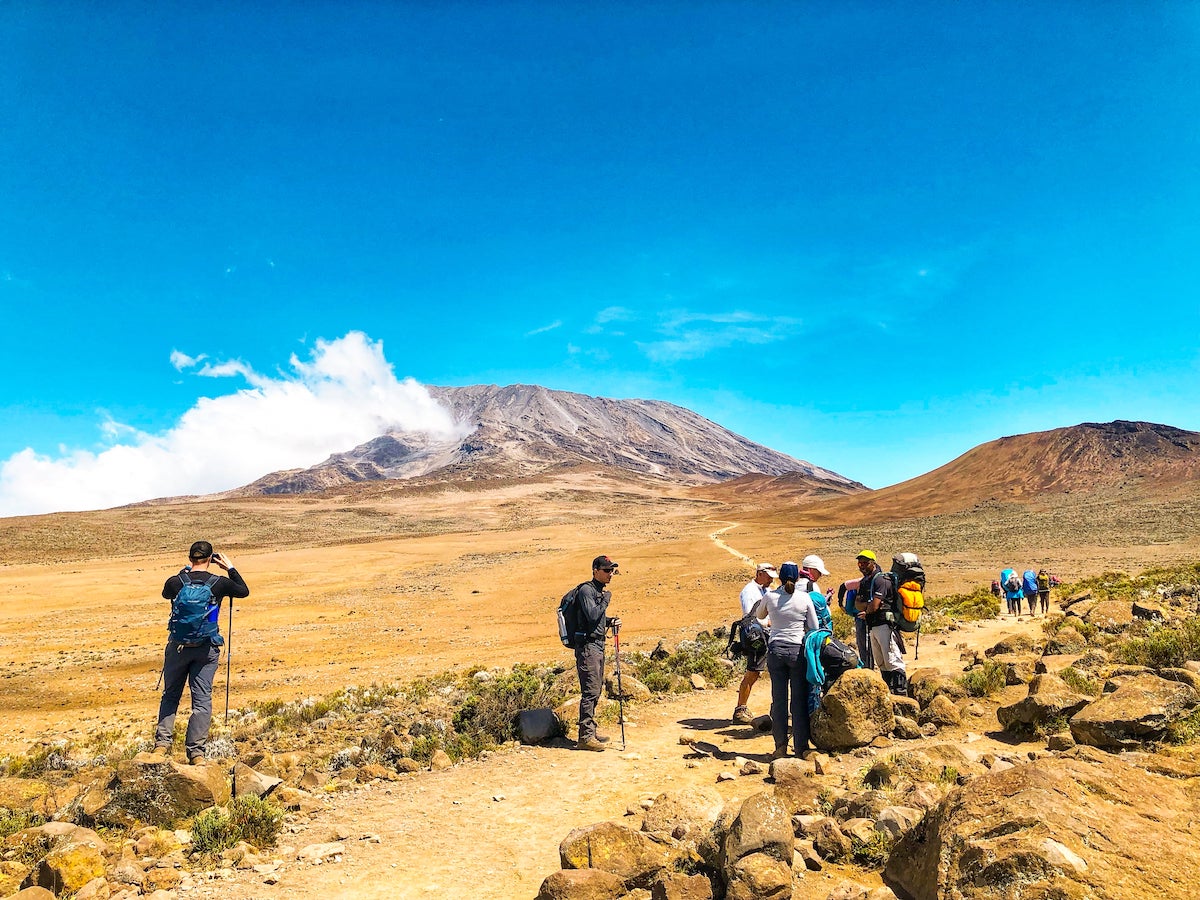

Kilimanjaro Porter Welfare Tour Operator: Your Essential Guide
Trekking Mount Kilimanjaro is a dream for many, a chance to stand on the Roof of Africa. However, the experience is deeply intertwined with the well-being of the local guides and porters who make the climb possible. Selecting a kilimanjaro porter welfare tour operator is not just about finding the cheapest option; it’s about choosing a company committed to fair wages, proper equipment, adequate food, and respectful treatment for their crew. This guide will walk you through everything you need to know to make an informed decision, ensuring your climb is not only successful but also ethically sound, preparing you for treks in 2026 and 2027.
Table of Contents
- Quick Facts
- Understanding Porter Welfare
- Why Porter Welfare Matters
- Choosing the Right Kilimanjaro Porter Welfare Tour Operator
- Key Indicators of Porter Welfare
- How Operators Ensure Porter Welfare
- Kilimanjaro Routes and Porter Roles
- Best Time to Climb Kilimanjaro
- Sample Itinerary with Welfare Focus
- What to Expect on the Mountain
- Packing and Preparation
- Common Mistakes to Avoid
- Who is This Trek For?
- Alternatives to Kilimanjaro
- Planning Your Trek for 2026-2027
- Booking Advice
- Frequently Asked Questions
Quick Facts
| Aspect | Details |
|---|---|
| Mountain | Mount Kilimanjaro, Tanzania |
| Highest Point | Uhuru Peak (5,895m / 19,341 ft) |
| Porter’s Role | Carrying group gear, food, tents, and personal items (within limits) |
| Welfare Concerns | Fair wages, adequate food, proper clothing/gear, medical support, respectful treatment, working hours |
| Key Organizations | Kilimanjaro Porters Assistance Project (KPAP), Kilimanjaro National Park Authority (KINAPA) |
| Climbing Seasons | January-March, June-October |
Understanding Porter Welfare
The backbone of any Kilimanjaro expedition is its support crew, primarily the porters. These individuals are skilled mountaineers who carry the bulk of the equipment, food, and communal supplies up the mountain. They often walk ahead of the trekking group to set up camp before the climbers arrive. Their strength, endurance, and knowledge of the mountain are indispensable. However, historically, the trekking industry has faced criticism regarding the treatment of porters. This includes issues like:
- Low Wages: Porters not being paid a fair wage for their demanding work.
- Inadequate Food: Being provided with insufficient or poor-quality food, sometimes even having to rely on leftovers from climbers.
- Lack of Proper Gear: Being forced to trek in unsuitable clothing or footwear, leading to health risks.
- Overburdening: Carrying loads exceeding legal weight limits.
- Unethical Practices: Porters being abandoned or not paid fully upon completion of the trek.
A responsible kilimanjaro porter welfare tour operator actively works to combat these issues, ensuring their porters are treated with the dignity and respect they deserve.
Why Porter Welfare Matters
The welfare of porters is a critical ethical consideration. These individuals are often the primary breadwinners for their families, and their livelihood depends on this work. Ensuring their fair treatment benefits not only the porters themselves but also contributes to a more sustainable and responsible tourism industry in Tanzania.
- Ethical Responsibility: It’s simply the right thing to do. Porters are essential to the success of your climb.
- Climber Safety: Well-treated, well-fed, and well-equipped porters are healthier and more alert, contributing to overall group safety.
- Mountain Environment: Responsible operators often promote better environmental practices, which extends to their crew.
- Community Impact: Fair wages empower local communities and contribute positively to the Tanzanian economy.
- Enhanced Experience: Knowing you’re supporting ethical practices can significantly enhance your own sense of satisfaction and the overall meaning of your Kilimanjaro journey.
Choosing a tour operator that champions porter welfare means you are contributing to a positive cycle of responsible tourism.
Choosing the Right Kilimanjaro Porter Welfare Tour Operator
Selecting the right tour operator is the single most important decision you will make for your Kilimanjaro trek. It goes beyond comparing prices; it requires due diligence into their practices. A reputable kilimanjaro porter welfare tour operator will be transparent about their policies and proud to share details of how they support their staff.
Key Indicators of Porter Welfare
When researching operators, look for these specific signs that indicate a commitment to porter welfare:
| Indicator | What to Look For |
|---|---|
| KPAP Partnership | Membership or partnership with the Kilimanjaro Porters Assistance Project (KPAP) is a strong indicator. KPAP is a leading organization that monitors and advocates for porter rights. |
| Transparency in Pricing | Operators who are upfront about what their price includes, especially regarding porter wages and provisions, are more likely to be ethical. Avoid suspiciously low prices, as these often come at the expense of porter welfare. |
| Porter-to-Climber Ratio | A higher ratio of porters to climbers (e.g., 1:1.5 or 1:2) often suggests better support and less overburdening. This also ensures porters are not carrying excessive loads. |
| Gear and Clothing Provision | Reputable operators provide porters with essential gear like waterproof jackets, warm trousers, sturdy boots, gloves, and hats. They also ensure tents are adequate for mountain conditions. |
| Food and Accommodation | Porters should receive regular, nutritious meals. They should also have access to clean water and appropriate shelter, even if it means carrying extra supplies. |
| Fair Wages and Tipping Guidelines | The operator should have a clear, fair wage structure for porters and provide guidelines on tipping that are transparent and adhered to. They should ensure porters are paid promptly. |
| Weight Limits | Adherence to weight limits for porters (typically around 15-20kg of gear plus their own necessities) is crucial. |
| Staff Training and Medical Care | Operators should offer training to their guides and porters and have protocols for medical emergencies, including access to oxygen and evacuation plans. |
| Reviews and Testimonials | Look for reviews that specifically mention the treatment of porters. Many travelers who have used ethical operators comment positively on this aspect. |
How Operators Ensure Welfare
A top-tier kilimanjaro porter welfare tour operator implements a comprehensive system:
- Partnership with KPAP: They work closely with KPAP, adhering to their guidelines, and often have their operations audited by the organization.
- Dedicated Porter Department: Some larger operators have specific staff members responsible for porter management, ensuring their needs are met.
- Internal Codes of Conduct: They establish and enforce strict codes of conduct for all staff, emphasizing respectful treatment of porters.
- Regular Equipment Checks: Ensuring all crew members have functional and appropriate gear before and during the trek.
- Nutritional Planning: Menus are designed to provide sufficient calories and nutrients for both climbers and crew.
- Prompt Payment: Wages are paid immediately upon completion of the trek, often at the park gate.
- Accident Insurance: Providing insurance for their trekking staff.
When you inquire with potential operators, ask direct questions about these points. Their willingness and ability to provide detailed answers are a good sign.
Kilimanjaro Routes and Porter Roles
Different routes on Kilimanjaro have varying lengths, difficulty levels, and scenic beauty. The choice of route can also influence the number of porters needed and the logistics involved. Generally, porters carry:
- Tents (sleeping tents, mess tent, toilet tent)
- Sleeping mats
- Cooking equipment and fuel
- Food and water supplies
- Communal gear
- Climbers’ duffel bags (limited weight, typically 15kg)
Guides are responsible for navigation, safety, and leading the group. Assistant guides often help with group management and ensuring climbers are comfortable. Porters are the logistical backbone, ensuring camps are set up efficiently and supplies are transported.
Common Routes and Considerations:
- Marangu Route: Known as the “Coca-Cola” route, it’s the oldest and most direct. It involves dormitory-style accommodation. Porters carry gear, but it’s less gear-intensive than camping routes.
- Machame Route: A popular camping route known for its scenic beauty and good acclimatization profile. It requires more porters to carry tents and camping equipment.
- Lemosho Route: A longer, more remote, and highly scenic route, often considered one of the best for acclimatization and views. It requires a significant number of porters.
- Shira Route: Similar to Lemosho but starts at a higher altitude.
- Rongai Route: Approaches from the north, offering a different perspective and often drier conditions.
- Northern Circuit: The longest route, offering the best acclimatization and circumnavigating the mountain. It requires the most porters due to its duration.
A responsible kilimanjaro porter welfare tour operator will ensure porters on all routes are treated equally well, regardless of the route’s popularity or complexity.
Best Time to Climb Kilimanjaro
The best times to climb Kilimanjaro are during the two dry seasons, offering clearer skies and more stable weather conditions. While it’s possible to climb year-round, these periods significantly increase your chances of a successful and enjoyable trek.
| Season | Months | Conditions | Crowds |
|---|---|---|---|
| Dry Season 1 (Longer) | June – October | Clear skies, cooler temperatures, less rain. Possible frost at higher altitudes. | Moderate to High |
| Dry Season 2 (Shorter) | January – March | Clear skies, warmer temperatures, less rain. Can be very hot at the base. | Moderate |
| Rainy Season 1 (Short Rains) | November – December | Intermittent rain showers, can be unpredictable. | Low |
| Rainy Season 2 (Long Rains) | April – May | Heavy rainfall, high humidity, often cloudy. Snowfall is common at the summit. Not recommended for trekking. | Low |
When planning for 2026 or 2027, aim for the dry seasons. These periods also tend to be busier, so booking in advance with your chosen kilimanjaro porter welfare tour operator is advisable.
Sample Itinerary with Welfare Focus
This sample itinerary uses the popular Machame Route (7 days) and highlights how a welfare-conscious operator structures the trek.
Day 1: Arrival and Briefing
Arrive at Kilimanjaro International Airport (JRO). You’ll be met by a representative from your tour operator and transferred to your hotel in Arusha or Moshi. A comprehensive pre-climb briefing will be held, where you’ll meet your lead guide, receive detailed information about the trek, ask questions, and have your gear checked. This is also an opportunity to confirm porter arrangements and understand the operator’s welfare policies.
Day 2: Machame Gate (1,800m) to Machame Camp (3,050m)
Trek: 5-7 hours, ~11 km / 7 miles.
Focus: After breakfast, you’ll be driven to the Machame Gate. Here, you’ll complete park formalities while the guides and porters prepare the equipment. The trek begins through the lush montane forest. Porters will carry the main load. Your guide will brief you on the day’s progress and the team’s welfare checks.
Day 3: Machame Camp to Shira Camp (3,850m)
Trek: 4-6 hours, ~5 km / 3 miles.
Focus: Ascend out of the forest into moorland. The path can be steep. Your guide will focus on pacing and hydration. At Shira Camp, you’ll see the impressive Shira Plateau. The crew will have camp set up, including a mess tent for meals, ensuring porters have shelter and food.
Day 4: Shira Camp to Barranco Camp (3,950m)
Trek: 5-7 hours, ~10 km / 6 miles.
Focus: A day of acclimatization, traversing the Shira Plateau and heading towards the Lava Tower (4,600m). You’ll descend to Barranco Camp. This day is crucial for adjusting to altitude. Operators ensure porters have sufficient rations and are well-rested, as they often carry heavier loads on this section.
Day 5: Barranco Camp to Karanga Camp (4,000m)
Trek: 3-5 hours, ~5 km / 3 miles.
Focus: The famous Barranco Wall scramble. While climbers navigate this section, guides and porters ensure safety and efficient movement. The camp is set up before your arrival. Operators check porter health and ensure they are not carrying loads that compromise their safety on the wall.
Day 6: Karanga Camp to Barafu Camp (4,650m)
Trek: 3-5 hours, ~4 km / 2 miles.
Focus: A shorter day, allowing rest before the summit push. You’ll trek through alpine desert. Barafu Camp is exposed and windy. The crew will prepare for the summit night, ensuring they have adequate supplies and rest. This is a critical point for monitoring both climber and crew well-being.
Day 7: Summit Day and Descent to Mweka Camp (3,100m)
Trek: 7-8 hours to summit, 4-6 hours descent, ~5 km / 3 miles up, ~12 km / 7 miles down.
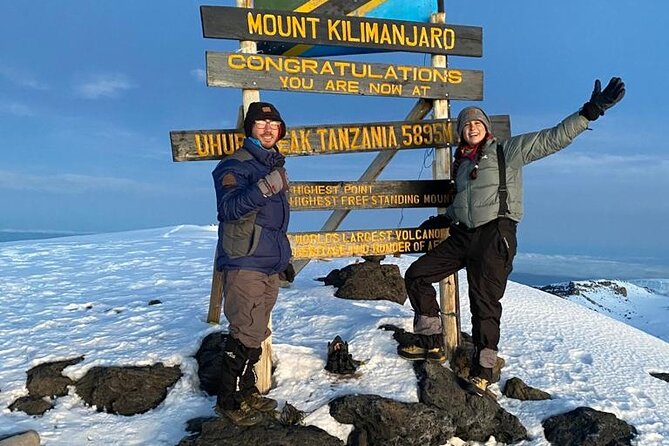
Focus: Summit push begins around midnight. Reach Stella Point (5,756m) then Uhuru Peak (5,895m) for sunrise. Descend directly to Mweka Camp. This is the most demanding day. Guides and porters work tirelessly to ensure climbers reach the summit safely and descend without incident. Porters will have already descended to a lower point to prepare the camp.
Day 8: Mweka Camp to Mweka Gate (1,650m)
Trek: 3-4 hours, ~8 km / 5 miles.
Focus: Final descent through the rainforest. At Mweka Gate, you’ll celebrate your achievement and say goodbye to your crew. A responsible kilimanjaro porter welfare tour operator ensures porters receive their full wages and tips immediately, and that their journey back down is safe.
What to Expect on the Mountain
Climbing Kilimanjaro is a challenging but rewarding experience. Here’s what you can expect:
- Varying Climates: You’ll pass through five distinct ecological zones, from lush rainforest to arctic-like conditions at the summit.
- Altitude Sickness: This is a real risk. Symptoms include headache, nausea, dizziness, and fatigue. Slow ascent, hydration, and proper acclimatization are key.
- Basic Camping: Unless you choose the Marangu route, you’ll be camping. Expect tents, sleeping mats, and communal mess tents for dining.
- Simple Meals: Operators provide three meals a day, typically carbohydrate-rich to provide energy. Expect porridge, eggs, pasta, rice, vegetables, and soup.
- Basic Toilets: Most camps have a toilet tent. On some routes, you might use a ‘long drop’ toilet at the gate or along the trail.
- No Showers: There are no shower facilities on the mountain. You’ll rely on wet wipes.
- Teamwork: Your guides and porters are your support system. Trust their expertise and follow their instructions.
- Environmental Conditions: Weather can change rapidly. Be prepared for sun, wind, rain, and cold.
A good kilimanjaro porter welfare tour operator will prepare you for these conditions and ensure the support crew is equipped to handle them, too.
Packing and Preparation
Proper packing and physical preparation are vital for a successful and comfortable climb. Your operator will provide a detailed packing list, but here are key areas to focus on:
Physical Training
Focus on cardiovascular fitness and leg strength. Hiking with a weighted backpack on varied terrain is ideal. Aim for at least 3-4 months of consistent training.
Essential Gear Checklist
| Category | Items |
|---|---|
| Clothing (Layering is Key) | Moisture-wicking base layers (tops & bottoms), thermal mid-layers (fleece), waterproof and windproof outer shell (jacket & trousers), insulated down jacket, hiking trousers, shorts, t-shirts, sports bras. |
| Headwear | Sun hat with wide brim, warm beanie/woolen hat, balaclava/neck gaiter. |
| Footwear | Broken-in hiking boots (waterproof), camp shoes/sandals, warm hiking socks (wool or synthetic). |
| Handwear | Warm waterproof gloves/mittens, liner gloves. |
| Sleeping Gear | Sleeping bag (rated to -15°C / 0°F), sleeping bag liner, inflatable pillow (optional). |
| Backpack & Duffel | Daypack (30-40L) for essentials, waterproof duffel bag (80-100L) for porters. |
| Hydration | Water bottles (2-3L capacity), hydration reservoir (optional, can freeze), water purification tablets/filter. |
| Health & Safety | Personal first-aid kit, sunscreen (SPF 30+), lip balm with SPF, insect repellent, hand sanitizer, headache tablets, altitude sickness medication (consult your doctor), sunglasses. |
| Other Essentials | Headlamp with extra batteries, trekking poles, camera, power bank, snacks, toiletries, quick-dry towel, personal documents, cash for tips. |
Ensure your operator provides porters with appropriate gear. Ask them about their policy on this. A good kilimanjaro porter welfare tour operator will not cut corners on crew equipment.
Common Mistakes to Avoid
Many trekkers make common errors that can detract from their experience or even jeopardize their climb. Being aware of these can help you:
- Choosing the Cheapest Operator: This is the most common mistake. Extremely low prices often mean porters are underpaid, overworked, or poorly equipped.
- Inadequate Training: Underestimating the physical demands of the climb.
- Poor Acclimatization: Rushing the ascent or ignoring symptoms of altitude sickness.
- Insufficient Gear: Not packing properly or not having the right equipment, leading to discomfort or health issues.
- Dehydration: Not drinking enough water is a major contributor to altitude sickness.
- Ignoring Symptoms: Pushing on despite feeling unwell due to altitude.
- Over-reliance on Medication: Using altitude sickness medication without understanding its role or consulting a doctor. It’s a supplement, not a substitute for acclimatization.
- Not Tipping Appropriately: Tipping is customary and a significant part of porter income. Understand the guidelines and tip fairly.
- Not Researching Porter Welfare: Failing to check if the operator prioritizes their crew’s well-being.
By learning from these mistakes and choosing a reputable kilimanjaro porter welfare tour operator, you significantly increase your chances of a safe and successful summit.
Who is This Trek For?
Kilimanjaro is an attainable goal for many, but it requires commitment. This trek is best suited for:
- Fit Individuals: Those who are reasonably fit and have undertaken some form of hiking or strenuous activity.
- Adventurous Spirits: People who enjoy the outdoors, camping, and pushing their physical and mental boundaries.
- Nature Lovers: Those who appreciate diverse landscapes and the natural world.
- Those Seeking a Challenge: Individuals looking for a significant personal achievement.
- Travelers with a Conscience: People who want to ensure their travel has a positive impact and supports ethical practices.
It is NOT for:
- Individuals with severe pre-existing medical conditions that could be exacerbated by altitude or strenuous activity (always consult a doctor).
- Those unwilling to rough it (basic accommodation, simple food).
- People who expect a luxury hotel experience.
Choosing an operator focused on porter welfare adds another layer, making it ideal for travelers who prioritize ethical tourism.
Alternatives to Kilimanjaro
While Kilimanjaro is iconic, Tanzania and East Africa offer other incredible trekking and adventure opportunities:
- Mount Meru: Often used as a training climb for Kilimanjaro, Mount Meru (4,566m) is a challenging trek with spectacular views and abundant wildlife in its lower slopes. It offers a good acclimatization experience and is less crowded.
- Mount Kenya: Africa’s second-highest mountain, offering more technical climbing routes (like Batian and Nelion peaks) and non-technical treks to Point Lenana (4,985m). It boasts stunning glacial scenery.
- Uganda’s Rwenzori Mountains: Known as the “Mountains of the Moon,” these are rugged, glaciated peaks offering challenging multi-day treks through unique afro-alpine vegetation.
- Serengeti Safari: If high-altitude trekking isn’t your primary goal, a safari in the Serengeti, Ngorongoro Crater, or Tarangire offers unparalleled wildlife viewing experiences.
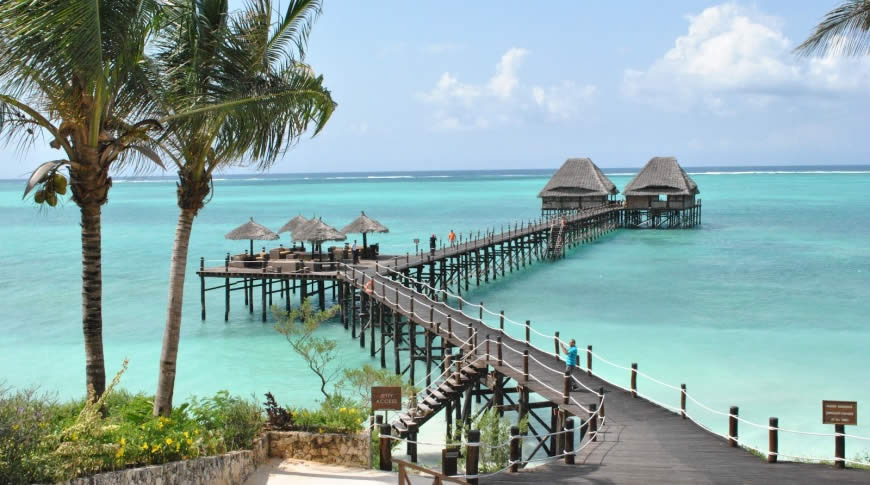
- Zanzibar Beaches: For relaxation after a safari or trek, Zanzibar’s white-sand beaches and rich history provide a perfect contrast.
When considering alternatives, remember that the principles of choosing an ethical tour operator remain important, especially regarding the treatment of local guides and porters.
Planning Your Trek for 2026-2027
Planning ahead is key, especially if you aim to climb in the popular seasons of 2026 or 2027. Here’s a timeline and key considerations:
| Timeline | Action | Notes |
|---|---|---|
| 12+ Months Prior | Research tour operators, focus on porter welfare. | Identify 2-3 top choices. Check reviews, KPAP affiliation. |
| 9-12 Months Prior | Book your trek, confirm Kilimanjaro porter welfare tour operator. | Secure your preferred dates and operator. Pay deposit. |
| 6-9 Months Prior | Begin physical training program. | Focus on cardiovascular and strength training. |
| 3-6 Months Prior | Purchase or rent major gear. | Hiking boots, backpack, sleeping bag. Test gear. |
| 1-3 Months Prior | Intensify training. Consult doctor. | Discuss altitude sickness medication. Get vaccinations. |
| 1 Month Prior | Finalize packing. Confirm details with operator. | Review itinerary, flight details, visa requirements. |
| 1-2 Weeks Prior | Lighten training. Pack carefully. | Ensure all essentials are ready. |
| During Trek | Stay hydrated, pace yourself, communicate with guides. | Enjoy the journey and respect the crew. |
| Post-Trek | Provide feedback, tip crew appropriately. | Share your experience, especially regarding porter welfare. |
For 2026 and 2027, popular dates like Christmas/New Year or peak dry seasons will book up quickly. Early booking is essential.
Booking Advice
When you’re ready to book, consider these points:
- Direct Communication: Speak directly with potential operators. Ask detailed questions about their porter welfare policies, KPAP affiliation, and how they ensure fair treatment.
- What’s Included: Carefully review inclusions and exclusions. A good operator will cover park fees, crew wages, food, tents, and guides. Ensure porter welfare is explicitly covered.
- Deposit and Payments: Understand the payment schedule. Reputable companies will require a deposit and the balance closer to the trek date.
- Insurance: Ensure you have adequate travel insurance that covers high-altitude trekking and emergency evacuation.
- Contracts: Read the terms and conditions carefully before signing.
Don’t hesitate to contact us at Best Tanzania tour operator. We are committed to ethical trekking and ensuring the well-being of our Kilimanjaro crew. We partner with organizations that uphold the highest standards of porter welfare.
Frequently Asked Questions
What is the most important factor when choosing a Kilimanjaro tour operator?
The most crucial factor is ensuring they are a responsible kilimanjaro porter welfare tour operator. This commitment impacts the safety, ethics, and overall success of your climb. Look for KPAP affiliation and transparency.
Are low-cost operators always unethical?
Not necessarily, but extremely low prices are a significant red flag. They often indicate that costs are being cut elsewhere, frequently at the expense of porter wages, food, or equipment. Always investigate thoroughly.
How many porters will I have on my trek?
This depends on the route and the amount of gear. A general guideline is 1 guide for every 8-12 climbers, and 2-3 porters for every climber. For example, a group of 4 climbers might have 4 guides and 8-12 porters.
What is KPAP and why is it important?
KPAP stands for Kilimanjaro Porters Assistance Project. It’s a non-profit organization that works to ensure porters are treated ethically, paid fairly, and provided with proper gear. Partnering with KPAP is a strong indicator of an operator’s commitment to welfare.
How much should I tip the porters and guides?
Tipping is customary and appreciated. Reputable operators provide clear guidelines. For 2026/2027 treks, expect to tip per climber, per day. A typical range might be $10-15 for porters and $20-25 for guides, but always check your operator’s specific recommendations and ensure the tips are distributed fairly by the lead guide.
Can I carry my own gear to save money on porters?
While some operators might allow this, it’s generally not recommended. Porters are highly skilled and accustomed to carrying loads. Carrying your own gear significantly increases your exertion and can hinder your acclimatization and overall climbing performance. The cost difference is usually minimal with ethical operators.
What happens if a porter gets sick or injured?
A responsible kilimanjaro porter welfare tour operator will have protocols in place for medical emergencies, including providing appropriate medical care and ensuring the porter is safely evacuated and compensated. They should also have insurance for their staff.
How can I be sure my operator is genuinely ethical?
Look for KPAP certification or partnership. Read reviews that specifically mention porter treatment. Ask direct questions about wages, gear, food, and working hours. Transparency is key.
What are the best routes for acclimatization?
Routes like Lemosho, Northern Circuit, and Machame are generally considered better for acclimatization due to their longer duration and gradual ascent profiles. A longer trek allows your body more time to adjust to the altitude.
Is Kilimanjaro suitable for beginners?
Physically, yes, if you are fit and well-prepared. However, altitude is the main challenge. It requires mental fortitude and commitment. It’s not a technical climb, but the altitude makes it challenging for everyone.
When is the best time to book for 2026 or 2027?
For popular seasons in 2026 and 2027, booking 6-12 months in advance is highly recommended to secure your preferred operator and dates, especially if you want to ensure you’re working with a top-tier kilimanjaro porter welfare tour operator.
Ready to Climb Kilimanjaro Ethically?
Your journey to the Roof of Africa should be an unforgettable experience, and choosing a kilimanjaro porter welfare tour operator is fundamental to achieving this. At Best Tanzania tour operator, we are dedicated to providing exceptional trekking experiences while upholding the highest standards of ethical treatment and support for our guides and porters. We understand the importance of fair wages, proper equipment, and respectful working conditions.
Let us help you plan your dream Kilimanjaro climb for 2026, 2027, or any time you’re ready. We offer a range of routes and custom itineraries designed for safety, enjoyment, and responsible tourism.
Contact us today to discuss your Kilimanjaro adventure:
WhatsApp: +255616946642
Email: topguideadventures@gmail.com
Backup Email: info@topguideadventures.com
We look forward to helping you reach Uhuru Peak responsibly.
Plan your kilimanjaro porter welfare tour operator with Top Guide Adventures
Tell us your travel dates, group size, comfort level, and dream experience. We will help you shape a clear, realistic, and memorable Tanzania itinerary.

 Veedesigner
 Fatma Kizanga
 Benjamin Waryuba
 Philip Philip
 John jr Itaja
 Antonia Optatus
 Edith Kanyere
 Neema Iddy
 Kelvin Boniphace
 Damari Maiga



