
Updated planning guide for 2026, 2027
Ngorongoro Crater Weather By Month: Essential Travel Guide
Discover the best time to visit the Ngorongoro Crater by understanding its weather patterns month by month. This comprehensive guide helps you plan your perfect Tanzanian safari for 2026-2027.
WhatsApp +255616946642 | topguideadventures@gmail.com | info@topguideadventures.com
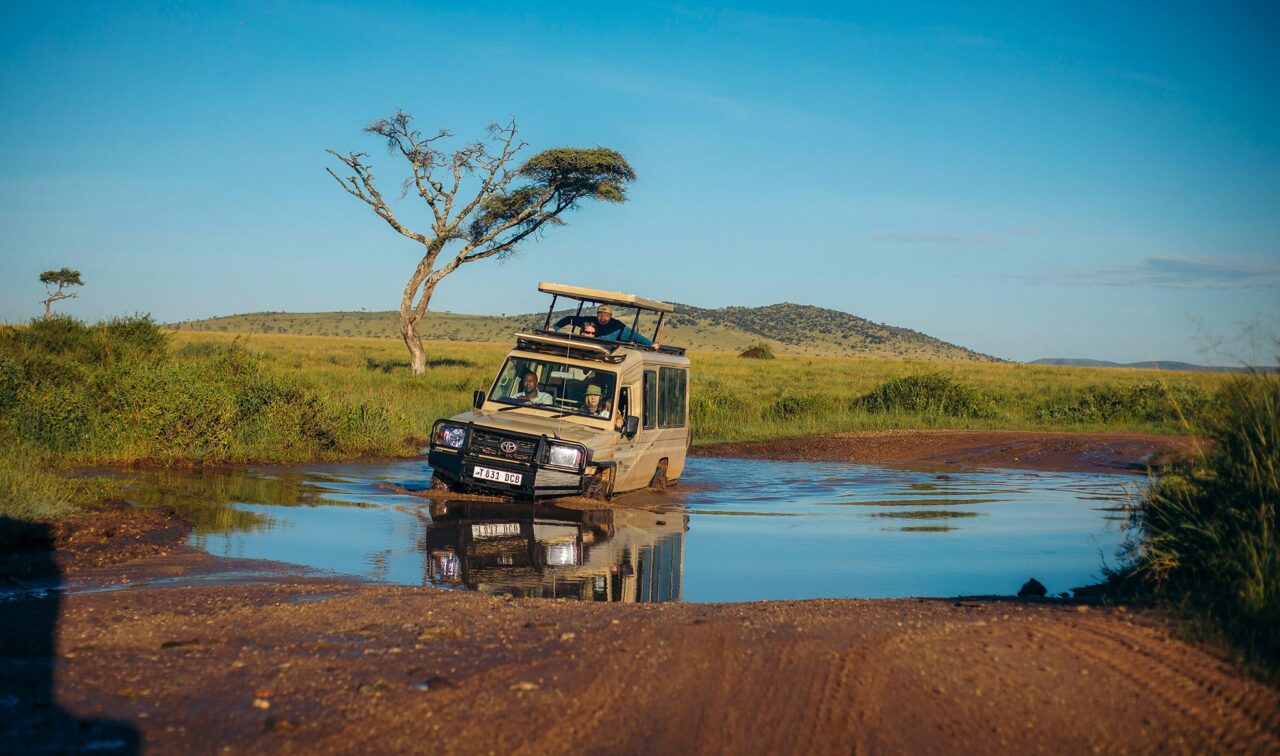
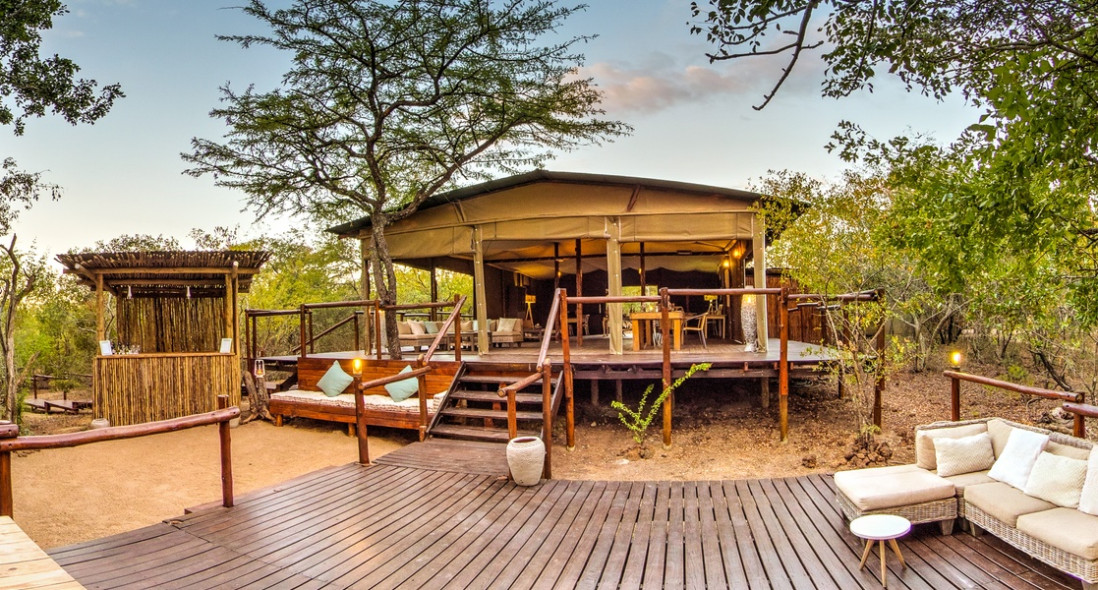
Ngorongoro Crater Weather by Month: Your Essential Planning Guide
The Ngorongoro Crater, a UNESCO World Heritage Site and one of Africa’s most iconic natural wonders, draws visitors from around the globe with its dense wildlife population and breathtaking caldera. For many, the dream safari destination hinges on experiencing this unique ecosystem at its finest. A crucial element of planning any successful safari, especially to a location as specific as the Ngorongoro Crater, is understanding its weather patterns. Knowing the Ngorongoro Crater weather by month allows you to choose the optimal time for your visit, ensuring you have the best possible wildlife viewing opportunities, comfortable travel conditions, and a truly memorable experience. This guide will walk you through the climate variations throughout the year, helping you make informed decisions for your 2026 or 2027 adventure.
Quick Answer: What is the best month to visit Ngorongoro Crater?
The best months to visit Ngorongoro Crater for optimal wildlife viewing and pleasant weather are typically during the dry seasons: January to March and June to October. These periods offer clearer skies, less rain, and easier game viewing as animals congregate around water sources. However, each month has its unique charm and advantages, depending on your priorities.
Table of Contents
- Ngorongoro Crater: An Overview of the Caldera
- Why Understanding Ngorongoro Crater Weather Matters
- Ngorongoro Crater Weather by Month: A Detailed Breakdown
- Ngorongoro Crater Weather Quick Facts
- Seasonal Highlights and What to Expect
- Ngorongoro Conservation Area Map Overview
- Sample 5-Day Northern Circuit Safari Itinerary (Including Ngorongoro)
- What to Pack for Your Ngorongoro Safari Based on Weather
- Common Mistakes to Avoid When Planning for Ngorongoro Weather
- Who is Ngorongoro Crater Best Suited For?
- Alternatives to Ngorongoro Crater
- Planning Your 2026-2027 Ngorongoro Safari: Key Considerations
- Booking Your Ngorongoro Crater Safari: Expert Tips
- Frequently Asked Questions About Ngorongoro Crater Weather
- Ready to Plan Your Ngorongoro Crater Adventure?
Ngorongoro Crater: An Overview of the Caldera
The Ngorongoro Crater is not a volcano crater in the traditional sense, but rather the collapsed caldera of a large, extinct volcano. It is located in the Ngorongoro Conservation Area (NCA) in northern Tanzania, bordering the Serengeti National Park. This vast caldera spans approximately 260 square kilometers (100 square miles) and plunges about 610 meters (2,000 feet) deep. Its unique geography, featuring diverse habitats like grasslands, swamps, forests, and salt pans, supports an astonishing concentration of wildlife. It is home to an estimated 25,000 large animals, including the Big Five (lion, leopard, elephant, rhino, and buffalo), as well as numerous bird species. The floor of the crater is a self-contained ecosystem, meaning you can often see a wide variety of animals in a single day’s game drive without having to travel vast distances. This makes it an incredibly rewarding destination for safari-goers.
Why Understanding Ngorongoro Crater Weather Matters
Safari planning involves many variables, but weather is paramount. For Ngorongoro Crater, understanding the Ngorongoro Crater weather by month directly impacts several critical aspects of your trip:
- Wildlife Viewing: Animal behavior and location are heavily influenced by weather. During dry spells, animals gather around permanent water sources, making them easier to spot. During the rains, they can disperse into thicker vegetation, making them harder to find.
- Road Conditions: The unpaved roads within the crater and the surrounding NCA can become challenging, even impassable, during heavy rainfall. This can affect game drive routes and timings.
- Comfort and Experience: Temperatures can vary significantly. Knowing what to expect helps you pack appropriately, ensuring you are comfortable whether you are on a game drive or relaxing at your lodge.
- Crowds: Peak seasons, often coinciding with the best weather, tend to be busier. Understanding the shoulder seasons can offer a balance of good weather and fewer crowds.
- Photography: Clear skies and good light are essential for photographers. Knowing the typical weather patterns helps anticipate the best conditions for capturing stunning wildlife images.
Ngorongoro Crater Weather by Month: A Detailed Breakdown
Tanzania, including the Ngorongoro Crater, experiences distinct wet and dry seasons. The climate is generally pleasant year-round, but understanding the nuances of each month is key to optimizing your safari experience.
January: The Start of the Long Rains and Calving Season
January falls within the shorter dry season and is often considered a great month for birdwatchers, as migratory birds from Europe and North Africa are present. It also marks the beginning of the calving season on the plains of the Serengeti, which often extends into Ngorongoro. Expect lush green landscapes after the rains. While it’s technically a dry month, brief afternoon showers are possible. Temperatures are warm, typically ranging from 20°C to 28°C (68°F to 82°F).
February: Peak of the Calving Season and Lush Landscapes
February is often a continuation of January’s conditions. It’s a prime time for witnessing the drama of the wildebeest calving season on the southern Serengeti plains, and many of these animals might be found in or near the Ngorongoro Conservation Area. The landscapes are exceptionally green and beautiful. Occasional showers can occur, but they are usually short-lived. Temperatures remain warm, similar to January.
March: Transitioning to the Long Rains
March marks the transition towards the main rainy season, the ‘long rains’. While you can still have excellent game viewing, expect more frequent and heavier rainfall, particularly in the afternoons. The landscape is at its most vibrant green. The higher rainfall can sometimes make certain tracks muddy, though the crater floor is generally well-maintained. Temperatures are warm, but humidity might increase.
April: The Heart of the Long Rains
April is typically the wettest month of the year. Heavy, prolonged rains are common, often occurring daily. This is generally considered the low season for tourism due to the challenging road conditions and lower visitor numbers. While wildlife viewing is still possible, animals may be more dispersed, and game drives can be interrupted by rain. If you visit in April, expect lush, green scenery and potentially lower prices, but be prepared for wet weather. Temperatures are mild.
May: End of the Long Rains and Green Scenery
May sees the long rains begin to subside. While you might still encounter some showers, they are usually less intense and frequent than in April. The landscape remains incredibly green and beautiful. This is a shoulder season month, offering a good balance of fewer crowds and stunning scenery. It’s a good time for photography enthusiasts who appreciate the vibrant green hues. Temperatures are pleasant.
June: Start of the Dry Season and Cooler Temperatures
June marks the beginning of the primary dry season. Rainfall significantly decreases, and the skies become clearer. The vegetation starts to dry out, and animals begin to concentrate around permanent water sources, making game viewing more predictable and often easier. Temperatures start to cool down, especially in the mornings and evenings, making it a very comfortable month for safaris. This is the start of the peak tourist season.
July: Peak Dry Season and Excellent Game Viewing
July is firmly in the dry season. This is one of the best months for wildlife viewing in Ngorongoro Crater. With limited water available, animals are drawn to the crater floor’s permanent waterholes. Expect clear skies, dry conditions, and excellent photographic opportunities. The weather is cool and pleasant, with daytime temperatures typically ranging from 18°C to 25°C (64°F to 77°F). Evenings and early mornings can be quite chilly.
August: Continued Dry Season and Abundant Wildlife
August is another prime month for visiting Ngorongoro Crater. It remains the dry season, offering superb game viewing conditions. The landscapes are drier, and wildlife is concentrated around water sources. The weather is generally excellent, with sunny days and cool mornings and evenings. This is a popular month, so booking in advance is recommended for 2026 and 2027 trips.
September: Dry Season Continues with Migration Activity
September is still within the dry season and offers fantastic wildlife viewing. While the main wildebeest migration might be moving northwards in the Serengeti, the Ngorongoro Crater itself maintains its resident populations, ensuring excellent sightings. The weather remains dry and pleasant, though it can start to warm up slightly compared to July and August. It’s a great month for birdwatching as well.
October: Transition to Rainy Season and Warm Temperatures
October is a transitional month, marking the end of the dry season and the beginning of the short rains. You can still have excellent game viewing, especially early in the month. The landscape starts to show signs of greening up as the first rains arrive. Temperatures are warm, and afternoon showers become more likely. It’s a good shoulder season month with fewer crowds than the peak dry months.
November: The Short Rains Arrive
November typically sees the arrival of the short rains. These rains are usually characterized by short, sharp afternoon showers rather than prolonged downpours. The landscape becomes greener, and the air is fresh. Wildlife viewing remains good, as the animals are still relatively concentrated. This is a shoulder season month, offering a good compromise between weather and visitor numbers.
December: Festive Season and Mixed Weather
December falls into the short rains period, but it’s also a popular travel month due to the holiday season. You can expect a mix of sunny days and occasional afternoon showers. The landscape is generally green and pleasant. Wildlife viewing is still very good, as animals are spread out but still accessible. Temperatures are warm and pleasant, making it a comfortable time for a safari.
Ngorongoro Crater Weather Quick Facts
| Metric | Dry Season (June-Oct) | Wet Season (Nov-May) |
|---|---|---|
| Rainfall | Low, infrequent showers | Moderate to heavy, more frequent |
| Temperature (Daytime Avg.) | 20-25°C (68-77°F) | 22-28°C (72-82°F) |
| Temperature (Night/Morning Avg.) | 10-15°C (50-59°F) – Can be chilly | 15-18°C (59-64°F) |
| Wildlife Viewing | Excellent, animals congregate | Good, animals may disperse |
| Road Conditions | Generally good | Can be muddy, some tracks difficult |
| Vegetation | Dry, sparse | Lush, green |
| Crowds | Higher (peak season) | Lower (low/shoulder season) |
Seasonal Highlights and What to Expect
Beyond just temperature and rain, each season offers distinct experiences in the Ngorongoro Crater:
The Dry Season (June – October)
What to Expect: This is the quintessential safari season. The landscape is golden-brown, and the lack of water forces animals to congregate around the few remaining water sources on the crater floor, leading to spectacular wildlife viewing opportunities. It’s easier to spot predators hunting. The skies are generally clear, offering excellent visibility and photographic light. Mornings and evenings can be cool to cold, requiring warm layers.
The Wet Season (November – May)
What to Expect: This period is characterized by lush, green landscapes. The ‘long rains’ (March-May) can bring heavy downpours, making some areas inaccessible and potentially impacting game drives. However, the rains also bring new life, with many animals giving birth. Birdlife is abundant, especially during the migratory season (November-April). The scenery is incredibly beautiful and vibrant, ideal for photographers who appreciate lush backdrops. Visitor numbers are lower, and prices might be more competitive. The short rains (November-December) are usually less disruptive, with quick afternoon showers.
Shoulder Seasons (April-May, October-November)
What to Expect: These months offer a blend of conditions. You might experience some rain, but also plenty of sunshine. The landscapes are transitioning from dry to green or vice versa, offering unique visual appeal. Crowds are generally smaller than during the peak dry season, providing a more intimate safari experience. These can be excellent times to visit if you are flexible and seeking a balance.
Ngorongoro Conservation Area Map Overview
While a visual map isn’t possible in this text format, understanding the layout helps in appreciating the weather’s impact. The Ngorongoro Conservation Area (NCA) is large and diverse. The main attraction, the Ngorongoro Crater, is a distinct geological feature. Surrounding the crater are the Ngorongoro Highlands, featuring forests and Maasai villages. To the west lies the Serengeti National Park, and to the south, Lake Manyara National Park. The weather can vary slightly across these different zones. For instance, the highlands might receive more rainfall than the crater floor. Game drives primarily occur on the crater floor, but access roads and the routes to and from the crater are also affected by weather. Understanding the general location of the crater within the larger NCA helps contextualize the monthly weather patterns.
Sample 5-Day Northern Circuit Safari Itinerary (Including Ngorongoro)
This sample itinerary showcases how a visit to Ngorongoro Crater fits into a broader Northern Tanzania safari. The best time for this itinerary is during the dry season (June-October) for optimal game viewing and road conditions.
| Day | Location | Morning Activity | Afternoon Activity | Overnight |
|---|---|---|---|---|
| 1 | Arusha / Kilimanjaro Airport | Arrival, meet and greet | Transfer to Arusha hotel, briefing | Arusha Hotel |
| 2 | Tarangire National Park | Drive to Tarangire, game drive | Continue game drive, focus on elephants and baobabs | Tarangire Lodge/Camp |
| 3 | Lake Manyara National Park & Drive to Ngorongoro | Morning game drive in Lake Manyara (tree-climbing lions, flamingos) | Drive to Ngorongoro Conservation Area, check into lodge with crater view | Ngorongoro Rim Lodge/Camp |
| 4 | Ngorongoro Crater Tour | Descend into the Ngorongoro Crater for a full-day game drive. Picnic lunch on the crater floor. | Continue game drive, searching for Big Five, rhinos, and diverse birdlife. Ascend in the late afternoon. | Ngorongoro Rim Lodge/Camp |
| 5 | Departure | Breakfast, optional visit to Maasai village (if time permits) | Drive back to Arusha or Kilimanjaro Airport for departure. | N/A |
What to Pack for Your Ngorongoro Safari Based on Weather
Packing smart is essential for comfort and enjoyment, especially considering the varied Ngorongoro Crater weather by month. Layers are key!
Clothing
- Lightweight, breathable long-sleeved shirts and trousers: For sun protection and to ward off insects. Neutral colors (khaki, beige, olive) are best for safaris. Avoid bright colors.
- T-shirts and shorts: For warmer days, though trousers are generally preferred for evenings.
- Fleece jacket or warm sweater: Crucial for chilly mornings and evenings, especially during the dry season (June-August).
- Waterproof and windproof jacket: Essential for the rainy season (Nov-May) and for protection against wind on open vehicles.
- Comfortable walking shoes/hiking boots: If you plan any walking safaris or hikes.
- Sandals or flip-flops: For relaxing at the lodge.
- Hat with a brim: For sun protection.
- Scarf or bandana: Useful for dust and sun.
Gear & Essentials
- Binoculars: A must-have for spotting wildlife.
- Camera and extra batteries/memory cards: You’ll want to capture everything!
- Sunscreen (high SPF), sunglasses, and insect repellent.
- Personal first-aid kit: With any personal medications.
- Reusable water bottle.
- Small backpack or daypack: For carrying essentials on game drives.
- Adapter for electronics.
- A good book for downtime.
Note on Colors: Avoid black and dark blue, as they can attract tsetse flies, and very bright colors, which can startle animals.
Common Mistakes to Avoid When Planning for Ngorongoro Weather
Planning a safari can be complex. Here are common mistakes related to weather that travelers make:
- Ignoring the Rainy Season: Many travelers avoid the wet months, but this can mean missing out on lush landscapes, abundant birdlife, and fewer crowds. If visiting during the short rains (Nov-Dec), the impact on your trip might be minimal.
- Underestimating Cold Mornings/Evenings: Even in the dry season, mornings and evenings on the crater rim can be surprisingly cold. Not packing warm layers is a common oversight.
- Not Packing for Rain: Even in the dry season, unexpected showers can occur. A lightweight waterproof jacket is always a good idea.
- Assuming Uniform Weather: The Ngorongoro Crater’s altitude means temperatures are generally cooler than the Serengeti plains. Also, weather can differ between the crater floor and the rim.
- Overpacking Light Clothing: While it’s warm, packing only shorts and t-shirts means you’ll be cold during early morning game drives or on the crater rim.
- Not Checking Road Conditions with Your Operator: If traveling during the peak rainy season, confirm with your tour operator about their plans and vehicle preparedness for potentially challenging roads.
Who is Ngorongoro Crater Best Suited For?
The Ngorongoro Crater is a versatile destination that appeals to a wide range of travelers:
- First-Time Safari-Goers: Its high concentration of wildlife and ease of viewing make it an excellent introduction to African safaris.
- Wildlife Enthusiasts: The chance to see the Big Five, including the endangered black rhino, in a single day is a major draw.
- Photographers: The dramatic landscape and abundant wildlife offer incredible photographic opportunities, especially during the dry season.
- Families: The relatively short travel times within the crater and the high likelihood of sightings make it engaging for children.
- Luxury Travelers: Numerous high-end lodges on the crater rim offer stunning views and exceptional service.
- Travelers on a Tighter Schedule: As a single-day game drive destination, it can be incorporated into shorter itineraries.
However, it’s worth noting that the crater floor can get crowded, particularly during peak season. If you prefer a more solitary experience, consider combining it with other less-visited areas of the Northern Circuit.
Alternatives to Ngorongoro Crater
While Ngorongoro is spectacular, other destinations offer unique safari experiences:
- Serengeti National Park: For vast plains, the Great Migration, and a more expansive safari experience. It offers diverse ecosystems and opportunities for hot air balloon safaris.
- Tarangire National Park: Famous for its large elephant herds and baobab trees, especially during the dry season.
- Lake Manyara National Park: Known for its tree-climbing lions, diverse birdlife, and scenic lake setting.
- Selous Game Reserve (Nyerere National Park): In southern Tanzania, offering a more wild and less crowded experience, with boat safaris and walking safaris.
- Ruaha National Park: Tanzania’s largest park, known for its dramatic landscapes and large predator populations.
These alternatives might be better suited depending on your specific interests, budget, and desired level of solitude. They also have their own distinct weather patterns that should be researched.
Planning Your 2026-2027 Ngorongoro Safari: Key Considerations
Planning ahead is crucial for securing the best experience, especially for trips in 2026 and 2027. Consider these points:
- Book Early: Popular lodges, especially those on the crater rim, and safari vehicles book up months, even a year, in advance for peak seasons (June-October, December).
- Choose Your Season Wisely: Based on the Ngorongoro Crater weather by month, decide if you prioritize dry conditions and easy game viewing (June-Oct) or lush scenery and fewer crowds (Nov-May), understanding the trade-offs.
- Factor in Altitude: The crater rim is at a high altitude (around 2,200 meters or 7,200 feet). Temperatures can be cool, especially in the early mornings and evenings, even during warmer months.
- Crater Access Fees: Be aware that there are daily conservation fees for entering the Ngorongoro Conservation Area and for descending into the crater. These are typically included in tour packages.
- Vehicle and Guide: Ensure your tour operator provides a reliable 4×4 safari vehicle and an experienced, knowledgeable guide. This is critical for navigating the park and for spotting wildlife.
- Accommodation: Decide between lodges on the crater rim (convenient, stunning views, more expensive) or lodges/camps within the wider NCA or nearby Karatu (more budget-friendly, require more travel time to the crater).
Booking Your Ngorongoro Crater Safari: Expert Tips
Making the right booking choice ensures a smooth and enjoyable safari. Here’s how to approach it:
- Work with a Reputable Tour Operator: Look for operators with strong reviews, clear communication, and a deep understanding of Tanzania’s parks and logistics. They can advise on the best Ngorongoro Crater weather by month for your specific travel dates.
- Understand Inclusions: Clarify what your safari package includes: park fees, accommodation, meals, guide services, vehicle hire, and any activities.
- Customization: A good operator can tailor an itinerary to your interests, budget, and preferred travel style. Whether you’re looking for a luxury honeymoon or a family adventure, they can adjust the plan.
- Ask About Sustainability: Inquire about the operator’s commitment to responsible tourism, supporting local communities, and conservation efforts.
- Payment and Cancellation Policies: Understand the deposit requirements, payment schedule, and cancellation terms before booking.
- Travel Insurance: Always purchase comprehensive travel insurance that covers trip cancellation, medical emergencies, and evacuation.
- Consider a Combination Trip: Ngorongoro is often part of the Northern Circuit. Booking a multi-day safari that includes Serengeti, Tarangire, and Lake Manyara offers a more diverse experience.
Frequently Asked Questions About Ngorongoro Crater Weather
Q1: What is the coldest month in Ngorongoro Crater?
The coldest months are generally during the dry season, particularly July and August, when morning and evening temperatures can drop to around 10-15°C (50-59°F). It is advisable to pack warm layers.
Q2: Is it always raining during the ‘long rains’ season?
Not always. The ‘long rains’ (typically March-May) mean a higher likelihood of rain, often in the form of heavy afternoon downpours. However, you can still experience sunny mornings and dry periods. It’s the wettest period, but not necessarily constant rain.
Q3: Can I visit Ngorongoro Crater in the rainy season?
Yes, you can. While road conditions can be more challenging, and wildlife may be more dispersed, the landscapes are incredibly lush and green, birdlife is abundant, and there are fewer tourists. Many operators are well-equipped for rainy season travel.
Q4: What are the best months for wildlife photography in Ngorongoro Crater?
The dry season (June-October) is generally best for wildlife photography due to clear skies, good light, and animals congregating around water sources, making them more visible. The lush green scenery of the wet season also offers unique photographic opportunities.
Q5: How does the weather in Ngorongoro Crater compare to the Serengeti?
Ngorongoro Crater is at a higher altitude than most of the Serengeti. This means it tends to be cooler, especially on the crater rim. The crater’s unique caldera structure also creates a microclimate that can differ from the vast plains of the Serengeti.
Q6: Is the Ngorongoro Crater weather predictable for 2026 and 2027?
Tanzania’s weather patterns are generally consistent with the described seasons. While climate change can cause occasional anomalies, the general monthly weather patterns for Ngorongoro Crater are predictable for planning your 2026 or 2027 safari. Your tour operator can provide the most up-to-date local insights.
Q7: What should I pack for a safari in December?
December is part of the short rains season. Pack lightweight clothing for warm days, a waterproof jacket for potential afternoon showers, and a light sweater or fleece for cooler mornings and evenings. Sun protection (hat, sunscreen) is always essential.
Q8: Are there any specific weather considerations for birdwatching in Ngorongoro?
Birdwatching is excellent year-round, but migratory birds are present from November to April. The green season (wet months) often makes spotting birds in dense foliage more challenging, but it also means more active breeding and diverse species. The dry season can make birds more visible near water sources.
Ready to Plan Your Ngorongoro Crater Adventure?
Understanding the Ngorongoro Crater weather by month is a critical step in planning an unforgettable safari. Whether you dream of witnessing the Big Five during the dry season or enjoying the lush landscapes of the wet season, our expert team is here to help you craft the perfect Tanzanian adventure for 2026, 2027, or any year. We specialize in creating custom safari itineraries, Kilimanjaro treks, and Zanzibar holidays tailored to your interests and budget. Let us handle the details so you can focus on the incredible experience awaiting you.
Contact us today to start planning:
- WhatsApp: +255616946642
- Email: topguideadventures@gmail.com
- Backup Email: info@topguideadventures.com
We look forward to helping you explore the wonders of Ngorongoro Crater!
Plan your Ngorongoro Crater Weather by Month with Top Guide Adventures
Tell us your travel dates, group size, comfort level, and dream experience. We will help you shape a clear, realistic, and memorable Tanzania itinerary.







 Veedesigner
 Fatma Kizanga
 Benjamin Waryuba
 Philip Philip
 John jr Itaja
 Antonia Optatus
 Edith Kanyere
 Neema Iddy
 Kelvin Boniphace
 Damari Maiga



