
Updated planning guide for 2026, 2027
Ngorongoro Crater Packing List: Essential Guide
Planning a safari to the Ngorongoro Crater? This detailed packing list covers everything you need for a comfortable and memorable experience, from clothing and gear to essential documents. Get ready for your 2026 or 2027 adventure.
WhatsApp +255616946642 | topguideadventures@gmail.com | info@topguideadventures.com
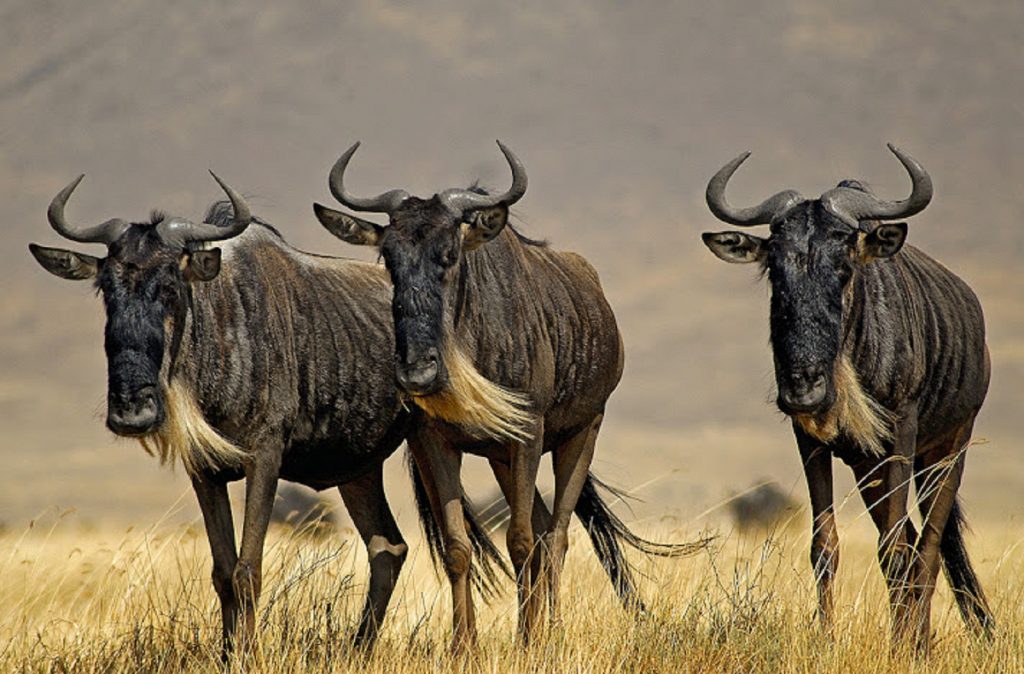
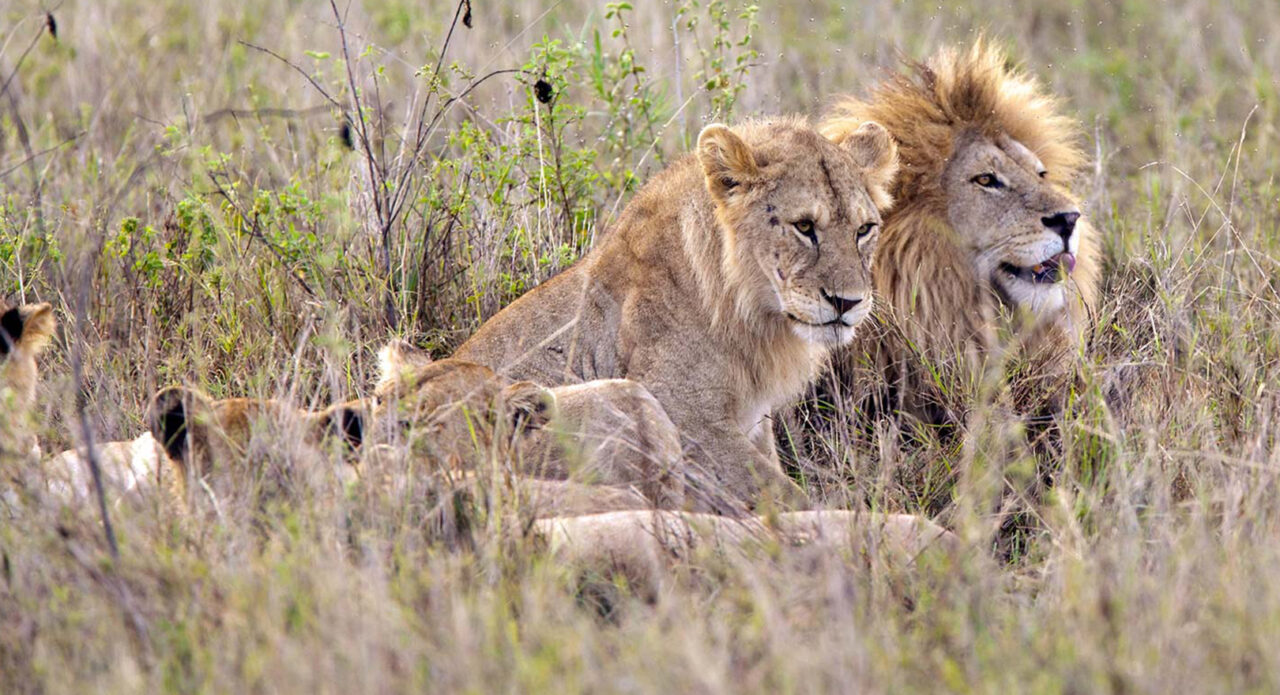
Ngorongoro Crater Packing List: Your Essential Safari Guide
The Ngorongoro Crater, a UNESCO World Heritage Site, is one of Africa’s most breathtaking natural wonders. Often called the “Eighth Wonder of the World,” this ancient volcanic caldera teems with an astonishing concentration of wildlife. Visiting this unique ecosystem promises an unparalleled safari experience. To make the most of your trip to this incredible destination, proper preparation is key, and a well-thought-out Ngorongoro Crater packing list is your first step to an unforgettable adventure.
Whether you’re planning your safari for 2026, 2027, or beyond, understanding what to bring ensures comfort, safety, and enjoyment. This guide provides an exhaustive breakdown of everything you should consider packing for your Ngorongoro Crater safari, tailored to the specific needs of this remarkable location.
Quick Facts About Ngorongoro Crater
| Fact | Detail |
|---|---|
| Location | Northern Tanzania, within the Ngorongoro Conservation Area |
| Size of Crater Floor | Approximately 260 square kilometers (100 sq miles) |
| Wildlife Density | Extremely high; often called “Africa’s Eden” |
| Key Species | Big Five (lion, leopard, elephant, rhino, buffalo), hippos, flamingos, wildebeest, zebras, various bird species. |
| Altitude | Crater rim: ~2,300 meters (7,500 ft); Crater floor: ~1,700 meters (5,700 ft) |
| Best Time to Visit | Generally year-round, with peak dry seasons (June-October and December-March) offering excellent game viewing. |
| Activities | Game drives, bird watching, Maasai village visits (nearby), walking safaris (on crater rim and outside). |
Why Your Ngorongoro Crater Packing List Matters
The Ngorongoro Crater presents a unique environment. The altitude means temperatures can fluctuate significantly, especially between day and night. The terrain can be dusty, and the sun can be intense. Moreover, the focus of your trip is wildlife viewing, which often involves long hours spent in a safari vehicle. Packing correctly ensures you are prepared for these conditions, allowing you to focus on the incredible sights and sounds of the crater rather than being uncomfortable or unprepared.
A well-organized Ngorongoro Crater packing list means you won’t be caught off guard by sudden weather changes, can capture stunning photographs without struggling with equipment, and have the necessary items for personal comfort and hygiene. It’s about maximizing your safari experience by minimizing potential disruptions caused by inadequate preparation.
Understanding Ngorongoro’s Climate and Seasons
Tanzania’s climate is tropical, but the Ngorongoro Crater’s high altitude creates microclimates. Understanding the seasons will help you tailor your packing list for 2026 and 2027 travel.
- The Long Rains (March – May): This period sees heavy rainfall. The landscape is lush and green, and there are fewer tourists. Game viewing can be more challenging as animals disperse, and some roads may be less accessible. Packing should include good rain gear.
- The Dry Season (June – October): This is a prime safari period. Skies are generally clear, and wildlife congregates around permanent water sources, making game viewing exceptional. Dust is common. Nights and early mornings can be cool to cold.
- The Short Rains (November – December): Intermittent rainfall occurs, often in the afternoons. The landscape turns green, and animals are still relatively concentrated. It’s a good time for birdwatching.
- The Hot Season (January – February): This is also a dry period, though it can be hot, especially at lower altitudes. It coincides with calving season for wildebeest and zebras in the Serengeti, which can sometimes extend into the Ngorongoro area.
Temperature Ranges:
- Daytime: Can range from 20°C to 30°C (68°F to 86°F), especially on the crater floor.
- Nighttime/Early Morning: Can drop to 10°C to 15°C (50°F to 59°F), particularly at the crater rim.
The Ultimate Ngorongoro Crater Packing List
This comprehensive list breaks down what to pack by category, ensuring you don’t miss any essentials for your Ngorongoro Crater safari.
Clothing Essentials
Layering is crucial due to the temperature variations. Opt for breathable, neutral-colored fabrics. Avoid bright colors, which can scare wildlife, and dark colors, which attract tsetse flies (though less common in the crater itself, they can be present in surrounding areas).
- Lightweight Long-Sleeved Shirts (3-4): Protects from the sun and insects. Choose breathable fabrics like cotton or linen.
- T-shirts/Short-Sleeved Shirts (3-4): For warmer parts of the day.
- Lightweight Trousers/Pants (2-3 pairs): Comfortable for game drives. Convertible pants (zip-off legs) are versatile.
- Shorts/Capris (1-2 pairs): For warmer afternoons if preferred, though long pants offer better protection.
- Fleece Jacket or Warm Sweater (1-2): Essential for cool mornings and evenings, especially at the crater rim.
- Lightweight, Waterproof and Windproof Jacket (1): Crucial for unexpected rain showers and windy conditions.
- Thermal Base Layers (1 set): Especially useful if traveling during the cooler dry season (June-October) or if you feel the cold easily.
- Comfortable Sleepwear (1-2 sets):
- Underwear and Socks: Pack enough for your trip duration, plus a few extra pairs. Consider moisture-wicking socks.
- Swimsuit (optional): If your lodge has a pool.
Footwear
Comfort is paramount for long days of game viewing and potential walking excursions.
- Comfortable Walking Shoes or Trainers (1 pair): Your primary footwear for game drives and around lodges. Ensure they are well broken-in.
- Sandals or Flip-Flops (1 pair): For relaxing at the lodge or short walks around the accommodation.
- Hiking Boots (optional): Only if your itinerary includes significant walking safaris outside the crater or if you’re combining with Kilimanjaro trekking. For standard crater game drives, they are usually unnecessary.
Headwear and Eyewear
Sun protection is vital.
- Wide-Brimmed Hat (1): Essential for sun protection during game drives and walking.
- Sunglasses (1-2 pairs): Protect your eyes from the strong sun. Polarized lenses are excellent for reducing glare.
- Bandana or Buff (1-2): Useful for protecting your neck from the sun, wiping dust, or keeping warm.
Safari Accessories
These items enhance your game viewing and overall experience.
- Binoculars (1 pair per person): A must-have for spotting wildlife at a distance. 8×32 or 10×42 magnification are good choices for safaris.
- Camera and Accessories:
- Camera body
- Lenses (telephoto lens for wildlife is highly recommended)
- Extra batteries and memory cards
- Camera bag (water-resistant and padded)
- Tripod or monopod (optional, can be bulky)
- Cleaning kit for lenses and camera body
- Field Guide Book: On birds, mammals, or general wildlife of East Africa.
- Small Backpack or Daypack: For carrying essentials like water, snacks, camera, sunscreen, and a light jacket during game drives.
- Reusable Water Bottle: To stay hydrated and reduce plastic waste. Many lodges provide filtered water.
Health and Hygiene
Prioritize your well-being on safari.
- Personal First-Aid Kit: Include bandages, antiseptic wipes, pain relievers, anti-diarrhea medication, motion sickness medication, antihistamines, and any personal prescriptions.
- Insect Repellent: Containing DEET or Picaridin is recommended, especially for evenings.
- Sunscreen: High SPF (30-50+) and broad-spectrum protection.
- After-Sun Lotion: For soothing skin.
- Hand Sanitizer: For use before meals or when soap and water aren’t available.
- Wet Wipes/Biodegradable Wipes: Useful for quick clean-ups.
- Lip Balm with SPF:
- Personal Toiletries: Toothbrush, toothpaste, shampoo, conditioner, soap, etc. Consider travel-sized, biodegradable options.
- Prescription Medications: Carry enough for your entire trip, plus a few extra days, in their original packaging with a copy of your prescription.
- Malaria Prophylaxis: Consult your doctor about recommended anti-malarial medication for Tanzania.
- Any necessary vaccinations: Consult your doctor or a travel clinic well in advance of your 2026 or 2027 trip.
Documents and Money
Keep these secure and easily accessible.
- Passport: With at least six months’ validity remaining.
- Visa: Check visa requirements for your nationality for Tanzania. Many can be obtained online or on arrival.
- Yellow Fever Certificate: May be required, especially if arriving from or transiting through a country with a risk of yellow fever. Check current regulations.
- Flight Tickets/Itinerary: Printed copies and digital versions.
- Travel Insurance Details: Policy number and emergency contact information.
- Copies of Important Documents: Keep separate from the originals (e.g., passport, visa, insurance). Store digital copies securely online or on your phone.
- Credit/Debit Cards: Inform your bank of your travel dates to avoid blocked cards.
- Cash: USD is widely accepted for tips, souvenirs, and some park fees. Carry smaller denominations. Some local currency (Tanzanian Shilling) can be useful for smaller purchases.
- Emergency Contact Information: For your tour operator, family, and friends.
Electronics
Stay connected and capture memories.
- Mobile Phone and Charger:
- Portable Power Bank: Invaluable for charging devices on the go, especially during long game drives.
- Universal Travel Adapter: Tanzania uses Type D and G sockets (230V, 50Hz). A universal adapter is highly recommended.
- Headlamp or Small Flashlight: Useful for navigating lodges at night or in case of power outages.
Miscellaneous Items
These small things can make a big difference.
- Small Padlock: For securing your luggage or daypack.
- Ziploc Bags: Various sizes, useful for organizing, protecting electronics, or storing snacks.
- Travel Towel (optional): Quick-drying, lightweight towels can be handy, though most lodges provide towels.
- Earplugs and Eye Mask: If you’re a light sleeper.
- Book or E-reader: For downtime at the lodge.
- Small Notebook and Pen: For jotting down observations or notes.
- Duct Tape: Surprisingly useful for quick repairs.
- Small Sewing Kit: For minor clothing repairs.
What NOT to Pack for Ngorongoro Crater
Avoid these items to keep your luggage light and practical.
- Brightly Colored Clothing: As mentioned, these can disturb wildlife and attract insects.
- Camouflage Clothing: It’s often discouraged or prohibited in some African countries as it can be associated with military use.
- Heavy Jeans or Cotton Trousers: They are slow to dry and can be uncomfortable in the heat.
- High-Heeled Shoes or Dressy Shoes: Impractical and uncomfortable for safari activities.
- Expensive Jewelry: Best left at home for safety and security reasons.
- Large Suitcases: Soft-sided duffel bags are often preferred by safari operators due to limited space in safari vehicles and small aircraft. Check with your operator.
- Unnecessary Valuables: Keep precious items to a minimum.
- Aerosol Cans (if flying light aircraft): Some small charter flights have restrictions on aerosol products.
Packing for Different Traveler Types
While the core list remains the same, some items might be more relevant depending on your travel style and companions.
| Traveler Type | Specific Considerations |
|---|---|
| Families with Young Children |
|
| Photographers |
|
| Active Travelers / Walking Safaris |
|
| Luxury Travelers |
|
Luggage Considerations for Your Safari
Safari vehicles, especially in the Ngorongoro Conservation Area and surrounding parks, often have limited luggage space. Many internal flights within Tanzania also have strict weight and size limits (typically 15-20 kg per person, including hand luggage).
Recommendation:
- Soft-sided Duffel Bag: This is the most practical choice. They are more flexible and easier to fit into confined spaces than rigid suitcases.
- Backpack: A comfortable backpack can also work, provided it’s not too bulky.
- Carry-on Bag: A small backpack or shoulder bag for essentials you need during game drives or flights.
Always confirm the specific luggage restrictions with your tour operator, like Best Tanzania Tour Operator, when booking your 2026 or 2027 safari.
Sample Itinerary Logic for a Ngorongoro Crater Safari
A typical Ngorongoro Crater safari involves descending into the caldera for a full or half-day game drive. Here’s a logical flow that influences packing:
- Day 1: Arrival & Transfer to Karatu/Crater Rim Lodge: Arrive at Kilimanjaro International Airport (JRO), meet your guide. Drive towards the Ngorongoro Conservation Area. Depending on your lodge location, you might have a brief stop at a local market or cultural site. The drive itself offers changing landscapes. Pack essentials for the drive and the first evening.
- Day 2: Ngorongoro Crater Game Drive: Early morning descent into the crater. Spend 4-6 hours on the crater floor exploring the diverse habitats and abundant wildlife. A packed lunch is usually provided. You’ll need your daypack, camera, binoculars, sun protection, and layers for the cool morning.
- Day 3: Optional Activities & Departure: Depending on your onward journey, you might have time for a Maasai village visit, a nature walk on the crater rim, or a visit to the Olduvai Gorge. Then, transfer to your next destination (e.g., Serengeti, Arusha, or Kilimanjaro Airport). Your packing needs will depend on these activities.
This itinerary highlights the need for versatility in your packing. You’ll need items for cooler mornings and warmer afternoons, dusty conditions, and potential rain. Your Ngorongoro Crater packing list should reflect this.
Common Mistakes to Avoid When Packing
Many travelers make similar packing errors. Being aware of them can save you hassle.
- Overpacking: Luggage space is limited, and you’ll be moving around. Pack smart, not heavy.
- Forgetting Essential Medications: Always bring more than you think you’ll need.
- Bringing Only Bright Clothing: Stick to neutral, earth-toned colors.
- Not Packing Layers: The temperature can change dramatically within a single day.
- Underestimating Sun Protection: The African sun is intense, even on cloudy days.
- Not Bringing a Good Pair of Binoculars: This is a game-changer for wildlife viewing.
- Forgetting Insect Repellent: Essential for evenings and around water sources.
- Not Checking Luggage Restrictions: Especially critical if using internal flights.
- Packing Unnecessary Electronics: Focus on essentials like your phone and camera.
- Not Having Copies of Documents: Crucial in case of loss or theft.
Who is the Ngorongoro Crater Safari Best Suited For?
The Ngorongoro Crater is a destination that appeals to a wide range of travelers, but its unique characteristics make it particularly suitable for:
- First-Time Safari Goers: Its high wildlife density and relatively easy accessibility make it an excellent introduction to African safaris.
- Wildlife Enthusiasts: The sheer abundance and diversity of animals are unparalleled, offering incredible viewing opportunities for all major species, including the rare black rhino.
- Photographers: The dramatic landscapes and close proximity to wildlife provide fantastic photographic subjects.
- Families: It’s a safe and exciting environment for children, offering educational and memorable experiences.
- Travelers with Limited Time: As a contained ecosystem, a single day can yield spectacular sightings, making it ideal for shorter itineraries or as a highlight within a longer trip.
- Those Seeking Dramatic Scenery: The caldera itself is a breathtaking natural wonder.
While generally accessible, consider the altitude for very young children or individuals with severe respiratory or cardiovascular issues. However, for most, the experience is profoundly rewarding.
Alternatives to the Ngorongoro Crater (and how they affect packing)
While the Ngorongoro Crater is iconic, other Tanzanian destinations offer different but equally compelling safari experiences. Knowing these can help you refine your packing for a broader trip.
| Destination | Key Differences | Packing Implications |
|---|---|---|
| Serengeti National Park | Vast, open plains; famous for the Great Migration; more dispersed wildlife outside dry season. Offers a sense of true wilderness. | Similar core packing list. May need more emphasis on sun protection and potentially insect repellent in certain areas. Longer game drives mean a more comfortable daypack is essential. Consider a beanbag for camera support. |
| Tarangire National Park | Known for large elephant herds and baobab trees. Can be dusty, especially during the dry season. | Similar core list. Emphasis on dust protection (bandana, goggles if sensitive). Extra water capacity might be useful. |
| Lake Manyara National Park | Famous for tree-climbing lions and large baboon troops. A smaller park, often visited as a day trip or en route to Ngorongoro/Serengeti. | Similar core list. Less need for extensive gear due to shorter visit times. |
| Selous Game Reserve (Nyerere National Park) | Southern Tanzania; vast wilderness, boat safaris on the Rufiji River, walking safaris are popular. Less crowded. | Similar core list. Walking safaris mean sturdy footwear is a must. Boat safaris might require lighter clothing and good sun protection. Insect repellent is crucial. |
| Ruaha National Park | Tanzania’s largest park; rugged landscapes, high predator numbers, very wild and remote. | Similar core list. Emphasize durable, neutral clothing. Good quality binoculars and camera gear are vital due to the wildness and potential for seeing animals at greater distances. Sturdy shoes are a must. |
If your trip includes multiple parks, your Ngorongoro Crater packing list will serve as an excellent foundation, with minor adjustments for specific environments.
Planning Your 2026/2027 Ngorongoro Crater Safari: Key Tips
Booking your safari well in advance is crucial, especially for peak seasons in 2026 and 2027. Here’s how to plan:
- Choose Your Operator: Research reputable tour operators. Look for those with local expertise and a strong commitment to sustainable tourism. Companies like Best Tanzania Tour Operator can help craft custom itineraries.
- Select Your Safari Dates: Consider the seasons. For the best game viewing, aim for the dry seasons (June-October, December-March). For greener landscapes and fewer crowds, shoulder seasons can be good.
- Book Accommodation: Options range from budget-friendly tented camps to luxury lodges, both on the crater rim and in nearby Karatu. Book early, especially for rim lodges, as they are limited and highly sought after.
- Vehicle and Guide: Ensure your operator provides a well-maintained 4×4 safari vehicle with a pop-up roof and an experienced, knowledgeable guide.
- Park Fees: Be aware that park entry fees and crater service fees are significant and usually included in your tour package.
- Health Preparations: Consult your doctor or a travel clinic 6-8 weeks before your trip for vaccinations and malaria advice.
- Visa and Passport: Ensure your passport is valid and check visa requirements for Tanzania.
What to Expect on a Ngorongoro Crater Safari
Prepare for an immersive wildlife experience.
- Early Starts: Game drives typically begin at dawn to maximize wildlife viewing opportunities, as animals are most active in the cooler parts of the day.
- Vehicle-Based Viewing: Most of your time will be spent inside a safari vehicle with the roof open. You will not be allowed to exit the vehicle on the crater floor for safety reasons.
- Crowds: Due to its popularity and the limited area of the crater floor, it can get busy, especially during peak season. Your guide will aim to find quieter spots.
- Picnic Lunches: Most full-day crater tours include a picnic lunch, often enjoyed at a designated picnic site.
- Limited Time in the Crater: There are often time limits for how long vehicles can spend on the crater floor to manage visitor numbers.
- Altitude Effects: The crater rim is at a high altitude. Some people may feel mild effects of altitude sickness.
Booking Your Ngorongoro Crater Safari
When you’re ready to book your dream safari, choose a partner who understands the intricacies of Tanzanian travel. Best Tanzania Tour Operator specializes in creating personalized safari experiences that include the magnificent Ngorongoro Crater.
Our Services Include:
- Customizable Safari Itineraries
- Experienced Local Guides
- Comfortable and Reliable Safari Vehicles
- Accommodation Bookings
- Advice on Best Times to Travel (including for 2026 and 2027)
- Support Throughout Your Trip
We understand that a well-packed bag is part of a stress-free safari. Our team can provide further advice tailored to your specific trip details.
Ready to plan your Ngorongoro Crater adventure?
Contact us today for a personalized quote and expert advice:
- WhatsApp: +255616946642
- Email: topguideadventures@gmail.com
- Backup Email: info@topguideadventures.com
Frequently Asked Questions (FAQs)
What are the essential items for a Ngorongoro Crater packing list?
The most essential items include neutral-colored, lightweight clothing for layering, a waterproof jacket, comfortable walking shoes, sun protection (hat, sunglasses, sunscreen), binoculars, a camera, and personal medications. A reusable water bottle and insect repellent are also very important.
What kind of clothing should I pack for the Ngorongoro Crater?
Pack breathable, neutral-colored clothing. Think long-sleeved shirts, t-shirts, lightweight trousers, and shorts. Include a fleece or warm sweater for cool mornings and evenings, and a waterproof/windproof jacket for unpredictable weather. Layering is key.
Do I need to pack hiking boots for the Ngorongoro Crater?
For standard game drives on the crater floor, sturdy walking shoes or trainers are usually sufficient. Hiking boots are only necessary if your itinerary specifically includes extensive walking safaris outside the crater or if you are combining your trip with activities like Kilimanjaro trekking.
What is the best time of year to visit the Ngorongoro Crater for game viewing?
The dry seasons, generally from June to October and again from December to March, offer the best game viewing. Wildlife tends to congregate around permanent water sources during these times. However, the crater offers excellent sightings year-round.
Can I bring a large suitcase on safari?
It is highly recommended to use a soft-sided duffel bag instead of a rigid suitcase. Safari vehicles have limited luggage space, and soft bags are much easier to fit. If you are taking internal flights, weight restrictions are also common.
What electronics are essential for a Ngorongoro Crater safari?
Essential electronics include your mobile phone and charger, a portable power bank for charging on the go, and a universal travel adapter. A camera with extra batteries and memory cards is also a must for capturing memories.
Is it cold in the Ngorongoro Crater?
Temperatures can vary significantly. While days on the crater floor can be warm, mornings and evenings, especially at the higher altitude of the crater rim, can be quite cool to cold, often dropping to 10-15°C (50-59°F). Packing layers is essential.
What are the recommended vaccinations for Tanzania?
Consult your doctor or a travel clinic at least 6-8 weeks before your trip. Common recommendations include Yellow Fever (may be required), Hepatitis A, Typhoid, and Tetanus. Malaria prophylaxis is also typically advised.
How much cash should I bring for my Ngorongoro Crater trip?
It’s advisable to bring a mix of USD for tips and souvenirs, and some Tanzanian Shillings for smaller local purchases. Carry smaller denominations of USD. ATMs are available in larger towns, but access to cash on safari is limited.
Will I need insect repellent in the Ngorongoro Crater?
Yes, insect repellent is highly recommended, especially for evenings and early mornings. While the crater floor may have fewer mosquitos than other areas, they can still be present, and protection is always wise.
What should I pack if I’m traveling to Ngorongoro Crater in 2026 or 2027?
The packing list for 2026 and 2027 remains consistent with general safari advice. Focus on layers, sun protection, and essential gear. Always check for any updated travel advisories or health recommendations closer to your travel date.
Are binoculars essential for a Ngorongoro Crater safari?
Yes, binoculars are absolutely essential. The Ngorongoro Crater is home to a vast array of wildlife, and binoculars will greatly enhance your ability to spot animals from a distance and observe their behavior. A good pair is a game-changer for any safari.
Conclusion: Your Perfectly Packed Ngorongoro Crater Adventure Awaits
A well-prepared Ngorongoro Crater packing list is the foundation of an incredible safari. By considering the unique environment, climate, and activities, you can ensure you have everything you need for comfort, safety, and maximum enjoyment. From essential clothing layers and sturdy footwear to crucial health items and vital documents, this guide covers all the bases.
Planning ahead, especially for trips in 2026 and 2027, is key to securing the best accommodations and ensuring a smooth journey. Remember that packing light and smart, focusing on versatile items, will make your safari experience much more pleasant.
Ready to experience the magic of the Ngorongoro Crater? Let us help you craft the perfect itinerary. Our expertise ensures your safari is tailored to your dreams.
Contact Best Tanzania Tour Operator today to start planning your unforgettable Ngorongoro Crater safari:
- WhatsApp: +255616946642
- Email: topguideadventures@gmail.com
- Backup Email: info@topguideadventures.com
We look forward to helping you plan your adventure to this spectacular natural wonder. Don’t forget to finalize your Ngorongoro Crater packing list well before your departure!
Plan your Ngorongoro Crater Packing List with Top Guide Adventures
Tell us your travel dates, group size, comfort level, and dream experience. We will help you shape a clear, realistic, and memorable Tanzania itinerary.







 Veedesigner
 Fatma Kizanga
 Benjamin Waryuba
 Philip Philip
 John jr Itaja
 Antonia Optatus
 Edith Kanyere
 Neema Iddy
 Kelvin Boniphace
 Damari Maiga



