
Updated planning guide for 2026, 2027
Best Things To Do In Zanzibar: Expert Travel Guide
Plan your unforgettable Zanzibar adventure with our comprehensive guide to the best activities, sights, and experiences. From historic Stone Town to pristine beaches and vibrant spice farms, discover why Zanzibar is a must-visit destination.
WhatsApp +255616946642 | topguideadventures@gmail.com | info@topguideadventures.com
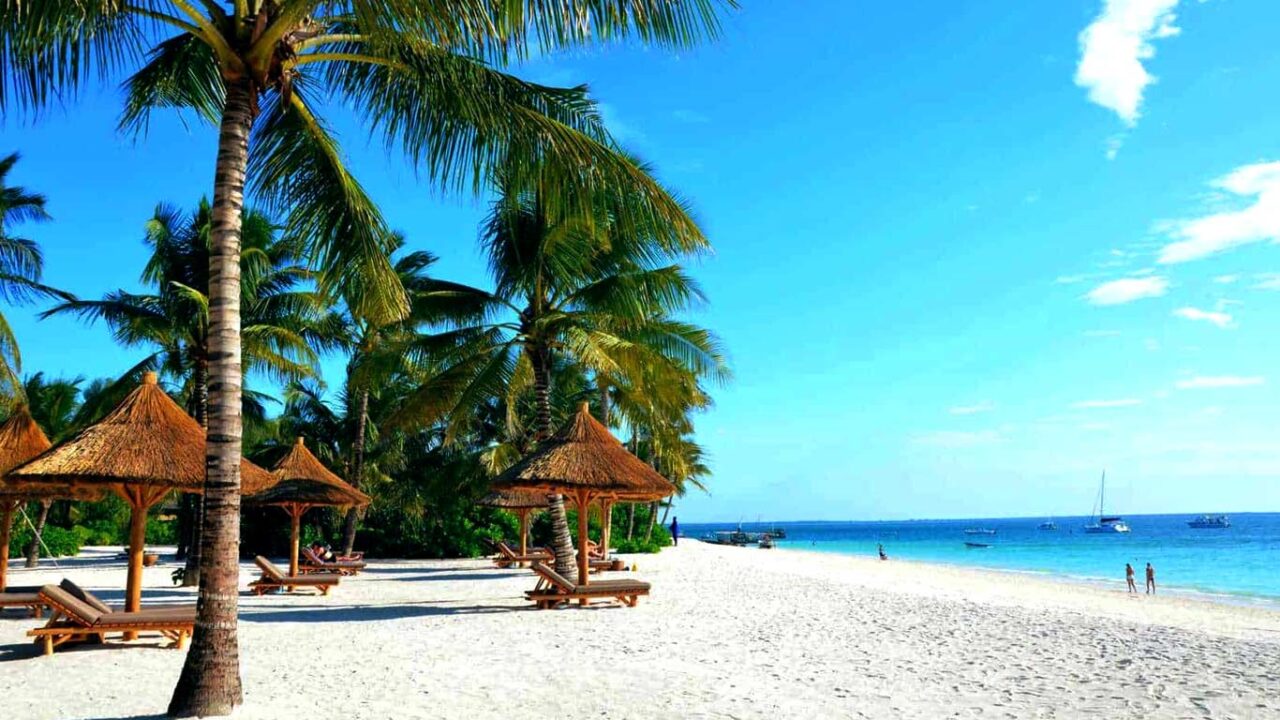

The Ultimate Guide to the Best Things to Do in Zanzibar
Zanzibar, the “Spice Island” off the coast of Tanzania, offers a captivating blend of history, culture, stunning beaches, and vibrant marine life. For travelers planning a trip in 2026 or 2027, understanding the diverse range of activities available is key to crafting an unforgettable island escape. This guide details the best things to do in Zanzibar, providing practical advice for every type of traveler.
Whether you’re drawn to the labyrinthine alleys of Stone Town, the powdery white sands of Nungwi, the underwater wonders of Mnemba Atoll, or the aromatic allure of spice plantations, Zanzibar delivers. We cover everything from historical exploration and culinary adventures to thrilling water sports and tranquil relaxation.
Zanzibar Quick Facts
| Location | Indian Ocean, off the coast of Tanzania |
|---|---|
| Main Island | Unguja (commonly referred to as Zanzibar) |
| Capital | Zanzibar City (Stone Town is the historic heart) |
| Language | Swahili, English (widely spoken in tourist areas) |
| Currency | Tanzanian Shilling (TZS), US Dollars often accepted |
| Best Time to Visit | June to October (dry season), December to February (hot & dry) |
| Visa Requirements | Varies by nationality; check with Tanzanian embassy/consulate |
Why Zanzibar Should Be Your Next Destination
Zanzibar is more than just beautiful beaches; it’s a destination with a rich and complex past. Its strategic location made it a hub for trade routes, attracting merchants and settlers from Arabia, Persia, India, and Europe. This history is palpable in Stone Town, a UNESCO World Heritage site, where narrow streets, carved wooden doors, and bustling bazaars tell tales of sultans, explorers, and the spice trade.
Beyond its historical significance, Zanzibar boasts some of the most idyllic beaches in the world. Picture palm-fringed shores, crystal-clear turquoise waters, and vibrant coral reefs teeming with marine life. The island’s culture is a fascinating fusion, evident in its music, cuisine, and the warm hospitality of its people.
Planning Your Zanzibar Trip: Best Time to Visit
Choosing the right time to visit Zanzibar can significantly enhance your experience. The island enjoys a tropical climate with two distinct dry seasons and two rainy seasons.
Zanzibar Seasonality Overview
| Season | Months | Weather | Activities | Crowds & Prices |
|---|---|---|---|---|
| Long Rains | March – May | Heavy rainfall, humid, hot | Limited outdoor activities, fewer tourists | Low season, lower prices |
| Dry Season (Cooler) | June – October | Pleasant, sunny, less humid, cooler temperatures | Ideal for beach activities, water sports, diving, snorkeling, exploring | Peak season, higher prices, more crowds |
| Short Rains | November | Intermittent showers, humid | Good for cultural tours, some beach time possible | Shoulder season, moderate prices |
| Hot & Dry Season | December – February | Hot, sunny, humid, occasional short showers | Excellent for beach holidays, water sports, diving | High season, higher prices, moderate to high crowds |
For travelers aiming for 2026 or 2027, the dry seasons (June-October and December-February) are generally recommended for the best weather. However, the shoulder months can offer a good balance of decent weather and fewer crowds.
Navigating Zanzibar: An Island Overview
Zanzibar is an archipelago, but the main island, also called Zanzibar or Unguja, is where most visitors spend their time. Pemba Island, to the north, is less developed and known for its diving and clove plantations.
The island can be broadly divided into key areas:
Zanzibar Island Areas
- Stone Town: The historic capital, a UNESCO World Heritage site, located on the western side of Unguja. The heart of Zanzibar’s history and culture.
- North Coast (Nungwi & Kendwa): Famous for its stunning white-sand beaches, turquoise waters, and spectacular sunsets. Ideal for swimming and relaxation.
- East Coast (Matemwe, Paje, Jambiani): Known for its dramatic tidal changes, beautiful beaches, and excellent kite-surfing conditions (especially Paje). Offers a more laid-back vibe.
- South Coast (Kizimkazi): Historically known for dolphin tours, though responsible tourism practices are now emphasized. Also features beautiful beaches.
- Central Zanzibar: Home to spice plantations and Jozani Forest.
- Mnemba Atoll: A private island nature reserve off the northeast coast, renowned for world-class snorkeling and diving.
Top Things to Do in Zanzibar: A Deep Dive
Here’s an in-depth look at the must-do activities and attractions:
1. Explore Historic Stone Town
No visit to Zanzibar is complete without immersing yourself in Stone Town. This ancient city is a maze of narrow streets, bustling markets, intricately carved wooden doors, and historic buildings that reflect its diverse cultural influences. Allow at least a full day, preferably two, to wander its alleys.
- House of Wonders (Beit-al-Ajaib): Once the largest and grandest building in Stone Town, it served as a ceremonial palace. Though currently undergoing restoration, its exterior is still an impressive sight.
- Old Fort (Ngome Kongwe): Built by the Omani Arabs in the 1700s, it now hosts a cultural center, craft shops, and an amphitheater used for performances.
- Sultan’s Palace Museum (Beit-el-Sahel): Offers a glimpse into the lives of Zanzibar’s sultans.
- Darajani Market: A vibrant, sensory overload of fresh produce, spices, fish, and local life. A great place to experience authentic Zanzibar.
- Forodhani Gardens: Especially lively in the evening, this waterfront park transforms into an open-air food market. Sample local delicacies like Zanzibar pizza, grilled seafood, and fresh juices.
- Slave Market Site & Anglican Cathedral: A poignant reminder of Zanzibar’s dark history as a major slave trading center.
- Carved Doors: Admire the distinctive Zanzibari doors, often adorned with intricate carvings and brass studs, each telling a story.
2. Indulge in Spice Tours
Zanzibar’s fame as the “Spice Island” is well-earned. Spice tours are a popular and educational activity, offering a chance to see, smell, and taste a variety of spices, fruits, and herbs grown locally.
- What to Expect: Guides will identify plants, explain their uses (culinary, medicinal, cosmetic), and often demonstrate how they are harvested. You’ll see cinnamon, cloves, nutmeg, vanilla, black pepper, turmeric, cardamom, and more.
- Tasting Opportunities: Enjoy fresh tropical fruits and perhaps a traditional Swahili lunch prepared with local ingredients.
- Shopping: Purchase fresh spices, oils, and natural products directly from the source.
- Locations: Tours are typically offered at plantations located in the central part of the island.
3. Relax on Pristine Beaches
Zanzibar’s coastline is dotted with some of the world’s most beautiful beaches. Each has its own character, offering different experiences.
- Nungwi (North): Known for its powdery white sand, calm, clear waters, and stunning sunsets. It’s a popular spot with good infrastructure, offering a lively atmosphere. Great for swimming at any tide.
- Kendwa (Northwest): Similar to Nungwi but often considered more tranquil. Famous for its “Full Moon Parties” if you’re looking for a lively night.
- Paje (East): A hub for kite-surfing due to consistent trade winds and shallow, flat waters. It has a vibrant, bohemian vibe and beautiful, expansive beaches.
- Jambiani (East): A more traditional fishing village offering a laid-back atmosphere and stunning beach walks, especially during low tide.
- Matemwe (Northeast): Quieter and more remote, offering a peaceful escape. It’s also a good base for visiting Mnemba Atoll.
- Kizimkazi (South): Offers a more rustic charm and is historically associated with dolphin tours, though ethical considerations are paramount.
4. Snorkeling and Diving Adventures
The waters surrounding Zanzibar are rich with coral reefs and diverse marine life, making it a paradise for snorkelers and divers.
- Mnemba Atoll: This is the crown jewel for marine activities. A protected marine conservation area, it boasts crystal-clear waters, vibrant coral gardens, and an abundance of fish species. Expect to see colorful reef fish, sea turtles, and possibly dolphins. It’s accessible via boat trips from the northeast coast.
- Other Dive Sites: Besides Mnemba, there are numerous other dive sites around Unguja and Pemba, offering opportunities to see larger pelagic species, reef sharks, and manta rays (seasonally).
- Snorkeling Tours: Many resorts and local operators offer snorkeling excursions to nearby reefs.
- Diving Certifications: Several dive centers offer PADI and other recognized diving courses.
5. Visit Jozani Chwaka Bay National Park
This is the only national park in Zanzibar and is crucial for conserving the endangered Zanzibar Red Colobus Monkey. These playful primates are endemic to the island and can be seen in their natural habitat.
- Red Colobus Monkeys: Walk along designated trails to spot troops of these distinctive monkeys.
- Mangrove Boardwalk: Explore the unique mangrove ecosystem via a raised boardwalk, observing the tidal flora and fauna.
- Conservation Efforts: Learn about the park’s role in protecting Zanzibar’s biodiversity.
6. Experience Local Culture and Cuisine
Zanzibar’s culture is a vibrant mix of African, Arab, Indian, and European influences. This fusion is most evident in its food and music.
- Food Tours/Cooking Classes: Participate in a guided food tour in Stone Town or a cooking class to learn how to prepare Swahili dishes like Biryani, Pilau, and seafood curries.
- Forodhani Gardens Night Market: A must-visit for foodies. Sample grilled seafood skewers (mishkaki), Zanzibar pizza, sugarcane juice, and various local sweets.
- Local Restaurants: Seek out smaller, local eateries in Stone Town for authentic flavors.
- Taarab Music: Experience traditional Zanzibari music, often performed live in Stone Town or at cultural events.
7. Day Trips and Excursions
Enhance your Zanzibar holiday with well-chosen day trips.
- Prison Island (Changuu Island): A short boat trip from Stone Town, this island is known for its giant Aldabra tortoises and historical prison ruins. It also offers decent snorkeling.
- Dolphin Tours (Kizimkazi): While historically popular, consider the ethical implications. If you choose to go, opt for operators who respect dolphin behavior and avoid crowding them. Some prefer to see dolphins in their natural habitat during general boat trips rather than dedicated tours.
- Sunset Dhow Cruise: Enjoy a traditional wooden dhow boat cruise, often with drinks and snacks, as you sail along the coast and watch the sunset over the Indian Ocean.
- Ngembe Island (Sandbank Excursion): Visit a pristine sandbank for swimming, snorkeling, and a picnic lunch.
8. Explore the North and East Coast Villages
Venture beyond the main tourist hubs to experience the authentic island life.
- Fishing Villages: Visit local fishing villages like Jambiani or Paje to see traditional dhows being built and observe daily life.
- Local Interactions: Engage respectfully with the friendly locals, learn about their traditions, and perhaps share a cup of spiced coffee.
Itinerary Ideas for Zanzibar
Here are sample itinerary structures to help you plan your time, whether you have a few days or a couple of weeks. These can be customized for 2026 and 2027 trips.
Sample 5-Day Zanzibar Itinerary (Beach Focus)
- Day 1: Arrive at Zanzibar Airport (ZNZ). Transfer to your accommodation in Nungwi or Kendwa. Settle in, enjoy the beach, and watch the sunset.
- Day 2: Beach relaxation, swimming in the clear waters. Optional: sunset dhow cruise in the evening.
- Day 3: Full-day trip to Mnemba Atoll for snorkeling and diving. Enjoy the abundant marine life.
- Day 4: Explore the local area. Visit Nungwi village, see the dhow building yards, or try water sports like kayaking.
- Day 5: Morning beach time. Transfer to Stone Town for a brief exploration or directly to the airport for departure.
Sample 7-Day Zanzibar Itinerary (Culture & Beach Mix)
- Day 1: Arrive at ZNZ. Transfer to Stone Town. Check into your hotel and begin exploring the historic streets, markets, and architecture.
- Day 2: Stone Town exploration. Visit the House of Wonders, Old Fort, and Slave Market site. Afternoon: Forodhani Gardens food market.
- Day 3: Morning Spice Tour. Afternoon: Transfer to a beach location (e.g., Paje or Jambiani on the East Coast). Settle in and enjoy the beach.
- Day 4: East Coast exploration. Kite-surfing lesson (Paje) or village walk (Jambiani). Enjoy the tidal beaches.
- Day 5: Day trip to Jozani Forest to see Red Colobus Monkeys and the mangrove boardwalk.
- Day 6: Relax on the beach. Optional: Snorkeling trip or a sunset dhow cruise.
- Day 7: Morning beach activities. Transfer to ZNZ for departure.
Sample 10-Day Zanzibar Itinerary (Comprehensive Experience)
- Day 1-2: Stone Town immersion. Explore historical sites, markets, and enjoy the nightlife and food scene.
- Day 3: Spice Tour followed by a visit to Jozani Forest.
- Day 4: Transfer to the North Coast (Nungwi/Kendwa). Settle in and enjoy the beaches.
- Day 5: Mnemba Atoll snorkeling/diving excursion.
- Day 6: Relax on the northern beaches, try water sports, or visit local villages.
- Day 7: Transfer to the East Coast (Paje/Jambiani). Experience the kite-surfing vibe or tranquil village life.
- Day 8: East Coast activities: kite-surfing, beach exploration, or a visit to a local seaweed farm.
- Day 9: Day trip to Prison Island (for tortoises and snorkeling) or a sandbank excursion. Evening: Sunset dhow cruise.
- Day 10: Final beach relaxation or souvenir shopping. Transfer to ZNZ for departure.
What to Expect: Practicalities and Local Context
Understanding local customs and practicalities will make your trip smoother.
- Dress Code: While beach resorts are relaxed, it’s important to dress modestly when visiting Stone Town and local villages out of respect for the Muslim culture. Cover shoulders and knees. Swimwear is fine on beaches and at resorts, but cover up when walking around town.
- Tipping: Tipping is appreciated for good service. For guides, drivers, and hotel staff, a small tip is customary.
- Bargaining: Haggling is common in markets and with informal vendors. Do so politely and with a smile. Agree on a price before purchasing.
- Local Transport: Dala-dalas (minibuses) are the cheapest way to get around but can be crowded and slow. Taxis and private transfers are more comfortable and faster, especially for airport transfers and longer distances. Many resorts offer shuttle services.
- Connectivity: Wi-Fi is available in most hotels and cafes, though speeds can vary. Consider purchasing a local SIM card for better data access.
- Safety: Zanzibar is generally safe for tourists, but standard precautions apply. Be aware of your surroundings, secure your valuables, and avoid walking alone in poorly lit areas at night. Zanzibar is a Muslim island, so be mindful of local customs.
Packing and Preparation for Zanzibar
Pack smart to make the most of your Zanzibar experience. Consider the tropical climate and the activities you plan to do.
Zanzibar Packing Checklist
- Lightweight, breathable clothing (cotton, linen)
- Swimwear
- Cover-ups for modesty (sarongs, light dresses, t-shirts)
- Sun hat or cap
- Sunglasses
- High SPF sunscreen
- Insect repellent (especially for evenings and Jozani Forest)
- Comfortable walking shoes or sandals
- Flip-flops for the beach
- Light rain jacket or umbrella (especially during rainy seasons)
- Camera and power bank
- Basic first-aid kit
- Reusable water bottle
- Adapter for electronics (Type G, UK plug, is common, but Type D and A are also found)
- Small backpack for day trips
- Snorkel gear (optional, if you prefer your own)
Common Mistakes to Avoid When Visiting Zanzibar
Learn from others’ experiences to ensure a smooth trip.
- Underestimating Stone Town: Many visitors rush through Stone Town. Give it at least a day to truly absorb its atmosphere.
- Over-reliance on Resort Food: While resort food can be good, you’ll miss out on authentic Zanzibari flavors if you don’t explore local eateries and markets.
- Ignoring Cultural Norms: Remember Zanzibar is a Muslim island. Dress modestly outside of resorts and be respectful of local traditions.
- Booking Unethical Dolphin Tours: Be wary of tours that chase or harass dolphins. Choose responsible operators or opt for boat trips where dolphins might be seen naturally.
- Not Factoring in Tides: Especially on the East Coast, tides can dramatically change the beach landscape. Plan beach time accordingly.
- Carrying Too Much Cash: While cash is useful for markets, ATMs are available in Stone Town and some larger towns. Credit cards are accepted in most hotels and larger restaurants.
- Not Staying Hydrated: The tropical climate can be dehydrating. Drink plenty of bottled water.
Who is Zanzibar Best For?
Zanzibar appeals to a wide range of travelers:
- Honeymooners: Its romantic beaches, luxury resorts, and stunning sunsets make it a perfect honeymoon destination.
- Beach Lovers: Anyone seeking picture-perfect beaches, clear waters, and relaxation will find paradise here.
- Culture Enthusiasts: The rich history of Stone Town and the unique Swahili culture offer a deep dive into a fascinating heritage.
- Adventure Seekers: Diving, snorkeling, kite-surfing, and exploring the island provide plenty of thrills.
- Families: Safe beaches, interesting cultural sites, and wildlife encounters make it suitable for families, though younger children might find long explorations challenging.
- Budget Travelers: While luxury options exist, Zanzibar can also be enjoyed on a budget by staying in guesthouses and using local transport.
Alternatives to Zanzibar
While Zanzibar is unique, similar island experiences can be found elsewhere:
- Lamu, Kenya: For a more rustic, historical Swahili coast experience with a slower pace of life.
- Maldives: For ultimate luxury, overwater bungalows, and world-class diving, though often more expensive and less culturally immersive.
- Seychelles: Known for its dramatic granite boulders, lush interiors, and pristine beaches.
- Mauritius: Offers a blend of cultures, beautiful beaches, and a wide range of water sports and activities.
Planning Your Zanzibar Trip for 2026 and 2027
Advance planning is crucial for a successful trip, especially for 2026 and 2027 travel. Consider booking popular accommodations and tours in advance, particularly if traveling during peak seasons.
Traveler Type Comparison
| Traveler Type | Best Areas | Recommended Activities | Accommodation Style |
|---|---|---|---|
| Honeymooners | Nungwi, Kendwa, Matemwe (for tranquility) | Sunset cruises, spa treatments, private dinners, relaxation | Boutique hotels, luxury resorts, private villas |
| Families | Nungwi, Paje (for activities), Stone Town (for culture) | Jozani Forest, Prison Island, beach play, snorkeling | Family-friendly resorts with pools and kids’ clubs |
| Adventure Seekers | Mnemba Atoll, Paje, Nungwi | Diving, snorkeling, kite-surfing, kayaking, exploring | Beach bungalows, guesthouses, dive resorts |
| Culture Enthusiasts | Stone Town, East Coast villages | Historical tours, spice tours, cooking classes, market visits | Boutique hotels in Stone Town, guesthouses in villages |
| Budget Travelers | Paje, Jambiani, Stone Town (guesthouses) | Local markets, beach walks, dala-dala transport, self-guided tours | Guesthouses, budget bungalows, hostels |
For 2026 and 2027 trips, consider these planning tips:
- Book Flights Early: Secure better prices and availability.
- Accommodation: Book your preferred hotels or resorts well in advance, especially for peak season travel.
- Tours & Activities: Popular tours like Mnemba Atoll trips or guided Stone Town tours can fill up. Booking a few weeks ahead is advisable.
- Custom Itineraries: Work with a local tour operator to tailor your trip to your interests and budget. This is especially useful for combining Zanzibar with a safari or Kilimanjaro climb.
Booking Your Zanzibar Adventure
When booking your trip, consider the benefits of using a reputable tour operator.
Booking Timeline Suggestion
| Timeframe | Action |
|---|---|
| 6-12 Months Prior | Research destinations, decide on travel dates (especially for 2026/2027), book international flights. |
| 3-6 Months Prior | Book accommodation, major tours (Mnemba, Stone Town), and internal transfers. Confirm visa requirements. |
| 1-2 Months Prior | Finalize itinerary, book any remaining activities, purchase travel insurance. |
| 1-2 Weeks Prior | Confirm all bookings, pack, inform bank of travel dates. |
A dedicated tour operator can offer invaluable local knowledge, streamline bookings, and provide support throughout your journey. They can help you navigate the best things to do in Zanzibar, create a personalized itinerary, and handle logistics, allowing you to relax and enjoy your holiday.
Ready to plan your dream Zanzibar holiday for 2026 or 2027?
Contact us to create your perfect island escape. We specialize in crafting unforgettable Tanzanian adventures, including tailor-made Zanzibar holidays.
WhatsApp: +255616946642
Email: topguideadventures@gmail.com
Backup Email: info@topguideadventures.com
Frequently Asked Questions (FAQs)
1. Is Zanzibar safe for tourists in 2026/2027?
Zanzibar is generally a safe destination for tourists. Standard travel precautions are advised, such as being aware of your surroundings, securing valuables, and avoiding walking alone in isolated areas at night. Respecting local customs, especially regarding dress code in non-resort areas, is also important.
2. What is the best way to get around Zanzibar?
For shorter distances and local experiences, dala-dalas (local minibuses) are an option. For comfort and efficiency, taxis and private transfers are recommended, especially for airport transfers and traveling between different parts of the island. Many resorts also offer shuttle services.
3. Do I need a visa for Zanzibar?
Zanzibar is part of Tanzania. Most nationalities require a visa to enter Tanzania. You can often obtain a visa on arrival, but it’s highly recommended to check the latest requirements with the Tanzanian embassy or consulate in your country well in advance of your 2026 or 2027 trip.
4. What currency is used in Zanzibar?
The official currency is the Tanzanian Shilling (TZS). However, US Dollars are widely accepted in tourist areas, hotels, and for larger purchases. It’s advisable to have some local currency for smaller purchases, markets, and local transport.
5. What are the must-try foods in Zanzibar?
Don’t miss the seafood, especially grilled fish and octopus skewers (mishkaki) from Forodhani Gardens. Other local specialties include Zanzibar pizza, pilau (spiced rice), biryani, and various curries. Fresh tropical fruits and sugarcane juice are also highly recommended.
6. Is it possible to combine Zanzibar with a safari?
Absolutely! It’s a very popular combination. Many travelers fly into mainland Tanzania for a safari in parks like the Serengeti or Ngorongoro Crater, and then fly to Zanzibar for beach relaxation. This offers a fantastic blend of wildlife adventure and island tranquility.
7. What is the difference between Zanzibar and Stone Town?
Zanzibar refers to the entire island (Unguja) and the archipelago. Stone Town is the historic heart and former capital city located on the western side of Unguja island. It’s a UNESCO World Heritage site renowned for its unique architecture and rich history.
8. What should I pack for Zanzibar?
Pack light, breathable clothing, swimwear, a sun hat, sunglasses, high SPF sunscreen, insect repellent, comfortable walking shoes, and modest cover-ups for visiting towns and villages. A light rain jacket is useful, especially outside the main dry seasons.
9. Are there good snorkeling and diving spots besides Mnemba Atoll?
Yes, while Mnemba Atoll is world-class, there are other good spots around Zanzibar. The reefs off the East Coast (e.g., near Matemwe) and some areas around Pemba Island also offer excellent snorkeling and diving opportunities with diverse marine life.
10. How much should I budget for a trip to Zanzibar?
Costs vary significantly based on accommodation style, activities, and dining choices. Zanzibar can cater to budget travelers (guesthouses, local food) and luxury seekers (high-end resorts, private tours). For 2026/2027, it’s wise to budget for flights, accommodation, food, activities, and local transport. A mid-range traveler might spend approximately $100-150 per person per day, excluding international flights.
11. When is the best time for whale sharks or manta rays in Zanzibar?
While Zanzibar is great year-round, the best chances for seeing manta rays are typically from October to March, especially around Mnemba Atoll and the northern reefs. Whale shark sightings are less common and more seasonal, often reported between March and May, but sightings are not guaranteed.
12. Is it possible to do day trips from Zanzibar to the mainland?
While technically possible, it’s not practical or recommended for a day trip due to flight times and costs. Zanzibar is best enjoyed as a distinct part of a Tanzanian itinerary, either before or after a safari on the mainland.
Book Your Unforgettable Zanzibar Experience
Zanzibar offers a unique blend of history, culture, and natural beauty. From the enchanting alleys of Stone Town to the idyllic beaches and vibrant underwater world, there’s something for everyone. Planning your trip for 2026 or 2027 with the right information ensures you can experience the very best the Spice Island has to offer.
Let us help you craft the perfect Zanzibar holiday. Whether you’re dreaming of a relaxing beach escape, an immersive cultural journey, or an adventurous dive trip, we can tailor an itinerary to your exact needs.
Get in touch today to start planning your best things to do in Zanzibar!
WhatsApp: +255616946642
Email: topguideadventures@gmail.com
Backup Email: info@topguideadventures.com
Plan your Best Things to Do in Zanzibar with Top Guide Adventures
Tell us your travel dates, group size, comfort level, and dream experience. We will help you shape a clear, realistic, and memorable Tanzania itinerary.







 Veedesigner
 Fatma Kizanga
 Benjamin Waryuba
 Philip Philip
 John jr Itaja
 Antonia Optatus
 Edith Kanyere
 Neema Iddy
 Kelvin Boniphace
 Damari Maiga



