
Updated planning guide for 2026, 2027
Zanzibar Travel Guide: Everything You Need To Know: Complete
Discover the magic of Zanzibar with our ultimate travel guide. From pristine beaches and spice tours to Stone Town's history, learn everything you need to plan an unforgettable island escape.
WhatsApp +255616946642 | topguideadventures@gmail.com | info@topguideadventures.com

Your Essential Zanzibar Travel Guide: Everything You Need to Know
Zanzibar, the ‘Spice Island,’ beckons with its turquoise waters, white sandy beaches, and rich history. This archipelago off the coast of Tanzania offers a unique blend of Swahili culture, Arabian influences, and tropical paradise. Whether you’re seeking relaxation on secluded shores, adventure in lush spice plantations, or a journey through the labyrinthine alleys of Stone Town, Zanzibar promises an unforgettable experience. This comprehensive Zanzibar travel guide is designed to equip you with all the essential information for planning your perfect island getaway.
Quick Zanzibar Facts
| Official Name | Zanzibar Archipelago (part of Tanzania) |
| Main Islands | Unguja (Zanzibar Island), Pemba |
| Capital | Stone Town (on Unguja) |
| Language | Swahili, English widely spoken in tourist areas |
| Currency | Tanzanian Shilling (TZS) |
| Visa Requirements | Check with your local embassy; often available on arrival for many nationalities. |
| Best Time to Visit | June to October (dry season), December to February (hot, dry season) |
| Getting There | Abeid Amani Karume International Airport (ZNZ) |
Why Visit Zanzibar?
Zanzibar is more than just beautiful beaches. It’s a destination that engages all your senses. The air is often perfumed with cloves, cinnamon, and nutmeg from its famous spice farms. Stone Town, a UNESCO World Heritage site, transports you back in time with its intricate carved doors, narrow streets, and vibrant markets. Beyond the historical and aromatic allure, Zanzibar offers a spectrum of activities, from diving and snorkeling in crystal-clear waters to exploring Jozani Forest, home to the rare Red Colobus monkeys. For many, it’s the perfect complement to a Tanzanian safari, offering a serene contrast to the adventure of the mainland.
Understanding Zanzibar’s Geography
The Zanzibar Archipelago consists of two main islands: Unguja, commonly known as Zanzibar Island, and Pemba, located to the north. Unguja is the larger and more popular island, hosting the historic Stone Town and the majority of tourist resorts along its coastlines. Pemba, less developed and more rugged, is known for its exceptional diving and lush, green landscapes. Smaller islands and coral reefs surround these main landmasses, offering diverse marine life and secluded getaways.
Best Time to Visit Zanzibar: Seasonality Explained
| Season | Months | Weather | Pros | Cons |
|---|---|---|---|---|
| Long Rains | March – May | Heavy rainfall, humid | Fewer crowds, lush scenery | Rain can disrupt activities, some resorts may close. |
| Short Rains | November | Intermittent showers, humid | Greener landscapes, fewer tourists | Showers can be unpredictable. |
| Dry Season 1 | June – October | Mild temperatures, low humidity, sunny | Ideal for beach activities, diving, pleasant weather. | Peak tourist season, higher prices. |
| Dry Season 2 | December – February | Hot, sunny, low humidity | Perfect for beaches and water sports. | Can be very hot, peak season. |
For 2026 and 2027 travel, the dry seasons (June-October and December-February) are generally recommended for the best weather, though shoulder seasons like September/October or late February can offer a good balance of weather and fewer crowds.
Planning Your Zanzibar Itinerary: Key Areas and Activities
Your Zanzibar travel guide wouldn’t be complete without understanding the island’s diverse regions and what they offer.
Stone Town: A UNESCO World Heritage Site
Stone Town is the historical and cultural heart of Zanzibar. Its narrow, winding streets are a maze of Swahili, Arab, Indian, and European influences. Key sights include:
- House of Wonders: A former sultan’s palace, now a museum showcasing Zanzibar’s history.
- Old Fort: The oldest building in Stone Town, hosting cultural events and markets.
- Sultan’s Palace Museum: Offers insight into the lives of Zanzibar’s sultans.
- Forodhani Gardens: Becomes a vibrant night market with local delicacies.
- Slave Market Site: A poignant reminder of Zanzibar’s history.
- Carved Doors: Admire the intricate wooden doors that adorn many buildings.
Allow at least one full day, preferably two, to explore Stone Town. Guided tours are highly recommended to navigate the alleys and understand the rich history.
Northern Beaches: Nungwi and Kendwa
Located at the northern tip of Zanzibar, Nungwi and Kendwa are famous for their stunning white-sand beaches, incredibly clear turquoise waters, and spectacular sunsets. They are ideal for swimming, sunbathing, and water sports. Nungwi has a more lively atmosphere with numerous restaurants, bars, and dive centers, while Kendwa offers a more relaxed vibe, though both have seen significant development.
Eastern Beaches: Paje, Jambiani, and Matemwe
These beaches are known for their powdery white sand, shallow turquoise waters, and dramatic tidal changes. Paje is a world-renowned hub for kitesurfing, attracting enthusiasts from around the globe. Jambiani offers a more laid-back, village feel, where you can interact with local communities. Matemwe, on the northeast coast, is more secluded and offers a tranquil escape, often with stunning views of Mnemba Atoll.
Southern Beaches: Kizimkazi
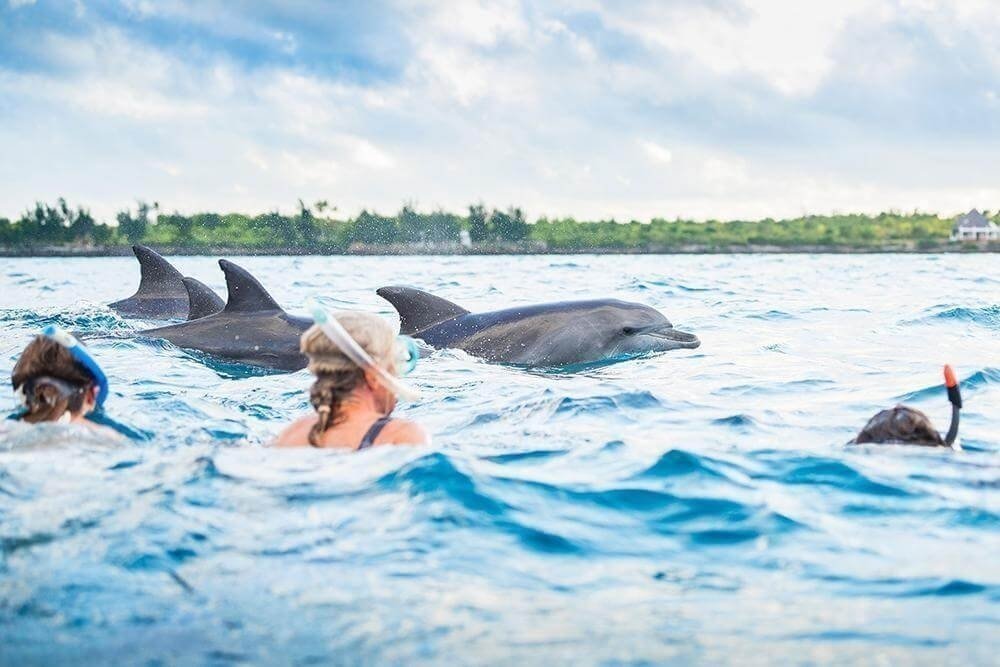
Kizimkazi is famous for its dolphin tours, where you can swim with bottlenose dolphins. While a popular activity, it’s important to choose ethical tour operators who respect the dolphins’ space and well-being. The beaches here are also beautiful, though less developed than the north or east.
Pemba Island: The Undiscovered Gem
For those seeking a more authentic and less crowded experience, Pemba Island is the answer. It’s renowned for its lush, green hills, clove plantations, and exceptional diving opportunities. The diving around Pemba is considered some of the best in the world, with vibrant coral reefs and diverse marine life.
Sample Zanzibar Itinerary: A 7-Day Island Exploration
This sample itinerary balances cultural immersion, relaxation, and adventure. It can be customized based on your interests and pace. This is a popular route for travelers combining a safari with beach time, or for those wanting a deep dive into Zanzibar itself.
Day 1-2: Arrival and Stone Town Immersion
- Arrive at Abeid Amani Karume International Airport (ZNZ).
- Transfer to your hotel in Stone Town.
- Explore Stone Town’s historical sites, markets, and narrow streets with a guided tour.
- Enjoy sunset at Forodhani Gardens and sample local street food.
Day 3-4: Spice Tour and Northern Beaches (Nungwi/Kendwa)
- Morning visit to a spice plantation to learn about local spices and fruits.
- Transfer to the northern coast (Nungwi or Kendwa).
- Relax on the beach, swim in the clear waters, and enjoy water sports.
- Witness a spectacular sunset over the Indian Ocean.
Day 5-6: Eastern Coast Exploration (Paje/Jambiani) & Jozani Forest
- Transfer to the east coast.
- Visit Jozani Chwaka Bay National Park to see the endemic Red Colobus monkeys.
- Enjoy the unique tidal landscapes of Paje or Jambiani.
- Optional: Kitesurfing lesson in Paje or a village tour in Jambiani.
- Relax and soak up the sun.
Day 7: Departure
- Enjoy a final breakfast by the ocean.
- Depending on your flight schedule, enjoy some last-minute souvenir shopping or beach time.
- Transfer to the airport for your departure.
This itinerary can be extended to include day trips to Mnemba Atoll for snorkeling/diving, or a visit to Kizimkazi for dolphin watching.
What to Expect: Culture, Food, and Local Life
Zanzibar’s culture is a rich fusion. Swahili is the primary language, but English is widely understood in tourist areas. The people are generally warm and welcoming. Respect local customs, especially when visiting villages or religious sites; dress modestly (covering shoulders and knees) when not on the beach or at your resort.
The cuisine is a highlight, influenced by its spice trade history. Expect dishes infused with coconut, spices, and fresh seafood. Must-try foods include:
- Seafood: Grilled fish, octopus curry, prawns.
- Biryani and Pilau: Fragrant rice dishes with meat or vegetables.
- Zanzibar Pizza: A savory or sweet crepe-like dish sold at Forodhani Gardens.
- Tropical Fruits: Mangoes, papayas, jackfruit, and more.
- Spiced Coffee/Tea: A fragrant end to a meal.
Forodhani Gardens night market is an excellent place to sample a variety of local street food and snacks.
Packing and Preparation for Zanzibar
Packing smart is key to enjoying your Zanzibar trip. Consider the following:
Zanzibar Packing Checklist
- Lightweight Clothing: Cotton or linen clothing, t-shirts, shorts, skirts, sundresses.
- Modest Attire: Long trousers or skirts, and tops that cover shoulders, for visiting Stone Town and villages.
- Swimwear: Essential for the beaches and resorts.
- Sun Protection: High SPF sunscreen, wide-brimmed hat, sunglasses.
- Insect Repellent: Especially for evenings and jungle excursions.
- Comfortable Walking Shoes: Sandals or flip-flops for the beach, comfortable shoes for Stone Town.
- Light Rain Jacket: Useful during the shoulder seasons or if traveling during the rainy periods.
- Basic First-Aid Kit: Including any personal medications.
- Camera: To capture the stunning scenery and cultural experiences.
- Adapter: Tanzania uses Type G plugs (UK style).
- Reusable Water Bottle: To minimize plastic waste.
- Small Backpack/Day Bag: For excursions.
Important Preparation:
- Vaccinations & Health: Consult your doctor or a travel clinic well in advance of your trip regarding recommended vaccinations (e.g., Hepatitis A, Typhoid) and malaria precautions.
- Travel Insurance: Comprehensive travel insurance is highly recommended.
- Visa: Check visa requirements for your nationality. Many can obtain a visa on arrival, but it’s best to confirm beforehand.
- Currency Exchange: While USD is widely accepted for tourist services, it’s good to have some Tanzanian Shillings for local markets and smaller purchases. ATMs are available in Stone Town and larger towns.
Common Mistakes to Avoid in Zanzibar
To ensure a smooth and enjoyable trip, be aware of these common pitfalls:
- Underestimating Stone Town’s Heat: Explore Stone Town in the cooler parts of the day (early morning or late afternoon).
- Not Respecting Local Customs: Dress modestly when away from tourist beaches. Ask permission before taking photos of people.
- Choosing Unethical Wildlife Tours: For dolphin tours, select operators who prioritize animal welfare.
- Drinking Tap Water: Stick to bottled or purified water.
- Not Budgeting for Extras: While Zanzibar can be affordable, factor in costs for activities, meals outside resorts, and souvenirs.
- Overpacking: Pack light, breathable clothing. Laundry services are available.
- Ignoring Tidal Changes: Especially on the east coast, tides can dramatically affect beach access and swimming.
Who is Zanzibar Best Suited For?
Zanzibar appeals to a wide range of travelers:
- Honeymooners & Couples: Romantic sunsets, secluded beaches, and luxurious resorts.
- Families: Safe swimming beaches, cultural experiences, and wildlife encounters (like Jozani Forest).
- Adventure Seekers: Diving, snorkeling, kitesurfing, and exploring the island’s interior.
- Culture & History Enthusiasts: The rich heritage of Stone Town and the spice farms.
- Relaxation Seekers: Pristine beaches, tranquil resorts, and a laid-back island pace.
- Safari Add-ons: A perfect relaxing end to a Tanzanian safari adventure.
Alternatives to Zanzibar in Tanzania
While Zanzibar is exceptional, Tanzania offers other coastal and island experiences:
- Mafia Island: A more remote and pristine diving destination, famous for whale shark encounters (seasonal). Less developed than Zanzibar.
- Dar es Salaam Coastline: Offers local beaches like Kunduchi and Msasani, though generally less picturesque than Zanzibar.
- Kilwa Kisiwani and Songo Mnara: UNESCO World Heritage sites with ancient ruins, offering a historical coastal experience rather than beach resort focus.
Planning Your Zanzibar Trip for 2026 & 2027
Planning ahead is crucial, especially for popular travel times. For 2026 and 2027, consider the following:
- Book Flights Early: International flights to ZNZ can be expensive, especially during peak seasons. Booking 6-12 months in advance is advisable.
- Accommodation: Zanzibar offers everything from budget guesthouses to ultra-luxury resorts. Popular spots, particularly in Nungwi, Kendwa, and Paje, book up quickly. Reserve your preferred accommodation 4-8 months out.
- Custom Tours: If you’re looking for a tailored experience, especially combining Zanzibar with a safari or Kilimanjaro climb, contact tour operators like Best Tanzania tour operator well in advance. This allows for personalized itinerary creation and secures preferred guides and lodges.
- Visa Applications: If you prefer to apply for a visa in advance rather than on arrival, start the process according to your country’s embassy guidelines.
- Health Consultations: Schedule your doctor’s appointments for vaccinations and malaria advice at least 6-8 weeks before departure.
Zanzibar Booking Timeline (Example for 2026/2027)
| Time Before Travel | Action |
|---|---|
| 12+ Months | Research destinations, identify main interests, consult doctor for health advice. |
| 8-10 Months | Book international flights, especially for peak season. Book Kilimanjaro treks or complex safaris. |
| 6-8 Months | Book popular accommodations, especially for honeymoons or family trips. Finalize custom tour packages. |
| 3-4 Months | Arrange visas if not on arrival. Purchase travel insurance. Book internal transfers or specific tours. |
| 1-2 Months | Confirm all bookings. Pack essentials. Inform bank of travel dates. Get necessary currency. |
| 1-2 Weeks | Final check of documents. Prepare travel documents. |
Booking Your Zanzibar Adventure: Tips for Success
Choosing the right tour operator is crucial for a stress-free Zanzibar holiday. Look for:
- Local Expertise: Operators with deep knowledge of Zanzibar and Tanzania.
- Customization Options: Ability to tailor itineraries to your preferences.
- Reputation: Check reviews and testimonials.
- Clear Inclusions/Exclusions: Understand what your package covers.
- Responsiveness: Good communication is a sign of reliable service.
When booking your Zanzibar travel, consider partnering with experienced local operators. For a seamless experience that combines the best of Tanzania’s mainland adventures with the island’s tropical allure, get in touch with us. We specialize in creating personalized itineraries that cater to your interests, budget, and travel style.
Contact us today to start planning your dream Zanzibar holiday:
- WhatsApp: +255616946642
- Email: topguideadventures@gmail.com
- Backup Email: info@topguideadventures.com
Frequently Asked Questions About Zanzibar Travel
Q1: Is Zanzibar safe for tourists?
Yes, Zanzibar is generally considered safe for tourists. Petty crime can occur, especially in crowded areas like Stone Town markets, so usual precautions apply (e.g., not displaying valuables). Violent crime against tourists is rare. It’s always advisable to be aware of your surroundings and follow local advice.
Q2: What currency is used in Zanzibar?
The official currency is the Tanzanian Shilling (TZS). US Dollars are widely accepted in tourist establishments, but it’s useful to have Shillings for local markets, smaller shops, and tips. ATMs are available in Stone Town and larger towns.
Q3: Do I need a visa for Zanzibar?
Zanzibar is part of Tanzania, so you need a Tanzanian visa. Many nationalities can obtain a visa on arrival at the airport, but it’s essential to check the latest requirements with your local Tanzanian embassy or consulate before your trip. For 2026 and 2027, it’s wise to verify this closer to your travel dates.
Q4: What vaccinations are recommended for Zanzibar?
Consult your doctor or a travel clinic 6-8 weeks before your trip. Recommended vaccinations often include Hepatitis A, Typhoid, and Tetanus. Malaria prophylaxis is also usually recommended. Dengue fever is present, so mosquito bite prevention is crucial.
Q5: Is it possible to combine a safari with Zanzibar?
Absolutely! This is a very popular combination. Many travelers fly from a safari destination (like the Serengeti or Ngorongoro) directly to Zanzibar for a relaxing beach holiday after the adventure of the bush. We specialize in creating these combined itineraries.
Q6: What is the best way to get around Zanzibar?
In Stone Town, walking is the best way to explore. For travel between towns and beaches, you can use private taxis, shared taxis (dala-dalas for a more local experience, though slower), or pre-booked transfers. Many resorts can arrange transport for you.
Q7: Can I drink the tap water in Zanzibar?
No, it is not recommended to drink tap water. Always drink bottled water, purified water, or boiled water. Most hotels provide safe drinking water.
Q8: What are the tidal patterns like on Zanzibar’s beaches?
Zanzibar experiences significant tidal changes, especially on the east coast (Paje, Jambiani). At low tide, the ocean can recede for hundreds of meters, exposing sandbanks and seaweed farms. High tide brings the water closer to the shore. This is important for swimming and beach activities; check tide times if you plan to swim extensively.
Q9: What kind of power adapter do I need for Zanzibar?
Tanzania uses Type G electrical plugs, the same as in the United Kingdom. The voltage is 230V and the frequency is 50Hz. You will need a universal adapter if your devices use different plug types.
Q10: When is the best time for kitesurfing in Zanzibar?
The prime season for kitesurfing in Paje is generally from June to September (Kaskazi winds from the northeast) and from December to March (Kusi winds from the southeast). The conditions are often ideal for both beginners and experienced riders during these periods.
Q11: What are the main differences between Unguja (Zanzibar Island) and Pemba Island?
Unguja is the larger, more developed island with the famous Stone Town and a wide range of resorts and activities. Pemba is smaller, greener, more rural, and less touristy, known for its exceptional diving, clove plantations, and a more authentic experience. Travel between the two islands is usually by small plane or ferry.
Q12: How can I plan my Zanzibar travel for 2027?
Planning for 2027 follows similar principles to 2026. Start researching early, particularly if you aim for peak seasons. Book flights and popular accommodations at least 6-8 months in advance. Connect with local tour operators to discuss custom itineraries and ensure availability for your preferred dates and activities.
Final Thoughts: Your Zanzibar Adventure Awaits
Zanzibar offers a captivating blend of history, culture, and natural beauty. This Zanzibar travel guide has provided an in-depth look at what to expect, how to plan, and what to pack. From the bustling markets of Stone Town to the serene beaches of the coast, the Spice Island promises an experience that will stay with you long after you leave. Whether you are planning for 2026, 2027, or beyond, careful preparation will ensure your Zanzibar holiday is everything you dreamed of and more.
Ready to experience the magic of Zanzibar? Let us help you craft the perfect itinerary. We offer tailored safari and beach packages, ensuring a memorable and hassle-free journey.
Contact Best Tanzania tour operator today:
- WhatsApp: +255616946642
- Email: topguideadventures@gmail.com
- Backup Email: info@topguideadventures.com
Plan your Zanzibar Travel Guide: Everything You Need to Know with Top Guide Adventures
Tell us your travel dates, group size, comfort level, and dream experience. We will help you shape a clear, realistic, and memorable Tanzania itinerary.







 Veedesigner
 Fatma Kizanga
 Benjamin Waryuba
 Philip Philip
 John jr Itaja
 Antonia Optatus
 Edith Kanyere
 Neema Iddy
 Kelvin Boniphace
 Damari Maiga



