
Updated planning guide for 2026, 2027
Best Time To Climb Mount Kilimanjaro: Essential Travel Guide
Planning a Kilimanjaro climb? This comprehensive guide details the best times to ascend Africa's highest peak, considering weather patterns, crowd levels, and your personal preferences for 2026 and 2027.
WhatsApp +255616946642 | topguideadventures@gmail.com | info@topguideadventures.com
The Best Time to Climb Mount Kilimanjaro: Your Expert Planning Guide
Mount Kilimanjaro, the Roof of Africa, calls to adventurers worldwide. Its majestic snow-capped summit, visible from miles away, represents a significant personal achievement. But to conquer this iconic peak, understanding the optimal time for your ascent is crucial. The best time to climb Mount Kilimanjaro depends on several factors, primarily weather, crowd size, and your personal tolerance for specific conditions. This guide provides an in-depth look at what makes certain months more favorable than others, helping you plan your unforgettable journey for 2026, 2027, or any year thereafter.
Quick Answer
The best time to climb Mount Kilimanjaro is generally during the dry seasons: January to March and June to October. These periods offer clearer skies, less rain, and more stable weather conditions, significantly increasing your chances of a successful summit. However, shoulder seasons can offer fewer crowds and potentially lower costs.
Table of Contents
- Kilimanjaro Quick Facts
- Kilimanjaro: An Overview
- Why Timing Your Climb Matters
- Detailed Weather Analysis by Month
- Best Months at a Glance
- Kilimanjaro Routes and Their Best Times
- What to Expect During Your Climb
- Packing and Preparation for Your Climb
- Common Mistakes to Avoid When Choosing Your Climb Date
- Who is Kilimanjaro Best For?
- Alternatives to Climbing Kilimanjaro
- Planning Your 2026-2027 Kilimanjaro Adventure
- Booking Your Kilimanjaro Expedition
- Frequently Asked Questions
Kilimanjaro Quick Facts
| Fact | Details |
|---|---|
| Elevation | 5,895 meters (19,341 feet) |
| Location | Kilimanjaro Region, Tanzania |
| Type | Dormant Volcano |
| Climbing Seasons | Dry Seasons: Jan-Mar, Jun-Oct Wet Seasons: Apr-May, Nov-Dec |
| Popular Routes | Machame, Lemosho, Marangu, Rongai, Northern Circuit, Shira |
| Average Summit Success Rate | Varies by route, duration, and operator (typically 65-85%) |
| Best Time to Climb (General) | January-March and June-October |
Kilimanjaro: An Overview
Mount Kilimanjaro is more than just a mountain; it’s a stratovolcano located in northern Tanzania, a UNESCO World Heritage Site, and a bucket-list destination for trekkers and climbers globally. Standing at 5,895 meters (19,341 feet) above sea level, it is the highest free-standing mountain in the world and the highest peak in Africa. Its accessibility, with no technical climbing required on most standard routes, makes it a popular challenge for individuals of varying fitness levels. The mountain boasts a unique ecosystem, transitioning from cultivated land at its base through rainforest, heath, moorland, alpine desert, and finally, to arctic summit conditions. The journey to the summit is as much about experiencing these diverse landscapes as it is about reaching the top.
Climbing Kilimanjaro is typically undertaken over 5 to 9 days, depending on the chosen route and acclimatization strategy. The longer routes offer better acclimatization and thus higher success rates. The ascent is not a race; it is a test of endurance, mental fortitude, and proper preparation. Understanding the nuances of each climbing season is paramount to ensuring a safe, enjoyable, and successful trek.
Why Timing Your Climb Matters
The decision of when to climb Kilimanjaro significantly impacts your experience. The mountain’s weather is notoriously unpredictable, but it follows distinct patterns influenced by two major rainy seasons and two drier, clearer periods. Choosing the right time can mean the difference between:
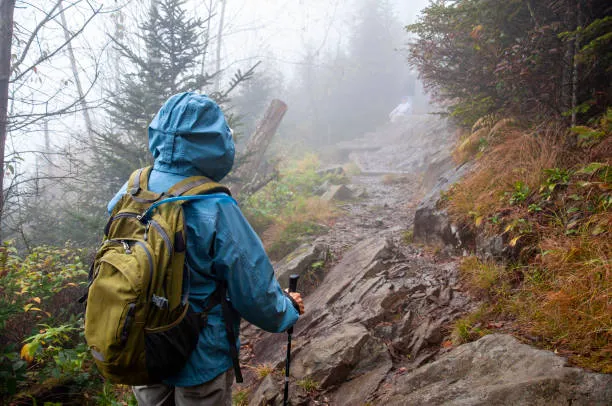
- Weather Conditions: Dry seasons offer significantly less rain, clearer views, and more stable trekking conditions. Wet seasons bring heavy rain, fog, mud, and reduced visibility, making the trek more challenging and potentially dangerous.
- Crowd Levels: Popular dry seasons, especially June to October, attract the most trekkers. This can mean busier trails and more crowded campsites. Off-peak times offer a more solitary experience.
- Temperature: While temperatures are generally cold at higher altitudes year-round, the dry seasons often have more moderate daytime temperatures and colder nights.
- Success Rates: Favorable weather conditions directly correlate with higher summit success rates. Trekkers are less likely to be forced back by extreme weather or poor trail conditions.
- Views: Clear skies are essential for appreciating the stunning panoramas of the Tanzanian plains and the surrounding landscape, especially from the summit.
For many, the goal is to stand on Uhuru Peak, the true summit of Kilimanjaro. Achieving this requires not just physical fitness but also a bit of luck with the weather. By selecting the best time to climb Mount Kilimanjaro, you maximize your chances of favorable conditions and a memorable journey.
Detailed Weather Analysis by Month
Kilimanjaro’s weather is broadly divided into two dry seasons and two wet seasons. Understanding these patterns is key to choosing your climbing window.
January to March: The First Dry Season
Pros: This is one of the two prime dry seasons. Expect relatively clear skies, good visibility, and less rainfall. Temperatures can be pleasant during the day, though nights are cold. It’s also a good time for wildlife viewing on safari before or after your climb. January and February are often considered excellent months.
Cons: January and February can be quite popular. March starts to see an increase in cloud cover as the short rains approach. The summit can still be very cold, especially at night.
Consider if: You prioritize good weather and clear views, and don’t mind moderate crowds. It’s an excellent time for those combining their climb with a safari in early 2026 or 2027.
April and May: The Long Rains
Pros: These are the wettest months. Trails can be muddy and slippery, and visibility is often poor due to rain and fog. However, crowds are significantly reduced, and prices might be lower. If you are on a very tight budget and don’t mind challenging conditions, this could be an option, but it’s generally not recommended for a first-time climber.
Cons: Heavy rainfall, fog, and muddy trails are common. This period has the lowest summit success rates due to weather-related challenges. The rainforest zone can be particularly wet and difficult to navigate.
Consider if: You are an experienced trekker seeking solitude, have a very flexible schedule, and are prepared for difficult conditions. This is generally the least favorable time for a summit attempt.
June to October: The Second Dry Season (Peak Season)
Pros: This is the longest and arguably the most popular dry season. June through September offers excellent weather with minimal rain, clear skies, and fantastic views. Temperatures are cooler, especially at night, but generally manageable. The Northern Circuit and other longer routes offer superb vistas.
Cons: This is peak season. Trails can be very busy, especially the Machame and Lemosho routes. Campsites can feel crowded. Bookings need to be made well in advance, especially for 2026 and 2027. The summit can be extremely cold, with potential for ice and frost.
Cons: This is peak season. Trails can be very busy, especially the Machame and Lemosho routes. Campsites can feel crowded. Bookings need to be made well in advance, especially for 2026 and 2027. The summit can be extremely cold, with potential for ice and frost.
Consider if: You want the highest probability of good weather and clear views and can plan far ahead. This is the most popular time for a reason.
November and December: The Short Rains
Pros: Crowds begin to thin out after October. November can offer decent trekking with fewer people. December can still see rain, but it’s often intermittent, with periods of sunshine. The landscape is lush and green. Prices might be slightly lower.
Cons: Expect more frequent, though usually brief, rain showers. Visibility can be reduced. Trails can become muddy. The transition from the dry season means weather can be unpredictable.
Consider if: You prefer fewer crowds and are prepared for some rain. A late December climb can be a good option to ring in the New Year at a unique location, but be ready for variable weather.
Best Months at a Glance
| Month | Weather | Crowds | Temperature | Recommendation |
|---|---|---|---|---|
| January | Dry, clear | Moderate to High | Cold at summit, mild lower down | Excellent |
| February | Dry, clear | Moderate to High | Cold at summit, mild lower down | Excellent |
| March | Dry, increasing clouds | Moderate | Cold at summit, mild lower down | Good |
| April | Heavy Rain | Low | Cold at summit, mild lower down | Not Recommended |
| May | Heavy Rain | Low | Cold at summit, mild lower down | Not Recommended |
| June | Dry, clear | High | Cold at summit, mild lower down | Excellent |
| July | Dry, clear | Very High | Cold at summit, mild lower down | Excellent |
| August | Dry, clear | Very High | Cold at summit, mild lower down | Excellent |
| September | Dry, clear | High | Cold at summit, mild lower down | Excellent |
| October | Dry, decreasing clouds | Moderate | Cold at summit, mild lower down | Good |
| November | Short Rains, intermittent | Moderate to Low | Cold at summit, mild lower down | Fair (be prepared for rain) |
| December | Short Rains, intermittent | Moderate | Cold at summit, mild lower down | Fair (be prepared for rain) |
Kilimanjaro Routes and Their Best Times
While the general weather patterns apply to all routes, some routes are better suited to specific times of the year, especially concerning crowd management and scenic value.
- Machame Route: Popular for its scenic beauty and good acclimatization profile. It’s busy during peak dry seasons (June-October). Consider it in January-March for fewer crowds but still good weather.
- Lemosho Route: Known for its stunning scenery and higher success rates due to its length. It’s also very popular and can be crowded during peak season. January-March is a good alternative to avoid peak crowds.
- Marangu Route: The ‘Coca-Cola’ route, known for its hut accommodation. It’s accessible year-round but can be busy. The scenery is less varied than other routes.
- Rongai Route: Approaches from the north, drier side of Kilimanjaro. It’s a good option for the short rainy season (November-December) as it tends to receive less rain.
- Northern Circuit: The longest route, offering the highest acclimatization and success rates. Its length means it’s less crowded even in peak season. Excellent views year-round, but best enjoyed in the dry seasons.
- Shira Route: Similar to Lemosho but starts at a higher altitude, meaning less initial acclimatization. Best in dry seasons.
For those looking for the best time to climb Mount Kilimanjaro with the fewest people, consider the shoulder months of March, October, or even November and December if you are prepared for some rain. The Rongai route is particularly recommended for the short rainy season.
What to Expect During Your Climb
Regardless of the time of year, climbing Kilimanjaro is a demanding experience. Expect:
- Altitude Sickness: This is the most significant risk. Symptoms can range from headaches and nausea to more severe conditions. Proper acclimatization, achieved through slow ascent and sufficient hydration, is vital. Choosing a longer route (7+ days) significantly increases your chances of acclimatizing well.
- Temperature Fluctuations: You will experience a range of temperatures, from warm and humid in the rainforest at the base to well below freezing at the summit. Layers are essential.
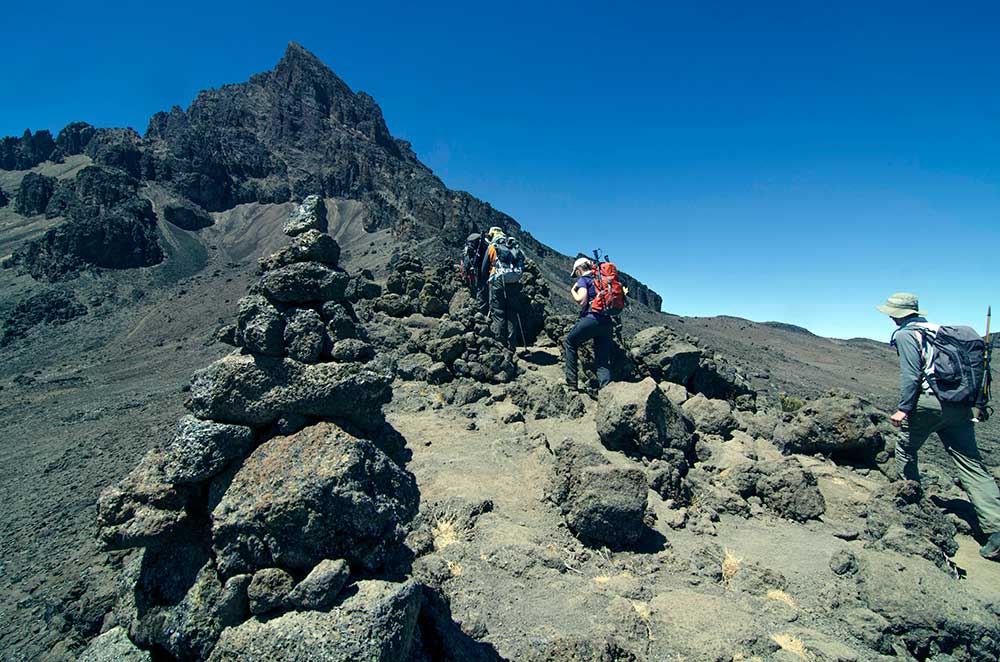
- Trail Conditions: Trails can range from well-trodden paths to rocky scree and muddy slopes, depending on the route and weather.
- Basic Amenities: Accommodation on the mountain is in tents (except Marangu’s huts). Toilets are basic pit latrines. Food is prepared by your crew.
- Physical Exertion: You’ll be walking for 6-10 hours a day, with summit night being the most demanding, often 12-16 hours of walking.
- Teamwork: You’ll be part of a team including guides, porters, and cooks. Their expertise and support are invaluable.
Packing and Preparation for Your Climb
Proper gear and physical preparation are critical for a successful and comfortable climb, irrespective of the season. However, packing strategies might need slight adjustments based on the time of year.
Physical Preparation:
- Cardiovascular Fitness: Focus on activities like hiking, running, cycling, and swimming.
- Strength Training: Strengthen your legs, core, and upper body.
- Hiking Practice: Do long hikes with a weighted backpack, ideally on varied terrain, to simulate mountain conditions.
- Acclimatization Practice: If possible, spend time at higher altitudes before your trip.
Essential Gear:
This list is comprehensive and applies to all seasons, with minor adjustments for rain gear.
Clothing Layers:
- Moisture-wicking base layers (tops and bottoms)
- Insulating mid-layers (fleece jacket, down vest)
- Waterproof and windproof outer shell (jacket and pants) – essential year-round, but especially critical in wet seasons.
- Insulated, waterproof gloves and a warm hat
- Warm socks (wool or synthetic)
- Hiking boots (broken-in)
- Camp shoes or trainers
- Gaiters (to keep debris and water out of boots)
Headwear & Eyewear:
- Sun hat or cap with a brim
- Balaclava or warm scarf
- High-quality sunglasses (UV protection)
Sleeping Gear:
- Warm sleeping bag (rated to -10°C or -20°C / 0°F or -4°F)
- Sleeping bag liner (optional, for extra warmth)
- Inflatable pillow (optional)
Trekking Gear:
- Durable backpack (50-70 liters)
- Daypack (25-35 liters) for essentials
- Trekking poles (highly recommended)
- Headlamp with extra batteries
- Water bottles or hydration reservoir (at least 3 liters capacity)
- Water purification tablets or filter
- Sunscreen (high SPF)
- Lip balm with SPF
- Insect repellent (for lower rainforest sections)
- Personal first-aid kit (including blister treatment, pain relievers, any personal medication)
- Hand sanitizer
- Toiletries (biodegradable soap, toothbrush, toothpaste, wet wipes)
- Camera and extra batteries/power bank
- Snacks (energy bars, nuts, dried fruit)
- Duffel bag for porters to carry (waterproof recommended)
Season-Specific Notes:
- Dry Seasons (Jan-Mar, Jun-Oct): Focus on sun protection and layers for cold nights. Waterproofing is still important for unexpected showers.
- Wet Seasons (Apr-May, Nov-Dec): Prioritize robust waterproofing for clothing and your main backpack. Good grip on boots is essential for muddy trails. Consider bringing extra pairs of socks.
Common Mistakes to Avoid When Choosing Your Climb Date
Selecting the wrong time to climb can lead to significant disappointment or even an aborted trek. Here are common pitfalls to sidestep:
- Ignoring the Rains: Climbing during the main rainy seasons (April-May) without fully understanding the implications. Heavy rain can make trails impassable and significantly reduce enjoyment and safety.
- Underestimating Crowds: Choosing peak season (July-September) without booking far in advance, leading to disappointment if your preferred dates or routes are unavailable.
- Overestimating Personal Fitness: Assuming fitness alone will guarantee success without considering acclimatization. The best time to climb Mount Kilimanjaro is also when acclimatization is most effective due to stable conditions.
- Not Checking Operator Schedules: Some operators may have specific departure dates or might not operate during certain months. Always confirm availability with your chosen tour company.
- Focusing Only on Weather: While weather is paramount, don’t overlook crowd levels if solitude is important to you.
- Not Considering Personal Commitments: Failing to align the climb date with personal schedules, holidays, or other travel plans in Tanzania, such as a safari.
Who is Kilimanjaro Best For?
Kilimanjaro is an achievable goal for a wide range of people, but it requires a certain mindset and preparation:
- The Determined Adventurer: Anyone with a strong desire to reach a significant summit and a willingness to push their limits.
- The Fit Traveler: While technical skill isn’t required, good cardiovascular fitness is essential. People who regularly engage in hiking, running, or other endurance sports will find the climb more manageable.
- The Nature Enthusiast: Those who appreciate diverse ecosystems, from lush rainforests to alpine deserts, and want to experience them on foot.
- The Bucket-List Seeker: Individuals looking to tick off a major world landmark and achieve a personal milestone.
- Groups and Families: Kilimanjaro can be a fantastic group challenge. Older teens and adults with good fitness can undertake the climb together.
It is not recommended for individuals with serious pre-existing health conditions that could be exacerbated by altitude or physical exertion, or those unwilling to prepare adequately.
Alternatives to Climbing Kilimanjaro
If Kilimanjaro isn’t the right fit, or if you’re looking for other Tanzanian adventures, consider these options:
- Mount Meru: A stunning, less crowded, and technically more challenging trek than Kilimanjaro. It’s an excellent acclimatization climb and offers fantastic views of Kilimanjaro. Best climbed during the dry seasons.
- Safari in Tanzania: Explore the Serengeti, Ngorongoro Crater, Tarangire National Park, and more. This offers incredible wildlife viewing and a different kind of adventure. The best time for safaris often overlaps with Kilimanjaro’s dry seasons, particularly June-October for the Great Migration in the Serengeti.
- Zanzibar Holidays: Relax on pristine beaches, explore Stone Town’s history, and enjoy water sports. Ideal for relaxation after a safari or climb.
- Day Hikes and Cultural Tours: Explore the foothills of Kilimanjaro, visit local villages, or take shorter hikes in other regions of Tanzania.
Planning Your 2026-2027 Kilimanjaro Adventure
Planning ahead is key, especially if you’re targeting popular years like 2026 or 2027. Here’s a timeline and key considerations:
12-18 Months Before:
- Research routes, operators, and the best time to climb.
- Start improving your fitness.
- Set your budget.
9-12 Months Before:
- Choose your tour operator and book your climb. This is crucial for securing spots in peak season for 2026 and 2027.
- Confirm your desired dates, considering the best time to climb Mount Kilimanjaro for your preferences.
- If combining with a safari or Zanzibar, start planning those elements.
6-9 Months Before:
- Intensify your physical training.
- Begin researching and purchasing essential gear.
- Check visa requirements for Tanzania.
3-6 Months Before:
- Purchase most of your gear. Break in your hiking boots.
- Continue consistent training.
- Arrange travel insurance that covers high-altitude trekking and medical evacuation.
1-3 Months Before:
- Finalize gear purchases.
- Get any necessary medical check-ups and vaccinations.
- Confirm all travel arrangements.
Weeks Leading Up to the Climb:
- Maintain fitness but avoid overexertion.
- Pack your bags carefully, ensuring everything is organized.
- Stay hydrated and eat well.
Booking in advance for 2026 and 2027 is highly recommended, particularly if you aim for the popular dry seasons or specific routes. This ensures you get your preferred dates and potentially better pricing from reputable operators.
Booking Your Kilimanjaro Expedition
Choosing the right tour operator is as important as choosing the right time to climb. Here’s what to look for:
- Reputation and Experience: Look for operators with a long history of successful climbs and positive reviews.
- Safety Standards: Ensure they have experienced guides trained in altitude sickness management, carry comprehensive first-aid kits, and have emergency evacuation plans.
- Porter Welfare: Ethical treatment of porters is crucial. Look for companies that treat their staff fairly, provide adequate food and shelter, and pay them appropriately.
- Route and Duration: Choose an operator that offers routes and durations that match your fitness and acclimatization needs. Longer routes (7+ days) are generally recommended.
- Inclusions: Understand what is included in the price (park fees, guide/porter salaries, food, accommodation before/after the climb, transfers, etc.).
- Group Size: Smaller groups can offer a more personal experience.
When you’re ready to discuss your adventure, contact us. We specialize in creating safe, memorable Kilimanjaro climbs and can help you find the perfect timing and route for your expedition.
Contact Us to Plan Your Climb
Ready to take on Kilimanjaro? Whether you’re aiming for 2026, 2027, or beyond, our expert team can guide you. We offer tailored itineraries, prioritize safety, and ensure a responsible trekking experience.
WhatsApp: +255616946642
Email: topguideadventures@gmail.com
Backup Email: info@topguideadventures.com
Frequently Asked Questions
What is the absolute best time to climb Mount Kilimanjaro for clear views?
The best times for clear views are during the two main dry seasons: January to March and June to October. These periods typically offer the clearest skies and the highest probability of unobstructed vistas from the mountain, especially from the summit.
Is it possible to climb Kilimanjaro in the rainy season?
Yes, it is possible, but not generally recommended for first-time climbers. April, May, and November are the wettest months. While you might encounter fewer crowds and potentially lower prices, you should be prepared for muddy trails, heavy rain, fog, and reduced visibility, which can make the climb significantly more challenging and impact summit success rates.
What is the coldest month to climb Kilimanjaro?
The coldest months are generally during the dry seasons when temperatures at the summit can drop significantly below freezing, especially at night and during the summit push. While specific monthly temperatures fluctuate, June, July, and August can be particularly cold due to their position within the dry season and potential for colder air masses.
How do I choose between January-March and June-October for my climb?
January-March offers excellent weather with slightly fewer crowds than the peak summer months. June-October is the most popular and busiest period, offering stable, dry conditions. If you want to avoid the largest crowds, consider January-March or the shoulder months of June and October. For 2026 and 2027, booking well in advance is advised for either period.
Will I encounter snow on Kilimanjaro?
You are likely to encounter snow and ice on the summit (Uhuru Peak) and the final ascent, especially during the colder dry season months (June-October). The amount of snow varies year to year. The glaciers on Kilimanjaro are shrinking due to climate change, but snow and ice are still common near the summit.
What is the best route for climbing Kilimanjaro during the rainy season?
The Rongai route is often recommended for the short rainy season (November-December) as it approaches from the north, which is generally drier. However, even Rongai can experience rain. It’s crucial to be prepared for wet conditions regardless of the route chosen during these months.
How far in advance should I book my Kilimanjaro climb for 2026 or 2027?
It is highly recommended to book your climb at least 9-12 months in advance, especially if you plan to climb during the peak dry seasons (June-October) or wish to secure specific dates in 2026 or 2027. Popular operators and routes fill up quickly.
What is the success rate for climbing Kilimanjaro?
Success rates vary widely depending on the route, duration, operator, and individual climber preparation. Longer routes (7-9 days) generally have higher success rates (upwards of 85%) due to better acclimatization. Shorter routes (5-6 days) typically have lower success rates (around 65%). Choosing the best time to climb Mount Kilimanjaro also contributes to success.
Can I climb Kilimanjaro solo?
While you can technically book a solo climb, you will always be accompanied by a guide and porters. Kilimanjaro National Park regulations require all climbers to be accompanied by licensed guides. Solo trekkers are often placed in groups for safety and logistical reasons.
What are the main differences between the dry and wet seasons for climbing?
The primary difference lies in precipitation and trail conditions. Dry seasons offer clearer skies, less rain, and more stable trails, making the climb generally more comfortable and increasing summit success chances. Wet seasons bring significant rainfall, mud, fog, and reduced visibility, posing greater challenges and potentially impacting the experience and success rate.
When is the best time to combine a Kilimanjaro climb with a safari in Tanzania?
The dry seasons, particularly June to October and January to March, are excellent for both climbing Kilimanjaro and going on safari. This period offers good weather for trekking and is ideal for wildlife viewing, especially during the Great Migration in the Serengeti, which typically occurs from July to October.
Choosing the right time for your Kilimanjaro ascent is a critical step in planning. By understanding the weather patterns, crowd dynamics, and your personal preferences, you can select the ideal window for your adventure. Whether you aim for the clear skies of the dry season or the solitude of the shoulder months, preparation and a good operator are your keys to success.
Your Kilimanjaro Adventure Awaits!
Don’t let planning overwhelm you. Let our expert team at Top Guide Adventures help you choose the best time to climb Mount Kilimanjaro and craft an unforgettable experience. We handle all the details, from park fees and guides to logistics and support, ensuring your safety and enjoyment.
Contact us today to start planning your 2026 or 2027 Kilimanjaro trek:
WhatsApp: +255616946642
Email: topguideadventures@gmail.com
Backup Email: info@topguideadventures.com
Plan your Best Time to Climb Mount Kilimanjaro with Top Guide Adventures
Tell us your travel dates, group size, comfort level, and dream experience. We will help you shape a clear, realistic, and memorable Tanzania itinerary.







 Veedesigner
 Fatma Kizanga
 Benjamin Waryuba
 Philip Philip
 John jr Itaja
 Antonia Optatus
 Edith Kanyere
 Neema Iddy
 Kelvin Boniphace
 Damari Maiga



