
Updated planning guide for 2026, 2027
Marangu Route Kilimanjaro Guide: Your Essential Trekking Companion
Planning to trek Kilimanjaro via the Marangu Route? This comprehensive guide covers everything you need to know, from choosing the right itinerary to packing essentials and understanding the climb.
WhatsApp +255616946642 | topguideadventures@gmail.com | info@topguideadventures.com
Marangu Route Kilimanjaro Guide: Your Essential Trekking Companion
Kilimanjaro, Africa’s highest peak, beckons adventurers from around the globe. Among the established paths to its summit, the Marangu Route stands out as the oldest and perhaps the most recognized. Often called the “Coca-Cola” route due to its relative accessibility and facilities, it offers a unique trekking experience on the Roof of Africa. This in-depth Marangu Route Kilimanjaro Guide is designed to equip you with all the knowledge needed for a successful and memorable climb, whether you are planning for 2026, 2027, or beyond.
Quick Answer: The Marangu Route is Kilimanjaro’s oldest and most popular trail, known for its comfortable hut accommodations and gradual ascent. It typically takes 5-6 days to complete, offering a good balance of acclimatization and scenic beauty, though success rates can be lower than longer routes due to the shorter duration.
Table of Contents
- Marangu Route Quick Facts
- Marangu Route Overview
- Why Choose the Marangu Route?
- Best Time to Trek the Marangu Route
- Marangu Route Itinerary & Map Illustration
- Day-by-Day Itinerary Breakdown
- What to Expect on the Marangu Route
- Acclimatization and Altitude Sickness
- Typical Inclusions & Exclusions
- Packing Essentials for the Marangu Route
- Physical and Mental Preparation
- Common Mistakes to Avoid
- Who is the Marangu Route Best Suited For?
- Alternatives to the Marangu Route
- Planning Your Trek for 2026 & 2027
- Booking Your Marangu Route Trek
- Frequently Asked Questions (FAQs)
Marangu Route Quick Facts
| Feature | Details |
|---|---|
| Route Name | Marangu Route |
| Starting Point | Marangu Gate (1,860m / 6,100ft) |
| Ending Point | Marangu Gate (descent) |
| Duration Options | 5 or 6 days |
| Accommodation | Huts (dormitory style) |
| Scenery | Rainforest, moorland, alpine desert, arctic zone |
| Difficulty | Moderate to Difficult (due to altitude) |
| Success Rate | Generally lower than longer routes (especially 5-day option) |
| Unique Feature | Only route with hut accommodation; offers return descent on same path |
Marangu Route Overview
The Marangu Route, inaugurated in 1962, is Kilimanjaro’s most established trekking path. It ascends Kilimanjaro from the southeast side of the mountain, beginning at the Marangu Gate. Its primary distinction lies in the accommodation: unlike other routes that use camping, Marangu offers basic dormitory-style huts at each campsite. This makes it feel more like a lodge-to-lodge trek, appealing to those who prefer not to camp. The route is also unique in that the ascent and descent typically follow the same path, which can be a drawback for experiencing varied scenery but simplifies logistics.
The route’s gentler, more gradual slope in the initial stages is often cited as a benefit for acclimatization. However, the standard 5-day itinerary is notoriously rushed, significantly impacting acclimatization and success rates. A 6-day itinerary adds a crucial acclimatization day, improving chances of reaching Uhuru Peak. The Marangu route traverses through five distinct ecological zones, offering a remarkable journey through changing landscapes and climates.
Why Choose the Marangu Route?
Several factors make the Marangu Route a compelling choice for many aspiring Kilimanjaro climbers:
- Hut Accommodation: The availability of huts provides a level of comfort and protection from the elements that camping does not. These huts offer basic sleeping arrangements, communal dining areas, and toilets, making the trek feel less rugged.
- Gradual Initial Ascent: The early stages of the Marangu Route are less steep than some other routes, which can be beneficial for beginners getting used to trekking at altitude.
- Scenic Variety: While the descent follows the same path, the ascent offers a diverse range of landscapes, from lush rainforests teeming with wildlife to the stark beauty of the alpine desert and the frozen world near the summit.
- Cost-Effectiveness: Due to its shorter duration options and simpler logistics (no tents to carry), the Marangu Route can sometimes be perceived as a more budget-friendly option, though operator quality significantly impacts the overall cost and experience.
- Established Infrastructure: As the oldest route, it has well-established campsites and a predictable trekking rhythm.
Best Time to Trek the Marangu Route
Kilimanjaro can be climbed year-round, but certain periods offer significantly better weather conditions. The ideal times to trek the Marangu Route are during the dry seasons:
- January to March: This is a prime season with clear skies, good visibility, and relatively warm temperatures. It’s also a popular time, so expect more trekkers on the mountain.
- June to October: This is the second dry season, characterized by cooler temperatures but still excellent conditions for climbing. The skies are generally clear, making it another excellent window for a successful summit attempt.
The rainy seasons are:
- April to May: This period experiences heavy rainfall, particularly in the lower rainforest zone. Trails can become muddy and slippery, and visibility is often poor.
- November to December: This is a shorter, lighter rainy season. While not as intense as April-May, occasional rain showers are common, and the weather can be more unpredictable.
For planning your trek in 2026 or 2027, consider booking during the dry seasons for the most pleasant and safest experience. June, July, August, September, January, and February are generally considered the best months.
Marangu Route Itinerary & Map Illustration
The Marangu Route is unique in offering 5-day and 6-day itineraries. While the 5-day option is quicker, the 6-day option includes an extra acclimatization day, significantly increasing the chances of reaching the summit and improving the overall experience. Below is a simplified illustration of the route’s progression.
| Stage | Start Camp | End Camp | Approx. Time | Distance | Altitude Gain | Key Features |
|---|---|---|---|---|---|---|
| 1 | Marangu Gate (1,860m) | Mandara Huts (2,700m) | 3-5 hrs | 8 km / 5 mi | +840m | Rainforest, Maundi Crater viewpoint |
| 2 | Mandara Huts (2,700m) | Horombo Huts (3,700m) | 5-7 hrs | 12 km / 7.5 mi | +1,000m | Rainforest to Moorland, changing vegetation |
| 3 (5-day) | Horombo Huts (3,700m) | Kibo Huts (4,700m) | 5-7 hrs | 10 km / 6 mi | +1,000m | Moorland to Alpine Desert, stark landscape |
| 3 (6-day) | Horombo Huts (3,700m) | Acclimatization Day (Optional hike from Horombo) | N/A | N/A | N/A | Rest and light activity to aid acclimatization |
| 4 (5-day) | Kibo Huts (4,700m) | Uhuru Peak (5,895m) & descend to Horombo Huts (3,700m) | 10-15 hrs (summit bid) + 3-5 hrs (descent) | 6 km / 3.7 mi (up) + 15 km / 9.3 mi (down) | +1,195m (summit) / -2,195m (descent) | Summit bid via Stella Point/Gilman’s Point, dramatic sunrise, descent |
| 4 (6-day) | Kibo Huts (4,700m) | Uhuru Peak (5,895m) & descend to Horombo Huts (3,700m) | 10-15 hrs (summit bid) + 3-5 hrs (descent) | 6 km / 3.7 mi (up) + 15 km / 9.3 mi (down) | +1,195m (summit) / -2,195m (descent) | Summit bid via Stella Point/Gilman’s Point, dramatic sunrise, descent |
| 5 (5-day) | Horombo Huts (3,700m) | Marangu Gate (1,860m) | 5-7 hrs | 20 km / 12.5 mi | -1,840m | Continue descent through changing zones to gate |
| 5 (6-day) | Horombo Huts (3,700m) | Marangu Gate (1,860m) | 5-7 hrs | 20 km / 12.5 mi | -1,840m | Continue descent through changing zones to gate |
| 6 (6-day) | Additional Day (Often spent at Horombo or Mandara for better acclimatization before descent) | Marangu Gate (1,860m) | 5-7 hrs | 20 km / 12.5 mi | -1,840m | Full descent to Marangu Gate |
Day-by-Day Itinerary Breakdown
The 5-Day Marangu Route Itinerary (Faster, Lower Success Rate)
- Day 1: Marangu Gate (1,860m) to Mandara Huts (2,700m)
The trek begins at Marangu Gate. After park formalities, you’ll enter the dense rainforest. The path is well-maintained and a steady uphill climb. You might spot colobus monkeys and various bird species. Mandara Huts are a cluster of A-frame huts nestled in the forest. - Day 2: Mandara Huts (2,700m) to Horombo Huts (3,700m)
You’ll leave the rainforest behind and enter the moorland zone. The vegetation changes dramatically to heather, giant groundsels, and lobelias. The views of Kibo and Mawenzi peaks become more prominent on clear days. Horombo Huts offer a more exposed setting with stunning vistas. - Day 3: Horombo Huts (3,700m) to Kibo Huts (4,700m)
This is a challenging day as you ascend into the alpine desert zone. The landscape becomes stark and rocky. The air thins considerably. You’ll pass the ‘saddle’ between Kibo and Mawenzi. Kibo Huts are basic shelters located at the base of the Kibo cone, just below the treeline. - Day 4: Kibo Huts (4,700m) to Uhuru Peak (5,895m) and descend to Horombo Huts (3,700m)
This is summit night, the most demanding part of the trek. You’ll start around midnight, trekking on scree and rocky terrain towards Gilman’s Point (5,685m) or Stella Point (5,756m). Reaching Gilman’s Point by sunrise is a significant achievement. The final push to Uhuru Peak, the true summit, is a further 1-2 hours. After celebrating at the summit, you begin the long descent back to Horombo Huts, a challenging but rewarding day. - Day 5: Horombo Huts (3,700m) to Marangu Gate (1,860m)
The final day involves a continuous descent through the moorland and rainforest zones back to Marangu Gate. It’s a long walk, but the excitement of completing the trek usually keeps spirits high. You’ll be met by your driver and transferred back to your hotel.
The 6-Day Marangu Route Itinerary (Recommended for better acclimatization)
- Day 1: Marangu Gate (1,860m) to Mandara Huts (2,700m)
(Same as 5-day itinerary) - Day 2: Mandara Huts (2,700m) to Horombo Huts (3,700m)
(Same as 5-day itinerary) - Day 3: Horombo Huts (3,700m) to Acclimatization Day (e.g., near Horombo or a short hike)
This extra day is crucial for acclimatization. Instead of immediately pushing to Kibo Huts, you might spend the day at Horombo, perhaps doing a short hike to a higher point and returning, or simply resting and allowing your body to adjust to the altitude. This significantly improves your chances of summit success and reduces the risk of altitude sickness. - Day 4: Horombo Huts (3,700m) to Kibo Huts (4,700m)
Ascend into the alpine desert. This day is similar to Day 3 of the 5-day itinerary but now you are better acclimatized, making the trek more manageable. - Day 5: Kibo Huts (4,700m) to Uhuru Peak (5,895m) and descend to Horombo Huts (3,700m)
Summit night. The ascent to Uhuru Peak is challenging but more achievable with the extra day of acclimatization. The descent to Horombo Huts is still long but less taxing than if you were severely affected by altitude. - Day 6: Horombo Huts (3,700m) to Marangu Gate (1,860m)
The final descent. This day is the same as Day 5 of the 5-day itinerary, but you arrive at the gate feeling more rested and accomplished.
What to Expect on the Marangu Route
Trekking the Marangu Route involves a unique set of experiences:
- Huts: Expect basic, dormitory-style huts with bunk beds. You’ll need your own sleeping bag and mat. Facilities are communal, including toilets and sometimes running water (though it’s often not potable).
- Food: Your tour operator will provide all meals. These are typically hearty and nutritious, designed to give you energy. Expect porridge, eggs, bread, rice, pasta, stews, and vegetables. Drinking water is usually boiled or purified.
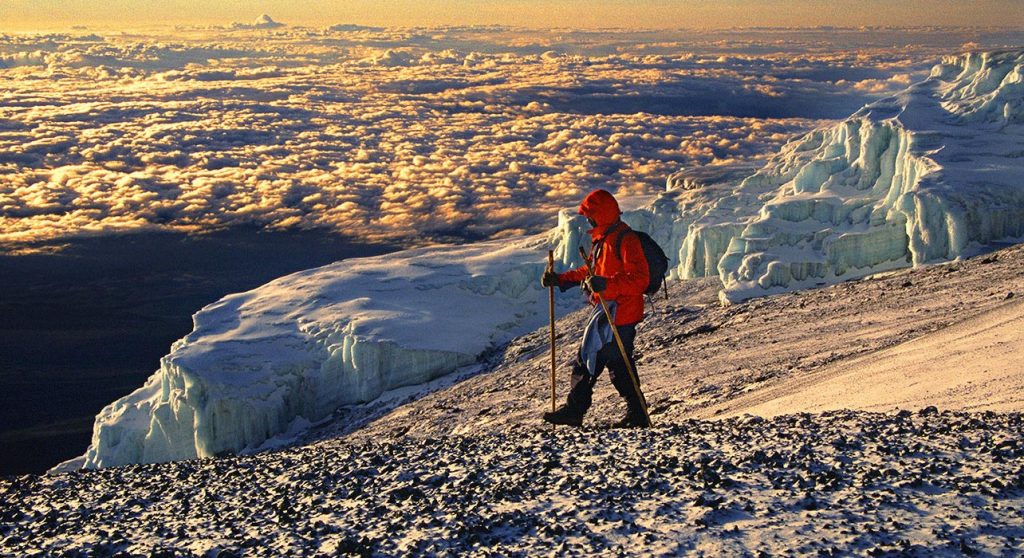
- Scenery: The route offers a journey through Kilimanjaro’s distinct ecological zones. You’ll start in lush rainforest, move through heather and moorland dotted with giant groundsels, cross the barren alpine desert, and finally reach the arctic zone with its glaciers and snowfields.
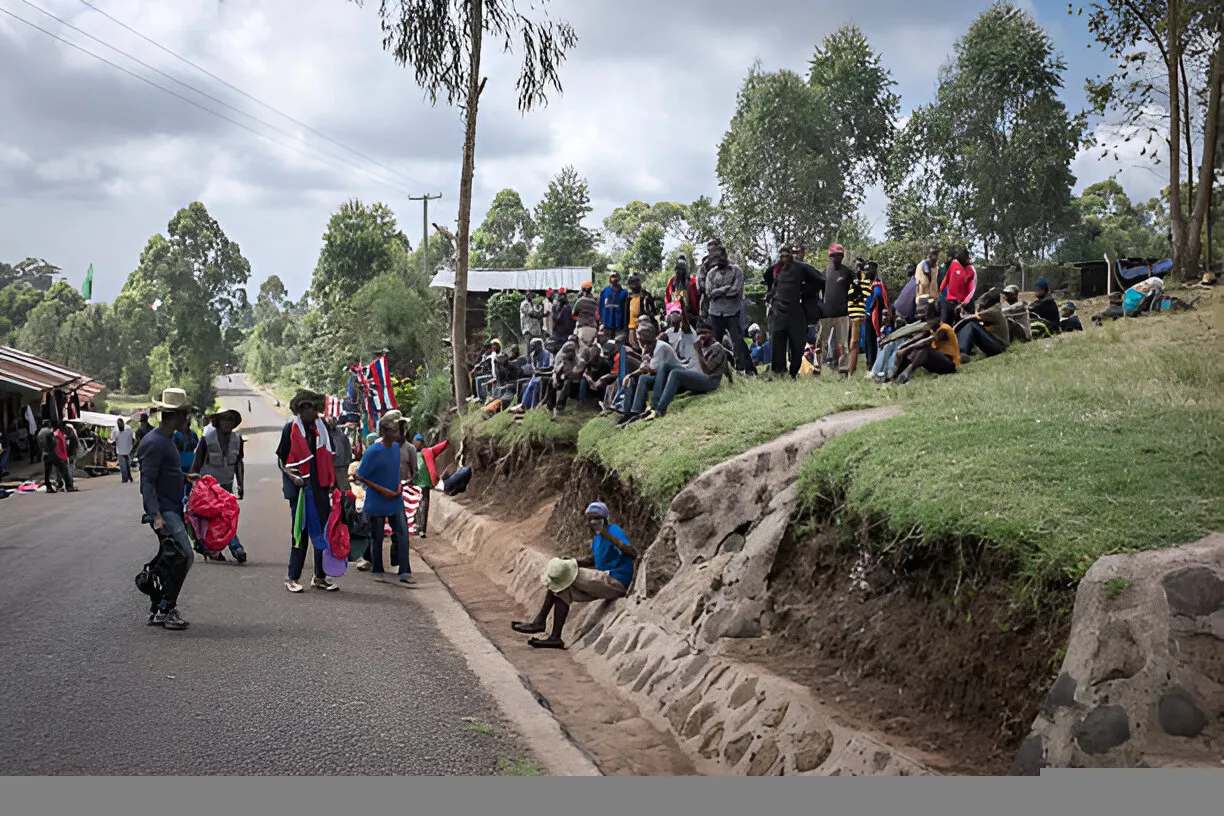
- Crowds: As the most popular route, Marangu can be crowded, especially during peak seasons. This can mean more interaction with other trekkers and guides.
- Ascent/Descent: The ascent and descent follow the same path, meaning you’ll see the same landscapes on the way down as you did on the way up. This can feel repetitive for some but also offers a sense of familiarity.
- Summit Night: This is the most physically and mentally demanding part. It’s a cold, steep, and often windy climb in the dark, aiming to reach the summit by sunrise.
Acclimatization and Altitude Sickness
Altitude sickness (Acute Mountain Sickness – AMS) is the most significant risk on Kilimanjaro. The Marangu Route’s 5-day option is known for its rapid ascent, which can lead to AMS. The 6-day itinerary, by adding an extra day at Horombo Huts, significantly improves acclimatization and reduces risk.
Key principles for acclimatization:
- Go ‘Pole Pole’ (Slowly Slowly): Walk at a pace that allows you to hold a conversation.
- Hydrate: Drink plenty of water (3-4 liters per day).
- Eat Well: Consume high-carbohydrate meals.
- Avoid Alcohol and Smoking: These hinder acclimatization.
- Ascend Gradually: The 6-day Marangu route does this better than the 5-day.
- Monitor Symptoms: Be aware of headaches, nausea, dizziness, and fatigue. Communicate any symptoms to your guide immediately.
If symptoms of AMS worsen, descent is the only cure. Your guides are trained to assess and manage altitude sickness.
Typical Inclusions & Exclusions
While exact inclusions vary by operator, here’s a general guide:
| Included | Typically Excluded |
|---|---|
| Park fees (Kilimanjaro National Park, concession fees) | Tips for guides, porters, and cook |
| Accommodation in huts (Marangu Route) | Visa fees (if applicable) |
| All meals on the mountain | Travel insurance (essential, must cover high-altitude trekking) |
| Trained and licensed mountain guides | Personal climbing gear (sleeping bag, trekking poles, warm clothing) |
| Experienced cook and porters | Lunches and drinks in hotels before and after the climb |
| Purified drinking water on the mountain | Gratuities for hotel staff |
| Group camping equipment (if applicable for other routes, less so for Marangu) | Personal expenses (souvenirs, laundry) |
| Transfer from Moshi/Arusha to Marangu Gate and back | Helicopter evacuation fees (often covered by insurance, but sometimes an upfront deposit is required) |
| Government taxes | Vaccinations and medications |
Packing Essentials for the Marangu Route
Proper gear is crucial for comfort and safety. Layers are key to adapting to changing temperatures.
Clothing Layers:
- Base Layers: Moisture-wicking thermal tops and bottoms (synthetic or merino wool).
- Mid Layers: Fleece jacket or insulated jacket for warmth.
- Outer Layer: Waterproof and windproof jacket (Gore-Tex or similar) and trousers.
- Insulation: A warm down or synthetic puffer jacket for summit night and cold evenings.
- Trekking Shirts: Long-sleeved, quick-drying shirts.
- Trekking Trousers: Comfortable, quick-drying hiking pants (avoid jeans).
Headwear & Handwear:
- Warm wool or fleece hat (covering ears)
- Sun hat or cap with a wide brim
- Balaclava or neck gaiter for face protection
- Warm waterproof gloves
- Liner gloves (thin gloves for dexterity)
Footwear:
- Broken-in waterproof hiking boots (mid to high ankle support)
- Camp shoes or comfortable trainers for evenings
- Warm, moisture-wicking socks (multiple pairs)
- Liner socks to prevent blisters
Sleeping Gear:
- Warm sleeping bag (rated to -10°C or -20°C / 0°F to -4°F)
- Sleeping pad (optional, as huts have beds, but can add comfort)
Backpack & Bags:
- Daypack (30-40 liters) for essentials (water, snacks, camera, rain gear)
- Duffel bag or large backpack (80-100 liters) for porters to carry
- Waterproof dry bags or plastic bags to protect gear
Other Essentials:
- Water bottles or hydration reservoir (at least 2-3 liters capacity)
- Water purification tablets or filter (backup)
- Headlamp with extra batteries
- Sunglasses (UV protection)
- Sunscreen (high SPF) and lip balm with SPF
- Personal first-aid kit (band-aids, antiseptic wipes, pain relievers, blister treatment, personal medications)
- Toiletries (biodegradable soap, toothbrush, toothpaste, wet wipes)
- Trekking poles (highly recommended for knee support)
- Camera and spare batteries/power bank
- Snacks (energy bars, nuts, dried fruit)
- Book or journal for downtime
- Passport, visa, travel insurance details, and copies
- Small towel
Physical and Mental Preparation
Climbing Kilimanjaro is a significant physical challenge, but it’s not about being an elite athlete. It’s more about endurance and mental fortitude.
Physical Preparation:
- Cardiovascular Fitness: Focus on activities that improve your stamina, such as hiking, running, cycling, or swimming. Aim for 3-4 sessions per week.
- Hiking Practice: Undertake regular hikes, ideally with hills or stairs, carrying a backpack similar to what you’ll use. Practice on consecutive days if possible to simulate multi-day treks.
- Strength Training: Focus on leg strength (squats, lunges) and core strength.
- Altitude Training: If you live at altitude, this is an advantage. If not, focus on cardiovascular fitness as the best preparation.
Mental Preparation:
- Understand the Challenge: Know that it will be tough, especially summit night.
- Set Realistic Expectations: Success isn’t guaranteed. Focus on the journey and the experience.
- Develop Resilience: Prepare for discomfort, cold, and fatigue.
- Visualize Success: Imagine yourself reaching the summit and enjoying the views.
- Trust Your Guides: Listen to their advice and instructions.
Common Mistakes to Avoid
Many trekkers make similar errors that can impact their climb. Here are some to watch out for:
- Choosing the 5-Day Marangu Route: This is the most common mistake, leading to poor acclimatization and a higher chance of failure or severe altitude sickness. The 6-day option is strongly recommended.
- Inadequate Gear: Not packing enough warm layers, waterproofs, or comfortable boots can lead to extreme discomfort and health risks.
- Poor Hydration: Not drinking enough water is a major contributor to altitude sickness and fatigue.
- Walking Too Fast (‘Race Pace’): The mantra ‘pole pole’ is vital. Rushing leads to exhaustion and poor acclimatization.
- Ignoring Symptoms of Altitude Sickness: Pushing on when feeling unwell is dangerous. Always communicate with your guide.
- Not Breaking in Boots: Wearing new boots on the trek can cause severe blisters.
- Underestimating the Cold: Summit night is extremely cold. Ensure you have adequate warm clothing.
- Choosing the Cheapest Operator: While cost is a factor, the cheapest operators often cut corners on guide training, equipment, food, and porter welfare, compromising safety and experience.
Who is the Marangu Route Best Suited For?
The Marangu Route, especially the 6-day option, is suitable for a range of trekkers:
- Beginners: Those new to multi-day trekking who prefer hut accommodation over camping and want a well-trodden path.
- Comfort Seekers: Trekkers who value basic shelter and meals provided in huts over the ruggedness of camping.
- Time-Constrained Trekkers (with caution): Those with limited time might consider the 5-day option, but it’s crucial to understand the risks and the need for excellent acclimatization beforehand. The 6-day version is a much safer choice.
- Budget-Conscious Trekkers (carefully chosen operator): While not always the cheapest overall, its infrastructure can make it seem more accessible.
- Those seeking a less physically demanding start: The initial rainforest section is gentler than some other routes.
However, it’s important to reiterate that even on the Marangu Route, altitude is the primary challenge, and a good level of fitness is still required.
Alternatives to the Marangu Route
While the Marangu Route is popular, other Kilimanjaro routes offer different experiences, often with higher success rates due to better acclimatization profiles:
- Machame Route: Known as the “Whiskey Route,” it’s the most popular route overall. It offers camping, diverse scenery, and a circuit that allows for excellent acclimatization, leading to higher success rates. Typically 6-7 days.
- Lemosho Route: A longer, more scenic route that starts in the west. It offers excellent acclimatization and stunning views, often considered one of the most beautiful routes. Typically 7-8 days.
- Shira Route: Similar to Lemosho, starting higher up on the Shira Plateau. It’s more challenging initially due to the higher starting altitude but offers spectacular scenery. Typically 7-8 days.
- Northern Circuit: The longest route, offering the best acclimatization and highest success rates. It circles the mountain, providing panoramic views and a more remote experience. Typically 9-10 days.
- Rongai Route: The only route approaching from the north. It’s drier than southern routes, making it a good option during wetter seasons, though less scenic in the lower sections. Typically 6-7 days.
Each route has its own unique appeal, but for acclimatization and success, Machame, Lemosho, and Northern Circuit are often preferred over the 5-day Marangu.
Planning Your Trek for 2026 & 2027
Planning well in advance is key to securing your preferred dates and a reputable operator for your Marangu Route Kilimanjaro Guide adventure in 2026 or 2027.
Timeline:
- 12+ Months Before: Start researching tour operators. Read reviews, compare itineraries, and understand what’s included. Book your trek.
- 6-9 Months Before: Begin your physical training program. Start focusing on cardiovascular fitness and endurance hiking.
- 3-6 Months Before: Purchase essential gear. Break in your hiking boots.
- 1-3 Months Before: Finalize travel arrangements (flights, visas, vaccinations). Continue training.
- 2-4 Weeks Before: Pack your bags. Ensure all gear is ready. Confirm details with your tour operator.
- 1 Week Before: Arrive in Tanzania (Arusha or Moshi) to acclimatize to the local environment and meet your team.
Key Considerations for 2026/2027:
- Book Early: Especially for peak seasons (Jan-Mar, Jun-Oct), popular operators and dates fill up quickly.
- Operator Reputation: Prioritize safety, guide experience, and ethical treatment of porters over the absolute lowest price.
- Itinerary Choice: Strongly consider the 6-day Marangu route for better acclimatization and success rates.
- Travel Insurance: Ensure it covers high-altitude trekking up to 6,000 meters and includes emergency medical evacuation.
- Health Consultations: Discuss necessary vaccinations and altitude medication (like Diamox) with your doctor well in advance.
Booking Your Marangu Route Trek
Choosing the right tour operator is paramount for a safe and enjoyable Kilimanjaro experience. Here’s how to approach booking:
What to Look For in an Operator:
- Experience and Reputation: Look for established companies with a proven track record.
- Guide Qualifications: Ensure guides are Wilderness First Responder certified and have extensive experience on Kilimanjaro.
- Safety Standards: Check their emergency procedures, oxygen availability, and communication protocols.
- Porter Welfare: Ethical treatment of porters is a significant indicator of a responsible operator. Look for information on fair wages, adequate food, and appropriate gear for their staff.
- Itinerary Design: Opt for operators who recommend longer itineraries (like the 6-day Marangu) for better acclimatization.
- Inclusions: Clearly understand what is and isn’t included in the price to avoid hidden costs.
- Communication: A responsive and helpful operator during the booking process is a good sign.
Steps to Book:
- Research and Shortlist: Identify 3-5 operators that meet your criteria.
- Request Quotes: Get detailed quotes and compare itineraries, inclusions, and pricing.
- Ask Questions: Don’t hesitate to ask about guide training, safety, porter welfare, and acclimatization strategies.
- Read Reviews: Look for independent reviews on travel forums and review sites.
- Confirm Details: Once you’ve chosen, confirm all booking details, payment terms, and cancellation policies.
We at Top Guide Adventures specialize in Kilimanjaro treks and safaris. We pride ourselves on experienced guides, robust safety protocols, and ethical treatment of our mountain crew. We offer comprehensive packages for the Marangu Route and other Kilimanjaro trails, tailored to ensure your safety and enjoyment.
Contact us to discuss your trek:
WhatsApp: +255616946642
Email: topguideadventures@gmail.com
Backup Email: info@topguideadventures.com
Frequently Asked Questions (FAQs)
What is the main advantage of the Marangu Route?
The main advantage of the Marangu Route is its hut accommodation, offering a more comfortable shelter than camping. It’s also the only route where you can descend on the same path you ascended, which some find familiar.
Is the Marangu Route the easiest?
While the initial stages are less steep, the Marangu Route is not necessarily the easiest overall, especially the 5-day itinerary. The rapid ascent can lead to altitude sickness, and summit night is extremely challenging on any route. The 6-day option significantly improves the experience and safety.
What is the success rate for the Marangu Route?
Success rates for the Marangu Route are generally lower than for longer routes like Machame or Lemosho, particularly for the 5-day option. This is primarily due to insufficient acclimatization time. The 6-day itinerary significantly boosts success rates.
Do I need to carry my own luggage on the Marangu Route?
No, porters will carry the majority of your luggage in duffel bags. You will only need to carry a daypack with essentials like water, snacks, camera, and rain gear.
What is the difference between the 5-day and 6-day Marangu Route?
The 6-day itinerary includes an extra day for acclimatization, usually at Horombo Huts. This extra day allows your body to adjust better to the altitude, significantly increasing your chances of reaching the summit and making the overall trek more enjoyable.
Can I book the Marangu Route in 2026 or 2027?
Yes, the Marangu Route is available for trekking in 2026 and 2027. It’s advisable to book well in advance, especially if you plan to travel during the peak dry seasons.
What kind of food is served on the Marangu Route?
Your tour operator will provide three meals a day: breakfast, lunch, and dinner. Expect a mix of carbohydrates for energy, such as porridge, eggs, bread, rice, pasta, and stews. Meals are prepared by a dedicated cook.
How cold does it get on Kilimanjaro?
Temperatures can drop significantly, especially at higher altitudes and on summit night. Expect temperatures to range from around 10-20°C (50-68°F) in the rainforest to -10°C to -20°C (14°F to -4°F) or even colder at the summit, with wind chill.
What is the best time of year to climb Kilimanjaro via Marangu?
The best times are the dry seasons: January to March and June to October. These periods offer clearer skies and more stable weather conditions, making the trek safer and more enjoyable.
Can I use Diamox on the Marangu Route?
Yes, Diamox (Acetazolamide) is often prescribed by doctors to help prevent or alleviate symptoms of altitude sickness. Consult your doctor about whether it’s suitable for you before your trek.
What happens if I get sick on the mountain?
Your mountain guides are trained to recognize symptoms of altitude sickness and other medical issues. They will monitor you closely. If symptoms are severe, descent is the recommended course of action. Your tour operator and travel insurance will have emergency evacuation plans in place.
Ready to Conquer Kilimanjaro via the Marangu Route?
The Marangu Route offers a unique and accessible way to experience the grandeur of Kilimanjaro. With its comfortable hut accommodation and well-established path, it remains a popular choice for adventurers. However, success hinges on proper preparation, choosing the right itinerary (we highly recommend the 6-day option for better acclimatization), and partnering with a reliable tour operator.
At Top Guide Adventures, we are passionate about creating unforgettable Kilimanjaro experiences. Our expert guides, commitment to safety, and dedication to ethical tourism ensure your trek is both rewarding and responsible. Whether you are planning for 2026, 2027, or a future adventure, we are here to guide you every step of the way.
Let us help you plan your dream climb. Contact us today for a personalized quote and expert advice on your Marangu Route Kilimanjaro Guide adventure.
Reach us via:
WhatsApp: +255616946642
Email: topguideadventures@gmail.com
Backup Email: info@topguideadventures.com
Plan your Marangu Route Kilimanjaro Guide with Top Guide Adventures
Tell us your travel dates, group size, comfort level, and dream experience. We will help you shape a clear, realistic, and memorable Tanzania itinerary.







 Veedesigner
 Fatma Kizanga
 Benjamin Waryuba
 Philip Philip
 John jr Itaja
 Antonia Optatus
 Edith Kanyere
 Neema Iddy
 Kelvin Boniphace
 Damari Maiga



